
There are so many gorgeous trees to plant in Southern Ontario, but waiting for them to reach maturity can be a real test of patience! If you want shade and high-impact colour in your landscape ASAP, opt for fast-growing varieties. With vibrant foliage, gorgeous texture, and shade from the hot sun, these beautiful, fast-growing trees will dramatically boost your property value and curb appeal.
Discover the Best Fast-Growing Shade Trees for Southern Ontario
Here are six-star performers that never fail to amaze us with their impressive growth speed and stunning displays!
Autumn Blaze Maple
This mega-vibrant maple features those signature lobed leaves that we can't resist. They emerge as rich emerald green, then transition to a brilliant blazing red that lights up the landscape. Under ideal conditions, this powerhouse can grow as fast as 3–5 feet per year, making it one of the most fast-growing trees in North America! At maturity, Autumn Blaze Maples reach 40–55 feet tall with a 30–40 foot canopy. Plant it 15–20 feet from your home to prevent the roots from causing foundation damage.
Tulip Tree
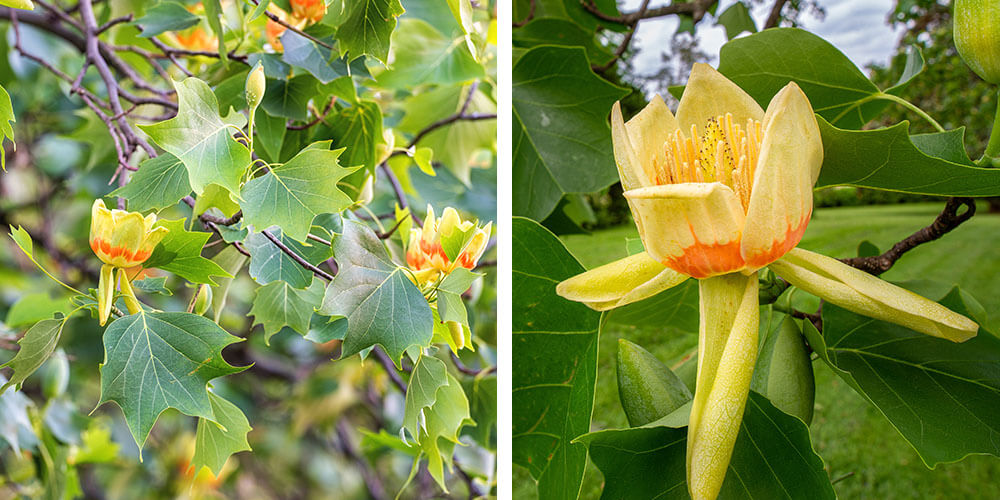
Ah, the Tulip Tree—a stunning sight to behold! Yellow-green blossoms flushed with orange emerge through May and June, making this flowering tree a real showstopper for Southern Ontario. Its maple-like foliage transitions to a sunny yellow shade in autumn, casting a beautiful golden glow across the landscape. This behemoth can reach up to 70–90 feet tall, but its canopy only spreads about 40 feet wide, so it isn't too difficult to accommodate in a standard-sized yard. You can expect your tulip tree to grow over 2 feet per year if it's planted in full sun and has moist, well-drained soil full of compost and essential nutrients.
Regal Petticoat Sycamore Maple
Bring spectacular prismatic colour to the landscape with this fast-growing, two-toned maple tree! Also known as the Planetree Maple, this magnificent variety has foliage that emerges as a soft olive green tinged with burgundy. As the leaves age, they change to a deeper, glossy green with rich burgundy undersides and a luxurious, velvety texture. In autumn, the leaves turn gold with salmon pink undersides!
This manageable maple only reaches about 40 feet high and 30 feet wide, and you can rely on it growing at impressive speeds! The Regal Petticoat Sycamore Maple is incredibly pollution tolerant, so if you live in the city centre, it's a perfect addition for smaller, urban yards.

Brabant White Cedar
On the hunt for fast-growing evergreen trees in Ontario? The Brabant White Cedar is a fantastic choice. It has that distinctive, nostalgic cedar scent and beautifully textured foliage that remains lush and green all year. They only reach about 15 feet high and 6 feet wide, creating a lovely columnar shape that makes them ideal for border planting. Create a cedar privacy hedge all around your property instead of a plain old fence—you'll love the feeling of being surrounded by vibrant greenery! These beautiful cedars grow 2–2.5 feet yearly, so they'll be nice and tall in no time.
Eastern White Pine
A classic evergreen pine featuring that signature pyramidal shape is iconic. The Eastern White Pine has soft, slender blue-green needles, creating a wispy, whimsical look. They reach 50–80 feet tall at maturity, with a 20–40 foot spread. Eastern White Pines only need a minimum of four hours of direct sunlight per day, so if your yard is a bit on the shady side, you'll have no trouble with this fast-growing tree. You might not believe it, but this incredible evergreen can grow as fast as 5 feet per year!

Krauter Vesuvius Flowering Plum
Looking for an ornamental tree that makes a statement? The Krauter Vesuvius Flowering Plum explodes with sweet pink blooms every spring, followed by deep purple foliage that lasts all through the summer! It reaches 20 feet tall and only spreads 15 feet wide, so it's an ideal choice for front yards or smaller spaces—just ensure it gets full sun! Its growing speed maxes out at about two feet per year under ideal conditions, so you won't have to wait long for this phenomenal tree to have a big impact on your landscape.
Discover ever more fast-growing trees in Ontario by visiting Eising Garden Centre! From evergreens to maples, fruit trees, and so much more, there is no shortage of options for growing here in Simcoe.
Groundcover plants are gorgeous, and they provide us with so many unexpected benefits! If you haven’t tried growing groundcovers in your garden, you should definitely consider it. It’s a bit of a broad term, but groundcover generally refers to any plants that are more low-growing and form lush carpets of colour across the landscape. Here are some of our favourites for Southern Ontario.
The Best Groundcover Plants for Simcoe Gardens
There are so many groundcover plants we can grow in Simcoe—many are native to Southern Ontario, so they’re some of the best low-maintenance plants for our gardens! Here are a few noteworthy varieties you can plant here:
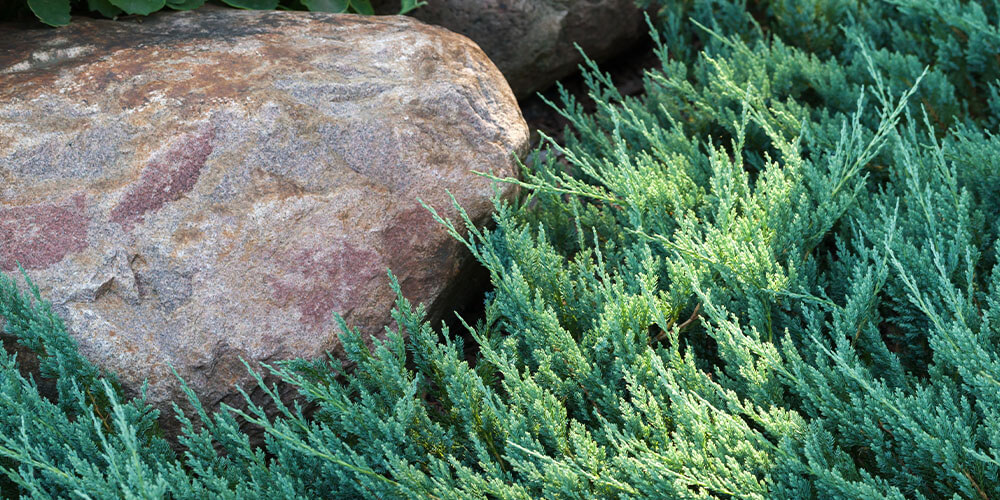
- Creeping Juniper
- Ostrich Fern
- Blue Star Creeper
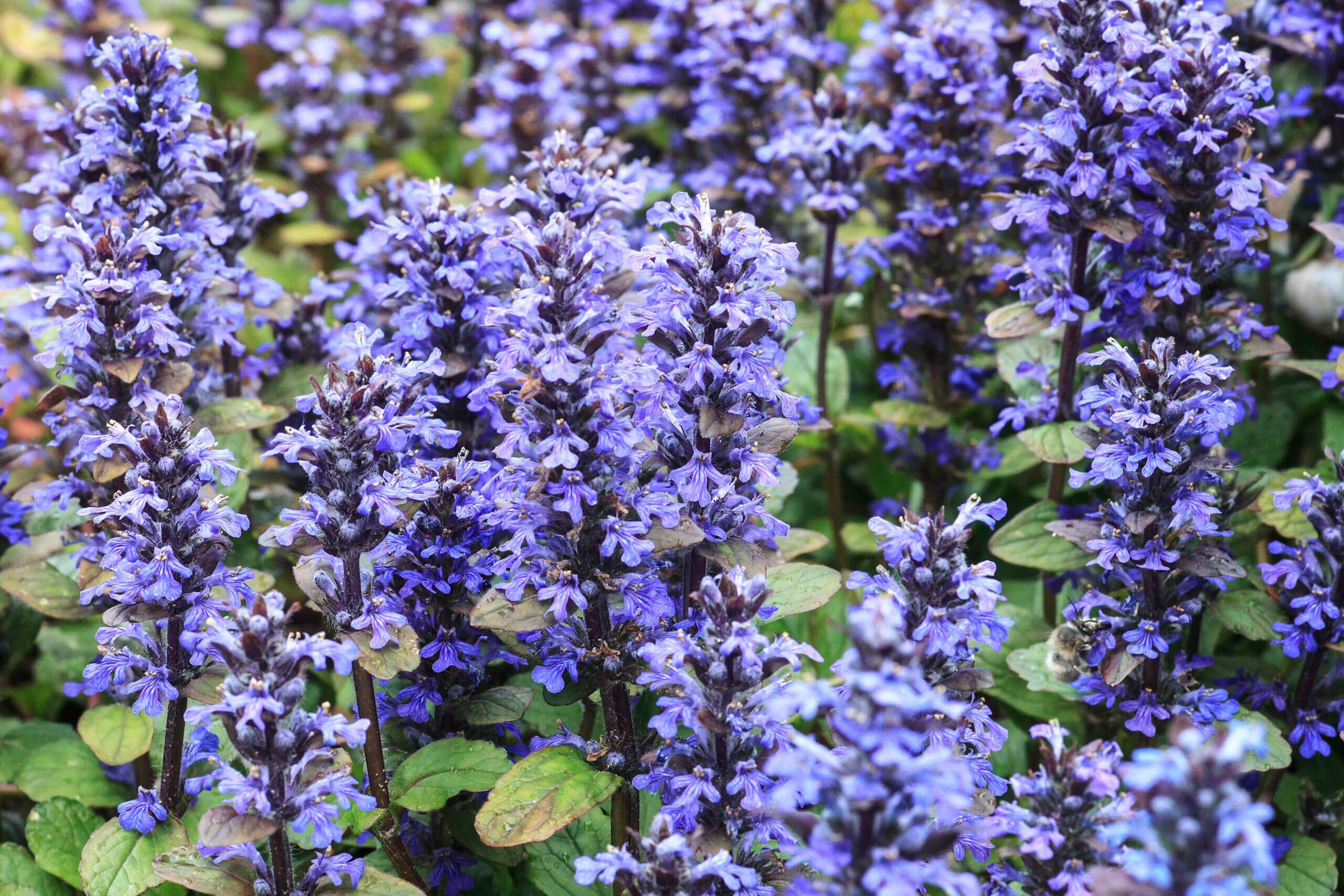
- Bugleweed
- Creeping Phlox
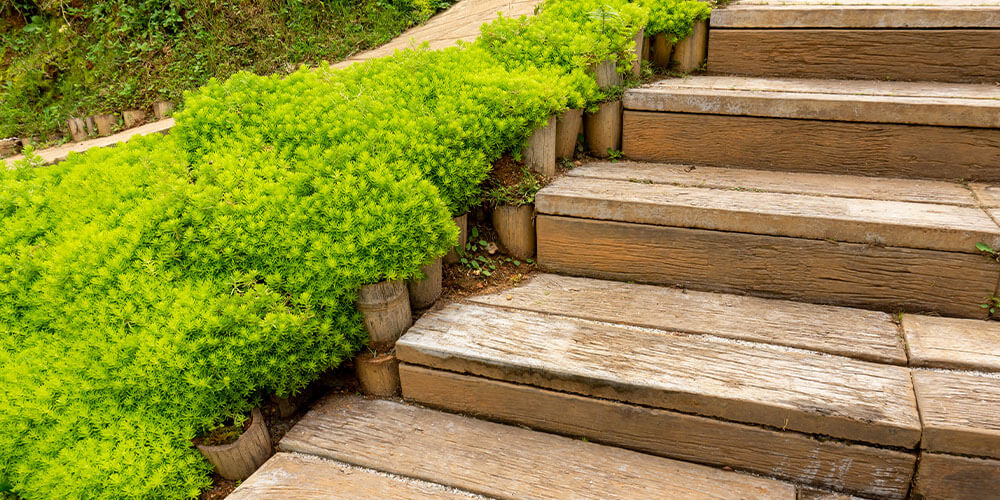
- Sedum
- Delosperma
- Creeping Thymes
- Lamium
Some are a bit taller and have more texture and colour, while others remain quite low and can handle some foot traffic, making them excellent lawn alternatives. Whatever the style or function you’re hoping to add to your landscape, you’ve got plenty of options for gorgeous groundcovers to grow here.
The Benefits and Uses of Groundcover Plants
Groundcovers’ shape and growth habits offer some surprising upsides and functional uses. Here’s how you can use them strategically in your landscape design.
Erosion Prevention and Terrain Stability
Sloping terrain can shift and erode over time due to rain, wind, or unstable ground. Extreme weather can cause messy, expensive landscape issues like mudslides. Luckily, groundcovers have such thick root networks that they help stabilize the ground by penetrating the soil and creating a woven barrier that holds loose dirt in place.
Soil Moisture Regulation
When the sun shines down on the soil all day, it can evaporate available moisture quite quickly. Covering up the bare spaces in the garden with groundcover plants can help shield the soil surface from the sun, keeping the soil cool and moist for longer. Groundcover plants also help deliver nutrients back into the soil, maintaining a healthy ecological balance of good bacteria, microbes, and macronutrients.

Weed Prevention
If you fill the bare patches of soil in your garden with groundcover plants, there won’t be any free space for weeds! Weed seeds are tenacious and can survive in the soil for years before sprouting, but if there’s nowhere for them to take root, the problem is solved. Less time spent pulling weeds sounds pretty good to us!
Much Prettier Than Mulch
We’ve got nothing against mulch—that stuff works wonders!—but it just isn’t as pretty as a sea of lush, blooming garden plants and colourful, textured foliage. Groundcovers offer many of the same functional benefits as mulch, plus so many more! While mulch breaks down and needs replacing every year or two, these perennial plants will look even more beautiful and bright with each passing year.
Less Lawn, More Life
If all that time spent maintaining a uniform, plain grass lawn feels unfulfilling, why not reduce your lawn size and grow more low-growing plants and flowers? Planting groundcovers adds more visual impact, and if you stick to native, drought-tolerant varieties, it can be much more low-maintenance. The local pollinators will love it, too— blooming groundcovers provide plenty of valuable sustenance for bees, butterflies, and even hummingbirds.
Discover even more of the best groundcovers in Simcoe by visiting Eising Garden Centre! We have many distinctive varieties with unique features and benefits. Feel free to ask our staff for some pointers on how to care for your groundcovers for the first year after planting!
Now that gardening season is in full swing, you're probably thinking about when and how to apply fertilizer—or perhaps you haven't thought about it at all! Here's an overview of everything you need to know to keep all your landscape plants looking lush and healthy from spring until frost.
Is Spring a Good Time to Fertilize?
Yes! Spring is when your plants begin their big growth spurt for the year, and they're going to need lots of nutrients to help fuel this growth—that's a fact! The nutrients found in fertilizers are essential for plants to perform their basic functions, and if there isn't enough in the soil, plant growth will be lacking. Fertilizing through spring, summer, and early fall will keep plants consistently nourished, but you won't want to apply anything after fall, as this will disrupt your plants' growth cycles when they need to go dormant over winter.
Understanding NPK Ratios
The three numbers on the fertilizer bag represent the ratio of the three primary chemical nutrients your plants need: Nitrogen (N), Phosphorus (P), and Potassium (K).

Nitrogen is necessary for the growth of healthy foliage. Phosphorus stimulates root growth and flower production, which in turn leads to fruit production. Potassium supports overall plant health and basic functions like nutrients and water uptake.
Not all formulas are the same, and many are for specific kinds of plants. You can use all-purpose fertilizers as a one-size-fits-all solution, as they have a balanced 10–10–10 NPK ratio, but using specially formulated products will yield the best results.
Since some plants have tons of foliage and no flowers, a high nitrogen formula is appropriate in those cases. However, if you give a high nitrogen formula with low phosphorus to a flowering plant, you'll get lots of leaves and barely any flowers; this is why it's essential to be choosy about which formula you use for your different plants.
What Fertilizers to Use in Spring
Here's a rundown of what needs to get fertilized in spring and the best types of formulas to use. Always follow the instructions on the package carefully! Over-fertilizing won't produce faster growth—it will just stress out your plants and make them grow faster than they should, resulting in weak, leggy growth. Over-fertilizing can also cause microbial imbalances in the soil, and too much synthetic phosphorus can contaminate groundwater, harming our aquatic ecology by causing algae blooms. Using an organic formula tends to be gentler on the soil, so you can seek an organic option if you'd like to play it safe.

Spring Lawn Fertilizer
Fertilizing in early spring with a "Weed and Feed" formula can help nourish your grass while preventing weeds from sprouting because it's mixed with a pre-emergent herbicide. However, it's too late to use a pre-emergent if it's already April or May. Instead, you can use a high nitrogen formula with a 3–1–2 or 4–1–2 NPK ratio. If you have a big lawn, you can use a broadcast spreader to make the application easy and even across the landscape.
Shrub and Tree Fertilizer
Formulas with an NPK ratio of 16-4-8, 12-4-8, or 12-6-6 are usually appropriate for trees and shrubs. However, there are many formulas available for certain types of trees and shrubs, such as:
- Azaleas and rhododendrons
- Citrus fruit trees
- Roses
Spread the fertilizer at a diameter equivalent to 1.5X the size of the crown. Remember to follow the package instructions to calculate how much to apply at one time! Try your best to avoid getting any granules on your shrub's foliage, as this can burn the leaves.

Perennial and Annual Fertilizer
Balanced all-purpose formulas are usually fine for your perennials and annuals, but you can also use something with slightly higher phosphorus to encourage more blooms. Just remember not to overdo it with the phosphorus! Granulated slow-release formulas will deliver a steady stream of nutrients to your flowers over a month or so, but if you want to give your plants an instant boost in spring, you can use a water-soluble formula that will go straight into the soil.

Vegetable Fertilizer
Use a formula that is safe for use on edible plants. If you want to grow an organic vegetable garden, then stick to using an organic fertilizer!
Eising Garden Centre has plenty of spring fertilizer for sale for all your plants, outdoors and indoors! Visit us soon—spring is almost over, and your plants need a boost so they can keep growing steadily throughout the rest of the year!
May Long Weekend is the perfect time to kick off patio season and host a party in the backyard! If you want this year’s party to be a hit—plus all the other backyard parties you’ll be having through summer and fall—get your backyard set up with these outdoor entertaining must-haves.
Bring the Party Vibes This May-Long with These Backyard Essentials
A great party needs an amazing atmosphere! To transform your backyard into the perfect party zone, you’ll need to think about your overall layout and design. Here are some backyard design ideas and additions that will set the tone for your space.

Create an Outdoor “Room” for Entertaining
A sense of privacy actually helps to make parties feel more fun and lively. Think about it: if you bring twenty people into a huge room, it will feel awkward and empty, even though you’ve got plenty of people to talk to! In your backyard, you can create a more intimate setting with strategic design elements, such as:
- A gazebo or pergola to act as a room without walls
- Lattice dividers you can cover with beautiful creeping vines
- Outdoor rugs to place under your patio set, helping establish it as its own living space
You can strategically design other decorative elements like potted plants, patio furniture and garden art to create the illusion of a room or establish separation from other areas. Browse our garden centre to discover more creative backyard accessories to make your space uniquely yours!
Embrace the May Flowers
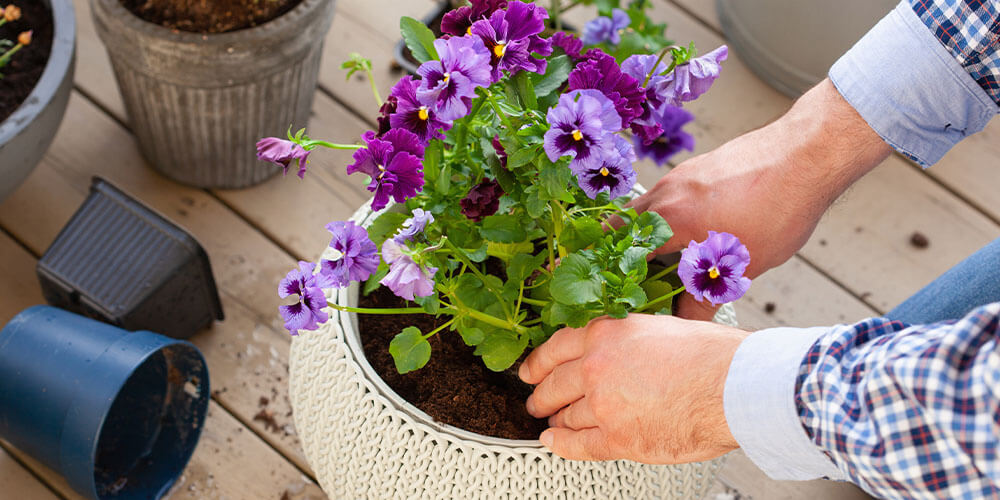
May is known for its flowers, so why not decorate your outdoor space for the May Long Weekend with some of the most beautiful displays this magnificent month offers? Spring is a perfect time to plant—the soil is still cool, so your plants’ roots won’t get shocked. You can also buy flowering container arrangements and hanging baskets to place around your patio and seating areas. Visit us now to see what’s in bloom!
Decorate with Exotic Potted Plants
Large, exotic plants like potted palms, Birds of Paradise, and Monstera plants bring style, personality, and a bit of edge to your backyard entertaining area. Setting them up around seating areas helps establish that homey feeling, and the big, breezy foliage creates such a gorgeous green canopy overhead. We have an incredible assortment of exotic plants that you can bring back indoors for the winter, so visit us soon to see the entirety of our exclusive new collection!

It’s All About the Ambient Lighting
You can’t party in pitch black! Mood lighting in your backyard will dramatically improve the atmosphere, and there are so many creative styles to consider. There are endless possibilities for lighting up the landscape, from twinkly fairy lights to solar-powered garden lamps, festive lanterns, and colour-changing LEDs you can control from your phone.
Get a Bonfire Pit
Something about a bonfire pit in the backyard naturally brings people together! The cozy warmth, the beautiful glow, and the heat source for cooking tasty party snacks always make for a great time with friends and family. All you have to do is send out a mass text that says “bonfire tonight?” and the people will come!
Before setting up your bonfire pit in the backyard, check to see if your area requires a fire permit first, and be sure your space is large enough to accommodate the pit safely. Most places recommend that your bonfire be at least 10 feet away from any structures like buildings or fences.
We’re big into May-long weekend backyard parties in Ontario, so if you want to host this year’s spring bash, visit Eising Greenhouse to stock up on all the backyard essentials!
This is your year to earn your title of Mom’s Favourite Child. Get a Mother’s Day present that will make your siblings’ feeble attempts at gift-giving pale in comparison. There’s no need to splurge a giant wad of cash or overthink anything—we’ve got everything you need right here at Eising Garden Centre, from pretty plants to cute accessories and so many more gifts to make Mom’s day awesome.
Mother’s Day Plants and Other Last-Minute Gifts That Are Actually Cool
Trust us: Mom doesn’t want another charm for her bracelet. It’s too heavy. Her delicate, graceful arms need a break. Give her something she’ll really appreciate, like one of these plants or other cool presents from Eising Garden Centre:
Exotic Potted Palms
Mom deserves a vacation, but if a trip to Fiji isn’t in the budget, bring the tropics to her! We have so many gorgeous potted palm trees that can be grown as exotic indoor plants. Plus, she can bring them outside for summer so she can lounge around outside with a drink underneath a leafy canopy of tropical foliage. Sounds about perfect!

A Monstera Plant
These trendy tropicals are perfect plant presents. How could anyone resist those signature leaves? Pick out an artsy pot to go with it from our pottery collection, and ask one of our staff members for care instructions so you can write them in the card. They start small but grow impressively large, so Mom can nurture it and help it grow, just like she did for you! Awwww.
Make a DIY Succulent Terrarium
A plant gift: amazing. A handmade gift: double amazing. A handmade plant arrangement expertly curated by Mom’s favourite kid: off the charts! All you need is a glass terrarium, some peat moss, decorative pebbles, and an assortment of gorgeous succulents, all of which you can find here at Eising Garden Centre. Look for tiny succulent plants like 2” Echeveria, Crassula, Kalanchoe, Haworthia, and Sempervivum—they’ll get bigger as they grow in the terrarium, and you don’t want them to get too crowded in there!
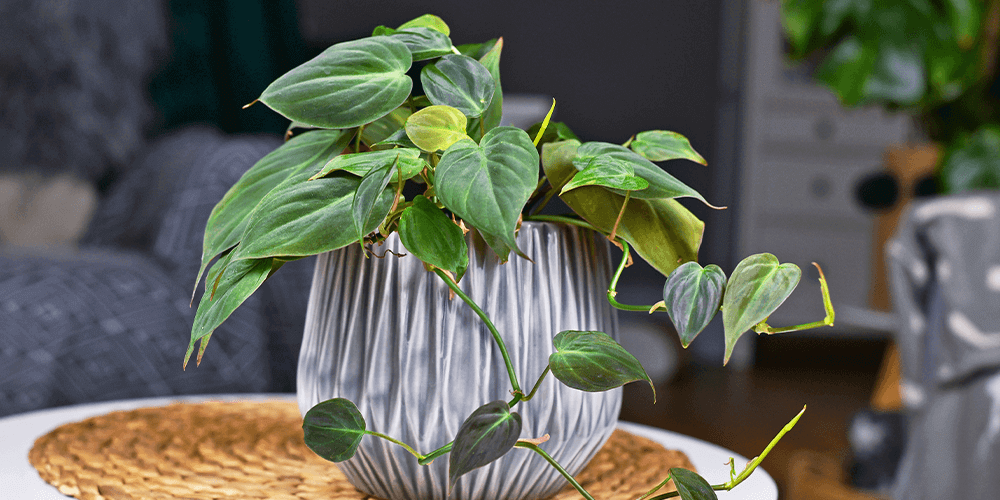
Philodendron Micans
This gorgeous vining plant has elegant, heart-shaped leaves. If that doesn’t make Mom’s heart melt, we don’t know what will! They start small but eventually grow into a lush plant that Mom can propagate and share with her friends. Tie a cute bow around that plant pot and boom! You’ve got the sweetest, most sentimental gift ever.
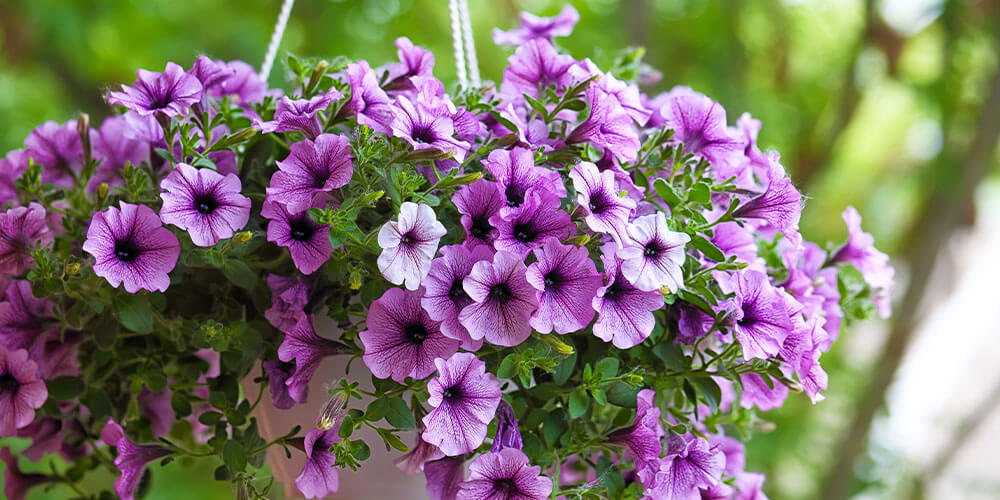
Hanging Baskets of Summer Flowers
Patio season is well underway, and beautiful blooming hanging baskets are essential for creating that carefree summer ambience. Opt for trailing flowering plants like Petunias and Superbells in Mom’s favourite colour. They grow so quickly, with incredible volume and long, cascading vines bearing ultra-vibrant blooms.
Gorgeous Garden Decorations
If Mom’s outdoor patio decor is starting to look a bit weathered, Mother’s Day would be an ideal occasion to buy her a brand new windspinner or gazing ball. Having a nicely-decorated place to relax, decompress, and get in touch with nature is so good for the mind and body! This unique present will definitely hit all the right notes.

A Sassyfras Boutique Gift Card
Buying clothing as a present can be a bit of a gamble—you never quite know how it will fit, and everyone’s personal tastes are different. The solution: buy Mom a gift card to our Sassyfras Boutique and accompany her on a shopping spree. Cue the fashion shopping montage! This way, you know she’ll get something she loves, and she gets to spend some quality time with her number one child, which is the best gift of all, obviously.
Doing your Mother’s Day shopping at Eising Garden Centre is a total gamechanger. There’s no need to panic when you’ve got hundreds of gorgeous plants and plenty of other fantastic items. Discover even more amazing plant gifts for sale here at our garden centre in Simcoe—you’ll want to make it a yearly tradition!
Does your front porch need a little pizzazz? Add a hanging basket—or three! Hanging baskets are an effortless way to add lots of colour to your garden or porch quickly and easily.
Why We Love Hanging Baskets
Hanging baskets are stunning in the summer and can elevate your backyard or front porch into a blooming oasis! It’s the perfect way to add colour at eye level and vertical elements to your space. They don’t require a lot of effort, provide blooms all season long, and they’ll attract pollinators to your yard! Hanging baskets are also very easy to install; with freestanding hooks you can place in your garden, or you can mount hooks to your fence. You can’t go wrong with hanging baskets, we promise!

There are so many colours available that you’ll have no problem picking something that suits your garden design. The most popular flowers are begonias, petunias, and calibrachoas in colours such as yellow, red, purple, pink, and more! While these blooms are gorgeous, some of them can be a little heavy, so keep your baskets protected from harsh winds, so the stems don’t snap.

Types of Outdoor Hanging Baskets
Depending on your preferences, there are a few types of hanging baskets out there. Of course, if you prefer one aesthetic over another, you can always transplant the basket you find at Eising Garden Centre to a custom planter that suits your garden.
- Fibre Baskets – a denser basket also held in a metal basket; this has a cleaner aesthetic than the moss but still has a natural-looking colour.
- Outdoor Plastic Baskets – for a classic shape that is clean and will complement the other pottery in your yard, select a plastic basket! You can even take off the hook at the end of the season and reuse the pot for future planting.

How to Care for Your Hanging Baskets
Taking care of outdoor hanging baskets is relatively easy as long as you remember to check on them a little more often than your other containers; they are more likely to dry out in the sun and wind and will need more frequent watering. As with most plants, watering thoroughly less often is better than watering infrequently and superficially. With outdoor hanging plants, you’ll want to water them once a day unless it’s rainy. If it’s a scorching day out, your basket may need water twice a day. We recommend watering your basket once the top of the soil is dry, and watering until water pours out the bottom. Be careful to avoid splashes on the foliage.
Hanging baskets benefit from fertilizer through the growing season, so top them up with a water-soluble fertilizer that promotes blooming, such as a 1:2:1 ratio, around the middle of summer. Make sure that your plant looks healthy and is hydrated before you introduce any fertilizer.
We also recommend rotating your outdoor baskets to spread that sunshine around. By rotating your plants, they’ll get more even sun and wind exposure, which will foster a healthier plant overall.
Trim your hanging basket to help keep its shape and get rid of any leggy stems, which will keep it looking full and lush through the season. Some flowers will need deadheading, such as geraniums and verbena, though not all; be sure to check the requirements of your specific varieties. If you need to deadhead your flowers, simply pinch off dead flowers after they start to fade to encourage more blooms.

At Eising Garden Centre, we have plenty of hanging baskets for sale that you can use to decorate your front patio, fences, and more. Come visit us in Norfolk County to see our vast selection of unique and beautiful baskets!
We all love to have some colour in our garden during the spring and summer, but adding colour doesn’t just mean adding hanging planters and colourful containers to your front porch! These flowering perennials have gorgeous blooms, and after a year of establishing, they’ll require minimal care. It’s a win-win situation!
Why Plant Perennials?
Perennials come back each year, meaning that you can invest in your landscape design and reduce the amount of planting you have to do each year. Once your perennials have grown enough, you can separate them to make more plants! To be deemed a perennial, a plant must be able to tolerate the entire year in the ground without dying. To keep it easy, we’ve curated this list of flowering perennials that will survive southern Ontario winters and bring your yard fabulous colour year after year.

Salvia
This perennial is the best way to make the most of your garden: it attracts pollinators, deters pests, is a delicious herb, and has stunning flowers all in one plant! You can cut any of the colours, such as white, blue, purple, and pink, near the base after they bloom to produce a fresh crop of flowers later in the season.
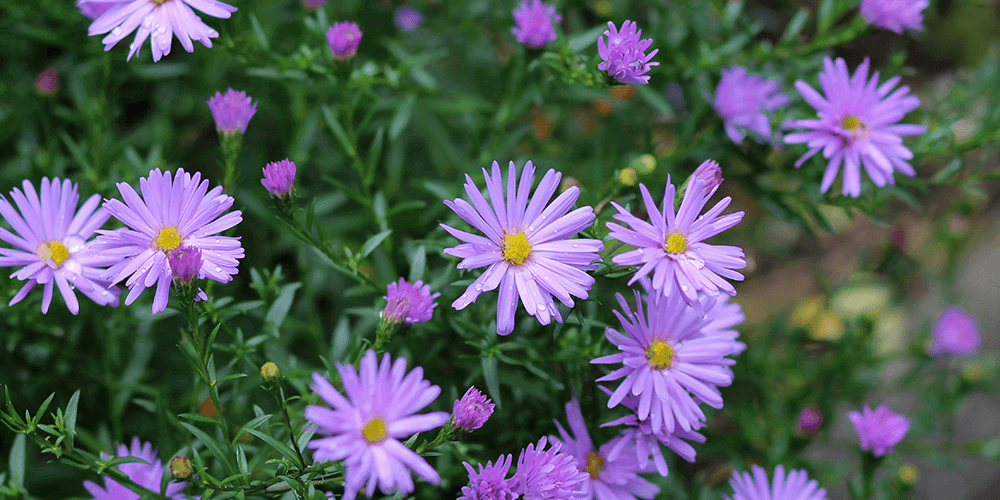
Aster
For late-season blooms, asters are the flowering perennial that will bring a pop of purple, blue or pink into your garden just before fall arrives, contrasting beautifully against the orange and yellow leaves. They are fantastic food sources for pollinators and are very easy to grow in containers. Keep your asters in full sun for the most blooms.
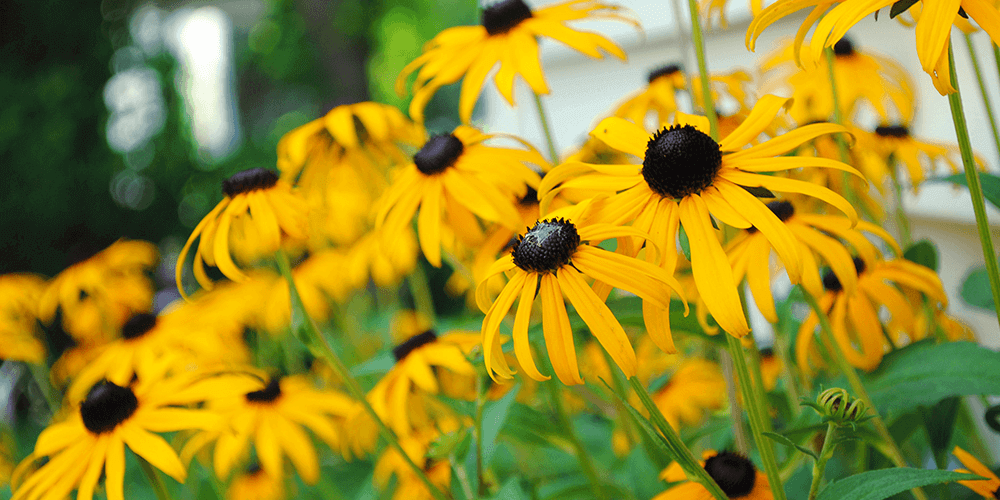
Black-Eyed Susans
This perennial is a classic, warming the hearts of gardeners with its golden petals. It’s a pollinator-friendly plant with simple, yet stunning flowers. Black-eyed Susans prefer full sun for prolific blooms, and well-draining soil.
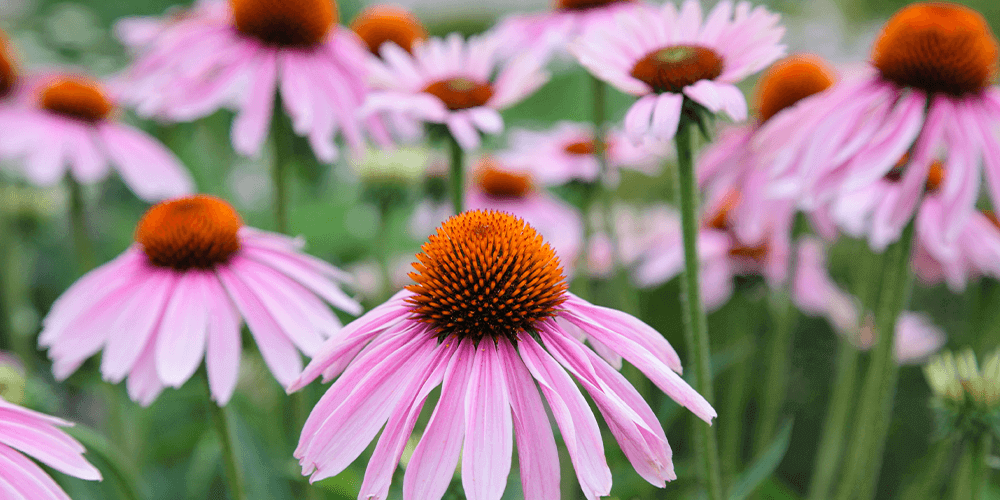
Coneflower
Coneflowers, also known as Echinacea, are iconic North American flowering perennials. They come in many vibrant colours, such as yellow, orange, pink, and red shades featured in the “Sombrero” series. Because of their taproot, they are a little hardier than other plants and can handle dividing and transplanting well. They grow best with regular watering in full sun and require deadheading for continuous blooms.
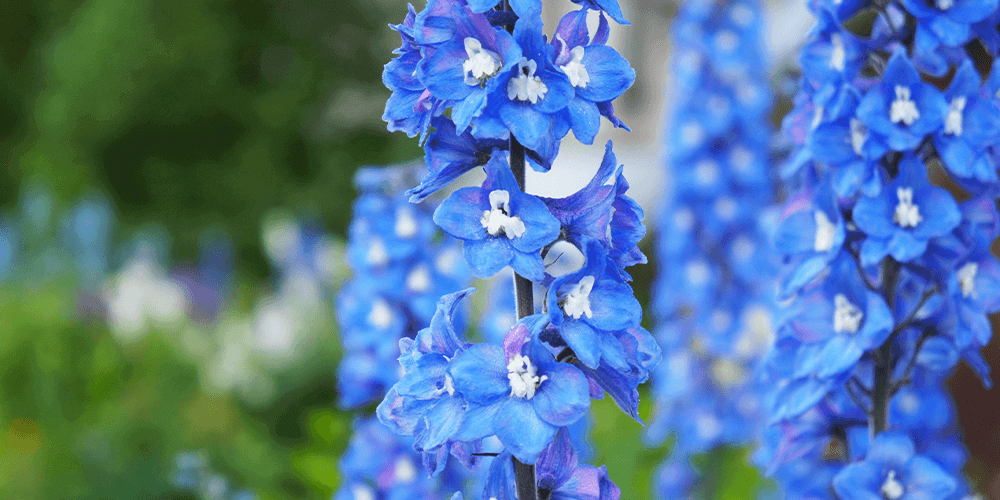
Delphinium
There are over 300 varieties of delphiniums, but we recommend the Summer Series group for perennials since they have better heat and humidity tolerance. This group comes in shades of blue, navy, and dusty pink. This group doesn’t need staking because they are shorter, but don’t worry; they still produce just many flowers!
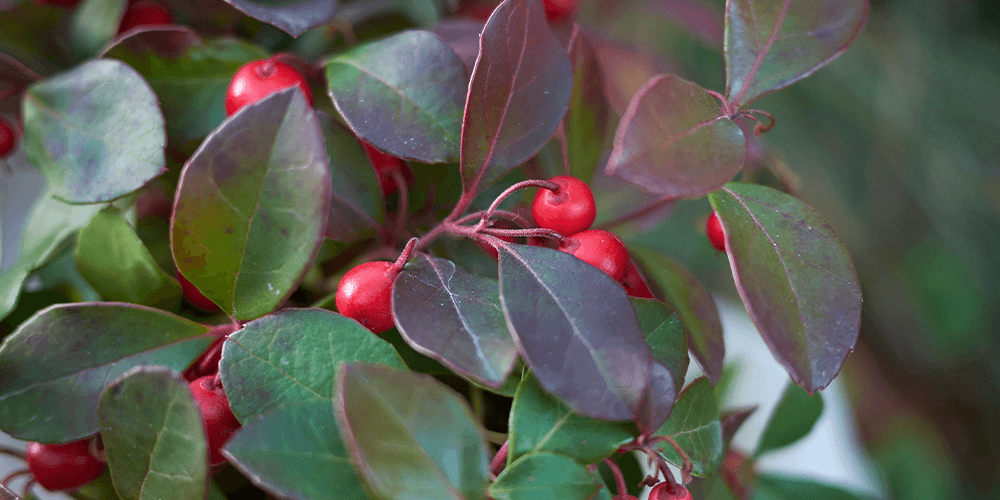
Wintergreen
This groundcover, Gaultheria procumbens, has mint-scented leaves and edible red berries. It is a tough groundcover plant that grows best in the shade. The leaves turn red to bronze in the winter, making this perennial an absolute delight in your garden year-round.
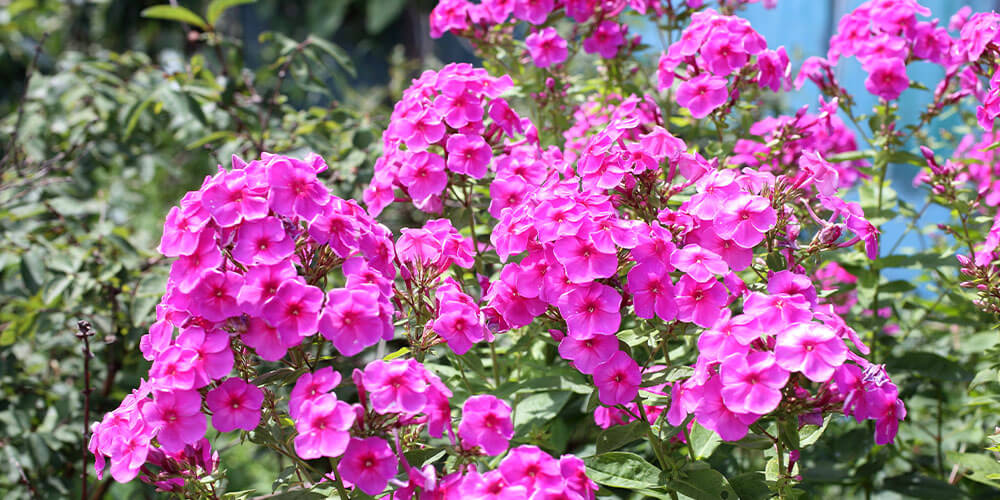
Garden Phlox
Garden phlox is the perfect perennial for long-lasting blooms that will dazzle; the flowers grow in clusters on stalks, like little pom-poms of colour. Garden phlox prefers full sun and moist soil with good drainage for the best growth. If you want a groundcover variety, try creeping phlox!
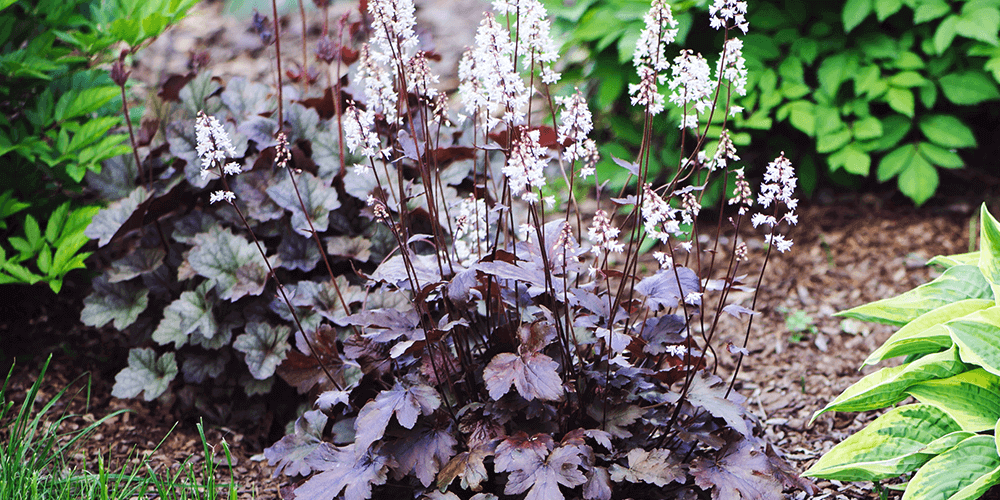
Coral Bells
Coral bells have impressive, vibrantly-coloured foliage that is stunning on its own, but it doesn’t stop there! Long spikes shoot up, adorned by tiny bell-shaped blooms that range from white to pink to red shades; it’s great for adding texture to your shorter plants.
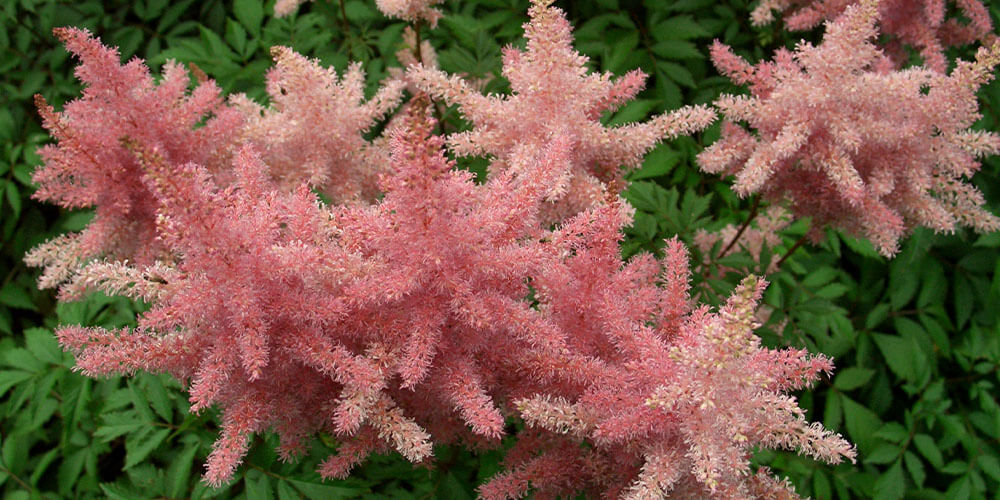
Astilbe
While delicate in appearance, astilbe is a hardy perennial that loves moisture and shade! Its foliage has a fern-like texture, and the flowers are fabulous flourishes of pink, purple, red, and white; this is a great perennial for adding character and filling in any shady spots in your yard!
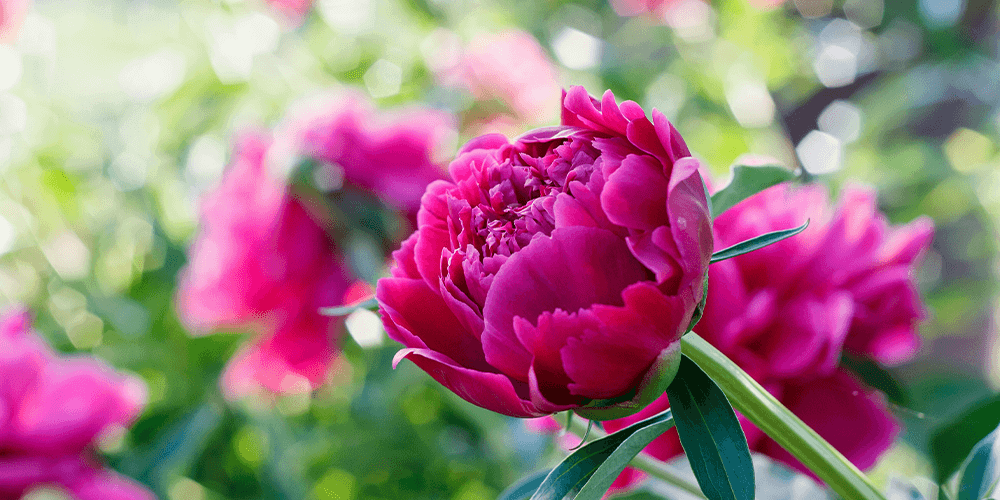
Peonies
If you’re looking for a perennial that will blow you away with large, stunning flowers, plant peonies! You can choose from varieties that bloom early, midseason, or late, or get a few of each to enjoy them all season. Full sun and shelter from the wind and strong staking are essential for peonies.
We have plenty of flowering perennials for sale at Eising Garden Centre! Visit us to see our entire collection of high-quality plants and products.
Spring can be busy—but it sure is an exciting time of year! The weather is warm, there are so many fun things to do, and our garden plants are about to burst open. Amidst all the hustle and bustle of the season, it’s important to take time to tackle all the necessary chores in our landscape. A garden cleanup and landscape inspection help eliminate potential problems before they get out of control. It’s a little bit of work right now, for a lot less work in the future!
Cross These Garden Chores Off Your List This Spring
Here are five outdoor chores you should do right away so that your garden and landscape plants have a successful, stress-free year.
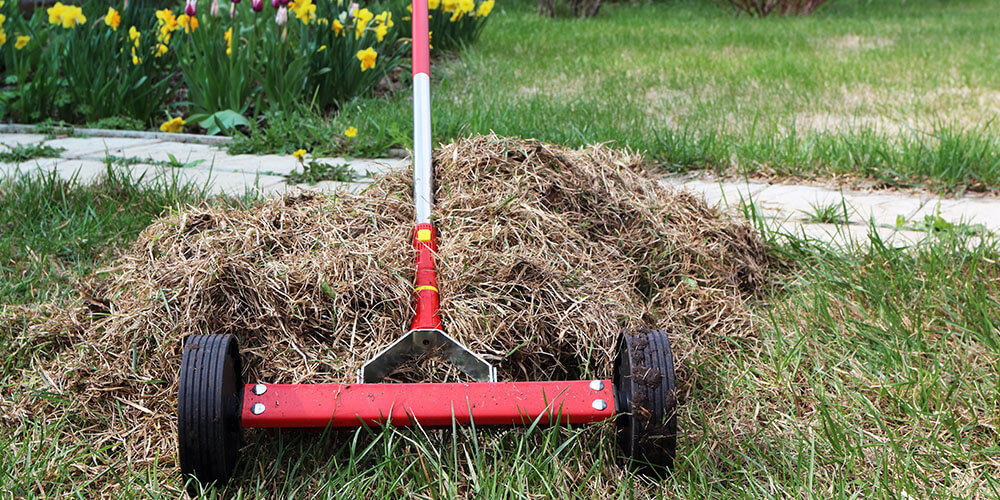
Dethatch the Lawn
Grass can get tangled and matted after a snowy winter and lots of foot traffic. This can lead to problems such as:
- Poor moisture drainage during the rainy season
- Inhibited grass growth
- Weakened immunity to disease and fungal growth
- Increased risk of pest infestations
How do you dethatch a lawn? It’s easy! Simply drag your rake across the matted grass and tear up those tangles. It also helps to aerate your soil afterwards by driving a spike aerator into the soil, loosening up the ground and encouraging better oxygen and moisture circulation.
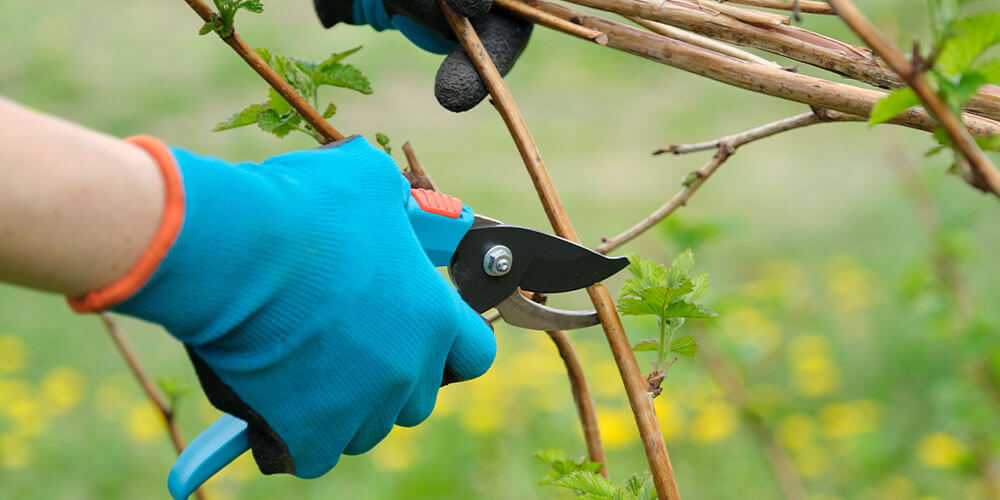
Simple Pruning and Rejuvenation Pruning
Spring is an ideal time to prune many of your garden and landscape plants, but not all of them! If you plan on doing a simple pruning—clipping off dead, diseased, or leggy branches that look awkward—then avoid making cuts on plants that bloom on old wood, like Lilacs and Bigleaf Hydrangeas. These plants develop their flower buds in winter and open in spring. If you prune these plants in spring, you’ll remove their flower buds. Wait until summer to prune them instead. Summer-blooming plants like Forsythia and Butterfly Bush usually bloom on new wood that develops in spring, so early spring pruning will work perfectly.
Hard pruning, also called renewal or rejuvenation pruning, is a bit more of a chore but also serves a different purpose than simple pruning. You should only hard prune about once every three to five years on large plants that lack volume and vigour or have a very awkward shape. It involves dramatically cutting your plants back so that they’re ⅓ their original size; this allows for plenty of fresh, new growth to take its place, so your plant doesn’t waste energy on old, weak branches. Lilacs, Hydrangea, Dogwood, Viburnums, Forsythia, and Spirea are all shrubs that will respond well to hard pruning.
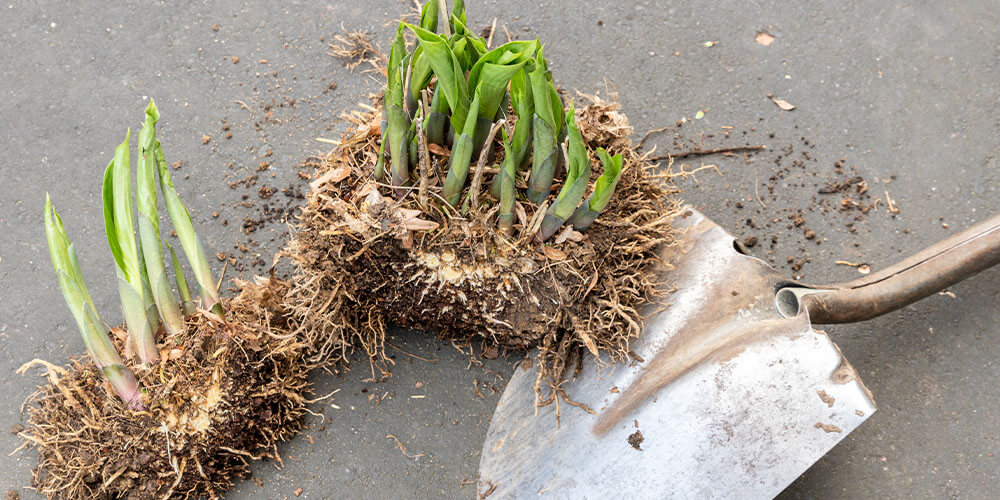
Dividing Perennials
Perennial garden plants reemerge each spring, and they spread out further with each passing year. After a few years, the roots start to get too crowded, and your plant may struggle to thrive. Often, you’ll find a big ring of flowers with a dead patch in the centre—that’s a sure sign you need to divide your perennials!
Gently dig up your plants from the garden and carefully split the root ball into two or three sections. Depending on the plant and its root system, you may need a sterilized exact-o knife to help get the chore done. You can replant each of the divided sections—return one piece to the original hole, and plant the others in an empty spot in the garden—or share them with a neighbour!
Thorough Landscape and Garden Analysis
Pests, fungi, and weeds are all kinds of potential threats our gardens may encounter, but if you catch them early, they’re much easier to treat. Inspect all the plants, grass, and trees in your landscape and garden, looking for suspicious signs like discoloration, dead patches, or chewed-up leaves.
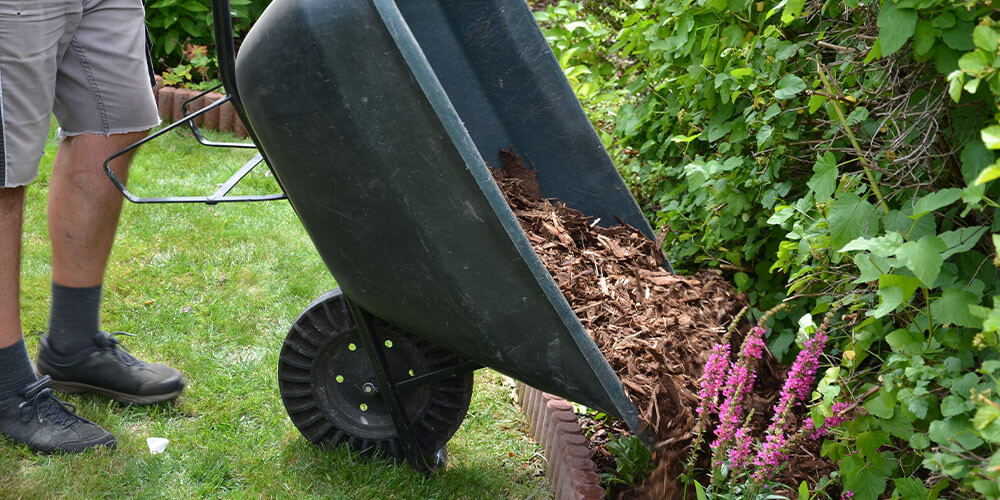
Spreading or Replacing Mulch
Mulch is necessary to regulate soil temperature and moisture and prevent weeds from taking root, but it tends to break down over time. While this breakdown process does feed your garden with healthy bacteria, it can look a bit unsightly after a while. Use a rake to gently move the big chunks of old mulch off the soil surface, then replace it with a new layer of fresh mulch.
If you discover an issue and you’re unsure of what you’re dealing with, feel free to visit Eising Garden Centre and show us a picture of the problem. We’ll help you find the right product to fix it. For any other tools or supplies needed to tackle your garden chores in Norfolk, you know where to find us!
Spring cleaning is on everyone’s minds this time of year—few things feel more refreshing than clearing out old junk and making room for new and exciting things! After a long stretch of working from home and staying cooped up indoors all winter, we’re eager to give our closets a spring overhaul. No more scrubby sweatpants and pyjamas all day—it’s time to step into spring feeling cool and confident with some gorgeous new additions for your closet.
Add Your Closet to Your List of Spring Cleaning Tasks
Take an afternoon off, grab an iced coffee and put on a fun, pump-up playlist! It’s time to clean our closets—out with the old, in with the new. But before you toss any old clothes in the trash, take the mindful approach and consider how you can purge your closet while also doing some good for the community.

How to Purge Your Closet Sustainably
Removing all the old stuff from your closet and tossing them in the trash won’t do much good—those pieces will just end up in a landfill. Here are some tips for giving back to the community and our environment while you clean out your closet:
- Donate undamaged pieces to a local women’s shelter. Avoid donating pieces with stains or holes. Donate things that people will appreciate!
- Search for local retailers or designers with garment collection or upcycling programs. Sometimes they will take damaged pieces off your hands to transform them into something new.
- Cut ripped or stained items made from natural fibres into squares to use as cleaning cloths.
- Break out the sewing kit and get crafty! Turn old tees and sweaters into quilts, tote bags—the sky’s the limit!
Once you’ve made some space in your closet, visit the Sassyfras Boutique to find new pieces you’ll love!
Refresh Your Spring Wardrobe with Versatile Pieces That Last
The best items in your closet are the ones you can mix and match, day and night. Here are some must-have spring items from Sassyfras that deserve a spot in your closet.

A Fresh Pair of Quality Jeans
Is there anything more versatile than a well-tailored pair of straight-leg jeans? Wear them with a cute tee for a casual weekend, or fancy blouse for date night, or a fun, printed kimono and tank top for parties. It’s worth investing in a good quality pair—they’ll last for years longer than cheap jeans that could bust at the seams while you’re busting a move.

Bamboo Leggings
If you’re ready to leave your sweatpants in 2021 but still want to stay comfortable and unrestricted, you absolutely have to try bamboo leggings. The breathable, natural material is eco-friendly and sustainable, and the materials are so flattering. They don’t always look like casual activewear—black leggings can look super chic if you pair them with a breezy blouse or a peplum top.

Black and White Tees for Layering
If you’re dying to wear that cute, strappy sundress, but the spring weather is still a bit chilly, layer it onto a white or black dressy tee! This ‘90s look is back in style and feels fresher than ever. On casual days, slip on some jeans and do a French tuck with your tee (tucked in the front, loose in the back) and add a chunky statement belt. Effortlessly chic!

Jackets and Cardigans
Chilly spring mornings can quickly turn into hot, sunny afternoons, so cardigans and jackets are clothes closet essentials! Look for pieces in universally flattering colours that match almost everything: white, grey, black, and navy or royal blue. Avoid wearing denim jackets the same colour as your jeans, or you’ll be sporting the not-so-chic “Canadian Tuxedo.”

Fun, Creative Accessories
When your wardrobe consists of easy-to-match pieces in solid colours and neutral tones, you have so much freedom to express yourself with cool accessories! Try hats and purses in cute spring pastels, chunky belts to jazz up a tee shirt and jeans, or chunky earrings and necklaces. Silky scarves are great, too—you can tie them around your neck or onto your purse!
The Sassyfras Boutique at Eising Garden Centre is bursting with gorgeous new spring items just waiting to find their new home in your closet. Visit us soon to see all the newest pieces in our collection!
Who says your flower garden and your vegetable garden have to remain separate? Vegetable plants have plenty of aesthetic value, on top of providing us with delicious produce, and there are some unexpected benefits to incorporating them into your flower garden. It’s great for space-saving, too. If you only have room for one garden bed in your yard, plant a colourful variety of flowers and veggies to reap all the benefits of both!
Companion Planting and Foodscaping
Have you ever heard of companion planting? It’s pretty cool! The basic idea is that some plant pairings make good neighbours and provide each other with benefits that improve the growth and health of one or both plants. Many vegetables and herbs make good companion plants, but there are actually some flowers that make good companions for vegetables, too! For example, some flowers have pest repelling properties, so if you plant them near certain vegetables, you can keep away the hungry bugs, rabbits, or deer.
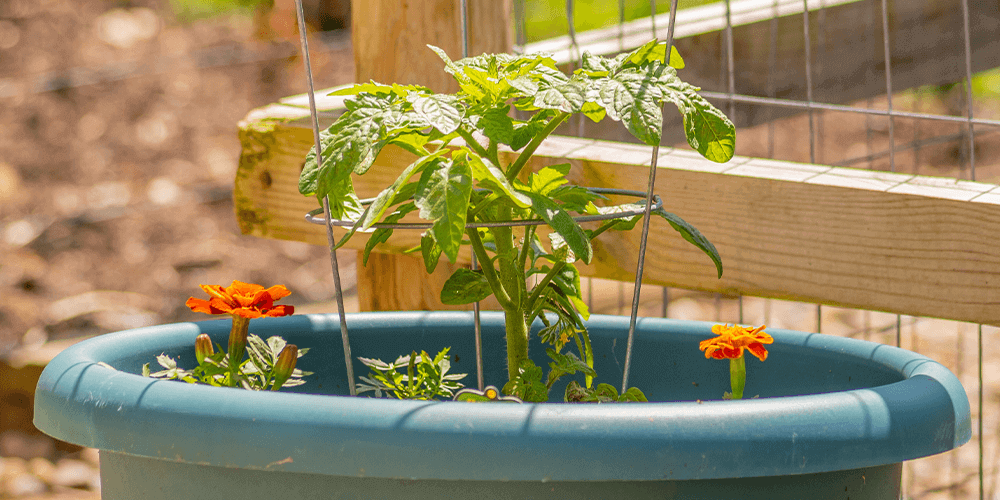
The Best Flower and Vegetable Companion Plant Combos
Plant these pairings next to each other in the garden to maximize the success of your plants!
Marigolds and Tomatoes are a winning combination because marigolds release an aromatic compound called limonene. Limonene repels whiteflies, which can do a lot of damage to tomato plants!
Nasturtiums and Cucumbers make great neighbours because nasturtiums repel cucumber beetles! Plus, nasturtiums are actually edible flowers with a lovely peppery flavour. You can mix them into a salad with your cucumbers!
Squash and Borage should be together because borage improves the flavour of the squash and repels hornworms.
Corn and Thunbergia grow nicely together because vining thunbergia needs a structure to climb. Tall corn stalks function as a living trellis, and the colourful thunbergia blooms make it look so much prettier!

Corn and Sunflowers are also a great pair because sunflowers increase the crop yield of corn.
Blueberries and Hydrangeas can live comfortably together because they both love acidic soil. Some Hydrangea macrophylla varieties will turn blue in acidic conditions, so if you want a cool-toned landscape, create landscape borders and shrubs with blueberry bushes and hydrangeas.
Onions and Chamomile look lovely together, and the chamomile improves the flavour of the onions.
Calendula and Asparagus are a perfect match because asparagus beetles hate calendula!
Some flowers are also great for attracting beneficial predatory insects that eat up pests that can harm your vegetables. Incorporating them into your vegetable garden will have great results! These flowers include:
- Rudbeckia
- Scabiosa
- Monarda
- Echinacea
- Iberis
- Cosmos
- Coreopsis
- Chrysanthemums
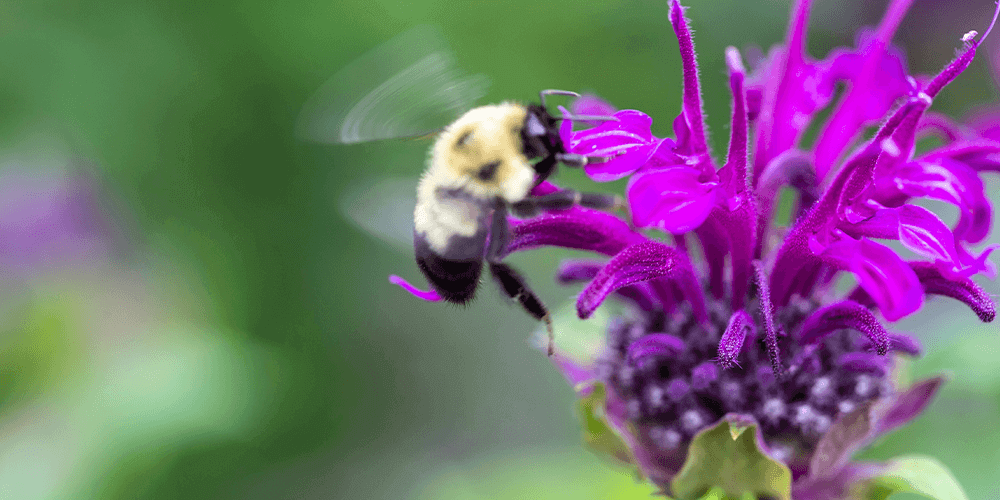
Attract More Pollinators with Native Flowers
Pollinators are essential for food production in our gardens, so you want to make your garden as attractive to them as possible. Local pollinators favour native flowers because they prefer the plants that they recognize! Check out our list of native plants of Ontario to add to your vegetable garden.
Planning a Foodscape Layout
When you’re planting vegetables and flowers together, be mindful of the size and spread of your plants so that you don’t block sightlines. For example, you’ll want to keep tall plants like corn near the back of your garden, so they don’t block your shorter flowers.
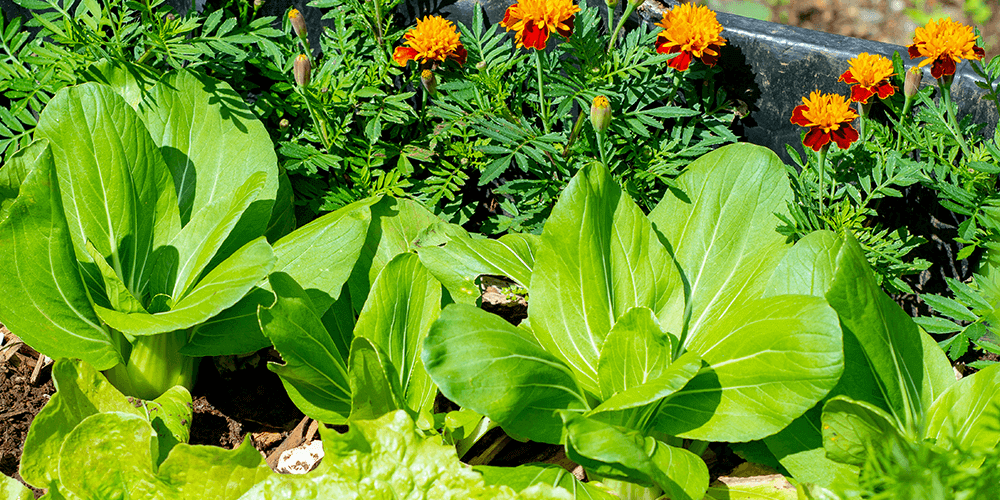
Short vegetables like lettuce and cabbage make excellent border plants for the front of the garden, and if you create a line of pest-repelling flowers behind them, your garden will have an excellent defence! Lettuce is also a great filler plant for flowers because they germinate quickly, so there’s less available space for weeds to take root.
Remember, you can grow vegetables and flowers together in containers and hanging baskets, too! Colourful hot peppers look gorgeous in a flower pot, and you can plant them with trailing petunias. The petunias will help repel aphids and other pests while creating beautiful trailing vines to hang down around your pepper plant.
If you’d like to start foodscaping in Ontario, visit Eising to see all the amazing flowers and vegetables that are ready to plant! Our staff will be happy to recommend other winning plant combos that can live in harmony together in the flower bed.