
What is a Landscape Evaluation and How Do I Do It?
July is the perfect time to think about landscaping projects. Your spring cleaning garden planting is complete, and now you have all this time on your hands! Before you put any big plans into motion, it’s a good idea to do a thorough, thoughtful evaluation of your landscape.
Landscape Evaluation Is the First Step to Planning Your Design
Whether you’re figuring out how to start landscaping from scratch or hoping to update an existing design, your landscape has unique elements and features that you should examine. To ensure your plans are successful, they need to be realistic and compatible with the terrain.
Identifying potential problem areas can help you either solve those problems or find creative ways to work around them. If you go ahead with a big project without taking the time for evaluation, a small problem could turn into a big, expensive one.
Cover All the Bases by Following These Steps for Landscape Evaluations
Don’t be intimidated—performing a self-evaluation of the landscape is easier than it might sound! You don’t have to be a professional to get a good idea of the conditions of your landscape.

First, Evaluate the Levelness of the Landscape
Is your yard sloping? That can create issues for several reasons:
- Plants at the bottom of the slope may suffer from soggy soil, as water will drain in that direction.
- You can’t put a pond on a slope.
- Structures like gazebos will need pillars or foundational piling to make them level.
- Extreme weather may cause landscape instability and erosion.
Luckily, there are many creative ways to work around a sloped yard; in fact, it can set the scene for some really distinctive contemporary designs! Levelling the landscape in tiers can create multiple hardscapes and garden areas of different heights, and the results are often quite breathtaking. Retaining walls can help stabilize terrain and create more room to dig out space and level the terrain.
So, if you’ve got a sloped terrain, don’t let that discourage you from going forward with a landscape overhaul. It may take a bit more effort to work around, but the finished product will be absolutely gorgeous.
Test Your Soil
The texture, nutrient density, and pH level of your soil all affect the growth and health of your landscape plants. Before investing in a bunch of beautiful new trees and shrubs, you want to ensure their new home is up to their standards! A soil test can determine whether you need to amend the soil with organic material like compost and manure, fertilizers, or pH adjusters like dolomitic lime or elemental sulphur.
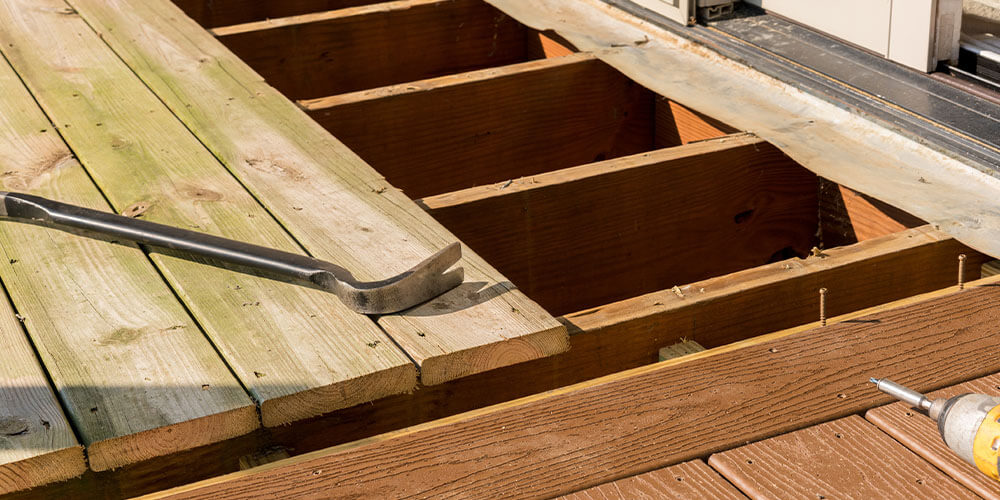
What Needs Repairs or Replacements?
Old hardscapes like pavers, concrete, or wooden decks can incur damage over the long term. Identify any problem areas, missing bricks or nails, rotting wood beams, or anything else that looks amiss. Test irrigation systems, check pond equipment, and make sure any outdoor fireplaces or ovens are clean and working correctly.
Ask Yourself: What Do I Want Out of My Landscape?
Everyone has different tastes, and the style and atmosphere of your space are ultimately up to you. The functionality of your landscape is also a factor—do you want it to be a space for entertaining and having big parties, an eco-friendly permaculture paradise, or a cozy, serene space for you to unplug and relax? Creating a landscape design is hard to do if you’re unsure of what you want, so take some time to evaluate your own values and what you want to achieve with your space.
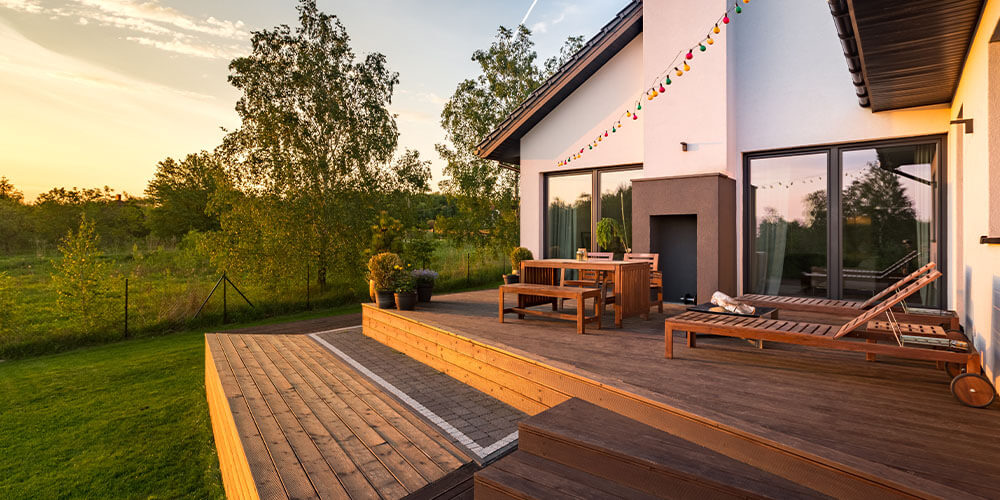
If you’d like a professional opinion on your Ontario landscape and what kind of plants and installations will work well in your space, contact Eising Garden Centre to speak with our landscaping team! We provide onsite consultations, professional installations, and expert advice to help make your dream landscape design a reality.


