
During the dog days of summer, having a resilient, dependable, and beautiful perennial flower in your garden is terrific. Meet the Black-Eyed Susan. They are quick to establish and mature, and perfect for a perennial border, cutting garden, or naturalized garden. Depending on the variety, they will grow 1-3 feet tall and spread about 2 feet wide, making them a show-stopping spectacle!
If that and the cheerful, dark-centred, golden-yellow, daisy-shaped flowers aren’t enough to draw you in, here are more reasons we love these plants!
Long Blooming
Black-Eyed Susan (Latin name: Rudbeckia) is a prolific bloomer whose flowers can last from July to October. At a time in the season when many other flowers can look weary, Rudbeckia is a shining star. Its flowers grow on sturdy stems, which adds to their resilience.

Easy to Grow
Rudbeckia are robust! They are drought—and heat-tolerant and generally do well in hard-to-grow locations. Once established, they do not require frequent watering. Rudbeckia hirta is an Ontario native plant, and exceptionally hardy.
Plant Black-Eyed Susan in full sun to partial shade and almost any type of soil. They are adaptable, generally trouble-free and do not require any extra care.
Pollinator-friendly
We aren’t the only ones who love Rudbeckia; butterflies, birds and bees do, too. This makes Black-Eyed Susan a perfect partner for other pollinator-friendly plants like Monarda (aka Wild Bergamot and Bee Balm), Gaillardia (Blanket flower), Yarrow and Echinacea (aka Coneflower).
Who doesn’t love Black-Eyed Susans? Because of the course hairs on the stems, this is a plant that rabbits and deer don’t care for.
Black-Eyed Susan is perfect to grow in a border, bed, planter, or in a field as a mass planting. It’s resilient, attractive, low maintenance and a beneficial addition to any garden!

The much-loved boxwood hedge has been a classic for centuries and is widely used in gardens worldwide. Neatly trimmed and manicured boxwood becomes the framework for containing everything from roses to riots of perennial blooms. From extensive estate gardens to small and modest yards, boxwood is a versatile shrub that earned its place by being easy to care for and prune.
Unfortunately, this staple shrub has trouble brewing, which impacts its leafy lifespan.
Since its first appearance in Ontario in 2014, the Boxwood Blight has become a significant concern for gardeners. However, the University of Guelph is not sitting idly by. They are actively researching this issue and working hard to find solutions to protect beloved boxwood shrubs.
Sometimes, being popular isn’t all it’s cracked up to be. Because Boxwood is a widely planted favourite, a new pest attracted to it, the Boxwood Moth (from Asia), has easily spread and is infecting shrubs.
Beautiful Boxwood Alternatives
Boxwood Blight and Boxwood Moth do pose severe threats to Boxwood shrubs, but here's the good news—many shrubs make great alternatives! Using a similar shrub is one of the simplest solutions to Boxwood's issues. You have lots of options to protect and diversify your garden.
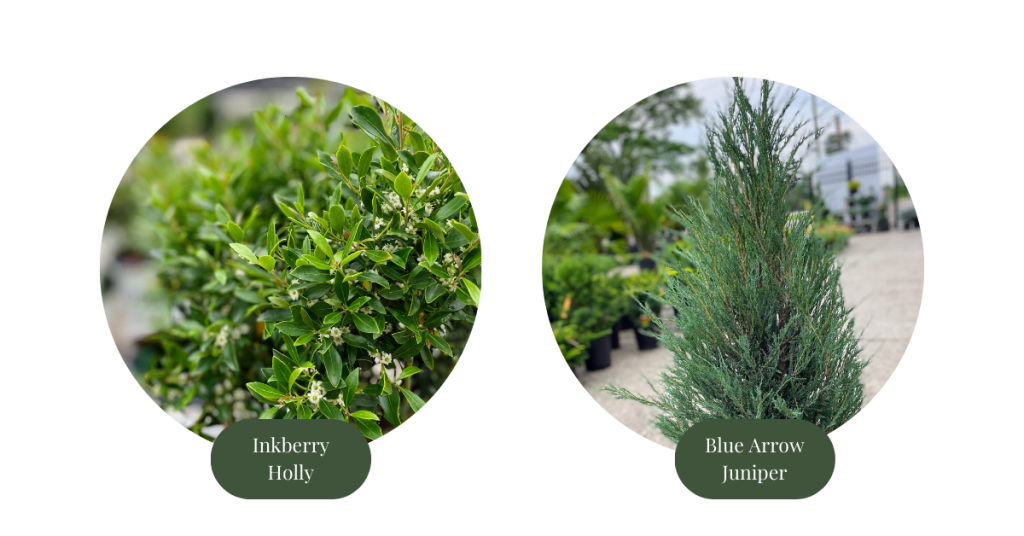
Inkberry Holly
The closest Boxwood lookalike is the Inkberry holly. It naturally grows in a rounded evergreen mound, can be trimmed like a traditional boxwood hedge, and has other enticing bonuses! Not only is it native to North America, but unlike boxwood, it blooms. In the spring, Inkberry holly is covered in showy white flowers, making it a standout alternative to boxwood. Here at Eising Greenhouses, look for Gem Box Inkberry Holly.
Upright Junipers
Blue Arrow and Moffat Blue Junipers make beautiful hedges and stand-alone accent trees. Both have an elegant upright form, striking blue evergreen foliage, and silvery blue berries from late spring to late fall. If that isn’t enticing enough, add drought tolerance to the list of features!
Showy Shapes and Standards
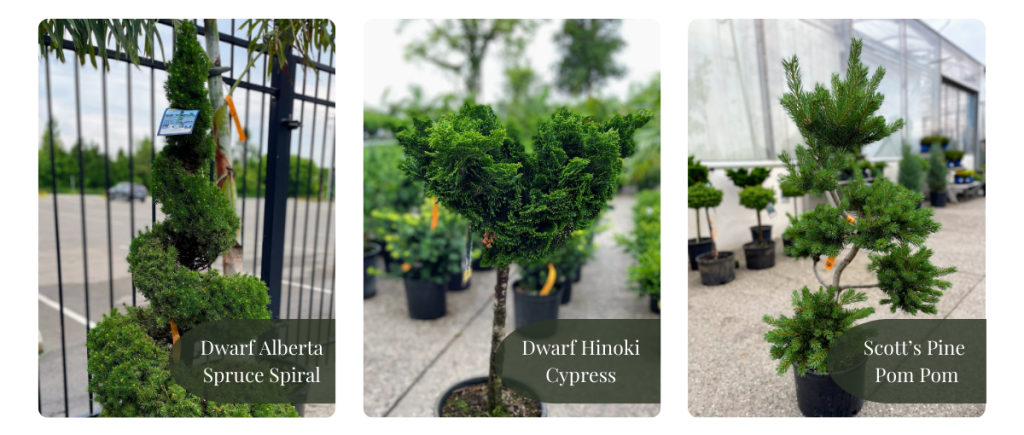
Consider a standard evergreen or a dwarf variety that has been pruned and sculpted to become a piece of art if you want to add something even more unusual. What’s a standard? It’s usually a single trunk with a plant at the top, like a compact evergreen shrub.
Standards and shaped dwarf evergreens can make a bold statement or add wonderful whimsy to your garden. We have lots to choose from, but here are a few examples to get your imagination going!
When it comes to replacing boxwood, there are many creative solutions and beautiful plants to choose from!
For more information:
Landscape Ontario - Boxwood Blight and Boxwood Moth
Toronto Master Gardeners - Rethinking Boxwood
Canada.ca - Box tree Moth
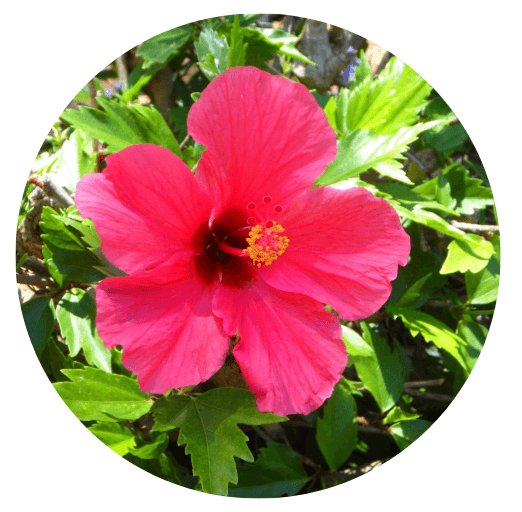
Tropical Hibiscus evokes all of the best descriptions imaginable when you see one. Showy, stunning, exotic, vibrant, impressive, large, lush, colourful and flamboyant flowers grace branches of dark, glossy, green leaves. It just seems unreal! This plant conjures up images of the tropics, but it will grow in a pot on your sunny patio or inside your home!
Tropical Paradise
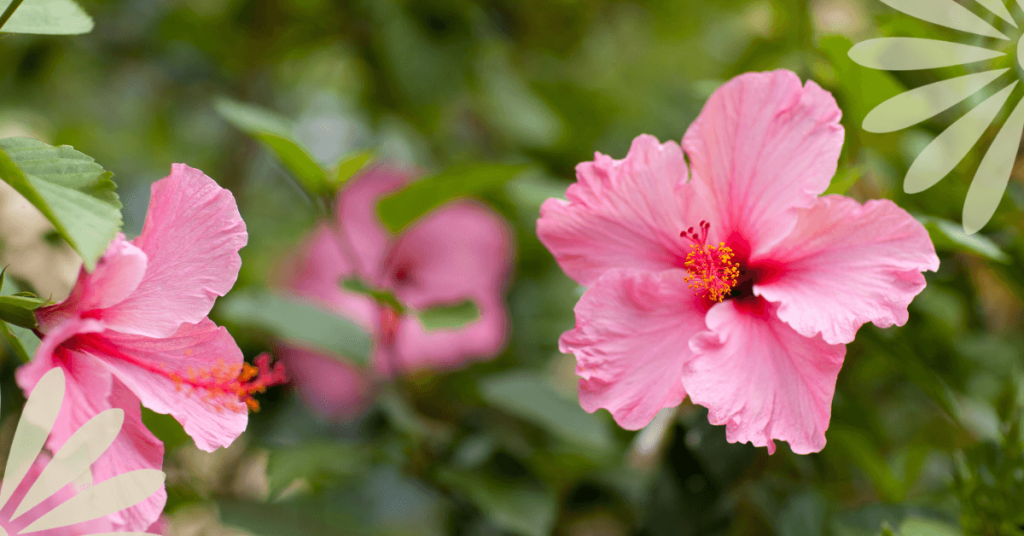
If you’re looking to create your own tropical paradise, this surprisingly low-maintenance plant is a great addition. Its showy trumpet-shaped blooms make it a great focal plant and the wide variety of shapes and colours available is astounding!
Tropical Hibiscus flowers are rich in nectar, attracting hummingbirds, bees, butterflies and other beneficial pollinators to your garden.
Planting tropical Hibiscus in a pot makes it easier to move the plant to a sunny, warm location, which provides the conditions for it to thrive. Be sure to ease your plant outside by hardening it off though. If it’s been indoors or in a greenhouse, give it time to acclimate, or it will become scorched or worse, die. Hardening off is a simple process of slowly easing your plants into life outdoors.

Blooming Good
Tropical Hibiscus will bloom all summer long here in southern Ontario when provided with sun, warmth, ample water and nutrients. During the growing season, water the soil regularly to keep it evenly moist. While it loves full sun, the sun’s rays can be dehydrating. Hibiscus is a thirsty plant when it’s in bloom so don’t let the soil completely dry out. Of course, there’s a limit to how much water you use. Too much water will cause the roots to rot. The key word is “moist” - not monsoon wet! Using mulch will help to retain moisture in the pot.
To provide your plant with proper nutrition, use a time-release fertilizer in May or a balanced, diluted water-soluble fertilizer like fish emulsion about once a week over the summer months.
Each blossom lasts one day. They are short-lived, but don’t worry - Tropical Hibiscus will produce a succession of flowers during the growing season with ample light, water, and fertilizer. Once a faded bloom wilts, remove it from the plant to make way for the next one.
Looking Ahead
If you’re planning to keep your Hibiscus over the winter, here are a few tips to help.
Before the first frost, inspect the plant thoroughly for any bug hitchhikers or pests like aphids or spider mites. Give the entire plant a thorough shower and then bring it indoors. If you’ve found that your plant needs constant watering and has outgrown its pot, this is a great time for repotting before it comes indoors. Find a pot that is only 1-2” bigger than the pot it’s currently in and transplant it with some fresh, tropical potting mix.
This is another big transition for your plant, and you may find it loses some leaves unless you slowly migrate it from outdoor to indoor conditions. Place your Tropical Hibiscus in a warm, sunny window. Don’t move it to a cold basement right away, even if that will ultimately be its winter home. Just as you hardened it off in the Spring, slowly move it to a cooler location for winter storage if you don’t have a sunny, warm location. Be sure though that it ends up in an area where it’s getting at least 3 hours of direct sun each day.
At this point, stop fertilizing your tropical Hibiscus and reduce the amount of water used. Allowing the soil to dry out between waterings while the plant is dormant and not blooming is okay.
Enough talk of winter! While the weather is warm, pop an umbrella into a fruity summer drink and enjoy your beautiful tropical Hibiscus oasis!
You shouldn't overlook your fall yard work while you're browsing fall fashions and slamming pumpkin spice lattes! A little lawn care will save you plenty of effort next spring once the snow has melted. Trust us—the last task you want to add to your spring cleaning list is rotting leaf removal!
Complete These Fall Lawn Care Tasks for Gorgeous Spring Grass
Your lawn will be better off next year if you go through these five steps before the snow flies. You’ll find everything you need to know to get your landscape prepped for fall in this blog.

Step 1: Dethatch the Lawn
Grass can get quite matted and tangled over time. If you leave it as is, it will be much more difficult for new grass to emerge next spring. Dethatching the lawn will tear up these tangles of old dead grass to make room for new lush growth.
Grab a rake and drag it through the tangly grass to dethatch the lawn. Apply some pressure—it's okay if the rake penetrates the soil a bit. Having taken good care of your grass through spring and summer, it should have nice strong roots to help keep it in place while you dethatch.

Step 2: Aerate the Soil
Soil naturally becomes compacted with time, especially after lots of rain and foot traffic. If we don't do anything to alleviate the compaction, you'll encounter problems with poor moisture drainage. Moisture needs to drain through the soil—if it pools at the surface, that's a recipe for root rot and fungal problems.
Aerating is easy, and there are two methods to do it:
1. Spike aeration drives skinny spikes into the soil, loosening it up and improving air circulation.
2. Plug aeration pulls actual plugs of soil out of the ground, allowing for even greater air circulation—though not everyone loves the look of soil plugs scattered across the ground.
Whichever method you prefer is up to you—both options work great!

Step 3: Fall Lawn Fertilization
Applying fall fertilizer formulated for lawns will help your grass develop stronger roots, even as its foliage dies. The remaining nutrients will be available in spring once the ground thaws and your grass starts growing again. The best time for applying fall lawn fertilizer is about six weeks before the ground freezes. However, you can wait until three weeks prior at the absolute latest.

Step 4: Rake Leaves & Clean Up Plant Debris
If you have a thick layer of fall leaves across the lawn, you'll want to rake and bag them before the snow falls! You'd be shocked at how heavy snow-packed leaves can get. During spring melt, it can become a mucky mess. While you're at it, remove any old branches or junk lying around.
It's another matter if you only have a light, sparse layer of leaves scattered across your lawn. You can leave a small number of leaves behind, as this offers shelter for overwintering pollinators! When the snow melts and your spring-blooming bulbs emerge, the beneficial bugs will be close by and ready to pollinate.

Step 5: Do One Final Mow Around Halloween
You can stop mowing your lawn around late October or early November. Remember not to cut the grass too short—2.5 inches is the absolute minimum! This length ensures your grass can still photosynthesize to its full potential while making it more difficult for weed seeds to take root.
If you have questions about fall lawn care in Ontario or need recommendations on tools and products, we're here to help! Eising Garden Centre in Simcoe is your one-stop-shop for all the advice you need on landscape care—let us help you take advantage of that fall weather!
Have you ever tried planting ornamental grasses in your garden or landscape? There are so many reasons to love them! In garden beds, throughout the landscape, or in mixed container arrangements, ornamental grasses bring plenty of visual impact and appeal—even in winter! There are several different varieties we can grow in Southern Ontario, and they’re surprisingly versatile.
Ornamental Grasses are Simply the Best!
While many of our garden flowers only bloom for a limited period, ornamental grasses bring long-lasting colour, texture, and movement to landscape designs. Their blooms form feathery tufts that float above their wispy foliage, remaining all through winter.
Here are some of the best ornamental grasses to grow in Simcoe and surrounding areas in Southern Ontario.

Zebra Grass
A popular variety of the common ornamental grass known as miscanthus, zebra grass always gets noticed! It’s no surprise how it earned its name—its slender foliage blades are painted with white zebra stripes! Its blooms are stringy like fancy ostrich feathers with a subtle pink tint. At maturity, it reaches 5–7 feet high, 4–6 feet wide, and performs best in full sun. Zebra grass prefers consistently moist soil but doesn’t like wet feet, so make sure your soil is loose and well-draining.
Feather Reed Grass 'Karl Foerster'
This tall, yet compact ornamental grass grows upright and doesn’t spread much, so it’s perfect for smaller spaces or mass planting along borders. Its foliage is bright emerald green, but its inflorescence takes on a creamy tan shade, similar to wheat. As a cool season ornamental grass, it grows actively in spring and fall but goes dormant in the summer heat. Karl Foerster reaches 4–6 feet tall at maturity, but only spreads about 2–3 feet.

Blue Fescue
Blue fescue is a fantastic choice if you’re looking for dwarf ornamental grasses for borders and garden edging! It’s tidy, round clumps of foliage have an icy blue-green tint—they’re so pretty when you line them up in a row! Divide your blue fescue and replant the divisions every three years or so to prevent the roots from crowding and dying back.
Purple Fountain Grass
With its rich plum purple foliage and velvety plumes, purple fountain grass is a huge favourite for mixed arrangements and planters. It’s the perfect “thriller” plant for adding height, bold colour, and texture. Purple fountain grass is often used to bring colour to the fall landscape after summer annuals have faded. It’s not hardy to zone 6, so we grow this ornamental grass as an annual here in Simcoe.
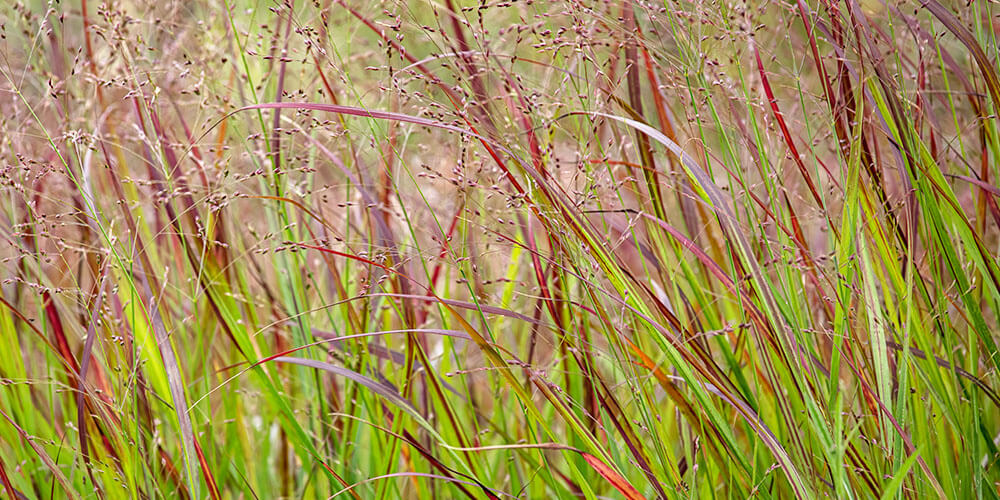
Shenandoah Switchgrass
You’ll love watching the foliage of this ornamental grass transition in colour as the seasons change! In spring, Shenandoah switchgrass emerges a cool blue-green. In summer, it begins to take on a reddish flush, and by fall, it’s burgundy all the way through. It does best in full sun and consistently moist soil, so be sure to water deeply during the hottest summer months.
Japanese Blood Grass
The base of the leaf blades of Japanese blood grass is a typical grassy green, but the top half is bright crimson red! That bold colour contrast makes it one of the most popular perennial ornamental grasses. It reaches a modest 2 feet high and wide at maturity, so it’s an excellent alternative groundcover for filling in bare spots in the garden and landscape.

Pennisetum Hameln
This shaggy ornamental grass grows 3 feet tall and wide with silvery-white plumes that look like kitten tails. Take a few cuttings to add to bouquets and cut arrangements—they last a long time and have such a pretty texture! You’ll love how fluffy and shiny it looks all winter long.
Little Bluestem
A dense, compact ornamental grass with an upright growth habit, little bluestem emerges in spring with teal green foliage. As it matures, it takes on a vibrant rusty red shade, making it a popular choice for autumn colour. Birds love its fuzzy white seeds, which are a valuable food source when seeds and fruit are scarce in winter.
Discover even more gorgeous ornamental grasses for sale in Simcoe, Ontario by visiting Eising Garden Centre! There’s still time to plant them this year to add fall colour and winter interest to your scenery. Ask our staff for planting and care tips if you’re still getting the hang of things—we always want to help you get off on the right foot!
What do we love most about fall? EVERYTHING! The weather, the harvest of fruits and vegetables, the pumpkin-spiced everything, and last but not least, the fashion! If your fall wardrobe needs an update, we have a spectacular collection of new releases available now at Sassyfras. Here are some wardrobe staples you'll need to stay cozy, cute, and contemporary as the temperatures start to dip.
The Perfect Fall Wardrobe is All About Versatility
When the weather is transitioning from cool to warm, you need good layering pieces and stuff you can mix and match. Chilly mornings turn into warm, sunny afternoons, then back to chilly once the sun goes down. These easy, comfortable pieces are effortlessly stylish—never frumpy! Find them all at the Sassyfras Boutique at Eising Greenhouse in Simcoe.
The Shacket

It's kind of a shirt, kind of a jacket—it's the shacket! This versatile layering piece is suitable for indoor or outdoor wear, so it's definitely a worthy addition to your fall wardrobe. It's much more stylish than your standard pullover sweatshirt or a flannel button-up. With textured, cozy materials that are perfectly plush, these bad gals scream "fall fashion!" For something neutral, try our cream-coloured teddy bear shacket, or go for our long-line plaid shacket for extra colour and flair.

Black & White Layering Tees
Spaghetti strap sundresses are one of our favourite wardrobe essentials for summer, and you can transition them into fall by wearing a plain white or black tee underneath! You might remember this look from the '90s, but just like Winona Ryder, it's making a huge comeback 30 years later! Our layering tees are soft and silky—never stiff or too thick, so they won't get bunched up underneath your sundress.
Layering tees are also great for tucking into jeans with a printed statement coat overtop—you never have to worry about clashing when you're dealing with solid monochrome palettes.
Mid-Rise Denim

While we're not sure we'll ever be ready for the return of ultra-low-rise denim, the ultra-high-waist look isn't for everyone either. Mid-rise denim is having its moment, and we have plenty of styles with straight or skinny legs for a tailored look that's easy to dress up or down. A good quality pair of denim is hands-down the most crucial fall wardrobe essential, so make Sassyfras your first stop if your current jeans look a little worse for wear.
Printed Puffer Jackets

Once the weather gets chilly, seeing everyone wearing the same plain black puffer jackets can be kind of a bummer. Liven up your fall outdoor wardrobe and show some personality with our gorgeous printed parkas! From florals and botanical motifs to cute polka dots and geometric prints, we have a fantastic selection of printed parkas in versatile, neutral colours to match all your everyday outfits.
Cozy Sweaters Galore!

Chunky, cozy sweaters are perfect for crisp autumn days. If your old sweaters are starting to look pilly or lumpy, it's probably time for a wardrobe refresh. Our monochrome striped sweater is one of our favourites from our fall wardrobe collection. Narrow horizontal stripes can often widen the frame, especially on a loose, chunky sweater. Our striped sweater has wide, bold stripes that look more like colour-blocking for a flattering fit that looks fantastic over skinny jeans and leggings.
Don't Forget to Accessorize

With so many neutral tones and monochromatic wardrobe staples for mixing and matching, accessories are the perfect opportunity to add pops of colour! Printed pashminas are perfect for draping over a tee shirt in the daytime or covering a sleeveless dress or blouse in the evening. Long, beaded necklaces with colourful stones and crystals look stunning over a sweater, elevating a casual look into something sleek and put-together for work. Our gold tassel leather handbag is a perfect finishing touch for your fall wardrobe—it goes with everything, and its warm gold accents complement the beautiful autumn scenery!
Visit Sassyfras Boutique and explore our entire collection for even more Fall outfit ideas for 2022! We have plenty of new releases and end-of-summer sale items to revamp your wardrobe for this fashion-forward season.
Hydrangeas are gorgeous flowering shrubs, but they don’t look so great when their leaves are splotchy, wilting, or curling! If you spot any signs of disease and fungal damage in your hydrangeas, this guide will help you identify the problem and select the proper treatment method.
The Key to Successful Hydrangea Disease Treatment is Catching Them Early
A quick inspection of your hydrangeas every few days will help you identify diseases early, making treatment much easier! Here are some common signs of hydrangea diseases, what those signs indicate, and the best treatment you should use.
Remember: sanitizing your tools thoroughly before and after working with diseased plants is extremely important. If you don’t wipe your blades with a disinfectant in between cuts, you can transfer disease spores to other plants. These spores can live for months or even years, so excellent tool hygiene is essential if you want to stop the spread of hydrangea diseases.
Botrytis Blight

Symptoms: Flower petals turn brown and fall, and leaf spots develop—particularly around the areas where petals have dropped. Flower buds die before they open.
Prevention: Space your plants out so air can circulate through them. Try to water early in the morning instead of late in the day.
Treatment: Remove all diseased plant material and destroy it or dispose of it in the garbage, not the compost bin. Apply a copper-based fungicide.
Cercospora Leaf Spot

Symptoms: Leaves develop light brown spots with rusty brown halos, sometimes with a purplish tint.
Prevention: Avoid getting moisture on the leaves and water the soil directly instead of watering plants overhead.
Treatment: Remove all diseased plant material and destroy it or dispose of it in the garbage, not the compost bin. Apply a copper-based fungicide.
Bacterial Leaf Spot

Symptoms: Beginning as small wet spots, dark reddish-purple lesions with angular edges appear. When left untreated, they spread and begin to connect, creating larger patches of discoloration.
Prevention: Don't water plants overhead and space them out well. Keep a close watch during periods of high heat and humidity following heavy rain.
Treatment: Remove and destroy affected leaves and apply a copper-based fungicide.
Powdery Mildew

Symptoms: A whitish-grey powdery coating across the foliage. Leaves may develop yellow patches, which transition to a purplish colour if left untreated. White, cottony fungal growth often develops on the undersides of leaves.
Prevention: Space out your plants to encourage air circulation, and avoid watering your hydrangeas overhead.
Treatment: Use a copper-based fungicide. If only some of the leaves are affected, you can remove them, but if your entire shrub is coated in powdery mildew, just remove the severely damaged leaves.
Ringspot Viruses
Symptoms: Several different ringspot viruses can affect your hydrangeas, including hydrangea ringspot, tomato ringspot, and tobacco ringspot. Their symptoms are often the same—pale yellow, ring-shaped splotches, fewer florets, stunted growth, and rolling or curling leaves. Lab testing is the only way to determine which virus you’re dealing with.
Prevention: The best way to prevent viral hydrangea diseases is through good tool hygiene! This is especially important when deadheading your plants or cutting flowers for bouquets. Wipe down the blades with a cloth soaked in isopropyl alcohol between each cut, and the likelihood of viruses popping up will lessen significantly.
Treatment: Unfortunately, there is no cure for viral infections in plants. The best you can do is follow proper prevention protocol and safely dispose of your affected plants to prevent further spread. Be sure to remove any lingering root pieces in the soil, as these can harbour viruses that can pop up and reinfect the next shrub you plant. Waiting one year before replanting can help prevent the virus from reappearing, but it also helps to remove and replace the surrounding soil with a fresh batch.
Remember: sanitizing your tools thoroughly before and after working with diseased plants is extremely important!
If you need any help identifying diseases or selecting proper treatment for hydrangeas in Ontario, visit Eising Greenhouse and speak with our experts! Bring in a cutting from your ailing plant in a clean Ziploc bag, and we can help you identify the problem and create a plan of attack.
Blossom end rot is a common issue that gardeners face when growing tomatoes and other vegetable plants, but it’s very easy to beat. Though it may look like a fungus or pathogen, the cause of blossom end rot is much less worrisome—it’s just a vitamin deficiency! If your plant shows signs of blossom end rot, you can still beat it in time to cultivate a new flush of successful fruits. Here’s how you can prevent and treat it so that you don’t lose out on those delicious garden edibles you’ve worked so hard to grow!

To Beat Blossom End Rot, You Need to Understand the Cause
Calcium deficiency is to blame for the ever-dreaded blossom end rot. Dark, mushy bottoms appear on tomatoes, cucumbers, squash, melons, and peppers, resulting from insufficient calcium uptake. Sub-par calcium levels in the soil typically cause insufficient calcium uptake. However, it can occasionally be caused by injury or stress to the plant, which can inhibit your plant’s ability to absorb nutrients properly. So, if you want to beat blossom end rot, you need to make sure your plant gets the calcium it needs.
The Best Calcium Treatments for Blossom End Rot
There are several methods for providing vegetable plants with the calcium they need to prevent their blossom ends from rotting. For best results, use a combination of products at the time of planting and throughout the growing season to keep your plants sufficiently nourished.

Bone Meal
Adding bone meal into the soil when planting vegetables is one of the best preventative treatments for blossom end issues. It’s packed with calcium, so the soil will be well fortified for several months. Simply follow the directions on the package, mix it into the hole where you plan on planting your veggie plant, and water well after planting. If you have any leftover crushed eggshells, you can add some of those, too! They’re a terrific natural source of calcium.
Calcium-Fortified Fertilizer
Most fertilizers contain three main nutrients: nitrogen, phosphorus, and potassium. However, there are many more fertilizer formulas fortified with additional nutrients like calcium and magnesium. Using a calcium-fortified fertilizer at least once per month during your growing season will help ensure the soil is never lacking in this essential nutrient. Fertilizers formulated specifically for tomatoes will have an optimal blend of vitamins and minerals for tomatoes and other plants vulnerable to blossom end problems.

Foliar Spray
For plants that have already shown symptoms of blossom end rot, foliar sprays are fast-acting solutions that can save the rest of your crops. Vegetable plants can soak in nutrients through their leaves, so foliar sprays apply liquid calcium that your plants can instantly absorb. Remove any damaged plant parts, generously apply your foliar spray all over the plant, and soon you’ll see some new, healthy fruits emerge!

Bonus Tips to Beat Blossom End Rot
In addition to the three treatments for blossom end rot listed above, there are some extra steps you can take to protect your vegetables:
- Water consistently. Inconsistent watering can stress out your plants, and if there isn’t enough moisture in the soil, the roots won’t be able to soak up the necessary nutrients. Try to maintain a regular watering schedule and water first thing in the morning before the sun has heated the soil.
- Test your soil. A soil test at the start of the season will tell you if your soil is in good shape or needs some supplements to help boost its nutrient density. Fresh potting soil typically has lots of good stuff, but if you’ve worked with the same garden soil for a couple of years, it’s likely to be depleted of nutrients and healthy bacteria.
- Avoid damaging your plants’ roots. Injured roots can’t absorb moisture and nutrients properly! Be gentle when transplanting, adding stakes or tomato cages around your plant, or digging nearby in the garden.
Eising Garden Centre has all the tools you need to beat blossom end rot in Ontario! Visit us soon to stock up with all the necessary vegetable gardening supplies for summer.
If you have enough space to install a fire pit in your yard in Simcoe, it’s definitely worth it! Think about it: you’ll always have an activity ready for summer entertaining outdoors! Gathering around a fire with close friends is so satisfying—the perfect setting for making memories. To ensure your setup is stylish, fun, and functional, we put together some tips for designing a fire pit area that incorporates our favourite part of the outdoors: beautiful plants!
Garden Centre Essentials for Designing a Summer Fire Pit
Here are some creative tips for designing a gorgeous fire pit area bursting with colour and natural beauty. Remember to keep a safe distance between the fire pit and your plants to avoid accidentally overheating or scorching them!
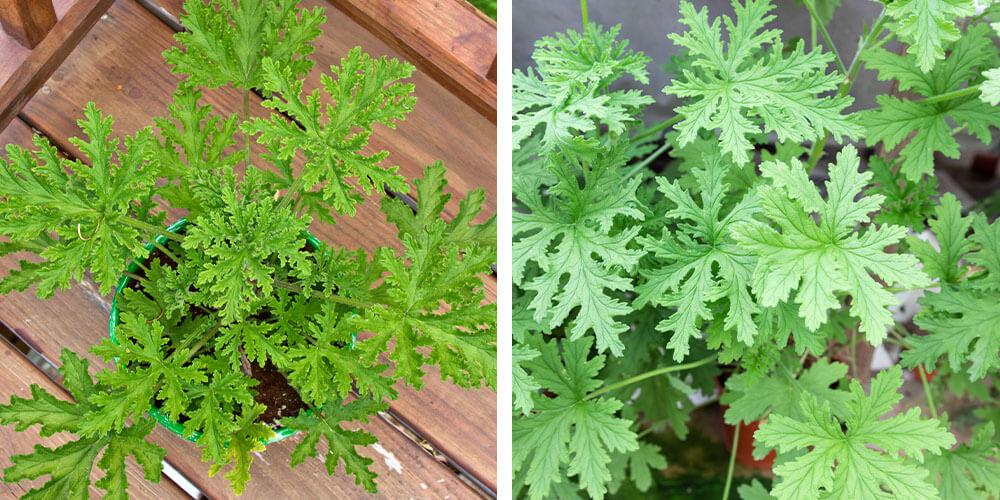
Plant Mosquito-Repelling Flowers and Plants
Nothing spoils a summer bonfire like constantly swatting bugs and scratching itchy bites! Planting lemongrass, citronella, mint, and citronella geraniums around your fire pit seating area will help repel mosquitos and other annoying pests. They release a powerful, zesty fragrance that smells amazing to us but not so great to the buzzing bugs. It’s a safe way to protect yourself from itchy insect bites without using chemical sprays or products that harm beneficial insects like ladybugs and bees.
Add Exotic Tropical Trees for a Beach Club Aesthetic
While we can’t grow tropical trees year-round outdoors, we can successfully grow exotic plants in containers! That way, you can bring them outside to the party zone during summer, then bring them back inside once the temperature dips. Remember to debug your plants with insecticidal soap before bringing them indoors! Some of our favourite potted tropicals for fire pit lounge areas include:
Explore our entire collection of exotic tropicals for Southern Ontario for even more fire pit decor inspiration!
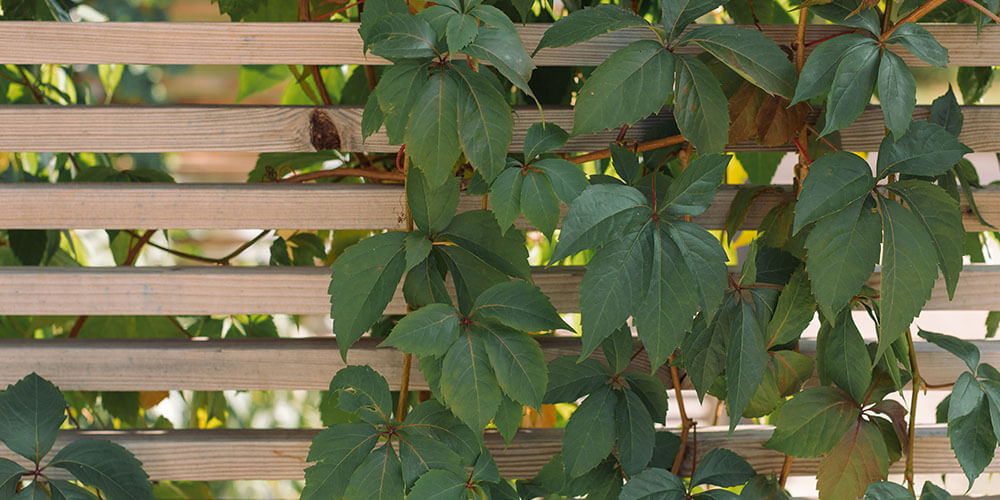
Establish Separation and Privacy with Trellis Partitions
If your fire pit seems awkwardly placed in the middle of your sprawling yard, it helps to divide up the space and create distinct areas or “rooms” through strategic design. Trellises function like walls in the landscape without fully obstructing the view. Planting climbing vines at the base will fill your trellis with lush greenery and beautiful blooms! Make sure you place them several feet away from the fire pit to prevent sparks and embers from catching the leaves.

Grow Edibles for Roasting Over the Fire Pit
A bonfire doubles as summer entertainment and a heat source for cooking! Whether you have outdoor cooking and camp food accessories for cooking over a fire, or just a few metal pokers for roasting, there’s no shortage of delicious summer vegetables and fruits to enjoy around the fire pit. Peppers, onions, potatoes, tomatoes, and zucchinis are great for skewers and kabobs. If you have a cast-iron campfire sandwich maker, you can use summer fruits like cherries, peaches, or blueberries with a schmear of cream cheese to make grilled cheesecake sandwiches!
Thick Concrete Planters Make Great Side Tables
If your planter has a thick enough edge to place a glass or small plate, it’s a perfect dual-purpose side table and garden container for the fire pit! Place them in the corners of your seating area and plant heat-tolerant plants like succulents. Again, don’t place them too close to the fire pit and make sure there are several feet of space between to prevent anything from catching fire!
Want to explore even more plants, accessories, and garden art for designing the perfect summer fire pit in Ontario? Visit Eising Greenhouse! We have so many gorgeous plants and items in-store for summer 2022, so hurry in before the season ends!
July is the perfect time to think about landscaping projects. Your spring cleaning garden planting is complete, and now you have all this time on your hands! Before you put any big plans into motion, it’s a good idea to do a thorough, thoughtful evaluation of your landscape.
Landscape Evaluation Is the First Step to Planning Your Design
Whether you’re figuring out how to start landscaping from scratch or hoping to update an existing design, your landscape has unique elements and features that you should examine. To ensure your plans are successful, they need to be realistic and compatible with the terrain.
Identifying potential problem areas can help you either solve those problems or find creative ways to work around them. If you go ahead with a big project without taking the time for evaluation, a small problem could turn into a big, expensive one.
Cover All the Bases by Following These Steps for Landscape Evaluations
Don’t be intimidated—performing a self-evaluation of the landscape is easier than it might sound! You don’t have to be a professional to get a good idea of the conditions of your landscape.

First, Evaluate the Levelness of the Landscape
Is your yard sloping? That can create issues for several reasons:
- Plants at the bottom of the slope may suffer from soggy soil, as water will drain in that direction.
- You can’t put a pond on a slope.
- Structures like gazebos will need pillars or foundational piling to make them level.
- Extreme weather may cause landscape instability and erosion.
Luckily, there are many creative ways to work around a sloped yard; in fact, it can set the scene for some really distinctive contemporary designs! Levelling the landscape in tiers can create multiple hardscapes and garden areas of different heights, and the results are often quite breathtaking. Retaining walls can help stabilize terrain and create more room to dig out space and level the terrain.
So, if you’ve got a sloped terrain, don’t let that discourage you from going forward with a landscape overhaul. It may take a bit more effort to work around, but the finished product will be absolutely gorgeous.
Test Your Soil
The texture, nutrient density, and pH level of your soil all affect the growth and health of your landscape plants. Before investing in a bunch of beautiful new trees and shrubs, you want to ensure their new home is up to their standards! A soil test can determine whether you need to amend the soil with organic material like compost and manure, fertilizers, or pH adjusters like dolomitic lime or elemental sulphur.
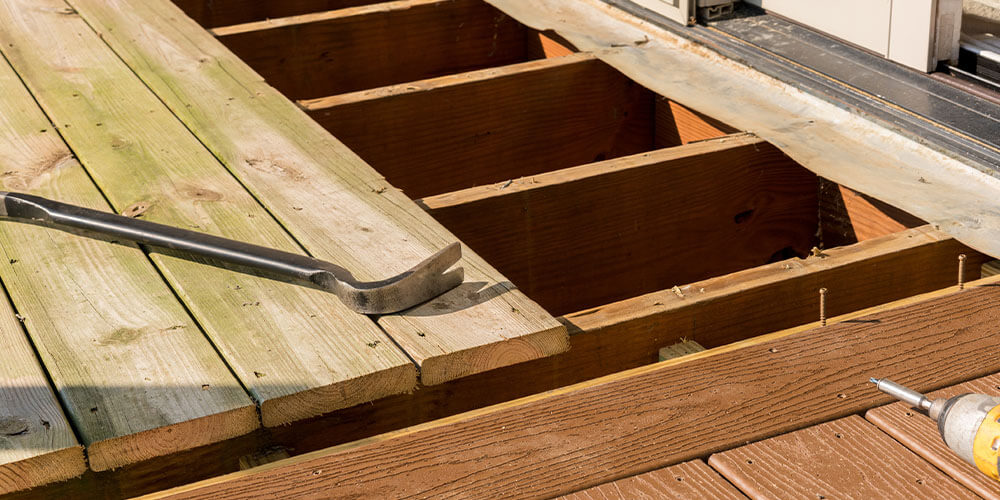
What Needs Repairs or Replacements?
Old hardscapes like pavers, concrete, or wooden decks can incur damage over the long term. Identify any problem areas, missing bricks or nails, rotting wood beams, or anything else that looks amiss. Test irrigation systems, check pond equipment, and make sure any outdoor fireplaces or ovens are clean and working correctly.
Ask Yourself: What Do I Want Out of My Landscape?
Everyone has different tastes, and the style and atmosphere of your space are ultimately up to you. The functionality of your landscape is also a factor—do you want it to be a space for entertaining and having big parties, an eco-friendly permaculture paradise, or a cozy, serene space for you to unplug and relax? Creating a landscape design is hard to do if you’re unsure of what you want, so take some time to evaluate your own values and what you want to achieve with your space.

If you’d like a professional opinion on your Ontario landscape and what kind of plants and installations will work well in your space, contact Eising Garden Centre to speak with our landscaping team! We provide onsite consultations, professional installations, and expert advice to help make your dream landscape design a reality.