
Perennial Climbers to Start Growing Now
By Ava Green
Great garden design plays with height, and vines are among nature’s most elegant solutions. They transform a bare wall, a plain fence or an open pergola into something that feels alive and intentional. And because these are perennial climbers, they come back every year, a little fuller and more beautiful than the season before.
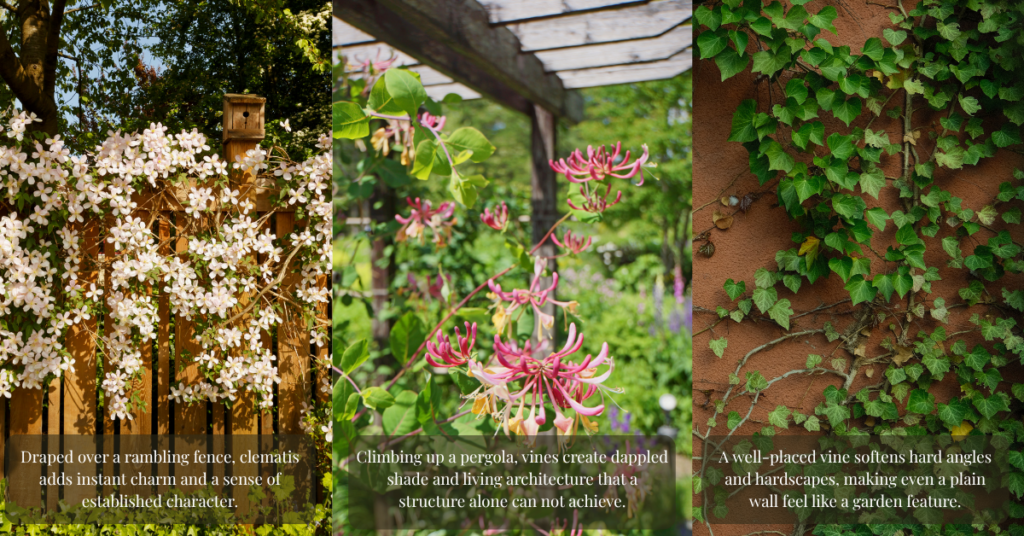
Start growing one of these beauties now, and you’ll be enjoying them for years to come!
Clematis
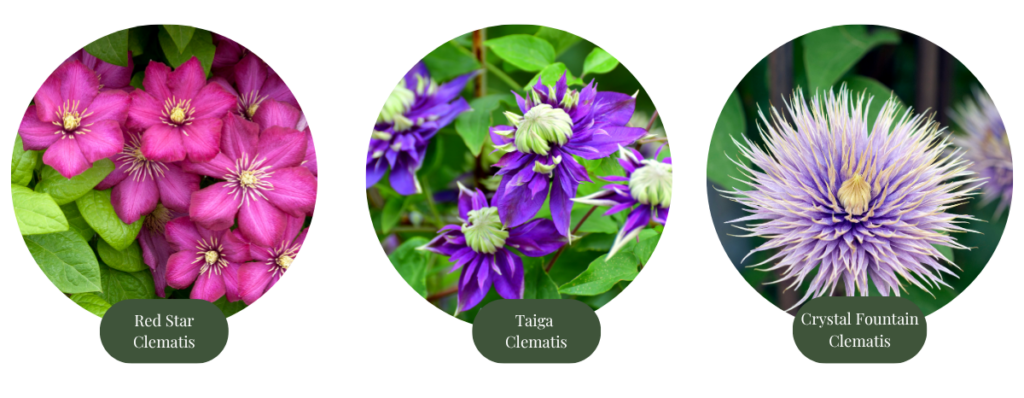
Clematis has earned its place as one of the most loved climbers in the garden, and once you discover the extraordinary range of flower shapes, sizes and colours available, you will understand why.
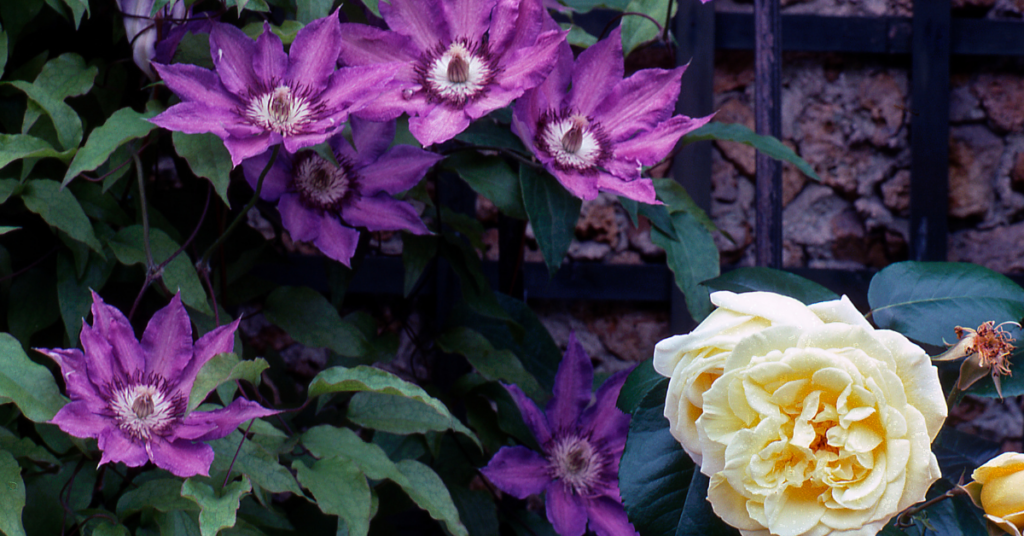
For a look that feels straight out of an English cottage garden, pair a Clematis with a climbing rose. The two intertwine beautifully, flowering together in a spectacular combination.
Honeysuckle
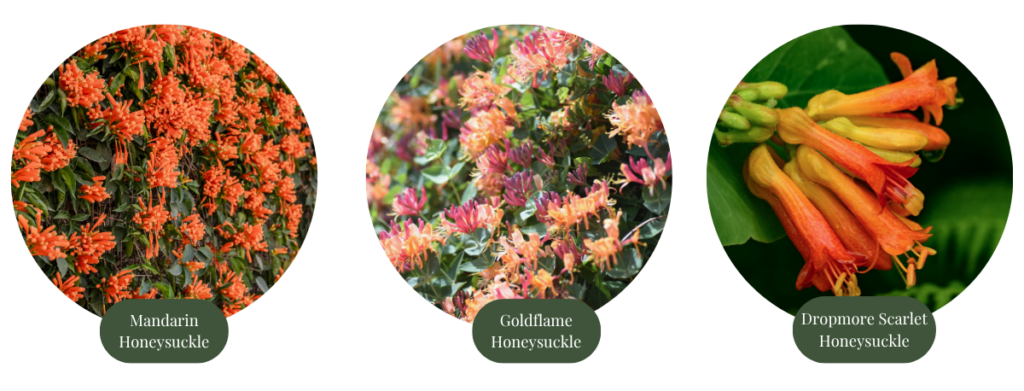
The sweet, heady scent of Honeysuckle wafting through the air on a warm summer evening is a good reason to include this climber in your garden. But its tubular or trumpet-shaped blossoms are also irresistible to hummingbirds, bees and butterflies, making it valuable to your local ecosystem too. Few vines reward you quite so generously for so little effort.
Climbing Hydrangea
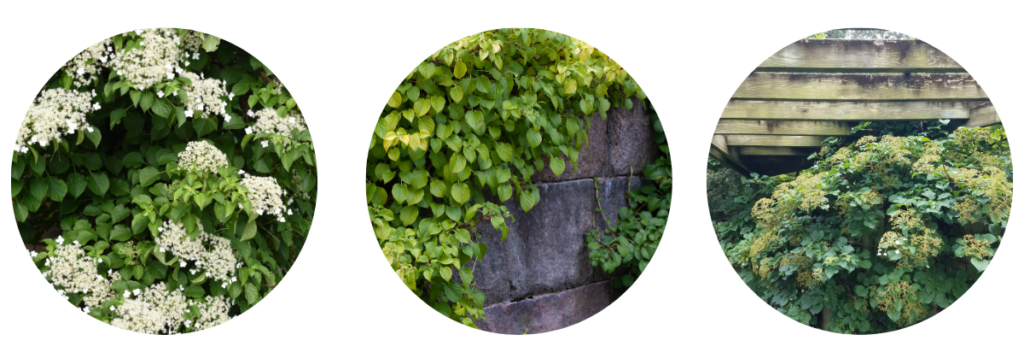
It may be slow to start, but once it’s established, Climbing Hydrangea grows with remarkable vigour, covering walls, fences and structures in lush, deep green foliage. No trellis is needed; it produces its own aerial rootlets that allow it to cling independently to almost any hard surface. In summer, the entire plant is blanketed in elegant white lacecap flowers! It tolerates shade better than most climbers, making it an exceptional choice for a north-facing wall or a shady spot in the garden.
Porcelain Vine
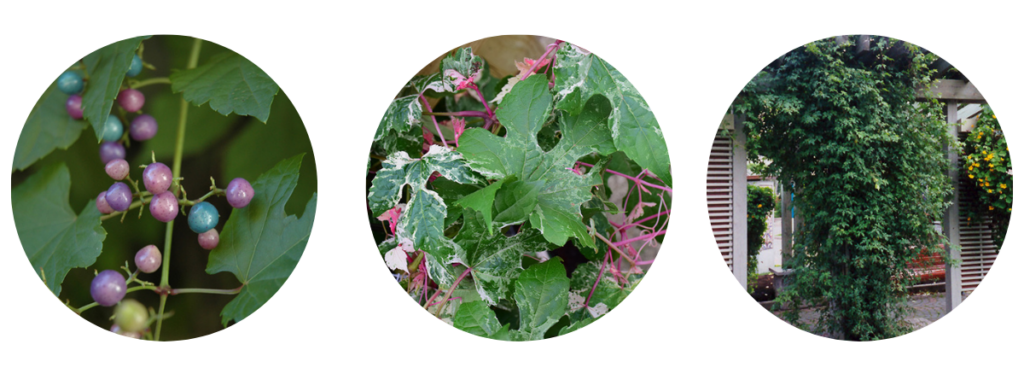
This fast-growing climber is a treasure for its extraordinary ornamental berries. Clusters of small, jewel-like fruits that ripen through a stunning progression of colours, from pale pink and lilac to a rich purple and a remarkable, almost iridescent turquoise blue, all appearing at the same time in fall. Train it up a fence, trellis or structure to let it climb, or allow it to trail gracefully down a slope or over a retaining wall for beautiful low-maintenance ground coverage. Please note: the berries are strictly ornamental, and not for eating.
Graceful, Useful and Very Worthwhile
Vines provide something that few other plants can; they add height, softness, privacy, and beauty all at once. They can disguise an unsightly fence, cool a sun-baked wall with natural shade, frame a garden entrance, or simply bring a sense of lushness to a space that feels too bare or flat.
Find Your Perfect Vine at Eising Garden Centre
Not sure which vine is right for your space? Bring us your questions and, if you have them, a photo of your wall, fence, or structure. Our team will help you find the perfect climber for your light conditions, your soil, and your vision. We’d love to help you get growing your perfect vine!
5 Easy Steps To Get Started
By Ava Green
There’s a common myth that you need a lot of space to grow vegetables, but whether you have a few containers, a small sunny corner, or a larger garden bed, there’s lots you can grow! Here in Norfolk County, which is Zone 6 in Southern Ontario, some vegetables can go in the ground as early as the beginning of May, while many others are usually safe to plant around the May 24th weekend, once the risk of frost has passed. Here are five simple steps to get you growing your own food this season if you’re new to vegetable gardening.
Step 1: Decide What You’d Love To Grow
Start with a list of the vegetables you actually want to eat. Coming into Eising Garden Centre with a list in hand makes choosing plants so much easier! When building your list, consider:
- Vegetables you love
- High-value vegetables, the ones that are expensive at the grocery store but easy and economical to grow yourself
- Anything that tastes better when it’s freshly picked, like tomatoes, cucumbers, and fresh herbs

Step 2: Make a Simple Plan
You don’t need an elaborate design; a rough sketch on a scrap of paper is just fine. The goal is simply to get a sense of your space and where things will go before you start digging. We recommend starting a garden notebook or journal to track what you plant each year and how it performs. It will be especially helpful next spring!! A few planning tips to keep in mind:
- Most heat-loving vegetables, such as tomatoes, peppers, zucchini, eggplant and beans, need at least six hours of sun per day
- Cool-weather and shade-tolerant crops like lettuce, chard, kale, radishes, and beets do well with just three to four hours of sun
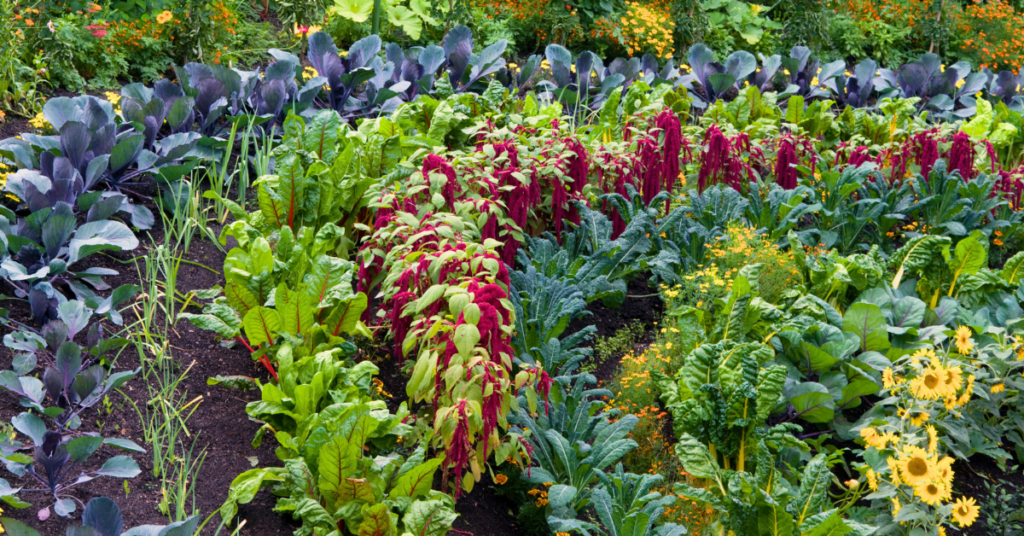
- Spacing in a vegetable garden can be much tighter than in other types of gardens. Less empty space means fewer weeds and bigger harvests. Square foot gardening is an excellent method to explore
- Layer your garden beds with plants that are great companions. For example, basil and marigolds planted beside tomatoes are said to improve flavour and repel pests. Carrot and beet seeds tucked in beside and between your lettuce plants (which are a cool-weather crop) are a smart pairing; as your lettuce finishes in the summer heat, your carrots and beets will be sprouting up to take their place. This is referred to as succession planting and optimizes the space in your garden
- Make use of vertical space with poles or trellises for peas, pole beans and cucumbers
- Tuck herbs into any gaps between your vegetables; they’re useful, beautiful, and most pollinators love them
Step 3: Prepare Your Space
Once you’ve chosen a spot with enough light, it’s time to get the soil ready:
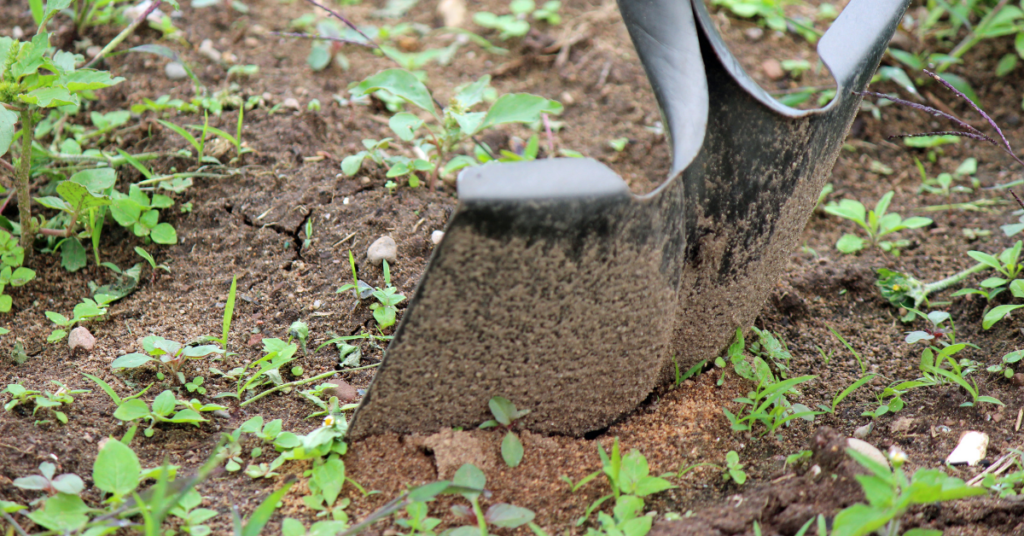
- Remove any sod or weeds before planting. If you’d rather not dig, the No Dig gardening method uses a layer of cardboard as the base for the new bed. This suppresses weeds naturally and breaks down into the soil over time
- Add a good-quality compost to your soil by either spreading a layer across the top of the garden bed or scooping some into each plant hole
- For container gardening, almost any container works, just make sure it’s deep and wide enough for the mature size of your plants. Also, drainage holes are a must! Fill containers with a soilless mix containing compost, peat moss or a peat alternative, and one of the following: sand, vermiculite, or perlite. Avoid using garden soil, triple mix, or topsoil in containers, as they compact easily and will restrict root growth. Learn more about soil mixes, amendments, and fertilizers here
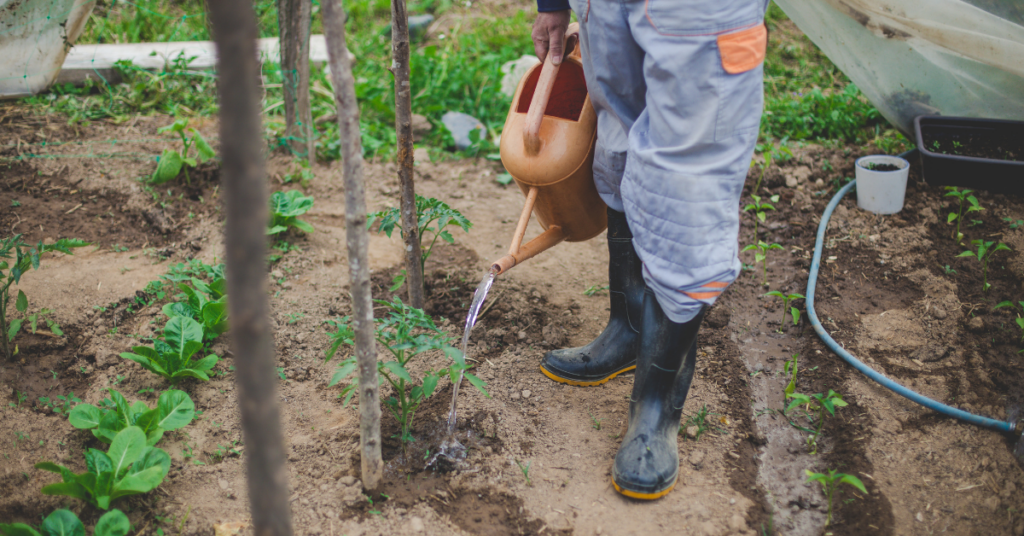
Step 4: Water and Feed Consistently
Consistent watering and feeding are the foundation of a productive vegetable garden:
- Vegetables need regular, reliable watering. Inconsistent moisture leads to stressed plants and poor yields
- Always water the soil, not the leaves. Plant roots take in water, and wet foliage can invite disease. Water deeply so moisture reaches the roots. Use your fingers to check how far down the water has penetrated into the soil
- Containers dry out faster than garden beds and will need more frequent attention
- Morning is the best time to water. If your plants are struggling on a particularly hot afternoon, a second watering is fine. Just be sure to aim at the base of the plant and avoid the foliage, which can scorch in direct sun
- Feed with organic fertilizers throughout the season to keep your plants healthy and productive. Follow the package instructions for the product you choose
Step 5: Plant Flowers for Your Pollinators
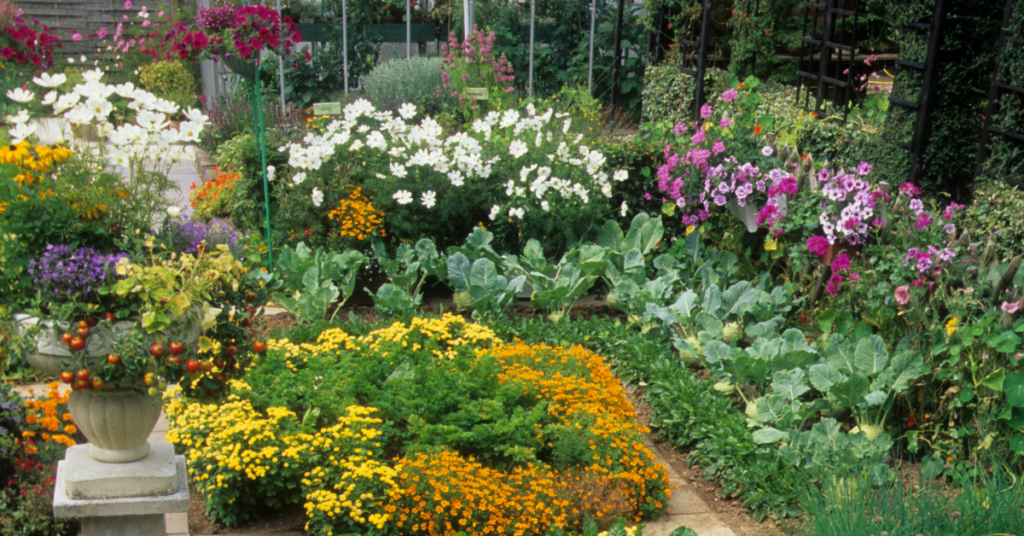
A vegetable garden without pollinators is a garden that won’t reach its full potential. Attracting bees, butterflies and other beneficial insects to your garden is one of the best things you can do for your harvest. Some of our favourite pollinator-friendly flowers for the vegetable garden include marigold, calendula, nasturtium, borage, sunflowers and culinary lavender. As a bonus, most of these are edible, so they earn their space twice over.
It’s Time
Starting a vegetable garden is one of the most rewarding things you can do with an outdoor space. There’s a quiet satisfaction in growing something from seed or a seedling and bringing it to your own table.
Start simple, grow what you love and don’t be afraid to learn as you go.
The team at Eising Garden Centre is always happy to help you choose the right plants for your space and answer any questions along the way. This could be the season that changes the way you think about your garden!
Resources:
Why Use a Garden Journal?: https://eising.ca/why-use-a-garden-journal/
Square Foot Gardening: https://www.almanac.com/planning-square-foot-garden-grow-more-less-space
Fertilizers & Soil Amendments: https://eising.ca/fertilizers-soil-amendments/
Companion Planting: https://eising.ca/companion-planting-with-herbs/ and https://eising.ca/incorporating-vegetables-into-your-garden/
Optimizing the Gardening Season: https://eising.ca/optimizing-the-gardening-season/
No Dig Gardening Method: https://charlesdowding.co.uk/blogs/no-dig-resources/beginners-guide
Reading Plant Tags: https://eising.ca/full-sun-part-shade-what-do-plant-tags-actually-mean/
Growing Vegetables in Pots: https://eising.ca/planters-are-for-more-than-flowers/
Adding Year-Round Interest to Your Garden
By Ava Green
Spring brings excitement and the hope of fresh beginnings, but also the harsh reality that our gardens can look a little…well…blah, in between seasons. Even when you have evergreens, well shaped trees, shrubs or perennials with “good bones” (strong framework or structure) a garden can look bare off season. This is when garden features and ornaments can really make a dramatic difference!
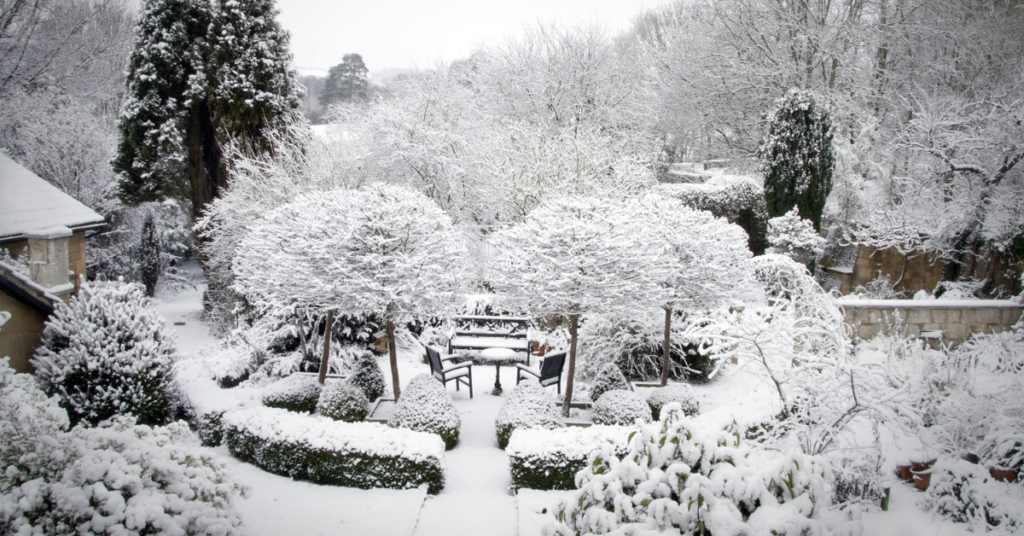
Create Year-Round Interest In Your Garden
Do you have a spot in the garden where plants struggle to grow? Or an area where you feel like your garden is missing something?
Items like benches, patios, ornamental urns, decorative fencing, statues, a pond, gazing balls, birdhouses and birdbaths add beauty and function in every season. In Southern Ontario’s long shoulder seasons (early spring, late fall, and the longest of all - winter) these permanent elements help to make your garden look inviting all year.

Why Every Garden Benefits from a Focal Point
A garden filled with colourful annuals and perennials can be stunning, but without a focal point, it can feel visually overwhelming. A garden focal point like a bench, statement urn, a piece of statuary, or a water feature draws your attention, and creates a sense of purpose.
Focal points guide movement through the garden and help tell a story, leading visitors toward a destination. While naturalized gardens and wildflower areas don’t always require structure, for gardeners who prefer a more organized look, incorporating a focal point can create a sense of order and transform your space.

Add Contrast With Texture and Shape
Many gardeners naturally gravitate toward favourite plant forms. Tall, spiky perennials like coneflowers, salvia, and Black-eyed Susan are popular in Ontario gardens but they can feel repetitive when planted together.
Introducing contrast changes everything. A round birdbath nestled among upright perennials adds softness and contrast making it more visually interesting. In shady gardens dominated by hostas, a tall iron obelisk or trellis creates height and drama. Mixing plant textures with garden features like lighting instantly elevates beds and borders.
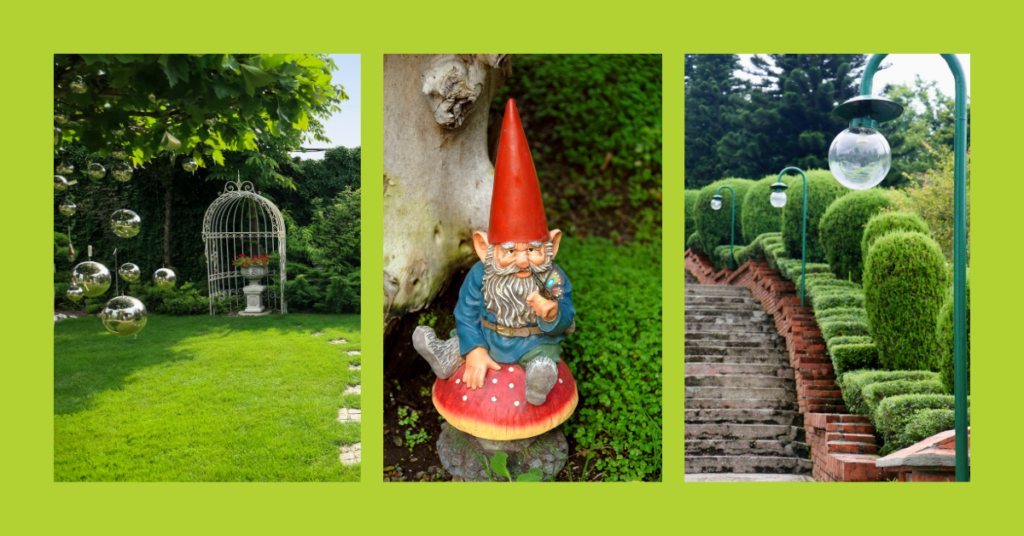
Express Your Personality!
Gardening is a creative process, and experimentation is part of the joy. Moving plants to find the right light or shelter often leads to surprising combinations and successes. Garden features allow you to express that creativity even further.
Statuary, ornaments, and structures, whether handcrafted or purchased, add personality and meaning. From whimsical accents to bold architectural elements, these features bring height, structure, and style to your garden in ways plants alone can’t.
More Than Just Flowers
Flowers bloom and fade with the seasons here in Southern Ontario. Garden features provide continuity, offering year-round interest, structure, and charm. With just a few additional elements, your garden can look beautiful in every season, not just when it’s in bloom.
If you think a small space and a small garden are limiting when it comes to shrub choices, think again! Colour and texture, structure and seasonal interest are all available in many small shrubs. Whether you’re looking for beautiful blooms or evergreen foliage, you’ll love what our favourite small shrubs have to offer!
Follow the 5 links for more on our 5 favourites!
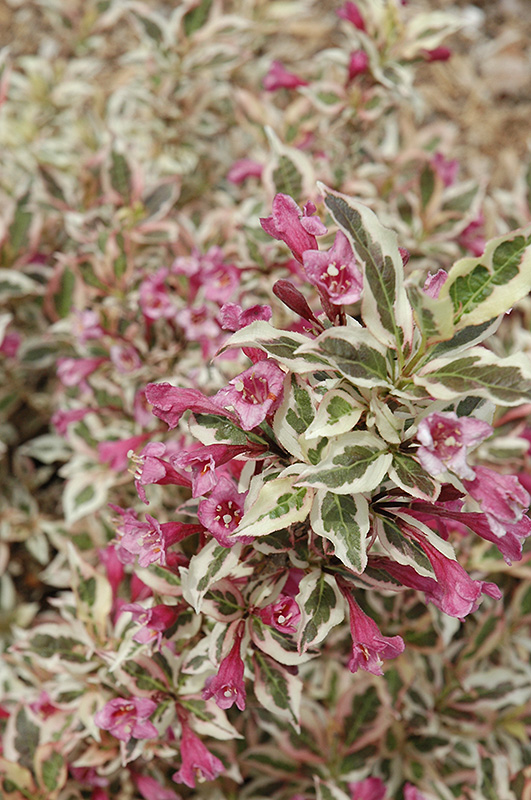
My Monet Purple Effect Weigela - Weigela florida
A deciduous shrub that’s deer resistant, colourful and low growing. This plant checks lots of boxes!! Variegated mint green and cream foliage with purple tones and pink blossoms, it makes a great companion to perennials, and as an edging plant. My Monet Purple Effect Weigela grows 18” to 2 ½ feet tall and wide in partial or full sun.
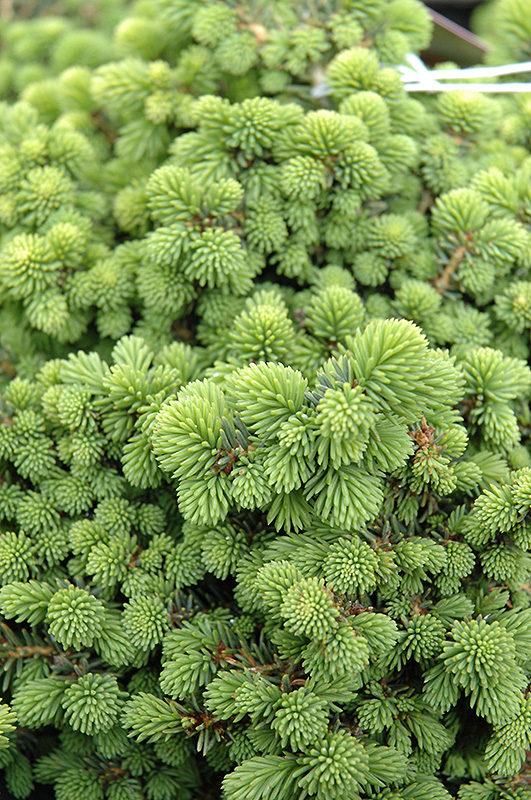
Little Gem Spruce - Picea abies ‘Little Gem’
This compact evergreen has dark green needles, making it attractive all year round. Its pyramidal shape makes it a great choice as an accent feature or in a border. It’s drought-tolerant and requires little care, making it a very appealing low-maintenance choice! Little Gem reaches a mature height of 10” to 1’ and a spread of 1’ to 2’. Plant this shrub in full sun.
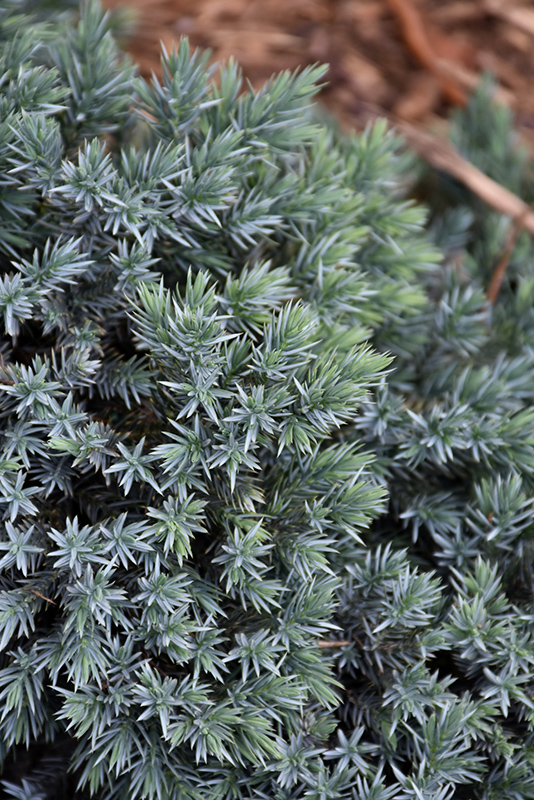
Blue Star Juniper - Juniperus squamata ‘Blue Star’
Sun-loving and slow-growing, Blue Star Juniper graces the garden with steel blue evergreen foliage that’s a beautiful contrast to many plants. It’s also drought-tolerant and requires very little pruning, making it an easy to care for naturally small shrub. Growing 1 to 3’ tall and 1 ½ to 3’ wide, its shape makes it great as ground cover or as an edging plant.
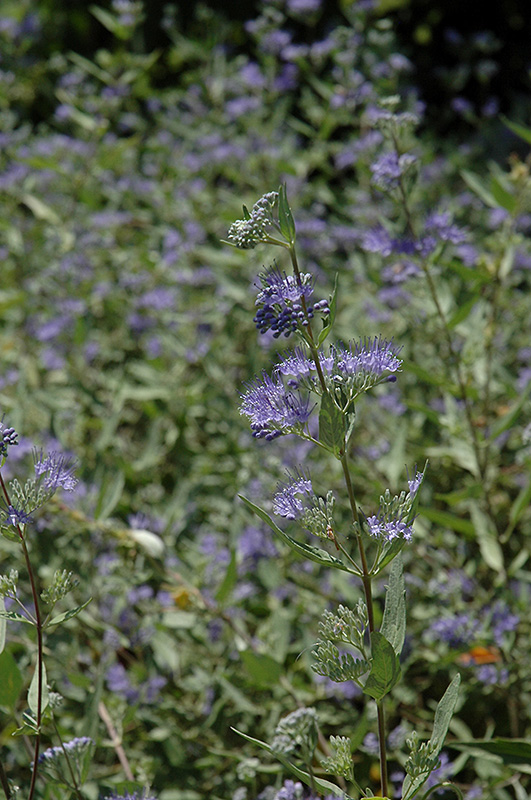
Bluebeard - Caryopteris
Classified as a shrub or as a woody perennial, either way, it deserves to be on this list. Bluebeard loves full sun and grows anywhere from 2 to 4’ in a compact mound. Sweetly scented and long blooming, it attracts all the pollinators: bees, butterflies and hummingbirds. Bluebeard foliage and blooms come in various colours depending on the variety, so it’s easy to fit into your landscape plans.
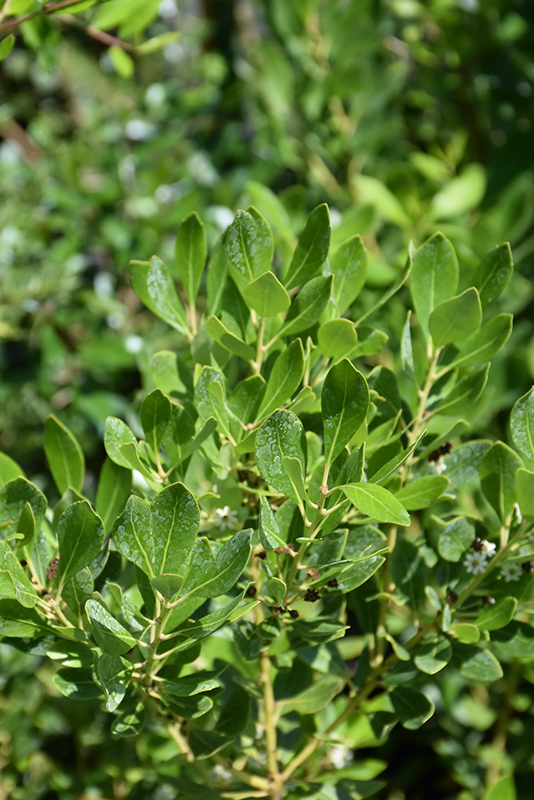
Inkberry Holly - IIlex glabra
Native to North America, Inkberry has lots to love. It looks similar to Boxwood and can be trimmed to shape, but this slow-growing evergreen also forms a tidy mound, and it blooms in the Spring! It will grow in full to part sun, and smaller varieties reach 3 to 4’ high.
While this list contains 5 of our favourites, we have lots more to offer in the garden centre. Come by and take a look! Discover how growing small shrubs in containers or small spaces adds beauty and texture, enhancing your garden bed, patio or balcony.
TIP: April and May are the best months to plant shrubs in Southern Ontario.
If dull days have you feeling a little down, a fresh, green, tropical plant might just be the tonic to inject some life into your living space and brighten things up.
Go Green
Spring flowers are beautiful, but the hero of Spring is the abundance of green. As everything comes back to life, it’s the colour that begins to envelop us, and it just makes the world look so much better again.
Adding greenery to your home can have that same overall effect! If you’re new to houseplants, there’s really something for everyone. There are tropical plants that can be very easy to grow and require very little attention. Plant care (how often they need water) and conditions (how much light they need) are two main factors to think about when choosing the best indoor plants for you.
Here are four beautiful houseplants to consider:
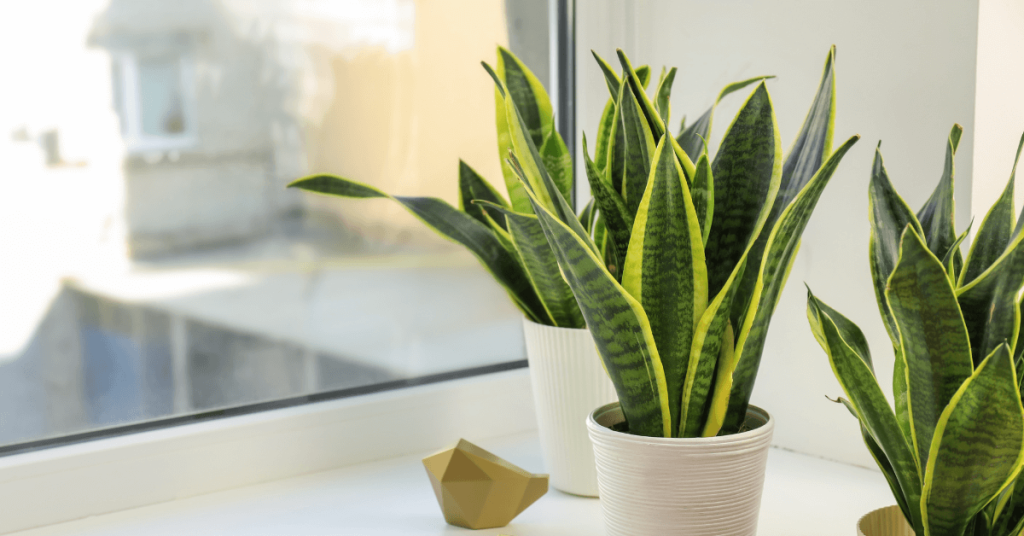
Snake Plant
Dracaena trifasciata or Snake Plant is a very hardy indoor plant, some say nearly indestructible. It will grow in almost any amount of light - dark to bright, so it can be placed virtually anywhere in your home. These tough plants require very little water - only water them if the soil feels dry. Overwatering may lead to root rot, so save your love and attention for something else, your Snake Plant just needs a little sip now and then.
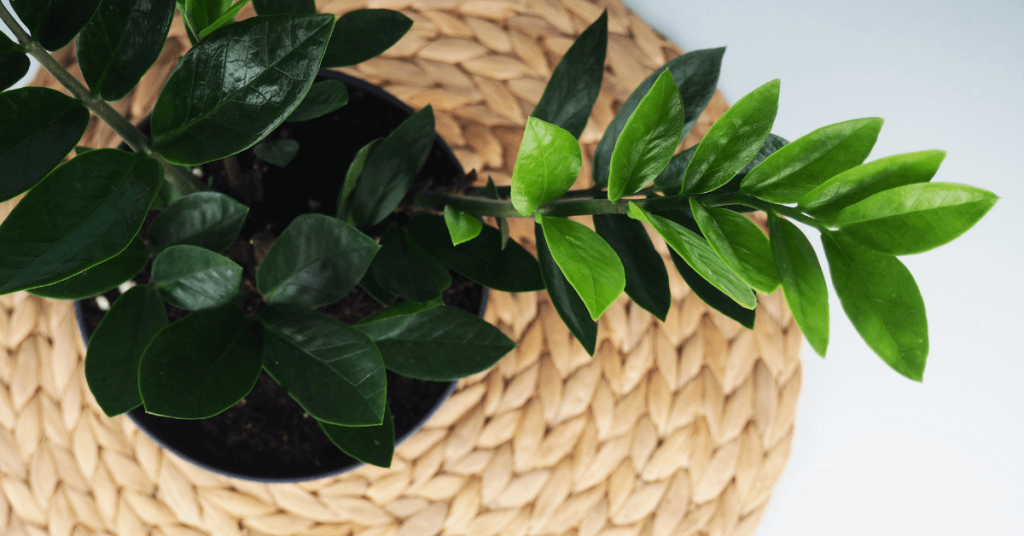
ZZ Plant
Wondering why the strange name? Technically its name is Zamioculcas zamiifolia…so let’s stick with ZZ! This is another easy to care for house plant. It likes bright, indirect light and some water every couple of weeks. Basically, a drink whenever the soil dries out. Not bad for a plant that looks like its shiny leaves have had a spa day.
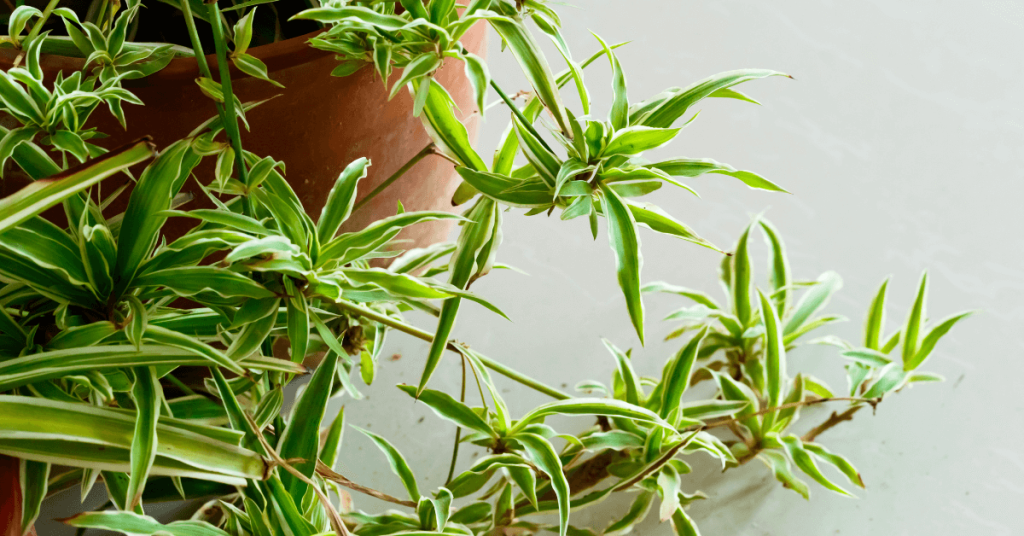
Spider Plant
Spider Plants are predominantly known for their graceful arching foliage, but they do send out a stem of small, star-shaped flowers fairly regularly on mature plants adding to the beauty of this popular house plant. Bright indirect light is where it thrives, and it does enjoy regular watering. Humidity can also help the Spider Plant stay healthy which makes it a great candidate for a bathroom with a shower or tub in it.

String of Pearls
Tiny, pea shaped leaves that look like pearls on a string make this a very unique houseplant. Unique may be a code word for: this one needs a little more attention. It’s best grown in a plant hanger or on a shelf where its trailing lengths of pearls are undisturbed. Morning light is best, not full light in the heat of the afternoon. During its growing season in Spring and Summer, keep the soil moist. It can be watered less in the winter. This is a plant that you can talk to each day while you give it a little drink, and it may become a very loyal friend. String of Hearts or other succulent, trailing vines are also plants to consider when you come in to shop and you’re liking the sound of this one.
When you do come into the store to see us, we can help with any other questions that you may have, like whether or not fertilizer is recommended and when to repot. Or, read this article on Tropical Plant Care.
When you pick out your new tropicals, we also have a great selection of decorative pots to place your new plants in to enhance your decor.
Eising Exotics
If you’re looking for a really special feature plant, or maybe to make your garden or pool area feel like you’ve been transported to a southern paradise, it’s time to pre-order larger palms and tropical plants! Shopping for these tropicals will surely make you feel like warm Summer breezes are just around the corner. Visit the Eising Exotics page now to view what’s available and place your pre-order.

If you haven’t gotten started on your summer vegetable garden yet, don’t worry—there are still plenty of veggies you can plant now for a late-season harvest! That means more fresh produce to enjoy through the fall, and with the help of our trusty freezers, many can be enjoyed well through winter and spring. You can find all kinds of seeds and starters for vegetables and fruits on our brand new webstore, so feel free to browse online and place an order for curbside pickup or citywide delivery.
What Are The Best Vegetables To Plant In Summer?
Generally speaking, vegetables that can be planted in summer are either fast-growing and love the sun, or slow-growing and tolerant of the cooler temperatures in the fall. Many garden edibles can get scorched from the hot sun if planted too early, so it’s best to delay so that they’re ready to go once the temperature is less extreme.

Late Summer Vegetables You Can Direct Seed
Many folks assume that spring is the best time for planting vegetable seeds, but every plant is different! So, if you want to start planting seeds in summer, there are more than a few good options for you to choose from. Here are the best late summer vegetables to plant in Simcoe through direct seeding:
Beans: Perhaps one of the easiest and most kid-friendly veggies to grow, beans are always a favourite. Plus, they deposit nitrogen into the soil, which helps improve soil quality.
Beets: These hearty root vegetables make excellent comfort food, and their ultra-vibrant colour indicates super-high levels of vitamins, nutrients and antioxidants. Your beets will be ready for harvest around September or October.
Broccoli: Even the pickiest of eaters aren’t likely to turn down a delicious bowl of broccoli cheese soup, or a Chinese beef and broccoli stir fry. Sow broccoli seeds in June for a harvest that’s ready right at the start of back-to-school season.
Carrots: Before you sow your carrot seeds, make sure your soil is super loose and free of rocks and compacted areas. If it’s all clumped together, the roots won’t grow long and pointy, so you’ll be left with stumpy, misshapen carrots.

Leafy Greens: Lettuce, kale and spinach can all be sown directly into the soil in June. They don’t take too long to develop, and they thrive in cooler temperatures, so you can even get away with planting a second round in early autumn!
Parsnips: Slow-growing parsnips need around four months to mature, but there’s no need to rush! Parsnips taste best if you harvest them after the weather has turned chilly. If we get hit with a few frosty nights in autumn, this will actually help them! Just make sure you pull them up before the ground freezes.
Potatoes: While not technically seeds, you can put potato tubers in the soil in June to enjoy an autumn harvest. Wait for the plants to mature, turn brown, and wither, then leave them in the soil for another three weeks before pulling them up! Store them in a cool, dry spot, and don’t wash them before storing—this will cause them to rot.
The Best Starter Plants For Late Summer Crops
The waiting game can get a little long when you directly seed certain plants, so sometimes it’s better to get a starter plant to transplant into containers or your garden bed. Here are some excellent starters to pick up later in the season:

Zucchini: “Zoodles,” or spiralized zucchini noodles, are quickly gaining popularity as a delicious alternative to carb-heavy spaghetti. If (like many of us) you’ve been kinda overdoing it on the pasta lately, you’ll definitely enjoy having this tasty squash in your garden.
Celery: This ultra-healthy, crunchy veggie adds some great crunch to tuna salad, chilli, and stews, but it takes a pretty long time to develop from seed, so you may as well skip ahead and opt for a starter.
Cucumbers: Technically, you can either transplant or direct seed cucumbers in June, but getting a starter will ensure you get to enjoy your harvest earlier in the season!
Peppers: With their thin, delicate skins, peppers aren’t too tolerant of chilly temperatures and will taste much better if they get lots of sunlight. Planting a starter in June will ensure these sun-loving veggies get peak sunshine in July and August, right when it counts.
Tomatoes: We especially love growing small tomatoes in hanging baskets! The little fruits look like strings of colourful porch lights changing from green, to yellow, to red!
Fresh garden produce can be enjoyed well into autumn, and even early winter, if you pick the right crops and time them just right. If you have any questions about late-season planting, feel free to give us a call at the shop, and we’ll be happy to help!
There might not be a better flavour of summer than the perfectly ripe garden tomato. Picked straight from the garden, a fresh tomato lets you taste summer’s sunshine with each bite.
Tomatoes are incredibly popular garden plants, thanks in part to the staggering difference between homegrown and supermarket varieties. As much as the flavour and nutritional content of garden-grown produce have a clear advantage, we also think that the sheer variety of options is part of the tomato’s success. With so many choices, there’s something to fit everyone’s lifestyle, taste, and garden style, and with such a simple growing formula it’s easy to come out with a great harvest. Here are our tips on how to take your homegrown tomatoes to the next level.
Planting Tomatoes Made Simple
Tomatoes are easy-to-grow plants, but a bit of knowledge makes the difference between a mediocre harvest and an amazing one. The first task in planting your tomatoes is to choose your type. Tomatoes are normally categorized as determinate (bushy types that don’t require much pruning, stalking, or maintenance) and indeterminate (unruly plants that require a little more care but produce more fruit). You also have choices in size from small and sweet snacking cherry tomatoes to large, beefy tomatoes for slicing onto sandwiches and burgers.
Choose plants that are robust and stocky, not ones that have grown lanky. This is true whether you grow your own from seed or buy from the store; you’ll want to start your garden with only the best plants.
Choose a spot in the garden with full sun exposure. Tomatoes thrive on heat and will give you tastier fruits the warmer they are all season, so full exposure to sunlight (without too much exposure to winds) is perfect. Plant in well-draining soil to prevent root rot, but consider layering some mulch on top once you plant to lock moisture and heat in.
When you plant, you can plant part of the stem in the ground to grow roots, too. This is a great way to save any plants that might have stretched and gotten lanky while you waited to plant. Any part of the stem planted underground will grow roots, so take off the leaves and plant about a third of the stem in the ground.

Some Garden Classics
Choosing a type from all of the different and new tomato varieties can be daunting, but we’ve narrowed it down with a few of our favourites to grow in our own gardens.
For great determinate varieties that taste great with little intervention from you. We love the Tumbler and Roma varieties. These produce great flavour and lots of harvest without too much intervention from you, making them an ideal low-stress option.
If you like to put a bit more of a personal touch and love and care into your garden, though, indeterminates are a good choice. For most tomatoes, the flavour, quality, and quantity of tomatoes in indeterminate varieties can’t be matched. For those craving big, delicious, plump tomatoes, Beefmaster is a great choice. Early Girl offers the best of everything in a medium size, reaching maturity early in the season. For those looking for a sweet snacking tomato, though, look no further than Sweet Million.
Heirloom tomatoes are the choice for the traditionalist that wants something unique in their garden. There are many delicious and creatively-coloured tomatoes, like Green Zebra and Black Krim, that will have your dinner plate dressed up with natural beauty.
Growing top tomatoes in your garden isn’t difficult, and the rewards are so delicious that it’s hard to see why you wouldn’t want to grow your own. With so many tasty choices, there’s a tomato that’s suited for anyone and everyone’s space. The only challenge will be getting the tomatoes to the kitchen before eating them all off the vine!
Starting an edible garden is like building your own private produce aisle right there in your yard. You’ll reap all of the benefits of healthier and fresher food just outside your door, and you’ll be able to grow the best of your favourite garden flavours; nothing beats fresh-picked taste.
The key to a great edible garden is having some variety. The mix of lots of fruits and vegetables gives you lots of options to experiment with in the kitchen so you’ll never get bored with the same flavours. We have lots of tips to make growing your own food easy and fun.
Our Tips for How To Grow Fruits and Vegetables
These simple tips are a huge help in making your fruit & veggie garden hassle-free:
Try using a raised garden bed. They’re easy to make and they help with better soil quality, better temperature control, with far fewer weeds to pull due to their controlled environment. If you’re growing straight from the ground, you’ll be at the mercy of your property’s soil quality—but in a raised bed, you’re in control! Fill the raised planter with bags of sterile soil and add in lots of organic matter to give your veggies a great start. The elevated container also makes the garden easier to work in, as you don’t have to bend over as much while tending your plants.

If space is a concern or you simply want to start small before you take the plunge, try container gardening. Most edible plants—except the biggest and most unruly specimens—grow well in containers, so you can make the most of a small space with as many containers as you like. Choose a location with a lot of sun and watch your miniature garden grow.
Try out companion planting and let your plants do some of the work for you. Some fruits and vegetables do so well together that we’d recommend planting them as buddies so they can give each other a boost. For example, green beans and corn work great together as the beans nurture the soil and the corn support the bean vines while they’re growing. We also love growing tomatoes and basil together. Not only do they often end up in dishes next to each other, but the basil improves tomato flavour and wards off pests.
Use natural weed and pest control methods. If you’re growing food with the intention to eat it, there’s a strong case for keeping chemicals off of them while they grow. There are lots of natural pest control methods to try for almost any type of pest while keeping your food safe.
The Best Fruits and Vegetables for Home Growing
Some garden edibles have reputations for being more picky and difficult to grow than others, while others give you impressive yields for much less effort! This is our list of foolproof garden options to start fuelling your kitchen from your yard:

- Raspberries: These fall-bearing fruit bushes are as low-maintenance as they come, only requiring a bit of pruning in the winter to make room for more fruit-bearing shoots. Starting in the late summer you’ll always have lots of raspberries to bring inside, even if half of your picking time is actually spent munching on them right off the branch. Enjoy these sweet treats all the way until the first frosts!
- Strawberries: There are lots of varieties to choose from that produce fruit in different quantities at different times of the year, so you can tailor your strawberry growth to what you want - whether that’s a steady harvest of some fruit all year, or a big bounty perfect for jams and pies all at once. You get to pick if you want spring, summer, or fall berries, and how many. We love how well these do in containers as well as in a garden bed.
- Tomatoes: We might think about them like vegetables but these plants are actually fruits! Savoury and versatile, this fruit is perfect for beginners. You might choose to grow little cherry tomatoes for the perfect summer salads or maybe beefier slicing tomatoes for burgers and sandwiches. With impressive yields, you’re likely to end up with enough tomatoes at the height of the season that you’ll be giving them away! Luckily they freeze well to be put into sauces later in the year.
- Currants: These bushes produce oodles of their tiny sweet fruits in shades of red, pink, white, and black. While white currants are certainly the sweetest, black ones are the easiest to take care of and require almost no care.
- Radishes: These root vegetables have a little spicy kick that is welcome in so many summer dishes. Low-maintenance and quick-growing, you can start them in the spring but even do a second crop in the late summer, too.
- Lettuce and Leafy Greens: These are the perfect vegetables for growing in containers or a bed! The greens sprout and grow at lightning speed, so you’ll enjoy harvests more often. Their shallow roots also make them the perfect versatile candidate for growing anywhere.
- Cucumbers: The trick to crisp and tasty cucumbers is to keep them well-watered. Generous helpings of moisture on a regular basis (as long as your soil has good drainage) will set your cukes apart from the rest.
- Carrots: This root vegetable is a classic for good reason. All they need is some loose and loamy soil to grow perfectly straight. Other than starting off with the right foundation, they mostly take care of themselves! You can plant them densely and munch on baby carrots as your thin them out through the growing season.
Your garden is all about you and which fresh flavours you want to eat more of during the summer. This is just a starting point, but your garden is yours to customize and perfect. Plant what you love to eat and you’ll get tastier food at a better price all summer.
Gardening goes with your kitchen like peanut butter pairs with jelly. They just seem to make each other that much better! You’ll love growing useful plants and flavors, and your kitchen will love all of the garden-fresh ingredients to elevate your dishes to the next level. But you don’t need a bit garden plot to get the best of both worlds — in fact, you can grow everything you need to step up your dinner table experience right in your kitchen!
Herbs in the Kitchen
Most of your kitchen’s favourite herb flavors are hardy growers that are happy to sprout anywhere - including the windowsill in your kitchen. All you need is a spot with a little bit of sunlight and you’ll have freshest herbs on-hand to take bits of for everyday dishes.
There’s tonnes of benefits to having your herbs grow in your kitchen, and only a few of them are all of the awesome fresh flavors that you’ll get — though we promise that once you try fresh you’ll never want to go back to dried. Think about all of these other perks that go further than what you eat:
A little bit of something green and thriving is a perfect indoor pick-me-up. There’s nothing like something that you’ve nurtured and grown sitting right there in your living space to be enjoyed - especially when the weather is cold.
These herbs pack quite the flavor, but they are also fragrant aromatics. If you want your kitchen to feel a bit homier, and to have that faint fresh scent all the time, growing aromatic herbs is a great place to start!
The rest of your garden is pretty bound by the seasons, but indoor plants can thrive all year long! You don’t quit looking for the best flavor when the weather outside is frozen, so why should your cooking suffer? Fresh herbs are welcome in your food all days of the year, and growing indoors is the perfect way to step up your kitchen, every day and every season.

The Perfect Herbs for Kitchen Gardens
Realistically, the best herbs to grow in your kitchen are the ones that you already use a lot of in your cooking, because you’ll make the most of them. Most herbs are aggressive growers and will thrive the more you tear off branches to use in your cooking, so your most common flavors are sure to do the best in your kitchen!
Here are some of our favourite herbs that grow great in a little pot indoors, and how we love to see their flavors show up on our kitchen table:
Rosemary: This Mediterranean herb is a foolproof way to start your kitchen garden. Given a spot with some light and some well-draining soil, you’ll be thrilled to see how well it grows. Supremely aromatic and flavorful, this is a great choice for Mediterranean cooking or pairing with steaks and poultry. The flavor releases with more heat, so add it early in the cooking stages to get the best taste.
Thyme: Another dry-condition grower, this herb is a great partner to grow with rosemary. With finer leaves and a bushy habit, thyme is ideal for pairing with poultry dishes. You’ll really appreciate the fresh herbs in colder weather, especially around Thanksgiving and Christmas, which is when this herb shines most.
Basil: With a bit of a reputation as a tougher plant to grow, basil can thrive in your kitchen if you find that “just right” middle ground for growing conditions. A Goldilocks plant, it doesn’t like things too moist or too dry, and prefers just the right amount of light. Once you’ve found that sweet spot, though, you’ll have more bountiful basil than you know what to do with! Try mixing these fragrant leaves into summer salads or on the barbeque. The complex flavors of this plant are sensitive to heat, so add it at the very end of cooking for the best effect.
Mint: For a taste of something different from the rest of your more “earthy” herbs, grow some mint! This herb is from a more moist homeland, so keep their container well-watered (but not soggy!) for the best results. Mint is a surprise addition to any dish and is also the perfect ingredient to take your cocktails and beverages to the next level.

Sage: For a bold taste that tastes so much better fresh than dried, try sage. These plants are easy to please with some good drainage and a consistent care schedule, you won’t be stressed keeping them alive. Not only tasting great, they also smell amazing, which you’ll notice every time you walk past or touch them. Try sage in your poultry dishes by including it in your marinade.
Growing herbs in the kitchen is the perfect way to pick up your mood and elevate your cooking every day! Feel free to tear into your herbs as they only grow back more enthusiastically — as long as you don’t take away more than 1/3 of the plant at once. If you grow your own fresh herbs right there in the kitchen, you’ll have an oh-so convenient way to rake in the compliments for your cooking.
Succulents are undoubtedly the must-have houseplant of 2019, and with good reason: they’re easy to look after and their vivid, spiralling foliage is seriously eye-catching. They have a distinctive appearance that adds some personality to your home décor without looking too garish or flashy, so they’ll complement whatever aesthetic you’re going for.
With hundreds of varieties to choose from, you may find it tricky to settle on just one (or three, or five…) so peruse through this list of popular succulent houseplants to find some that suit your style!
Our Favourite Small Succulents for Indoors
Placing potted succulents onto bookshelves, coffee tables, or work desks will instantly brighten up the energy in a room with little effort. These are our favourite picks for placing in indoor containers:
Burro’s Tail: This funky, little plant has long, spiralling ropes of foliage with plump, little leaves that kind of look like green grapes from afar. They start out small, but as they grow, they can actually get pretty long, spilling out from their container in a cascade of greenery.
Flaming Katy: This particular variety of succulent comes by its name honestly– its neon flowers are total showstoppers. It’s also one of the best plants for air purification, helping to filter out toxins like methane and formaldehyde.
Jade Plant: Practitioners of the Chinese art of Feng Shui will tell you that the jade plant is heralded for bringing forth good luck and prosperity. That’s how it earned its nickname, the money tree! The leaves are vivid emerald green, and sometimes in the autumn, they’ll surprise you with tiny pink star-shaped blossoms.
Roseum: As the name suggests, this succulent has overlapping petal-like leaves that resemble a rose. Some roseum succulents have a pretty, pink border along the edges of their lime green leaves, adding a sweet, feminine flair.
Snake Plant: This striped plant with its spiky vertical leaves might not look like a succulent at first glance, but it’s one of the most popular options for indoors because it requires very little light, making it great for small offices or bathrooms.
Great Options for an Outdoor Succulent Garden
Succulents make for great ground cover in large gardens with a variety of different plants, but a garden made entirely from succulents can be pretty spectacular too. Check out these succulents that thrive in outdoor conditions:
Dudleya: This grey-green succulent has a muted, chalky tone that adds some softness to your garden, and can live up to a century old if taken care of properly (which isn’t too hard to do, as they are famously low-maintenance).
Plush Plant: Also known as the Red Echeveria, this Mexico native features green leaves with a deep red border and fabulous orange-gold flowers that are wildly popular among hummingbirds and pollinators.
Sunburst: This absolute beauty produces simple, white blossoms in the summer, but its leaves really bring the wow-factor. Green, yellow, and white with a subtle red trim, they add a little burst of rainbow colour to your succulent garden.
Torch Plant: Many folks are quick to assume that succulents are typically small in size, but the torch plant is anything but petite. This behemoth of a succulent can reach up to 10 feet tall, with blazing orange summer blooms and spiny leaves that deepen in colour the sunnier it gets.
Hens-and-Chicks: These adorable, little succulents do pretty well both indoors and outdoors, but we particularly love the look of a mass of hens-and-chicks all clustered together in a garden. They tend to reproduce at a pretty speedy rate, so if you enjoy gifting baby plants to friends and family, you’ll get a kick out of this one.
Sedum: This über-trendy groundcover plant comes in so many different colour varieties with blossoms of all shapes and sizes. Also known as stonecrop, this fleshy-leafed plant is hardy and resilient, sometimes creeping its way up walls and stones. We particularly love the blue spruce sedum, with its blue-green leaves that surprise us with a hot pink stem that bursts forth every summer, producing a lemon-yellow blossom on top.
How to Care for Succulents
While these delightfully fuss-free plants don’t need much to keep them happy, there’s still a few things to keep in mind when caring for your succulents:
Most of them prefer lots of sunlight. While there’s the odd succulent here and there that won’t mind a bit of shade, as is the case with the snake plant, your typical succulent is going to want a decent amount of direct sunlight. Try to keep your indoor plants near a south-facing window, and your outdoor plants in a spot that isn’t too shaded.
Water the soil, not the leaves. Watering around the plant so it goes directly to the roots will help prevent rotting. Make sure to let that soil dry out between watering, too, because too much moisture is just as bad as too little.
When leaves start to dry up and wither, carefully pick them off with tweezers. Don’t be alarmed if you notice some leaves starting to get dry— this is just part of its natural growing process.
Succulents are fantastic houseplants for beginners and seasoned experts alike, so why not treat yourself to some succulents today? Keep in mind, collecting these adorable little waxy-leafed plants can become pretty addicting - don’t say we didn’t warn you!