
Full Sun, Part Shade - What Do Plant Tags Actually Mean?
By Ava Green ☀️
One of the most common reasons plants struggle comes down to light. Specifically, whether the spot you’ve chosen gives your plant the light conditions it actually needs.
The good news? Once you understand what the terms on a plant tag really mean, matching the right plant to the right spot becomes second nature. And when a plant is happy in its environment, it grows stronger, looks better, and is far less vulnerable to pests and disease because it simply isn’t under stress.
Before You Plant Anything, Do This First
Light conditions in a garden can be surprisingly tricky to read unless you’re paying attention. A garden that feels sunny might not actually deliver the hours of direct light that certain plants require. A shady corner might get more sun than you think.
So here’s your homework assignment, and it’s a very nice one.
Go outside and sit for a while. Find the spot where you would like to plant and observe it for a few days in the summer. Track how many hours of direct sunlight that area receives, hour by hour. Jot it down on a piece of paper. Average it out over a few days for a reliable picture.
Fair warning: this assignment may require a chaise lounge, a good book, and something cold to drink.
Once you have this data, you’re ready to move forward!
Decoding Light Terms
No more guessing at the garden centre! Here’s exactly what each term means.

Full Sun
At least 6 hours of direct sunlight each day. Plants in this category are sun-lovers: most vegetables, lavender, roses and many annuals and perennials.

Part Sun
4 to 6 hours of sun including some afternoon sun. The hours don’t need to be consecutive; a few hours in the morning and a couple more in the afternoon. Not all of it needs to be intense, direct light.

Part Shade
Also 4 to 6 hours of sun, but with a preference for morning light rather than the stronger afternoon sun. These plants appreciate some protection from the harshest part of the day.

Full Shade
Fewer than 4 hours of direct sun per day. If direct sun hits these plants, morning sun is ideal. Plants that appreciate these conditions are woodland plants, hostas and ferns.
Why Getting This Right Saves You Time and Money
A little observation before you plant is genuinely one of the most valuable things you can do as a gardener. It takes the guesswork out of every purchase and saves you from replacing plants that were never suited to that spot. Most importantly, it gives you a garden full of plants that actually thrive there.
The best gardens aren’t built on luck. They’re built on knowing your conditions and planting accordingly. Now that you’ve cracked the code on light, you’re already ahead of the game.
Bonus - Signage at Eising Greenhouses and Garden Centre!
You'll notice our signage has icons to help you best decide which plants are right for you and your situation!

- If you see a little paw print on our signs or pots, this means we're proud to say this plant is pet friendly! We love your little critters too!
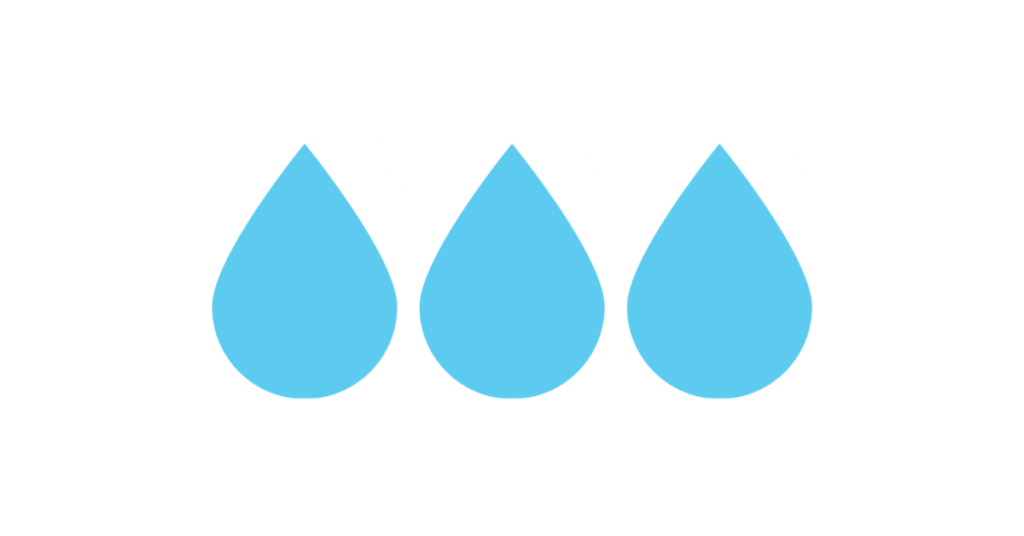
- The number of raindrops on our signs indicates how much water this plant will need
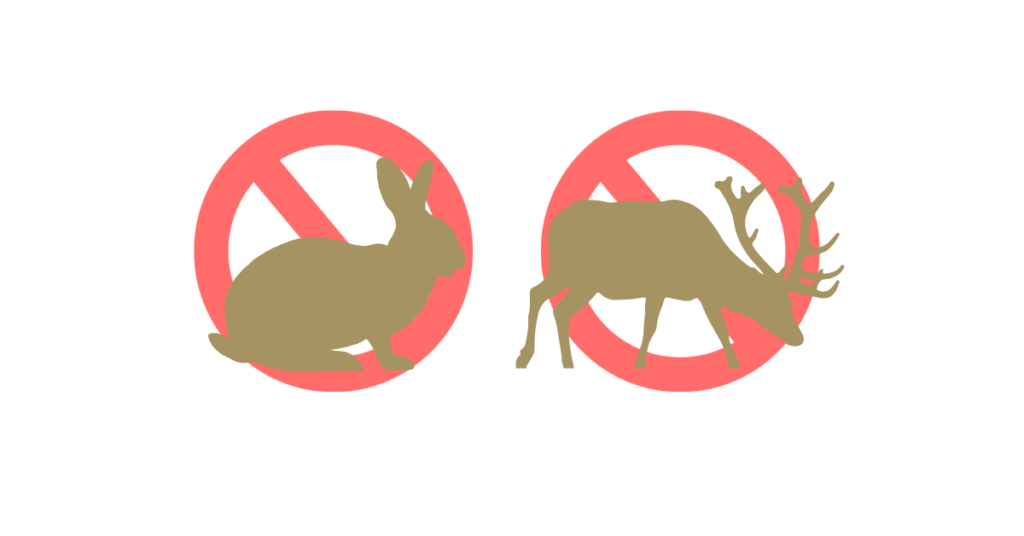
- Signs with these icons indicate the plant naturally deters pests like deer and rabbits
Articles you might like

