
We tend to get a lot of questions about rose care, and while roses do require more maintenance than other common shrubs, they’re by no means difficult to look after. A little bit of regular upkeep leads to some pretty impressive results, so if you’re a gardening novice, it’s definitely a worthwhile project. Here’s how you can grow and care for roses in Simcoe, Ontario.
Planting Roses In Southern Ontario
Depending on the variety you choose, you can use roses for border plants, garden bed accents, climbing plants to train over arbours and patio lattice, or as container plants. Whatever location or growing medium you select, just ensure it’s suited to the size and growth habit of your chosen rose variety, since there are so many different kinds to choose from. That being said, almost all roses will need at least 6 hours of direct sun every day, so make sure your chosen location has plenty of light.

The best soil for roses has excellent drainage and high nutrients, to set your rose bushes off to a good start, you’ll want to loosen up the soil thoroughly. Ideally, you’ll want sandier, loamy soil with a lot of compost mixed in.
If you’ve purchased a rose bush with bare roots, you’ll want to soak the root ball in water for up to 24 hours before planting. If it’s a potted rose, you won’t have to worry about that step. Plant your roses about 1.5–2 feet deep to fit their large root system, then fill the hole back up with the soil, compost and bone meal mix. Mound it up slightly around the base of the plant.
How Often Should I Water Roses?
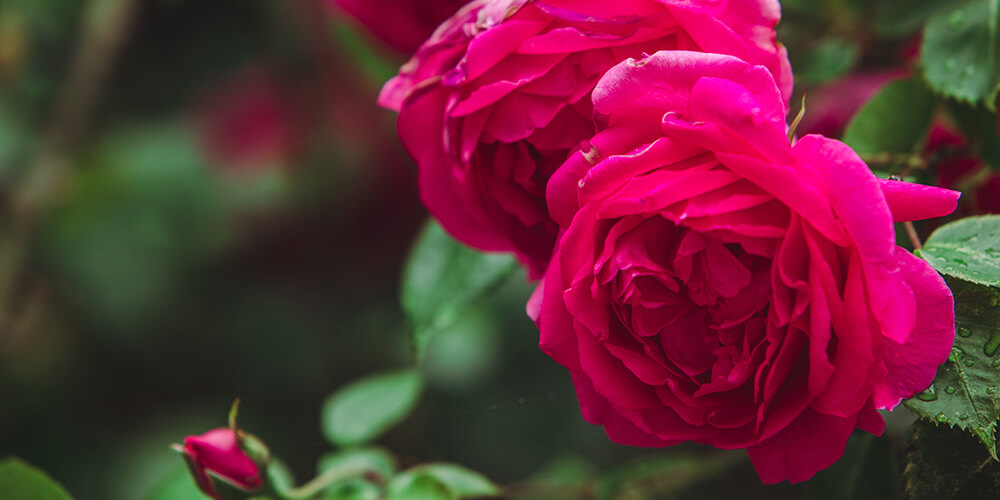
Generally, roses need about 1-3 inches of water per week. The thing is, roses are pretty susceptible to mildew and other fungal diseases if they get soggy and don’t receive much air circulation. That means you’ll want to avoid getting the leaves wet whenever possible and stick to watering the soil directly. The easiest way to do this is with a trickle hose set up near the base of the plant. Just turn it on and leave it for a while, so it thoroughly saturates the ground.
If we experience a lot of rain in a short period, you can skip on watering, and should check your roses regularly for any signs of bacteria or fungal growth. Remove any damaged pieces with sanitized shears, wiping the blades clean between every cut, and disposing of the damaged parts safely in the garbage, not the compost bin.
Rose Care: Mulch, Fertilizer, And More
Applying a layer of mulch on top of the soil around your roses will help to retain moisture and control weeds. Some gardeners insist that cocoa bean shells are the best mulch for roses, but we’ve found that classic bark mulch still works perfectly fine.

In spring, feed your roses with a fertilizer formulated specifically for roses. For best performance and blooms, apply the fertilizer every 2-3 weeks during the growing season. There are also special fertilizers made for transplanting, easing the transition when planting your rose. Be sure to water your rose before and after applying fertilizer as their roots are susceptible to being burnt.
Since there are so many types of roses, this means there are different times of the seasons and different styles of pruning. Use a pruning saw or hand pruners to remove any damaged branches or awkward pieces that jut out too far. If there are some densely packed areas with branches, it may help to thin them out a bit to help prevent fungal growth.
We have so many spectacular colours and varieties of roses to grow in Southern Ontario. Visit Eising to see our full collection, or check out our online store! We have citywide delivery and curbside pickup available all summer long.
We love decorating for Canada Day, but lately we’ve been compelled to avoid buying disposable plastic decorations, and instead look for eco-friendly alternatives. We figured, what better way to show your Canadian pride than through your garden? A red and white décor colour palette is so timeless and beautiful, and it’s all the more festive once July 1st rolls around!
Want some intel on the best new annuals to plant in your Canada Day themed garden? Here are some of our favourites for summer 2020 here in Simcoe. Our online store is now up and running, so if you don’t feel like swinging by the garden centre, you can order these beauties for citywide delivery!
Red Annual Plants And Flowers For Canada Day
Red is such a powerful, vibrant colour that makes a strong impact, yet it’s so versatile and classic. Plant these fire ultra-red flowers and plants in your yard, for a gorgeous pop of colour that brings to mind that big, bright red maple leaf we all know and love.

Whopper Begonia: Bronze Red
This shade-tolerant flower never fails to brighten up the darker corners of our yards, bursting with red blossoms reaching up to 3 inches wide. The bronze leaves kind of have a warmer, reddish cast to them too, so they’ll really help to create a streamlined, consistent colour scheme. Grow them with ease in garden beds or containers, and they’ll treat you with blossoms from spring until fall.
Coleus: Red Wizard
This high-impact foliage plant is perfect for Canada Day—candy apple red with a skinny white trim! Ideally, some morning sun and dappled afternoon shade will help your coleus to grow lush and bright, and you’ll need to water them extra often if they’re in a container. Coleus are fun to grow, because you can propagate them by simply placing cuttings in a cup of water, so you can easily turn one plant into several to give away to friends and family.

Crimson Mandevilla
These romantic vining plants grow so rapidly, by the end of the summer their volume and size is colossal. They’re often grown in containers or hanging baskets, but if you want a really impressive display that boasts Canada’s colours, grow them on a tall, white trellis so they can climb right up. We recommend growing them in full sun, near a wall to give them some protection from the wind.
Red Impatiens
Shade-tolerant, low-maintenance, and self-cleaning—there’s just so many reasons why these annuals remain to be some of the most popular flowers year after year. Impatiens grown in containers will probably need daily watering, but if you have a shaded garden bed with a layer of mulch, you can get away with watering them about twice per week. For ultimate blooming action, add water soluble fertilizer every two weeks until the end of summer.
White Annual Plants And Flowers For Canada Day
White flowers and icy, frosted foliage are so incomparably elegant and lovely in the garden, and they always match your home’s outdoor colour palette, whether it’s cool or warm. Try some of these creamy white flowers and foliage plants in your Canada Day garden!

Helichrysum: Silver Spike
The silvery white, slender, spiky leaves of this plant look like a burst of fireworks—extra appropriate for this national holiday! They’re especially beautiful in mixed container arrangements, bringing contrasting colour and texture that really stands out among ruffly flowers in ultra-rich hues. Plant in full sun!
White Heliotrope
These clusters of little white blossoms look just like scoops of vanilla ice cream, and the best part is, they smell like it too! You can enjoy the flowers of this continuous bloomer all the way until the first frost of winter. It gets its name from the Greek words “helios” (sun) and “tropos” (turn) because the flower heads turn to face the sunlight!

Hypoestes: White Splash
Also known as the Polka Dot Plant, this variety of hypoestes is totally covered in white speckles and splotches. It likes full sun, lots of water, weekly fertilizer in the summer, and fast-draining soil. They look especially cute as potted plants, and since it’s rare for one plant to survive more than a year, we recommend propagating a cutting so you can enjoy it as a houseplant at the end of the growing season.
Nonstop Begonia: White/Bronze
The massive double flower heads on this gorgeous annual flower are just like big, fluffy clouds. Through summer until mid-autumn, you can enjoy these long lasting blooms that sit in a bed of dramatic, dark foliage—deep greenish-bronze with hints of red. Partial shade is totally comfortable for this variety, but try to avoid complete shade if possible.
Have a happy and safe Canada Day, from all of us at Eising Greenhouse and Garden Centre! If there are any tools or supplies you need in time for your backyard barbecue party, we’ve got you covered. Visit us in-store or shop online for all your backyard entertaining needs.
The flavour of homegrown tomatoes is like nothing else, and tomatoes are pretty easy to grow in Southern Ontario. With all that classic, juicy flavour, it's so satisfying to serve your family beautiful and tasty tomatoes that you grew yourself. Some of the more unique varieties are surprisingly beautiful plants as well—especially when they're loaded with brightly-coloured fruit!
Here are some of our favourite tomato varieties for 2020!
Little Sicily is the perfect patio tomato, delivering lots of tomatoes with excellent flavour on a plant that stays under 2 feet tall!
Candyland Red is a currant tomato—slightly smaller than the cherry size. The sweet flavour of these dark red fruits can be enjoyed all season long.
Glamour is an early producing tomato, with large crack-resistant fruits. These are a delicious all-around tomato, great for sandwiches, salads, slicing, and canning.
Great White is a large, yellow-white tomato with a delicate tropical flavour and low acidity. These are the best when eaten immediately after harvesting! Great White is pleasant and mild, and perfect for folks who are sensitive to acidic foods.

Green Zebra is a green and yellow striped tomato with a tart and rich flavour. It's a little smaller than your average grocery store tomato. Let them ripen fully on the vine before picking to enjoy their full, balanced flavour.
Pineapple is a sizeable bright-yellow tomato known for its refreshing citrusy flavour. These are super sweet with lower acid levels than other yellow tomatoes. Pineapple tomatoes can weigh up to 1 pound each and are perfect for sandwiches!
Better Boy is the perfect classic red tomato. Its the perfect balance of tart and sweet, and it produces an amazing amount of fruit in one season. This excellent slicing tomato grows well almost anywhere.
Bush Beefsteak is the perfect beefsteak variety for patios. It delivers large and flavourful fruit early in the season, maturing in just 62 days. The plant stays much more compact than other beefsteak varieties.
Whatever variety of tomatoes you choose to grow, you can be sure they'll taste amazing. You'll be able to show off your delicious homegrown fruit in all sorts of meals—from salads to kebabs, soups to sauces, and burgers to sandwiches. All of these varieties are disease resistant and will grow well in Simcoe!

Tomatoes are pretty simple to care for, but there are a few basics to keep in mind. These garden favourites are heavy feeders, and they're also very thirsty. Because they grow so fast, they use up nutrients in the soil fast. Fertilize your tomatoes once a week to ensure they have the nutrients they need to produce the best possible flavour. During the summer, you may need to water your tomatoes daily, especially if they are in pots. Growing as fast and as large as they do, tomatoes use up water very quickly. Make sure they're watered consistently, without getting too dry in between, to prevent blossom end rot.
Ready to start growing tomatoes for your summer BBQs, picnics, and block parties? Stop by our Garden Centre; we've got many more delicious and beautiful varieties to choose from!
We always get excited when our winter fashion collection arrives, but the 2019 winter season is extra special. After all, it's the end of a decade, so we've gotta ring in the new year in style! Winter fashion in Simcoe is loads of fun because it's just chilly enough without being unbearably cold, so we can dabble in the latest trends without having to layer on an extra three sweaters and a parka. Here are our favourite looks to rock during this winter season, so you can slay (...or, sleigh?) at every holiday event this year.
Winter 2019 Fashion Trends
Whether you're dressing up for the office holiday party, the family Christmas feast, getting glammed up to say "sayonara" to 2019, or simply embarking on the many, many shopping trips that will have you rushing around town, these 2019 winter style essentials should give you some inspiration!
Cozy Leggings
Just because it’s cold outside, doesn’t mean we’re ready to ditch our favourite form-fitting bottoms. Terry-lined leggings flatter your shape just like regular leggings, but the ultra-cozy lining helps to keep you toasty warm on weekend errand runs. Bamboo leggings are super-soft and comfy, not to mention beautifully breathable. They’re great for layering under your jeans for extra warmth, or for lounging around the house as you recover from NYE. Plus, bamboo is a sustainable fabric, so it’s a great choice for eco-conscious babes. We love styling both of these cozy leggings with sweater dresses or sweater tunics. The warm layers look as cute as they are comfy, and the whole ensemble is perfect for family brunch on Christmas Day.

Fur-Trimmed Knitwear
Regular sweaters and vests? Nothing to write home about. But sweaters and vests with adorable faux-fur trim? Suddenly you're a fashion-savvy snow bunny ready to hit the slopes. Top it off with a knit toque with a fur pom pom, and you'll be the queen of the ski hill. Fur trims are great for adding a hint of glamour to an otherwise casual piece, so you never end up looking underdressed. We're often quick to associate cozy clothes with ultra-casual looks that are strictly for lounging around the house, but it really doesn't get any cozier than a fur-trimmed hooded sweater or cape.
Capes
Speaking of capes, if you haven't jumped on this trend wagon yet, you are seriously missing out! In terms of comfort and warmth, it's pretty much the equivalent of wearing a warm blanket over your clothes, yet somehow it looks so dramatic and elegant. Casual capes are fantastic for when you want to bundle up at work, whereas more formal styles make a spectacular cover-up for fancy nights out. Thicker wool capes can be worn as outerwear instead of the typical peacoat. Try one in a rich berry tone, like deep red or purple, to stand out from the sea of drab grey and black parkas.

Mad for Plaid
There's just something so wintery about plaid fabrics, and that TV show Outlander has certainly brought it back in fashion! The key to pulling off tartan is by balancing it out with solid coloured pieces. Accessorizing with plaid always looks sharp, so if you can get your hands on a pair of tartan leggings, a scarf, or a cape to top off an all-black outfit, it will be the perfect pop of colour to complete your look. Or, try a buffalo check shirt with black or blue jeans for that pure Canadiana look.
As 2019 comes to a close and a new decade begins, now is as good of a time as ever to get some fresh new wardrobe pieces for winter. When you look great, you feel great, so why not start 2020 with your best foot forward? You deserve it! Come visit us at the Sassyfras Boutique, and one of our in-house fashionistas will gladly help style you up for winter.
Christmas in Simcoe wouldn't be the same without fresh greenery and beautiful holiday plants, and the Christmas cactus is undoubtedly one of the most iconic. They make gorgeous additions to your home decor, brightening things up throughout the rest of those cold winter months. They also make fantastic gifts that are very unlikely to get returned to the store—after all, who doesn't love new houseplants? Here's a rundown of how to care for your favourite Christmas flowers and plants, for a winter season that's extra merry and bright!
The Christmas Cactus And Other Holiday Plants
These colourful cacti remain popular picks year after year, not only because of their fabulous floral displays but because they're quite hardy. With proper care, they can last for many years. The most common variety has bright red flowers, but you can also find purple, pink, white, and even gold flowering cacti!
To keep their flowers lush and bright, keep your cactus near a sunny window and water it whenever the soil gets dry, about once per week. Don't worry if the windowsill is a bit chilly—these cacti may actually drop their blooms if it gets too warm. If you'd like it to bloom for a second year, fertilize it once a month from April until October, and put it outside for a few weeks at the end of the summer. They prefer to be cozy in their pot, so you won't have to worry about repotting them for several years.
Our Other Favourite Christmas Plants
Poinsettia: These quintessential winter flowers never fail to add an extra dose of holiday cheer to your home decor. You can find poinsettias in stunning shades of cardinal red, creamy white, and soft pink. When it comes time to pick one out, always make sure they've got tiny little yellow flowers in their centre. These are called cyathia, and if they've dropped from your poinsettia, that means it's well past its prime. When you take it home, make sure you cover it to protect it from the cold. Overwatering can cause poinsettias to wilt, so it helps to poke some holes in the bottom if it's in a pot wrapped in decorative foil.

Amaryllis: These fast-growing bulbs are so much fun to watch as they grow and develop. Their bulbs make great stocking stuffers, maturing within 4 to 6 weeks after planting. Keep them near a sunny window, because if they don't get enough light, they'll start to wilt. Give the pot a 90 degree turn each time you water it, so your amaryllis grows nice and evenly. Contrary to popular belief, you can keep your amaryllis for another year with proper care. Once the blossoms fade, you can snip off the stalk, keeping the leaves intact, then wait until spring to plant your amaryllis outside. By summer, you can bring it inside with no light or sunshine from June until the end of October. Start watering it again in November, and get ready for round 2 of beautiful blooms!
Christmas Rose: Also known as the black hellebore, this lovely evergreen flower looks quite similar to the buttercup, only white. They're incredibly low-maintenance and last quite a long time if you cut them and add them into mixed arrangements. Indirect sunlight and a bit of water should keep your hellebores happy. They usually bloom in December, but they may surprise you with blossoms from any time between November and February. Be careful when removing any dead leaves, because the sap will irritate your skin.
White Chrysanthemums: Often considered a fall flower, the snow-white variety of these bushy blossoms are perfectly suited to the winter season. Chrysanthemums look fabulous on their own in a pot or added into a festive container arrangement. They need at least 5 hours of direct sun every day and weekly watering. They're generally quite easy to care for, but if you happen to notice any spider mites pop up on the underside of their leaves, give them a spritz with some insecticidal soap, and your mum should recover just fine.

Cyclamen: These vibrant blossoms can last as long as eight weeks during the chilly winter months. They like indirect sunlight — not too bright — and they need to be watered from the base, unlike most houseplants. It should come in a pot with several holes in the bottom, which you can place in a saucer of water for 20 minutes at a time to soak up the moisture. Try not to get any water on the leaves, keep it away from warm drafts or space heaters, and when the flowers start to wilt, pluck them off from the base of their stems.
Rosemary: These fragrant herbs actually make great holiday plants! Not only are the delicious rosemary sprigs perfect for flavouring traditional dishes like roast beef and turkey, but the plants can be shaped like topiaries or mini trees with some artful pruning. Rosemary, like many other culinary herbs, is more cold tolerant than many houseplants, so they're perfect for adding a little greenery to your home and an extra pop of flavour to your recipes.
For all your Christmas plants and winter evergreen decor, visit Eising's, and we'll help you put together a grand display for your home. We've also got plenty of DIY workshops going on this season to help you create some gorgeous arrangements of your own. Call our store to reserve your spot!
When you design your home’s exterior with winter curb appeal in mind, it's amazing how welcoming and warm it can look with just a few simple touches. When the neighbourhood is blanketed with snow and the sky is grey, having an eye-catching, beautiful home can really lift your spirits! There are many fun and low-effort ways to transform your home's aesthetic for the winter. Take a look at some of these curb appeal landscaping and decorating ideas to spruce things up this winter season!
8 Inspiring Ideas For Winter Curb Appeal Design
For some serious Simcoe curb appeal, try adding in some of these stylistic touches to keep things merry and bright:
First, Pick A Theme. Are you into the rustic vintage look, or are you more of a glitter-and-glam type? Having a consistent theme throughout your home's outdoor aesthetic will make everything look streamlined and beautiful. Browse through social media hashtags and Pinterest to get some inspiration for themes and colour schemes, or create a mood board to get those creative juices flowing.
Light Things Up. Twinkle lights are a quintessential holiday decoration, but you can do so much more than just hanging them around your roof. Jazz up the bare trees in your yard by wrapping lights around the trunk and branches, add some into your container arrangements, and grab some solar-powered lanterns to decorate your garden and porch.

Get Creative With Holiday Urns. Fresh evergreen boughs, pinecones, ribbons, and natural wood elements or glitzy picks look so fabulous all arranged together in an ornamental urn. Start by picking out an urn that matches your chosen theme—a birchbark motif would look amazing if you're going for the rustic look. Next, gather all the accoutrements for filling your urn, and arrange them with the tallest pieces in the middle, and shorter pieces all around the border.
Adding in some pieces that trail down the side can also have a great impact on the composition of your arrangement. You could even try wrapping some twinkle lights around the base of your urn for some extra sparkle. If you're less-than-confident in your design skills, join us at one of our holiday urn workshops on November 21st at 6:30 pm, or November 23rd at 10:00 am!
Embrace Metallic Accents. Silver and gold are the go-to metallics for winter decor, but you could even experiment with metallic colours like amethyst, rose gold, or emerald. The shimmery finish complements the glittering white snow beautifully, and they catch the light so well. Paint a few branches with metallic paint and pop them into your holiday urn, or grab some metallic outdoor accessories like lanterns, plant pots, or wind spinners.
Make A Statement Wreath. There are endless ways to customize your wreaths, whether you make them with fresh evergreen sprigs, twisted twigs, or whatever material suits your fancy. Think outside the box and try something different—maybe even integrate some cute novelty ornaments and funky fabric ribbons! Some folks have even taken to hanging their wreaths like a chandelier, with wispy evergreen plumes that hang down ever-so-elegantly.

Give A Warm Welcome. A cute, festive welcome sign is a straightforward way of creating an inviting and warm atmosphere! We're really looking forward to our Christmas Welcome Planter workshop at 1:00 pm on November 30th. Come join us, and we'll show you how to make one yourself!
Put Up A Bird Feeder. Not only are ornamental bird feeders a lovely sight to behold, but the birds they attract are welcome visitors that are so enjoyable to watch. It's a win-win: you get to enjoy their pretty songs and colourful feathers, and they get to enjoy a hearty snack to help get them through the winter. We recommend buying a simple wooden one and giving it a cool custom paint job to fit with your chosen colour palette.
Get Some Potted Dwarf Conifers For The Porch. Little miniature Christmas trees are downright adorable! A variety like the Blue Star Juniper is nice and compact, and it would add tons of holiday festivity without taking up too much real estate. Pick out some pretty decorative containers and string some lights around them for maximum impact! And the bonus is you can plant it into your landscape in the spring.
Beautiful decorations and glittering lights make holidays at home all the more memorable. If you're in need of some fresh evergreen boughs or other winter decorating supplies, or if you'd like to register for one of our upcoming workshops, visit us in-store at Eising's, and we'll help you get your home winter-ready.
Our DIY holiday decor craft workshops are coming up soon! We can’t wait to show our friends in Simcoe all of our latest ideas for homemade Christmas crafts. While the traditional DIY Christmas wreath and homemade Christmas tree topper are tried and true classics, we wanted to think outside the gift box this year and come up with some modern Christmas DIY decor pieces. These gorgeous pieces are sure to garner lots of oohs and ahhs from guests—they won’t believe you made them all by yourself! Our outdoor pieces are made to last through December until Christmas, so you’ll have plenty of time to enjoy their beauty. All class fees include materials.
Winter Greens Insert For Holiday Urns
Festive urns are a classic decor piece that we sell a lot of here at Eisings, and now you can create one of your own in your favourite wintery colour scheme with fresh greenery, shiny ribbons, and other Christmas accoutrements. This piece fits inside a classic urn, so you can display it inside your favourite urn or frost resistant pottery. Place it as a welcoming piece on your front porch or even your back deck where you can view it out your patio doors! You’ll love the classy touch it adds to your outdoor winter decor.
Take part in this fun, interactive workshop on November 21st at 6:30 pm or November 23rd at 10:00 am. Class fees are $60 plus tax.
Very Merry Mini Christmas Tree
If you prefer classy over kitschy, this creative take on the classic holiday tree makes an attractive outdoor display! The wire tree frame nestled in a bed of vibrant greenery, pinecones, berries, and ribbons is a perfect blend of traditional decor and modern design concepts. Set it up on your front porch, or along your front stairs to show it off! When the compliments start rolling in, you’ll get a kick out of telling folks you made it all yourself.
Join us on either November 23rd at 1:00 pm, or November 30th at 10:00 am. Class fees are $70 plus tax.

Christmas Welcome Planter
This adorable holiday welcome sign planter has flown off the shelves in previous years, so we decided to host a special workshop to give you a chance to create your own! With all the entertaining we do over the winter months, a festive outdoor welcome sign adds that warm, cozy, and inviting feeling to your home. If you like to craft your own Christmas ornaments and give them away as gifts, you should absolutely join this workshop. Our welcome planter has that personalized touch that makes them all the more heartfelt when gifted to someone special in your life.
Join us on November 30th at 1:00 pm to make your own. Class fees are $85 plus tax.
Holiday Sphere
If you prefer DIY Christmas decorations that are less on the traditional side, and a little more sleek and modern, you’ll love our holiday spheres. They’re perfect for holding flameless candles outdoors! Evergreen sprigs and twigs with berries spill out from the dome, creating a beautiful canopy of green and red. It’s easy to switch out the greenery with other seasonal plants depending on the month, so you can try re-using this piece for Halloween and Easter craft decorations.
There are two opportunities to join us at our greenhouse in Simcoe to make your own holiday sphere: November 28th or December 5th at 6:30 pm. Class fees are $75 plus tax.
DIY Christmas Centrepiece
We love Christmas centrepieces! We spend so much time around the dinner table around the holidays, so these DIY elegant Christmas decorations are always sure to get lots of attention. There’s something so sweetly nostalgic and homey about a beautifully decorated holiday table, and the personalized touch of a handmade centrepiece is truly the icing on the cake. An artful combination of winter greens, pinecones, berries, and silky ribbons make for a stunning arrangement, but knowing exactly how to piece it all together can be a bit tricky.
Join us on December 12th at 6:30 pm, and we’ll walk you through all the steps to create your own! Class fees are $45 plus tax.
If you’ve got any other holiday crafts you’re hoping to create, feel free to stop by Eising Greenhouse and Garden Centre in Simcoe to stock up on supplies! We love getting ready for the holidays, so don’t hesitate to ask us for help with picking the perfect holiday greenery to brighten up your home.
What’s not to love about fresh flowers? They look good, they smell good, and as it turns out, a lot of them taste good too! Adding edible flowers to your food is an easy way to take a simple dish and turn it into a work of art— a guaranteed way to impress friends and family at your next dinner party. While not all flowers are edible, many that grow here in Simcoe are totally safe to eat and are packed with loads of vitamins, so why not add some of these to your garden this summer? Who knows, maybe you already have a few in some of your planters outside!
How to Cook with Edible Flowers
Before you start popping off flower heads and eating them like candy, there are a few things you should keep in mind to ensure the best possible harvest that’s not only delicious, but also safe to eat:
Don’t eat edible flowers that have been sprayed with chemicals. Pesticides and herbicides are full of harsh chemicals that could potentially cause illness, so keep things organic and chemical-free if your flowers are going to end up on your family’s plates.
Not all flowers are edible, and some are poisonous. It’s definitely not a good idea to eat any flower before checking if it’s safe to consume. Just do a quick Google search before chowing down, and you’re good to go.
Edible flowers taste the best when they look their best. Harvest flowers when they’re at their peak, preferably in the morning so they maintain higher moisture levels, as this is when they taste the best. Plus, the sight of tired, wilted flowers isn’t exactly an appetizing addition to your plate.
Keep them fresh with proper storage. If you want to save your edible flowers for later in the day, you can cut them at the stem and place them in a cup of water until you’re ready to use them. If you’d like to store them for longer, fill a Tupperware container with a moist paper towel, place the flowers inside and refrigerate them for up to one week.

Try to use them in cold dishes. While some flowers like lavender can be pressed and baked into sugar cookies, generally you’ll find that flowers lose their colour and volume when exposed to heat.
The Best Types of Edible Flowers for Gorgeous Dishes
Here are some of our favourite edible flowers you can grow in Simcoe, and the types of dishes that they taste great in:
Cooking with edible flowers is a delight for the senses— the sight, the scents, and the flavours are incomparable. At your next dinner party, if you present an assortment of beautiful dishes featuring fresh blossoms from your garden, don’t be surprised if your guests whip out their phones and flood Instagram with pictures of your latest creations!
Nasturtiums: The bright blossoms of these common edible flowers have a hint of spice, making them a great ingredient for salads, or even fresh summer pasta tossed in garlic and oil. The buds of nasturtiums, called capers, pack a ton of flavour and are especially prevalent in Italian cooking. The leaves of these edible plants are pretty tasty too, so feel free to pluck off a few and toss them in for a little extra green stuff!
Chives: It’s not just the green parts of the chive that have that delicious garlicky onion flavour— the purple blossoms have it too! Tear up their spiky petals and sprinkle them into all sorts of dishes for a deliciously savoury kick.

Lavender: Often lauded for its calming fragrance and frequent use in aromatherapy, this lovely purple blossom has a pretty potent flavour that pairs beautifully with lemon and can be used in loads of desserts. Press tiny lavender sprigs into cookies and cakes for that extra special touch. You can even take it a step further and boil them into a simple syrup for pouring on top of ice cream or mixing into some fabulous summer cocktails.
Pansies and Violas: These are some of the prettiest edible flowers around, and they’re versatile too! They have a nice mild flavour that complements both savoury and sweet dishes, so try sprinkling them on top of salads, or press them into some vanilla frosted cupcakes.
Dandelions: That’s right, all this time you’ve been begrudgingly plucking out these weeds from your lawn, you could have been tossing them into salads or brewing them into soothing herbal teas! The flower, the stems and leaves, and even the roots are safe to eat. Plus, there’s certainly no shortage of them in Simcoe.
Begonias: Turns out these ever-popular container garden flowers are pretty yummy! Their strong citrus taste adds a lemony zip to both salads and desserts. Wax begonias and tuberous begonias are both edible flowers, but you should take some caution with the latter— tuberous begonias contain oxalic acid, which should be avoided by folks with rheumatism, kidney stones, or gout.

Calendula: These bright orange edible flowers are often used in place of saffron, the most expensive spice in the world. They have a delightful tang that really stands out in rice dishes, so save yourself a little dough and opt for this budget-friendly alternative.
Roses: A rose by any other name still tastes as sweet! These fragrant edible flowers can be used fresh or dry as a garnish for many desserts. Similar to lavender, edible roses make a great base for aromatic simple syrups. For an exotic twist on a classic dessert, mix up some rose syrup and crumbled pistachios into vanilla ice cream— it’s a popular treat in the Middle East!
Here in Simcoe, we’re far enough South to enjoy a wide variety of flowers and plants in our garden, including many that hail from tropical rainforests and other exotic locations. However, not all tropicals can withstand our unpredictable Canadian weather, and providing a plant with similar conditions to a rainforest can prove to be tricky. To save the guesswork of whether or not your new, exotic plants will thrive, as well as a ton of time and effort in the long run, we recommend filling your garden with Ontario native plants.
Ontario native plants are so well adapted to our climate, they’re basically able to care for themselves, which is why they grow naturally in the wild. Many are perennials, so you can continue to enjoy them year after year if you plant them in your garden. A little maintenance here and there to keep things neat and trim, and some occasional watering during dry periods is pretty much the bulk of the effort you’ll have to put in with Ontario native plants.
On top of being easy to care for, Ontario native plants are favoured among pollinators like bees, butterflies and hummingbirds. Simcoe wildlife is attracted to the familiarity of Ontario wildflowers, and they usually have much more pollen than specialty hybrid plant varieties.
The Best Ontario Native Plants for Simcoe Gardeners
There seems to be an assumption that your garden needs plenty of exotic tropicals in order to really impress, but that couldn’t be further from the truth! We’ve compiled a list of some of the most beautiful Ontario native plants to add to your landscape, so you can have a picturesque yard (with extra butterflies!) for way less effort:
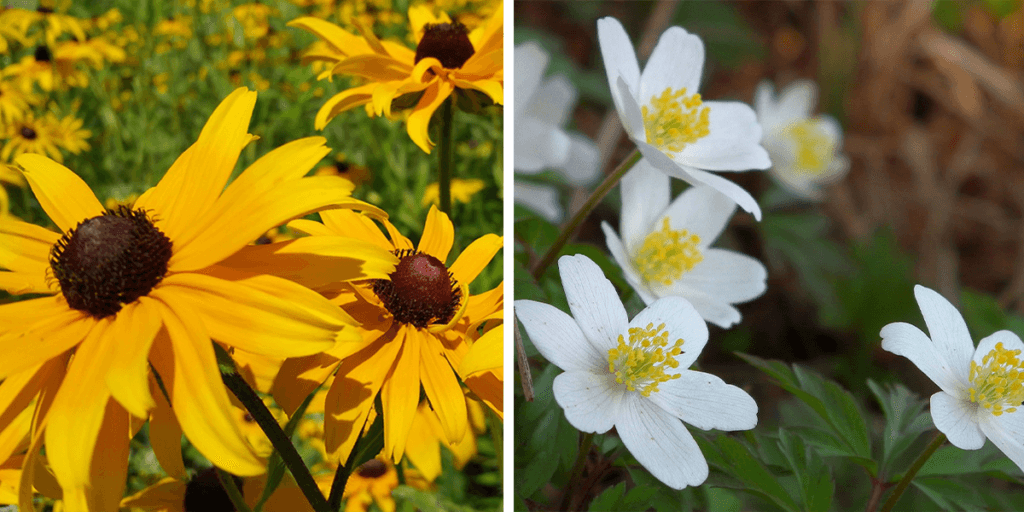
Black Eyed Susan: The sunny golden petals or this Ontario native wildflower will instantly brighten up your garden and fill it with butterflies and birds who love to sip its nectar. Black Eyed Susans flower from June to September, so they’re great to mix in with spring-blooming Ontario native plants to ensure your garden is colorful for the entire patio season.
Canada Anemone: Little, white, cup-shaped flowers with butter yellow centres sit atop vivid emerald foliage on this popular Ontario native plant. It spreads easily, is highly drought-tolerant, and grows well in either sun or shade, making it a fabulous filler plant for those hard-to-reach spots in the garden.

Bee Balm: These Ontario native shrubs are covered in the wackiest looking blossoms that kind of look like a haircut Cyndi Lauper had in the ‘80s. It isn’t just bees that love them— butterflies and hummingbirds are big fans too. When planting bee balm in your garden, it’s best not to crowd it too much and give it a little room to breathe so it doesn’t develop mildew on its leaves.
Butterfly Weed: As you can probably guess by the name, these native shrubs of Ontario are covered in flowers that butterflies just can’t resist. The vibrant orange petals attract a certain butterfly of similar styling: the elusive Monarch, whose orange, white and black markings are always a delight to behold.
Purple Coneflower: Also known as Echinacea, these gorgeous daisy-like blooms are a favourite among bees because their bulbous pollen-filled centres are very easy to perch on. If the soil quality in your yard isn’t fantastic, this flower is a great option, because it actually thrives in not-so-great soil conditions. You’ll get way more blooms this way because soil filled with amendments and fertilizers will cause it to develop more foliage than flowers.
Blue False Indigo: These Ontario native plants are part of the pea family, so their blossoms look like those you’d see on your typical pea shoot, but instead are a stunning purple-blue jewel tone. If you don’t deadhead the spent blossoms, they’ll start to develop little peapods. Some gardeners like the appearance and rattling sound the peapods make in the wind, so you can choose whether you want to leave them on or off.

Wild Strawberry: Who doesn’t love a low-maintenance garden plant that provides you with tasty snacks? One cup of these tiny fruits is packed with more vitamin C than an orange, and they develop from the centres of cute five-petaled white blossoms.
Cardinal Flower: This bold blossom is an all-time favourite among hummingbirds. They’re particularly attracted to the candy apple red colour of the petals that cover tall, upright stems that stand out from the surrounding dark green foliage. They can grow up to 4 feet tall, so they make quite a statement as a border plant or an eye-catching focal point for the centre of your garden.
If you long for a vibrant garden full of all sorts of different plants, but don’t have a ton of spare time to devote to regular maintenance, consider planting a garden full of Ontario native plants! You’ll love the color and fragrance they bring to your garden—and the local wildlife will enjoy it too!
If you’ve been keeping up with the news, you’re probably well aware that bees have been falling on hard times lately. As their populations decline, our gardens suffer too, as we rely on pollinators to help our plants produce food. The good news is that we can make things easier on the bees by adding bee-friendly plants to our yards and gardens. Some flowers are like bee magnets, luring them in from far and wide with their bright colours, fragrant aromas and delicious nectar.
Bees aren’t the only pollinators you want to attract, however. As it turns out, butterflies and hummingbirds aren’t just lovely to look at— they can help out the pollination process as well! Check out our list of flowers that attract bees and other pollinators, for a lush garden full of beautiful winged wildlife here in Simcoe.
Flowers for Bees
Just like we have our own favourite go-to snacks we can’t say no to, bees have favourite flowers that they love to feast on. Adding these plants to your landscape will definitely generate some buzz… pun intended!

Monarda: The vibrant magenta flowerheads with peculiar spiky petals are wildly popular among bees, earning it the very appropriate nickname, “Bee Balm.” Not only does it look fabulous, but monarda smells pretty incredible too. The foliage has a strong orange-bergamot scent that attracts pollinators of all sorts.
Thyme: This fragrant, edible plant produces tiny flowers that bees seem to race for. Plus, you’re left with tons of delicious, savoury herbs to spice up poultry dishes, soups, roast veggies, and more!
Echinacea: Single-headed flowers in bright sunny colours tend to have much more pollen than double-headed flowers, like geraniums, so echinacea is one of the best flowers for attracting bees. Plus, their large size makes them easy to perch on.
Snapdragons: On a sunny afternoon, when bees are on the hunt for something to eat, snapdragons release 4X more fragrance. Not only does this bring in nearby bees, but the scent clings to them after they’ve left, so when they get back to the hive, all their bee hive-mates will start to crave some of that good stuff.
Flowers for Hummingbirds:
There’s something so thrilling about spotting a beautifully iridescent hummingbird flitting around your garden. These tiny busybodies help spread around pollen, but they’re particular about the kinds of flowers they like. Generally, they prefer tubular flowers that produce nectar, so they can insert their skinny beaks and take a sip. While there are many different varieties that they enjoy, their all-time favourite flowers are bright red. Foxglove, Columbine, Delphinium, and Salvia are a few nectar-producing flowers that are available in red, and are sure to bring all the birds to the yard.
You can also attract hummingbirds by hanging a hummingbird feeder full of pre-mixed sugary nectar. Try to avoid purchasing red-dyed nectar, and instead opt for a red-coloured feeder. The chemical dyes aren’t great for their system, and the red container should be just as appealing to them.

Best Plants for a Butterfly Garden:
Is there anything more picturesque than butterflies dancing around from flower to flower? A lovely bonus is that they also carry pollen on their wings, but at the very least, they’re a delight to look at. Here are a few sure-fire faves for butterflies:
Zinnia: Puffy, spherical blossoms add a little whimsy to your garden, and they bloom well into fall, so you can enjoy their rich colours well into the end of the gardening season. They’re particularly popular among Monarch butterflies, so you’ll likely be visited by some of these beauties if you add some zinnias to the garden.
Milkweed: This is another one that the monarchs can’t get enough of. Their caterpillar babies love it too, so planting a milkweed garden could end up creating the perfect breeding ground for these stunning orange butterflies.
Butterfly Bush: With a name like that, is it any surprise that butterflies love it so much? The cone-shaped clusters of petals come in all sorts of beautiful shades of purple, pink and red. Planting a mix of different colours together will result in a spectacular arrangement that looks like an explosion of colourful fireworks, sure to attract pollinators!
Extra Tips for a Pollinator Friendly Garden:
To attract pollinators to your yard with even greater success, keep these tips in mind:
- Avoid chemicals and pesticides. The common chemical treatment RoundUp is directly linked to the decimation of the bee population. Keep things safe and non-toxic by opting for more organic solutions to control pests and weeds.
- Don’t plant too many hybrid flowers. Hybrids tend to produce fewer seeds and less pollen, so they don’t have as much nourishment to provide for hungry pollinators.
- Plant native species. Familiar flowers that grow naturally in Simcoe are a trusted food source for birds and bees, and the best part is, they’re super low-maintenance and easy to care for.
- Keep your dandelions around. People often treat them like weeds, but the truth is, these sunny yellow flowers are a favourite food source for bees. Skip the hassle of pulling these fast-growing plants from the ground, and the bees will be very grateful!
Selecting the best colourful, aromatic, nectar-producing or pollen-heavy plants will attract pollinators like an ice cream truck attracts neighbourhood kids! They’re fun to watch, and they help maintain the natural processes of plant life, so it’s a win-win for everyone.