A lot of attention has been focused on buying local and shopping for Canadian-made products recently. At Sassyfras Boutique inside Eising’s Garden Centre we’ve always been proud to offer high quality Canadian fashion brands and locally made products. In a world of fast fashion, having choices that benefit our community and the environment is important to us.
There are many reasons to choose Canadian, and your choices do matter:
- Contributes towards building a thriving local fashion industry
- Keeps our economy healthy by keeping our money in the country
- Workers within Canada receive fair wages and work in safe conditions
- Garments that are designed to last, using superior materials and workmanship
Canadiana in Store
Here’s a sneak preview of a few Canadian manufacturers you’ll find in Sassyfras!
Dévia
This women’s clothing collection is made in Montreal, Québec and is eclectic and inspiring. Tops, t-shirts, blouses, cardigans, pants, and shorts are all included in their wide range of fashions.
Pure
Combining quality and comfort, Pure is a Canadian company that creates garments for women with active lifestyles who also like to look good. That’s a winning trifecta for certain!
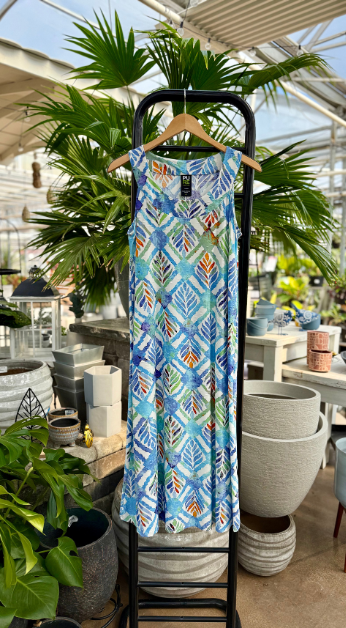
Terrera
Ethically made with natural, earth-friendly fabrics like bamboo and organic cotton, Terrera clothing is soft, comfortable and long-lasting. Their undergarments, leggings and tops will quickly become your favourites.
La Volta Accessories
La Volta’s handbags are fashionable and designed in Canada. Their high quality bags have plenty of personality and each unique style is named after a woman.

Merx Jewelry
With a new collection each season, Merx has become known for staying ahead of trends, but they also manufacture classic and timeless designs. Using pure materials that are lead-free and nickel-free, their jewelry is also attractive to anyone with sensitive skin.
Proud To Be Local - Artisans and Products
Crystal McMaster
Local jewelry designer, Crystal McMaster has been creating beautiful pieces with love and care since 2005.
Jennie’s Jewelry
Local and sustainable, Jennie’s Jewelry transforms silverware into unique earrings, necklaces and bracelets. She also makes custom pieces as well!
Springknoll Farms
Made by a farming family in Haldimand County, their luxurious whipped tallow lotion is a must try.
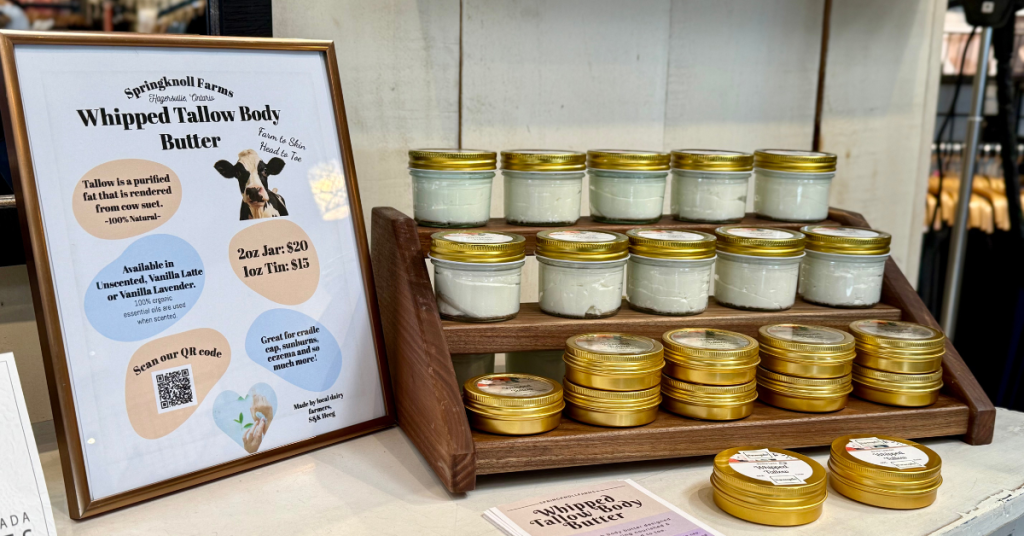
Please drop by soon to see all the fashions and products made by talented fellow Canadians. Thank you for supporting our local business, and for choosing Canadian!
If you’re looking for blooms that come back each Spring with a burst of colour, here are ten of our favourite flowering perennials and ground covers.
Plant These for a Spring Show!
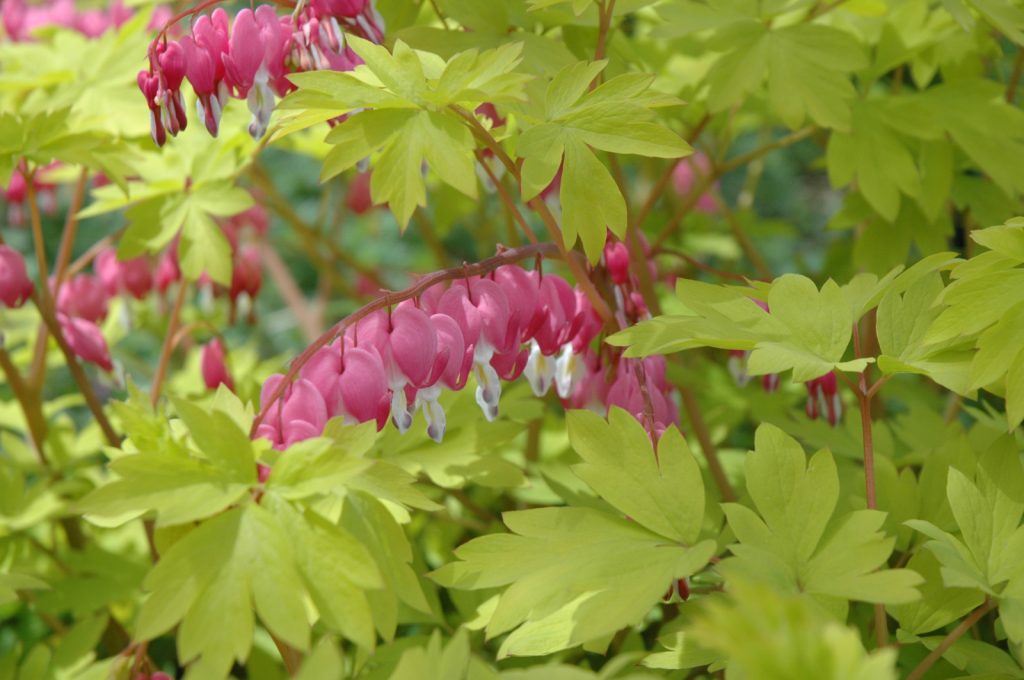
Bleeding Heart (Dicentra)
Height: 30-120 cm, Spread: 45-90 cm
Flower Colour: white, pink, red, purple
Blooms: spring, summer
Growing: While Bleeding Hearts will tolerate full sun or full shade, they prefer the protection of light shade. This perennial is fairly drought tolerant, but it will thrive in evenly moist soil, and blooms will last much longer if the soil is moist.
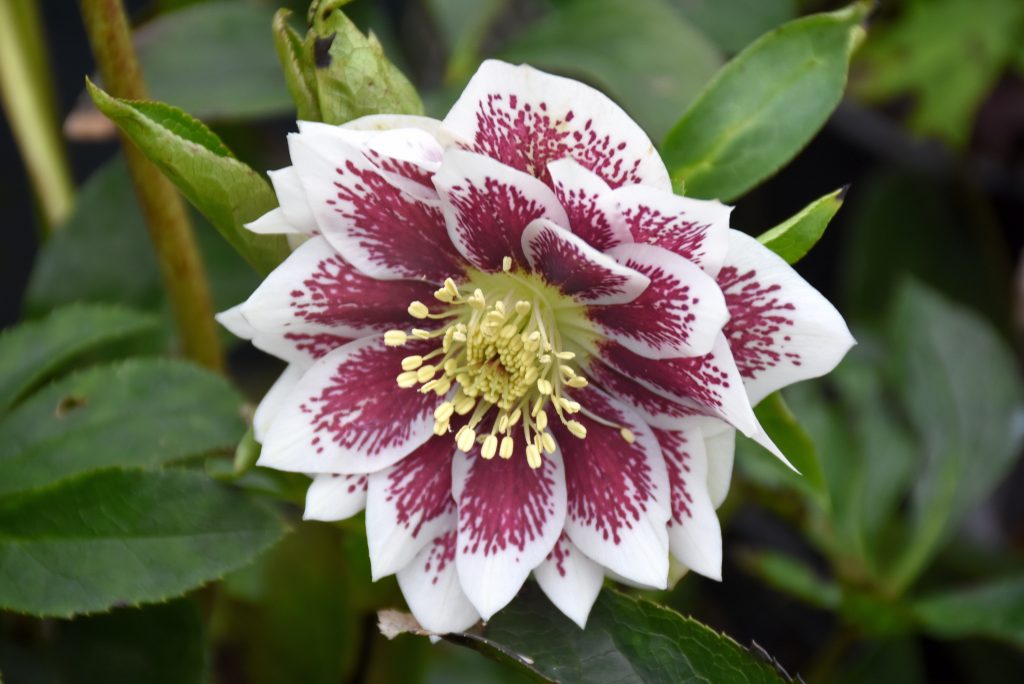
Hellebore Christmas Rose (Helleborus)
Height: 30-45 cm, Spread: 30-45 cm
Flower Colour: white, green, pink, purple, yellow
Blooms: late winter to mid-spring
Growing: Moist, humus-rich, well-drained soil in lightly dappled shade is where hellebores do best.
Primrose (Primula)
Height: 15-60 cm, Spread: 15-45 cm
Flower Colour: blue, red, orange, white, pink, purple, yellow
Blooms: spring, early summer
Growing: Full sun or partial shade and moist, well-drained, humus-rich soil.
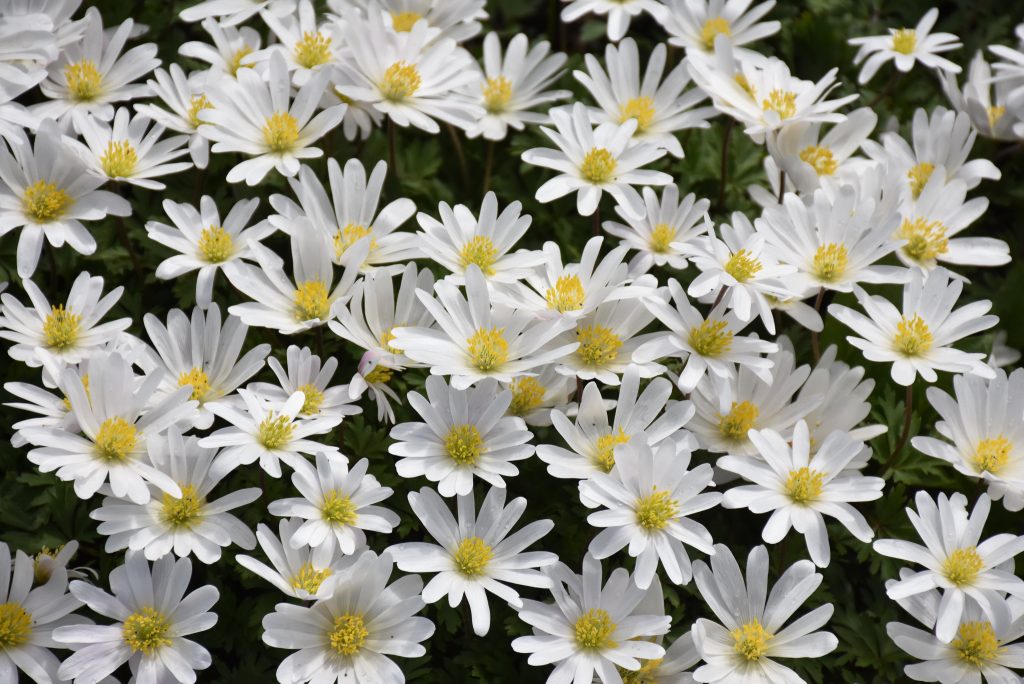
Anemone Windflower (Anemone)
Height: 8-150 cm, Spread: 15-60 cm
Flower Colour: white, yellow, pink, blue
Blooms: spring, summer or fall
Growing: Anemone does best in moist soil and partial or light shade, but they will tolerate full sun. While Anemone can take a while to become established, they’re worth the wait!
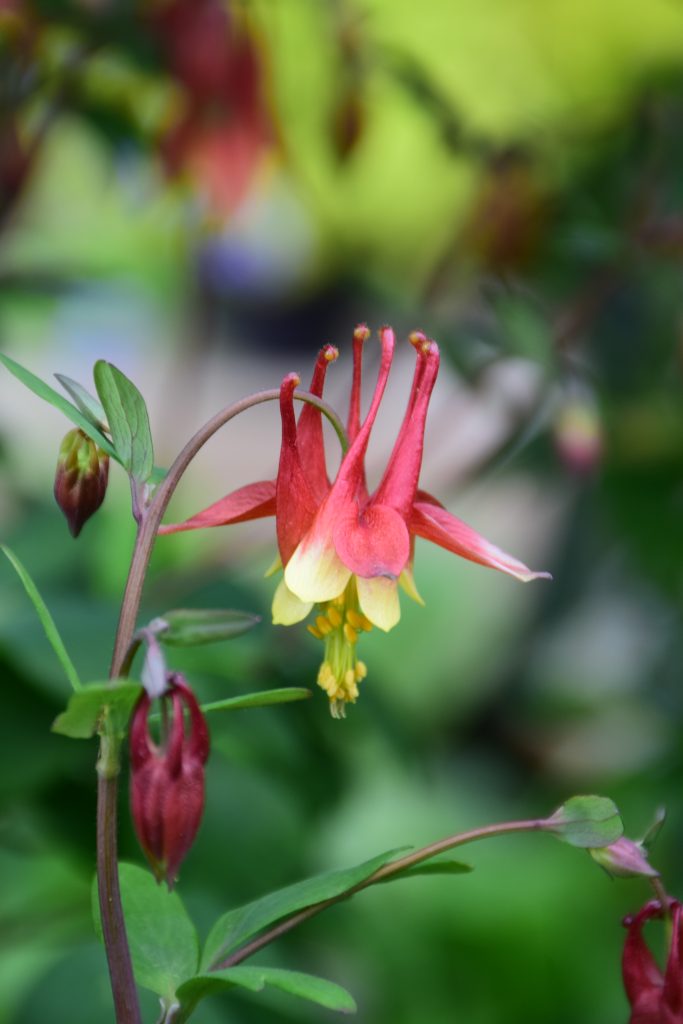
Columbine (Aquilegia canadensis)
Height: 45-90 cm, Spread: 30-60 cm
Flower Colour: white, red, yellow, pink, blue, purple (The colour of the spurs is often different than the petals)
Blooms: spring, summer
Growing: Columbines love full sun or part shade and moist, well-drained soil. This plant will self-seed and seedlings can be transplanted.
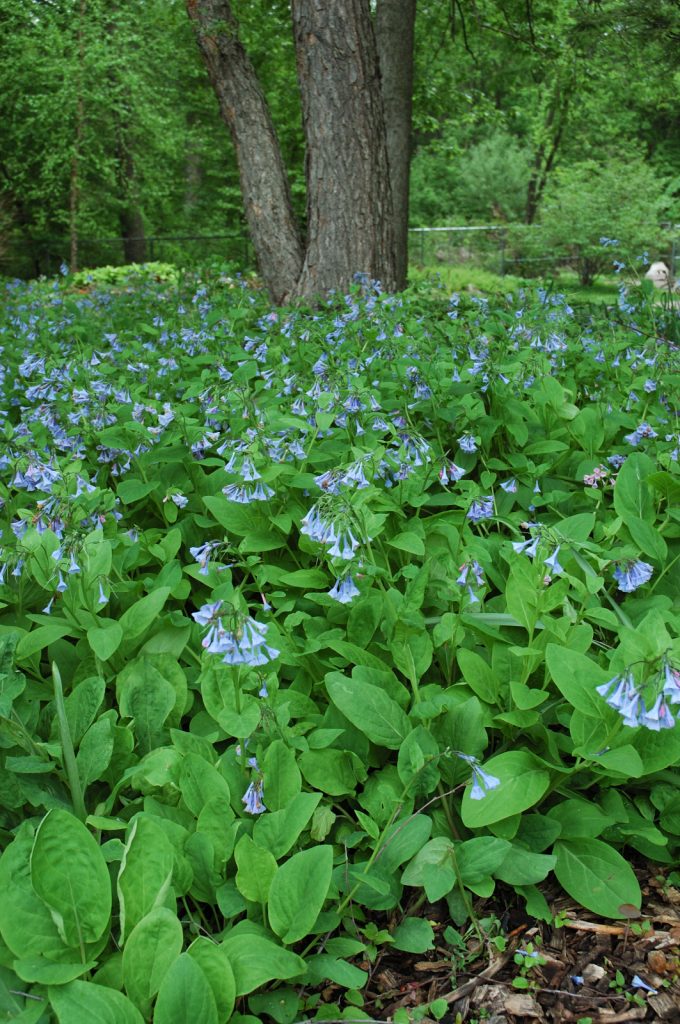
Virginia Bluebells (Mertensia virginica)
Height: 30-60 cm, Spread: forms groupings
Flower Colour: blue, pink, purple
Blooms: spring
Growing: Plant in partial to full shade with humus-rich, moist, well-drained soil. This woodland plant has blooms that are attractive to Hummingbirds and pollinators. Foliage dies back right after it blooms.
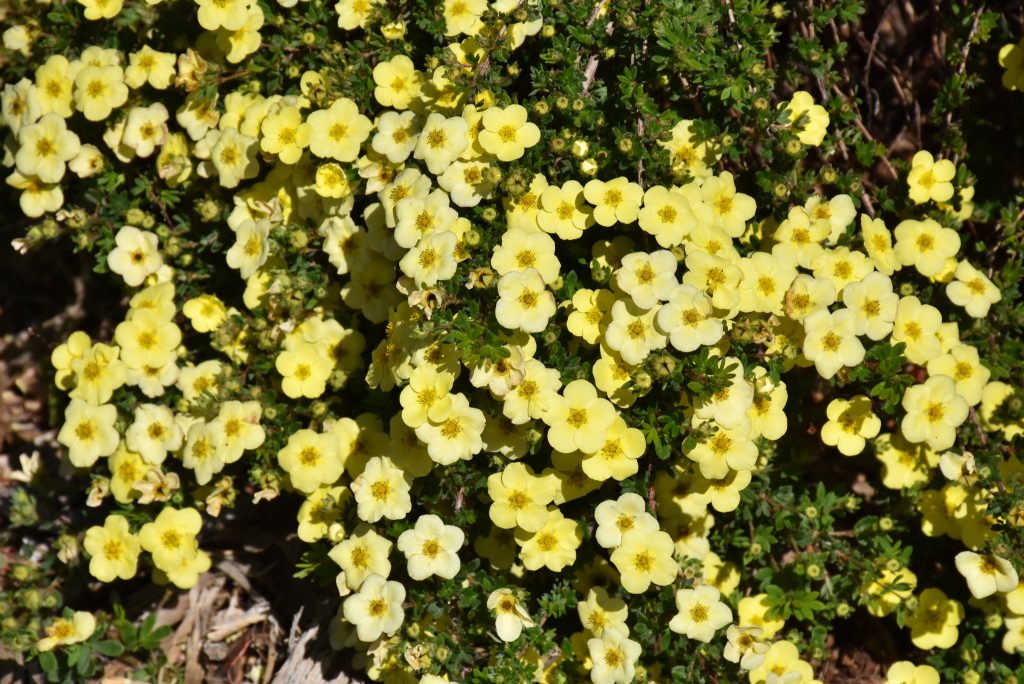
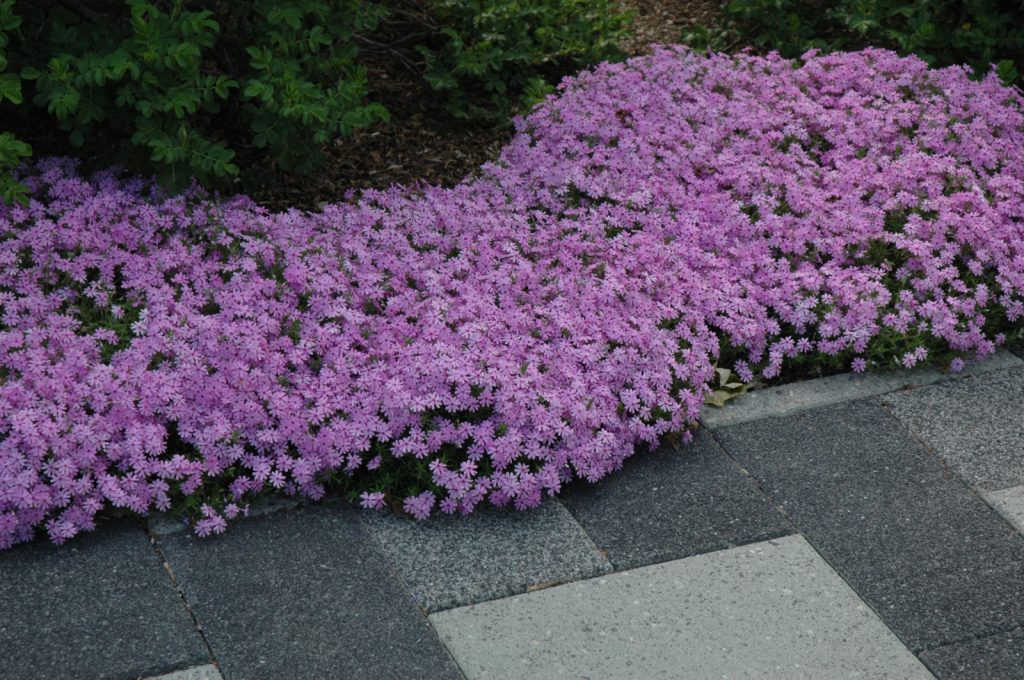
Moss Phlox or Creeping Phlox (Phlox subulata)
Height: 10-15 cm, Spread: 60 cm
Flower Colour: white, red, lavender, pink, bluish purple
Blooms: early spring
Growing: Plant in sun to partial shade with humus-rich, moist, well-drained soil. Spreads horizontally as it grows and creates new roots where the stems touch the ground. Do not prune in the fall as Spring’s flowers will already be forming on these plants.
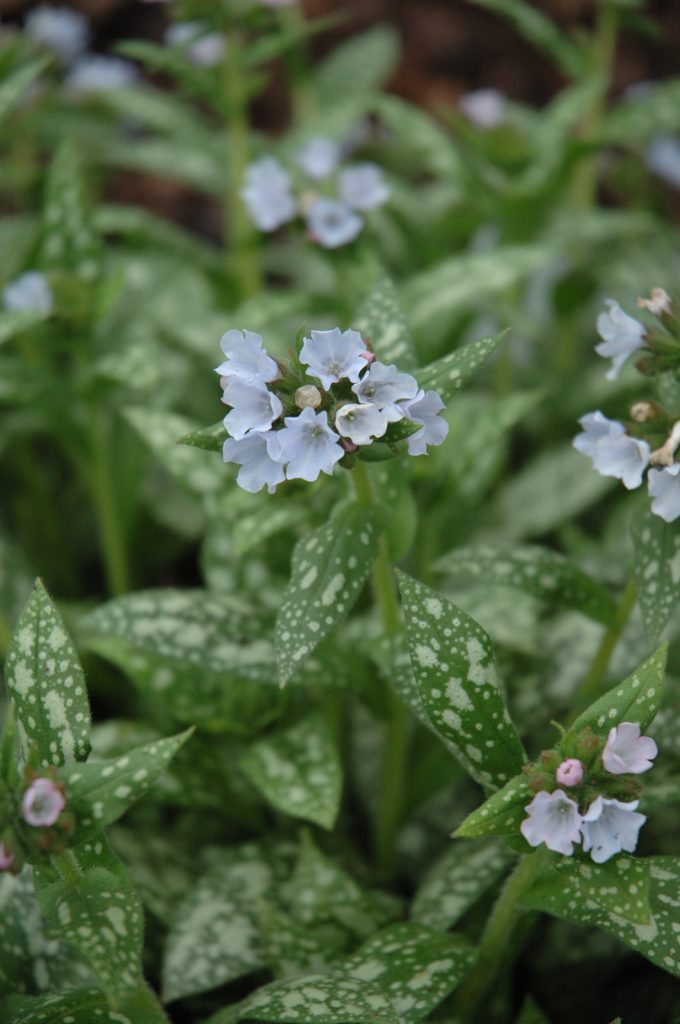
Lungwort (Pulmonaria)
Height: 20-60 cm, Spread: 20-90 cm
Flower Colour: white, red, pink, blue
Blooms: spring
Growing: To avoid root rot, grow Lungwort in moist, humus-rich soil that’s well drained. They prefer partial shade to full shade.
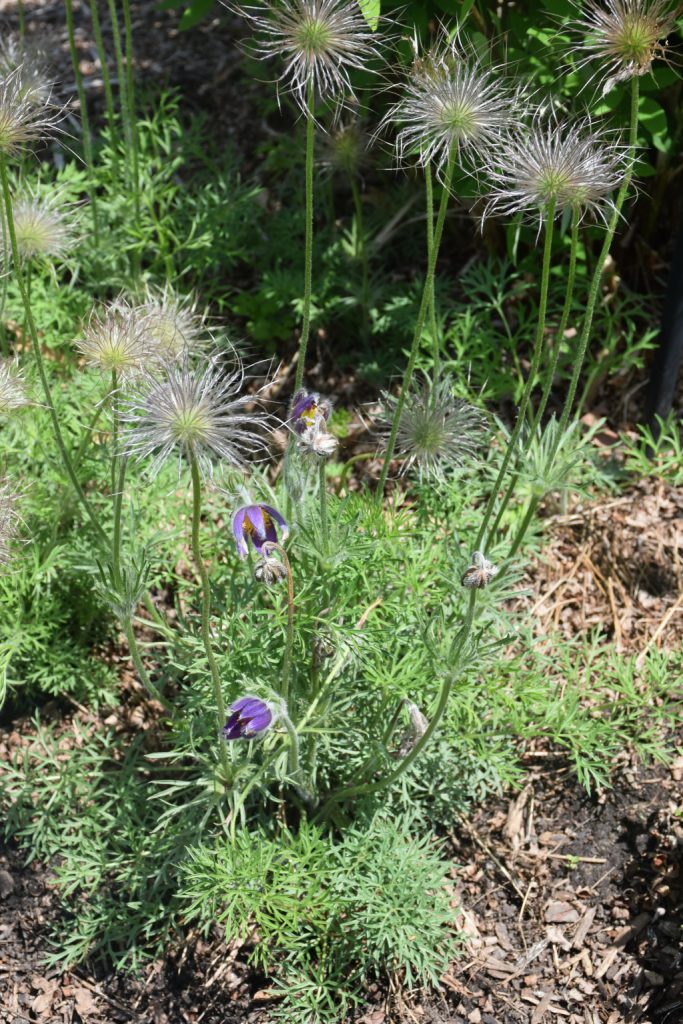
Pasque Flower (Pulsatilla)
Height: 10-30 cm, Spread: 20-30 cm
Flower Colour: white, red, purple, blue
Blooms: early to mid-spring
Growing: Very well drained soil is important for Pasque Flower, which does not like to sit in wet soil. It will grow well in full sun or partial shade.
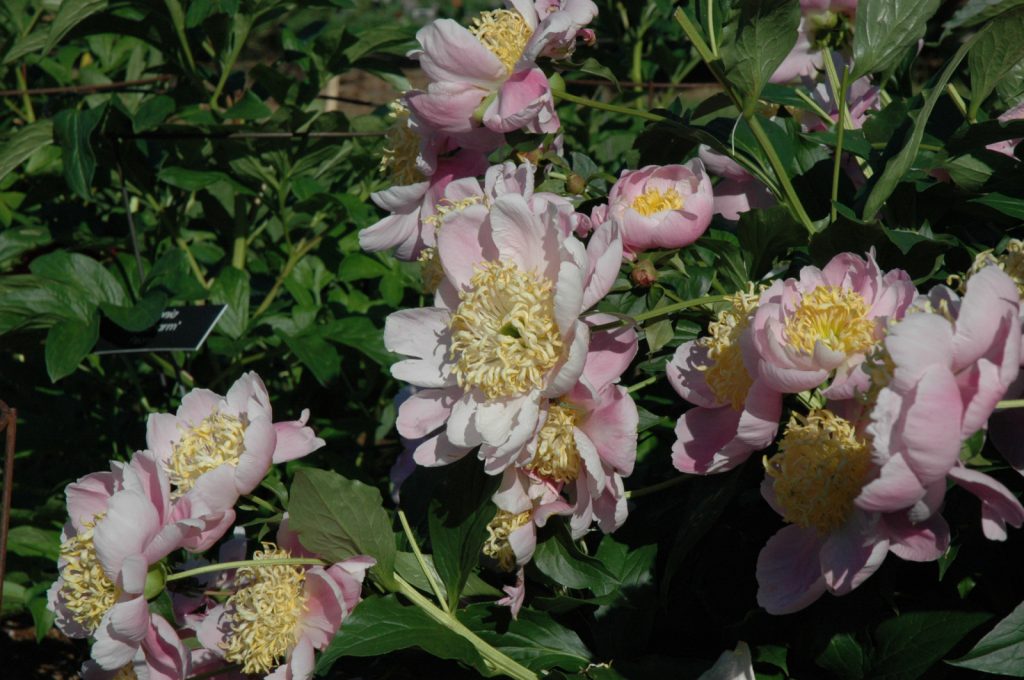
Peony (Paeonia)
Height: 60-80 cm, Spread: 60-80 cm
Flower Colour: yellow, pink, red, purple, and shades of white
Blooms: spring, early summer
Growing: Humus-rich, moist and well-drained soil in full sun or partial shade is where peonies do best. Adding lots of compost and planting at the proper depth is very important for peonies to bloom. Be sure to plant potted peonies at the same level as the soil around them, not higher.
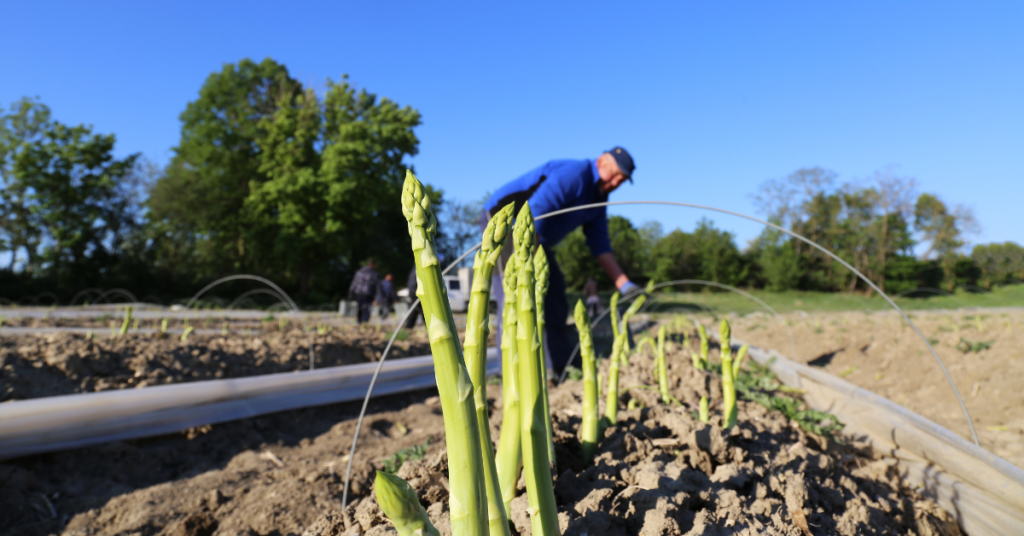
There’s something very exciting about planting a vegetable crop once and having it re-emerge every Spring. Asparagus may take a little patience at first, but once it’s established it will produce delicious spears for 15 to 25 years! If you’re thinking about growing some yourself, Early Spring is THE time to purchase some crowns and get them into the ground.
Choosing a Site
Choose a spot that is sunny, and has good drainage. Sandy loam soil or a raised bed are ideal. Asparagus do not like soggy soil or competition from weeds so pick your spot carefully.
Seeds vs Plants
Asparagus can be grown from seed, bare root crowns or purchased as potted plants. While seed can be the least expensive route, buying asparagus crowns or plants that are 1 to 2 years old shaves time off the growing process. The end result is that you will be able to harvest spears sooner. At Eisings, we have several varieties of seeds, bare root crowns and potted plants to choose from in the early Spring, and all grow well in our area.

Planting
Early Spring (April-May), as soon as the ground is workable, is the best time to plant asparagus in Southern Ontario.
If you have purchased bare root asparagus crowns:
- Begin by digging a trench that is 8 to 12 inches deep and 12 inches wide.
- Mix lots of compost or well-rotted manure into the soil that has been removed for the trench. Adding bone meal to your soil will also help with root development.
- Soak crowns in water for 15 minutes
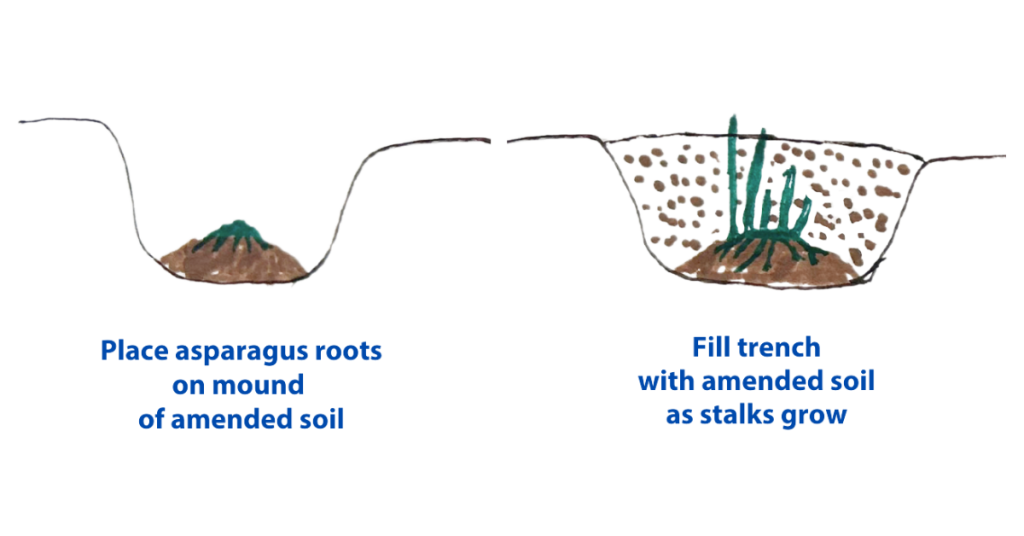
- Add a row of the amended soil that’s 2 inches deep to the centre of the trench, creating a small ridge or mound. Place the crowns on top of the mound, 12 to 18 inches apart.
- If you’re planting more than one row, the rows should be approximately 3 feet apart.
- Cover only the root crowns with soil (2 to 3 inches) but not the growing tip, then gradually fill the trench as the plants grow.
If you have purchased potted asparagus plants:
- Dig a hole that is the same depth and twice as wide as the soil in the pot. Gently remove the plant from the pot and place it into the hole. Fill in the remainder of the hole with soil that’s been amended with lots of compost or well-rotted manure. Gently press and firm the soil surrounding the plant to remove any air pockets around the roots. If you are planting multiple potted plants, follow the spacing guidelines above.
TIP: Planting Parsley between your rows of asparagus will help to keep pests away.
Mulch and Water
Immediately after planting, water your asparagus crop until the soil is consistently moist. Keeping the soil consistently moist (not wet) during the first two years will help your plants become established.
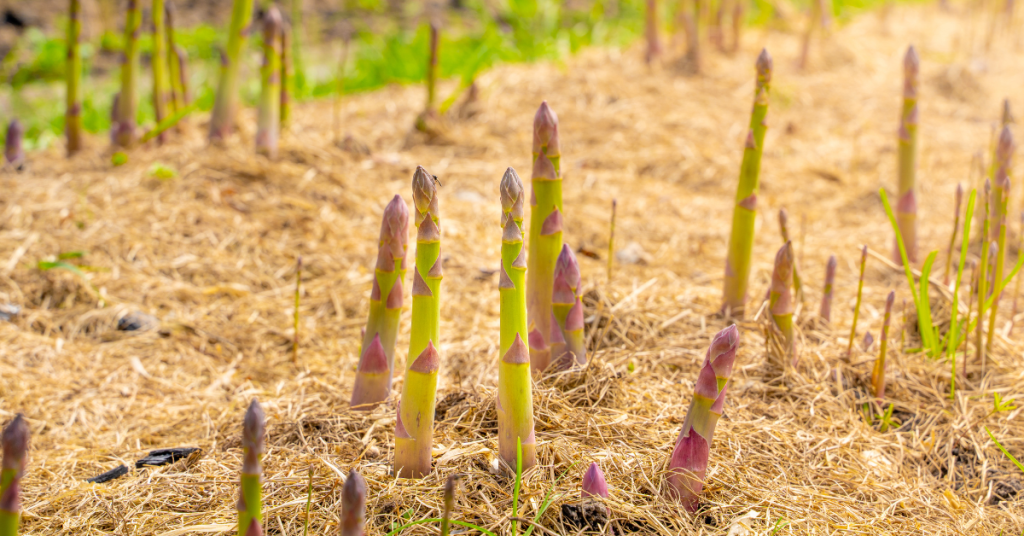
To help suppress weeds from growing in your asparagus patch, apply a thick layer of mulch using straw or leaves. This will also make it easier to pull any weeds that do grow, plus it will help to keep the soil consistently moist.
While asparagus are drought-tolerant, watering during a dry period will help to keep your plants strong and healthy.
Feeding
Fertilizing (5-10-5 or 10-20-10 or 10-10-10 for example) and top dressing with compost is a great way to feed your asparagus. Apply fertilizer or compost early in the spring and again after harvesting your crop. Keeping your asparagus well nourished will ensure a plentiful crop.
Harvest Timeline
It’s important to wait until your asparagus plants are established before you begin harvesting the spears.
For the first 1 - 2 years, don’t harvest your asparagus. Allow it to grow so that the plant feeds the roots. Being patient at this stage will pay off down the road.
When your plants have been in the ground for 3 years, lightly harvest asparagus spears for 3 to 4 weeks, then allow the plants to grow for the rest of the season. Leave very thin asparagus to continue growing.
After 4 years, harvest asparagus spears for 4 to 6 weeks. Following 6 weeks of harvesting, allow any thin shoots to grow into plants.
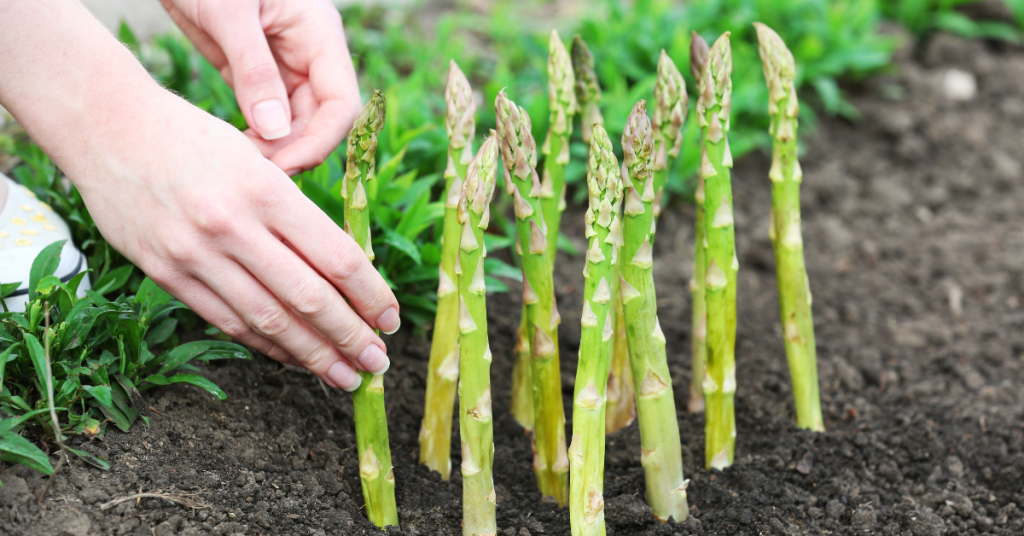
TIP: Harvest asparagus that have grown 6 to 8 inches tall (before the tips sprout) by cutting spears right at or just below ground level with a sharp knife. Asparagus cut this way will last longer. Place cut asparagus in a glass or jar with a little water to cover the base of the spears.
Letting some of your plants grow to maturity will also allow female plants to form seed heads (small, red berries that are attractive but toxic if ingested) and potentially re-seed, providing a steady supply of newer plants.
Once the plants turn brown late in the Fall, the stems can be cut to the ground and a fresh layer of mulch applied.
Investing a little time, and maintaining your asparagus garden will provide you with tasty spears every Spring! If you love asparagus, it’s one plant that’s worth a spot in the garden.
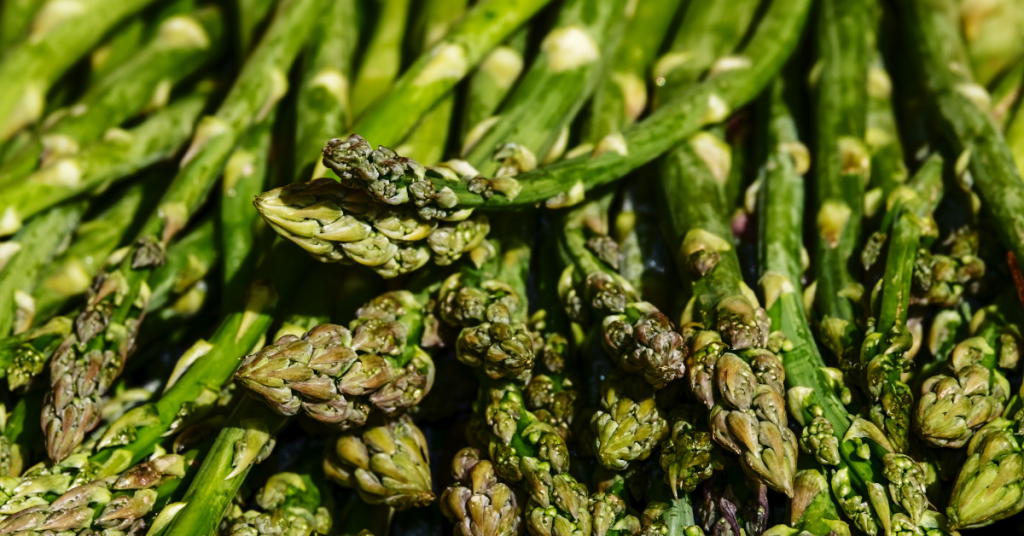
Pruning is an essential part of gardening. Essential, but a little intimidating at first because it’s a broad subject. That said, there are some basic rules that apply to most trees and shrubs that will get you started.
There are a number of reasons to prune; the most obvious is for safety, to keep a branch from doing damage or harm by falling or rubbing against something like a building or another tree. Other important reasons include:
- Removing dead, diseased or damaged wood
- Shaping to make a plant bushier, reduce the size and bulk, or slow down growth
- Thinning to increase light penetration and airflow and reduce the possibility of disease
- Rejuvenation to encourage growth, blooming and fruit
Correctly pruning trees and shrubs can help with everything listed above and, most importantly, help maintain the health of your plants. Proper techniques and timing ensure the best results.
The Right Tools
You may need fewer tools to prune than you think!
Secateurs or hand pruners work well on smaller branches.
Loppers or lopping shears have longer handles for more leverage and are ideal for medium-sized branches.
A pruning saw works best for larger branches.
Electric or manual hedge shears are best for cutting a tidy wall of foliage like hedges and shaped evergreens.
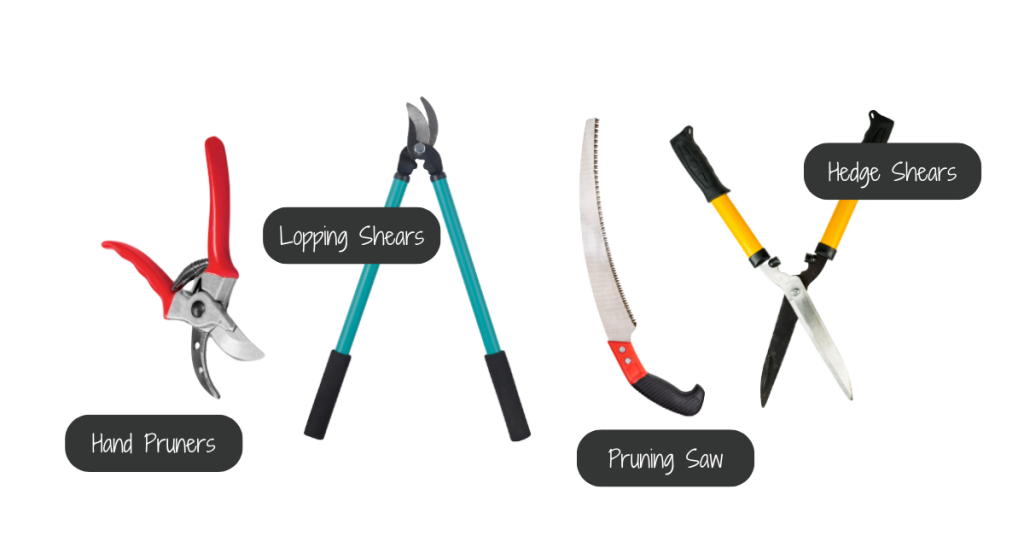
The key with garden tools is to make sure they’re sharp and sterile. This can prevent the spread of disease. Clean tool blades with rubbing alcohol after trimming each branch.
When to Prune
Pruning timing requires some research as it depends on the species of the plant and the result you’re aiming to achieve. For example, some trees may be best pruned in the winter while they’re dormant and buds have not yet appeared. To shape a tree, it’s easier to prune before the leaves have formed so that all of the branches can clearly be seen. Pruning early in the gardening season will invigorate the tree. Conversely, pruning after the tree has formed leaves in June will tend to slow down growth.
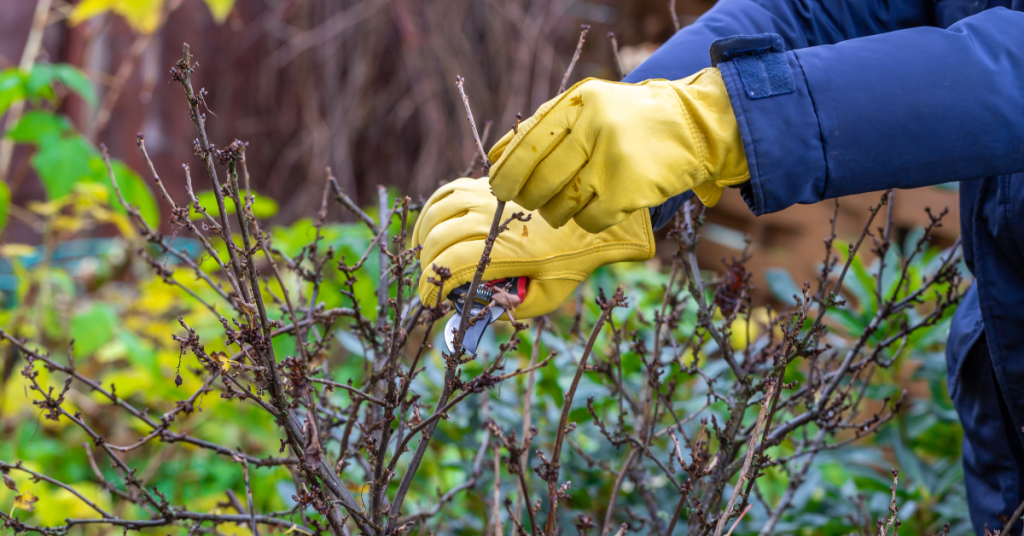
When pruning flowering trees and bushes, there are other timing considerations. Some ornamentals bloom on branches that grew the previous year. Pruning those branches too early will result in fewer or no blooms. For these plants, it’s best to wait until after they have bloomed.
If you’re unsure about pruning timing for your tree or shrub, this is a fairly comprehensive list to use as a guide. We have also linked other resources below this article.
In general, late fall or early winter is not the time to prune any plant as it encourages new growth, which may be damaged by colder weather.
Pruning Techniques
While some trees may require specific care (pines, for example), here are the basic techniques for pruning trees and shrubs. It’s a good idea to know these basics before you head out to begin cutting branches.
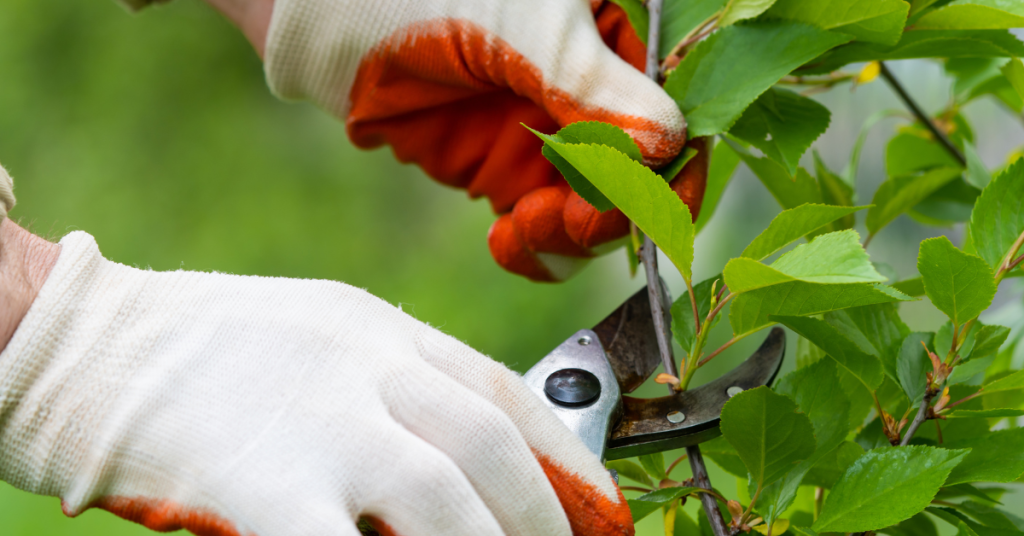
Examine the branch, buds and shoots before cutting. Cutting above a bud facing away from the trunk of the tree will have the branch continue to grow in that direction.

Cut on a 45° angle just above a bud whenever possible. Keep your cut above the lowest bud (the bud closest to the trunk), or the branch will die back.
Before removing a large branch, cut ⅔ off the end of the length to reduce the weight. Once the bulk of the branch has been removed, then cut the rest of the branch away from the trunk by cutting close to, but not into, the “collar” of the branch where it meets the trunk of the tree.

Now You’re Ready to Begin Cutting!
Now that you know the techniques for pruning, where do you begin? Here’s a logical set of steps to follow:
1 - Remove any dead or diseased wood
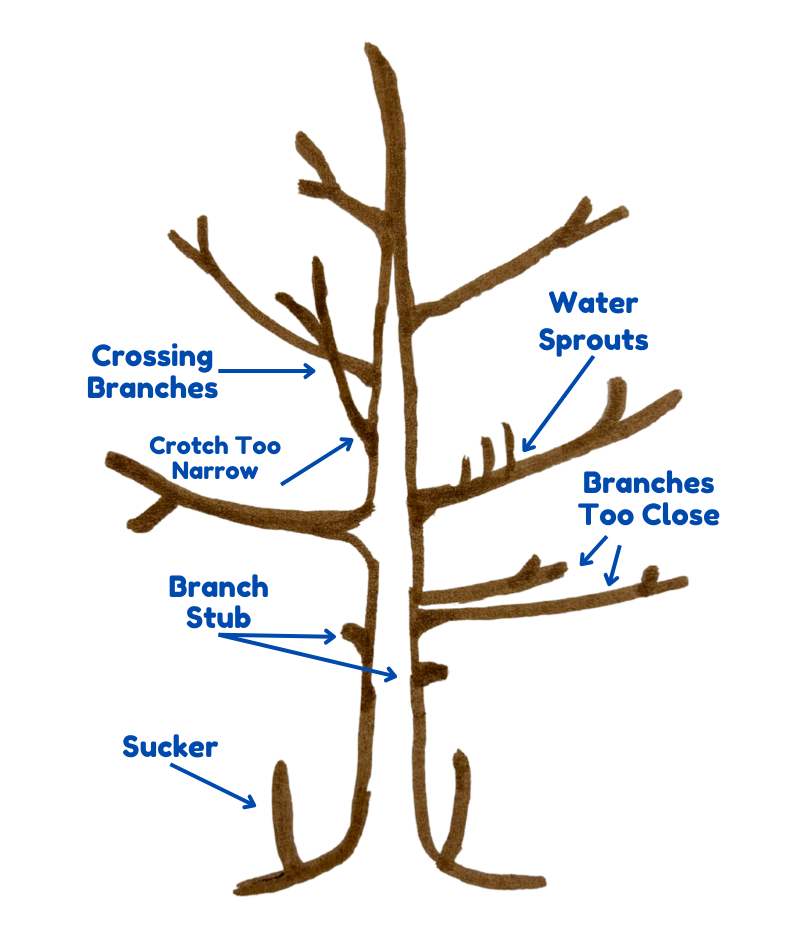
2 - Remove any branches that are crossing and rubbing together. For a shrub that’s too crowded, remove the thickest branches down to the ground first
3 - Remove water sprouts
4 - Stand back and observe the shape of the tree. If anything is not pleasing about the look (lopsided growth or branches growing too close together or at a sharp angle to the trunk, for example), begin removing or trimming back one unsightly branch at a time. Observing the shape between each cut
5 - Remove any suckers or stubs
Follow The ⅓ Rule!
Once you start, pruning can be fun, but be careful not to get too carried away. Trim up to ⅓ off of an established plant (not a newly transplanted tree or shrub) in one growing season - maximum. Cutting off too much can stress the plant and impact its overall health.
Lastly, know that you can always hire a certified arborist if the task is too much or the tree is simply too large!
Other Resources:
- City of Moose Jaw: Pruning Trees
- Landscape Ontario: Pruning Shrubs and Evergreens
- Ontario Government: Pruning Fruit Trees
- University of Georgia: Pruning Ornamental Plants
The warmth and comfort of being inside as cold weather descends on us here in Southern Ontario conjures images of snowflakes falling while we sit by a crackling fireplace or watch yet another Hallmark movie. Even if you enjoy outdoor activities, a lot of your time may be spent indoors during our short, winter days.
One way to make your home feel more cozy and inviting is by bringing some favourite natural fragrances into your space. When you’re craving being in nature, here are some ways to enjoy the scents of nature and enhance your home’s atmosphere.
Woodsy Evergreens
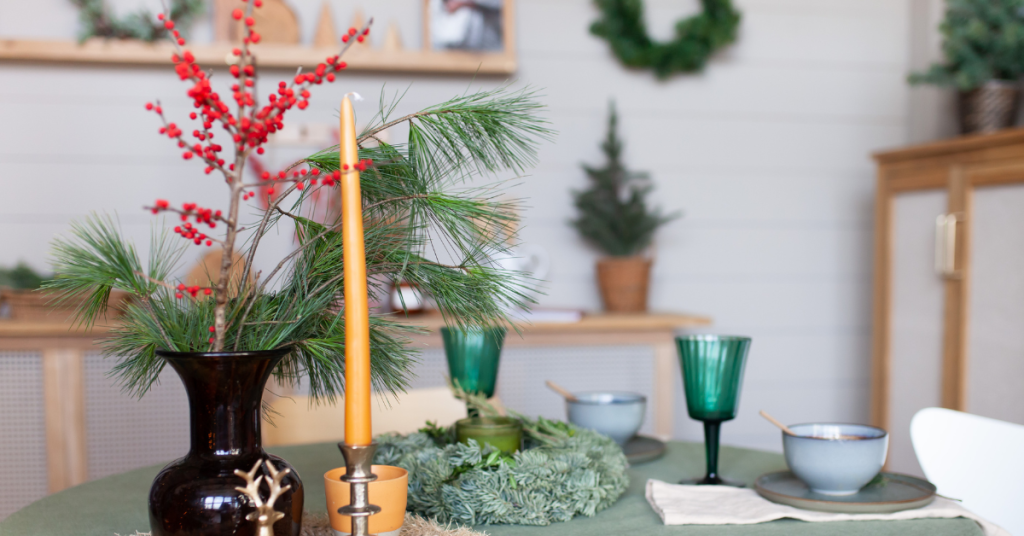
Evergreen boughs are a great way to decorate your home during the holiday season and beyond. Make or buy a garland, a wreath, or just add a few sprigs in vases of water and place them throughout the house. The woodsy fragrance of cedar or pine adds a refreshing scent to any room.
Fragrant Indoor Plants
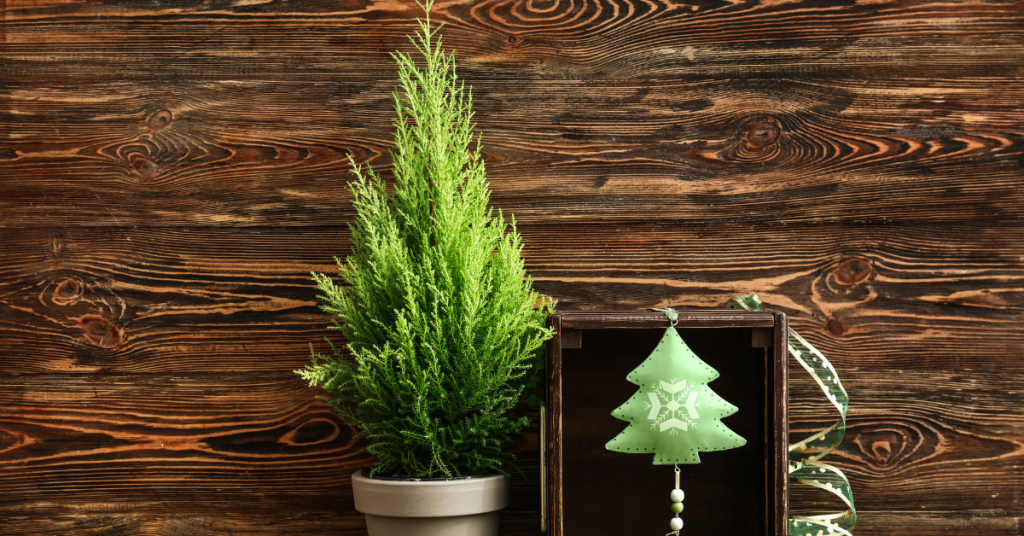
With a bit of care, houseplants add a pop of fresh green colour and some have a lovely scent. Fragrant plants that grow indoors include lavender, rosemary, citrus trees and miniature evergreens like lemon cypress.
Simmer Pots and Baking
Freshly baked cookies, pies or breads will instantly delight guests as they step in the door. Beware, they may never want to leave! That welcoming aroma can linger for hours.
If you’re not in a baking mood though, creating a simmer pot is a fast and easy way to fill the air with delicious scents. Simply use a slow cooker (crockpot) on the kitchen counter or a pot on the stove. Add lots of water and a few of your favourite aromatics. Cinnamon sticks, orange slices, apple, cloves, ginger, pumpkin pie spice, mint, rosemary and vanilla are just a few of our favourites. Once the water comes to a boil, turn the heat to Low and let it simmer for as long as you like, adding water as needed.

Dried Potpourri and Garlands
Whether you purchase or make dried garlands or potpourri, both bring beauty to your home while infusing the air with their soothing fragrance.
Drying orange slices in the oven to make a garland automatically fills the house with a warm, sweet scent. String any combination of dried orange slices, cranberries, cinnamon sticks, flowers, evergreens, eucalyptus and herbs to create a festive citrus garland for a mantel, doorway or window. This is something that the kids can do as well, with a little supervision, of course

Another way to add a delicious but subtle aroma is with potpourri. A bowl, vase, jar or sachet of of dried fruit, herbs and natural botanical features like seed pods and cones makes a rustic and charming feature. Mix up any combination of your favourites such as pinecones, pine needles, cedar sprigs, cloves, bay leaves, rosemary, sage, lavender, and dried roses for your own home, or as gifts.
So, while the snow may soon be falling, by bringing a touch of the sights and smells of the outdoors inside, you can create a cozy and freshly fragrant environment all winter long.
Other resources:
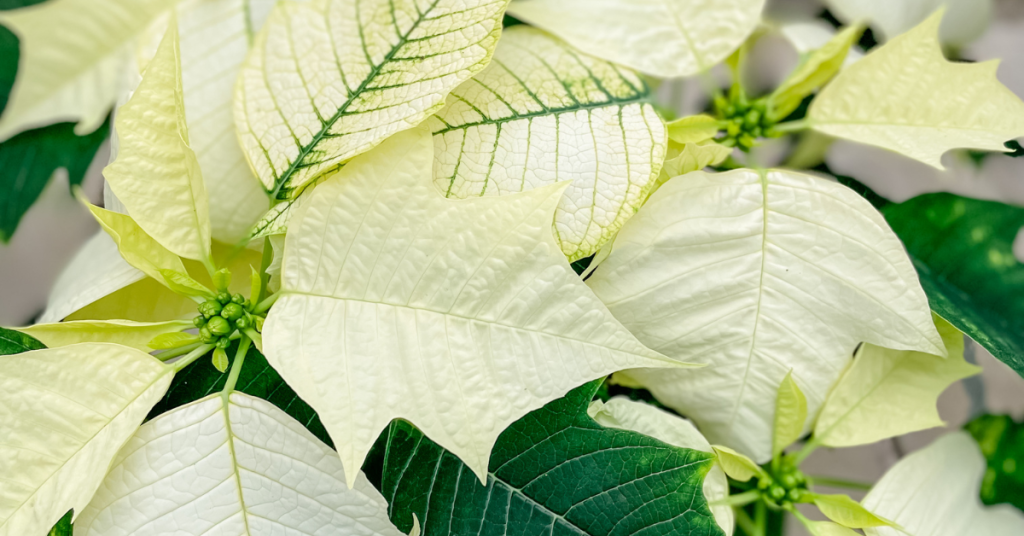
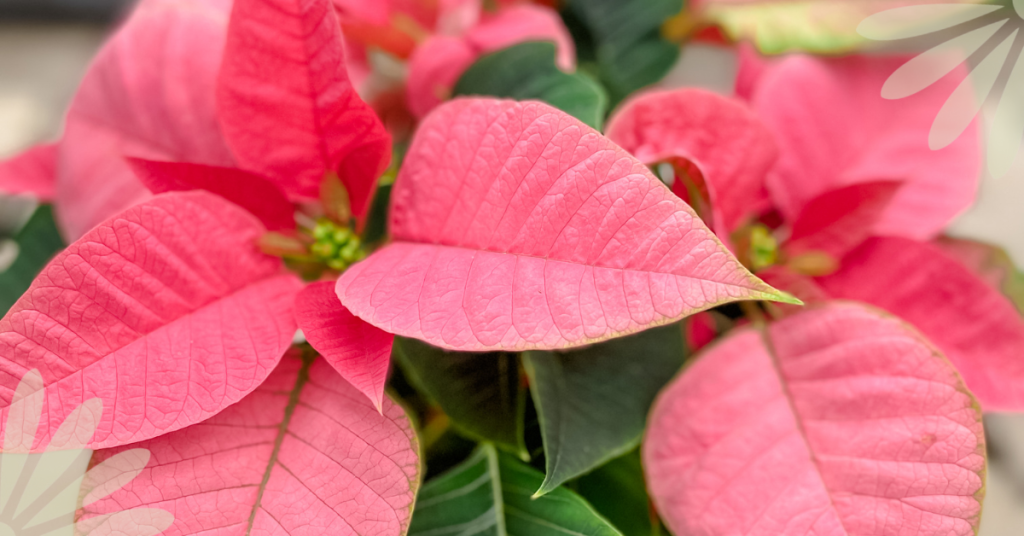
Holiday decorating would not be the same without the classic Poinsettia. They are the iconic seasonal touch that brightens up our homes and offices. Poinsettias also make great gifts for friends, family and co-workers who appreciate festive decor.
Known for being low-maintenance also adds to their popularity. Keeping your Poinsettia looking healthy and vibrant during the holidays and beyond is easy when you know these few simple steps to care for it.
Temperature
This is a plant that is sensitive to temperature fluctuations and extremes. Keep it in its plastic sleeve while you’re transporting it. Immediately remove the protective wrapping as soon as you’re home.
Keep your plant away from drafts or a direct heat source like a fireplace or heat vent. Poinsettias thrive in temperatures between 18-22°C during the day and around 15°C at night. Ideal temperatures will keep the bracts (flowers) colourful.
Light
A spot with bright, indirect light is ideal for your Poinsettia. Placing it near a window, but not in direct sunlight, so that it gets at least 6 hours of light a day is optimal.
Water
Water your Poinsettia plant thoroughly when the soil's surface is dry to the touch.
Allow the plant to drain well. If your plant is in a foil wrapper, or it’s been placed in a decorative container without holes, or on a plant tray, remove any excess water to avoid root rot.
While Poinsettias do not like sitting in water, they do appreciate humidity. Keep a tray or vase with water nearby, or occasionally mist your plant to maintain humidity.
By following these easy steps, your Poinsettia will look great for months, making it a cheerful addition to your home right into late winter!
November. It’s not quite winter, but pumpkin season is officially over. After you’ve put away the Fall decorations and cooked your pumpkin, it’s time to head outdoors to green up your decor again!
This is the perfect time to drop by Eisings to gather fresh greenery and decorations that are weather-resistant and hardy for your outdoor urns. Perfect because it’s that in-between time of year when autumn’s splendour starts to fade and temperatures begin to drop.
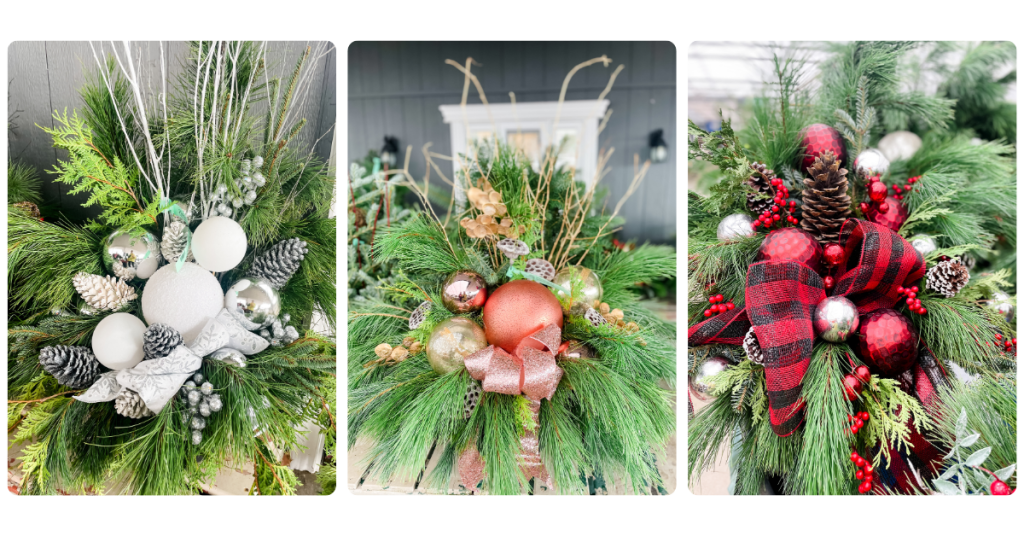
You can purchase urns that are already artistically filled with beautiful greenery and decorations, or you can find the supplies you need to fill an urn or pot you already have. Whether embellishing a premade urn or creating your own, here are some handy tips to help create a dramatic display.
“Planting” Medium
If you have had annuals or perennials in outdoor planters, don’t empty the soil - reuse it for your winter greenery! You may need a bag of soil to top it up, or ideally, you can use blocks of floral foam which can be purchased from our shop. These foam blocks can be nestled into the top of the soil and secured by crisscrossing a few pieces of tape across the top of the pot. If you’re starting with a fresh urn, find a pot that fits inside it and fill it with your planting medium. Soil and floral foam retain moisture for your fresh greens, and they also hold the plant material in place.
A Little Inspiration
Find some pictures online, or draw inspiration from the decorated planters at Eisings. Having a picture to work from will help you determine the supplies that you’ll need and how to arrange the items in your urn.
Gather Greens
Evergreen boughs will keep your planter looking fresh and green. Spruce, fir, pine and cedar branches will hold up well and retain their shape and colour throughout the holiday season.
Focal Points and Accents
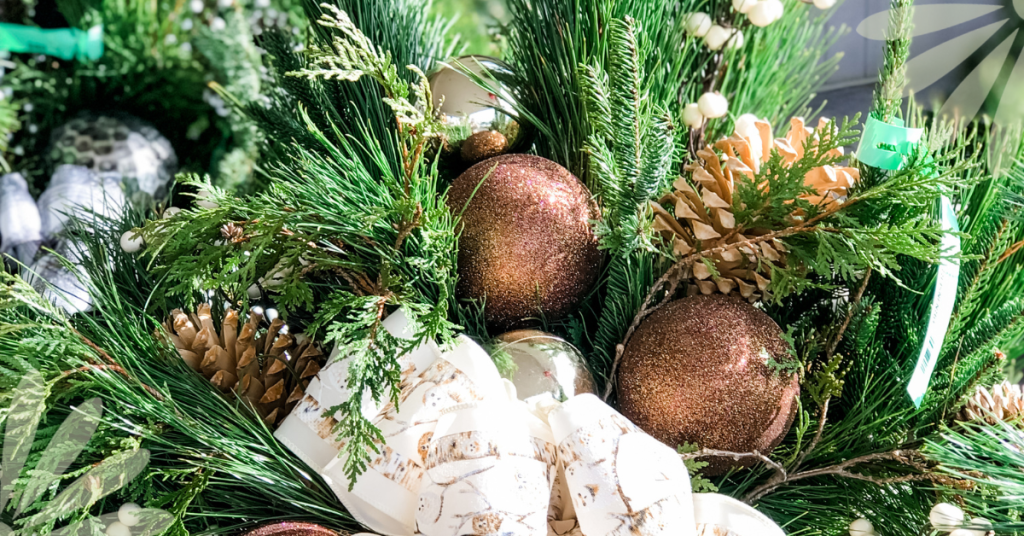
Birch branches, curly willow, grapevine decorations, and dogwood branches all provide upright focal points with height in your planter.
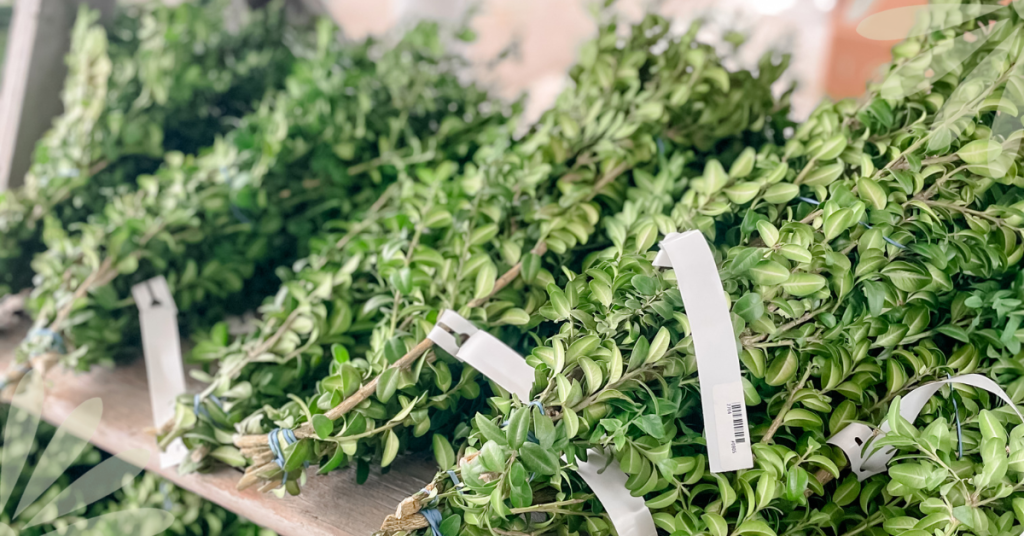
Magnolia leaves, boxwood, inkberry and holly branches add texture and interest. Use pine cones, rose hips, faux berries, moss balls, seed pods, ornaments, and bows for some great final touches.
Adding lights will make the planter stand out and give it an ambiance that’s warm and inviting.
Build It!
1. Start by placing the item that you’ve chosen as the focal point in the middle of the planter. Pick a side that will become the front of the planter, and add everything else while you’re facing that side.
This is a good time to add battery-operated LED lights to upright posts and branches or insert a solar lantern.
2. Surround your focal point with evergreens by layering different boughs like cedar and pine, which are soft and hang down with more firm fir and spruce on top. This becomes the base or background for everything else in your planter.

3. Add accent pieces like dogwood, willow, holly and inkberry branches.
4. Embellish with decorations. This is a great way to fill in any blank spaces and draw your eyes in to focus on the details.
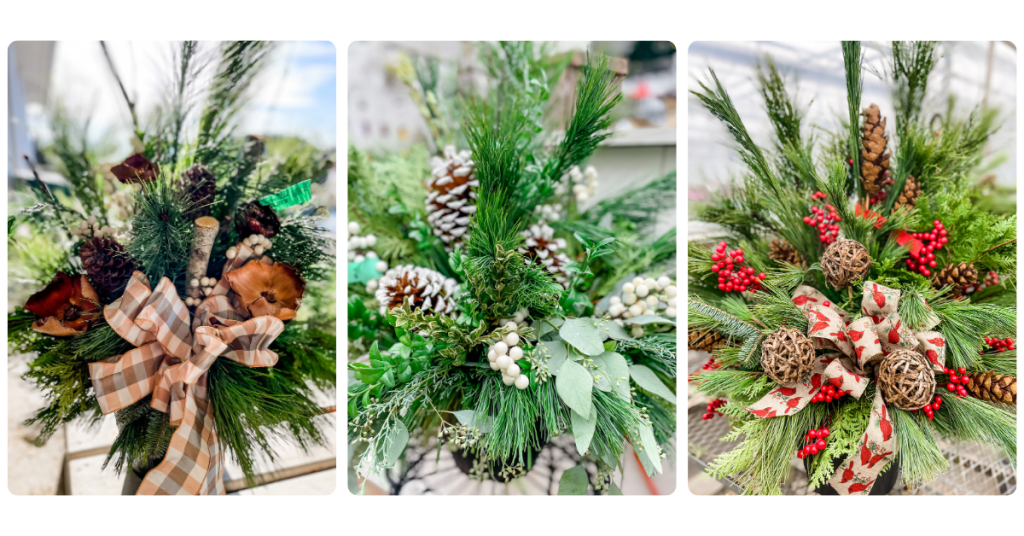
Begin by decorating with a cluster of pine cones, a bow or any decoration grouping in a lower section of the planter, then space out other decorations around the planter. Later, as the holidays draw near, you may want to add some Christmas decorations as well.
Helpful Tips:
- Find a good sturdy “poker” (a screwdriver or a strong bamboo stake) to make holes in the soil or foam blocks, allowing you to insert smaller branches and delicate seed pods or ornaments easily. You may need to secure smaller items onto sticks or some of the stronger branches in the planter by wrapping wire around them.
- Don’t forget to water your arrangement to help your greens stay fresh longer!
In winter, the blanket of snow and grey winter skies can create a somewhat monotonous landscape. That’s when greenery urns make a big difference. Blending evergreen boughs with rustic and seasonal accents and some lights creates a welcoming outdoor display for November and beyond. Just be sure to use materials that can hold up to the frost, wind and snow that will be coming!
Other Resources
https://eising.ca/how-to-decorate-with-fresh-greenery-for-christmas/
https://eising.ca/holiday-home-decor-ideas-you-can-make-yourself/
https://eising.ca/holiday-decorating-tips/
The era of fashion rules like “no white after Labour Day” is gone. Clothing shopping has finally evolved into dressing for YOU - your personality, unique style and values. Fashion is meant to lift you up and break traditions. How liberating is that?!
Why Dressing for Your Personality Matters

Dressing in clothes that express who you are isn’t purely about looking good - it’s about feeling good as well. Research suggests that for most of us, when it comes to buying things, a big part of happiness comes from what’s known as identity expression. If the purchase is an expression of your personality and values, you’re likely to feel happier. Knowing who you are and acting on that knowledge contributes to being happier.
Confidence Booster
As we get older, we often become more clear about who we are. Understanding ourselves is powerful! Wearing clothes that we love and reflect our personality, instead of what we’re just told is fashionable, is a huge confidence booster. When you feel good about what you’re wearing you naturally exude confidence.
Putting together an outfit that you feel good about can also be a creative outlet or a form of self expression. It’s a way of visually showing your personality without saying a word.





Designers are finally realizing this too and there are more options to suit everyone - all ages, body types and styles. If you love colour - go for it! If you love patterns - we’re here for you! We believe fashion should be fun and an expression of who you are!

Looking for something that blooms in the garden when everything else is fading? Bluebeard (aka Caryopteris or Blue Mist) blooms from late summer until frost sets in!
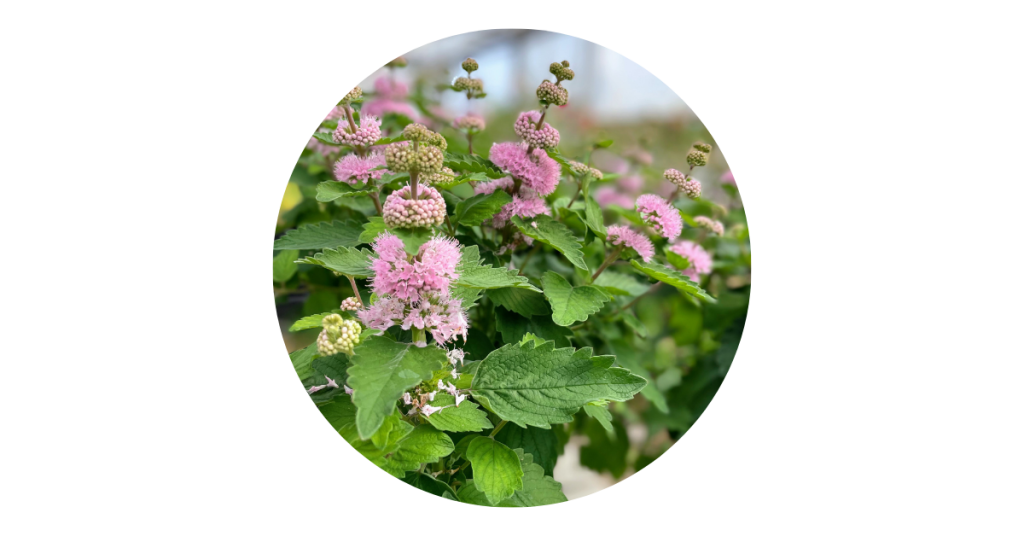
This shrub-like perennial thrives in full sun and sandy soil with good drainage. In exchange for these conditions, it provides an abundance of blooms in vivid, genuine blue (a colour that’s very difficult to find in the garden) or it can have pink or blueish-purple flowers depending on the hybrid variety. Foliage can range from soft grey to golden yellow to dark and glossy green, depending on the variety. Intrigued?
Bluebeard is a great perennial shrub for almost any size of garden and does well here in Norfolk County. Plants grow in a range from two to four feet in height and width and in a well-behaved, compact mound.
Beautiful Blooms
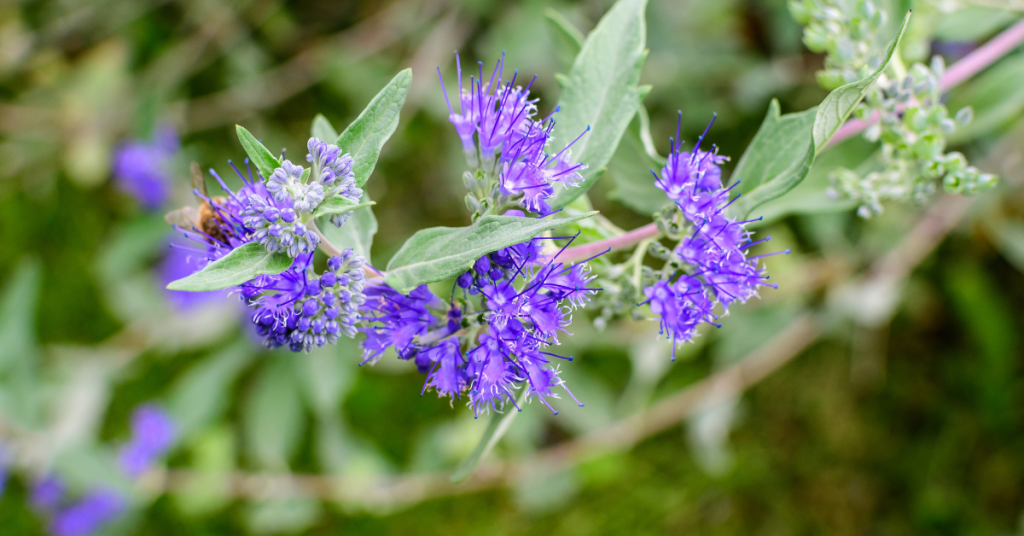
Such a unique flower! Bluebeards form fluffy clusters of flowers, like clouds or mist and can bloom from July until there’s a frost. Like most flowering plants, deadheading spent flowers will promote continued blooming.
Bluebeard flowers have a mildly sweet scent and are full of nectar for pollinator friends like bees, hummingbirds and butterflies. The features don’t stop there! Birds love the seeds that form in the Fall too.
Planting & Care
Find a nice, sunny spot with ample space for the plant to grow. Bluebeard aren’t heavy feeders and don’t need fertilizer. Some compost in the planting hole is all that’s needed. After that, top dress with some compost each Spring.
Water in new plants thoroughly after planting them. Once established, they don’t need watering unless it’s an extremely dry season.
Crown rot from consistently over-watering, or from being planted in wet, heavy soil is the only disease to be concerned about. Branches will begin to die, one by one, if this plant has crown rot.
While Bluebeard will tolerate drought and shade, the amount of flowers will be greatly reduced.
Pruning
Bluebeard’s foliage and flowers form on new branches or new growth. So, early each Spring, cut the stems down by at least half. Cutting them down to 12-18” does not harm the plant. It will send up new shoots, and it’s those new shoots that produce leaves and blooms!
You may find that established plants have some dead wood in the centre. If this happens, prune out any dead wood, and that will ensure that your shrub stays looking full and happy.
Sunshine Blue Bluebeard
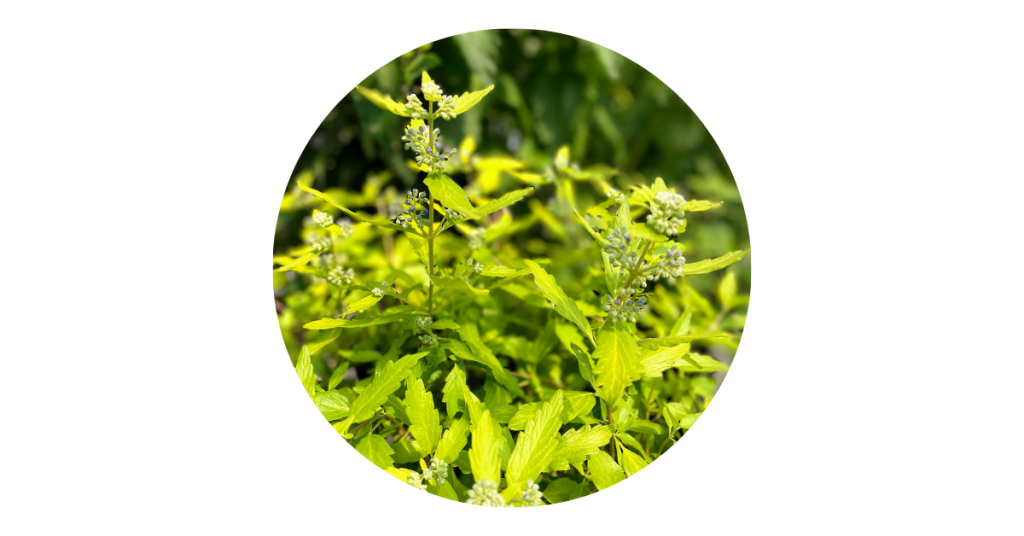
Grows 2-3’ tall.
An extremely hardy variety with gold foliage and blue blooms.

One final note. Sometimes Bluebeard is called “blue mist spirea”. However, Bluebeard or Caryopteris is not related to spirea.
At some point, garden life calls to many of us. Even if you’ve never nurtured a plant before, planting something and keeping it alive offers a fun, low-cost, and highly rewarding experience. Whether you opt for a few potted plants on a patio or balcony, join a community garden, dedicate part of your yard to flowers, herbs, trees, or vegetables, install raised beds, or set aside a corner of your property to attract pollinators, it’s exciting to consider the possibilities!
The Benefits of Gardening
Stress Release
Nature has a calming effect, and gardening helps you stay grounded in the present moment, freeing your mind from worries about the past or future. For example, the repetitive task of weeding allows your brain to focus, turning the activity into a form of mindful meditation. Meditation doesn’t always involve sitting in solitude on a mountain—it can be as simple as engaging in repetitive tasks like planting or weeding. This process reduces stress and anxiety, ultimately leading to greater happiness.
Boosting Happiness
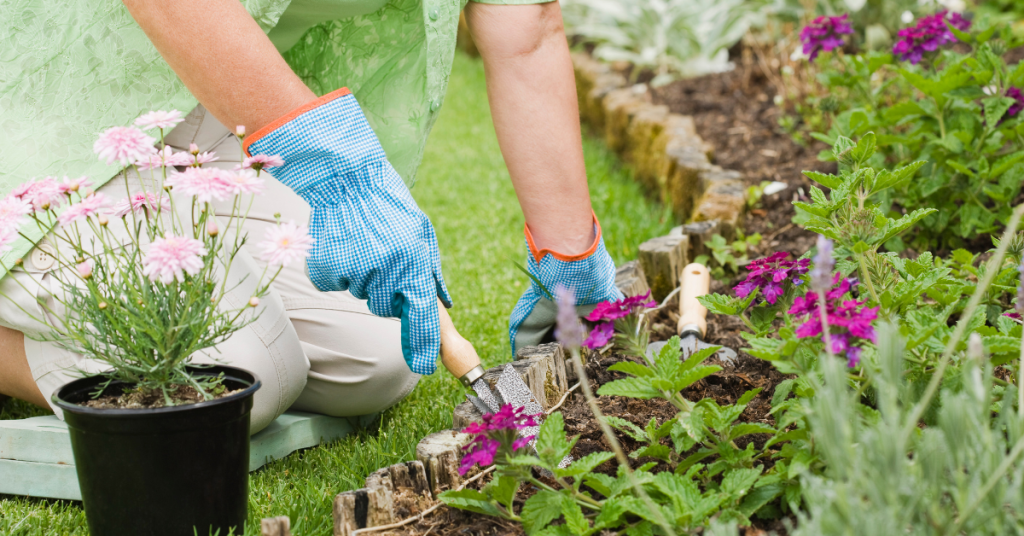
Speaking of happiness, research shows that certain bacteria in the soil get under fingernails and also get inhaled while you garden. This bacteria can boost your healthy gut flora and release happiness chemicals like serotonin. A healthy gut flora supports a strong immune system, making that dirt-under-the-nails gardener’s manicure well worth it.

Strength & Flexibility
At the start of each gardening season, you might hear from fellow gardeners about their sore muscles—backs, hands, shoulders, hips, and so on. The physical demands of gardening can be challenging at first, but over time, they help build muscle strength and improve flexibility.
If you find working in the garden too strenuous, try kneeling on a soft pad or using a small stool to sit on. Consider using a shovel or rake to assist you in moving up and down to your knees or the stool. Opt for smaller pots and smaller bags of soil and mulch - they’re easier to carry.

Growing Food & Healthy Eating
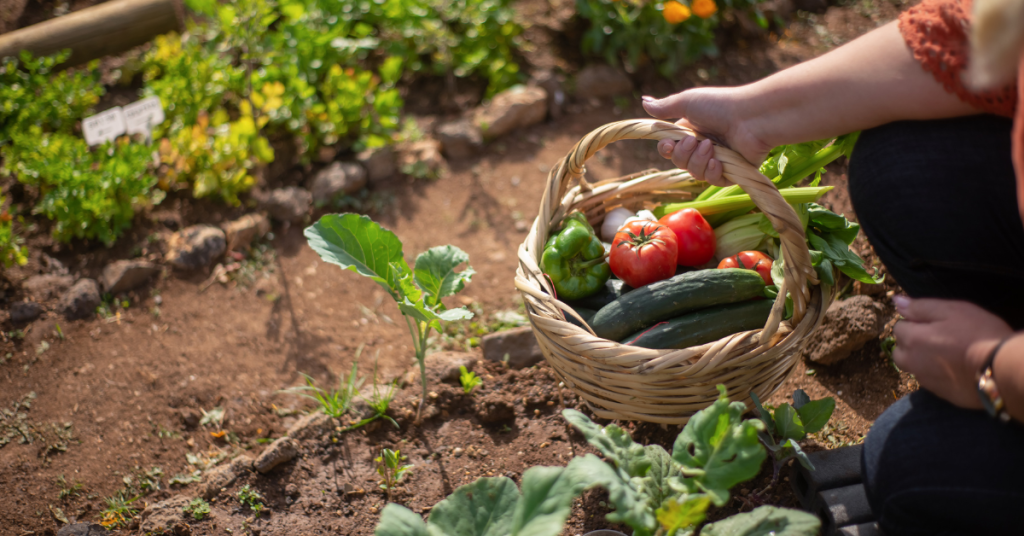
Anyone who’s tasted fresh, homegrown vegetables knows just how delicious they can be. Growing your own produce also encourages you to eat more fruits and vegetables, which naturally leads to better health. The fibre in these foods supports the healthy gut flora mentioned earlier, too!
The Perks of Being Outdoors
All the benefits of gardening—stress relief, happiness, strength, flexibility, and healthy eating contribute to your overall physical and mental well-being. But there’s more.
While outdoors, you absorb vitamin D from the sun, which boosts calcium levels in your body, promoting strong bones and a robust immune system.
Being outside and working in the garden also improves your sleep. After a day of gardening, you’re likely to feel pleasantly tired, helping you fall asleep faster and enjoy a deeper rest. Good quality sleep is essential for overall health, just as important as diet and exercise.
Finally, spending time outdoors encourages deeper breathing, which increases oxygen levels in your blood and boosts serotonin. Deep breathing also aids digestion and helps clear stagnant air from your lungs. Try stepping outside and taking a nice, deep breath. It just feels good, doesn’t it?
While your initial goals for gardening may include harvesting delicious vegetables or creating beautiful bouquets, you’ll also be improving your health in ways you might not have expected!