
Spring has indeed sprung here in Ontario, and it’s looking beautiful. After a long winter, it can seem like there’s a lot of work to do in your yard and garden. It’s easy to get carried away with spring cleanup. While there’s plenty to do, there are also some don’ts—things that you should wait on for a while longer, or even leave until the fall.
Here’s our list of do’s and don’ts for how to get your landscaping ready for spring in southern Ontario.

Spring Landscaping Do’s
1. Start treating dead lawn patches. If you’ve got a dog, you’re probably starting to see evidence of dead spots on your lawn. You can get a jumpstart on these now. Rake up the dead grass on them and loosen up the top layer of soil a bit with a hand rake. If the whole area has been growing sparsely, aerate by hand with a garden fork. Then spread grass seed across the patch, blending a bit into the surrounding grass. Lay a thin layer of soil over the top and tamp it down gently to help the seeds contact the soil. Then make a very light application of fertilizer and gently water the area. Remember to water daily if it doesn’t rain until the new grass is well established.
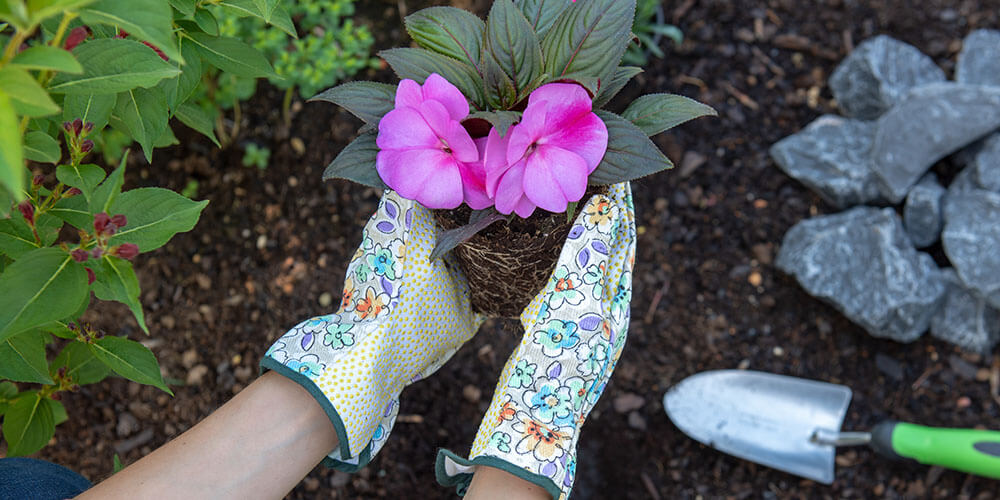
2. Are you adding trees and shrubs to your yard? Spring is an excellent time to get them into your landscape so they can establish a strong root system and settle into their new home. Make sure to water them consistently and give them a good layer of mulch over the roots to regulate moisture and soil temperature.
3. Spring is a great time to plant pollinator-friendly perennials, like:
- Coneflower
- Coreopsis
- Gentian
- Joe Pye weed
- Marsh marigold
- Milkweed
- Monkshood
- Obedient plant
- Red trillium
- Wild sweet William
- Aster
- Baneberry
- Black-eyed Susan
- Blanket flower
- Blazing star
- Butterfly weed
- Canada goldenrod
- Canadian white violet
- Columbine
- Wild bergamot
4. Now is the time to get out and start dividing your perennials, so new splits have time to establish well in new locations.
5. Last but not least, start taking photos of your landscape, your plants and your garden. Capture the moments now, and when you look back later in the year or years in the future, you’ll be able to relive many great memories and appreciate how far your yard has come.
Sometimes it seems like there is endless work to be done in the yard, but don’t forget to pause and enjoy what you’ve created!
Spring Landscaping Don’ts
1. Don’t start pruning spring-blooming shrubs and trees in your landscaping. Many things need pruning in spring, but early flowering plants, like lilac, forsythia, viburnum, and quince, shouldn’t be pruned until they finish flowering. It won’t hurt them to prune now, but it will remove some of the buds, so you’ll have fewer flowers.
2. Don’t prune your elm trees. Because of such a high risk of Dutch elm disease, you should not prune elm trees anymore this spring. To keep risk as low as possible, you should try to prune elm between the end of October and the end of March.
3. Don’t work on soil that is too frozen or wet. Walking on, or working in soil that is saturated with water, or just starting to thaw can cause compaction, so let your garden and beds dry a bit before you get into them. If you really need to get into a bed to do some landscaping cleanup, lay down a plank of wood where you need to walk since this distributes weight more evenly, preventing excessive compaction.
4. Don’t plant your favourite annuals or tender perennials before the last frost unless you’re prepared to cover them every night until the frost is gone for good. You can start hardening off seedling plants during the day, though.
5. Don’t cut your lawn too short. It can be tempting to get the lawnmower out and cut the lawn really short to get rid of all the dry and dead bits, but it’s still too early. Give your lawn a chance to get growing before you cut it. Ideally, wait until it’s about 3 inches tall before you start cutting, and don’t scalp it right away, mow it at about 2.5-3 inches for now.
6. Don’t forget to enjoy your landscaping and the lovely weather days this spring. It seems like there is endless work to be done in the yard, but don’t forget to pause and enjoy what you’ve created. Relish the first perennial blooms, the leaves bursting and watching the bees buzz around early flowers. Pat yourself on the back; you should be proud of what you’ve created!
Whatever you need to get your spring yard chores done, or if you need inspiration for landscaping design or planters, stop by the garden centre. We’re following provincial health protocols and are limiting the number of customers allowed in at a time, so you can feel safe and still make sure your yard looks great this spring.
They say all you need to grow a garden is some sunshine, water, and a little bit of love, but what if the sunshine isn’t in high supply? Luckily, there’s an exception to the rule— you can still have a fabulous garden full of lush, healthy plants, even if your yard is heavily shaded from the sun. It’s simply a matter of choosing the right shade-tolerant plants that thrive in dimmer areas. Whether your property is surrounded by a canopy of growing trees, or if you’ve got a smaller patio shaded by an awning, you can still garden like a pro with these shade-loving plants.
Shade Tolerant Perennials
Plants that don’t require loads of sun, and they come back year after year? Sounds like a pretty sweet deal. These popular perennials are sure to brighten up a shady landscape:
Hostas: These large and leafy foliage plants, also known as plantain lilies, make a fabulous groundcover and are great for filling in gaps in the shady corners of your garden. Their variegated green leaves with cream coloured streaks are quite eye-catching, and when conditions are right, they may often surprise you with a blossom or two emerging from a long upright stem.
Hydrangeas: Something about the big colourful clusters of hydrangea blossoms remains to be timeless yet trendy. These shade-loving shrubs produce showy flowers in all different shades of pink, purple, blue, white, and green. A fun fact you may not know about hydrangeas is their colour can actually be changed from pink to blue! By adjusting your soil’s pH and raising the acidity with the addition of some limestone, your hydrangea’s bubblegum pink petals will gradually change to a cool robin’s egg blue tone.
Christmas Fern: Textured, voluminous fern leaves are a striking addition to any garden, adding a little interest and drama without competing with some of your showier blooms. While not necessarily an invasive plant, they do tend to spread and expand, so every once in a while, you may need to trim it back or divide it at the root.
Bleeding Hearts: This colourful flowering shrub has quite an exotic, tropical feel, but is still able to withstand our cold Canadian winters. Its elongated, curved stems sport rows of dangling heart-shaped blossoms in vibrant shades of pink and red.

Shade Loving Annuals
If you’re a fan of container gardening and want to add some pops of colour throughout your space, these annual flowers are spectacular options. While they need to be re-planted each year, they’re vigorous growers during the summer months, so they’re sure to turn heads and grab people’s attention when put on display.
Begonias: With their large, dramatic blossoms available in so many fabulous colours, begonias continue to be a staple in shade gardens. For a totally on-trend flower that’s bright and exciting, opt for a vivid coral variety! Pantone’s 2019 Colour of the Year is “Living Coral,” a bold pinkish-orange shade that pairs beautifully with shades or green, gold, pink, and turquoise.
Impatiens: These low-maintenance blooms don’t just tolerate the shade, they prefer it! New Guinea impatiens are a highly sought-after variety, as they’re much more resistant to mildew than traditional impatiens.
Lobelia: Partial, dappled shade with tiny pockets of sunlight is the ideal location for this pastel petaled groundcover plant, so if you’ve got some overhanging tree branches in your yard that tend to sway in the wind, you’ve got a perfect spot for some lobelia.
Sweet Alyssum: This plant has so much to offer a shady garden! Its fragrance is simply intoxicating, it continually blooms well into the fall, and its crisp white blossoms add a lovely, ethereal glow to your landscape.

Bulbs to Plant in Shade
Flowering bulbs are particularly popular in Ontario gardens, as they’re often the first flowers to pop up and greet us with vibrant blossoms in the early spring after a long cold winter. These spring-blooming bulbs are sure to impress in sun or in shade:
Crocus: The bright blooms of this quintessential Canadian flower are often some of the first to appear in spring, sometimes peeking up from the soil while there’s still a bit of snow on the ground. The indigo-purple shade is definitely the most common variety, but you can also find crocuses in yellow or white.
Tulips: Tall, sturdy stems and long, sleek leaves add elegance and sophistication to any garden. You can find tulips in a whole spectrum of beautiful different colours, but the bi-coloured hybrid varieties can really make a statement.
Daffodils: These sunny yellow blossoms resembling teacups and saucers really bring on the traditional English garden vibes. For a lush and lovely garden fit for a queen, you can opt for this classic spring bulb— just take caution in planting these feisty flowers next to other plants, as they tend to be aggressive growers and may kill surrounding plants.
A shady yard won’t stop you from having a swoon-worthy garden that never fails to impress. Plant some of these shady ladies in your garden beds or containers, and you’ll still get to enjoy colourful blossoms all season long, even if Mr. Sun isn’t shining down.