
It’s the question we probably hear the most when it comes to flower gardens…”What can I buy that will flower all season long?” While some annuals bloom for a very long time, no plant will bloom from early Spring to late Fall, and no vegetable plant will produce for that duration either. The solution? Succession Planting! It’s a simple strategy that maximizes the time your garden is blooming or producing vegetables.
What is Succession Planting?
Plant early (earlier than you think) and plant things in succession that thrive in the current weather conditions - right up until there is a hard frost. Simply plan to plant another crop or flower once one is harvested or finished blooming. Many gardeners here in southern Ontario wait until the May 24th weekend to plant everything - all at once. Succession gardening staggers planting times so there is a continuous harvest of vegetables or an everchanging series of blooming flowers. While it takes a little more planning, the results are worth it.


A Succession of Blooms
The best way to ensure a parade of colour in your garden is to choose a variety of annuals, perennials, and biennials that bloom at different times. There is a notion that a garden can only have annual flowers or just perennials, but the best results come from a mix of both. You’re allowed to mix them together! Most annuals bloom during the heat of the summer, but perennial flowers can extend the season for you by blooming in early spring or in the fall. A list of perennial bloom times can be found in this Landscape Ontario article to help you choose your plants.
Some flowering plants, like pansies, love cooler weather and are easy to purchase in the spring. A little planning and planting in the fall will provide a flush of colour from Spring bulbs like Daffodils, Crocus, and Hyacinth. Spring bulbs look great alongside early-blooming shrubs or trees like Canada Serviceberry and Forsythia.
April or early May is also an excellent time to directly sow annual flowers like sunflowers, nasturtium, borage, and herbs like cilantro and dill to give them a head start.
Cool Weather Veggies
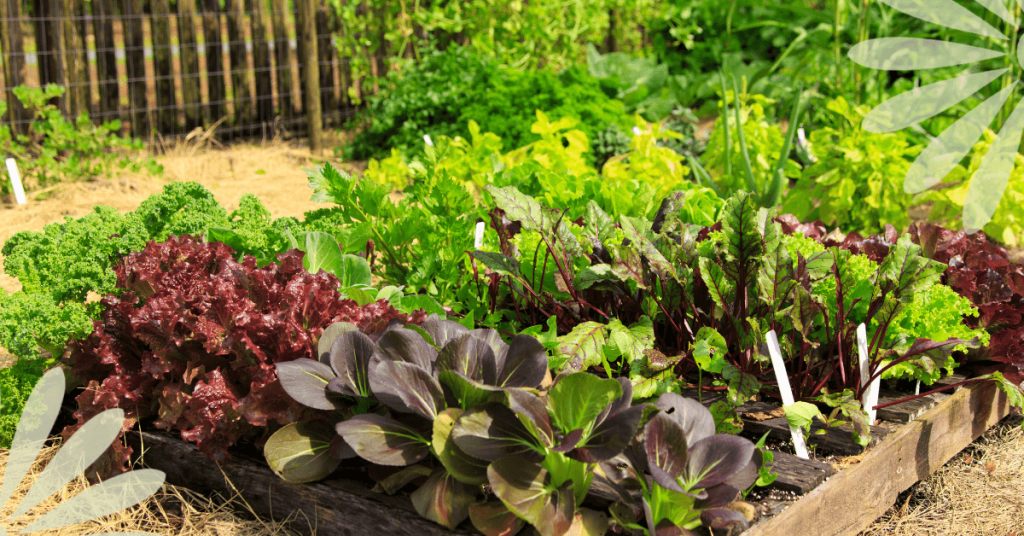
It’s surprising how many vegetables thrive in cool weather and withstand light frost. Keep tender plants indoors until the third week of April and slowly harden them off, but get outdoors any time in April and begin directly sowing fast-growing cool crops like leafy greens, root vegetables, and some herbs.
Lettuce planted in late spring will tend to “bolt” and taste bitter once hotter temperatures arrive. Lettuce loves cooler conditions. So you don’t have to wait until May 24th to sow lettuce and other vegetables. Which Vegetables? We have a list of examples for you in our article: Starting Seeds Indoors and Cold Weather Crops. Starting early means you can harvest a whole crop of vegetables before you plant heat-loving crops like peppers and tomatoes.
Sow All Season
If you’ve ever been overwhelmed by planting too much of one crop at once, you will love succession gardening. While you may be able to freeze a batch of 2,000 string beans from the entire packet of seeds you planted in one go, sometimes stretching out the harvest is nice. Plant smaller batches of beans, peas, and herbs like cilantro, dill, and basil every three weeks to ensure continuous summer harvests. This approach is also known as interval gardening.
Sow cool-weather crops like leaf lettuce, Swiss Chard, and Radishes in April or early May and again in September.
Continuous Harvest
Once your early Spring vegetables like lettuce, peas and radishes have been harvested, it’s time to sow your second crop of cool-weather veggies for harvesting in the Fall. Do you know veggies like parsnips, Brussels sprouts, peas, and kale have more flavour after a mild frost?! A mild winter this year meant we were still harvesting some Brussels sprouts in December.
Double Up
Another tip is to plant things that grow well together. For example, plant seeds for a root crop like carrots below your tomato plants, peas or bush beans in the vegetable garden. The carrot crop will be next after the tomatoes, peas or beans are done for the season. There are many combinations like this - tomatoes and basil, kale and dill, lettuce and beets, broccoli and borage, just to name a few. Doing this helps to increase the production of your plot of land and keeps the soil covered, which is always better for soil health.
One final strategy for flower succession planting is to use containers. Consider placing a well-positioned pot of annual blooms beside perennial plants resting after flowering.
Once you get started, researching companion plant combinations like these can be a fun game. These combinations will extend the time you can enjoy lots of colourful blooms and increase the amount of vegetables a garden can produce!

Come along on a little journey with me and imagine this… It’s Springtime. The sun shines, and the air finally feels warmer after a long, grey winter. You take a little trip to your favourite garden centre and find that special plant you’ve been reading about and hoping for. Of course, you buy the plant, take it home, and proudly place it on your sunny patio on this beautiful day. Two more sunny days go by, and the plant does not look good at all. It seems to be dying, so you give it lots of water, but that makes no difference. It is in fact dying. So disappointing! How could this be happening?
In our excitement to get outdoors and plant flowers, or add greenery, we forget that the plants we’ve been growing indoors or inside a greenhouse, aren’t used to the elements in the great outdoors. They’ve been sheltered indoors, out of the wind and direct sun, and watered and fertilized regularly with the utmost attention. They’ve been pampered in a plant spa and are quite literally hothouse flowers! Being plunked outside afterwards is the equivalent of us going outside in a bathing suit with no sunblock on for the first sunny, warm days of Spring, exposing our lily-white skin that’s been covered up by a parka all winter long!
Red, sunburned skin is not a great image, but hopefully, this comparison helps to explain the importance of transitioning or hardening off plants. Much like us, indoor plants need to be gradually exposed to the elements and given protection in the process.
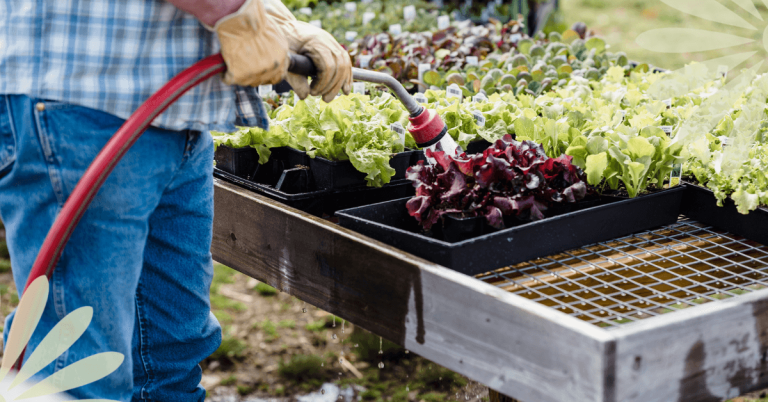
The same will be true if you have planted seeds indoors or purchased greenhouse-grown seedlings. Seedlings grown in a greenhouse, a sunny window, or under grow lights in your home need up to 14 days to acclimate to being moved from their cozy indoor space to the great outdoors.
What is Hardening Off?
Hardening off ensures that you will not lose another plant or seedling! It’s a sensible process for all the plants you’re moving from indoors to outdoors. By helping plants or seedlings to gradually toughen to withstand the elements, you prevent transplant shock, which can cause your plants to be stunted or, worse, die.
To ensure success, the process of hardening off takes up to 14 days, so you will want to begin two weeks before transplanting plants and seedlings into your garden. Houseplants may only need 7 to 10 days, but tender, tiny seedlings need the full two weeks to strengthen and get used to their new environments.
When to Harden Off
Cold-weather plants like lettuce, kale, pansies, violas, dianthus, and potted or forced spring bulbs can be hardened off once daytime temperatures consistently reach 5 Celsius, usually in April in southern Ontario.
Perennial plants, tropical houseplants, and heat-loving seedlings like most annual flowers, tomatoes, peppers, and basil should wait until temperatures are around 7-10 Celsius to begin hardening off. For vegetables and annual flowers, start hardening off around May 10 here in Norfolk County if your target is planting seedlings around May 24th.
Successfully Hardening Off Your Seedlings and Plants
Days 1 and 2
Begin on a day that is optimally warm (At least 5 Celsius for cold-weather-tolerant plants, 7 Celsius for heat-loving plants, or 15 Celsius for tropical houseplants) and place your plants or seedlings outside in full shade and protected from the wind.
If you don't have a wind-sheltered area in the shade, putting your plants in an open cardboard box is a good way to protect them from the wind at this stage.
Leave them in this protected area for 1-2 hours before returning them indoors.
Days 3 to 5
Each day, gradually increase the length of time your plants are outside and begin to place them in an area where they will get dappled shade and some wind.
Pay close attention to watering while you’re hardening off your plants as they will require more frequent watering.
Days 6 to 10
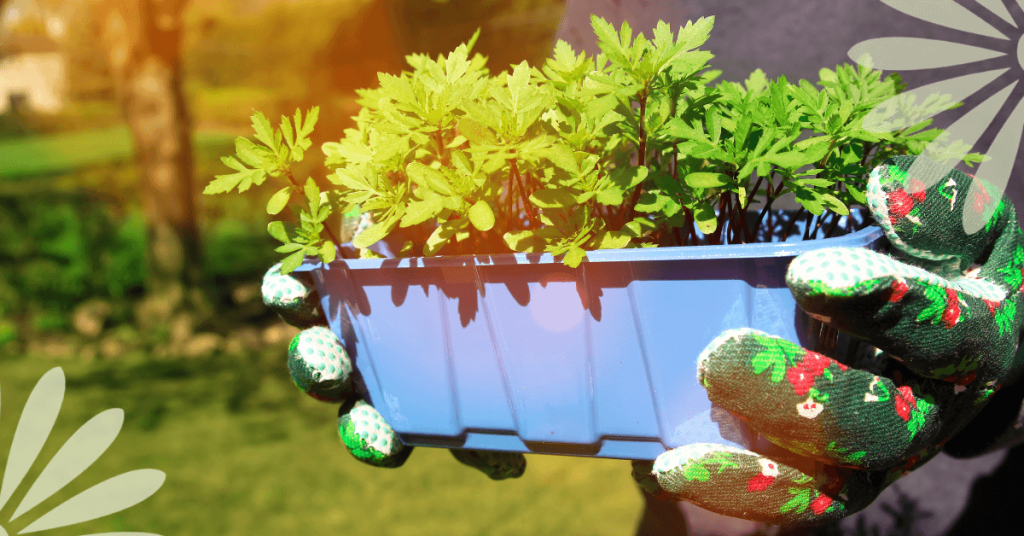
On day 6, start to increase your plant’s exposure to direct sunlight by placing them in the morning sun, which is less intense than the afternoon sun.
Begin to leave them outside overnight from this point on unless the temperature is expected to drop below 7 Celcius.
Days 10 to 14
After 10 days of acclimation, it is safe to move houseplants that require more sun to a location that meets their needs.
After 14 days of acclimation, it’s safe to transplant seedlings to their place in the garden or to large pots if you’re growing in containers.
As soon as your plants are transplanted, be sure to water them well! This will help them transition and eliminate air pockets in the soil that can harm the roots.
If the temperature drops and a fluke, unexpected freeze is forecasted after you’ve planted everything, cover your plants with row cover, cloches (you can use plastic water jugs with the bottom cut out, just leave the screw cap off to act as a vent), or cardboard boxes to protect them.
To summarize, when Spring arrives, protect your skin with sunblock, and harden off your plants before you move them outdoors!

Christmas gatherings are special, even without any holiday decorations. A certain Cindy Loo Who schooled the Grinch on that! But oh how special a gathering feels when you’re surrounded by festive lights, and some fresh greenery to liven things up. It truly does make a dinner or party more magical.
While there are folks who can’t wait to unleash the holiday spirit and begin decorating, it may seem a little too overwhelming for some. We’re here to help, no matter which camp you’re in!
If decorating comes easy to you, stop by Eising Greenhouses when you’re ready for fresh greenery, planters and some new decor.
If the thought of decorating is daunting, here are five simple steps to make it easier - for Christmas, or any special holiday!
5 Simple Steps for Easy Christmas Decorating
1 - Where to decorate. Even if it seems like it’s too early, pour yourself a cup of tea, crack open a notepad and let your imagination begin to percolate. Think about the area(s) you would like to “spruce” up! Front entrance? Living room? Dining room? Think about things like where in the house your party will take place, and whether or not you want a theme or a specific colour palette. Pinterest can help if you need inspiration and we have some Holiday Home Decor Ideas You Can Make Yourself to inspire you as well.
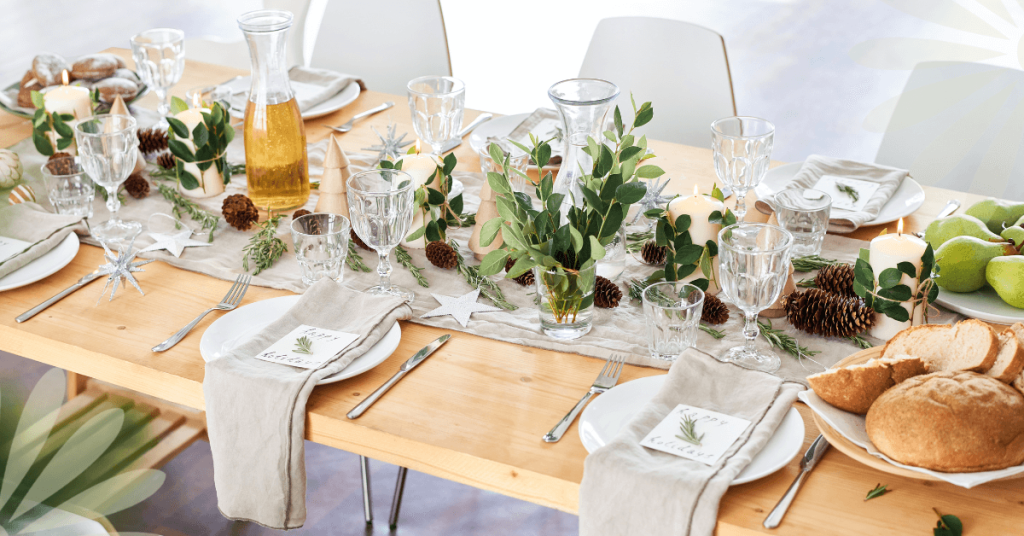
2 - Plan early. Look at your ‘Where To Decorate’ ideas and begin to create a wish list. What will you need to decorate the space(s) you’re imagining? Garland? Wreaths? Centrepieces? A tree? Once you have a wish list, make a plan for what to buy, and what to make.
3 - Schedule it. One of our family’s mottos is that if it’s not scheduled and on the calendar, it never happens. If you find that’s the case for you, use the plan you’ve made and begin to schedule dates to pick up the things you will need, and when you will make or decorate. Next, invite family and friends to join in. Why do this alone? Decorating can be a big part of holiday fun. For example, have everything ready to make or decorate while you watch your favourite holiday movies with friends or family.

4 - Declutter. Now that you have a plan and dates are set, reducing what is in the space will make decorating easier when that day comes. Move, or pack away anything that will limit space or detract from the new holiday decor you’re planning. Editing and clearing out what you have will really draw attention to the Christmas items you’re about to add!
5 - Incorporate natural elements. The holidays are the best time of year to incorporate natural decorations. It’s the only time of year we bring evergreens to the front porch and into our living room. If you’ve never used them, here is our How to Decorate with Fresh Greenery for Christmas guide.
Then, come see us at Eising Greenhouses, and pick out your fresh greenery, wreaths and decorations. You can also select from holiday plants like Amaryllis, Paperwhites and Christmas Cactus, and our arranged-for-you planters, urns and centrepieces. We can even create a custom arrangement in one of your favourite vases, urns, or that big Grinch-themed gravy boat from Aunt Martha if you leave it with us!
We hope these five tips and our holiday decorations help to make your Yule celebrations brighter, so you can sit back and enjoy the beauty of the holiday season!

As Summer winds down, you may find the plants that have been producing blooms for months are now slowing down, and it’s time to add a touch of fall to your gardens and décor.
Wondering where to begin? We’re looking to nature for inspiration, and sharing our favourite ideas and tips to create your own cozy sanctuary, inside or outside.
4 Easy Steps for Fall Decorating
1) Switch It Up
Remove summer annuals and planters that are looking tired in the garden, and replace them with plants that will carry you through the fall, and cooler weather. At Eising Garden Centre you’ll find ornamental peppers and kale, amaranth, and of course, chrysanthemums. Or, try out our very popular Porch Packages which will be available beginning September 9, 2023. Choose all the plants and pumpkins you love from the Porch Package list and create a fall mood anywhere in one swoop! Just pick it, drop it, and you’re done. How’s that for making decorating fun, fast, and easy?

2) Mimic Nature's Colours
Take your cue from what’s in the garden now. Warming colours found in nature are a sure sign of Autumn and can warm an indoor space too. Try popular muted shades of orange, moss green, coffee, turmeric, and rust. If your style is monochromatic, and you have a display of white flowers, try adding one bright orange chrysanthemum.
3) Layer Textures - Here's How
Is there anything more inviting than a chunky knit throw on a cool autumn day? Adding throws that are knit, or made of rich fabrics is the first step in creating a cozy sanctuary. If you’re heading to the backyard for a gathering, bring along a basket of throws for guests. Along with a throw, add some pillows in seasonal colours and prints, like a bold plaid. If your sitting area is neutral, or muted shades, try adding a pop of colour with a pillow to brighten things up.
Last but not least - flowers and plants bring an indoor space to life! Buy a wreath or garland, or make one, using dried hydrangea, boxwood, cedar, or any garden material that looks good right now. Adding a vase or container with dried pampas grass, and dried hydrangea or fresh flowers will enhance the natural theme and layers that you’re creating.
Layering also works for fall fashion. It’s practical, with daytime temperatures fluctuating, but layering is what creates a great fall look. Jeans and a cozy top, layered with a shacket is perfect for Fall weather.

4) Light and Scent
Two essential and often overlooked aspects when decorating are embellished lighting, and warm, inviting scents. Fairy lights, a glass lantern and votive candle, paper lanterns, a string of bulbs, and a really beautiful candle all go a long way to adding that final bit of magic to your sanctuary. Stick with warming, woodsy scents in your dried arrangement by adding a drop of essential oil, or when using candles.
Another great way to add beautiful scents is to make, or warm up a delicious baked treat! Family and friends are sure to gather when the smell of an apple pie wafts from the kitchen. Now that everything is looking so festive, why not have a party? Coming up soon, we’ll share some fun fall activities to enjoy in the backyard or the living room.

In this case, the plants Hens and Chicks, not the feathery friends.
Sempervivum, also known as Hens and Chicks or Houseleek, are a group of succulents that are becoming very popular in Southern Ontario. Here’s why these cold hardy perennial plants are gaining attention.
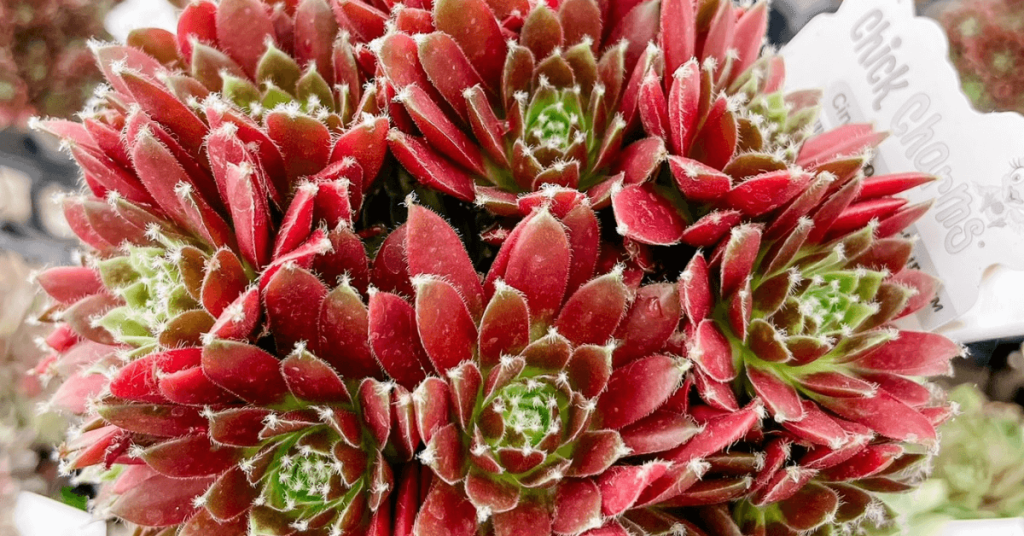
Low-maintenance
Low-maintenance is the item on everyone’s checklist, right? Hens and Chicks are known for being no-fuss. Sempervivum require very little soil, fertilizer or water. They’re sun-loving, hardy, resilient, and drought-tolerant. When you don’t have a lot of time to garden, you’ll be grateful that your Hens and Chicks need minimal care once they become established.
Versatile, and Did We Mention Low-maintenance?
Sempervivum will grow in full sun to partial shade, and average to poor soil as long as they have good drainage. They will manage just fine in poor soil and harsh conditions like heat and cold! This makes Hens and Chicks the perfect candidate for that spot in the garden where nothing else wants to grow. The spot that’s too hot, or too windy, the soil is rocky or gritty and not ideal or it’s eroding, like on a slope.
These rugged warriors can be grown on rooftops, ledges, walls, in rock gardens, hanging baskets, troughs and containers. Just make sure there are drainage holes. Too much water is their only enemy and will result in their roots rotting.
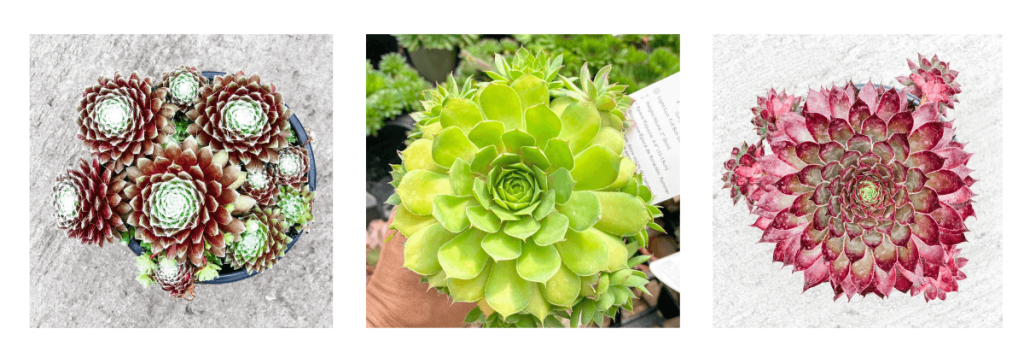
Chick Charms
While most Hens and Chicks are low-growing, 8-15 cm tall, they will all spread 30 cm and more - as much as you like, really. This is because they produce small plants, known as “chicks” or offsets around the main plant. The “Chick Charms”. Chicks can also be transplanted to start a whole new plant.
Tough and Beautiful
As a ground cover, Sempervivum can add visual interest and contrast to a border of annuals or perennials.
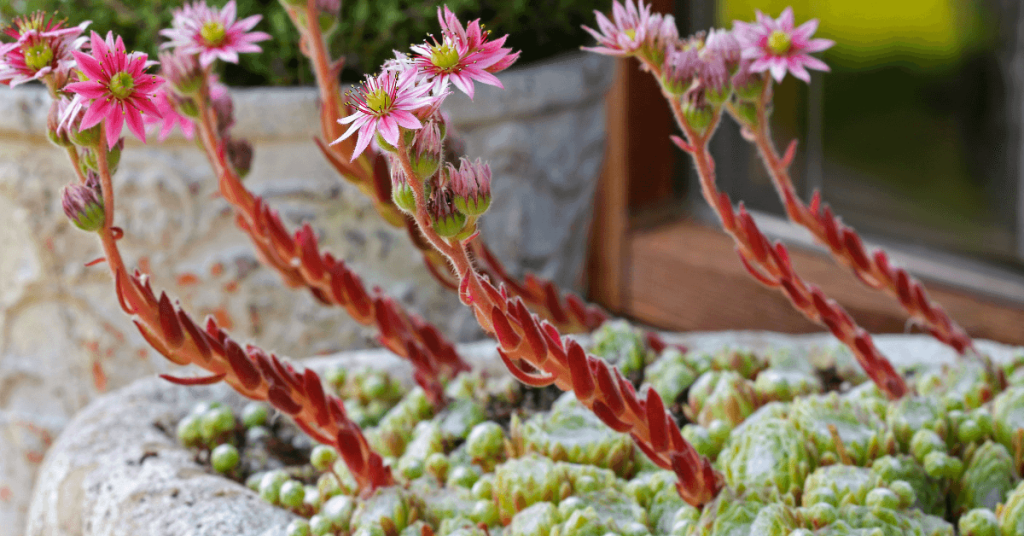
While they’re known for their pretty rosette-shaped clusters of foliage, you may not realize that Hens and Chicks also come in a variety of colours, and produce stunning blooms in summer.
Once a plant blooms, deadhead the flower and pull up the soft parent plant with it. The plant dies when it blooms, but new chicks will grow and replace it.
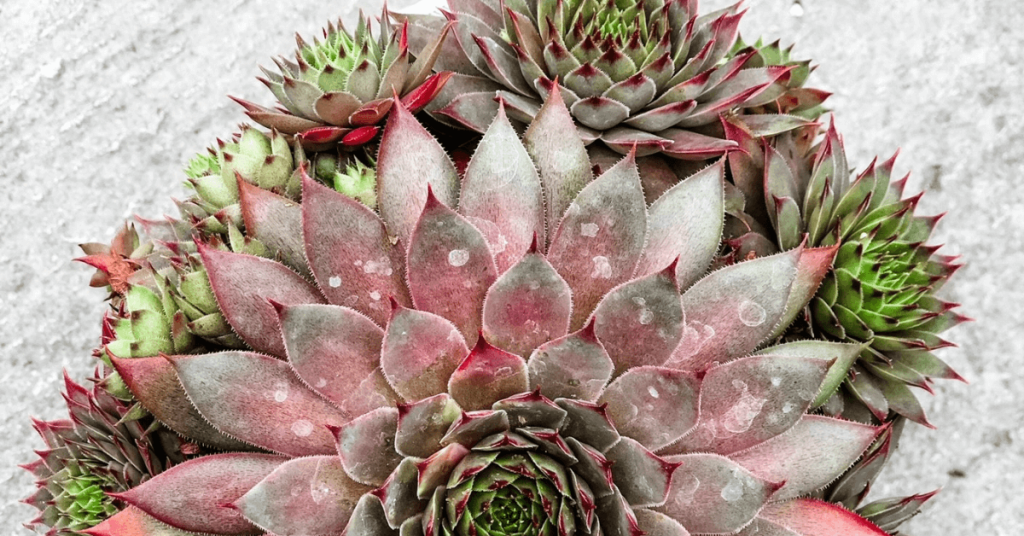
Hens and Chicks fleshy leaves make them less attractive to many garden pests and they are generally resistant to diseases. Tough plants for sure, and worthy of a spot in the garden. The next time you’re in Eising Garden Centre, we recommend that you peruse the Sempervivum section here in Simcoe and give these outstanding succulents a try!
You’ve selected your annual and perennial plants, chosen their location in the garden, amended the soil and everything is planted. Or close to it! Now what? How can you take care of them to maximize their potential? A bit of simple and easy maintenance will keep your plants healthy and blooming.
Once they start blooming, most annuals will flower all season long, until cold temperatures or frost put an end to their display. Many perennials will bloom for several weeks. We listed some of our favourites in this article if you missed it.
Here are some simple tips to keep your plants looking great!
Water
Newly planted annuals and perennials, even drought tolerant plants need to be watered at planting time.
Perennials will need water every week for the first two weeks and during periods without rain. Most perennials do well with a minimum of one inch of water per week.
Water is absorbed through the roots, so water the soil and not the foliage. Low (pressure) and slow (volume) allows water to adequately soak into the soil instead of running all over the place! It’s also best to water in the morning rather than at night because foliage that stays wet all night is susceptible to rot and foliar diseases.
Annuals planted in containers will need to be watered more frequently than annuals in a flower bed. Hanging baskets and planters will most likely need water daily, and in the heat of summer twice a day. For hanging baskets, the water should run out of the bottom.
In planters or the garden, use your finger in the soil to test it out - if it feels dry, your plant needs water.

Mulch
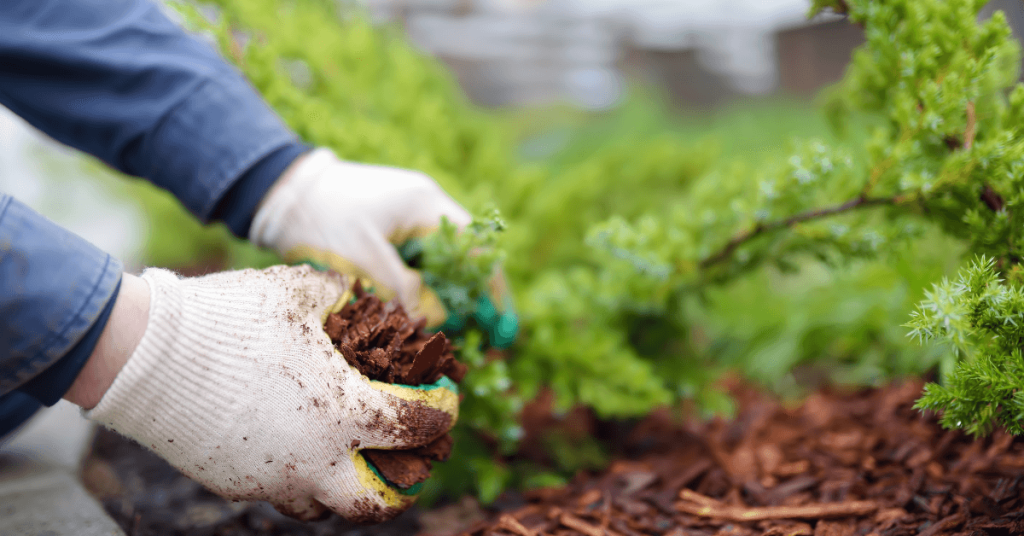
Mulch is always a very good idea to maintain soil health in the garden no matter what you’re planting!
An organic mulch will help enrich your soil, and keep it moist. A layer of at least 2 inches of mulch will also suppress weeds. Who doesn’t love that? The only caveat: don’t allow the mulch to touch your plants.
Deadhead
Deadheading or removing flowers that have finished blooming is important for many plants. Doing this allows the energy from the plant to be sent to producing new blossoms in annuals, and some perennials.
How do you do it? Take sharp, clean scissors or pruners, and cut off any dead flowers just below the base of the flower or above the first leaf. With some plants you can simply break off the spent flowers.
Bonus: your plants will look much better without dead flowers on them!
Note: some annuals don’t need deadheading. For example, Verbena, Lantana, Lobelia, Impatiens, Petunias, and Begonia.
Fertilizer
Let’s face it, fertilizer packaging can be confusing. They often feature three letters and three numbers. What does it all mean? What is N-P-K? This Eising article explains all you need to know about fertilizing and is worth the read.
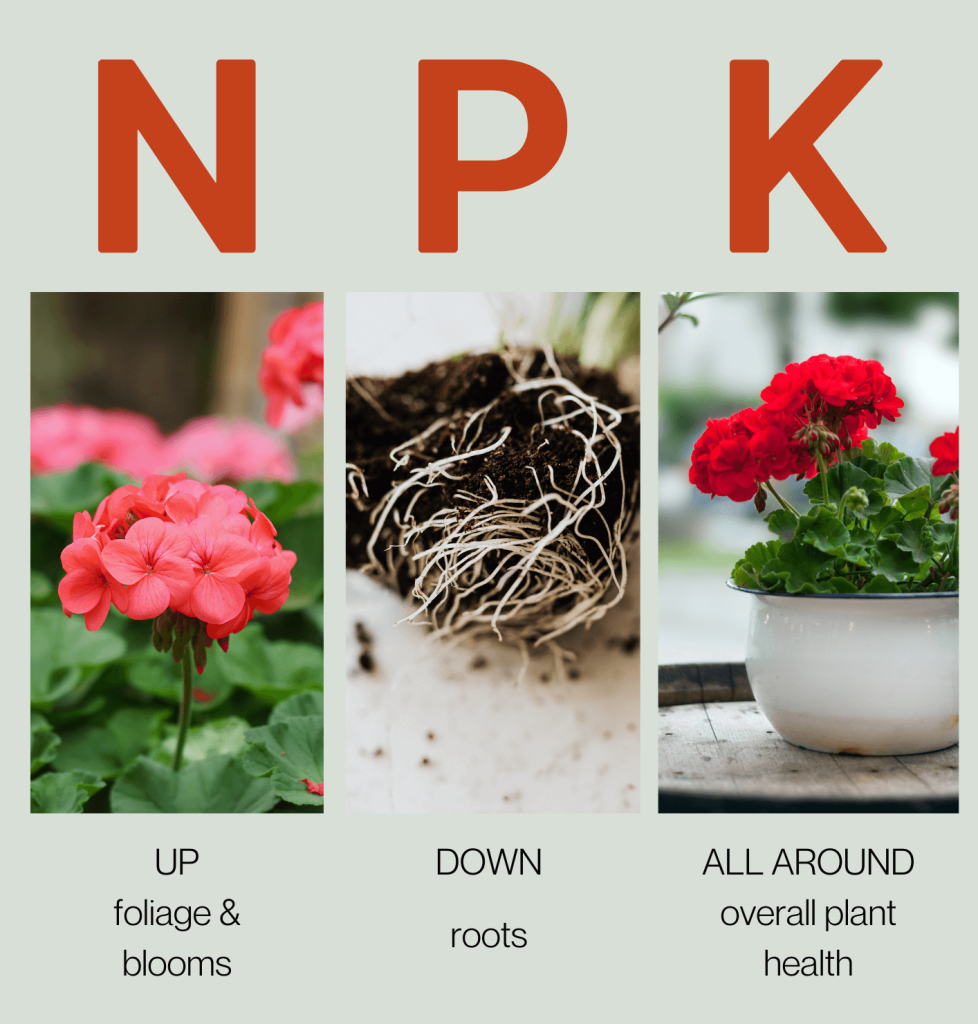
However, in a nutshell, this is a really easy way to remember the function of N (nitrogen), P (phosphorous and K (potassium) when it comes to fertilizing. The numbers are the percentage of each of those nutrients that the fertilizer package contains.
N = UP - foliage and blooms
P = DOWN - roots
K = ALL AROUND - overall plant health
If you used an organic, slow-release fertilizer when you planted your annuals or perennials in the ground, you shouldn’t have to fertilize again during the season.
Most potting soil in planters or hanging baskets contains the nutrients needed to help your plants get started. An easy way to maintain nutrients throughout the season is sprinkling Shake n’ Feed Ultra Bloom 10-18-9 slow release fertilizer on top of the soil. It will slowly feed your plants for three months. For heavy feeders like petunias or plants that are hungry, looking light, and in need of an instant boost, use a water-soluble fertilizer with an NPK ratio of approximately 20-20-20 every two weeks to keep them blooming.
For perennials, trees and shrubs that need more nutrients during the year, Shake n’ Feed slow release 18-6-12 fertilizer can be applied in the spring and it will feed your plants for three months during the growing season. The same fertilizer can be used for trees, shrubs and perennials in subsequent seasons.
As a rule of thumb, it’s better to under-fertilize and watch how your plants respond. Over-fertilizing can lead to sick plants that have yellow or brown leaves. In your garden, the only way to know what your plants need is to test the soil. Otherwise you’re guessing! To test your soil in Ontario, samples can be sent to The University of Guelph.
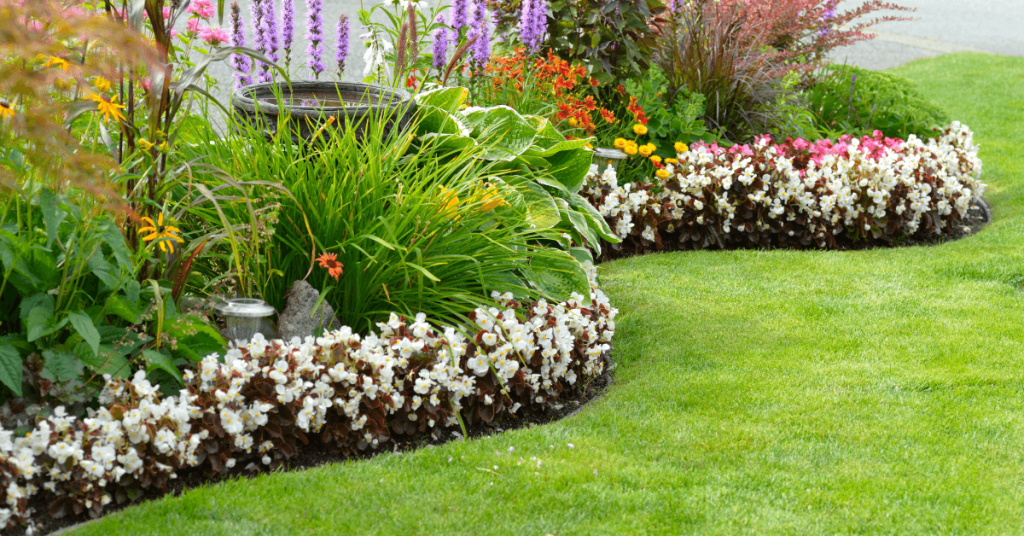
Let’s face it, summers are short and when we invest in plants we all want annuals and perennials that are long blooming. Flowers that last the duration of the summer are ideal! To achieve this, there are a few things to consider like: the plants you choose, good soil, and the amount of sun the flowers will get. When you come into Eising Garden Centre we can help you find sun or shade loving plants, and soil for your hanging pots, planters or garden beds, but to get started you’ll find some of our favourite plants listed below. First, a little plant primer that will help you make decisions.
Annual? Perennial? What’s the Difference?
Annuals and perennials are in separate areas of the greenhouse because they are plants that we will treat differently in the garden.
Here is the best way to remember the difference:
- Annual plants are planted every year, annually, as they will not survive the winter
- Perennial plant’s roots survive the winter and the plant will regrow each Spring

It’s good to know the difference, right? Now you know what to expect from the plants you buy!
Because Annuals and Perennials are in separate areas of the greenhouse, you might think that the two don’t mix in the garden, but they absolutely do. For example, Perennials can make a great backdrop for Annuals. Or, a well placed pot of Annuals amongst Perennials or shrubs can fill in a gap, or bring a pop of colour once other blooms have faded. Using Annuals, Perennials and Shrubs together can really maximize the beauty in your space!
If you’re not sure where to start, here are some of our favourite sun loving flowering plants that are easy to grow and long blooming!
Annual Flowers
- Petunias are one of the most popular blooming annuals for many reasons - there are a wide variety to choose from, they have a wonderful scent, they’re easy to grow and they bloom from Spring until frost.
- Zinnia flowers are low maintenance, fairly drought tolerant, come in many bright colours, will also bloom continuously from Spring until frost, and will attract butterflies to your garden! All things considered, they are one of the best annuals to grow.
- Geraniums are great for containers, hanging baskets, or as bedding plants and come in a variety of leaf shapes and bloom colours. Another reason why these Annuals are so popular is that they are easy to grow and will keep producing flowers late into the Fall.
- Marigolds come in vibrant colours and are another no-fuss Annual that’s tried and true. These long lasting flowers will also attract butterflies, bees, lady bugs, and other beneficial insects making them very good companion plants in any garden but especially your vegetable garden.
- Cosmos will bloom from late Spring into Fall especially if you remove dead flowers. In return, these colourful, daisy-like flowers will attract pollinating insects as well as birds. Cosmos are also fairly drought tolerant making it a delightful and easy to grow Annual.

Perennial Flowers
- Salvia have spikes of flowers that are long blooming, on plants that are easy to grow, and drought tolerant once they are established. These low maintenance plants will attract butterflies, bees and hummingbirds, and are deer and rabbit-resistant.
- Coreopsis is another drought tolerant perennial that will bloom summer through fall. Flowers are daisy-like and come in vibrant shades of yellow or red.
- Coneflower or Echinacea is a daisy-like flower that is drought-tolerant and long blooming. These sturdy plants have flowers in a wide range of colours from chartreuse to pink, orange, red, and yellow. They come in a range of blossom shapes which make them even more intriguing. If that wasn’t enough, they are also loved by birds and pollinators!
- Rudbeckia, or Black-Eyed Susan are classic perennials that liven up any garden with their sunny colours ranging from yellow to bronzy orange. This durable plant is popular because it is drought-tolerant, pollinators love it, and it’s long blooming.


While most annuals provide a continuous succession of flowers, perennials tend to bloom for two to six weeks. Many perennials will bloom, rest, and then rebloom if you cut off, or deadhead, any spent flowers. A little tender loving care for your annuals and perennials throughout the summer will help blooms last as long as possible. We’ll cover that in our next blog!
Now that everything in the garden has been put to bed for the winter, our thoughts are on the holidays - decorating, parties, and that seemingly never-ending list of gifts. At Eising Garden Centre we have solutions to help bring joy to your holiday season.
Your Gift Giving Problem Solver
We know that finding the perfect gift for someone can be a challenge. There’s always that one person that has everything and it’s impossible to buy for them! The good news is that we have plenty to offer at Eising Garden Centre so that you can cross even the most perplexing person off your list.
For Fashion Lovers
You’ve probably heard it before - accessorizing is the key to making any outfit sing. At the Sassyfras Boutique you’ll find beautiful, casual clothing as well as hats, mitts, winter scarves, plus socks for men and women. They also have jewelry and handbags that are sure to add flair to any ensemble.
For The Wanderer
If you have friends or family members that love to travel, new sunglasses, beach towels, a fashionable scarf, a roomy handbag, or new pajamas from Sassyfras are sure to be a hit.


Your Just Retired Husband Or Wife
If they no longer have to go into the office every day and don’t know what to do, give them a challenge!
Pick up some seed packets to get them started on planning and maybe even planting for Spring.
Growing indoor flower bulbs can be a fun project to brighten winter days too. You’ll be amazed by the dainty blooms of Paperwhites versus the massive blooms of an Amaryllis!
Or how about a Sprouting Kit to grow tasty, organic greens all winter long? Let’s face it, we all know that healthy eating will be on the New Year’s Resolutions list!
Deck The Halls, And More
When decorating your home or getting ready to host a holiday party, come see us first.
While supplies last, we have lots of fresh Christmas trees (call us to check availability (519) 428-4607), ornaments and Christmas decor, fresh greenery, garlands, urns, wreaths, hanging baskets, centrepieces, and live plants like Cyclamen, Frosty Ferns and of course, Poinsettias.
Did you know that we also create custom containers? Bring in your own vase or container for centrepieces and urns, and we’ll do the rest. We’ll create an arrangement that will make that vase that 'Aunt Martha' gave you, sparkle with fresh greenery and holiday flair.
Previous
Next
Holiday Parties and Hostess Gifts
Solve the “I have nothing to wear to a party” blues, with a wardrobe “pick me up” from Sassyfras.
While you’re there, check out the selection of lovely locally handmade soaps, and great houseware gift items like dish cloths, scrubbies, and wine or bottle openers. Perfect gifts for your party host.
There’s also a wide variety of potted plants in the garden centre, and beautiful decorations that any host or hostess would love to add to their holiday decor!
For Your Kid’s Teacher
Let your child’s teacher know that you recognize that they’re already looking forward to summer vacation by giving them an Eising gift card. Once May rolls around, they can pick up plants that will bring them joy all summer long!
Great Gifts We Recommend
Eising gift cards go a long way too since they can be used on anything in the shop, including Sassyfras. A gift card is a great way to help someone with their next landscaping project, or even Spring garden clean up. Now that’s something to look forward to!
Not into gift cards? We have a great selection of items you could bundle together into your own custom gift basket! Think of all the things that you would love to get and we think someone on your list will love them too!

Soak Up The Holiday Mood
We know that you love wandering through the greenhouses when they’re full of summer plants, but we also invite you to stop by to visit us in November and December to enjoy the winter paradise we’ve created for your gift giving and decorating inspiration.
Take the pressure off the holidays and join us for Starlight Shopping Night on Thursday, December 8th. On December 8th only, we’ll be open late - from 9am to 7pm! Enjoy the ambiance, the specials, the exciting draws, the extended shopping hours and get all of your gift buying done early!
You’ll find us at 814 Cockshutt Rd, Simcoe, ON Monday to Saturday, 9am to 5pm until December 23, and 9am to 2pm on December 24th.
After December 24th, we will be closed until Spring, but the greenhouse elves will be working to have everything ready for you in 2023.
Happy Holidays from all of us at Eising Greenhouses & Garden Centre!
Hydrangeas are some of the most beloved flowering shrubs around the world—you only need one look at their big, voluminous flowerheads to see why they’re so easy to love. There are hundreds of hydrangea varieties, each belonging to one of six main types. One type, in particular, known as mophead hydrangeas, is famous for a very peculiar and whimsical trait: the flowers can change colours!
The Colour-Changing Shrub
The flowers of the mophead hydrangea change as a reaction to their soil chemistry, resulting in flowers from bright pink to neon blue and every shade in between. However, the shift in shade doesn’t happen overnight—it requires some planning, and a fair bit of patience, to change your hydrangea’s colour.
The good news is that anyone can encourage their mopheads to change colours with the right supplies and a few tips! Here’s how to do it in your yard.
From Pink to Blue
When planted in alkaline soil, mophead flowers bloom in brilliant shades of pink. By increasing the acidity of the soil over time, the flowers will gradually shift to a lovely shade of lilac, and eventually, turn vivid blue with a low enough (more acidic) pH. It’s a true delight to behold this colour change taking place throughout the summer. Some crafty gardeners have even managed to create an “ombré” effect by keeping a row of soil more alkaline on one end and more acidic on the other!

There’s one caveat to the fun; however: while pink hydrangeas will readily fade to blue, it’s nearly impossible to reverse back to pink. Those who have attempted this tend to end up with a rosy purple, which is pretty enough, but never quite the same. With that said, blue mopheads are so gorgeous; there’s a good chance you’ll be happy to keep them around as-is!
How to Turn Your Hydrangeas Blue
Changing your soil pH requires the use of soil amendments, which can gradually alter the soil chemistry. If your hydrangeas are blooming pale pink to lilac, you can intensify the pink colour by adding garden lime to the soil. Follow the package directions to ensure you’re using the right amount at once, and over time, those hydrangeas will start blushing!
However, most mophead growers are in it for the blue blooms. Blue is a relatively uncommon colour in the gardening world, so those gorgeous blue blooms are highly coveted! Mopheads start blooming blue flowers once the soil pH reaches 5.5 or lower. The best way to increase the acidity of the soil is with the use of aluminum sulfate, a common soil amendment that we carry here at Eising. You’ll need to mix a quarter-ounce of aluminum sulfate into a gallon of water and soak the soil around your mopheads. You’ll get the best results by starting in spring, but you can start at any point during the season. However, once you start treating the soil, you’ll need to reapply the amendment every month until you reach the desired result, and then maintain it with an application every other month during the growing season.
To maintain the acidity of your soil, you can also fertilize with acidic compost like orange peels, coffee grounds, eggshells, or peat. While you won’t see results right away, these will help increase soil acidity in the long term, so that you eventually won’t have any need for the aluminum sulfate.

Considerations
Before you start modifying your soil acidity, keep your other plants in mind, as well. Each plant has a different tolerance to acidity—some love it, some can’t tolerate it. As your soil acidity changes, so will your soil’s suitability for your other favourite plants, so make sure to plan around that. Keep an eye on the nursery tag when you shop for plants to grow around your mopheads to ensure you’re leaving with a good fit. We recommend using soil tests regularly to monitor soil acidity throughout your garden. These tests are quick and easy to use, and lots of fun to do with kids!
A garden full of pink, purple, and blue hydrangeas is a truly magical place—and the pride of many Southern Ontario gardeners. Chat with us in-store for plant and product recommendations as you embark on this ultra-popular gardening project. Then, prepare to be spellbound by these enchanting shrubs!
Knowing how to stake plants properly is a valuable skill for any gardener, especially when you're growing vegetables. Some grow pretty tall and need a little extra help to stay off the ground so their fruits won't sit in a pile in the dirt and get funky. It can get pretty windy here as well, so providing some extra support will help prevent damage from heavy winds and rain.
Staking may look pretty straightforward, but there are some best practices you should follow to ensure good results. If you're planning on growing some tall, or vining garden plants, or if your mature plant keeps falling over, follow these tips on proper staking in the garden.
5 Tips For How To Stake Tomatoes And Other Garden Plants
Tomatoes, cucumbers, peppers, beans—there are so many garden greens that benefit from extra support. It keeps them from bunching up on the ground, allows full sunlight exposure, and prevents the wind and rain from totally pummeling them. Now that summer is approaching, many of your garden veggies are getting taller, and you'll need to step in before they flop right over. Here's how to do it correctly, so your vegetables grow big, bright, and delicious, according to plan.
Pick The Right Kind Of Stake
If you've got a plant with one stem, you can get away with using a simple wooden stick or pole. If there are multiple stems, then a cage might work a bit better, because you'll have more spots to tie on to. The cage must be at least one foot taller than the plant. If you're using a wood stake, make sure it's made with untreated wood so chemicals won't leach into the soil and contaminate your veggies. Bamboo stakes are also another great option. If you've got a vining plant, you may want to use a trellis. These can be quite beautiful with so many sizes and shapes to choose from; now, it's time to get out and find a creative way to integrate it into your backyard decor!
Drive The Stake Down 14 Inches And Facing North
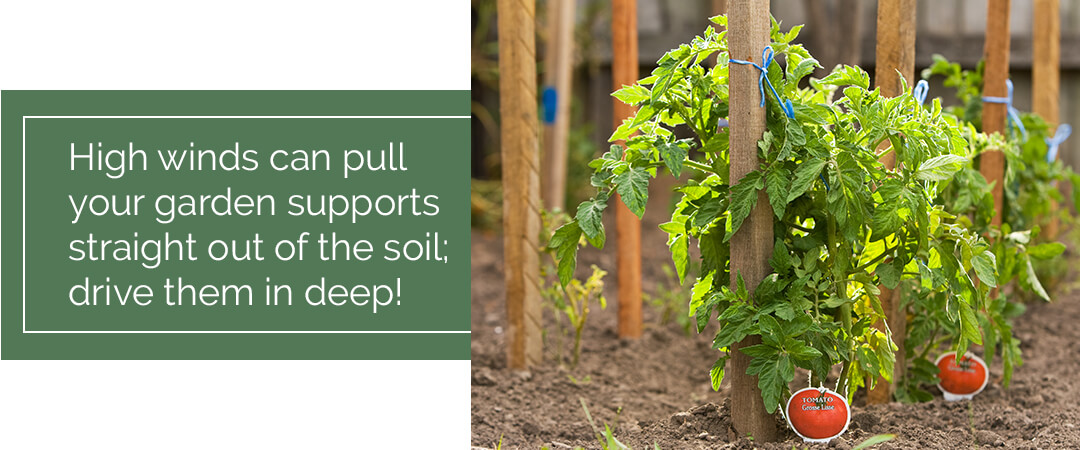
High winds can pull your garden supports straight out of the soil, and that can do some serious damage to your veggies. If you drive your stakes down into the dirt deeply, you won't have to worry about that happening. Making sure they're on the Northern side of the stem will be helpful too, especially if your supports are thicker, then they won't block any of the sunshine!
Tie Stems As They Grow Every 6 Inches
As your plants continue to grow, you need to keep securing them along the way so they don't flop. Monitor the development, and every time there's at least 6 inches of new growth, tie the stem to the support. Use material like gardeners tape, thick twine, velcro ties, or even strips of old pantyhose for securing.
Don't Tie Stems Too Tight
Leave a little bit of wiggle room—about one inch around the stem. If the ties are too tight, they could cut into the stems and hinder proper development. Try to avoid spots where leaf shoots are likely to emerge, so they don't get all bunched up. Instead, try to stick them a bit above the leaf shoots, so they'll stay in place and won't slide down the stem.

Replace Stakes When Needed
If your supports become too small, you need to replace them to accommodate for more growth. Some fast-growing plants may need to be re-staked every couple of months, or even sooner. Drive your new supports into the same hole as before, to avoid disturbing the roots. It helps if you use a mallet to drive it in deeply.
Are you in need of some supports and equipment to help your veggie garden along? Visit Eising, or place an order over the phone for curbside pickup or delivery. If you have any questions, don't hesitate to ask—we love to help our fellow gardeners!