
By Dave Zeldon and Ely Schweyer
Got cabin fever? Perhaps you’re going a little stir crazy looking out the window and seeing the drab, limited pallete in your seemingly lifeless outdoor space. It’s important to embrace this time of year as the composting and cleansing part of Earth’s cycle before spring’s renewal – but that doesn’t mean we should be trapped inside forever. Here’s a winter/early spring list of activities, divided by indoor (Part 1) and outdoor (Part 2), for the gardener and yard keeper.
☝️ First, let’s quickly note the important activity happening under the snow – and how your actions now will affect the summer garden!
What's Going on Outside When We Aren't Paying Attention?
Before heading out to attend to these jobs have a look at the ground beneath you.
If it is frozen hard you are good to go but avoid treading on the crowns of perennials.
If it has been warm and sunny and the soil is warm and dry, consider laying down a few planks to walk on.
If the soil is soggy then postpone those tasks until it has dried. What we are trying to protect is not your shoes but the soil itself.
Ideally, soil is comprised of 50% solid materials such as minerals and organic matter in various stages of decomposition, and 50% open air space. Water from rain or melting snow enters the soil, displacing the air. Wet soil is easier to squish down and that process is called compaction.
While walking on wet soil would not seem to have much effect, it occurs within the depth where annuals, perennials and lawn grasses have their roots. Compaction makes it harder for roots to grow through the soil. Roots can grow stronger to push aside the soil particles, but tougher roots are less effective at drawing in nutrients and moisture. Removing air spaces makes it more difficult for water to percolate down so compacted soils remain wetter. Plants don’t grow as well and are more prone to insect damage.
The freeze/thaw cycles of fall, spring, and winter heave the soil relieving compaction and aerating the soil; a good way to start the growing season. Preventing further damage to the soil is relatively simple. Stay off it when it’s wet. Later, consider using pavers or pathways in heavily travelled areas of the lawn. Aerate the lawn with a machine that removes small plugs of soil and redistributes them over the surface. In beds and borders, add compost and use a thick mulch layer to absorb some of the pressure.
And stay off it when it’s wet.
With this in mind, we can appreciate Earth’s renewal capabilities, as well as prevent destroying our yards and gardens!
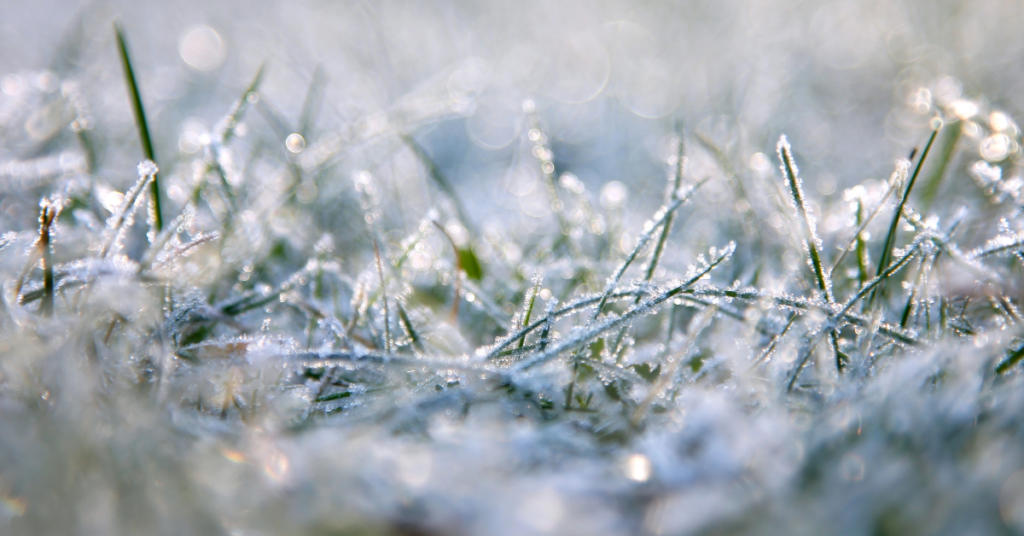
Part 1: Activities for When it’s too Cold and the Soil isn’t Ready Yet
Yup, it’s bleak out there. It’s time we make that herbal tea and turn our attention to creating a lively, green indoor environment, even if just to get us through the winter. Here’s a to-do list for trapped gardeners and plant enthusiasts to make the most of our wintry sentence.
Indoors: Get Inspired!
- Expand your knowledge: There’s an endless plethora of botanical media at our fingertips, use this down time to learn more!
- Sustainable winter crafts: Why buy décor and gifts when you can make them from materials found outside? Perhaps you dried flowers or found some interesting seed pods – time to display them, and perhaps, eventually compost them.
- Visit botanical gardens: Ely’s boyfriend took her to the Royal Botanical Gardens as a birthday gift last year! Botanical gardens are a great way to experience interesting plants being preserved in a welcoming environment that differ from the dreary winter outside.
- Get floral: Try buying flowers and displaying your own arrangements! Colour is something we sometimes lack in the wintry months, and this is a good way to introduce it impermanently.

Indoors: Thinking Ahead!
- Use this winter down time to plan the next garden season - find more here on garden planning.
- Use a garden journal to assist your garden planning - see here inspo for garden journaling.
- Consider planning companion plants - see more here on companion planting.
- Go pot shopping – your local greenhouses and ceramic shops would love your support in the winter.

Indoors: New Beginnings!
- Bulb forcing and small science experiments: Flowering bulbs like amaryllis (more on amaryllis here) aren’t just a holiday splendor! Now is also the time to create cuttings to share with friends.
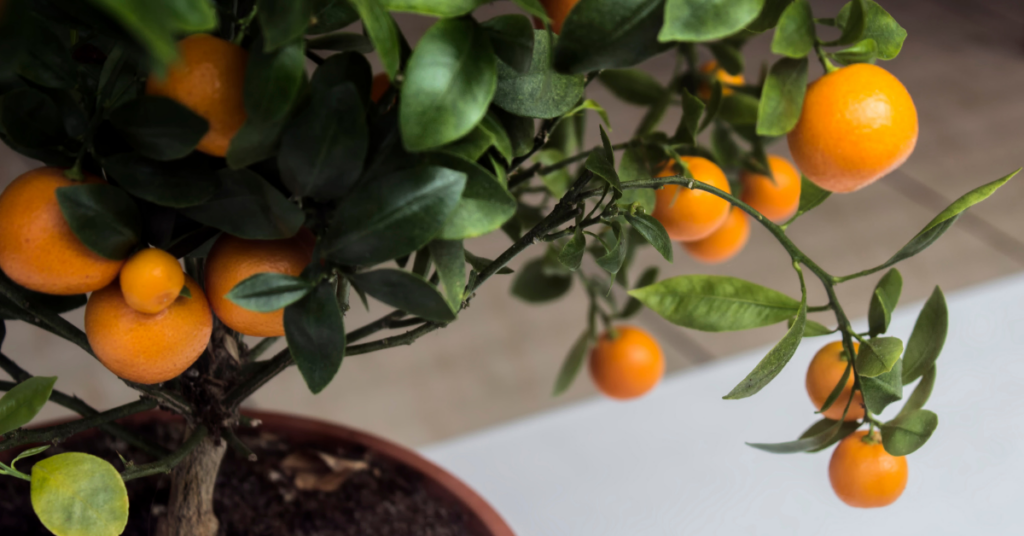
- Invest in winter fruiting botanicals like indoor fruit trees. Small, potted citrus by the window don’t only liven up the place but offer nutritious treats in the winter. Consider a calamondin!
- Microgreens - see our blog about it! When it’s too early to start seedlings that will go in the ground, you can still garden right on your kitchen counter.
- In late winter, start seedlings: but make sure you don't do so too early! Untimely seedlings can be too leggy before it's time to plant them outside - learn about hardening off seedlings here.
Part 2: When the Soil IS Ready!
Suit up!
Outdoors: Don’t Fall Behind!
- Appropriate seasonal décor: It goes without saying stringing lights and ornaments everywhere is good for the spirits in these dreary months… however 😬… come February, they seem to lose their vigor. Taking the décor down in preparation for new exciting things to come is also good for the soul! Remember to recycle your Christmas tree (see how here)!
- Turn your compost! Perhaps you’ve faithfully continued to add to your compost all year – your garden thanks you! On a warm day, remember to turn it and aerate it so it’s ready for spring.
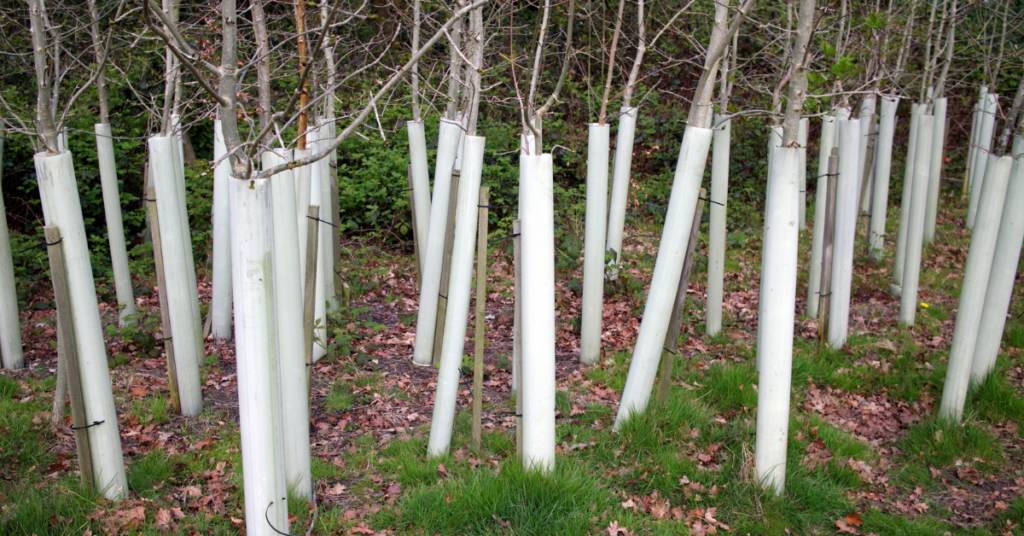
- Cover all your bases: Make sure to prevent rodents from damaging your tree bases by wrapping them well above the anticipated snow level – so rodents can’t chew your unprotected trees with the helpful elevation of snow!
Outdoors: Get Inspired!
- Go for nature walks: if you can safely go for a walk, hit the trails or stroll around your neighbourhood! A slow-paced change of scenery will help to fight your cabin fever, keep you active, and help you gather inspiration from the natural world.
- Visit your local maple syrup producers for tours.
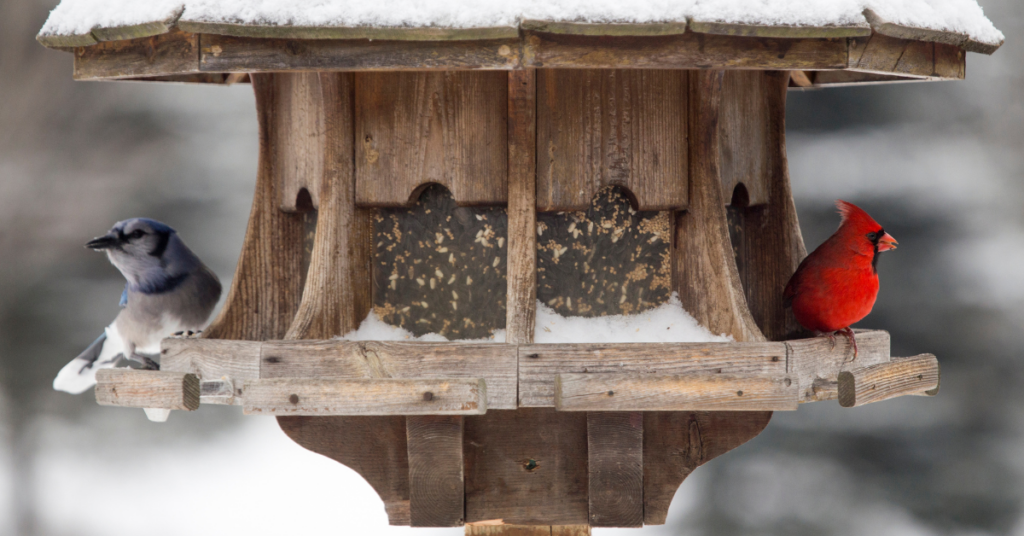
- Don’t forget our critters: Provide winter homage and appropriate food for our nonmigratory friends (i.e., hutches and feeders) outside windows where pets can observe nature too!
Outdoors: Thinking Ahead!
- Winter weeding: Some tough varieties of plants have evolved to use other plants’ winter dormancy to their advantage, tugging them out now will ensure that you and all the wanted plants in your garden have a fair start this spring.
- Manage snow piling: Heaped snow piling can kill plants including lawn, as well as introduce gravel and debris to areas where gravel is not wanted. Make sure your snow piles aren’t suppressing anything you’d like to live this summer.
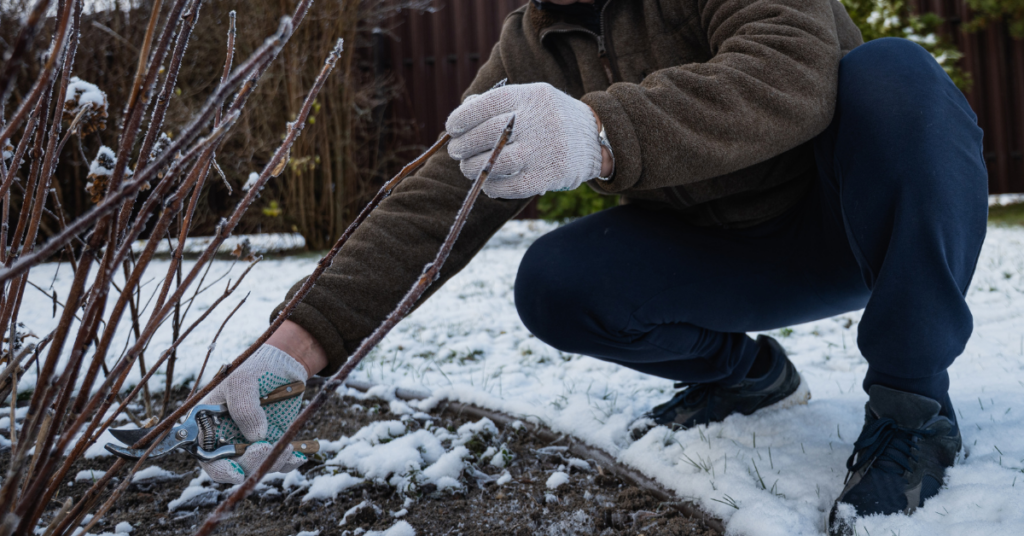
- Early spring: Perhaps ice storms and plows have done a number on your trees and shrubs - prune broken branches to prevent pests and disease from entering your plants.
- Litter control: pick up the debris revealed by melting snow so it doesn’t venture farther into natural habitats or tempt wild animals to hurt themselves.
Outdoors: Start Something New!
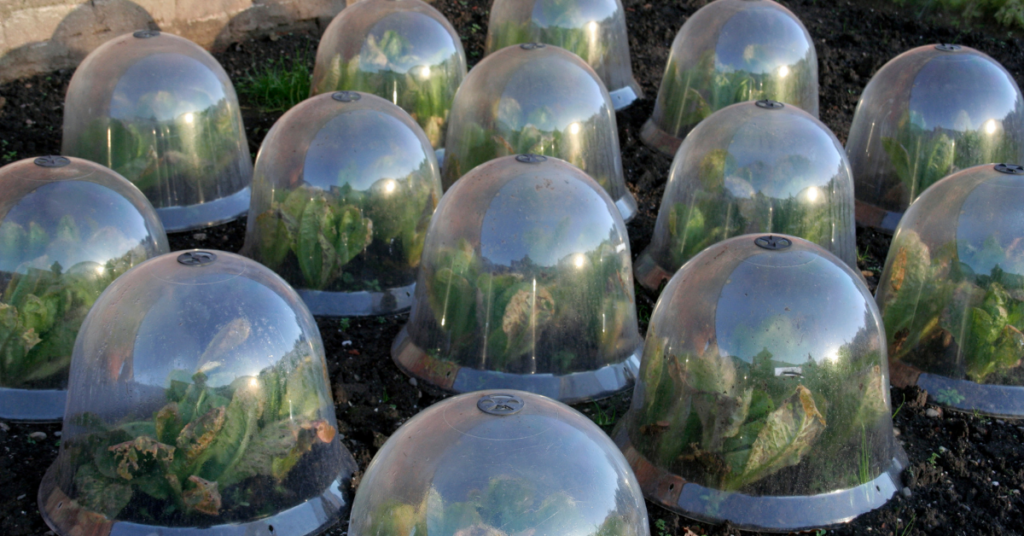
- Cold hardy crops in cold frames: Cold frames are doable! Use recycled materials - Victory gardens often used car windshields and old windows – to construct in-ground beds facing the sun (southwards) for passive solar heating.
- Winter sowing: Find more on winter sowing here.
We hope these suggestions help you stay green this spring and winter! For more gardening activities, see our other blogs here. We hope to see you this spring (March 5th, 2026) at Eising Greenhouses and Garden Centre! 🌱❄️
Christmas Gift Buying Made Easy
By Ava Green
The Eising Holiday Gift Guide has become a popular tradition, and this year, I asked staff members to share their favourite gifts. We have some great picks to brighten anyone’s holidays: family, friends, teachers, hosts/hostesses, the cat sitter, the dog sitter - anyone you would like to wish a Merry Christmas to!
Everlasting Decorations

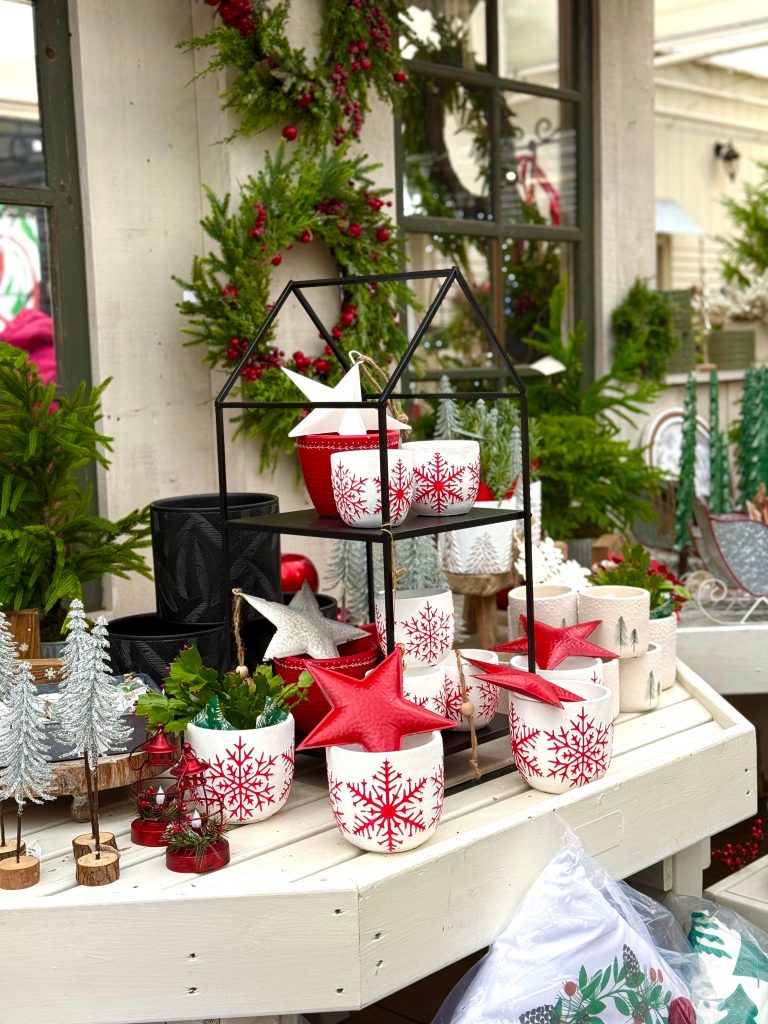

What looks good every year? Everlasting decorations! Kirsten’s favourites are natural wreaths with just a bit of an embellishment. Elegant, timeless and oh-so-festive!
An ornament from our Giving Tree is Arlene’s choice because she can gift the beautiful glass cardinal, and the proceeds go to the local toy drive. Now that’s a gift that keeps on giving!
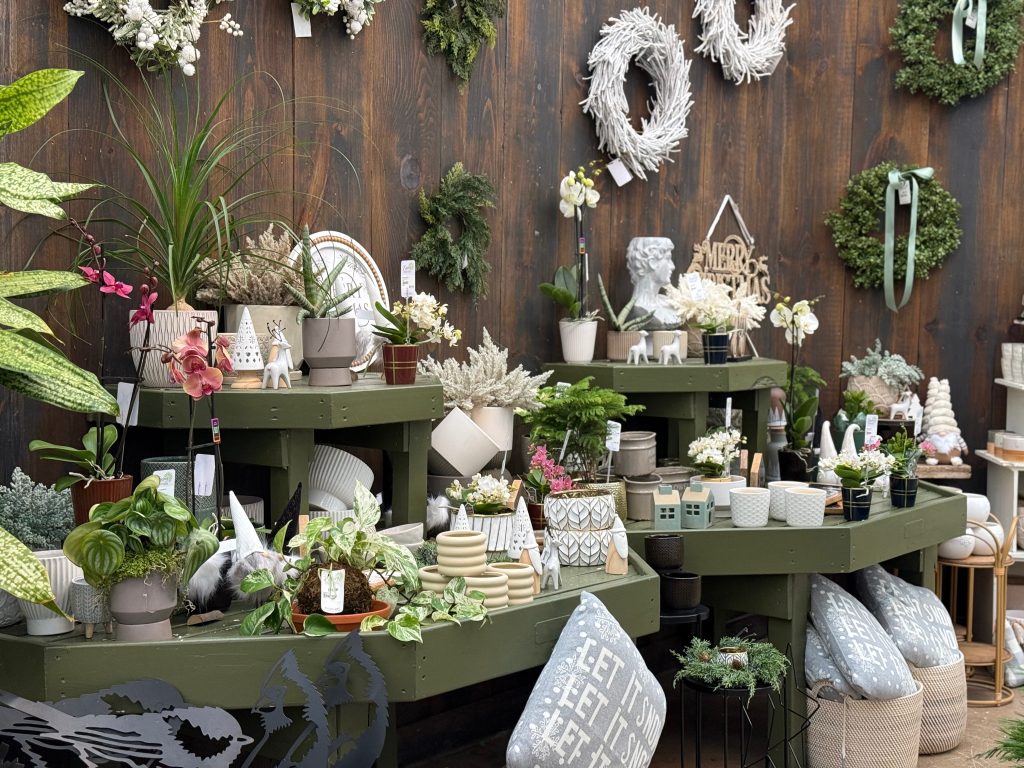
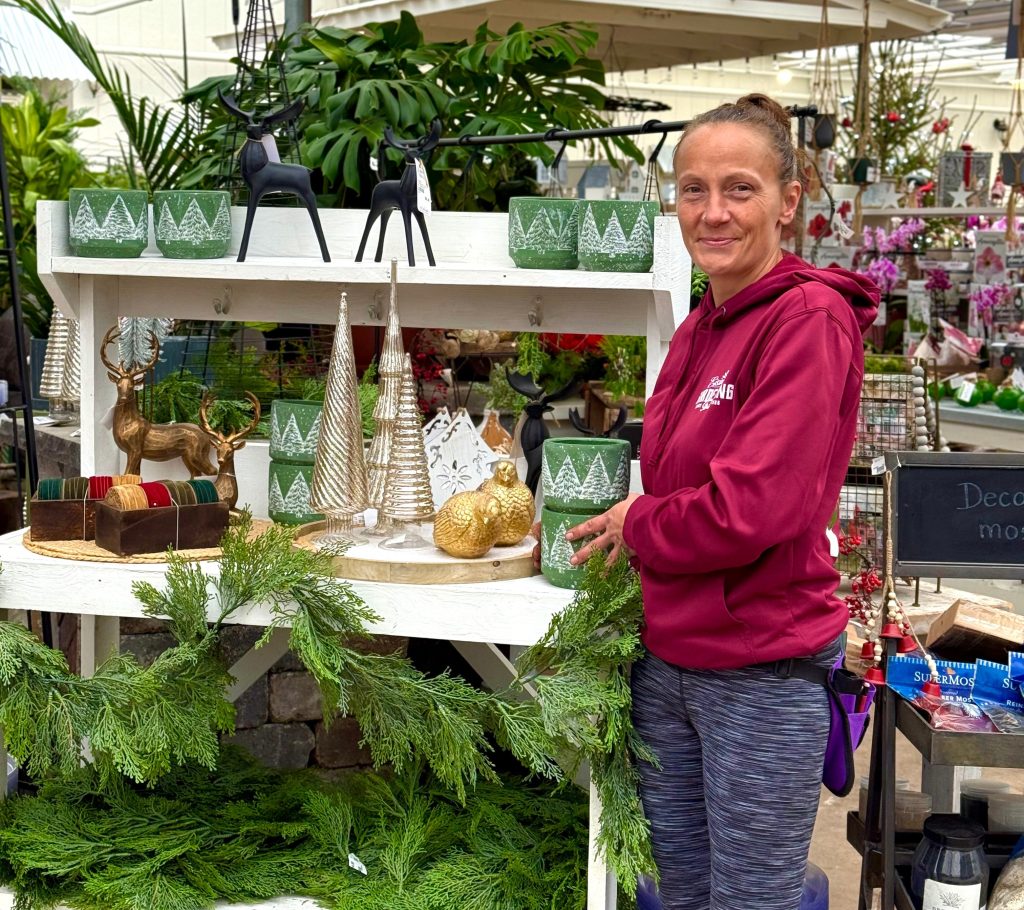
We also have lots of beautiful everlasting garlands, and Lindsey’s favourites: holiday-themed decorative containers to choose from. These festive plant pots transform any houseplant into a Christmasy gift or are perfect for holding other treasures if you’re creating a gift basket.
Fresh Greenery
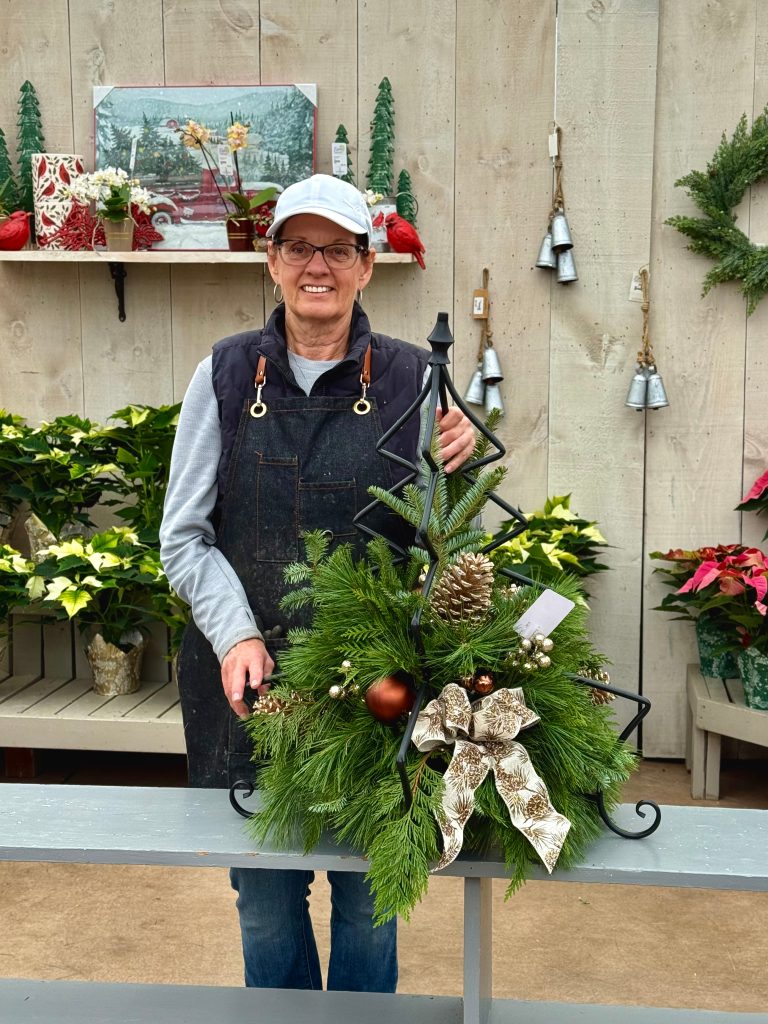
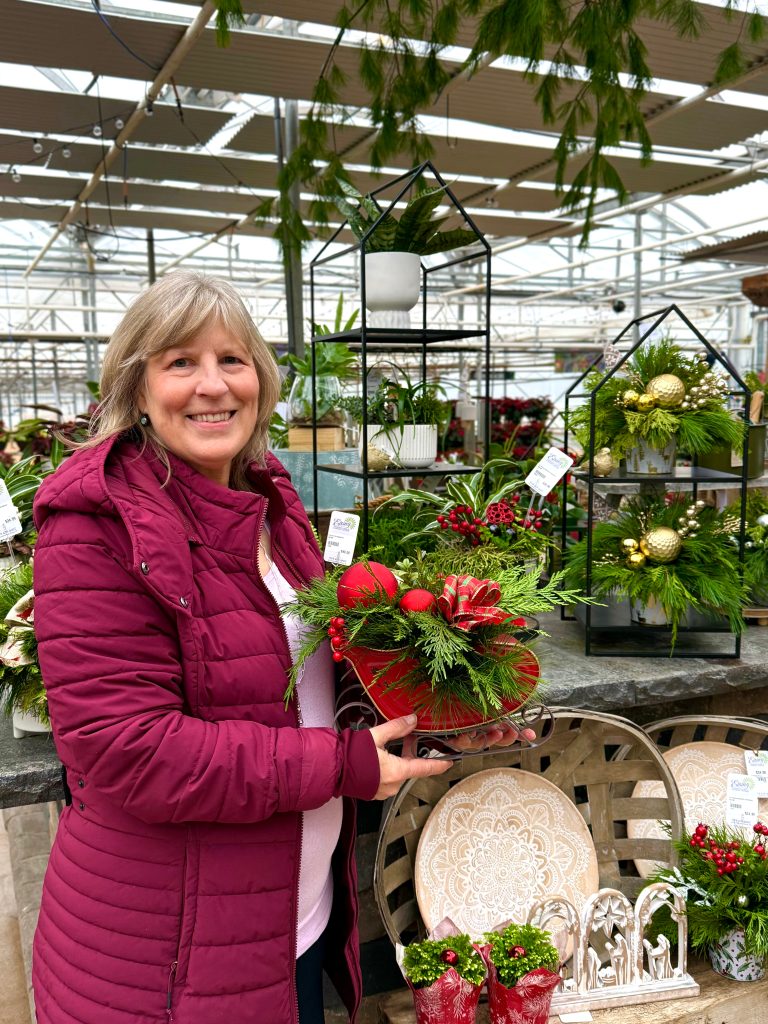

There’s an entire team of decorators, no…creators, no….elves, no…very talented staff members who spend the holiday season making the most beautiful urns, planters, and fresh greenery centrepieces. Donna and I are holding two of our favourites. Mary stopped making festive urns just long enough for this photo to be taken! She really pours her heart into it.
Tropicals, Holiday Plants, and Bulbs
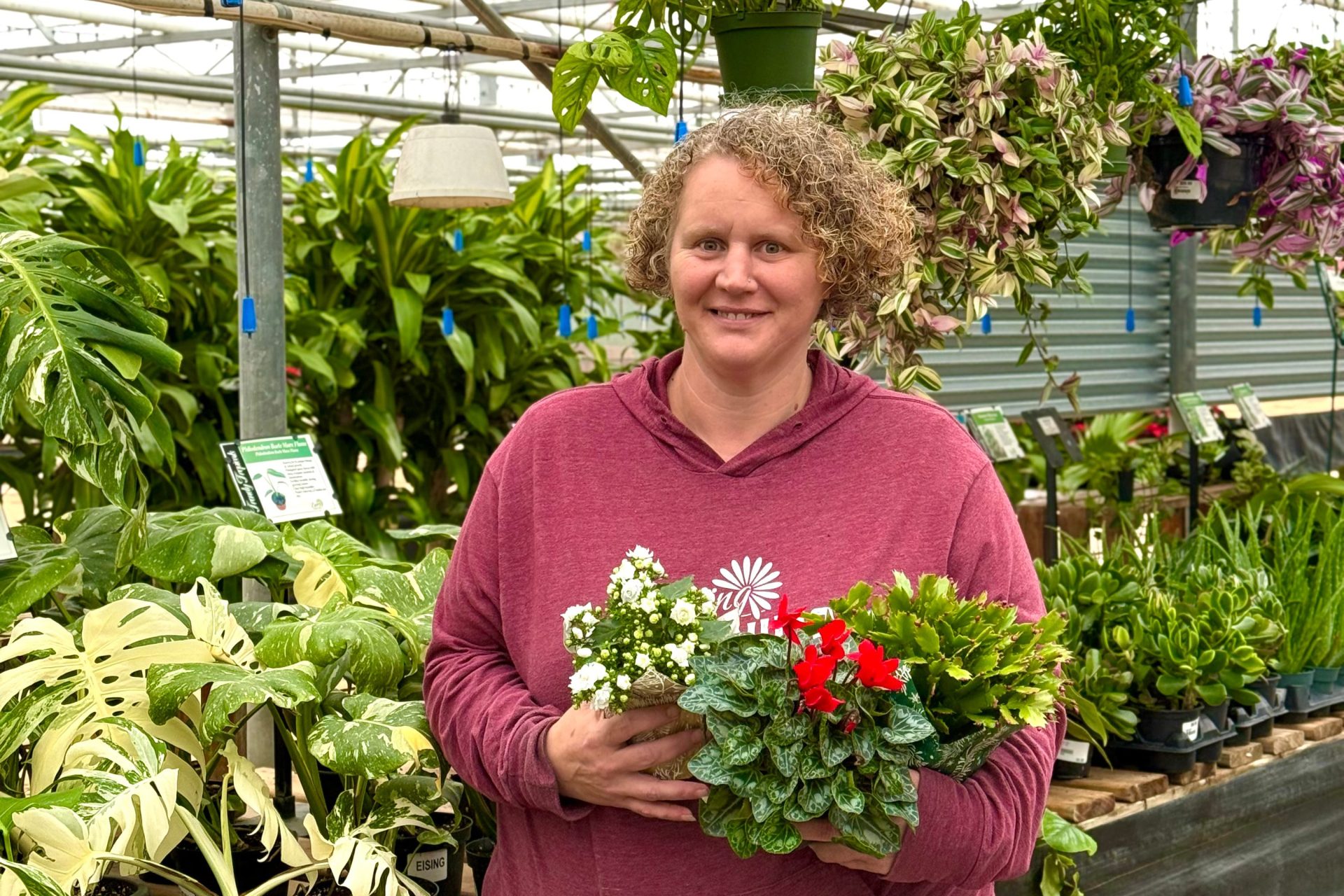
As always, Courtney has a phenomenal selection of tropical plants to choose from. Do not ask her which one is her favourite. Trust me. Too many to count.
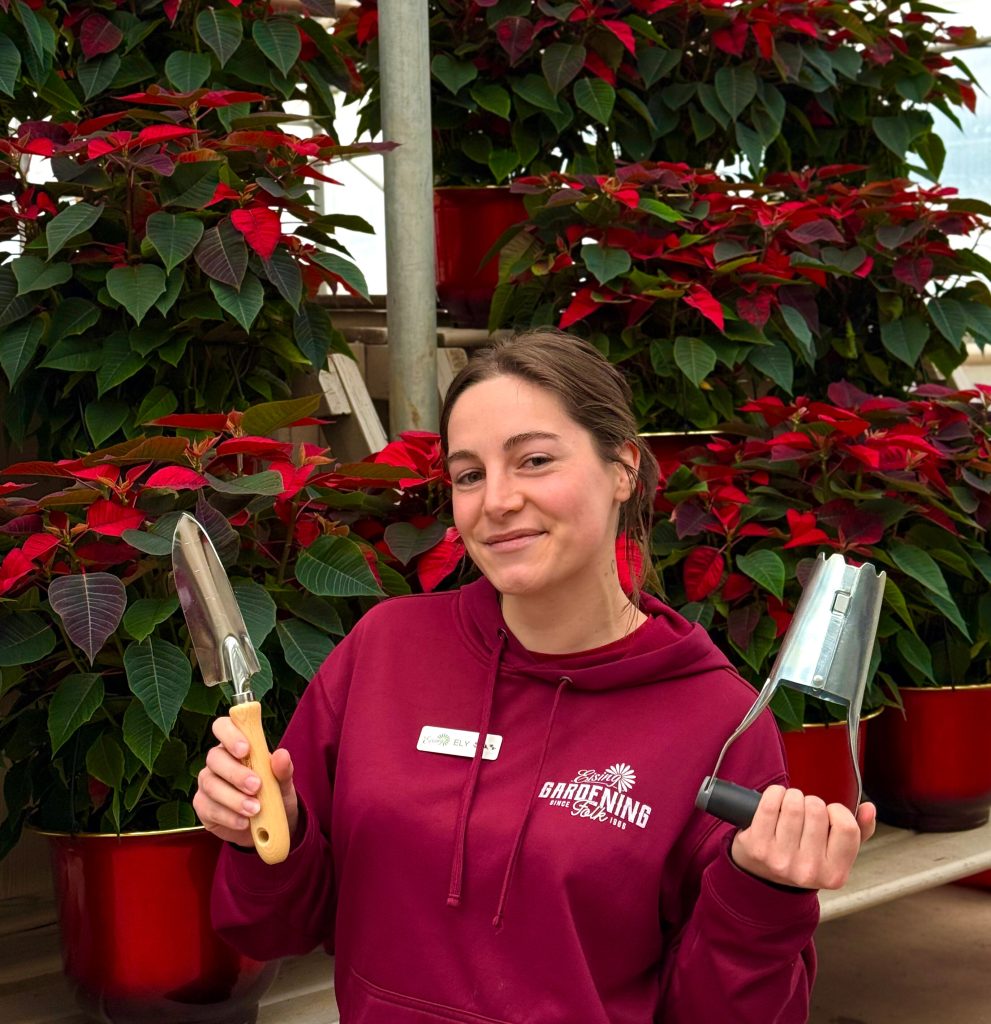
Ely is hoping for some gardening tools under the tree this year, and what gardener couldn’t use an array of trowels?!
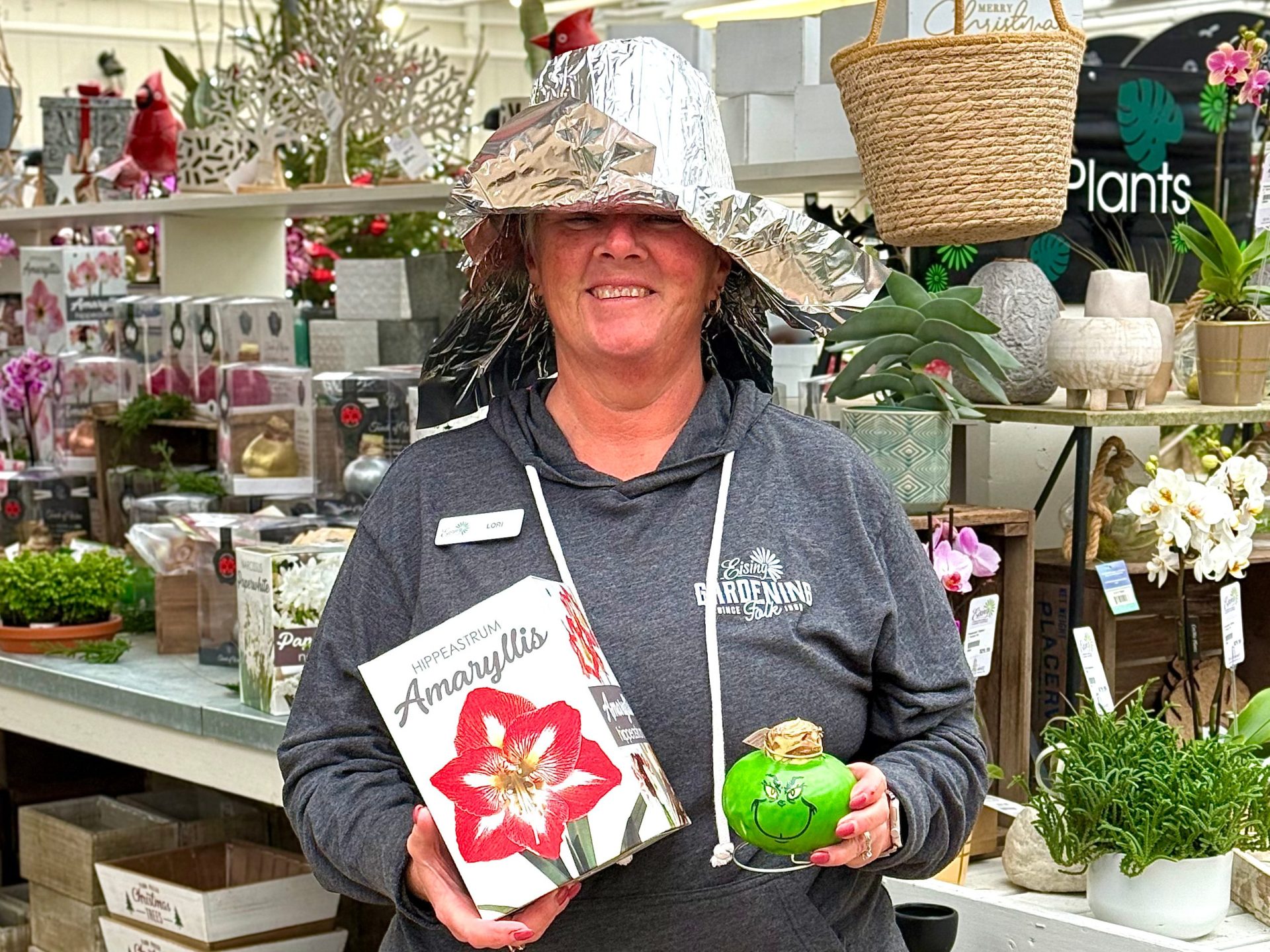
Lori is ready for a party with her favourite hostess gifts - Amaryllis bulbs. Apparently, the Grinch likes plants, too. Who knew? Cindy Lou Who, possibly, and Lori.
Sassy Fashion

Donna is wearing and holding some of her favourite clothes, jewelry, accessories, and products from Sassyfras Boutique inside Eising Greenhouse. Yes, she has many favourites. In her defence, who can pick just one thing from Sassyfras?! Not us.
For Your Favourite People!
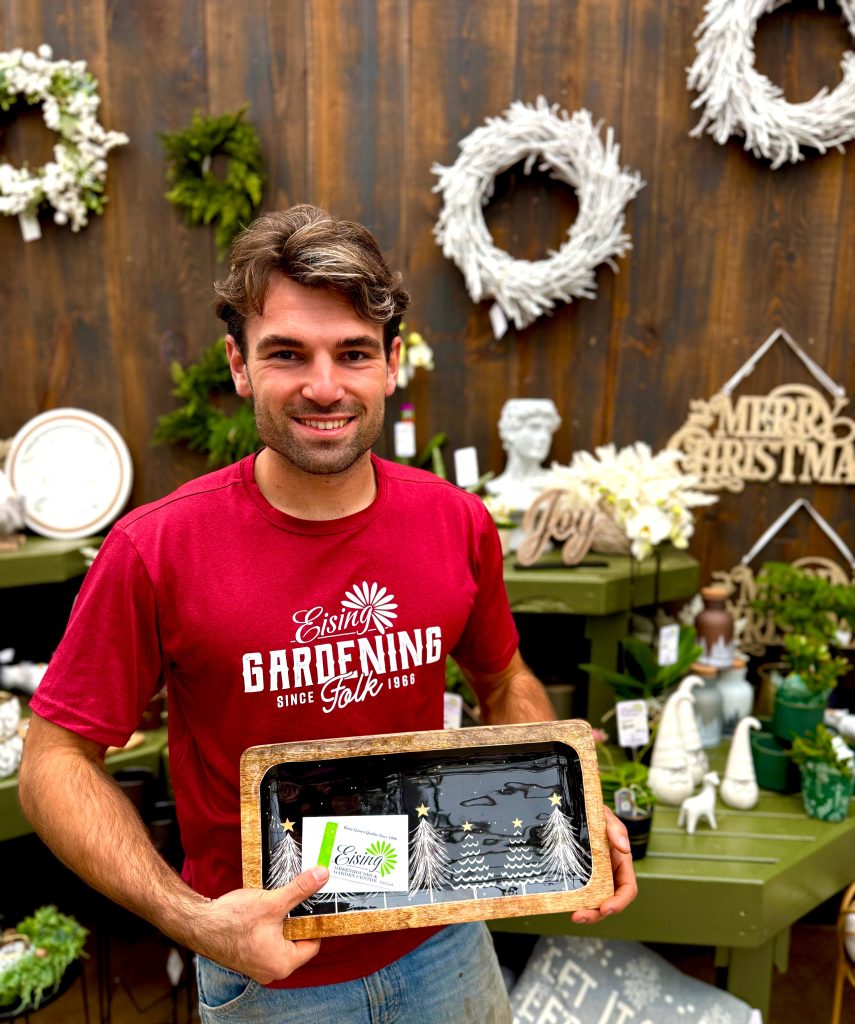
Finally, this is THE most flexible item in the guide, our Eisings gift card. It can also be the perfect solution for the person who has everything already and is hard to buy for. Why is this Lucas’s favourite? Eising gift cards can be used for plants, landscaping, trees, shrubs, perennials, annuals, seeds, tropicals, decor, pots, garden tools, and any other items sold in the greenhouse. And that’s not all! Gift cards can also be used for anything in Sassyfras Boutique. So many options!
Good Tidings To All!
During this season of abundance, Henry and all of us at Eisings hope you get all of your favourite things, but mostly we wish you a safe and happy holiday season! ✨
You read that right. Easy houseplants exist, and there are some very cool varieties too. Easy does not mean boring!
Plenty of tropical plants are forgiving and require little fussing—you just need to know which ones and how to care for them.
These plants are generally resilient and forgiving of occasional neglect, making them perfect choices for new growers. When choosing any houseplant, consider your home's lighting conditions and the care you can provide.
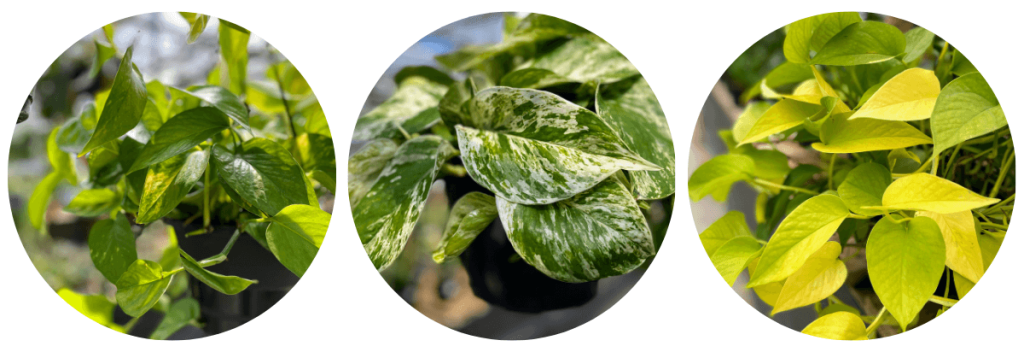
Pothos
Pothos vine is one of the easiest houseplants to grow and is perfect for beginners.
Bright and indirect light is what this plant loves, but it will also grow in low light - just not no light.
Allow the soil to dry out between waterings. Too much moisture will cause the roots to rot. The plant’s leaves will droop and let you know when it needs a drink!
Feed Pothos with a balanced fertilizer monthly in Spring and Summer only to keep it thriving.
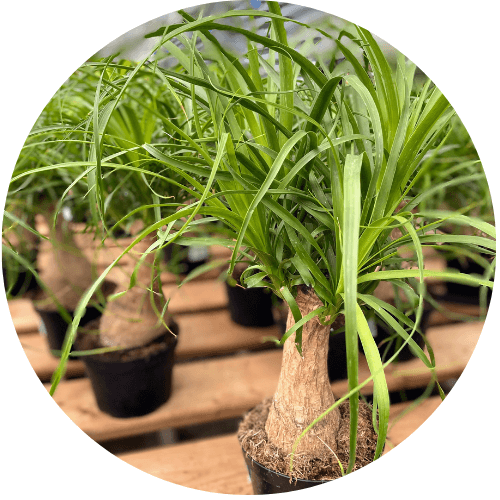
Ponytail Palm
Give this plant the brightest location in the house. It loves full sun or bright, indirect light. They will survive to 10 Celsius, but this plant loves warmer temperatures.
Be careful not to overwater Ponytail Palms. Because water is stored in the bulbous stem, they only need a drink every 7 to 10 days during the summer. In the winter, cut back to monthly watering.
Use a slow-release pellet fertilizer in the Spring for carefree maintenance.
Trimming the tips off damaged leaves will keep them healthy.
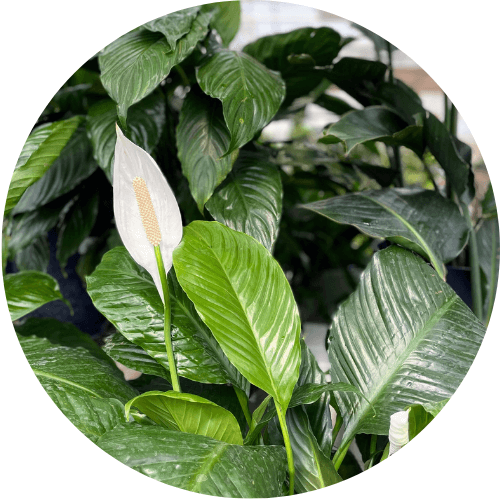
Peace Lily
This plant loves filtered or indirect sun (place it a few feet away from a sunny window or in an east-facing window) and moderately moist soil.
While Peace Lilies love moist and warm conditions, keeping them under-watered is best. Use your finger to check the soil’s moisture. Water this plant when the top inch of soil has dried out.
Use slow-release fertilizer pellets in the Spring or feed the soil weekly during the summer with liquid fertilizer. This plant enjoys frequent feeding during the growing season.
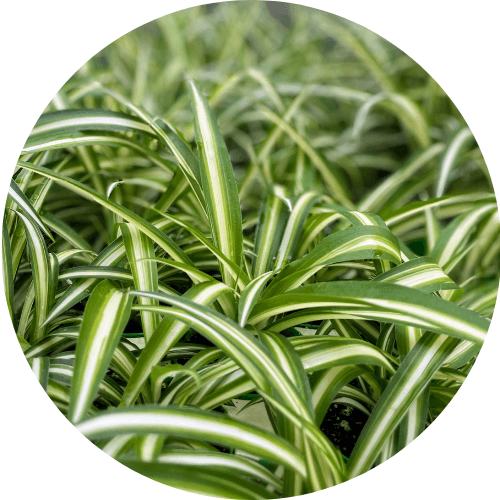
Spider Plant
Spider plants are straightforward to grow. They prefer an area with partial sun or semi-shade that is warm.
Keep the soil lightly moist, not soggy!
Use an all-purpose fertilizer during the summer months. Trim off any brown leaves as needed.
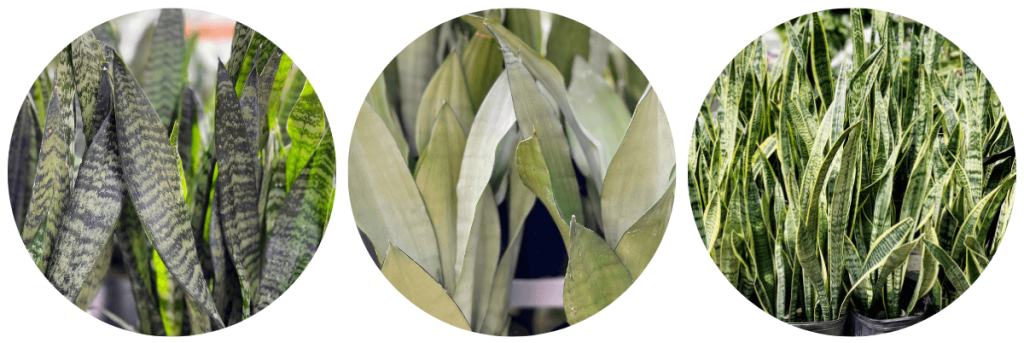
Snake Plant
Indirect sun (a few feet away from a sunny window) or a couple hours of early morning sun will keep this plant happy. These tropicals thrive in warm temperatures with no cold drafts.
Do not allow your Snake plant to sit in water! Water deeply, then let it drain only when the soil is dry.
A 10-10-10 balanced fertilizer at half strength once in the spring and again in mid-summer is all the plant food it needs!
One Final Tip
Most houseplants do not like chlorinated or treated tap water. If possible, water your plants with filtered, distilled, or rainwater. If you only have access to tap water, allow it to sit in an open container for several days until the chlorine evaporates.
Following these simple guidelines will keep your plants healthy, and in return, they will provide natural beauty to your home.
If your home decor is feeling a little uninspired lately, adding one large indoor plant in a pretty container can make a world of difference! With vibrant, fresh colour, big glossy leaves, and powerful air-purifying properties, you’ll love the way your room feels with the addition of an extra-big houseplant.
Big Houseplants = Maximum Style Impact
These beautiful behemoths grow to impressive heights, instantly becoming the focal point of any room. With all the beauty and style of a tall, elegant art sculpture, but with a much more modest price tag, there are so many reasons to love these large indoor plants.
Majesty Palm
A breezy palm plant never fails to bring that carefree “California coast” vibe to your indoor scenery. They grow up to 10 feet tall, so if you want your majesty palm to get as large as possible, fertilize it from spring to fall and repot it in a slightly larger container every two years. This tropical beauty is also non-toxic and pet-friendly, so you can safely add it to your home decor if you’ve got cats, dogs, or curious kids.
Snake Plant
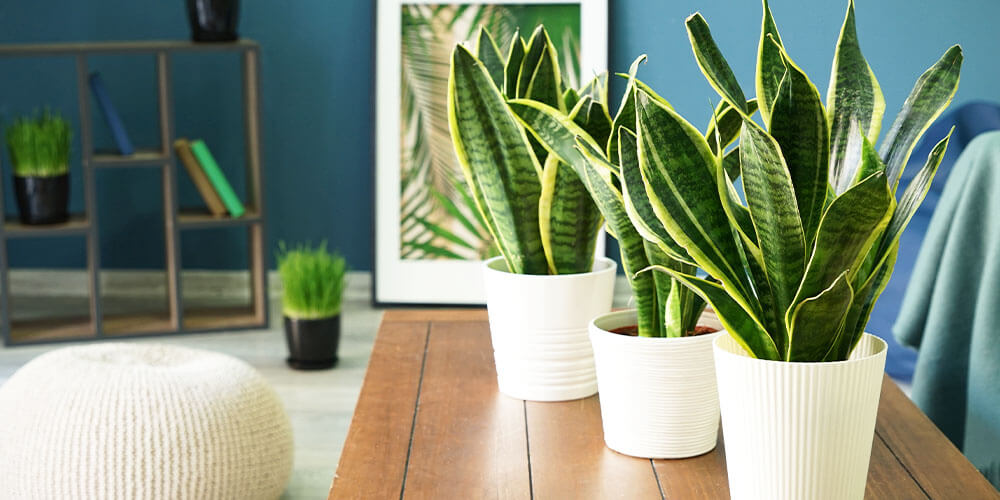
The snake plant, or sansevieria, is one of the easiest large indoor plants to grow. It thrives in low light, only needs to be watered 1–2 times per month, and it has the most incredible foliage! Its tall leaves grow upward like swords but with a slight ripple and beautiful colour variegation. They’re an excellent large plant for small indoor spaces because they don’t spread outwards and can be easily tucked into tight corners.
Philodendron Hope Selloum
The ruffled texture of this rainforest beauty adds an exciting, exotic edge to your decor. Like many other large-sized philodendrons, this plant produces aerial roots that help it cling to surfaces so it can grow even taller. A moss pole or stake can provide some extra support so the climbing stems can remain supported. However, if you accidentally break one off, don’t fret! The cut stems can live in a vase of water for several months, so they make a cool decor accent for your coffee tables and shelves.

Monstera Deliciosa
This super stylish indoor plant is large and in charge! Its distinctive hole-filled leaves have the most gorgeous, satiny sheen. Resist the urge to put them in direct sun—it will scorch that fabulous foliage! Instead, find a spot with bright, filtered light. After all, this plant is accustomed to living under a rainforest canopy of tree leaves, so it prefers a little protection.
Money Tree
What makes the money tree so special? On top of having large leaves that fan out like big green stars, it has multiple flexible trunks that are often braided early in its development. The result is an absolutely gorgeous, sturdy trunk that looks like woven rattan furniture. Find bright, indirect light for your money tree, and turn the pot 90 degrees each time you water it. This way, the leaves will get equal exposure to the sun, and you won’t end up with a lopsided plant.
Fiddle Leaf Fig
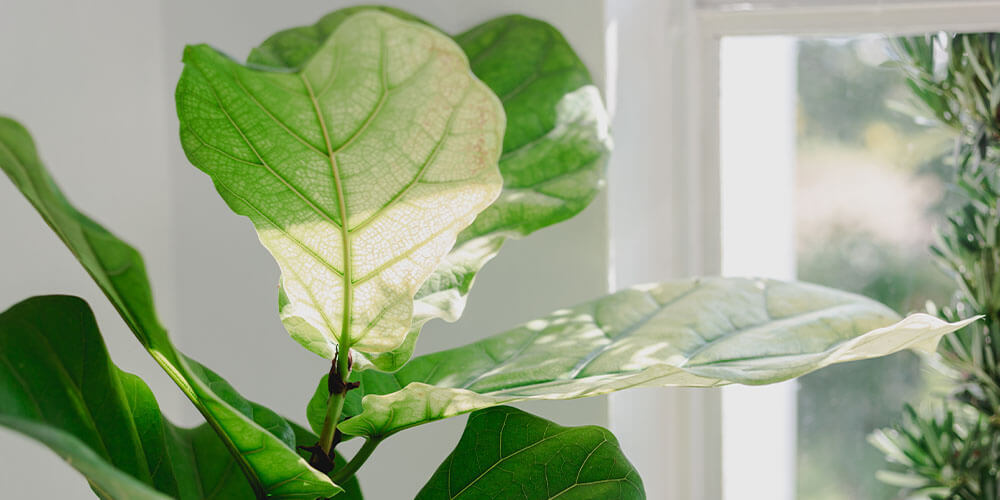
If you’re on the hunt for large indoor trees that won’t completely take over your whole room, the fiddle leaf fig is an absolute must. Its stunning foliage has us absolutely swooning! However, it is a bit more finicky than your typical houseplant. It likes humid air, is very sensitive to cold drafts, and prefers bright, indirect or filtered light. Once you find the perfect spot in the room for your fiddle leaf fig and nail down a consistent watering routine, it should remain glossy and gorgeous.
Looking to buy large indoor plants in Simcoe? Visit Eising Greenhouse and Garden Centre—we’ve got an incredible collection for summer 2021 that you’ll absolutely adore!
Just because they’re indoors doesn’t mean nothing changes for your houseplants when the seasons change. Even though they’re inside, the shorter days in fall and winter and the indoor climate change when the heating comes on affects your houseplants.
Almost all houseplants slow down their growth in the fall and winter, and some even have a period of dormancy. When they’re growing more slowly and getting less light than they did in summer, their care needs change as well.
Here are nine ways to keep your houseplants happy through the fall and winter in Simcoe.

1) Adjust your watering schedule. Because your plants are growing slower, they won’t be consuming as much water. If you usually water on a set schedule, do a quick check of the soil next time you water. Either test the soil with your finger to see if it feels damp, or use a moisture meter before watering your plants. Some of them probably won’t need it yet. If you have plants in terra cotta pots or small pots, you may need to water them more frequently than usual.
2) Increase the humidity for your plants by clustering them together in groups. Our heating systems tend to dry out the air in our homes, which is hard on plants. If your indoor air is really dry, you can add water trays under your plants, or use a humidifier nearby or keep a humidifier running nearby.
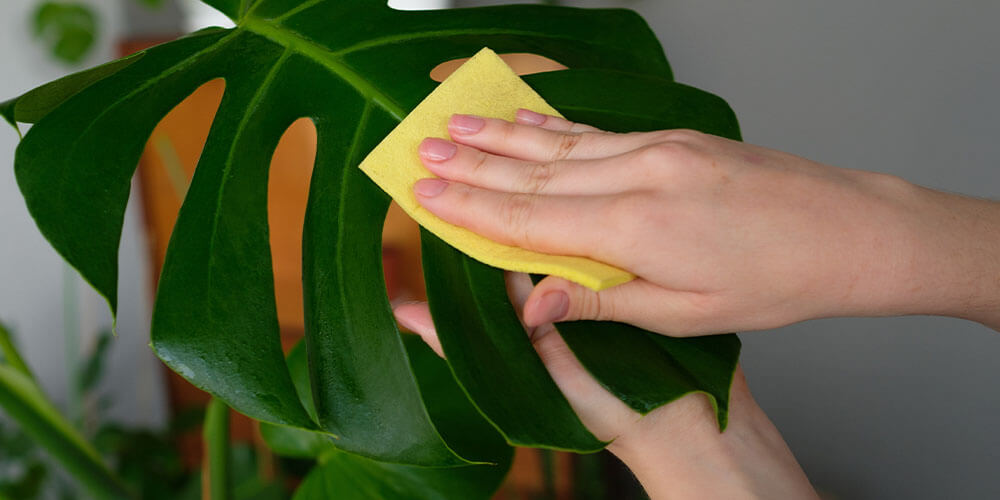
3) Clean the leaves of your plants. Another side effect of the furnaces turning on is extra dust in the air, which often settles on the leaves of your plants. Dust can impair their ability to photosynthesize, so wiping it off will help them stay healthier through the winter.
4) While you’re cleaning leaves, check for pests. Plants are more susceptible to pests in the winter because they’re not growing as quickly and the air is drier. If you find evidence of pests, immediately quarantine your houseplant and start a treatment plan.
5) With shorter days and the lower angle of the sun, your plants may need more light. You may need to move some of your plants closer to windows or further away from windows if they’re prone to sunburn. You may also want to add some grow lights to supplement the short days.
6) Stop fertilizing your plants in the fall and don’t start again until spring. Because your plants are growing slower right, or not at all right now, they don’t need extra nutrients and minerals. Start fertilizing again once they’ve started to show signs of new growth in the spring.
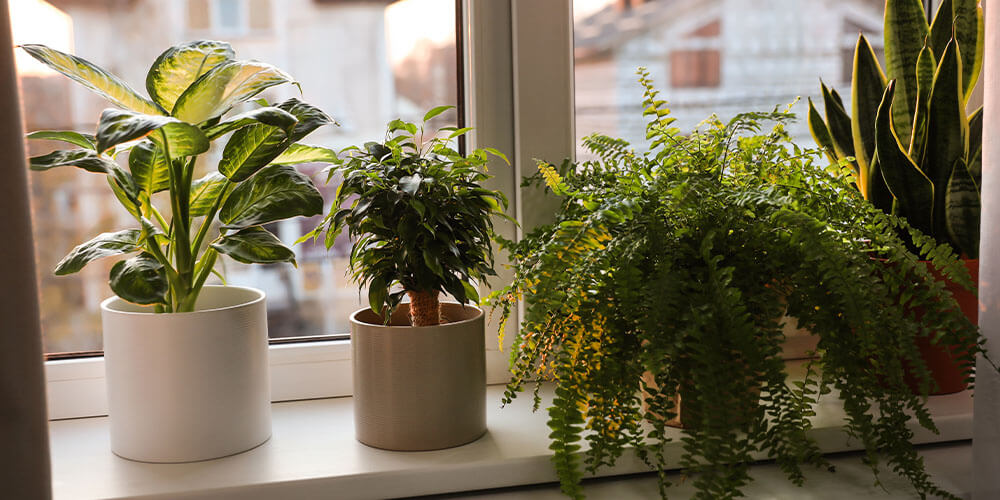
7) Plants that aren’t getting enough light may lean towards the windows in the winter. Every time you water, rotate any leaning plants a quarter turn so they start to straighten out.
8) Houseplants don’t love drafts, whether from the furnace or from windows and doors, and they also don’t love large temperature fluctuations. If your plants are getting lots of drafty air, move them around to places where the temperature and air movement is more consistent.
9) Let your plants rest through the winter. Avoid fussing with them too much, and don’t do any pruning or repotting, unless absolutely necessary, for the next few months.
With all the extra time we've been spending indoors, now is a good time to start collecting air-cleaning houseplants. Many of us are craving some fresh spring air, but these natural air purifiers are the next best thing. We often underestimate just how powerful our plants can be — after all, they look like they're just sitting there. In fact, they're constantly in a cycle of soaking up carbon dioxide, airborne pollutants, and toxic compounds like carbon monoxide and turning it into fresh oxygen for us to breathe.
If all this time inside is making you feel a bit groggy or stuffed up, you'll definitely want to check out these five ultra-efficient air-cleaning houseplants—and we carry them all at our garden centre in Simcoe!
5 Air Cleaning Houseplants For A Healthier Home
Houseplants aren't just lovely to look at; they're like full-time cleaning staff who work in exchange for a little water and sunlight. NASA actually relies on air-cleaning houseplants for maintaining the air quality on their space shuttles! If the air in your home has been smelling less-than-fresh, snag some of these specimens for your home:
Spider Plant: This stringy, stripey plant is always a favourite — after all, it's pretty cool when your houseplant keeps sprouting new baby plants over and over again! By keeping your spider plant in a smaller container, it will be compelled to reproduce, resulting in tiny little plants. You can pluck and transplant these seedlings into bigger pots where they will grow into whole plants. Before you know it, you'll have tons of miniature spider plants to place all around the house for maximum purification power!
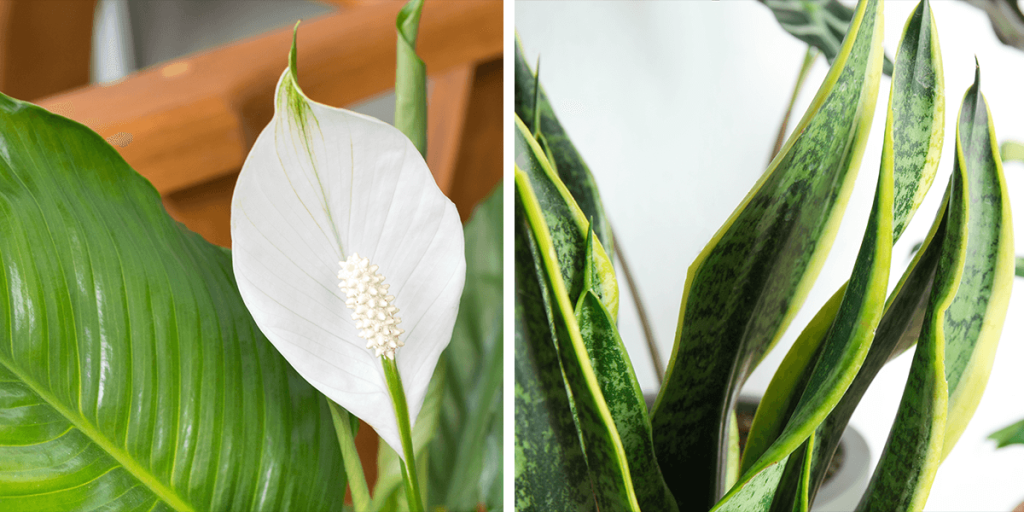
Peace Lily: There's something so elegant and pure about this houseplant, with its clean, white, single-petalled blooms. It looks like it jumped right off the canvas of a Georgia O'Keefe painting! The Peace Lily is also a wizard at making toxins disappear, filtering out harmful chemicals like formaldehyde and benzene. It also doesn't need very much sunlight, so if you don't have too many windows in your house, you can still easily grow this lovely flower indoors.
Snake Plant: This distinctive houseplant has recently seen a massive surge in popularity. Snake Plants, or Sansevieria, are some of the easiest plants to care for, and it's a total powerhouse when it comes to filtering the air. You can find some impressively large snake plants, but their flat, wavy leaves grow perfectly upright, so they don't take up too much room. You also won't need to water it very often— it doesn't enjoy soggy soil, and it really won't mind if you neglect it a bit.
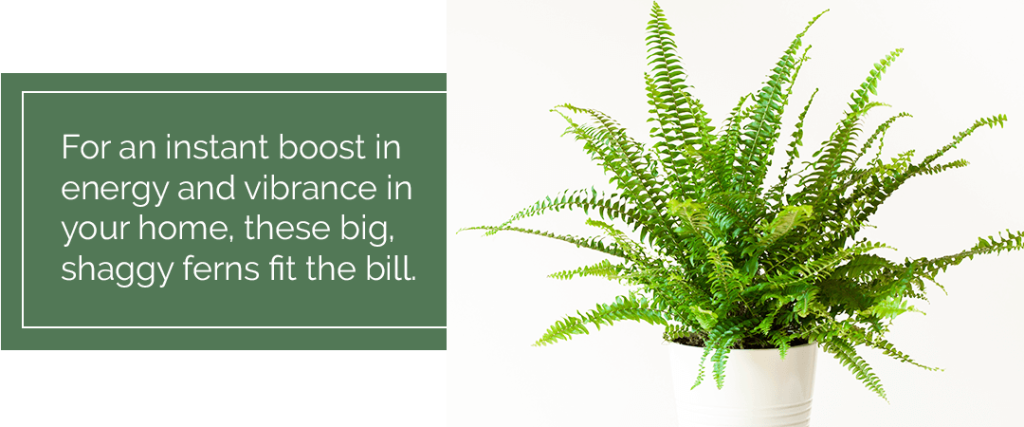
Boston Fern: For an instant boost in energy and vibrance in your home, these big, shaggy ferns fit the bill. They look fabulous in hanging baskets, but they're also great on pedestals and floating shelves, so their long leaves can trail elegantly downward. The sheer number of leaves on this colossal fern makes it one of the most effective air cleaning houseplants around, so it's sure to breathe new life into your home's interior. They do prefer a bit of humidity, so if the air is a bit dry in your home, it will help to mist the plant daily or plug in a humidifier.
Chinese Evergreen: There are so many different varieties of this wide-leafed houseplant — some have emerald green leaves with speckles of silver, some have cream coloured stripes, and others have vibrant red accents. Also known as the aglaonema, this much-loved houseplant will keep the air feeling clear and funk-free. Water it generously every week or two, making sure that the soil is loose and fast-draining, and the container has adequate drainage holes.

You'll be amazed at the difference these air-cleaning houseplants make within your four walls! Something about fresh oxygen and lush, green houseplants wakes up the brain and gives your mood an instant boost. Looking to pick up some more houseplants to go along with these air-purifying powerhouses? Give us a call at our garden centre! We're happy to process your order over the phone and arrange for contact-free curbside pickup.
It’s always nice to take some time away during the holiday season, but it’s kind of a hassle to arrange for a house sitter simply to take care of your houseplants. So, we recommend doing some thorough holiday-proofing before you go. With the right tools and a little prep work before you head off, you should be able to leave your plants for several weeks without worrying about them drying up. Here are the basics of holiday-proofing, so you can rest assured that your precious plants will be safe and sound through your vacation.
Holiday-Proofing Your Houseplants
Is it about time to start holiday-proofing your houseplants in Simcoe? Follow these simple steps for getting them all holiday ready for while you’re away.
First, water them thoroughly. Make sure the soil is thoroughly saturated, but if your pot doesn’t have drainage holes, try not to overdo it. If your pot has drainage holes and is placed on a dish, make sure you’ve watered it enough that water begins to collect on the dish. Be sure to dump the water in the dish before you leave so it doesn’t end up getting funky.
Remove any dead plant material. When dried up plant parts remain on a plant, it will still end up directing its energy toward those limbs. Nipping off those pieces should help your plant to grow stronger and use up resources and nutrients more efficiently.
Move them away from cold drafts and direct sunlight. An icy breeze sneaking in through a frozen window could shock your plant, and a ton of sun will end up drying the soil out too quickly. To maintain a safe temperature and reduce sun exposure without depriving your plants of light, try moving them a few feet away from the window.
Turn the thermostat down a bit. Indoor plants don’t mind a cooler base temperature as opposed to being in warm air. This will also help prevent the soil moisture from evaporating too quickly.
Huddle your plants together. It’s all about retaining that moisture, and plants that are all huddled in a bunch will be much better at conserving water.

How To Water Indoor Plants While On Vacation
If you’re going to be away on a holiday for over a week, you’ll want to put together a plan to keep your plants watered while you’re gone. There are a few ways to keep your plants watered while you’re lounging on a beach on the other side of the world, so try some of these methods for self-watering.
Purchase a drip-irrigation system. These automatic watering systems slowly release water over an extended period. There are several different models and designs to choose from, ranging from high-end electronic drip systems, and more budget-friendly options like glass water globes or spikes. Evaluate the size and quantity of your plant collection and select your irrigation system accordingly.
Build a DIY irrigation system. If you’re a crafty type who enjoys saving money by going the DIY route, there are tons of tutorials online for creating your own irrigation system using everyday household materials like mason jars or wine bottles. Browse through Pinterest to see if you can find one that works for your plants.
Mimic a humid climate with a water tray. If you’ve got plants that prefer humid environments and need to be misted occasionally, this is a great way to increase the moisture in the air. Simply fill a tray with pebbles or river stones, then pour some water in. Place your potted plant on top of the tray so it can enjoy some humid tropical air while you’re out soaking in the tropical sun!

Houseplants For Frequent Flyers
If holiday travelling is common practice for you, it might be worth sticking to plants that are low-maintenance and more tolerant of dry spells. These are our favourite options for all you globetrotters out there:
- Snake plants
- ZZ plants
- Succulents
- Cacti
- Chinese evergreens
- Ponytail palms
There’s no need to go to the trouble of paying a house sitter to come by your home just to water your plants. These tricks should keep your plants well-watered while you’re away on vacation. If you need to purchase any irrigation systems for while you’re away, come visit Eising and we’ll help you pick out the right models for your plant collection. Enjoy your holiday!
Christmas in Simcoe wouldn't be the same without fresh greenery and beautiful holiday plants, and the Christmas cactus is undoubtedly one of the most iconic. They make gorgeous additions to your home decor, brightening things up throughout the rest of those cold winter months. They also make fantastic gifts that are very unlikely to get returned to the store—after all, who doesn't love new houseplants? Here's a rundown of how to care for your favourite Christmas flowers and plants, for a winter season that's extra merry and bright!
The Christmas Cactus And Other Holiday Plants
These colourful cacti remain popular picks year after year, not only because of their fabulous floral displays but because they're quite hardy. With proper care, they can last for many years. The most common variety has bright red flowers, but you can also find purple, pink, white, and even gold flowering cacti!
To keep their flowers lush and bright, keep your cactus near a sunny window and water it whenever the soil gets dry, about once per week. Don't worry if the windowsill is a bit chilly—these cacti may actually drop their blooms if it gets too warm. If you'd like it to bloom for a second year, fertilize it once a month from April until October, and put it outside for a few weeks at the end of the summer. They prefer to be cozy in their pot, so you won't have to worry about repotting them for several years.
Our Other Favourite Christmas Plants
Poinsettia: These quintessential winter flowers never fail to add an extra dose of holiday cheer to your home decor. You can find poinsettias in stunning shades of cardinal red, creamy white, and soft pink. When it comes time to pick one out, always make sure they've got tiny little yellow flowers in their centre. These are called cyathia, and if they've dropped from your poinsettia, that means it's well past its prime. When you take it home, make sure you cover it to protect it from the cold. Overwatering can cause poinsettias to wilt, so it helps to poke some holes in the bottom if it's in a pot wrapped in decorative foil.

Amaryllis: These fast-growing bulbs are so much fun to watch as they grow and develop. Their bulbs make great stocking stuffers, maturing within 4 to 6 weeks after planting. Keep them near a sunny window, because if they don't get enough light, they'll start to wilt. Give the pot a 90 degree turn each time you water it, so your amaryllis grows nice and evenly. Contrary to popular belief, you can keep your amaryllis for another year with proper care. Once the blossoms fade, you can snip off the stalk, keeping the leaves intact, then wait until spring to plant your amaryllis outside. By summer, you can bring it inside with no light or sunshine from June until the end of October. Start watering it again in November, and get ready for round 2 of beautiful blooms!
Christmas Rose: Also known as the black hellebore, this lovely evergreen flower looks quite similar to the buttercup, only white. They're incredibly low-maintenance and last quite a long time if you cut them and add them into mixed arrangements. Indirect sunlight and a bit of water should keep your hellebores happy. They usually bloom in December, but they may surprise you with blossoms from any time between November and February. Be careful when removing any dead leaves, because the sap will irritate your skin.
White Chrysanthemums: Often considered a fall flower, the snow-white variety of these bushy blossoms are perfectly suited to the winter season. Chrysanthemums look fabulous on their own in a pot or added into a festive container arrangement. They need at least 5 hours of direct sun every day and weekly watering. They're generally quite easy to care for, but if you happen to notice any spider mites pop up on the underside of their leaves, give them a spritz with some insecticidal soap, and your mum should recover just fine.

Cyclamen: These vibrant blossoms can last as long as eight weeks during the chilly winter months. They like indirect sunlight — not too bright — and they need to be watered from the base, unlike most houseplants. It should come in a pot with several holes in the bottom, which you can place in a saucer of water for 20 minutes at a time to soak up the moisture. Try not to get any water on the leaves, keep it away from warm drafts or space heaters, and when the flowers start to wilt, pluck them off from the base of their stems.
Rosemary: These fragrant herbs actually make great holiday plants! Not only are the delicious rosemary sprigs perfect for flavouring traditional dishes like roast beef and turkey, but the plants can be shaped like topiaries or mini trees with some artful pruning. Rosemary, like many other culinary herbs, is more cold tolerant than many houseplants, so they're perfect for adding a little greenery to your home and an extra pop of flavour to your recipes.
For all your Christmas plants and winter evergreen decor, visit Eising's, and we'll help you put together a grand display for your home. We've also got plenty of DIY workshops going on this season to help you create some gorgeous arrangements of your own. Call our store to reserve your spot!
Having a tropical plant in your home is like creating a tiny little oasis of lush greenery that’s with you no matter what life throws at you. Especially after a chilly winter like the one we’ve had, it’s easy to see the appeal of having a leafy green friend inside to help us mentally escape the frostbite-inducing temperatures outside. It’s no wonder how having these green acquaintances in our homes has become so popular - and with your own, you’ll have a little bit of homegrown happiness in your everyday life.
Tropical plants don’t have to be difficult to care for, even though they are so far away from their balmy and sunny homes! We have all the tips to make sure that your new tropical friend is happy, healthy, and ready to flourish in your home. Here’s how to have a tropical getaway inside, no matter how green your thumb is (or isn’t).
How To Take Care of Tropical Plants
The secret to keeping a plant healthy - and alive - is to picture their homeland, and do what you can to replicate those conditions. Your plants might have grown up in a greenhouse but their species has spent a long time adapting to their native territory. Giving them an environment that meets their needs will reduce the work and fussing you have to put in to keep your plant looking fabulous.

For example, while you might try to make sure that a cactus or succulent is kept dry and sunny, your tropicals are going to love some moisture and humidity. In the tropical landscapes most of them come from, water is not in short supply, and while they enjoy some sunlight, many times they’re used to sharing the sun with so many plants and in such high humidity that they prefer indirect or partial light. No plant likes soggy roots, but you’ll generally be watering tropicals regularly and trying to keep the humidity at a nice level - usually not much of a struggle in our neighbourhood of Southern Ontario.
Each tropical plant will have its own care requirements that are unique to that plant so checking the tag or doing a quick search is the best way to make sure that you care is specific to its needs. That said, there are a few rules of thumb that you can stick to:
Watering Tropical Plants
The right amount of moisture can be tricky when you can’t just ask your plant if it’s thirsty! Generally, waiting until your plant is wilting is stressful for your cute leafy friend and should be avoided, so you can test the soil to anticipate when they’ll need a drink. Nobody likes soggy soil and roots, but you won’t want to dry out - tropical plants are a little like Goldilocks in that respect. Too much water will stifle the roots and prevent them from getting crucial oxygen, but too little will leave them parched. There are two great ways to check the moisture of your plant to tell you when to water to keep that level just right:
- Poke your finger into the soil to feel the moisture. This method is so direct you can’t go wrong! Poke a finger into the soil and stop when you feel moisture. Water your plant when you poke the soil and it’s dry up to your first knuckle.
- Go by weight. Water weighs a lot, and your dry container will be a whole lot lighter than a well-watered one. Get used to how much your plant weighs when thirsty and quenched and use this as a guide, too. You can even use both methods at the same time for extra confidence.

More Watering Tips: Some tropicals are quite sensitive, and the salts and minerals dissolved in our tap water can burn their roots, even if they’re safe for us to drink. When you water, keep going until water pours out the drainage holes at the bottom of the container, flushing out any leftover salts from last time you watered. You can even choose to use distilled water to avoid build-up in the soil. When you’re watering use a dish under the plant to catch what flows from the bottom, or for even less mess, relocate your plant to the sink or bathtub to water them, let them drain for a few minutes, and put them back.
Light for Tropical Plants
Each plant from different areas of the world might have different requirements, so lighting isn’t a one-size-fits-all thing. Many tropicals love to soak up the sun, but aren’t used to getting too many direct rays and might be prone to getting sunburns. Check the tag on your plant to get an idea of its needs and find a spot in your home that suits them - while plants don’t like being moved around too much, you can always relocate if you need to.
Your beautiful tropical can’t talk to you, but if you pay attention you can see signs of what it needs. Look out for pale or yellowing leaves, or a “stretching” plant that seems lanky - these are signs your tropical is craving a little bit more sunlight. Brown spots on the leaves, though, could be a sign of burning from too much direct light.
Fertilizing Tropicals
We want our plants to grow big and strong, and giving them the right fuel is certainly a way to do that. Fertilizer is an option to give your plant a little boost - especially during the growing season - to grow more lush and healthy. Be careful, though, as your plant’s roots are already in cramped quarters in a container, so only use half concentration doses, and only once or twice a year. Just a little goes a long way! Choose a fertilizer with close to equal numbers, like a 20-20-20 for a healthy mix to meet your plant’s needs.

Growing Tropicals - Moving Up in Size
With a happy and healthy plant, you’re sure to eventually need to give your plant a bigger home to let it stretch out its roots! When the plant looks “rootbound” or that almost all of the soil and space in the container is roots, it’s time to size up. You might notice visible roots at the top of the container, growing out the bottom, or that you need to water your plant more because it has less soil to hold on to water.
Sizing up is as easy as getting a larger container and repotting. It’s simple, but it can get messy. Here are some of our tips for sizing up for a healthy, growing tropical:
- Choose a container only one or two sizes bigger. You might be tempted to go much larger but not only will the proportions of your chic living decoration be off, the excess soil will also hold too much moisture and might invite rot into your container.
- Choose a container with good drainage. No matter the size, you’ll always want a spot for water to drain out the bottom. If you fall in love with a decorative pot without drainage, never fear! You can DIY by drilling holes yourself or cheat by planting your beautiful tropical in a container with drainage, and simply hiding that well-draining container inside your decorative one.
- Buy potting soil suited to your tropical beauty. Buying tropical-focused soil will give you something with the drainage and nutrition your plant’s needs - and planting from a sterile bag instead of taking soil from outside can help to keep pests out of your home and away from your plant.

Tropicals are one of our favorite ways to embrace the trend of houseplants, and we can’t get enough of their rich green and glossy leaves. They’re perfectly suited to our cozy, temperature-controlled homes and can be easy to take care of when you know how to give them what they need and speak their language. Taking home a tropical is a great way to boost your mood at home with a chic and stylish living decoration that’s ready to impress for years to come.