Whether you’re just starting to explore the world of unusual plants, or you’re already an avid collector, there are a wide array of weird and wonderful houseplants to satisfy your quest for something a little different.
Tropical plants and houseplants come in every shape, size, texture, and colour imaginable, plus some you would never have imagined!
Exotic houseplants often have striking appearances which make them valuable as eye-catching focal points in your decor. The range of distinctive features can also make them a natural choice to express your personality and style.
Like your more common houseplants, unusual varieties can also contribute to indoor air quality, as well as the overall benefits to your well-being that come with having living plants in the home.
The unique characteristics of rare or unusual houseplants often have interesting backgrounds. Learning about their natural habitats and origins only makes them more intriguing!
Here are some wild and wonderful houseplants that will add interesting foliage, blooms, or both to your home right now!
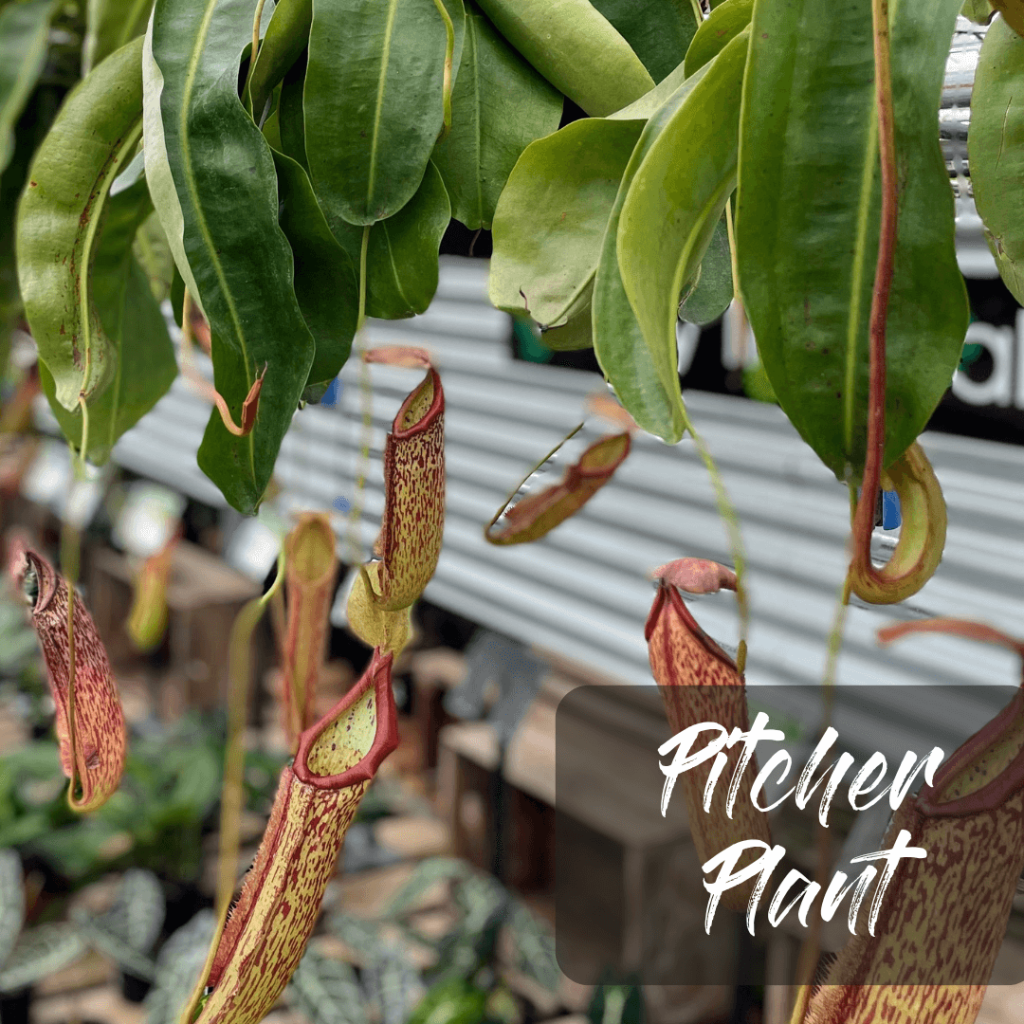
Pitcher Plant
A rare and exotic group of tropical plants with pitcher-shaped leaves that are carnivorous. That’s right, they eat insects to obtain the nutrients they need! This means that with most varieties you do not have to fertilize them. Most are happy catching a bug or two for food.
Keep this plant from drying out completely between waterings by temporarily placing it in a water-filled tray to absorb moisture through the roots. Remove the pot from the tray once it’s saturated, and allow the excess water to drain away. Pitcher plants prefer pure, mineral-free water like rainwater. No tap water for these precious prima donnas!
One Pitcher Plant variety that we love is Miranda (aka Nepenthes x Miranda). From tropical Malaysia, it is a very large pitcher plant with attractive spotted pitchers that can be over 18” wide when fully mature. Because of its size, it is quite effective at catching larger insects like wasps. It’s easy to grow, either in a sunny window or outdoors (only in the summer) and is heat tolerant but not drought tolerant.
ZZ Plants
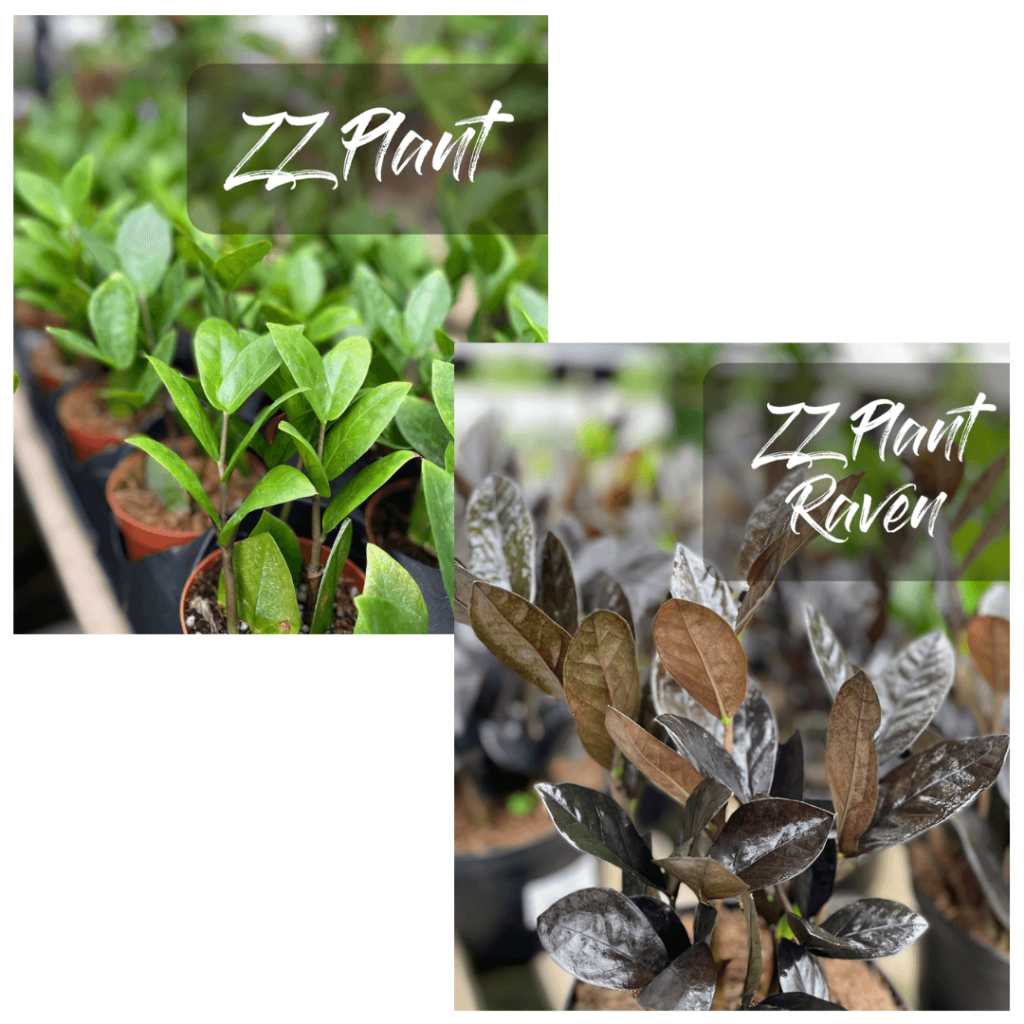
Native to East Africa, Zamioculcas zamiifolia is also known as the houseplant ZZ, or Zanzibar Gem. While the name is complicated, this plant is not fussy at all, making it great for beginners! ZZ will thrive in almost any lighting conditions except direct sunlight, plus it is drought tolerant so you can allow it to dry out between waterings.
The biggest attraction to the Zanzibar Gem though is its thick, dark green and glossy leaves that almost look fake! If that sounds intriguing, hang on. There’s more!
Black Raven ZZ is a new variation with stunningly dramatic black-toned leaves. Unique to be sure, but luckily with the same low care requirements!
Cactus
There are so many weird and wonderful varieties of cacti that come in all shapes and sizes! These sun-loving plants require little care, but here are a couple of tips that will keep them looking sharp. (Ouch!).
- Give their pot a little turn each day so that your plant is eventually exposed to light on all sides. This saves you from having a lopsided cactus.
- Water is essential but monitor how often your cacti need it. In the winter, when they’re dormant, they will need less water. Let the soil dry out completely between waterings. Using room-temperature rainwater is ideal. Tap water contains minerals which can disrupt the flow of nutrients to the cactus. Water it well, then allow the excess moisture to drain away rather than pool under the plant. Cacti don’t necessarily need fertilizer, but they do welcome a feeding during their summer growing season. We can help you choose a fertilizer that’s been specially formulated for cactus to ensure the proper nutrient ratio.

A few varieties of cacti that we love are:
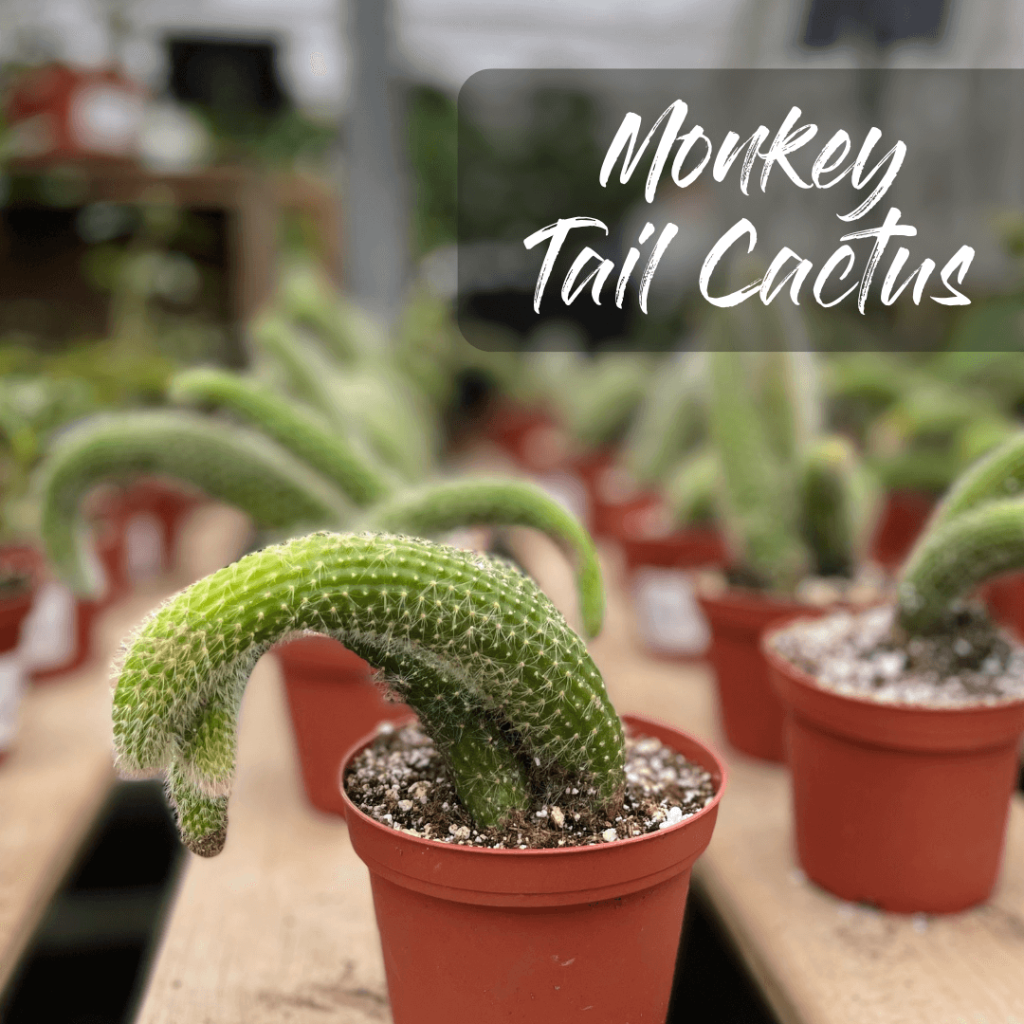
- Monkey Tail (Hildewintera colademonosis)
- Boobie (Myrtillocactus Geometrizans Fukurokuryuzinboku)
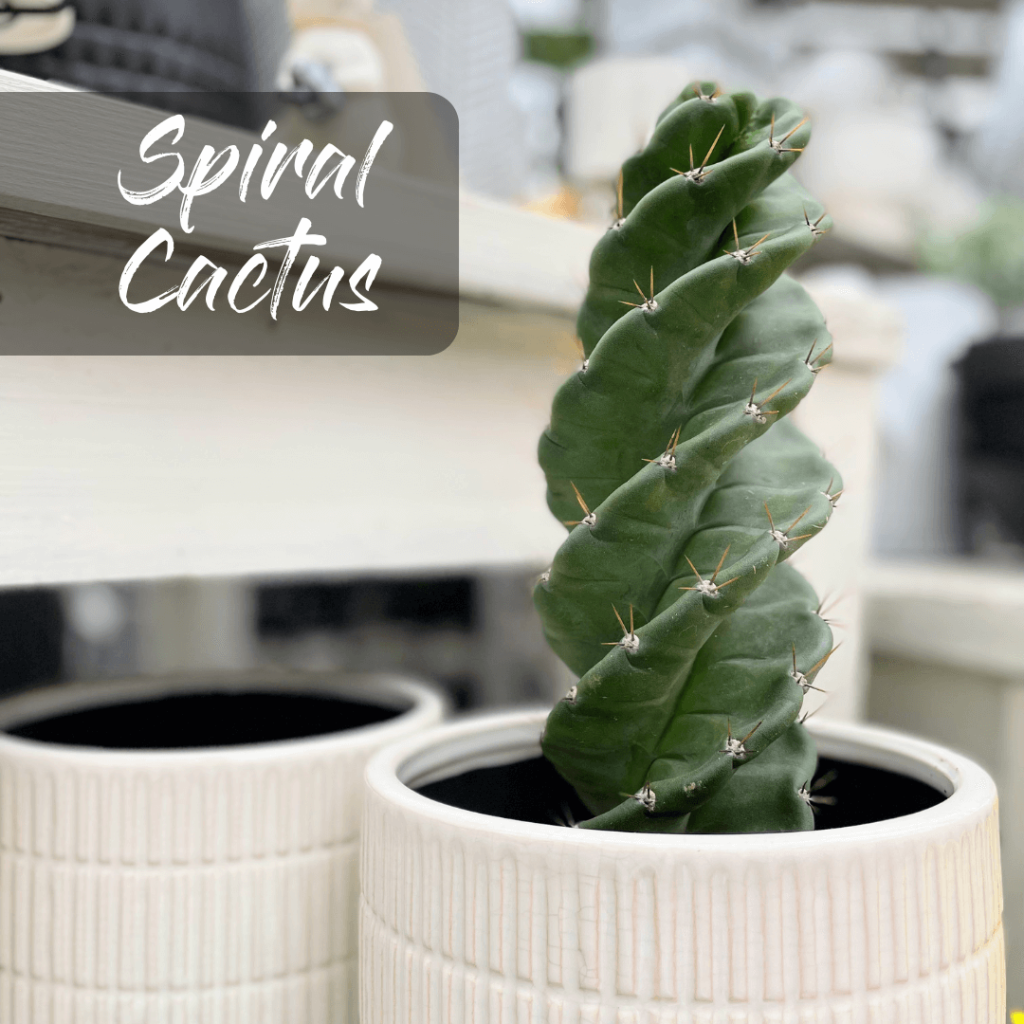
- Spiral (Cereus forbesii Spiralis)
With their evocative names and exotic shapes, cacti are so much fun to grow! And don’t be surprised if the kids want to have a few to call their own.
Stop by Eising Greenhouses and see what we have in store. While you’re here, say hello to Courtney who is always happy to talk about unusual houseplants!
Spring has almost sprung, so now is the time to draw up a plan to map out what your garden will be. Whether it’s a brand new garden or an update to an existing plot, it’s fun and useful to dream about what’s possible as we head into the garden season here in Southern Ontario.
While it’s tempting to come straight into the garden centre and start buying plants, a little planning will pay off in spades. If you haven’t started a garden journal yet, this is the time! Begin this season with a plan, and then be able to track your progress. A journal is a useful tool to record what works, and what doesn’t. It’s also a great way to remember plant sources and where you planted things. ‘Where did I bury those tulip bulbs?’ For vegetable gardens, it’s the ideal way to track crop rotation.

Whether you’re planning one garden bed or an entire yard, here are the steps designed to guide you through the process.
1. Uses
Take a look at your space, and think about what you want it to be used for. Dining or entertaining, relaxing, a shady corner, vegetables, or a sunny flower border. Oh, the possibilities!
2. Measure and Map - Don’t Skip This One!
No professional would miss this step and you shouldn’t either. Grab a tape measure to measure and map out your space. Note anything that will border the garden, like windows, fencing, a gate, or a downspout. Include any views you want to draw attention to or hide. It helps to sit in the current space and note what you like or dislike about what you’re seeing from various angles.
Your final map will be used as a template, so it is recommended to create multiple copies. To represent objects and plant material, you can simply add circles as placeholders. Don’t hesitate to experiment with various ideas! Take inspiration from gardens that you admire. Keep using the templates and adding circles that represent items you would like to include.

3. Explore Layouts
Would you like to create a path through your garden? If so, where would you like it to go? Do you prefer a meandering or straight path? Would you like to add a patio or a water feature? These are the items that will affect the use and flow of your garden.
4. Consider What Will Grow
Once you have a space mapped out, and you know what you would like to use it for, consider what will best grow in this location. Is the spot exposed to wind and in need of something to block it? Or in need of some privacy. Is it a south-facing location that requires sun-loving or drought-tolerant plants? Or is it a shady area under mature trees? That spot where rainwater collects might be perfect for a rain garden.

5. Features and Focal Points
Next, add a feature plant like an ornamental tree or shrub. Or maybe a vertical structure like an arbour, a statue, or a birdbath. This feature plant or structure becomes the focal point that draws your eyes to the garden and adds visual interest. If you don’t know exactly what you’ll put there, just draw a circle on your plan that will allow space for a feature. At this point, your plan is just a means to develop ideas.
6. Now You’re Ready to Select Plants
Begin to fill in the spaces surrounding, paths, patios, and features with smaller items like patio pots and plants. Use our handy online Plant Finder to search for plant ideas.
Be sure to consider the height and width of each fully mature plant. Trees, shrubs and perennials often start out much smaller than their mature size, and the temptation will be to plant them closer to each other than they should be. Resist doing this! There will be gaps during the first season or two. Luckily, annual flowers, vegetables, and herbs will easily fill in spaces until your perennial plants and shrubs mature.
You may not know exactly what to put in these spaces yet and that’s okay. Just keep adding circles to your map to show the areas where plant material, or a patio, wall or fence will go. Then bring your Garden Journal with your sketches into the garden centre and talk to our staff about choices. We look forward to seeing you soon!

The Eising Greenhouses & Sassyfras Boutique holiday gift guide has become a tradition. What’s in store for 2023? This year we’re sharing all of our favourites with you! These gift ideas include timeless standards, plus lots of new things that we just love.
We hope that this gift guide sparks some giving (and keeping) ideas for you and serves as a reminder that we’re here to help you with your Christmas shopping until December 23rd at 5 pm.
Shop Canadian
Gorgeous 100% Canadian-made men’s and women’s leather gloves and belts. Because we all know that Canadian leather is superior!
Cozy Gloves and Hats
The best way to stay warm is also the best way to add pizzaz and pattern to a winter coat. Great gloves or a hat can make being cozy very stylish.

Accessories for Every Size
Locally made hairbands in fabulous colours.
Earrings in a variety of sizes, shapes and embellishments.
Beautiful bracelets in an array of colours and styles.
Scarves that are super soft or wonderfully silky.
Handbags in all shapes and sizes.
And the hit of this season: foldable bags in fun patterns.
When you’re giving a gift and don’t know their size, why not help them accessorize?
Satin Blouses and Flowy Dresses
Classic and oh-so-pretty, a favourite soft blouse or a flowy dress are timeless wardrobe essentials.

Sweaters - Of Course
If you love sweaters, you can never have enough of them, new ones are always welcome! In all textures, lengths and sizes, you’re sure to fall in love.
Comfy and Classic
The versatility of a great pair of organic bamboo leggings and a t-shirt will be a wardrobe staple because they’re comfy and also fit so well! Top them with a silky blouse or a chunky sweater and that may just be the most favourite outfit of the season.
Right above the leggings and T’s are the most comfortable bras and undies we’ve ever tried. Made from soft, breathable organic bamboo, they will surely be on your Christmas wish list once you try them.
Vegan Leather Skirts and Handbags
So stylish and on-trend. Paired with leggings and a sweater, this is one of our favourites for sure!
Unique Decor
Browse the shop for festive decor and decorations that will warm up any space with beauty and style or fun and whimsy!

Gorgeous Wreaths and Urns
Whether you’re decorating your own house or gifting them, our festive wreaths and urns are always a big hit!
Christmas Plants and Tropicals
With a wide selection of live plants, there’s something for everyone, from showy Christmas plants to luscious tropicals.
Planters and Pots
Make a plant gift even more special! From festive to fun, and from colourful to elegant, there’s a planter or pot to put your plant gift in and make it truly shine.

For Feathered Friends
Feeding the birds has become a popular pastime that’s easy and fulfilling. Choose from our selection of feeders, and maybe add a birdbath for a little dip and dine for those feathered visitors.
Versatility
What is the most versatile present? An Eising gift card makes a great gift or stocking stuffer. If you’re looking at gifting plants, trees or shrubs, but aren’t sure what to buy, gift cards are the perfect solution. Available in any amount, they don’t expire and can be used on anything at Eisings or in Sassyfras. Truly the most versatile gift of all!
Come see us at 814 Cockshutt Rd, in Simcoe, Ontario. We’re open Monday to Saturday, from 9 am to 5 pm until December 23rd.
After December 23rd, we will be closed until March 7, 2024, but don’t worry, the greenhouse elves will be working to have everything ready for you for Spring 2024.
Happy Holidays from all of us at Eising Greenhouses & Garden Centre and Sassyfras Boutique!

Ah, the smell of fresh greenery! There’s something extra special about decorating for Christmas with fresh evergreen branches.
The holidays are the best time to bring the outdoors in. After all, what better time is there than when we’re longing for some green in a winter world that’s predominantly brown, or snowy white? Or, you may simply be searching for the nostalgic smell and sight of fresh holiday decorations.
In southern Ontario, evergreens last the longest outdoors during our winters. But how do you keep your pine, cedar, fir and spruce branches looking fresh and lovely all season long? Give these tips a try.
Start Fresh
Whether you are making decorations, or buying them, start with freshly harvested branches.
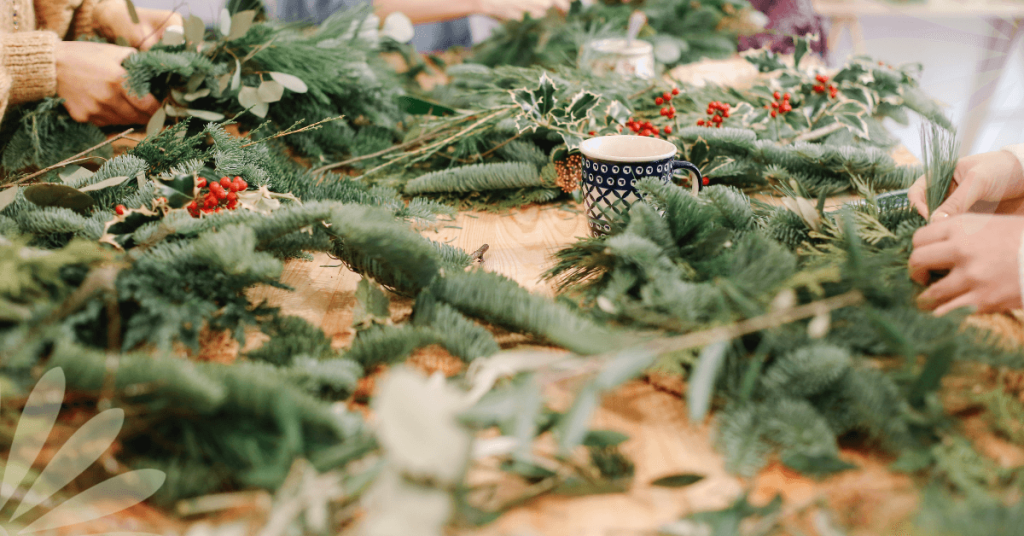
Cut each stem on an angle to increase the water absorption rate, and place the stems in a bucket of water for several hours before using them. As you’re cutting each branch, be sure to check for any pests first.
At this point, your greens are ready to arrange into wreaths, swags, garlands, containers or whatever you’re making.
For indoor arrangements, oasis or floral foam that has been soaked in water, and secured in your container creates a solid base to work with. Fill outdoor urns or containers with moist soil, or a combination of oasis and damp soil to insert the branches into and hold them in place. Both methods will help to keep your plant material hydrated.
Prevent Dehydration
Before adding decorative elements, lightly mist your evergreen arrangements, wreaths, swags and garlands with an anti-dessicant spray. Doing this provides a protective barrier and reduces moisture loss.
Placement and Care
Keep outdoor arrangements sheltered from direct sunlight and strong winds if possible. Likewise, keep indoor arrangements away from sunlight, and heat sources like vents and radiators.
Evergreens can dry out very quickly. Keep arrangements watered (for outdoor arrangements, water when the soil is not frozen), and mist garlands, swags, and wreaths with water frequently. Avoid overwatering though! It’s a good idea to water or mist in the morning so that any excess moisture evaporates or can be drained if not absorbed after about an hour.

Following these steps should keep your decorations looking fresh through the holiday season and beyond!
If you would like more help with homemade decorating ideas, check out our DIY Fresh Evergreen Decor guide and our Holiday Home Decor Ideas.
Or, stop by and see us at Eising Greenhouses and Garden Centre in Simcoe for inspiration and choose from our selection of:
- fresh greenery branches
- undecorated arrangements
- decorated arrangements
- Poinsettias
- Christmas Cactus
- Kalanchoe
- Amaryllis
- Paperwhites and more!
If you’re heading to a holiday party, we have lots to choose from as gifts, or items to add to your arrangements, or to fill a spot in your home that needs a little extra holiday cheer!

Christmas gatherings are special, even without any holiday decorations. A certain Cindy Loo Who schooled the Grinch on that! But oh how special a gathering feels when you’re surrounded by festive lights, and some fresh greenery to liven things up. It truly does make a dinner or party more magical.
While there are folks who can’t wait to unleash the holiday spirit and begin decorating, it may seem a little too overwhelming for some. We’re here to help, no matter which camp you’re in!
If decorating comes easy to you, stop by Eising Greenhouses when you’re ready for fresh greenery, planters and some new decor.
If the thought of decorating is daunting, here are five simple steps to make it easier - for Christmas, or any special holiday!
5 Simple Steps for Easy Christmas Decorating
1 - Where to decorate. Even if it seems like it’s too early, pour yourself a cup of tea, crack open a notepad and let your imagination begin to percolate. Think about the area(s) you would like to “spruce” up! Front entrance? Living room? Dining room? Think about things like where in the house your party will take place, and whether or not you want a theme or a specific colour palette. Pinterest can help if you need inspiration and we have some Holiday Home Decor Ideas You Can Make Yourself to inspire you as well.
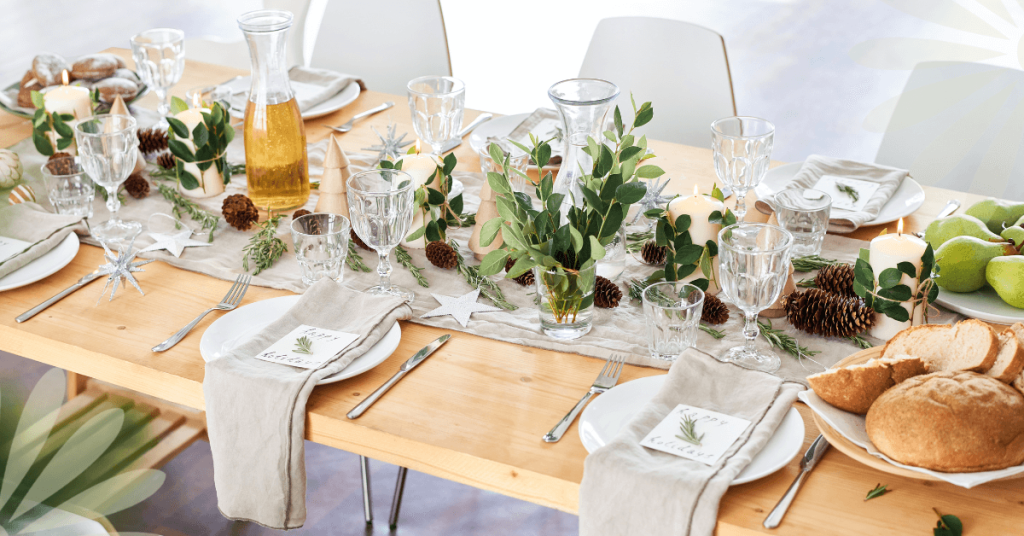
2 - Plan early. Look at your ‘Where To Decorate’ ideas and begin to create a wish list. What will you need to decorate the space(s) you’re imagining? Garland? Wreaths? Centrepieces? A tree? Once you have a wish list, make a plan for what to buy, and what to make.
3 - Schedule it. One of our family’s mottos is that if it’s not scheduled and on the calendar, it never happens. If you find that’s the case for you, use the plan you’ve made and begin to schedule dates to pick up the things you will need, and when you will make or decorate. Next, invite family and friends to join in. Why do this alone? Decorating can be a big part of holiday fun. For example, have everything ready to make or decorate while you watch your favourite holiday movies with friends or family.

4 - Declutter. Now that you have a plan and dates are set, reducing what is in the space will make decorating easier when that day comes. Move, or pack away anything that will limit space or detract from the new holiday decor you’re planning. Editing and clearing out what you have will really draw attention to the Christmas items you’re about to add!
5 - Incorporate natural elements. The holidays are the best time of year to incorporate natural decorations. It’s the only time of year we bring evergreens to the front porch and into our living room. If you’ve never used them, here is our How to Decorate with Fresh Greenery for Christmas guide.
Then, come see us at Eising Greenhouses, and pick out your fresh greenery, wreaths and decorations. You can also select from holiday plants like Amaryllis, Paperwhites and Christmas Cactus, and our arranged-for-you planters, urns and centrepieces. We can even create a custom arrangement in one of your favourite vases, urns, or that big Grinch-themed gravy boat from Aunt Martha if you leave it with us!
We hope these five tips and our holiday decorations help to make your Yule celebrations brighter, so you can sit back and enjoy the beauty of the holiday season!

Fall is the time to plant garlic if you want to harvest them next summer. Why grow your own garlic? Like any vegetable, fresh garlic just tastes great. It’s also very satisfying to plant one little clove and get a whole head of garlic from it. Think of it as a garlic bank: put in a little effort in the Fall, and next summer you will profit from that small investment in spades!
If you’ve never planted garlic, it’s quite an easy crop to grow. Just follow these seasonal steps to help you get started. Hint: Mid-October to early November is when the majority of the work takes place.
FALL
Choose a location that is in the sunniest area of the garden. Lots of sun will produce large heads of garlic.
Prepare the soil in late summer, or as early in the Fall as possible. Or prepare the day before you plant if you can’t get to it sooner! Amending the soil is an often missed step but it will provide valuable nutrients for your garlic throughout the seasons.
Add organic compost like mushroom or sea compost, composted green waste, aged or composted manure, or a mix of any of these. Variety is best and all are great options. If you’re starting a new, raised bed, mix a ratio of 75% compost with 25% vermiculite to create a nice, light soil for your plants. This mix can also be added on top of the soil of an existing bed, making harvesting easier next summer!
Choose a garlic variety based on the flavour and size you like. There is softneck or hardneck garlic, but hardneck is recommended for growing in Canada. Also, hardneck varieties produce scapes which are a bonus crop - you can read more about that below. Red Russian, Music and Chesnock are just a few of the popular varieties grown in Ontario.
Separate the garlic cloves, or teeth, from the heads. As you’re breaking down the heads of garlic, it’s important to choose the largest cloves to plant. Starting with large cloves will increase your chances of growing large heads of garlic. Set aside any small cloves to cook with.

Planting! Sometime between early October to mid-November is a good range to get your garlic in the ground in Norfolk County. Basically, 4 to 6 weeks before the ground is frozen.
Here’s how to get your garlic in the ground!
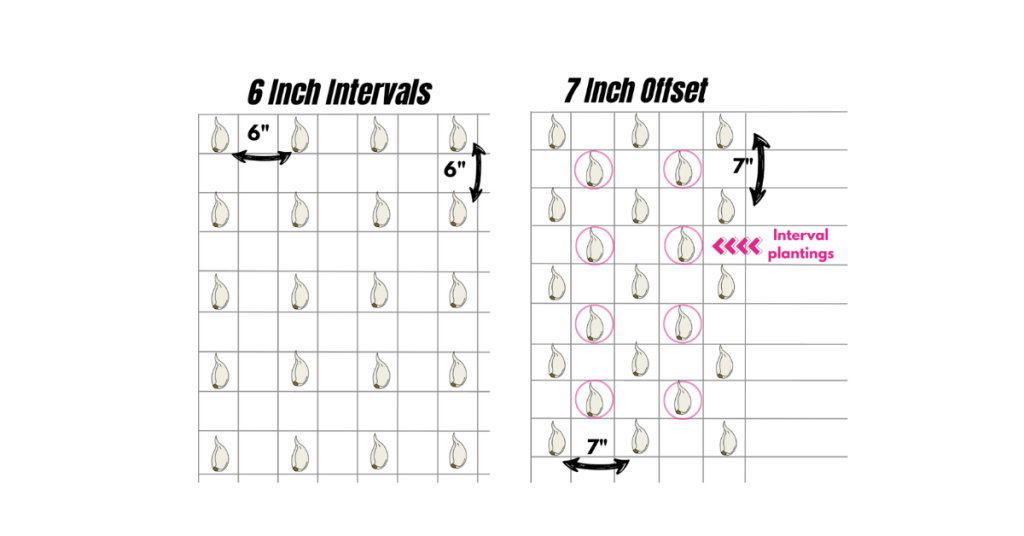
- When it comes to spacing, there are two options.
Using a dibber or a hand trowel, create 3 to 4” deep holes in one of the following patterns:
a) Make holes that are approximately 6” apart and in rows that are 6” apart.
b) Make holes that are approximately 7” apart and in rows that are 7” apart. Then, go halfway between each row and make an offset row. This method is best if you don’t have a lot of space and will not impact the growth of the garlic.
2. Place a handful of worm castings or organic 4:4:4 fertilizer in each hole and mix into the soil a bit.
3. Place ONE clove in each hole, with the pointy end facing up and the flat end down.
4. Backfill with surrounding soil so that each clove is covered 2-3”. This acts as protection during the cold winter months.
5. Top with leaf mulch, leaves, or straw, and water in your garlic if there is no rain in the forecast for several days.
SPRING
This is the time to check on your garlic and give it a little more nutrition.
Look for signs of first growth in February or March, depending on how warm the weather is. When you see 3”- 4” of growth, remove the mulch from around each plant, or from the bed, and add it to the compost pile.
Add nutrients by amending the soil with 1 tablespoon of 4:4:4 organic fertilizer per square foot of the garden, or add a 1”- 2” layer of fresh compost.
Water deeply from now on when the soil dries out. And that’s it! Your garlic is well set up to go into a BIG growth cycle.


SUMMER
Remove the scapes! Around mid-June look for the top of the stem of each plant to curl around forming what’s referred to as a “scape”. These curls, or scapes NEED to be removed so that the energy from the plant goes into growing the bulb, not into growing the seed head that is part of the curly scape. One full loop is a good time to cut or snap off the scape just above the top foliage.
All of the growth in the bulb happens once you remove the scape!
Here’s the bonus - garlic scapes are delicious! Chop them up and add them to soups, stews or anything you’re grilling. They also make excellent pesto!
Water and check your garlic for any pests throughout the growing season, just as you would with any other plants.
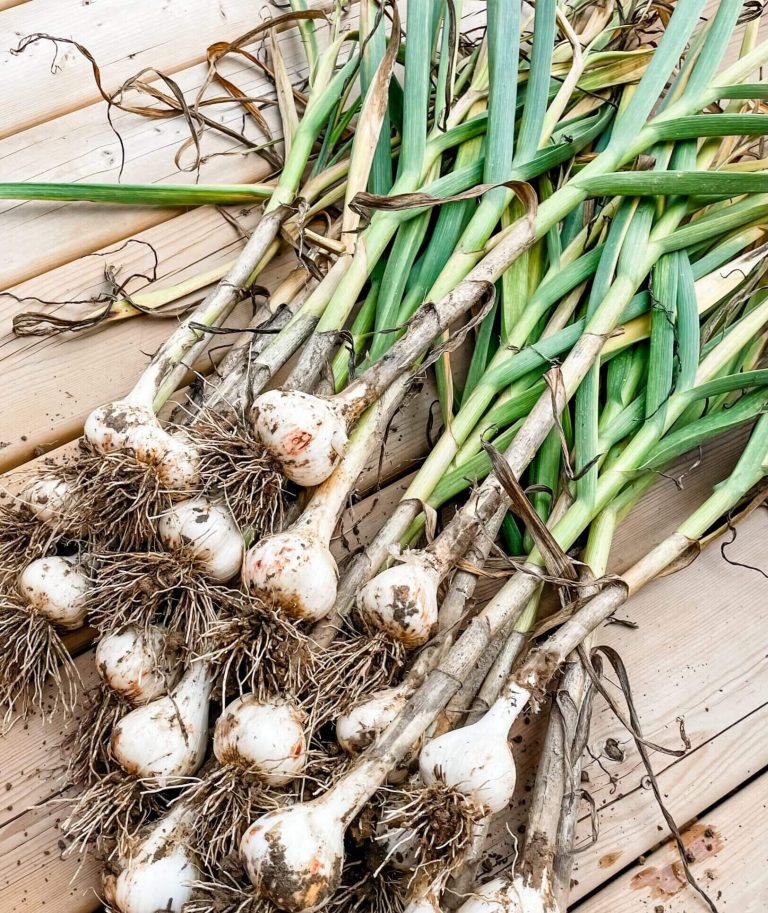
Harvest! Sometime in July, you will start to notice that the bottom leaves of your plant are dying. Don’t worry! The leaves on the plant correspond with the protective layers forming around the outside of your bulb, and they’re getting ready for harvest.
Around mid-July, 4 or 5 of the bottom leaves will be dead and this is your sign that it’s time to harvest your bulbs.
- Stop watering your garlic 4 to 5 days before harvesting.
- Use a pitchfork or shovel to loosen the soil, keeping well away from each plant so that you don’t slice through the garlic heads.
- Gently pull up each bulb and shake off any soil hanging on to the roots. Resist the urge to wash the bulbs as moisture at this stage will promote mould or rot!
Cure your garlic harvest by hanging it in a cool, dry place that’s out of the sun and has good airflow for 2 to 3 weeks. You may need to use a fan for this step.
Once cured, trim off the stems leaving 1-2” and the roots, and store in a dark, cool and dry spot in the house. Well-cured and stored garlic can last until sometime between December and February… unless you’re cooking, canning, and freezing with it and use most of it up! But don’t forget to save the biggest cloves to plant again in the Fall!
There is something about a beautiful cozy sweater that makes cooler weather way more bearable! Layering a new sweater with clothing staples already in the closet can also breathe new life into your wardrobe, and elevate it for the changing season. It can make everything you’re wearing feel fresh again!
Year Round Sweaters
Sweaters are a great way to stay warm and fashionable all year round, especially when you invest in one made from the right stuff. At Sassyfras in Eising Garden Centre, we have Men’s and Women’s sweaters in natural fabrics like cotton, and bamboo which are great choices for several reasons:
- Natural fibres allow your skin to breathe and are less likely to cause overheating. If you’re part of the Hot Stuff club, aka menopausal, that kind of comfort is a definite plus!
- They can be warm without being too bulky.
- These materials tend to be more durable and long-lasting. They are biodegradable and more sustainable than synthetic alternatives.


Sweater Pairings
From a chunky knit to a lightweight turtleneck, there’s a sweater to go with every style and shape.
With flowy pants, a more fitted sweater that’s tucked in or cropped can balance out the silhouette of wide-leg trousers or palazzo pants.
Form-fitting slacks like leggings look great with chunky, or slightly oversized longer sweaters, tunics or cardigans.
For men, choose a casual sweater to wear with jeans or cotton pants. If you’re dressing up, try a fine-knit sweater with dress pants for a more formal outfit.
Overall, sweaters are a great way to add interest with some pattern or texture!
Layering Made Easy
If there’s a perfect outfit for days that start out cold and get warmer, or vice versa, it’s one that’s layered. While it’s easy to grab a coat and head out the door, taking a few minutes to consider the layers you’re using can make all the difference!
- Start with a simple cotton or viscose top, a long-sleeved t-shirt, or a collared shirt. This provides some insulation and is great for moisture-wicking.
- Add a beautiful sweater. A chunky knit, a cardigan, or a pullover. If it’s made from natural fibres, this will provide excellent warmth while still being breathable!
- On cooler days, add a stylish outer layer like a puffy vest, a coat or a jacket. This layer can provide more warmth or water protection plus add an extra element to your outfit.


Accessories Bring It All Together
While you’re in Sassyfras doing your sweater shopping, it’s the perfect time to look for an accessory to bring your look together and make a statement! Here are some ideas to make the most of your outfit:
- For added warmth or a pop of colour or pattern, scarves make excellent accessories for sweaters.
- A stylish bag that matches the overall look and colours can bring together the theme of your sweater outfit.
- Adding a necklace can make a bold statement or instantly dress up a plain sweater.
- Earrings can add a touch of glamour, colour or fun to your sweater ensemble.
- Consider the often-forgotten hat! They can make your outfit more chic, and also keep you warm.
- Mittens or gloves can be both cozy and stylish.
- Colour-coordinated, patterned or contrasting tights are the perfect match with a sweater dress.
- Add a belt to a tunic, sweater dress or cardigan to change the silhouette or shape of your outfit.
Most importantly, experiment and try new things, have fun and find a look that is right for you!
Fall, also known as Pumpkin Spice Season, is well underway. The leaves are changing colour and we’re saying so long to another garden season. But wait! There’s still plenty of enjoyment to be had from your hard-working garden. Temperatures may be falling, but Autumn is the perfect time to squeeze in a few more plants, and to slow down and connect with family, friends, and neighbours by hosting a backyard party.
Autumn Entertaining Ideas
This is a list of our favourite ideas to inspire your outdoor party plans and keep us in mind if you’re looking for decorations like pumpkins, gourds and flowers for your next event. Eising Porch Packages make decorating fun and easy!
Outdoor Movie or Game Night
Bring the patio furniture close to the house to protect everyone from a fall breeze, grab the basket of blankets or throws, warm some cider, and pop the popcorn. There’s nothing like a beautiful Autumn evening, now that the bugs are gone, to enjoy a night under the stars watching a great movie, your favourite team sport, or cracking open a fun board game.

Candy Apples Extravaganza
Create a self-serve candy apple bar with slices of apples on wooden skewers, bowls of dips like caramel, chocolate, hazelnut spread, and almond butter, and small bowls of toppings like mini marshmallows, sprinkles, and chocolate chips.
Harvest Abundance
Fall is the perfect time to enjoy a potluck featuring everything in season, or preserved from the garden. Sweet potatoes, squash, and yes, even Pumpkin Spice. Decorate the table with seasonal fruit, flowers, potted fall plants from Eising Greenhouses and fairy lights to add to the ambience. Maybe even a grazing board packed with favourite snacks.

Wreath or Garland Making Party
Looking to layer your Fall décor on the front door or a fireplace but don’t have a wreath or garland? Pick out a design with friends, and have everyone contribute one item for everyone to use. Forage for items in your yard, or buy them, then get together and create!
Backyard Bonfire
If you’re lucky enough to have a fire pit, or chiminea, Fall is the perfect time to host a backyard bonfire on a cool night. Marshmallows and hot chocolate will make it super cozy!

Oktoberfest Party
You may not want to hire the polka band, but soft pretzels, sausage, and local apple cider should definitely be on the menu. Fill a galvanized tub with ice, and add mason jars with premade drinks to make hosting a breeze.
Pumpkin Painting Party
All you’ll need is a pile of pumpkins and gourds, an inexpensive tablecloth, paint supplies, and some inspiration. It’s a canvas that can be painted over and over, so don’t be afraid to get creative. Kids love this, but so do adults!
Whatever you’re planning, we hope that you enjoy the season. You know where to find us: 814 Cockshutt Road in Simcoe, ON
P.S. Autumn is also the perfect time to plant perennials, shrubs and trees - stop by and peruse the garden centre to find some great last minute garden additions!

As Summer winds down, you may find the plants that have been producing blooms for months are now slowing down, and it’s time to add a touch of fall to your gardens and décor.
Wondering where to begin? We’re looking to nature for inspiration, and sharing our favourite ideas and tips to create your own cozy sanctuary, inside or outside.
4 Easy Steps for Fall Decorating
1) Switch It Up
Remove summer annuals and planters that are looking tired in the garden, and replace them with plants that will carry you through the fall, and cooler weather. At Eising Garden Centre you’ll find ornamental peppers and kale, amaranth, and of course, chrysanthemums. Or, try out our very popular Porch Packages which will be available beginning September 9, 2023. Choose all the plants and pumpkins you love from the Porch Package list and create a fall mood anywhere in one swoop! Just pick it, drop it, and you’re done. How’s that for making decorating fun, fast, and easy?

2) Mimic Nature's Colours
Take your cue from what’s in the garden now. Warming colours found in nature are a sure sign of Autumn and can warm an indoor space too. Try popular muted shades of orange, moss green, coffee, turmeric, and rust. If your style is monochromatic, and you have a display of white flowers, try adding one bright orange chrysanthemum.
3) Layer Textures - Here's How
Is there anything more inviting than a chunky knit throw on a cool autumn day? Adding throws that are knit, or made of rich fabrics is the first step in creating a cozy sanctuary. If you’re heading to the backyard for a gathering, bring along a basket of throws for guests. Along with a throw, add some pillows in seasonal colours and prints, like a bold plaid. If your sitting area is neutral, or muted shades, try adding a pop of colour with a pillow to brighten things up.
Last but not least - flowers and plants bring an indoor space to life! Buy a wreath or garland, or make one, using dried hydrangea, boxwood, cedar, or any garden material that looks good right now. Adding a vase or container with dried pampas grass, and dried hydrangea or fresh flowers will enhance the natural theme and layers that you’re creating.
Layering also works for fall fashion. It’s practical, with daytime temperatures fluctuating, but layering is what creates a great fall look. Jeans and a cozy top, layered with a shacket is perfect for Fall weather.

4) Light and Scent
Two essential and often overlooked aspects when decorating are embellished lighting, and warm, inviting scents. Fairy lights, a glass lantern and votive candle, paper lanterns, a string of bulbs, and a really beautiful candle all go a long way to adding that final bit of magic to your sanctuary. Stick with warming, woodsy scents in your dried arrangement by adding a drop of essential oil, or when using candles.
Another great way to add beautiful scents is to make, or warm up a delicious baked treat! Family and friends are sure to gather when the smell of an apple pie wafts from the kitchen. Now that everything is looking so festive, why not have a party? Coming up soon, we’ll share some fun fall activities to enjoy in the backyard or the living room.

In this case, the plants Hens and Chicks, not the feathery friends.
Sempervivum, also known as Hens and Chicks or Houseleek, are a group of succulents that are becoming very popular in Southern Ontario. Here’s why these cold hardy perennial plants are gaining attention.
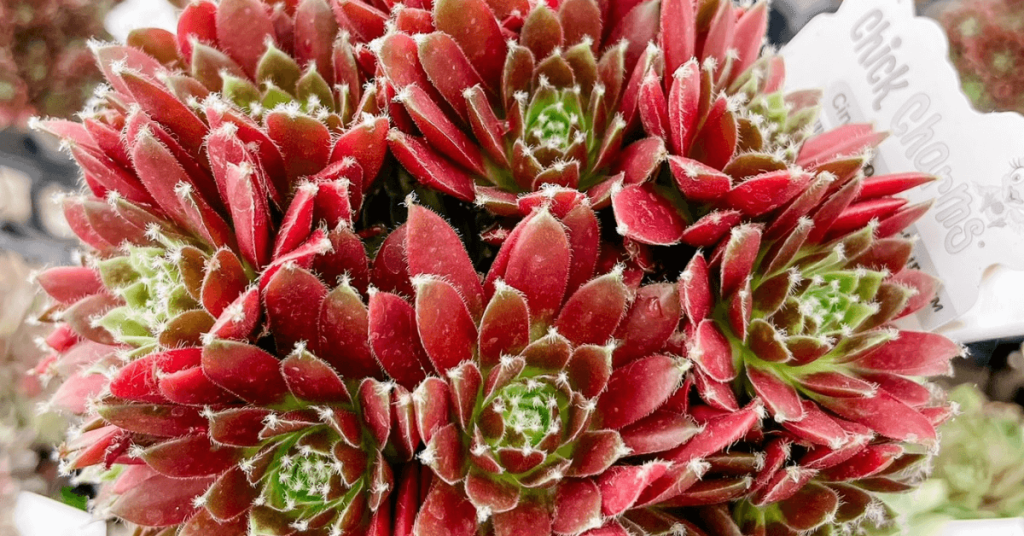
Low-maintenance
Low-maintenance is the item on everyone’s checklist, right? Hens and Chicks are known for being no-fuss. Sempervivum require very little soil, fertilizer or water. They’re sun-loving, hardy, resilient, and drought-tolerant. When you don’t have a lot of time to garden, you’ll be grateful that your Hens and Chicks need minimal care once they become established.
Versatile, and Did We Mention Low-maintenance?
Sempervivum will grow in full sun to partial shade, and average to poor soil as long as they have good drainage. They will manage just fine in poor soil and harsh conditions like heat and cold! This makes Hens and Chicks the perfect candidate for that spot in the garden where nothing else wants to grow. The spot that’s too hot, or too windy, the soil is rocky or gritty and not ideal or it’s eroding, like on a slope.
These rugged warriors can be grown on rooftops, ledges, walls, in rock gardens, hanging baskets, troughs and containers. Just make sure there are drainage holes. Too much water is their only enemy and will result in their roots rotting.
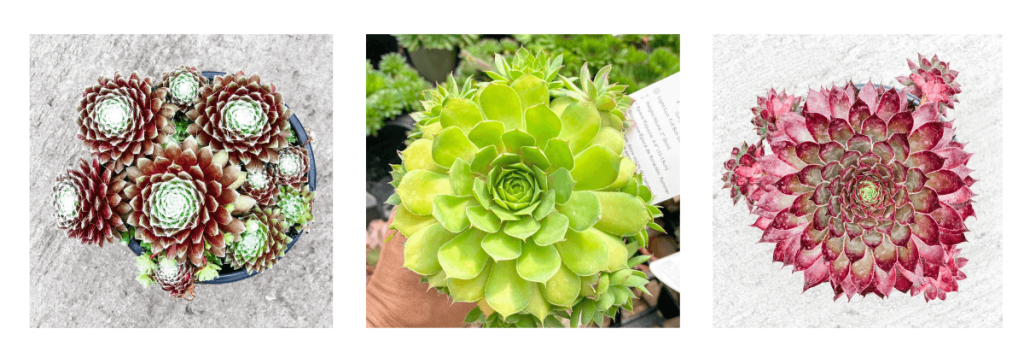
Chick Charms
While most Hens and Chicks are low-growing, 8-15 cm tall, they will all spread 30 cm and more - as much as you like, really. This is because they produce small plants, known as “chicks” or offsets around the main plant. The “Chick Charms”. Chicks can also be transplanted to start a whole new plant.
Tough and Beautiful
As a ground cover, Sempervivum can add visual interest and contrast to a border of annuals or perennials.
While they’re known for their pretty rosette-shaped clusters of foliage, you may not realize that Hens and Chicks also come in a variety of colours, and produce stunning blooms in summer.
Once a plant blooms, deadhead the flower and pull up the soft parent plant with it. The plant dies when it blooms, but new chicks will grow and replace it.
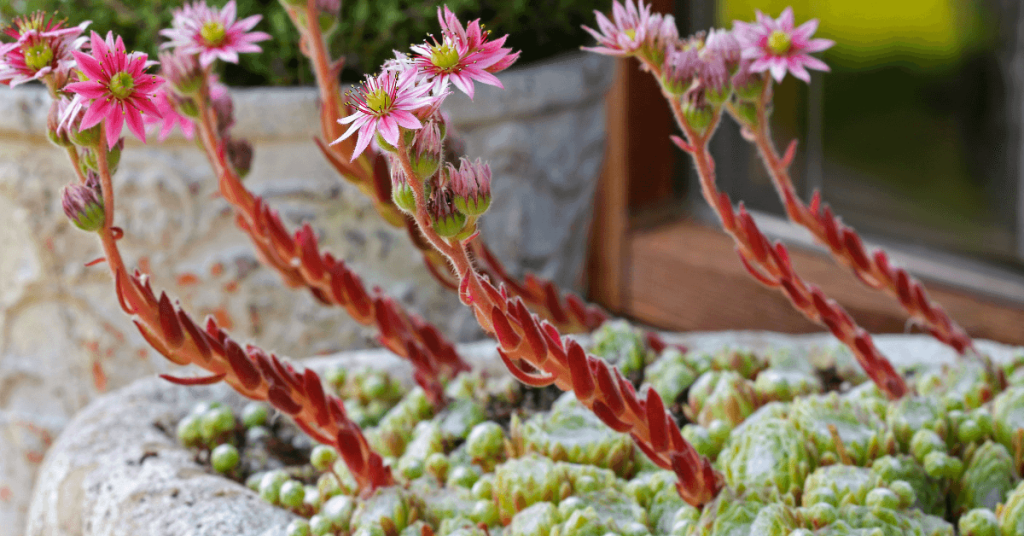
Hens and Chicks fleshy leaves make them less attractive to many garden pests and they are generally resistant to diseases. Tough plants for sure, and worthy of a spot in the garden. The next time you’re in Eising Garden Centre, we recommend that you peruse the Sempervivum section here in Simcoe and give these outstanding succulents a try!