
By Dave Zeldon and Ely Schweyer
In late June and early July we will be witnessing the annual invasion of the Japanese Beetle on many of our favourite landscape plantings including Hollyhocks, Dahlias, Hibiscus, Roses, Grapes, and Raspberries.
Adult beetles skeletonize foliage.
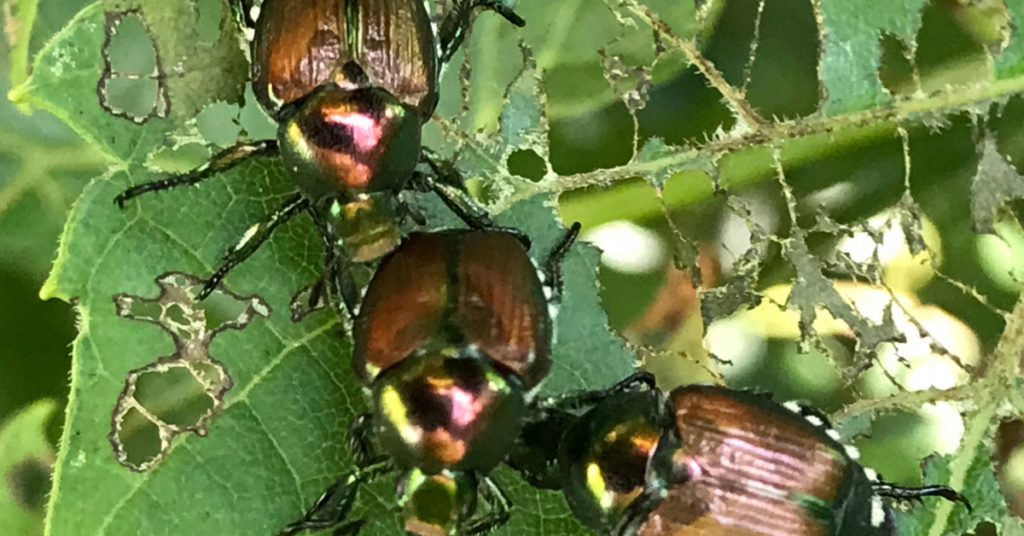
Many of us have tried the various means available to curb this yearly destruction like pheromone traps, Nematode lawn inoculation, hand picking, and concoctive sprays. But still, we get substantive damage.
Interestingly enough, some plants such as Geranium, Castor Bean, and the flowers of Bottlebrush Buckeye, will cause paralysis and death of these beetles when eaten.

Maybe it’s Time We Look at Whole New Approach
Why not slowly invest in a landscape makeover? One with Japanese Beetle resistant plants!
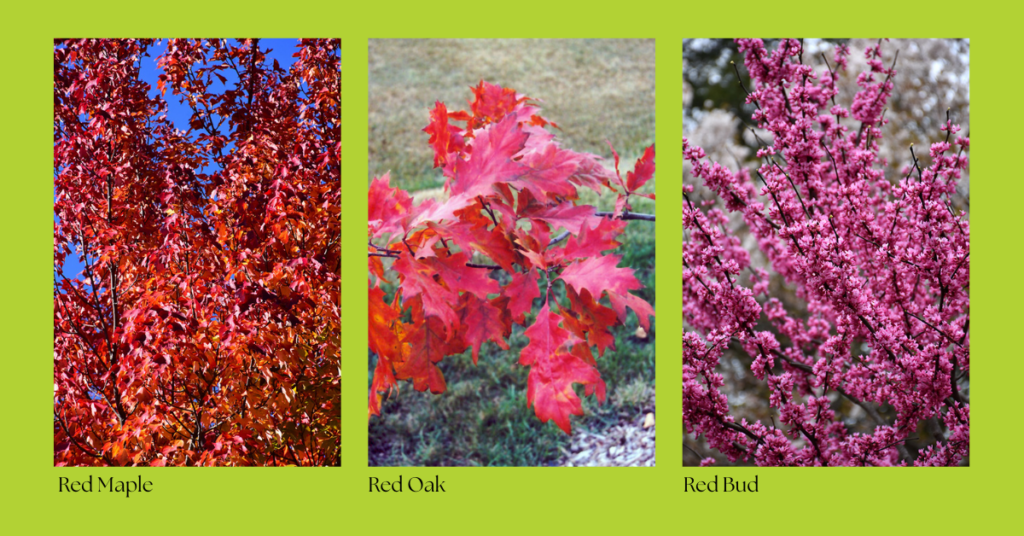
Trees such as Red Maple, Red Oak, Hickory, and Redbud could replace the susceptible Japanese Maple, Norway Maple, Pin Oak, Linden, and Mountain Ash.
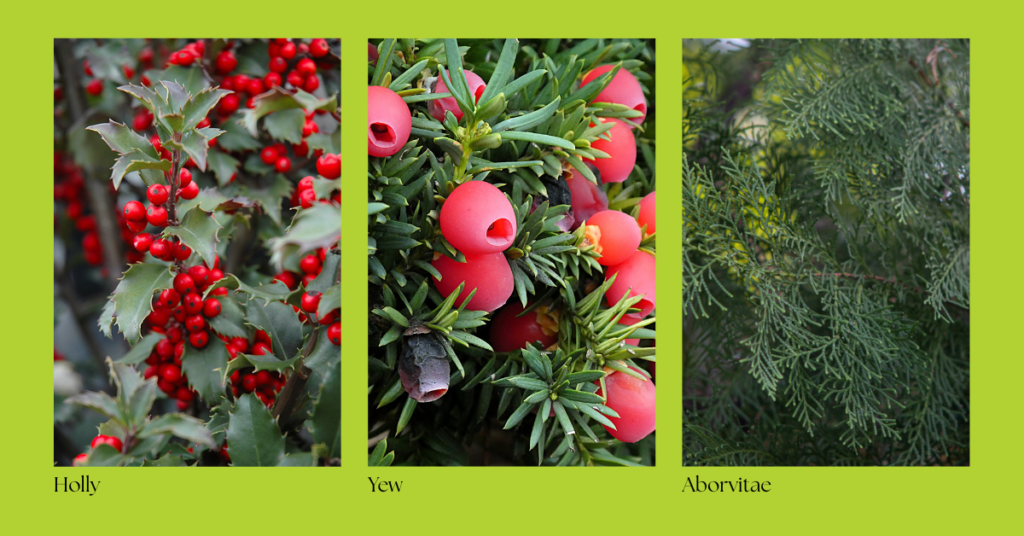
Why not consider growing more Evergreens such as Holly, Yew, Boxwood, and Aborvitae instead of the prone Virginia Creeper, Apple and Plum family of trees, and Birches.
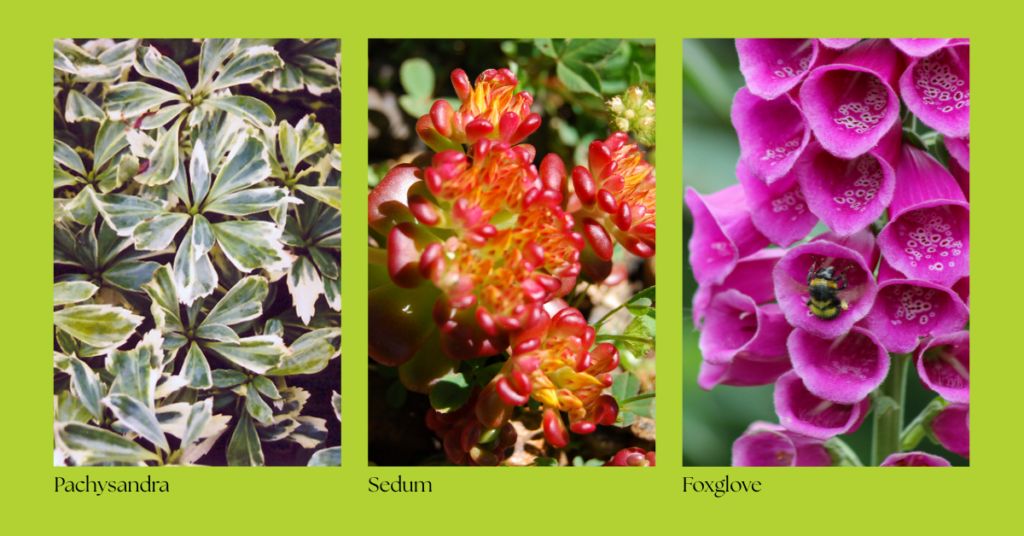
You also may want to contemplate planting perennials such as Coral-Bells, Hostas, Pachysandra, Sedum and Foxglove as opposed to the Japanese Beetle standard menu fare of Evening Primrose, Hydrangea, Clematis, Potentilla, and Zinnia.
Yes, we do have some preventative measures at our disposal to battle the Japanese Beetle (find how to use beneficial nematodes in our fall chore blog) but due to the nature of this pest, it will inevitably win the war. If we continue to grow the some 400+ preferred host plants in our landscape, providing an adequate food source for this invasive pest rather than replacing them with resistant species, surely this pest will make gardening a chore instead of the pleasure it should be.
We hope this article will aid in the prevention of Japanese Beetles in your garden space! For more information – and Japanese Beetle resistant plants – visit Eising Greenhouse and Garden Centre! 🪲
We are thrilled to officially invite you to apply for the Eising Annual Craft Show, November 16 – 21, 2026
Every year, this event grows in both scale and spirit. As we expand, our goal is to grow alongside you while ensuring the best possible experience for our shoppers and our hardworking staff. To manage this growth effectively and streamline our holiday preparations, we are introducing a few updates to our registration process this year.

What's New for 2026?
To ensure a diverse and vibrant marketplace, we are moving to a jury selection process rather than first-come, first-served registration. With the increasing number of talented vendors, this allows us to curate a wide variety of unique products. This variety is key to keeping the show engaging for shoppers and, ultimately, helping our vendors maximize their sales!
Additionally, due to popular demand, we have added an extra two days to the event, making this a six-day shopping experience.
Important Dates and Details
1. Application Deadline (newly extended): July 17, 2026
2. Selection Notification: July 24, 2026
3. Setup Window: November 13 – 14, 2026
4. Show Dates: November 16 – 21, 2026
5. Tear Down Day/Payment Pick-Up: November 24, 2026
Note 1 : If you have not heard from us by July 24th, you will be automatically placed on our waitlist for any potential openings. Until you have received the email noting your selection in this year's event, DO NOT SEND THE ENTRY FEE PAYMENT.
Note 2 : If you would like more than one booth (maximum of two), please indicate your request on your application. Multi-booth requests are not guaranteed, and will be reviewed on a case-by-case basis.

Craft Requirements
To maintain the high quality our customers expect, please adhere to the following:
1. Handmade Authenticity: All crafts must have a handmade component. The resale of strictly purchased items is not permitted.
2. Pricing: All prices must be round numbers (e.g., $2, $5, $10) to facilitate smoother transactions.
3. Tagging: Each item must be tagged with your three unique initials and the price.
4. Stickers: We will provide printed stickers with your initials. Please ensure these are securely fastened. Items with missing or loose stickers cannot be processed at checkout and will be placed in a "Return to Vendor" bin.
How to Apply
Please complete and submit the online application below, along with two to three photos of your work.










Eising Garden Centre is turning 60, and we want to celebrate this incredible milestone with the community that helped us grow!
Saturday, April 25th
10am to 2pm
Right here at the Garden Centre!
Fun for the Whole Family
We’re pulling out all the stops to make sure this is a day to remember. Bring the kids, grab a friend, and enjoy a full afternoon of festivities:
- Live Entertainment: Set the mood with great music while you explore the greenhouse.
- Kids’ Zone: We’ll have face painting and a variety of kids’ activities, like tallest sunflower growing competition (with a cash prize at the end of the season!), flower pot planting, and a colouring competition to keep the little gardeners busy.
- Free Treats: Enjoy complimentary coffee and cupcakes on us while you browse!
- Special Sales: Held across each department of the garden centre.
Food Trucks
Come hungry! We’ve invited some local favorites to keep you fueled up:
Grand Prize Draw: $600 Gift Card!
To celebrate 60 years, we’re giving away a $600 Eising Gift Card to one lucky winner! Just imagine the garden transformation you could pull off with that.
How to Enter: Fill out a ballot at the event on April 25th. The Draw: We will be drawing the winner at 12:30 PM. Important Note: You must be present at the time of the draw to win, so make sure you’re nearby when the clock strikes 12:30!
The Celebration Doesn't Stop There!
Can’t make it on the 25th? Don't worry—we’re spreading the love all spring long. From April 6th to June 8th, we are giving away 60 gift cards worth $60 each! Every week, we will be drawing 6 winners. To get your name in the hat, simply make a purchase at the garden centre. Your name will be entered into that specific week’s draw, and we’ll contact the winners directly.
Thank you for sixty wonderful years of gardening, community, and growth. We can't wait to see you on April 25th!

If you think a small space and a small garden are limiting when it comes to shrub choices, think again! Colour and texture, structure and seasonal interest are all available in many small shrubs. Whether you’re looking for beautiful blooms or evergreen foliage, you’ll love what our favourite small shrubs have to offer!
Follow the 5 links for more on our 5 favourites!
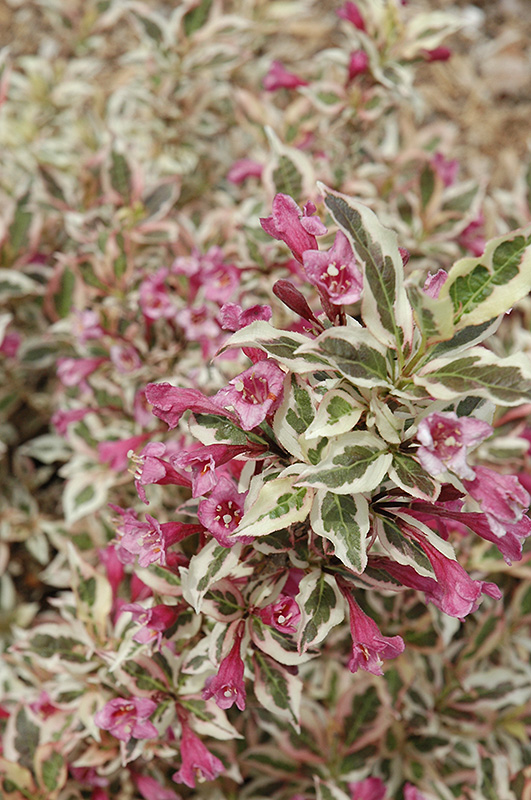
My Monet Purple Effect Weigela - Weigela florida
A deciduous shrub that’s deer resistant, colourful and low growing. This plant checks lots of boxes!! Variegated mint green and cream foliage with purple tones and pink blossoms, it makes a great companion to perennials, and as an edging plant. My Monet Purple Effect Weigela grows 18” to 2 ½ feet tall and wide in partial or full sun.
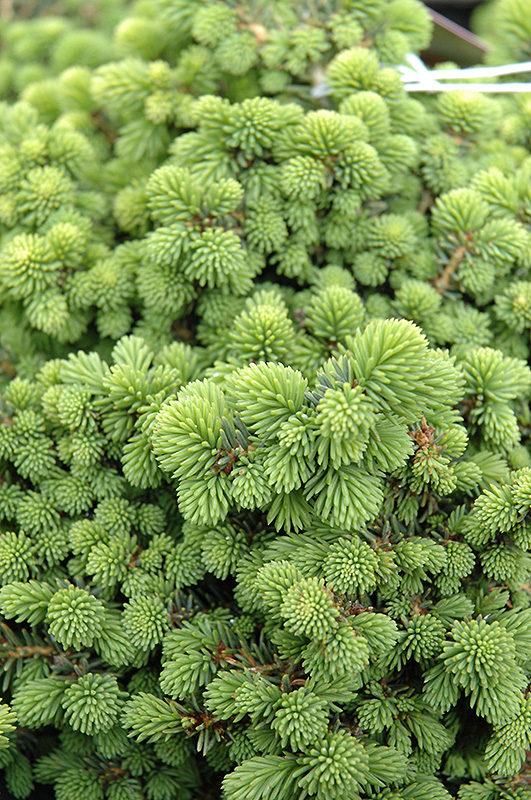
Little Gem Spruce - Picea abies ‘Little Gem’
This compact evergreen has dark green needles, making it attractive all year round. Its pyramidal shape makes it a great choice as an accent feature or in a border. It’s drought-tolerant and requires little care, making it a very appealing low-maintenance choice! Little Gem reaches a mature height of 10” to 1’ and a spread of 1’ to 2’. Plant this shrub in full sun.
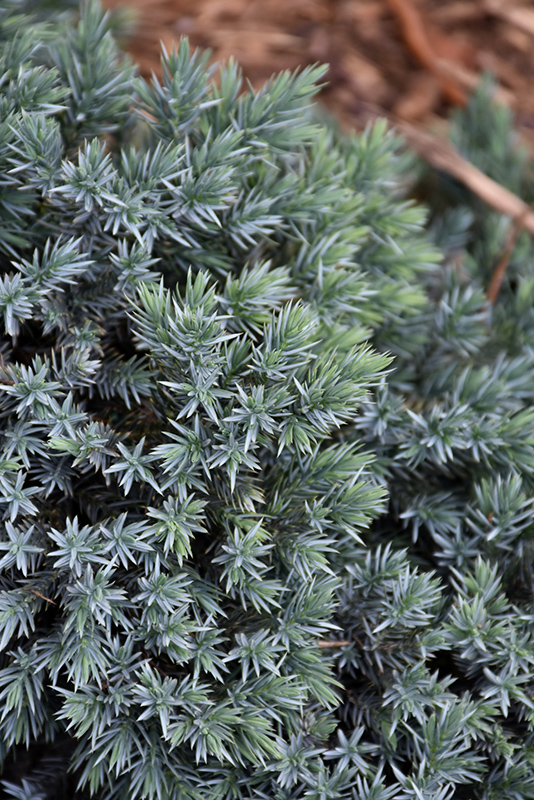
Blue Star Juniper - Juniperus squamata ‘Blue Star’
Sun-loving and slow-growing, Blue Star Juniper graces the garden with steel blue evergreen foliage that’s a beautiful contrast to many plants. It’s also drought-tolerant and requires very little pruning, making it an easy to care for naturally small shrub. Growing 1 to 3’ tall and 1 ½ to 3’ wide, its shape makes it great as ground cover or as an edging plant.
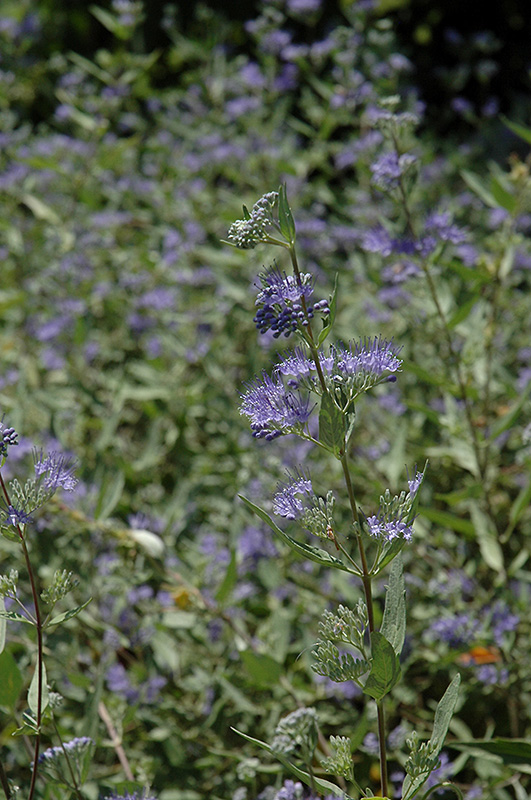
Bluebeard - Caryopteris
Classified as a shrub or as a woody perennial, either way, it deserves to be on this list. Bluebeard loves full sun and grows anywhere from 2 to 4’ in a compact mound. Sweetly scented and long blooming, it attracts all the pollinators: bees, butterflies and hummingbirds. Bluebeard foliage and blooms come in various colours depending on the variety, so it’s easy to fit into your landscape plans.
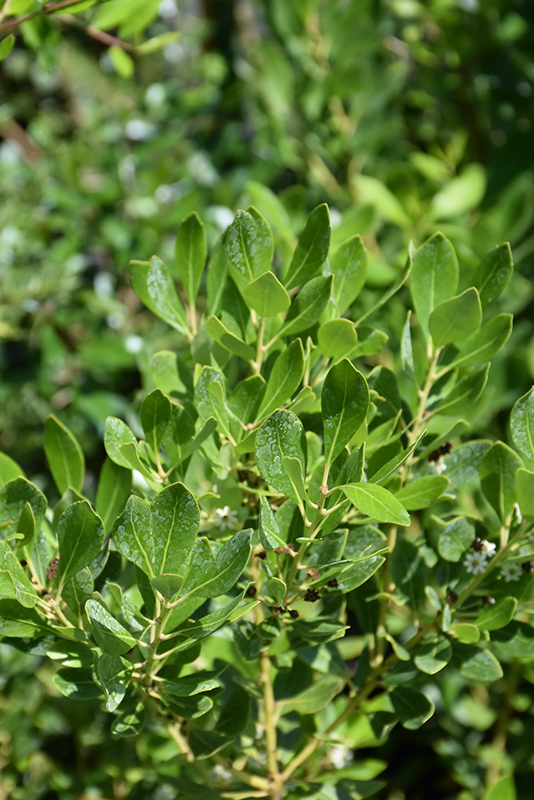
Inkberry Holly - IIlex glabra
Native to North America, Inkberry has lots to love. It looks similar to Boxwood and can be trimmed to shape, but this slow-growing evergreen also forms a tidy mound, and it blooms in the Spring! It will grow in full to part sun, and smaller varieties reach 3 to 4’ high.
While this list contains 5 of our favourites, we have lots more to offer in the garden centre. Come by and take a look! Discover how growing small shrubs in containers or small spaces adds beauty and texture, enhancing your garden bed, patio or balcony.
TIP: April and May are the best months to plant shrubs in Southern Ontario.
Pruning is an essential part of gardening. Essential, but a little intimidating at first because it’s a broad subject. That said, there are some basic rules that apply to most trees and shrubs that will get you started.
There are a number of reasons to prune; the most obvious is for safety, to keep a branch from doing damage or harm by falling or rubbing against something like a building or another tree. Other important reasons include:
- Removing dead, diseased or damaged wood
- Shaping to make a plant bushier, reduce the size and bulk, or slow down growth
- Thinning to increase light penetration and airflow and reduce the possibility of disease
- Rejuvenation to encourage growth, blooming and fruit
Correctly pruning trees and shrubs can help with everything listed above and, most importantly, help maintain the health of your plants. Proper techniques and timing ensure the best results.
The Right Tools
You may need fewer tools to prune than you think!
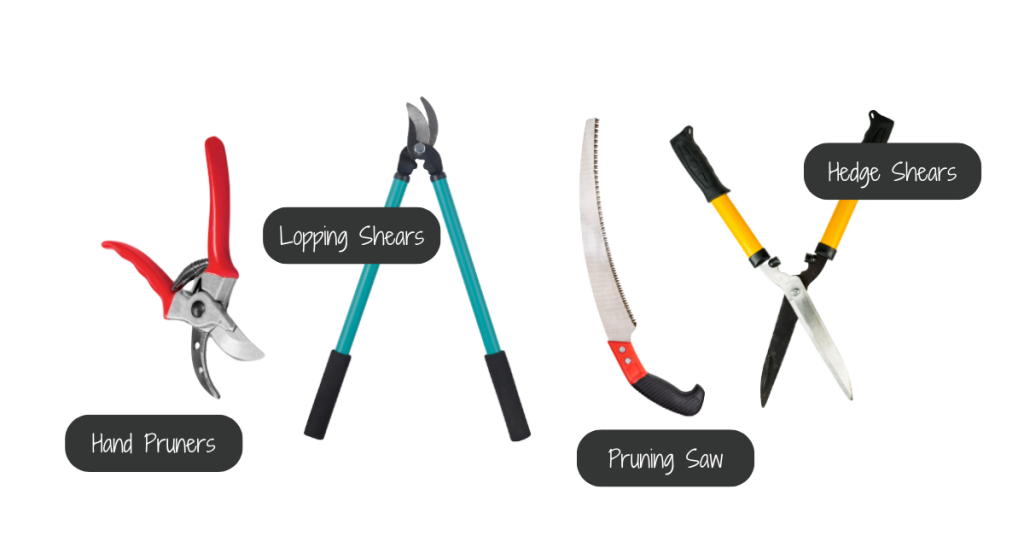
Secateurs or hand pruners work well on smaller branches.
Loppers or lopping shears have longer handles for more leverage and are ideal for medium-sized branches.
A pruning saw works best for larger branches.
Electric or manual hedge shears are best for cutting a tidy wall of foliage like hedges and shaped evergreens.
The key with garden tools is to make sure they’re sharp and sterile. This can prevent the spread of disease. Clean tool blades with rubbing alcohol after trimming each branch.
When to Prune
Pruning timing requires some research as it depends on the species of the plant and the result you’re aiming to achieve. For example, some trees may be best pruned in the winter while they’re dormant and buds have not yet appeared. To shape a tree, it’s easier to prune before the leaves have formed so that all of the branches can clearly be seen. Pruning early in the gardening season will invigorate the tree. Conversely, pruning after the tree has formed leaves in June will tend to slow down growth.

When pruning flowering trees and bushes, there are other timing considerations. Some ornamentals bloom on branches that grew the previous year. Pruning those branches too early will result in fewer or no blooms. For these plants, it’s best to wait until after they have bloomed.
If you’re unsure about pruning timing for your tree or shrub, this is a fairly comprehensive list to use as a guide. We have also linked other resources below this article.
In general, late fall or early winter is not the time to prune any plant as it encourages new growth, which may be damaged by colder weather.
Pruning Techniques
While some trees may require specific care (pines, for example), here are the basic techniques for pruning trees and shrubs. It’s a good idea to know these basics before you head out to begin cutting branches.
Examine the branch, buds and shoots before cutting. Cutting above a bud facing away from the trunk of the tree will have the branch continue to grow in that direction.

Cut on a 45° angle just above a bud whenever possible. Keep your cut above the lowest bud (the bud closest to the trunk), or the branch will die back.
Before removing a large branch, cut ⅔ off the end of the length to reduce the weight. Once the bulk of the branch has been removed, then cut the rest of the branch away from the trunk by cutting close to, but not into, the “collar” of the branch where it meets the trunk of the tree.

Now You’re Ready to Begin Cutting!
Now that you know the techniques for pruning, where do you begin? Here’s a logical set of steps to follow:
1 - Remove any dead or diseased wood
2 - Remove any branches that are crossing and rubbing together. For a shrub that’s too crowded, remove the thickest branches down to the ground first
3 - Remove water sprouts
4 - Stand back and observe the shape of the tree. If anything is not pleasing about the look (lopsided growth or branches growing too close together or at a sharp angle to the trunk, for example), begin removing or trimming back one unsightly branch at a time. Observing the shape between each cut
5 - Remove any suckers or stubs
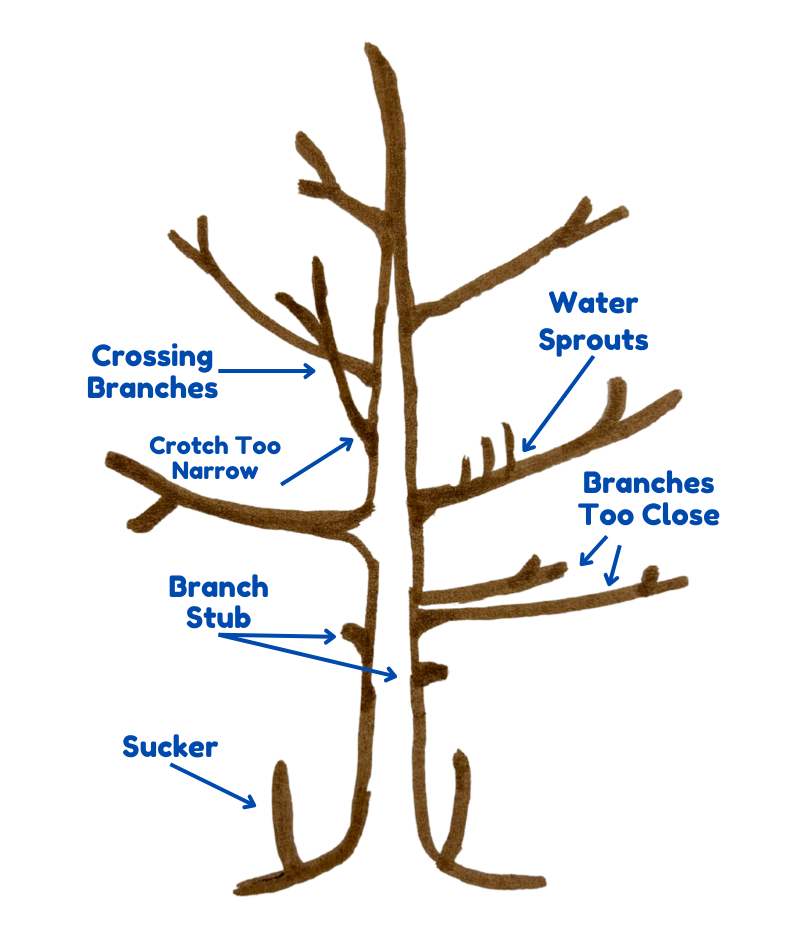
Follow The ⅓ Rule!
Once you start, pruning can be fun, but be careful not to get too carried away. Trim up to ⅓ off of an established plant (not a newly transplanted tree or shrub) in one growing season - maximum. Cutting off too much can stress the plant and impact its overall health.
Lastly, know that you can always hire a certified arborist if the task is too much or the tree is simply too large!
Other Resources:
- City of Moose Jaw: Pruning Trees
- Landscape Ontario: Pruning Shrubs and Evergreens
- Ontario Government: Pruning Fruit Trees
- University of Georgia: Pruning Ornamental Plants

They say all you need to grow a garden is some sunshine, water, and a little bit of love, but what if the sunshine isn’t in high supply? Luckily, there’s an exception to the rule— you can still have a fabulous garden full of lush, healthy plants, even if your yard is heavily shaded from the sun. It’s simply a matter of choosing the right shade-tolerant plants that thrive in dimmer areas. Whether your property is surrounded by a canopy of growing trees, or if you’ve got a smaller patio shaded by an awning, you can still garden like a pro with these shade-loving plants.
Shade Tolerant Perennials
Plants that don’t require loads of sun, and they come back year after year? Sounds like a pretty sweet deal. These popular perennials are sure to brighten up a shady landscape:
Hostas: These large and leafy foliage plants, also known as plantain lilies, make a fabulous groundcover and are great for filling in gaps in the shady corners of your garden. Their variegated green leaves with cream coloured streaks are quite eye-catching, and when conditions are right, they may often surprise you with a blossom or two emerging from a long upright stem.
Hydrangeas: Something about the big colourful clusters of hydrangea blossoms remains to be timeless yet trendy. These shade-loving shrubs produce showy flowers in all different shades of pink, purple, blue, white, and green. A fun fact you may not know about hydrangeas is their colour can actually be changed from pink to blue! By adjusting your soil’s pH and raising the acidity with the addition of some limestone, your hydrangea’s bubblegum pink petals will gradually change to a cool robin’s egg blue tone.
Christmas Fern: Textured, voluminous fern leaves are a striking addition to any garden, adding a little interest and drama without competing with some of your showier blooms. While not necessarily an invasive plant, they do tend to spread and expand, so every once in a while, you may need to trim it back or divide it at the root.
Bleeding Hearts: This colourful flowering shrub has quite an exotic, tropical feel, but is still able to withstand our cold Canadian winters. Its elongated, curved stems sport rows of dangling heart-shaped blossoms in vibrant shades of pink and red.

Shade Loving Annuals
If you’re a fan of container gardening and want to add some pops of colour throughout your space, these annual flowers are spectacular options. While they need to be re-planted each year, they’re vigorous growers during the summer months, so they’re sure to turn heads and grab people’s attention when put on display.
Begonias: With their large, dramatic blossoms available in so many fabulous colours, begonias continue to be a staple in shade gardens. For a totally on-trend flower that’s bright and exciting, opt for a vivid coral variety! Pantone’s 2019 Colour of the Year is “Living Coral,” a bold pinkish-orange shade that pairs beautifully with shades or green, gold, pink, and turquoise.
Impatiens: These low-maintenance blooms don’t just tolerate the shade, they prefer it! New Guinea impatiens are a highly sought-after variety, as they’re much more resistant to mildew than traditional impatiens.
Lobelia: Partial, dappled shade with tiny pockets of sunlight is the ideal location for this pastel petaled groundcover plant, so if you’ve got some overhanging tree branches in your yard that tend to sway in the wind, you’ve got a perfect spot for some lobelia.
Sweet Alyssum: This plant has so much to offer a shady garden! Its fragrance is simply intoxicating, it continually blooms well into the fall, and its crisp white blossoms add a lovely, ethereal glow to your landscape.

Bulbs to Plant in Shade
Flowering bulbs are particularly popular in Ontario gardens, as they’re often the first flowers to pop up and greet us with vibrant blossoms in the early spring after a long cold winter. These spring-blooming bulbs are sure to impress in sun or in shade:
Crocus: The bright blooms of this quintessential Canadian flower are often some of the first to appear in spring, sometimes peeking up from the soil while there’s still a bit of snow on the ground. The indigo-purple shade is definitely the most common variety, but you can also find crocuses in yellow or white.
Tulips: Tall, sturdy stems and long, sleek leaves add elegance and sophistication to any garden. You can find tulips in a whole spectrum of beautiful different colours, but the bi-coloured hybrid varieties can really make a statement.
Daffodils: These sunny yellow blossoms resembling teacups and saucers really bring on the traditional English garden vibes. For a lush and lovely garden fit for a queen, you can opt for this classic spring bulb— just take caution in planting these feisty flowers next to other plants, as they tend to be aggressive growers and may kill surrounding plants.
A shady yard won’t stop you from having a swoon-worthy garden that never fails to impress. Plant some of these shady ladies in your garden beds or containers, and you’ll still get to enjoy colourful blossoms all season long, even if Mr. Sun isn’t shining down.
There might not be a better flavour of summer than the perfectly ripe garden tomato. Picked straight from the garden, a fresh tomato lets you taste summer’s sunshine with each bite.
Tomatoes are incredibly popular garden plants, thanks in part to the staggering difference between homegrown and supermarket varieties. As much as the flavour and nutritional content of garden-grown produce have a clear advantage, we also think that the sheer variety of options is part of the tomato’s success. With so many choices, there’s something to fit everyone’s lifestyle, taste, and garden style, and with such a simple growing formula it’s easy to come out with a great harvest. Here are our tips on how to take your homegrown tomatoes to the next level.
Planting Tomatoes Made Simple
Tomatoes are easy-to-grow plants, but a bit of knowledge makes the difference between a mediocre harvest and an amazing one. The first task in planting your tomatoes is to choose your type. Tomatoes are normally categorized as determinate (bushy types that don’t require much pruning, stalking, or maintenance) and indeterminate (unruly plants that require a little more care but produce more fruit). You also have choices in size from small and sweet snacking cherry tomatoes to large, beefy tomatoes for slicing onto sandwiches and burgers.
Choose plants that are robust and stocky, not ones that have grown lanky. This is true whether you grow your own from seed or buy from the store; you’ll want to start your garden with only the best plants.
Choose a spot in the garden with full sun exposure. Tomatoes thrive on heat and will give you tastier fruits the warmer they are all season, so full exposure to sunlight (without too much exposure to winds) is perfect. Plant in well-draining soil to prevent root rot, but consider layering some mulch on top once you plant to lock moisture and heat in.
When you plant, you can plant part of the stem in the ground to grow roots, too. This is a great way to save any plants that might have stretched and gotten lanky while you waited to plant. Any part of the stem planted underground will grow roots, so take off the leaves and plant about a third of the stem in the ground.

Some Garden Classics
Choosing a type from all of the different and new tomato varieties can be daunting, but we’ve narrowed it down with a few of our favourites to grow in our own gardens.
For great determinate varieties that taste great with little intervention from you. We love the Tumbler and Roma varieties. These produce great flavour and lots of harvest without too much intervention from you, making them an ideal low-stress option.
If you like to put a bit more of a personal touch and love and care into your garden, though, indeterminates are a good choice. For most tomatoes, the flavour, quality, and quantity of tomatoes in indeterminate varieties can’t be matched. For those craving big, delicious, plump tomatoes, Beefmaster is a great choice. Early Girl offers the best of everything in a medium size, reaching maturity early in the season. For those looking for a sweet snacking tomato, though, look no further than Sweet Million.
Heirloom tomatoes are the choice for the traditionalist that wants something unique in their garden. There are many delicious and creatively-coloured tomatoes, like Green Zebra and Black Krim, that will have your dinner plate dressed up with natural beauty.
Growing top tomatoes in your garden isn’t difficult, and the rewards are so delicious that it’s hard to see why you wouldn’t want to grow your own. With so many tasty choices, there’s a tomato that’s suited for anyone and everyone’s space. The only challenge will be getting the tomatoes to the kitchen before eating them all off the vine!