
As simple or in-depth as you want to make it, a garden journal can be a trusted guidebook and useful tool for even the most simple garden.
If you are starting a garden, or adding to it, you probably have a plan - even if it’s all in your head! Many customers come into Eising Greenhouses with a plant list, or hand drawn diagram, or a design created by our in-house team. This makes plant selection so much easier! But what happens once the plants go into the ground? A garden journal helps us to keep track of what happens from season to season.
Garden Notebook, Diary, Journal or Planner
Call it whatever you like - we’re talking about any method that helps you plan, track and enjoy your garden!
Have you ever found yourself trying to remember what that plant was that did so well last year? What was the name of that tomato that the whole family loved? Or why your daisies just don’t look as good this year as they did last year? This is when a garden journal can be very handy!
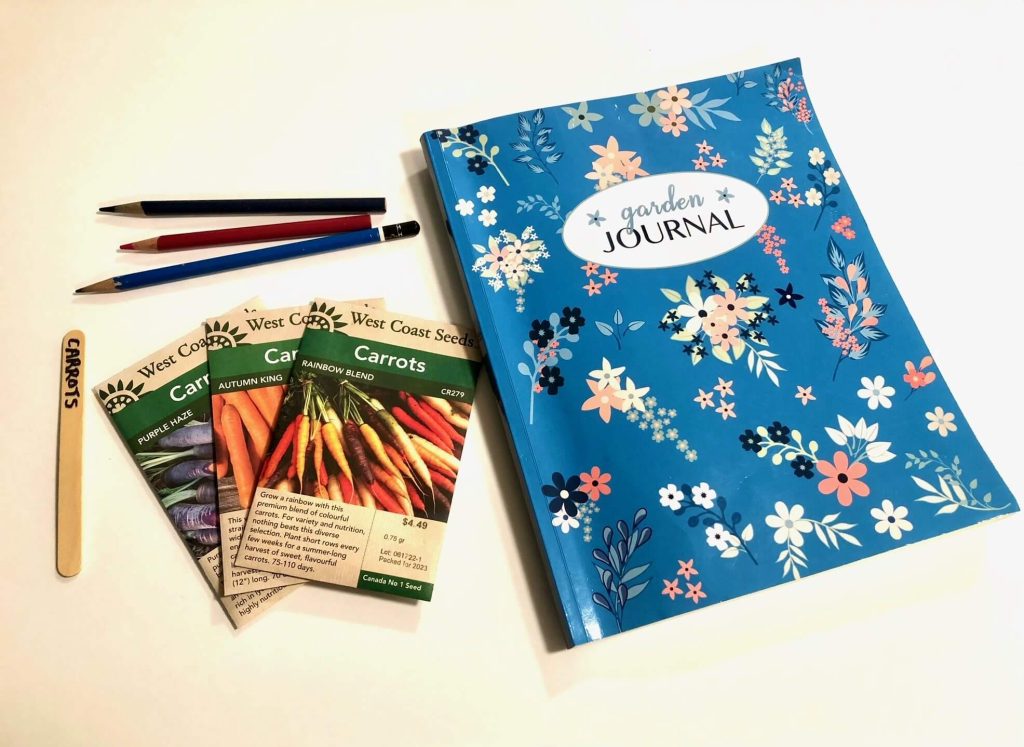
You may already have a notebook and coloured pencils out, ready to start making notes and drawing! Or, you may be like me when I started journalling and thinking that a planner is just another dreaded task. Stick with us, because you can really make this as easy as you like!
If you already have a journal, one of the following suggestions may inspire you to add to it, or change things up. Like a garden, a journal evolves over time and provides a great record of more than just plants.
Getting Started is Easy!
If you would like lots of structure to help you get started, you can purchase journals online and in bookstores that have prompts and sections to fill in. Otherwise, just find a simple, lined notebook (I have one from the dollar store) or work with a notebook you already have.
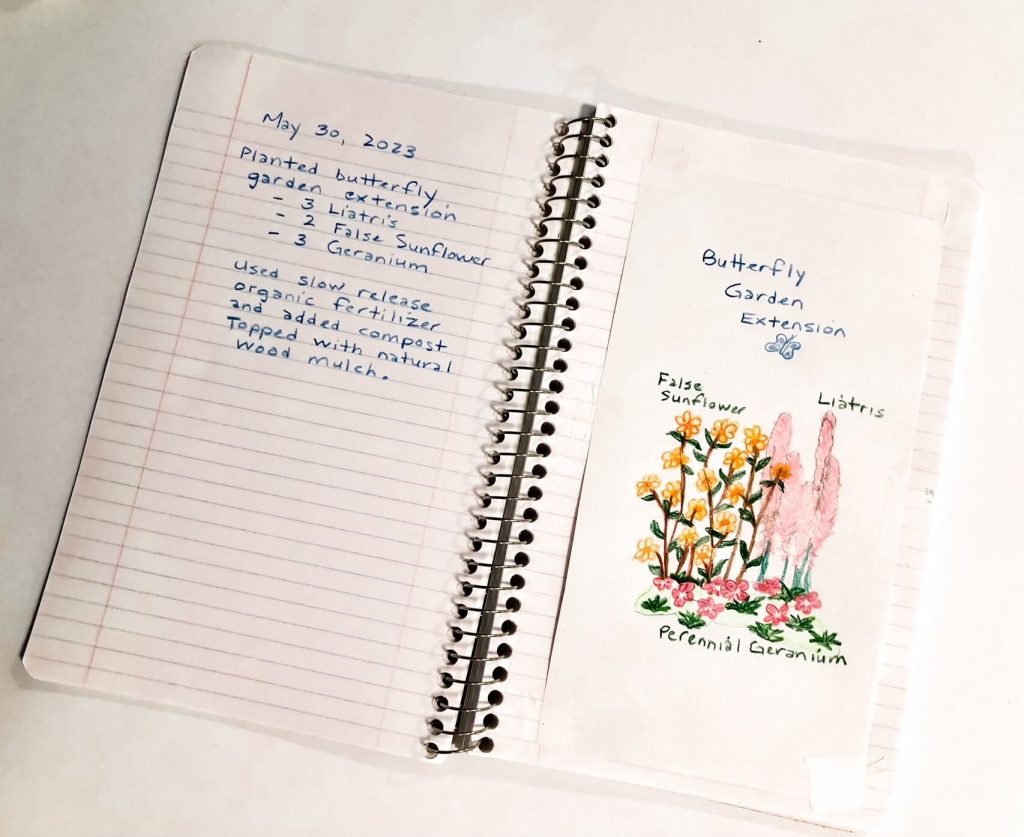
Start each entry with a date. What date will you need to do specific tasks? What date did you plant it? What date did it bloom? What date did you harvest the first tomatoes? Dating everything will be very useful over time, as you look back on what worked and what didn’t.
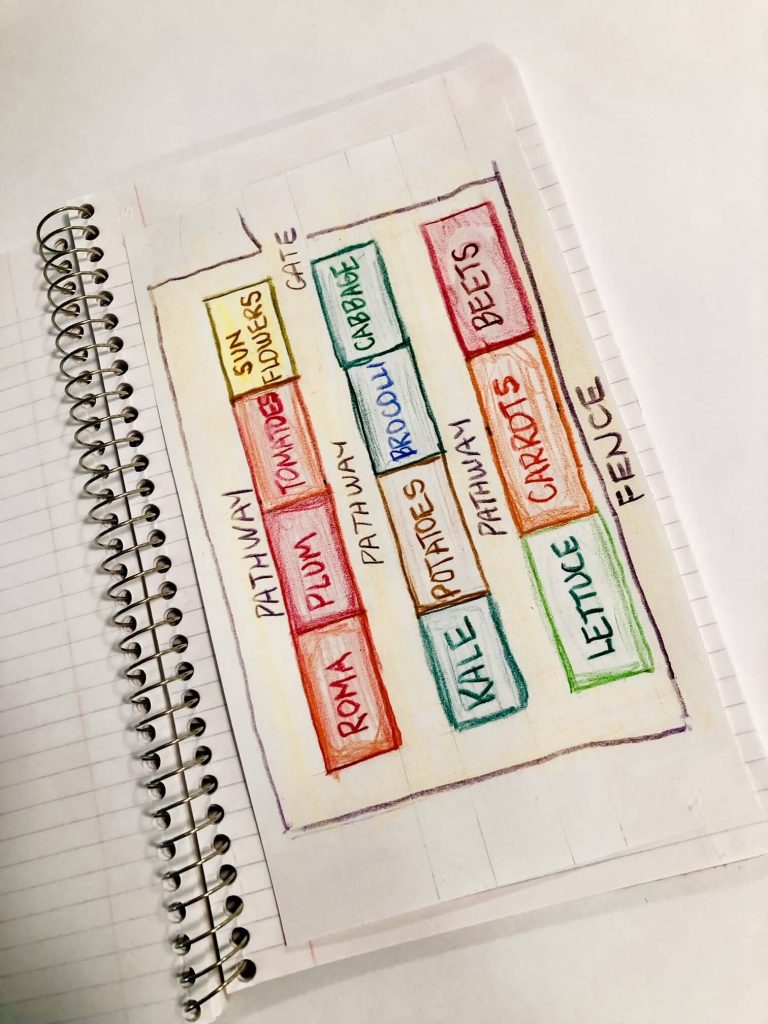
If you’ve already drawn up a list, or a plan, glue them to pages in your journal. If you have receipts, or plant tags, attach those to a page or two as well, or attach an envelope to stow them away.
Add notes to your entries like where plants came from (garden centre, friend), where you planted them (eg new bed beside the front porch), any special care you gave them (type of soil used or fertilizer)… any specifics that come to mind.
Details Can Always Be Added
Many of us create a plan, and what ends up happening in reality is a little or a lot different. Adding a labeled diagram of your garden area to your journal captures what’s planted and where. Why is that helpful? Here are a few examples to show why this is a great future reference… to remember which annual geranium was stellar in a specific spot last summer when you go to plant it again the following summer. Or, if you are rotating your vegetable crops you can track which vegetables were in specific areas of the garden. Or, which plant did deer find very tasty, leaving a bare spot on the edge of a bed?
Again, be sure to add dates to your entries because they do come in handy when you’re tracking things from year to year.
Pictures and Drawings
This is the next level of detail that can be added - or not!
Notebooks that are created to be used specifically as garden journals often include different types of pages - lined, dot grid, graph, and blank. These different formats allow for making lists, plotting out gardens, and drawing pictures or pasting in photos. If you’re enjoying tracking what’s in your garden, you may want to start with a journal for this purpose, or one that you can add sheets to so that you can draw or plot.
It can be very calming to sit in the garden on a nice day and draw in your journal. Or, take pictures during peak bloom times so that you can sit inside and draw on a rainy day or in the middle of winter.
Seasons may fly by quickly, but your journal is your memory book and trusty reminder of the joy of life in the garden.
If you have some space in your flower or vegetable garden, growing herbs is definitely worth it! Many are drought tolerant, do well in containers, require very little care, and can provide a bountiful harvest all summer long.
Buying herbs at the grocery store is often pricey. Growing them at home, using the tips below, helps to ensure a steady supply for a fraction of the price.
If you’re not accustomed to adding herbs to meals at home, buying a plant is a great way to experiment and see which ones you like. If you try Cilantro, for example, and don’t like it, place it in a nice pot and take it as a hostess gift the next time someone invites you to a barbeque. Especially if you’re coming over to our house, we love it!
Herb Growing Tips
- Like many other plants, there are perennial and annual herbs (annuals don’t survive an Ontario winter and need to be planted each year). Perennial or annual may determine where you plant your herbs in the garden.
- Most herbs are drought tolerant and enjoy full sun. The amount of water and sun can vary slightly, so it’s good to note watering and light needs for the herbs you’re growing.
- The more you trim herbs, or “give them a haircut”, the more your plant will thrive. Start trimming them early - when they’re about 4 inches tall, and do it often! This will make your plants more sturdy and bushy.
- Regular pruning ensures that your herbs don’t flower! While this is the goal with many other plants, it’s not what you want with herbs. A plant will focus on producing flowers and seeds, and stop producing the leaves that you want to harvest for herbs!
Here’s a list of our favourite herbs to grow in Southern Ontario, and how to care for them.
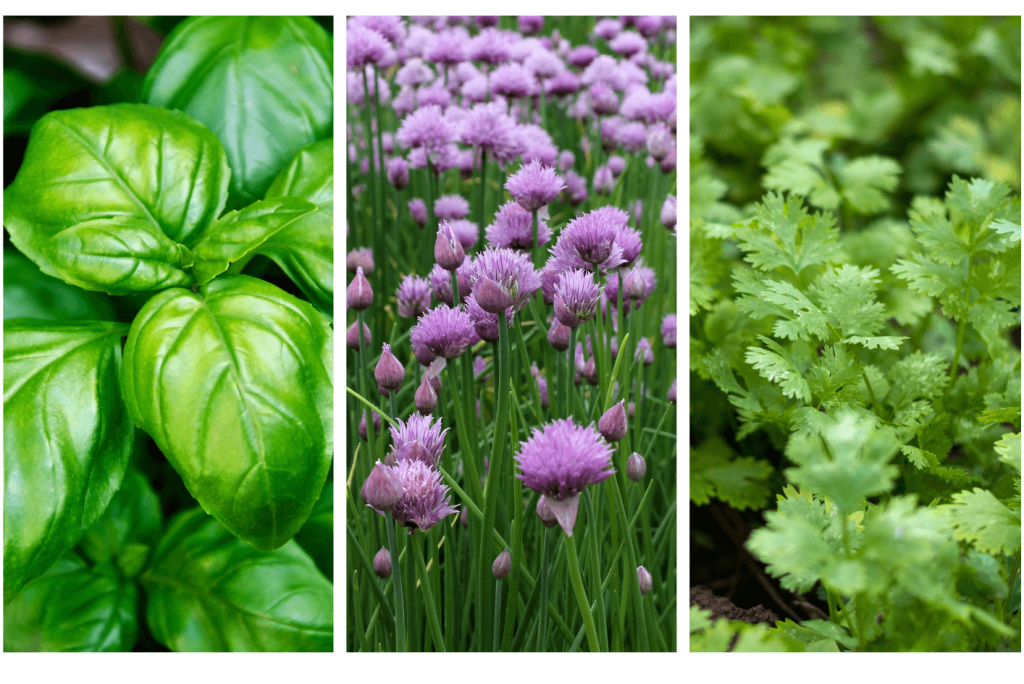
Basil - Annual
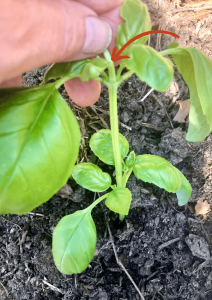
If you’ve planted tomatoes, it just makes sense to add a few basil plants! The tomatoes will love them, and so will you on your toasted tomato sandwiches. Basil loves full sun, and evenly moist soil.
Chives - Perennial
Chives are one herb that you may want to allow to flower. Its blossoms are great for flavouring vinegar, and the plant will still produce mildly onion-flavoured stems. Chives like full sun but will still grow in partial shade, and once established they only need watering during dry spells.
Cilantro - Annual
To some people with a very specific gene Cilantro tastes like soap! For everyone else, it’s one of the most delicious herbs and a taco wouldn’t be the same without it. Cilantro prefers part shade, but will tolerate full sun. It can be allowed to dry out, but it may flower prematurely if it gets too dry.
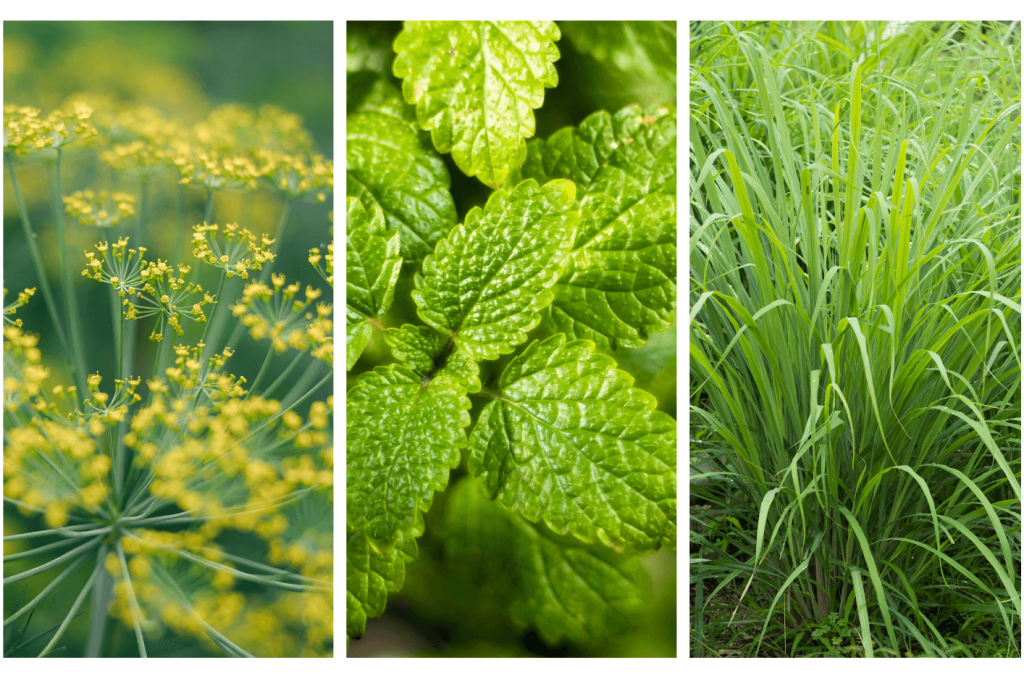
Dill - Annual
While Dill is considered an annual, many people in Ontario find that if you allow it to eventually go to seed, it will reseed and grow again the following season. No guarantees. But worth a try, right? Dill plants love full sun, and their roots just slightly moist.
Lemon Balm - Perennial
Fresh leaves can be used to make tea all summer long, or can be dried for winter use. But this versatile herb can be used for many things from pesto to cookies! Grow Lemon Balm in full sun to partial shade, and keep the soil moist for optimal growth.
Lemongrass - Annual
A staple in Thai cooking, Lemongrass is a great addition if you love to cook. Full sun and moist soil will keep this herb happy and producing lots of lemony stalks. You might want to try bringing it indoors for the winter as well.
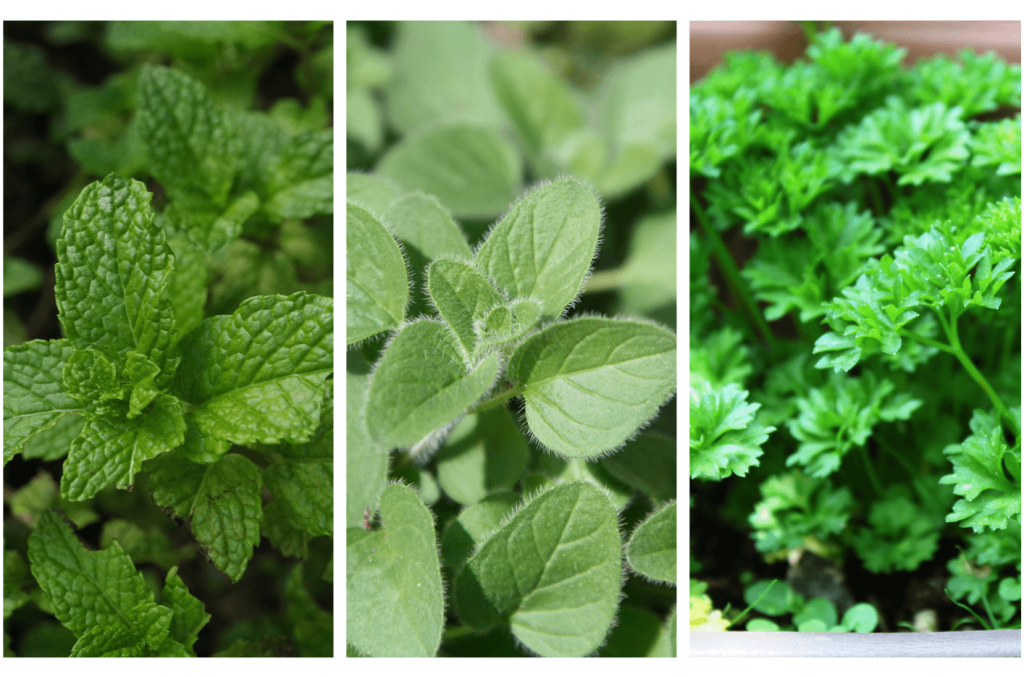
Mint - Perennial
This herb comes in so many variations that are just simply delicious - spearmint, peppermint, apple mint, chocolate mint, and more! But this is one plant you’ll want to keep in a pot, well away from garden soil. It’s also one to trim before it sets seeds or you will have a garden that’s full of mint! It can be invasive. It will thrive in full sun but will stand some shade, and it likes moist soil.
Oregano - Perennial
For obvious reasons, (tomato sauce) Oregano is a great addition to the garden. It will spread and reseed throughout the garden if you let it go to seed, but some people like this feature and use it as a groundcover or border for a perennial bed. Oregano likes full sun to partial shade and once it’s established it is very drought tolerant.
Parsley (flat and curly) - Annual
There was a time when every restaurant meal was adorned with a sprig of Parsley. It’s pretty. But it’s also an underrated culinary herb and can add wonderful flavour to soups and stews as well as other savoury dishes. Keep this plant moist and in full sun to part shade.

Rosemary - Annual
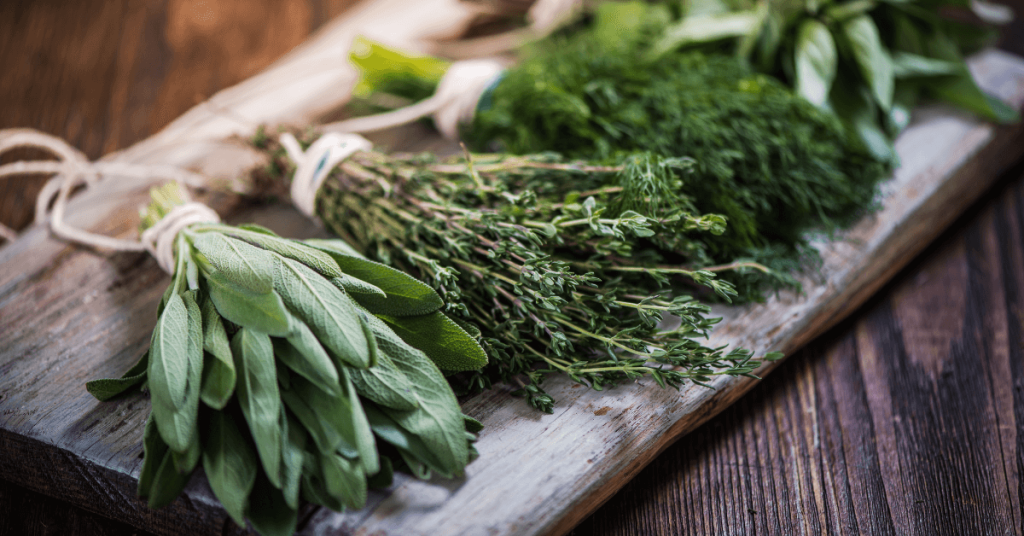
Is anyone else addicted to bread with olive oil, salt and Rosemary? It can’t just be us! This is another garden staple that loves full sun and slightly moist soil. It can also be brought indoors for the winter, but be sure to keep the soil from drying out completely.
Sage - Perennial
Perennial, with a caveat. In Ontario, it’s best to provide some winter protection for this plant if you want it to survive the winter. I’ve had reasonable success with bringing it indoors for the winter, or it can be treated as an annual. Sage likes full sun and moist soil but don’t overwater this one! It does love the heat of summer and will produce a nice big plant once temperatures heat up.
Thyme - Perennial
Thyme is just so good in so many things - vegetables, meats, soups, and of course stuffing! It’s easy to grow if it has well-drained soil and full sun. Once it’s established it is moderately drought tolerant and can be harvested from early Spring until Winter.
Like all herbs - don’t forget to give it frequent haircuts!
At Eising Garden Centre you’ll also find many more herbs to grow and enjoy. Do stop by and give them a try!
You’ve selected your annual and perennial plants, chosen their location in the garden, amended the soil and everything is planted. Or close to it! Now what? How can you take care of them to maximize their potential? A bit of simple and easy maintenance will keep your plants healthy and blooming.
Once they start blooming, most annuals will flower all season long, until cold temperatures or frost put an end to their display. Many perennials will bloom for several weeks. We listed some of our favourites in this article if you missed it.
Here are some simple tips to keep your plants looking great!
Water
Newly planted annuals and perennials, even drought tolerant plants need to be watered at planting time.
Perennials will need water every week for the first two weeks and during periods without rain. Most perennials do well with a minimum of one inch of water per week.
Water is absorbed through the roots, so water the soil and not the foliage. Low (pressure) and slow (volume) allows water to adequately soak into the soil instead of running all over the place! It’s also best to water in the morning rather than at night because foliage that stays wet all night is susceptible to rot and foliar diseases.
Annuals planted in containers will need to be watered more frequently than annuals in a flower bed. Hanging baskets and planters will most likely need water daily, and in the heat of summer twice a day. For hanging baskets, the water should run out of the bottom.
In planters or the garden, use your finger in the soil to test it out - if it feels dry, your plant needs water.

Mulch
Mulch is always a very good idea to maintain soil health in the garden no matter what you’re planting!
An organic mulch will help enrich your soil, and keep it moist. A layer of at least 2 inches of mulch will also suppress weeds. Who doesn’t love that? The only caveat: don’t allow the mulch to touch your plants.

Deadhead
Deadheading or removing flowers that have finished blooming is important for many plants. Doing this allows the energy from the plant to be sent to producing new blossoms in annuals, and some perennials.
How do you do it? Take sharp, clean scissors or pruners, and cut off any dead flowers just below the base of the flower or above the first leaf. With some plants you can simply break off the spent flowers.
Bonus: your plants will look much better without dead flowers on them!
Note: some annuals don’t need deadheading. For example, Verbena, Lantana, Lobelia, Impatiens, Petunias, and Begonia.
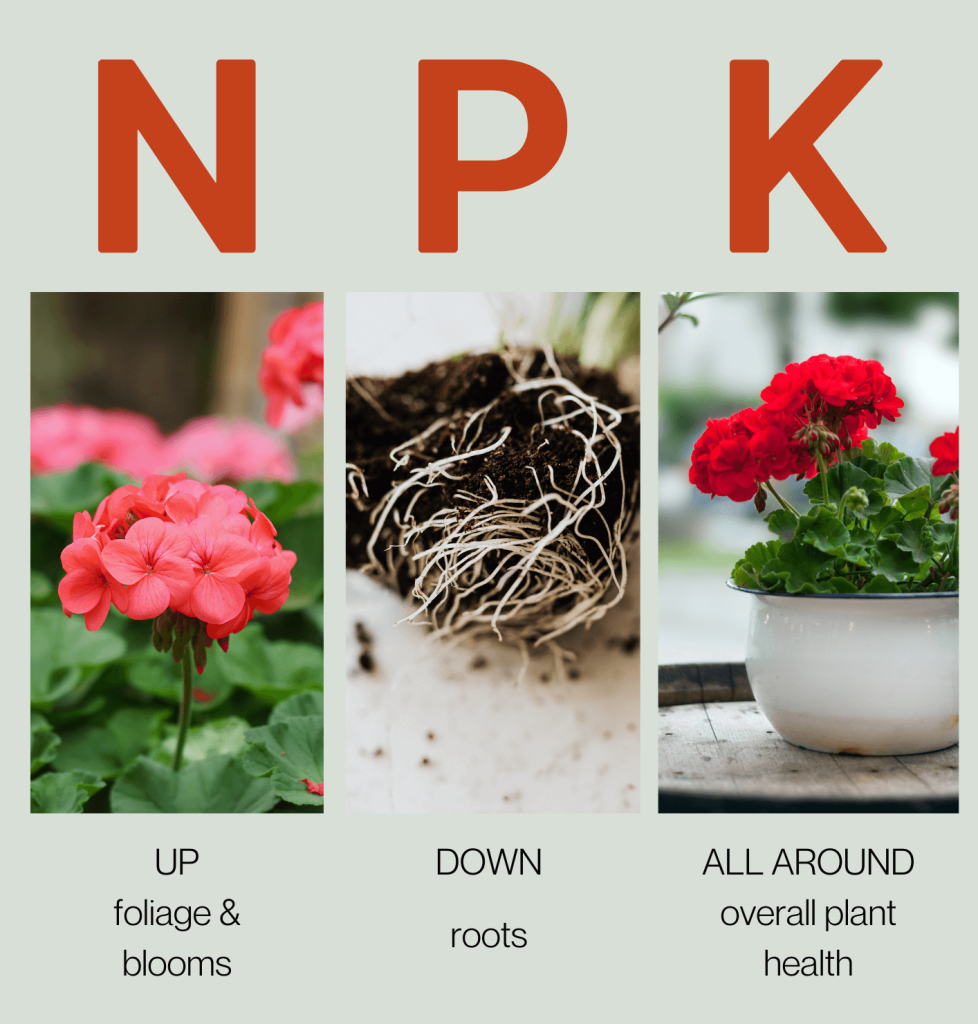
Fertilizer
Let’s face it, fertilizer packaging can be confusing. They often feature three letters and three numbers. What does it all mean? What is N-P-K? This Eising article explains all you need to know about fertilizing and is worth the read.
However, in a nutshell, this is a really easy way to remember the function of N (nitrogen), P (phosphorous and K (potassium) when it comes to fertilizing. The numbers are the percentage of each of those nutrients that the fertilizer package contains.
N = UP - foliage and blooms
P = DOWN - roots
K = ALL AROUND - overall plant health
If you used an organic, slow-release fertilizer when you planted your annuals or perennials in the ground, you shouldn’t have to fertilize again during the season.
Most potting soil in planters or hanging baskets contains the nutrients needed to help your plants get started. An easy way to maintain nutrients throughout the season is sprinkling Shake n’ Feed Ultra Bloom 10-18-9 slow release fertilizer on top of the soil. It will slowly feed your plants for three months. For heavy feeders like petunias or plants that are hungry, looking light, and in need of an instant boost, use a water-soluble fertilizer with an NPK ratio of approximately 20-20-20 every two weeks to keep them blooming.
For perennials, trees and shrubs that need more nutrients during the year, Shake n’ Feed slow release 18-6-12 fertilizer can be applied in the spring and it will feed your plants for three months during the growing season. The same fertilizer can be used for trees, shrubs and perennials in subsequent seasons.
As a rule of thumb, it’s better to under-fertilize and watch how your plants respond. Over-fertilizing can lead to sick plants that have yellow or brown leaves. In your garden, the only way to know what your plants need is to test the soil. Otherwise you’re guessing! To test your soil in Ontario, samples can be sent to The University of Guelph.
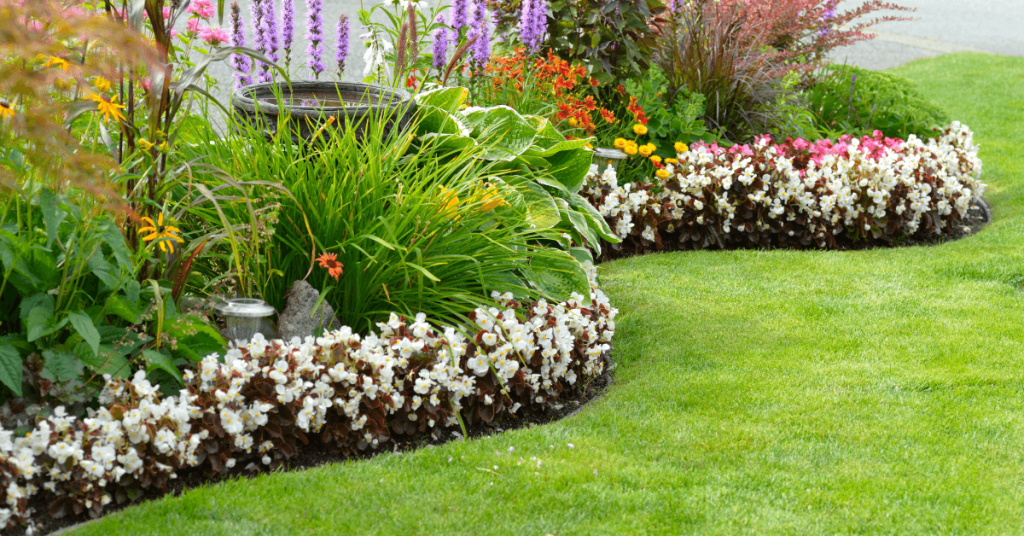
Let’s face it, summers are short and when we invest in plants we all want annuals and perennials that are long blooming. Flowers that last the duration of the summer are ideal! To achieve this, there are a few things to consider like: the plants you choose, good soil, and the amount of sun the flowers will get. When you come into Eising Garden Centre we can help you find sun or shade loving plants, and soil for your hanging pots, planters or garden beds, but to get started you’ll find some of our favourite plants listed below. First, a little plant primer that will help you make decisions.
Annual? Perennial? What’s the Difference?
Annuals and perennials are in separate areas of the greenhouse because they are plants that we will treat differently in the garden.
Here is the best way to remember the difference:
- Annual plants are planted every year, annually, as they will not survive the winter
- Perennial plant’s roots survive the winter and the plant will regrow each Spring

It’s good to know the difference, right? Now you know what to expect from the plants you buy!
Because Annuals and Perennials are in separate areas of the greenhouse, you might think that the two don’t mix in the garden, but they absolutely do. For example, Perennials can make a great backdrop for Annuals. Or, a well placed pot of Annuals amongst Perennials or shrubs can fill in a gap, or bring a pop of colour once other blooms have faded. Using Annuals, Perennials and Shrubs together can really maximize the beauty in your space!
If you’re not sure where to start, here are some of our favourite sun loving flowering plants that are easy to grow and long blooming!
Annual Flowers
- Petunias are one of the most popular blooming annuals for many reasons - there are a wide variety to choose from, they have a wonderful scent, they’re easy to grow and they bloom from Spring until frost.
- Zinnia flowers are low maintenance, fairly drought tolerant, come in many bright colours, will also bloom continuously from Spring until frost, and will attract butterflies to your garden! All things considered, they are one of the best annuals to grow.
- Geraniums are great for containers, hanging baskets, or as bedding plants and come in a variety of leaf shapes and bloom colours. Another reason why these Annuals are so popular is that they are easy to grow and will keep producing flowers late into the Fall.
- Marigolds come in vibrant colours and are another no-fuss Annual that’s tried and true. These long lasting flowers will also attract butterflies, bees, lady bugs, and other beneficial insects making them very good companion plants in any garden but especially your vegetable garden.
- Cosmos will bloom from late Spring into Fall especially if you remove dead flowers. In return, these colourful, daisy-like flowers will attract pollinating insects as well as birds. Cosmos are also fairly drought tolerant making it a delightful and easy to grow Annual.

Perennial Flowers
- Salvia have spikes of flowers that are long blooming, on plants that are easy to grow, and drought tolerant once they are established. These low maintenance plants will attract butterflies, bees and hummingbirds, and are deer and rabbit-resistant.
- Coreopsis is another drought tolerant perennial that will bloom summer through fall. Flowers are daisy-like and come in vibrant shades of yellow or red.
- Coneflower or Echinacea is a daisy-like flower that is drought-tolerant and long blooming. These sturdy plants have flowers in a wide range of colours from chartreuse to pink, orange, red, and yellow. They come in a range of blossom shapes which make them even more intriguing. If that wasn’t enough, they are also loved by birds and pollinators!
- Rudbeckia, or Black-Eyed Susan are classic perennials that liven up any garden with their sunny colours ranging from yellow to bronzy orange. This durable plant is popular because it is drought-tolerant, pollinators love it, and it’s long blooming.


While most annuals provide a continuous succession of flowers, perennials tend to bloom for two to six weeks. Many perennials will bloom, rest, and then rebloom if you cut off, or deadhead, any spent flowers. A little tender loving care for your annuals and perennials throughout the summer will help blooms last as long as possible. We’ll cover that in our next blog!
March is the month that many of us have waited for all winter. It’s seed-starting time for lots of heat loving vegetables, herbs and flowers that will be transplanted outside in May or June.
It’s also time to plan for cool weather crops. Cool weather crops?! This can be a revelation to many of us who are new to growing vegetables. There are two kinds of vegetable plants; heat loving and cold hardy. On average, most cold hardy veggies can withstand temperatures of -4 celsius and can be planted out weeks before the last frost date, especially if they are covered. We’ve listed some covering ideas at the end of this article.
So where do you begin? If it’s your first time starting heat loving vegetable seeds indoors, try beginning with one or two vegetable varieties that you love. How about an heirloom tomato that you just can’t find grown anywhere else, or some super hot peppers to spice things up? The seed carousels at Eising Garden Centre are fully stocked with vegetables and flowers right now so it’s the best time to come in and find something exciting to grow! Check the back of each seed packet, it will tell you how many weeks before the last frost date (around May 24th here in southern Ontario) to start your seeds indoors. There are also a few supplies you’ll need to get started - instructions and the essentials are listed in this blog post. It takes a little more work to start seeds indoors, but it can be very fulfilling and it does allow you to grow things that are unusual.
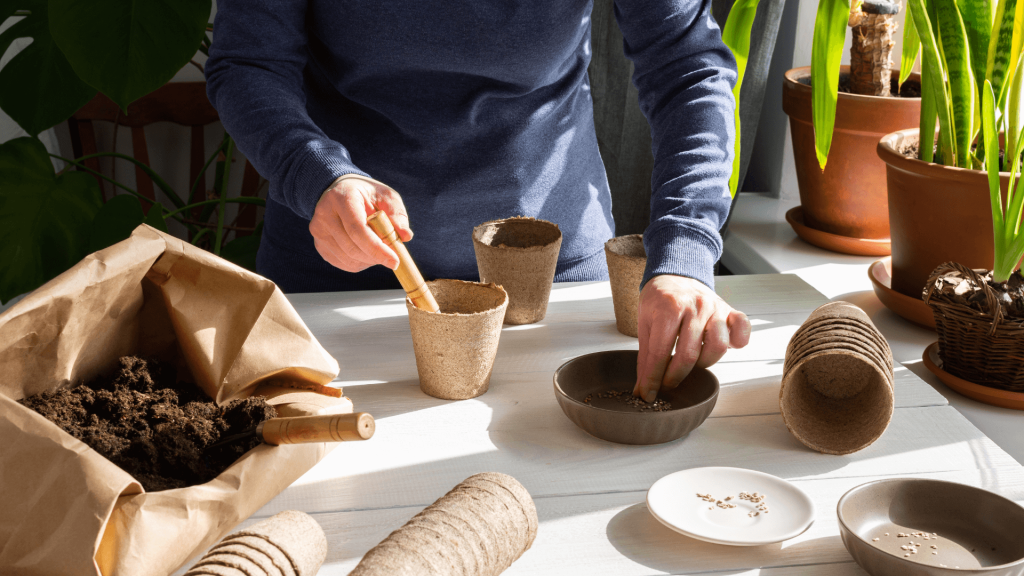
If starting seeds indoors sounds like too much work, we’ve got you covered - visit Eising Garden Centre in May to shop our wide selection of vegetables, herbs and flowers that you can easily transplant and enjoy!
If you’re eager to get gardening, why not try some cold hardy veggies? In Southern Ontario, cool weather vegetables can be planted early in Spring. This allows you to grow and harvest a whole crop before the heat loving veggies like tomatoes and peppers, and most annual flowers get transplanted around May 24th (hardiness zone 6b), or when overnight temperatures are regularly a minimum of 10 celsius.
Here are some cool weather vegetables to consider planting as soon as the soil in your garden is workable (not frozen solid):
Lettuce is a crop that you can direct seed or transplant early, and it can be seeded every two weeks throughout the spring and fall for continuous crops. Lettuce seeds will germinate in about 7 days at a soil temperature of only 10º celsius but the optimal soil temperature is between 16-24 degrees. Do not worry about running out to buy a soil thermometer, or waiting until the soil temperatures are exact - all of the cool weather crops will germinate at slightly lower temperatures, they’ll just take a little longer. We also offer lettuce plants in the garden centre in early May if you would like to transplant established greens. Starting with a few plants, and some seeds will ensure a continuous crop of lettuces for several weeks.
Lettuce can be grown in the shade in early summer. It will last longer in the shade as temperatures climb, and not bolt (plant begins growing seeds instead of leaves, making leaves on the plant bitter) as quickly.
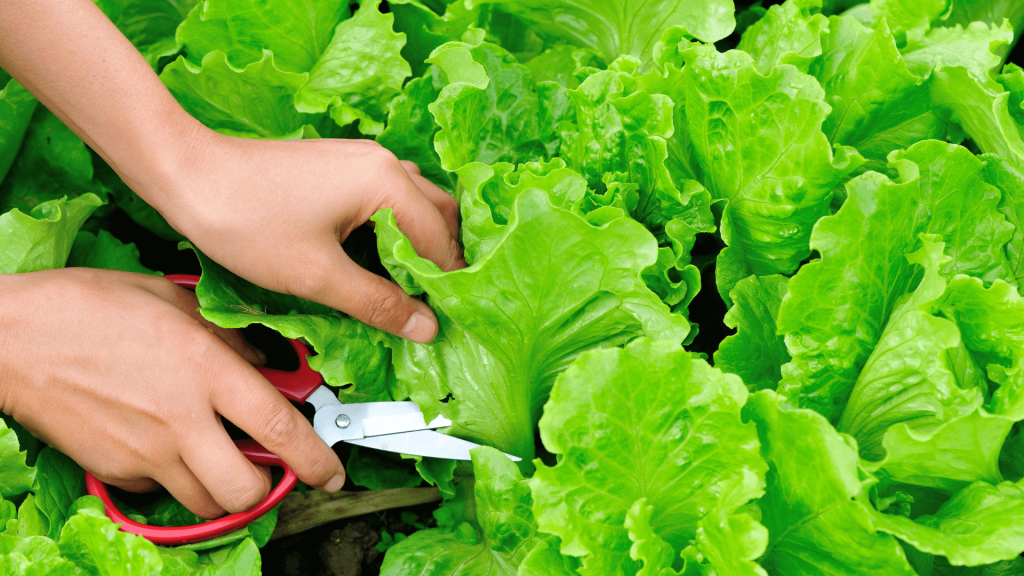

Spinach and Arugula like lettuce, are very well suited to germinating early in spring or in the fall. The optimal soil temperature range for germination is 18º-24º C and will take about 12 days.
Lettuce, Spinach and Arugula grow best in cool temperatures and tend to bolt as soon as temperatures warm up in late spring and early summer. Look for “bolt-resistant” varieties if you want to extend your late spring harvests.

Radishes can be planted throughout the early spring if you’d like a continual harvest of tender, young radishes. It takes about 30 days from germination to harvest, sometimes less for smaller varieties. Seeds will germinate at soil temperatures anywhere between 4º-35ºC which makes them easy to start!
Peas love early spring and cool fall temperatures! They will germinate quickly when the soil is between 18º- 24ºC and will be ready to harvest in late spring or early summer. This is another vegetable that you can start again as autumn sets in.
Carrots grown in the spring can be harvested early in the summer making way for heat loving crops like peppers and tomatoes. Carrots will germinate in a wide range of soil temperatures, and can be planted outdoors about 4 weeks before the last frost date. Late in summer, as you remove the heat loving crops, you can seed more carrots for harvest in late fall or early winter.
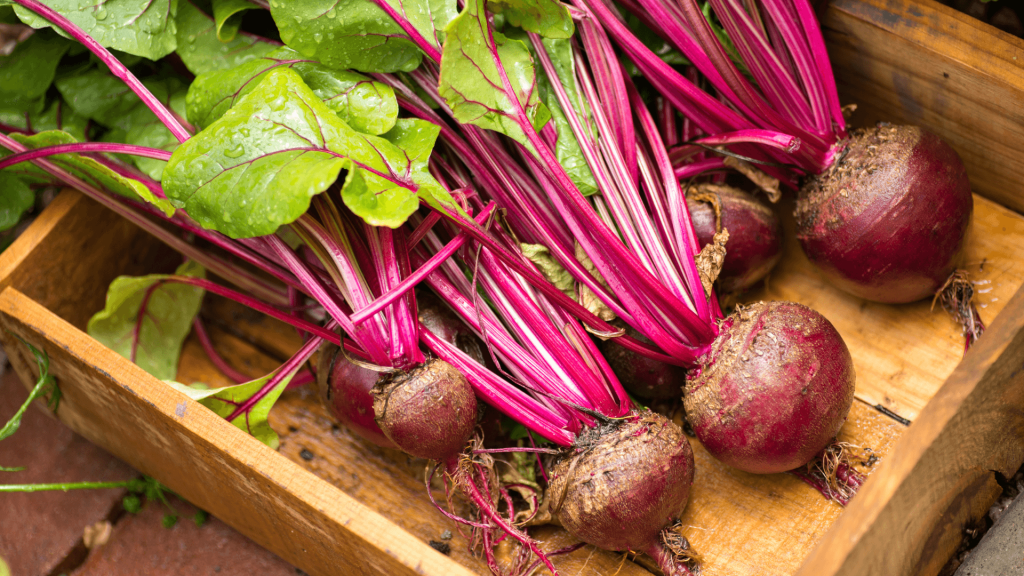
Beets are another vegetable that can be sown in a wide range of soil temperatures. Because of this, you can start planting beet seeds as soon as the soil can be worked in the spring, and you can continue seeding beets every 2-3 weeks for a continuous harvest.
Green Onions (aka Scallions or Spring Onions), Kale, Chard, Collard Greens, Mustard Greens, Swiss Chard, Brussel Sprouts, Cabbage, Radicchio, Fennel and Cilantro are also seeds that can be planted in hardiness zone 6b in early spring when the soil can be worked.

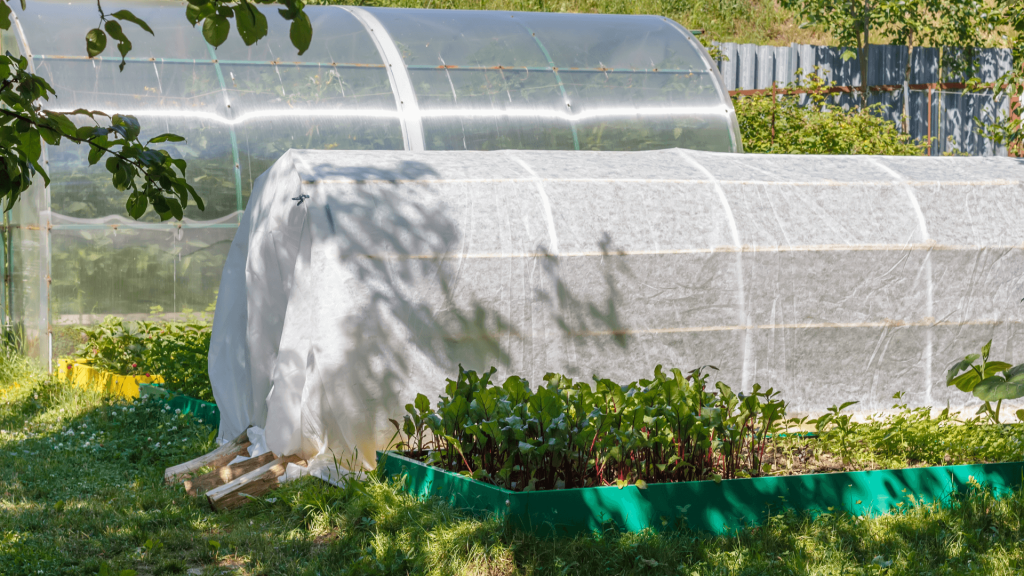
Keep in mind that while these vegetables grow in cool weather, they may still be slow to grow or even damaged if the temperatures dip too low. If this happens, you may want to provide some protection like row cover cloth, a blanket, plastic, a cold frame, or a cloche (this can simply be a large plastic jug or containers).

If this article has piqued your interest, here are some great resources to help with seed starting and transplanting timing:
West Coast Seeds Vegetable Planting Guide
Heeman Ontario Seed Starting Guide
Reference for soil temperatures:
https://sacmg.ucanr.edu/files/164220.pdf
If dull days have you feeling a little down, a fresh, green, tropical plant might just be the tonic to inject some life into your living space and brighten things up.
Go Green
Spring flowers are beautiful, but the hero of Spring is the abundance of green. As everything comes back to life, it’s the colour that begins to envelop us, and it just makes the world look so much better again.
Adding greenery to your home can have that same overall effect! If you’re new to houseplants, there’s really something for everyone. There are tropical plants that can be very easy to grow and require very little attention. Plant care (how often they need water) and conditions (how much light they need) are two main factors to think about when choosing the best indoor plants for you.
Here are four beautiful houseplants to consider:
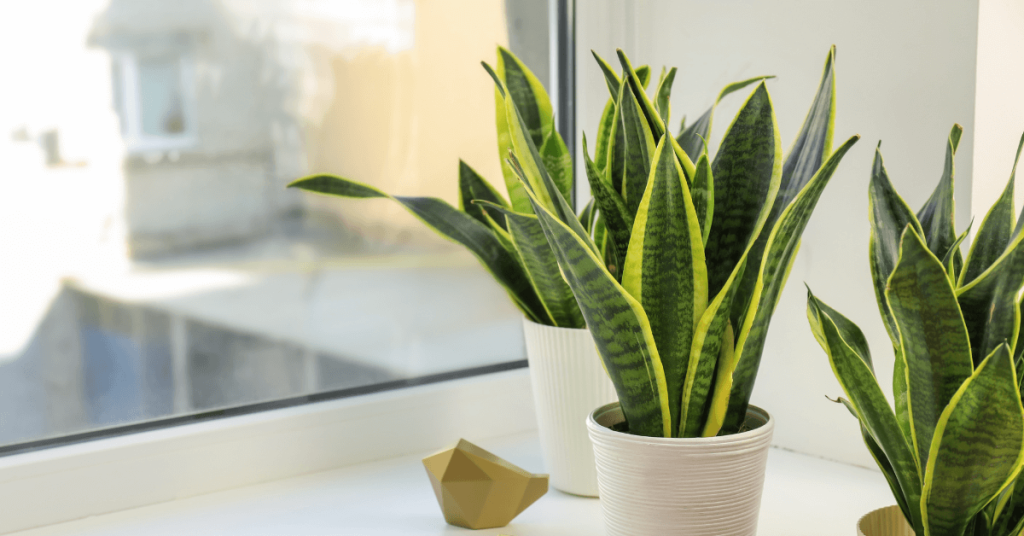
Snake Plant
Dracaena trifasciata or Snake Plant is a very hardy indoor plant, some say nearly indestructible. It will grow in almost any amount of light - dark to bright, so it can be placed virtually anywhere in your home. These tough plants require very little water - only water them if the soil feels dry. Overwatering may lead to root rot, so save your love and attention for something else, your Snake Plant just needs a little sip now and then.

ZZ Plant
Wondering why the strange name? Technically its name is Zamioculcas zamiifolia…so let’s stick with ZZ! This is another easy to care for house plant. It likes bright, indirect light and some water every couple of weeks. Basically, a drink whenever the soil dries out. Not bad for a plant that looks like its shiny leaves have had a spa day.
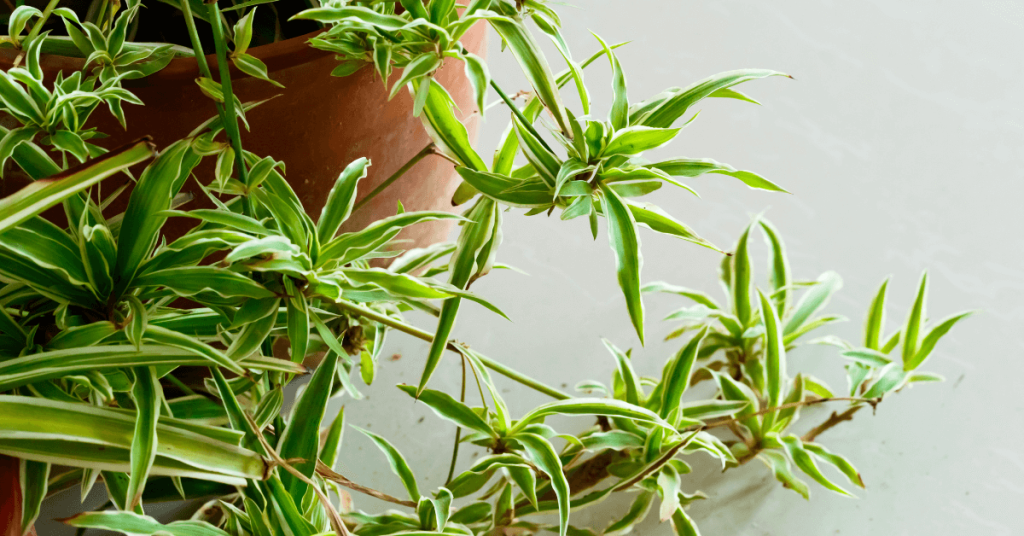
Spider Plant
Spider Plants are predominantly known for their graceful arching foliage, but they do send out a stem of small, star-shaped flowers fairly regularly on mature plants adding to the beauty of this popular house plant. Bright indirect light is where it thrives, and it does enjoy regular watering. Humidity can also help the Spider Plant stay healthy which makes it a great candidate for a bathroom with a shower or tub in it.

String of Pearls
Tiny, pea shaped leaves that look like pearls on a string make this a very unique houseplant. Unique may be a code word for: this one needs a little more attention. It’s best grown in a plant hanger or on a shelf where its trailing lengths of pearls are undisturbed. Morning light is best, not full light in the heat of the afternoon. During its growing season in Spring and Summer, keep the soil moist. It can be watered less in the winter. This is a plant that you can talk to each day while you give it a little drink, and it may become a very loyal friend. String of Hearts or other succulent, trailing vines are also plants to consider when you come in to shop and you’re liking the sound of this one.
When you do come into the store to see us, we can help with any other questions that you may have, like whether or not fertilizer is recommended and when to repot. Or, read this article on Tropical Plant Care.
When you pick out your new tropicals, we also have a great selection of decorative pots to place your new plants in to enhance your decor.
Eising Exotics
If you’re looking for a really special feature plant, or maybe to make your garden or pool area feel like you’ve been transported to a southern paradise, it’s time to pre-order larger palms and tropical plants! Shopping for these tropicals will surely make you feel like warm Summer breezes are just around the corner. Visit the Eising Exotics page now to view what’s available and place your pre-order.

The promise of Spring signals the season of revitalization, even for your wardrobe. Wouldn’t it be great to open your closet and find clothes that go together and that fit? Also, why is it that just when you find the perfect pair of black pants, there is never anything in the closet that seems to go with them?
Reorganizing your closet so that you can find what you need and know what is missing is easier than you might think. Even if you are already organized and can effortlessly pull an outfit together, this is always a great exercise to freshen things up. A revitalized closet just makes life easier! And organizing each year can be a quick, simple task that is quite enjoyable. Especially when you know there’s a payoff at the end of the job - getting something new to add to the mix!
These simple steps will help you see what items you need to update your closet. Then, when you come in to shop, you will know whether you need something with a burst of colour to freshen things up, like a colour block tee, or one of the great graphic tees at Sassyfras. Or maybe you bought a men’s dryweave shirt from us last year, and one just isn’t enough to use for sports, supper out, and that vacation in Spain. Once you follow this plan, you will know, and it will probably save you money.
If you set an afternoon aside, and do this with a friend - in person or on a video chat - time will fly by. Or, just put on some good music now and let’s get started.

1 - Make a Pile
First take everything out of your closet. Empty out drawers and all the things on the shelves above and below, including those birthday presents you meant to give out last year. Put it all on the bed or the floor, depending on the amount of space needed.
2 - Sort
Grab five boxes, bags or bins and label them as: Keep, Donate, Sell, Other and Trash.
As you pick up each article of clothing from the pile, decide which of the five containers it should go into. It can be a tough thing to do if you hate to part with old favourites. This is when you need that friend to support you and ask questions like “How often do you wear this? Is it still useful to you?” If you’re going it alone, and you’re not sure, just put it in the Other bin for now, along with those birthday gifts from last year.

3 - Clean
Don’t let this one scare you! It’s an empty closet, so it will go quickly. Give the closet a good vacuum. Wipe down poles, shelves, drawers and the floor. Maybe even add a quick coat of paint. Just make sure that it’s dry before continuing to the next step!
4 - Organize
Drawing from the Keep pile, start to put these items back into the closet in an organized way - pants in one section, blouses in another, etc. Keep colour in mind as you go so that you can organize items by colour as well. For example, keep all the blue blouses together.
If anything on the shelves was disorganized when you emptied the closet (sweaters, t-shirts, shoes), find containers to gather each of these items into and label them clearly. Even if it’s cardboard boxes with labels written in magic marker for now - you can always find a clear bin later and swap them out if you like.
Once everything that you know you want to keep is back in the closet, take another look in the Other bin. Where those items go may be more clear to you now. If not, put that box into the closet, except those birthday gifts - for heaven’s sake give those away. Or, hang these items up with the hangers facing backwards. If the hangers are still facing backwards in a year, or the Other box still has items in it, it’s time for those things to go!

5 - Remove
Now you’re ready to post the items you’re selling, or put the box in the car to take to a consignment store, along with the box of items that you’re donating.
Take the trash bag out to the curb, pull your shoulders back, and brush your hands together because you’ve done some great work! Doesn’t it feel good?! The final step is your sweet reward.
6 - Revitalize
While a sparkling clean and organized closet does feel good… nothing feels better than a new piece of clothing. It’s time to think about what’s next.
Take a look inside your beautiful closet, and see what you need. It should be so much easier to make a list of items that will revitalise your wardrobe now.
Bring that list with you on your next shopping trip! Of course, Sassyfras is stocked up with lots of great clothing, and ready to help you when Eising Garden Centre reopens on Thursday, March 2 for the 2023 season.
If you would like updates with everything that’s happening at Eising Garden Centre, this is the link to sign up for our fabulous newsletter.
We look forward to seeing you soon!
Sassyfras Hours
Beginning March 2, 2023
Monday - Saturday 10am-5pm
Eising Garden Centre
Spring Hours - Beginning March 2, 2023
Monday - Saturday 9am-5pm
Believe it or not, winter is the absolute best time to ponder, dream, and plan your garden and landscape design. Why? Spring is the optimal season to plant and transplant, and with a design in hand, we can hit the ground running once warmer temperatures arrive. Can you plant and transplant throughout the garden season? There are some exceptions, but for the most part the answer is yes. But why not get a head start, and take advantage of having plants established at the start of the growing season? Sure, we have designers sitting by the phone right now on these long, cold winter days but don’t just feel sorry for them - take advantage of the fact that it’s a great time to contact them! Contact details for Eising Garden Centre Landscape Design* are at the end of this post.
You may be asking why you should bother having someone else design your garden? One reason that I have learned the hard way is that it pays off in the long run. I’m probably not the only one who has planted flowers before putting in a patio or walkway, only to rip everything up because of construction, then re-plant all over again.
Besides saving you money on costly mistakes, here are a couple more things to consider:



1. Curb appeal and property value
When most people think of those two concepts, they think about preparing a home for selling. I’m not referring to that. Every day, when you arrive home from work, or errands, wouldn’t it be great to love the way your home and garden looks when you pull into the driveway? That’s curb appeal and property value for your own benefit! However, if you are planning to sell, investing a bit of money in sprucing up the yard definitely impacts the selling price.
2. Design for living
Because we have a few precious months to enjoy our outdoor spaces, landscaping allows you to make better use of the space available. What do you use your space for? What do you need to incorporate into your plan to include those activities? Will you need to install a patio, or create a garden, and where should you put them on the property? Maybe you need to create privacy with an evergreen hedge? Landscape design makes sense of all of it.
Maybe you’re interested in an opportunity to make your garden more environmentally friendly. For example, adding native plants, a birdhouse and birdbath. Perhaps you want to add shade trees to shelter birds, and decrease the need for air conditioning your house in the summer.

3. Structure and a plan are sexier than you think
Lastly, I want to tell you a personal story about my experience hiring a landscape designer. I’m a plant lover and I never considered design. I studied plants, and spent several years joyously collecting all kinds of perennials, shrubs, water and bog plants, and trees.
My garden was chaotic! But I loved the wild looking patchwork quilt of rare and unusual plants scattered within the confines of borders around my property. I nurtured each individual plant, and when I looked at my garden that’s what I saw, individual plants. Then I hired a landscaper to build a bigger pond for my growing collection of water and bog plants.
When the time came to build the pond, he moved my plants to make way for all of the construction. Once that was complete, he placed my plant material back following his design. My plants, the same plants I had before the project, looked completely different. There was harmony in the arrangement.
The overall effect was such an incredible improvement that I could not believe my eyes. It was a whole new garden, and proved the value of good garden design. Hint: it doesn’t involve buying a new, spectacular plant and plunking it into an empty spot, or digging another bed in some random location that gets sunlight. That was my AHA! moment.
Someone who understands plants AND design can take the things on your wish list and make them all come together in a way that just works.


*Eising Garden Centre Landscape Design
Contact Roman Bodnar to set up an appointment: by email here or call 519-428-4607.
Consultation Fee: $175 consultation fee per space (2023 pricing) - for example, the front yard would be considered one space.
What your consultation includes:
1) A knowledgeable staff member will meet with you at the site of the project for up to 1 hour.
2) Any questions and concerns that the customer has will be reviewed and helpful suggestions will be made to ensure a successful project.
3) A simple 3D visual landscape design will be made, to enable the customer to see the potential of their space.
4) A detailed list will be provided to exhibit the needs, amounts and prices of the materials.
5) A 10% discount will be made available on all plant material in the design within 90 days of the consultation purchase.
Our specialty is soft-scaping: plants, soil and mulch. If the design we create warrants it, we will also utilize some armour stone and other natural stone features. We can’t wait to show you the potential of your property! Don’t delay your planning any longer…contact Eising Garden Centre today.
Now that everything in the garden has been put to bed for the winter, our thoughts are on the holidays - decorating, parties, and that seemingly never-ending list of gifts. At Eising Garden Centre we have solutions to help bring joy to your holiday season.
Your Gift Giving Problem Solver
We know that finding the perfect gift for someone can be a challenge. There’s always that one person that has everything and it’s impossible to buy for them! The good news is that we have plenty to offer at Eising Garden Centre so that you can cross even the most perplexing person off your list.
For Fashion Lovers
You’ve probably heard it before - accessorizing is the key to making any outfit sing. At the Sassyfras Boutique you’ll find beautiful, casual clothing as well as hats, mitts, winter scarves, plus socks for men and women. They also have jewelry and handbags that are sure to add flair to any ensemble.
For The Wanderer
If you have friends or family members that love to travel, new sunglasses, beach towels, a fashionable scarf, a roomy handbag, or new pajamas from Sassyfras are sure to be a hit.


Your Just Retired Husband Or Wife
If they no longer have to go into the office every day and don’t know what to do, give them a challenge!
Pick up some seed packets to get them started on planning and maybe even planting for Spring.
Growing indoor flower bulbs can be a fun project to brighten winter days too. You’ll be amazed by the dainty blooms of Paperwhites versus the massive blooms of an Amaryllis!
Or how about a Sprouting Kit to grow tasty, organic greens all winter long? Let’s face it, we all know that healthy eating will be on the New Year’s Resolutions list!
Deck The Halls, And More
When decorating your home or getting ready to host a holiday party, come see us first.
While supplies last, we have lots of fresh Christmas trees (call us to check availability (519) 428-4607), ornaments and Christmas decor, fresh greenery, garlands, urns, wreaths, hanging baskets, centrepieces, and live plants like Cyclamen, Frosty Ferns and of course, Poinsettias.
Did you know that we also create custom containers? Bring in your own vase or container for centrepieces and urns, and we’ll do the rest. We’ll create an arrangement that will make that vase that 'Aunt Martha' gave you, sparkle with fresh greenery and holiday flair.
Previous
Next
Holiday Parties and Hostess Gifts
Solve the “I have nothing to wear to a party” blues, with a wardrobe “pick me up” from Sassyfras.
While you’re there, check out the selection of lovely locally handmade soaps, and great houseware gift items like dish cloths, scrubbies, and wine or bottle openers. Perfect gifts for your party host.
There’s also a wide variety of potted plants in the garden centre, and beautiful decorations that any host or hostess would love to add to their holiday decor!
For Your Kid’s Teacher
Let your child’s teacher know that you recognize that they’re already looking forward to summer vacation by giving them an Eising gift card. Once May rolls around, they can pick up plants that will bring them joy all summer long!
Great Gifts We Recommend
Eising gift cards go a long way too since they can be used on anything in the shop, including Sassyfras. A gift card is a great way to help someone with their next landscaping project, or even Spring garden clean up. Now that’s something to look forward to!
Not into gift cards? We have a great selection of items you could bundle together into your own custom gift basket! Think of all the things that you would love to get and we think someone on your list will love them too!

Soak Up The Holiday Mood
We know that you love wandering through the greenhouses when they’re full of summer plants, but we also invite you to stop by to visit us in November and December to enjoy the winter paradise we’ve created for your gift giving and decorating inspiration.
Take the pressure off the holidays and join us for Starlight Shopping Night on Thursday, December 8th. On December 8th only, we’ll be open late - from 9am to 7pm! Enjoy the ambiance, the specials, the exciting draws, the extended shopping hours and get all of your gift buying done early!
You’ll find us at 814 Cockshutt Rd, Simcoe, ON Monday to Saturday, 9am to 5pm until December 23, and 9am to 2pm on December 24th.
After December 24th, we will be closed until Spring, but the greenhouse elves will be working to have everything ready for you in 2023.
Happy Holidays from all of us at Eising Greenhouses & Garden Centre!
We’ve been seeing so many creative ideas for garden and landscape design lately, and we’re particularly interested in one element of backyard design that doesn’t get as much attention: garden paths and stepping stones. After all, it’s hard to truly appreciate your garden without a good path to help you navigate through it!
On top of giving you a better view of all the hard work you’ve put into your garden, you can also use pathway design as a tool for separating your yard into different areas, creating the illusion of more space and providing a framework for your design layout. A simple, straight path isn’t all that exciting, but a winding path that curves around trees and surrounding terrain adds a bit of whimsy, inviting you to explore the space.
We always love getting creative and thinking outside the box when it comes to landscaping projects. These stone pathway ideas are a perfect first step to transforming your space.

Recycled Mosaic Flower Stepping Stone
Lots of folks have been interested in recycled garden path ideas, because fancy stones aren’t always the most budget-friendly material. Plus, reusing our available resources and reducing landfill waste is always a big win! One of our favourite walkway ideas on a budget is the classic mosaic stepping stone, but with a fun twist that us garden geeks can really get behind: floral motifs!
Instead of placing your mosaic materials into a random pattern, arrange them in a swirling, geometric pattern that resembles a blooming flower! Use one round piece in the very centre, and then place the “petals” all around it. Suitable recyclable materials for your mosaic stones include:
- Broken china
- Bottles and glassware
- Crystals
- Colourful rocks
- Shells
A general-purpose sand-mix concrete will be the best material for walking path stones full of mosaic pieces, because it’s nice and smooth and won’t take away from the colorful accents, whereas a gravel mix would be too pebbly and uneven. Remember to use a generous layer of grout on top of your stones to fill in all the cracks and cover up any sharp edges.
Stone Pathways With Phlox And Other Groundcovers
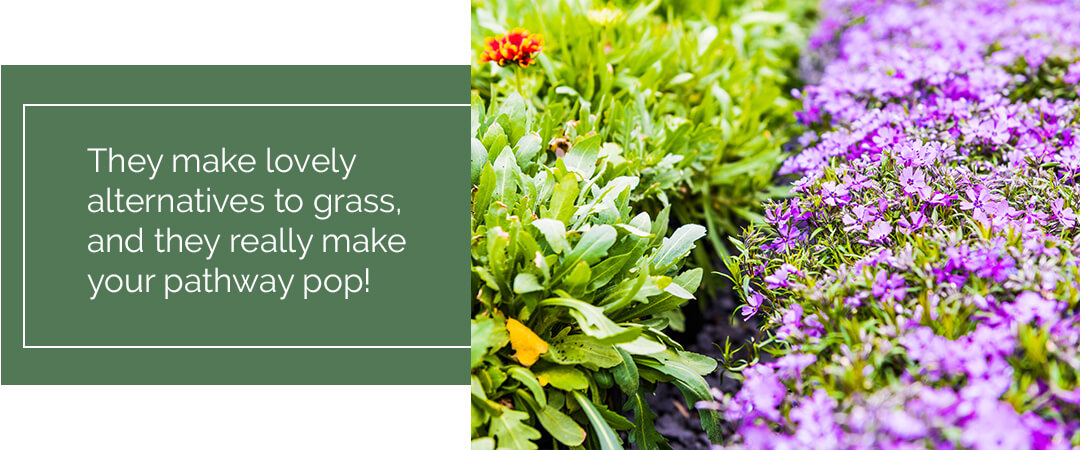
Instead of plopping some paver stones on the lawn and calling it a day, why not jazz things up a bit with some colourful flowering groundcover plants? There are many low-growing plants that form dense mats of foliage and can handle a little bit of trampling without sustaining any damage, so they make lovely alternatives to grass, and they really make your pathway pop!
Creeping phlox is one of our favourite flowering groundcovers, because its candy-coloured shades of purple, pink and blue look like something out of a fantasy novel. Imagine, instead of the same old green lawn grass, your garden path was surrounded by a cotton candy meadow! Here are a few other eye-catching groundcovers we highly recommend:
- Creeping thyme
- Deadnettle
- Sedum
- Candytuft
- Bugleweed
- Clover
To see more flowering plants and groundcovers for the yard, check out our brand new webstore that’s loaded with images of our available plants!
Container Garden Pathway Design
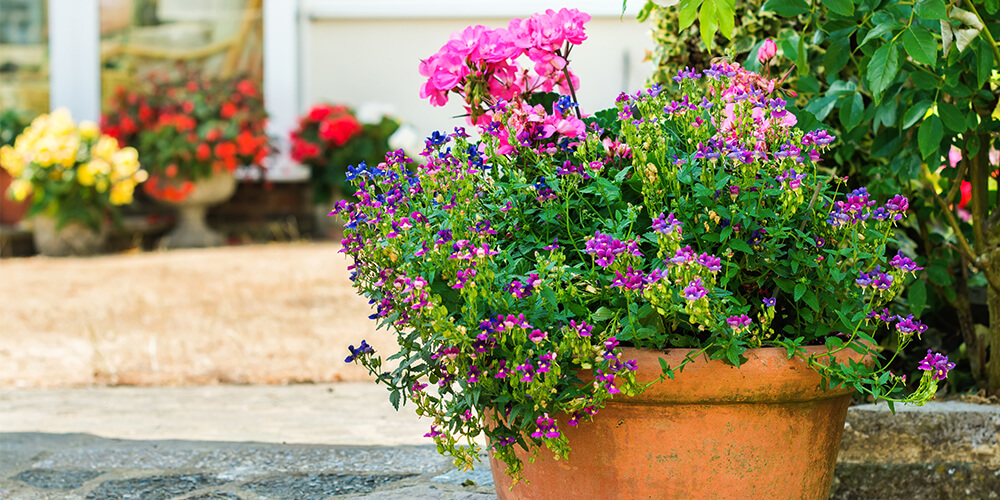
A clever way to add a border along your pathway without digging anything up is by lining the walkway with container gardens! This is an opportunity to really get creative, as you’ve got limitless options for your layout. You can go streamlined and buy a bunch of terracotta pots all in the same size, or you can mix and match different sizes and colours with a few funky accent containers thrown in for extra impact.
You can also play around with the different heights of the plants you put in your containers. Taller flowering plants like salvia and cardinal flowers, potted conifers, or even creeping plants on small trellises can act as a great divider between the yard and the walkway. Smaller flowering plants have more of an understated look, but are great if you don’t want to block the view of your surrounding garden plants.
Got any wild landscaping ideas of your own that you’d like to try to take on? We’d love to help! Our team of expert landscape consultants are happy to answer any questions you may have about DIY backyard makeovers. Visit us in-store or shop online to see our selection of plants and patio decor that are ready to make a new home in your backyard.