
By Dave Zeldon and Ely Schweyer
This is the time of year that most garden centres will have on display their wide variety of Amaryllis bulbs, including the evermore popular waxed dipped. These enormous bulbs that are appearing now will be ready to burst into bloom within 4-8 weeks after planting.
Non-Wax Dipped: Planting
All Amaryllis need is a bit of commercial potting soil that should not cover the shoulders of the bulb (try leaving about 1/3rd of the bulb showing above the soil line), with the nose (or narrow end) of the bulb peeping well over the top of the pot. Make sure that you use a well-drained container that is 3-4” bigger in diameter than the bulb itself.
☝️A heavy clay pot will prevent this top-heavy plant from toppling over. To achieve continuous bloom, plant at intervals of two weeks for stunning colour in your home.
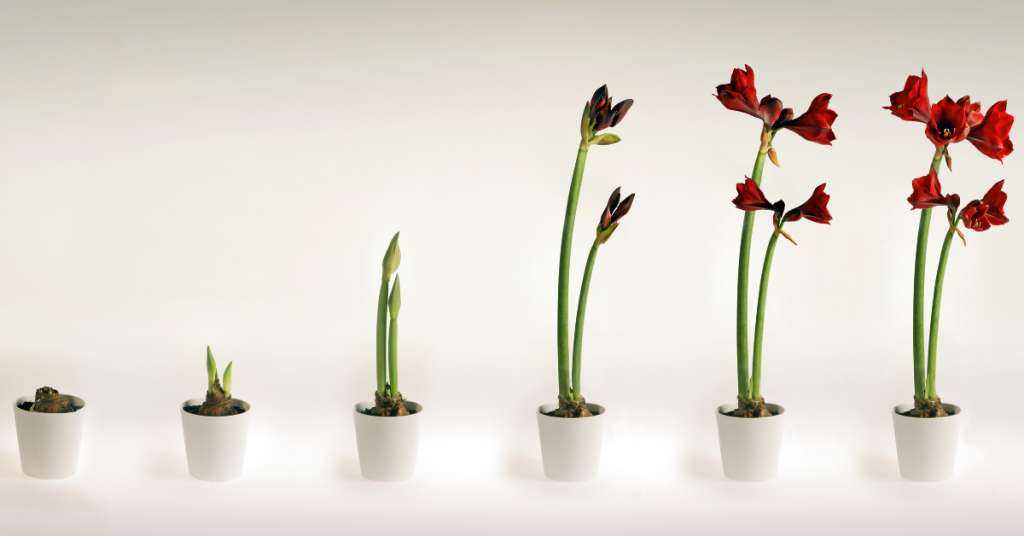
Non-Wax Dipped: Care
Once leaves emerge, fertilize once a month with a 20-20-20 water soluble fertilizer for houseplants. Water sparingly and wait for the miracle in a warm sunny room. Sub-irrigation or watering from the bottom of the drip tray will keep the surface soil dry, thus keeping and bulb rot organisms and those pesky fungus gnats at bay.
Non-Wax Dipped: It's Not Done Yet!
When blooming is over, remove the scape (or flower stock) and place the plant in a sunny spot and continue to water. This is to allow the leaves to regenerate the bulb. In springtime, when all danger of frost has passed, bring the bulb outdoors and let it spend its holidays in a shady spot. In some varieties the leaves will die back in September to give the plant a rest for a couple months. Stop watering and store the bulb on its side in a cool place for about eight weeks, when the leaves will once again begin to emerge.
Amaryllis can go 3-4 years without repotting as they don’t mind a little crowding. Try growing a couple of bulbs in larger pots to see if you can get a clump of flowers from the offshoots or babies that will develop after a couple of years.
Or, Try One of These Wax Dipped Bulbs!
Now growing more popular are the care-free waxed-bulb Amaryllis!
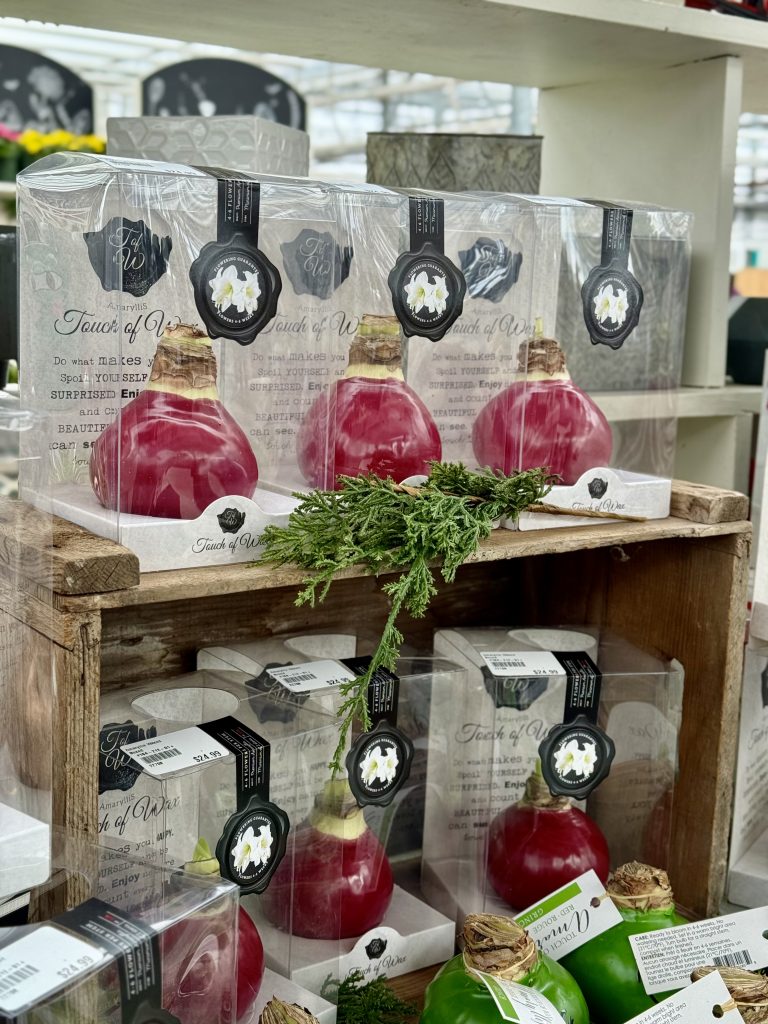
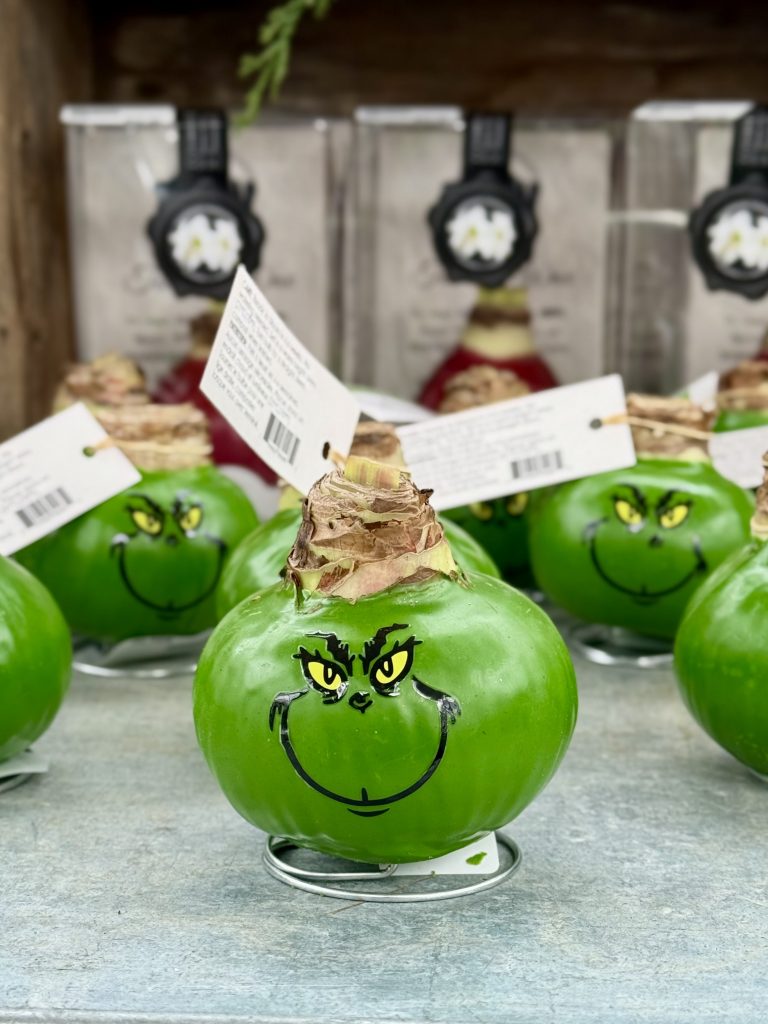
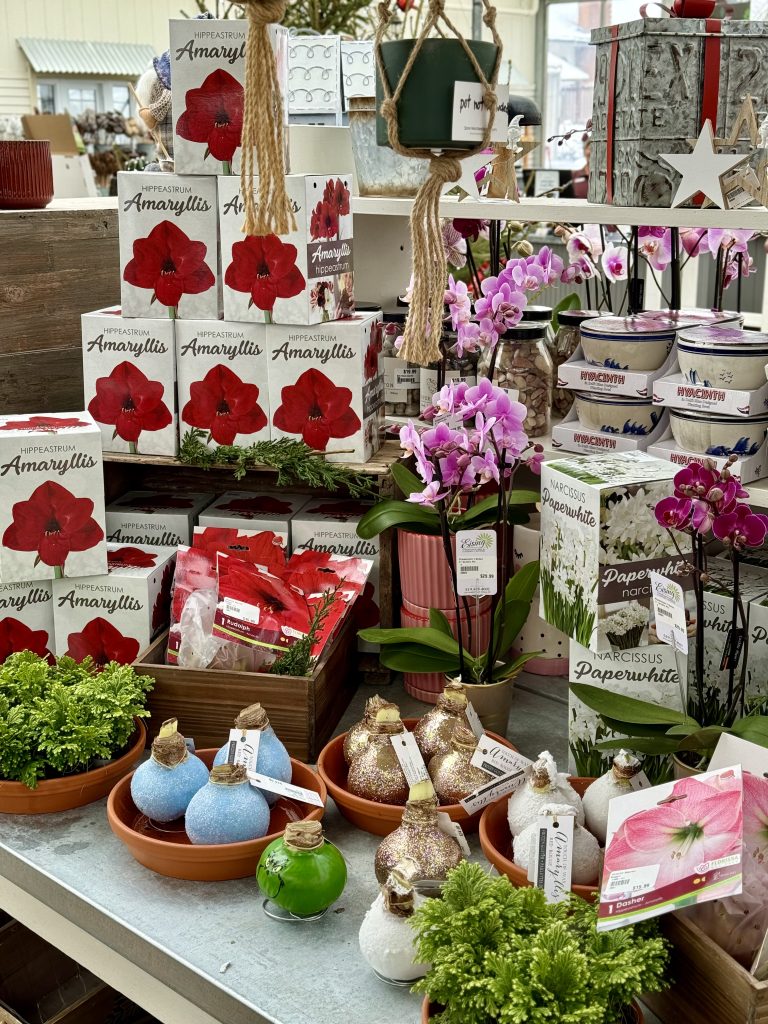
Experienced growers and beginners alike love that these waxed bulbs do not need to be planted or watered! Each of these robust bulbs are carefully prepared in festive-coloured wax, allowing you the freedom to place them among your holiday decorations.
Simply keep the bulbs at an ambient room temperature of at least 16C (70F) for beautiful blooms in five to six weeks.
These novelty items are low commitment! Their only fault is their lack of longevity - gardeners don’t get to enjoy them after year as these waxed bulbs were designed to be a one-use throwaway item!
BUT with a little luck and perseverance you may be able to save the bulb for next season after blooming. All you have to do is to carefully remove the wax layer, remove the flower stalk and place the bulb and with its remaining leaves into a pot of good growing media, allowing the leaves to regenerate the food stores in the expired bulb.
If you’re looking for more information – or perhaps, Amaryllis – visit Eising Greenhouse and Garden Centre! Happy Holidays! ✨
Christmas gatherings are special, even without any holiday decorations. A certain Cindy Loo Who schooled the Grinch on that! But oh how special a gathering feels when you’re surrounded by festive lights, and some fresh greenery to liven things up. It truly does make a dinner or party more magical.
While there are folks who can’t wait to unleash the holiday spirit and begin decorating, it may seem a little too overwhelming for some. We’re here to help, no matter which camp you’re in!
If decorating comes easy to you, stop by Eising Greenhouses when you’re ready for fresh greenery, planters and some new decor.
If the thought of decorating is daunting, here are five simple steps to make it easier - for Christmas, or any special holiday!
5 Simple Steps for Easy Christmas Decorating
1 - Where to decorate. Even if it seems like it’s too early, pour yourself a cup of tea, crack open a notepad and let your imagination begin to percolate. Think about the area(s) you would like to “spruce” up! Front entrance? Living room? Dining room? Think about things like where in the house your party will take place, and whether or not you want a theme or a specific colour palette. Pinterest can help if you need inspiration and we have some Holiday Home Decor Ideas You Can Make Yourself to inspire you as well.
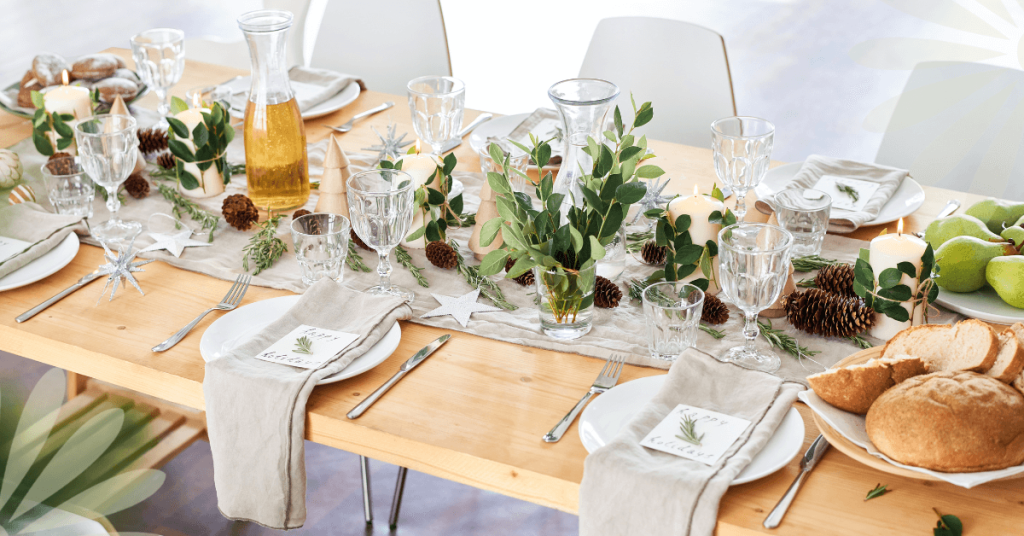
2 - Plan early. Look at your ‘Where To Decorate’ ideas and begin to create a wish list. What will you need to decorate the space(s) you’re imagining? Garland? Wreaths? Centrepieces? A tree? Once you have a wish list, make a plan for what to buy, and what to make.
3 - Schedule it. One of our family’s mottos is that if it’s not scheduled and on the calendar, it never happens. If you find that’s the case for you, use the plan you’ve made and begin to schedule dates to pick up the things you will need, and when you will make or decorate. Next, invite family and friends to join in. Why do this alone? Decorating can be a big part of holiday fun. For example, have everything ready to make or decorate while you watch your favourite holiday movies with friends or family.

4 - Declutter. Now that you have a plan and dates are set, reducing what is in the space will make decorating easier when that day comes. Move, or pack away anything that will limit space or detract from the new holiday decor you’re planning. Editing and clearing out what you have will really draw attention to the Christmas items you’re about to add!
5 - Incorporate natural elements. The holidays are the best time of year to incorporate natural decorations. It’s the only time of year we bring evergreens to the front porch and into our living room. If you’ve never used them, here is our How to Decorate with Fresh Greenery for Christmas guide.
Then, come see us at Eising Greenhouses, and pick out your fresh greenery, wreaths and decorations. You can also select from holiday plants like Amaryllis, Paperwhites and Christmas Cactus, and our arranged-for-you planters, urns and centrepieces. We can even create a custom arrangement in one of your favourite vases, urns, or that big Grinch-themed gravy boat from Aunt Martha if you leave it with us!
We hope these five tips and our holiday decorations help to make your Yule celebrations brighter, so you can sit back and enjoy the beauty of the holiday season!

Christmas in Simcoe wouldn't be the same without fresh greenery and beautiful holiday plants, and the Christmas cactus is undoubtedly one of the most iconic. They make gorgeous additions to your home decor, brightening things up throughout the rest of those cold winter months. They also make fantastic gifts that are very unlikely to get returned to the store—after all, who doesn't love new houseplants? Here's a rundown of how to care for your favourite Christmas flowers and plants, for a winter season that's extra merry and bright!
The Christmas Cactus And Other Holiday Plants
These colourful cacti remain popular picks year after year, not only because of their fabulous floral displays but because they're quite hardy. With proper care, they can last for many years. The most common variety has bright red flowers, but you can also find purple, pink, white, and even gold flowering cacti!
To keep their flowers lush and bright, keep your cactus near a sunny window and water it whenever the soil gets dry, about once per week. Don't worry if the windowsill is a bit chilly—these cacti may actually drop their blooms if it gets too warm. If you'd like it to bloom for a second year, fertilize it once a month from April until October, and put it outside for a few weeks at the end of the summer. They prefer to be cozy in their pot, so you won't have to worry about repotting them for several years.
Our Other Favourite Christmas Plants
Poinsettia: These quintessential winter flowers never fail to add an extra dose of holiday cheer to your home decor. You can find poinsettias in stunning shades of cardinal red, creamy white, and soft pink. When it comes time to pick one out, always make sure they've got tiny little yellow flowers in their centre. These are called cyathia, and if they've dropped from your poinsettia, that means it's well past its prime. When you take it home, make sure you cover it to protect it from the cold. Overwatering can cause poinsettias to wilt, so it helps to poke some holes in the bottom if it's in a pot wrapped in decorative foil.

Amaryllis: These fast-growing bulbs are so much fun to watch as they grow and develop. Their bulbs make great stocking stuffers, maturing within 4 to 6 weeks after planting. Keep them near a sunny window, because if they don't get enough light, they'll start to wilt. Give the pot a 90 degree turn each time you water it, so your amaryllis grows nice and evenly. Contrary to popular belief, you can keep your amaryllis for another year with proper care. Once the blossoms fade, you can snip off the stalk, keeping the leaves intact, then wait until spring to plant your amaryllis outside. By summer, you can bring it inside with no light or sunshine from June until the end of October. Start watering it again in November, and get ready for round 2 of beautiful blooms!
Christmas Rose: Also known as the black hellebore, this lovely evergreen flower looks quite similar to the buttercup, only white. They're incredibly low-maintenance and last quite a long time if you cut them and add them into mixed arrangements. Indirect sunlight and a bit of water should keep your hellebores happy. They usually bloom in December, but they may surprise you with blossoms from any time between November and February. Be careful when removing any dead leaves, because the sap will irritate your skin.
White Chrysanthemums: Often considered a fall flower, the snow-white variety of these bushy blossoms are perfectly suited to the winter season. Chrysanthemums look fabulous on their own in a pot or added into a festive container arrangement. They need at least 5 hours of direct sun every day and weekly watering. They're generally quite easy to care for, but if you happen to notice any spider mites pop up on the underside of their leaves, give them a spritz with some insecticidal soap, and your mum should recover just fine.

Cyclamen: These vibrant blossoms can last as long as eight weeks during the chilly winter months. They like indirect sunlight — not too bright — and they need to be watered from the base, unlike most houseplants. It should come in a pot with several holes in the bottom, which you can place in a saucer of water for 20 minutes at a time to soak up the moisture. Try not to get any water on the leaves, keep it away from warm drafts or space heaters, and when the flowers start to wilt, pluck them off from the base of their stems.
Rosemary: These fragrant herbs actually make great holiday plants! Not only are the delicious rosemary sprigs perfect for flavouring traditional dishes like roast beef and turkey, but the plants can be shaped like topiaries or mini trees with some artful pruning. Rosemary, like many other culinary herbs, is more cold tolerant than many houseplants, so they're perfect for adding a little greenery to your home and an extra pop of flavour to your recipes.
For all your Christmas plants and winter evergreen decor, visit Eising's, and we'll help you put together a grand display for your home. We've also got plenty of DIY workshops going on this season to help you create some gorgeous arrangements of your own. Call our store to reserve your spot!