
March is the month that many of us have waited for all winter. It’s seed-starting time for lots of heat loving vegetables, herbs and flowers that will be transplanted outside in May or June.
It’s also time to plan for cool weather crops. Cool weather crops?! This can be a revelation to many of us who are new to growing vegetables. There are two kinds of vegetable plants; heat loving and cold hardy. On average, most cold hardy veggies can withstand temperatures of -4 celsius and can be planted out weeks before the last frost date, especially if they are covered. We’ve listed some covering ideas at the end of this article.
So where do you begin? If it’s your first time starting heat loving vegetable seeds indoors, try beginning with one or two vegetable varieties that you love. How about an heirloom tomato that you just can’t find grown anywhere else, or some super hot peppers to spice things up? The seed carousels at Eising Garden Centre are fully stocked with vegetables and flowers right now so it’s the best time to come in and find something exciting to grow! Check the back of each seed packet, it will tell you how many weeks before the last frost date (around May 24th here in southern Ontario) to start your seeds indoors. There are also a few supplies you’ll need to get started - instructions and the essentials are listed in this blog post. It takes a little more work to start seeds indoors, but it can be very fulfilling and it does allow you to grow things that are unusual.
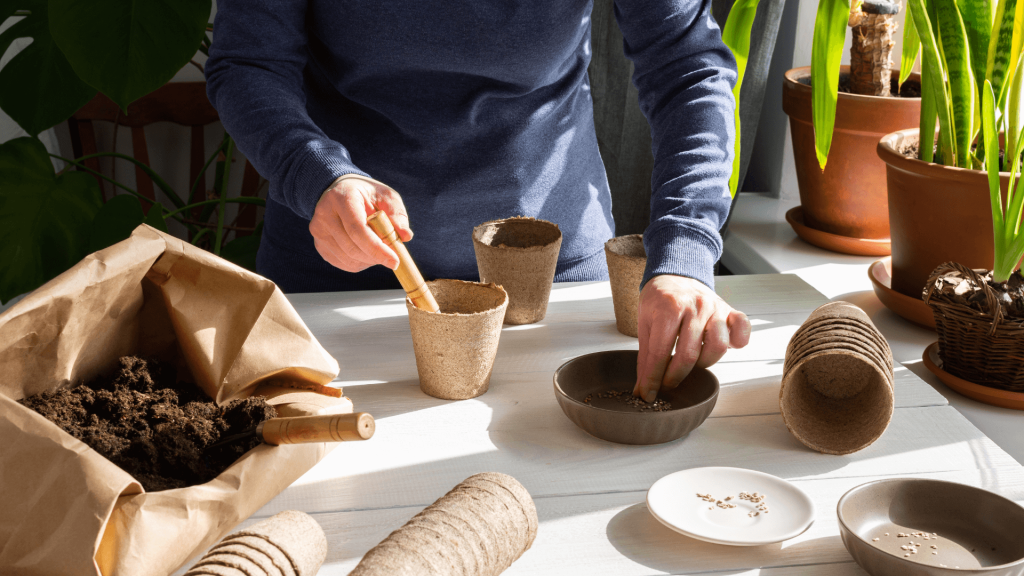
If starting seeds indoors sounds like too much work, we’ve got you covered - visit Eising Garden Centre in May to shop our wide selection of vegetables, herbs and flowers that you can easily transplant and enjoy!
If you’re eager to get gardening, why not try some cold hardy veggies? In Southern Ontario, cool weather vegetables can be planted early in Spring. This allows you to grow and harvest a whole crop before the heat loving veggies like tomatoes and peppers, and most annual flowers get transplanted around May 24th (hardiness zone 6b), or when overnight temperatures are regularly a minimum of 10 celsius.
Here are some cool weather vegetables to consider planting as soon as the soil in your garden is workable (not frozen solid):
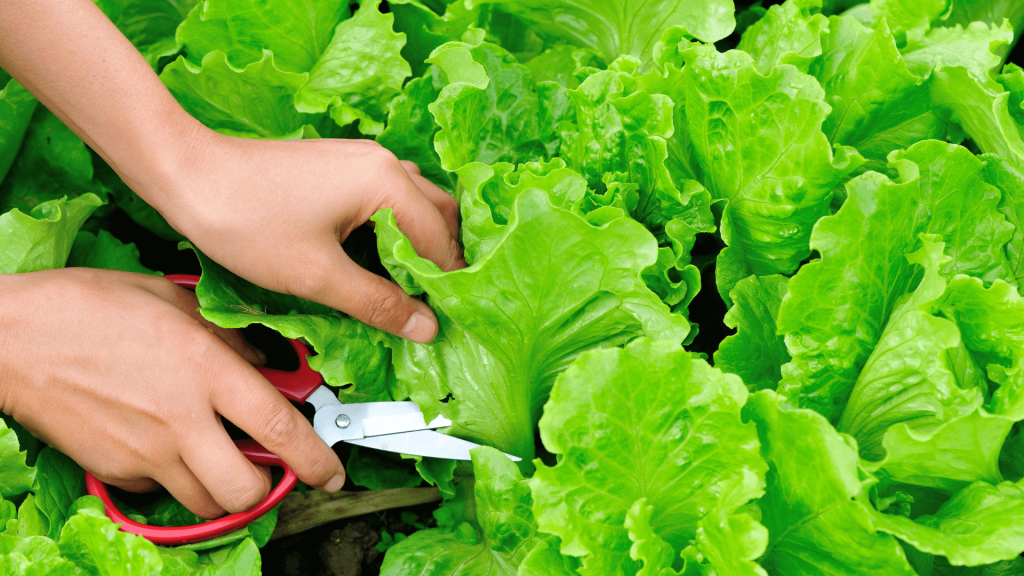
Lettuce is a crop that you can direct seed or transplant early, and it can be seeded every two weeks throughout the spring and fall for continuous crops. Lettuce seeds will germinate in about 7 days at a soil temperature of only 10º celsius but the optimal soil temperature is between 16-24 degrees. Do not worry about running out to buy a soil thermometer, or waiting until the soil temperatures are exact - all of the cool weather crops will germinate at slightly lower temperatures, they’ll just take a little longer. We also offer lettuce plants in the garden centre in early May if you would like to transplant established greens. Starting with a few plants, and some seeds will ensure a continuous crop of lettuces for several weeks.
Lettuce can be grown in the shade in early summer. It will last longer in the shade as temperatures climb, and not bolt (plant begins growing seeds instead of leaves, making leaves on the plant bitter) as quickly.
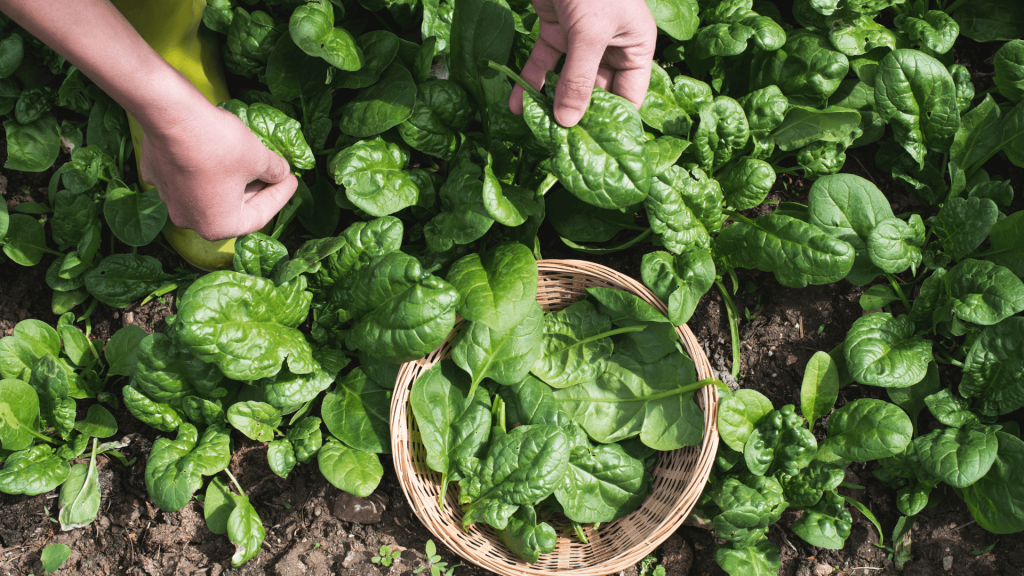
Spinach and Arugula like lettuce, are very well suited to germinating early in spring or in the fall. The optimal soil temperature range for germination is 18º-24º C and will take about 12 days.
Lettuce, Spinach and Arugula grow best in cool temperatures and tend to bolt as soon as temperatures warm up in late spring and early summer. Look for “bolt-resistant” varieties if you want to extend your late spring harvests.
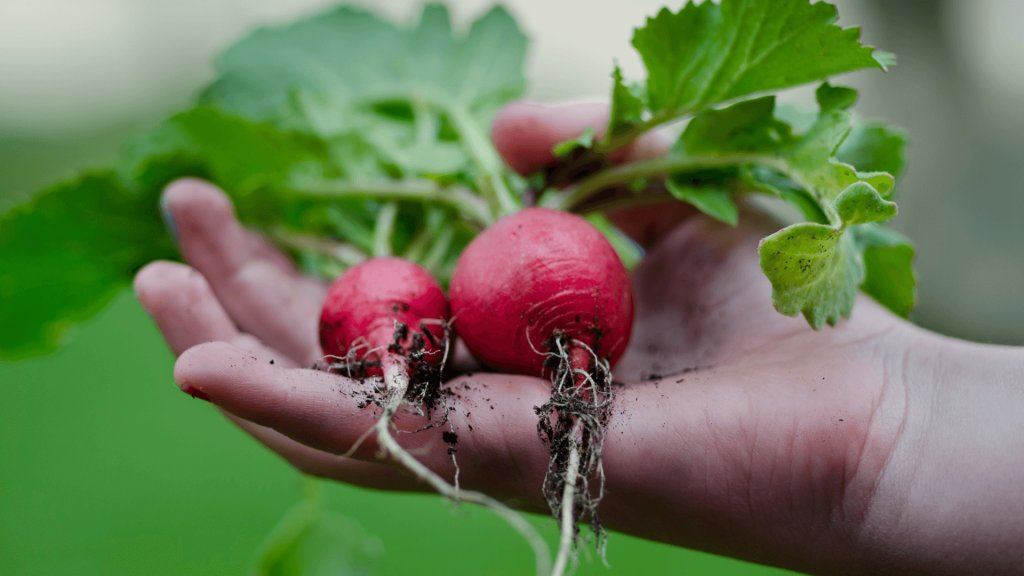
Radishes can be planted throughout the early spring if you’d like a continual harvest of tender, young radishes. It takes about 30 days from germination to harvest, sometimes less for smaller varieties. Seeds will germinate at soil temperatures anywhere between 4º-35ºC which makes them easy to start!
Peas love early spring and cool fall temperatures! They will germinate quickly when the soil is between 18º- 24ºC and will be ready to harvest in late spring or early summer. This is another vegetable that you can start again as autumn sets in.
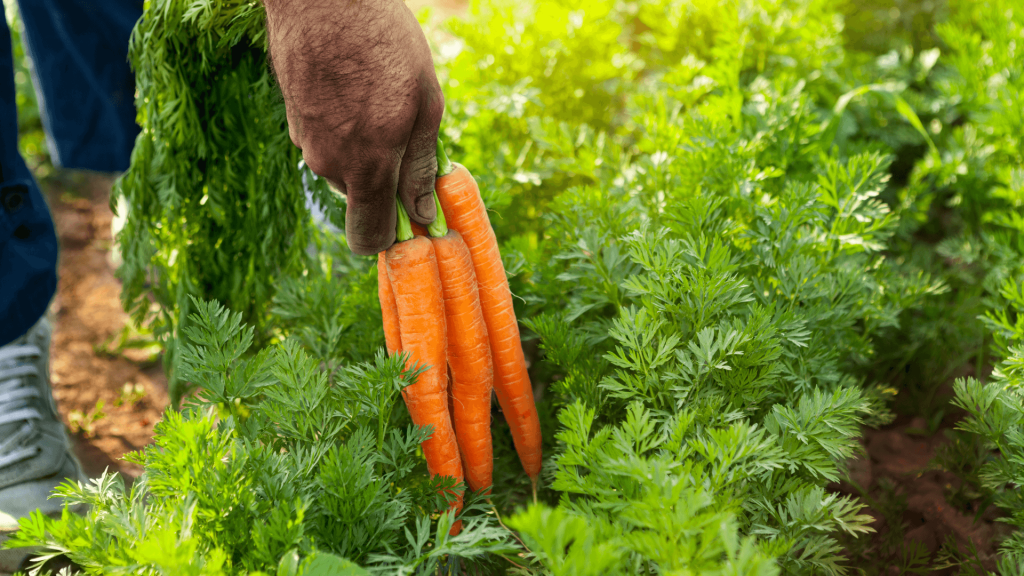
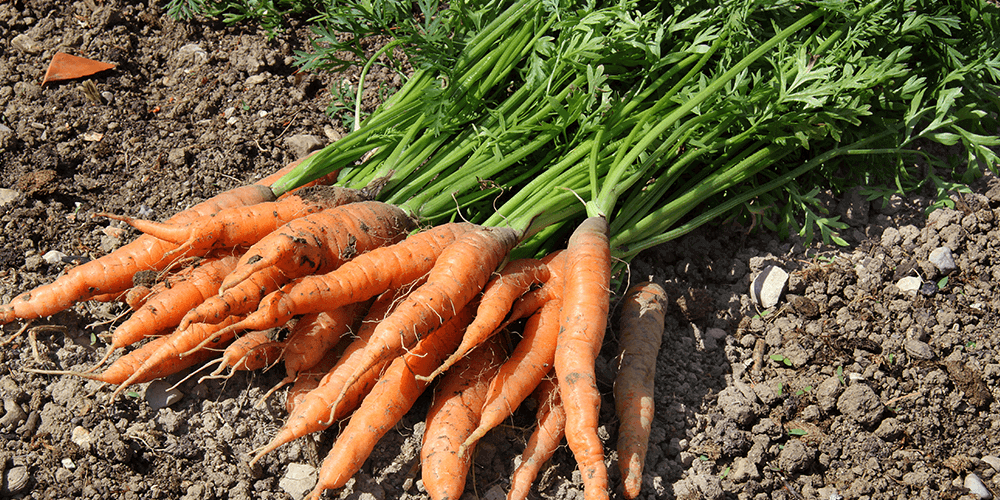
Carrots grown in the spring can be harvested early in the summer making way for heat loving crops like peppers and tomatoes. Carrots will germinate in a wide range of soil temperatures, and can be planted outdoors about 4 weeks before the last frost date. Late in summer, as you remove the heat loving crops, you can seed more carrots for harvest in late fall or early winter.
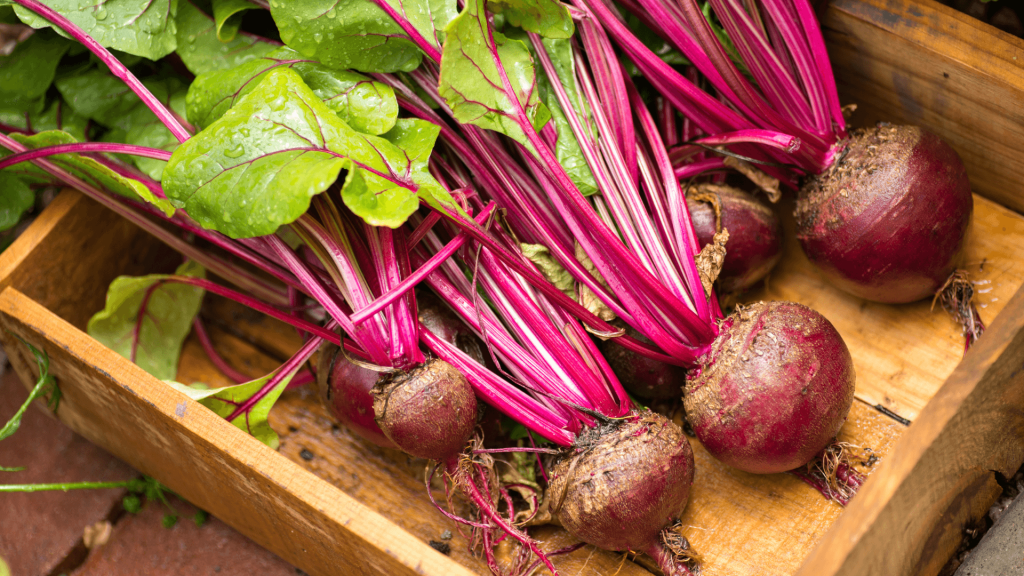
Beets are another vegetable that can be sown in a wide range of soil temperatures. Because of this, you can start planting beet seeds as soon as the soil can be worked in the spring, and you can continue seeding beets every 2-3 weeks for a continuous harvest.
Green Onions (aka Scallions or Spring Onions), Kale, Chard, Collard Greens, Mustard Greens, Swiss Chard, Brussel Sprouts, Cabbage, Radicchio, Fennel and Cilantro are also seeds that can be planted in hardiness zone 6b in early spring when the soil can be worked.
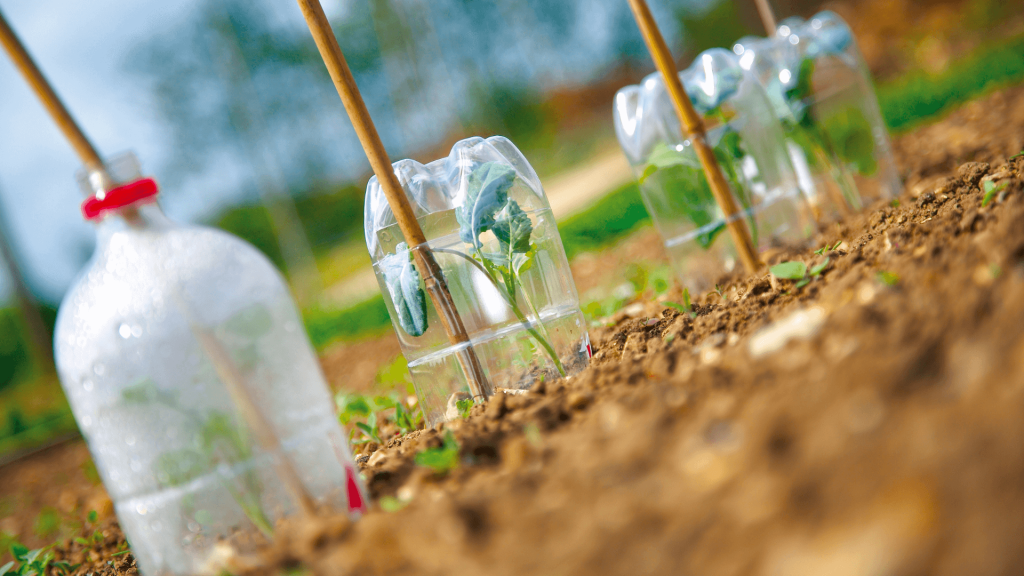
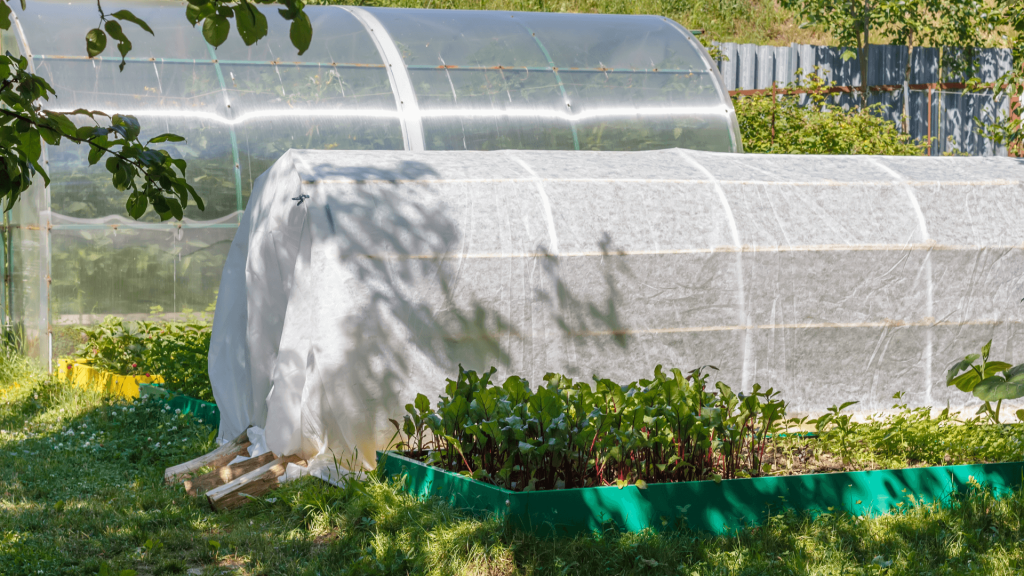
Keep in mind that while these vegetables grow in cool weather, they may still be slow to grow or even damaged if the temperatures dip too low. If this happens, you may want to provide some protection like row cover cloth, a blanket, plastic, a cold frame, or a cloche (this can simply be a large plastic jug or containers).
If this article has piqued your interest, here are some great resources to help with seed starting and transplanting timing:
West Coast Seeds Vegetable Planting Guide
Heeman Ontario Seed Starting Guide
Reference for soil temperatures:
https://sacmg.ucanr.edu/files/164220.pdf
Starting seeds is a strangely exciting and rewarding hobby—and one of the few hobbies that actually saves you money instead of costing you more! A packet of fifty seeds can cost the same as one single starter plant. If you’re happy to tend to your seedlings for a couple of months longer than the rest of your garden, then it’s well worth the effort. And, you’ve got to admit, plants are kinda cute when they’re little.
If you want to learn how to start seeds, you might be a bit unsure whether to start them indoors or outdoors. Both seem like viable options, right? Well, the truth is that they can both be effective, but only if done correctly. A few missteps, and you might end up with an unsuccessful batch of seedlings.
To put you on the right track, we put together this list of common FAQs for starting vegetable garden seeds.
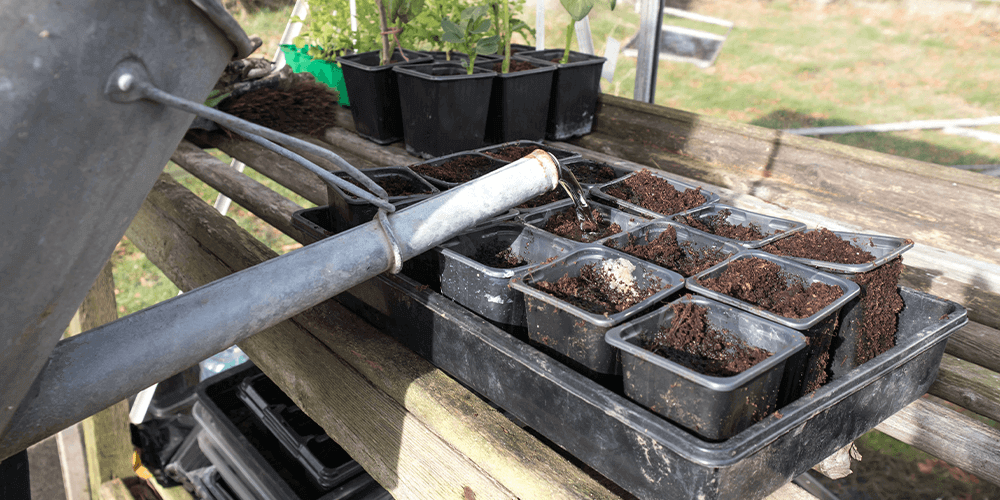
Is It Better to Start Seeds Indoors or Outdoors?
It depends on the plant. Some take a long time to mature, so if you want to enjoy them sooner in the season, it’s worth starting your seeds indoors. This way, you don’t have to wait for the weather to warm up to start growing. However, some plants don’t adjust well to being transplanted, so starting the seeds outdoors is necessary. When in doubt, do a Google search to see if your plant is better suited to starting outdoors or indoors.
What Supplies Do You Need to Start Seeds Indoors?
Maintaining consistent temperature, light, and humidity for your seedlings can be tricky indoors, but there are lots of supplies you can use to help you pull it off. It might seem like a lot at first, but it’s a one-time purchase that will help you start seeds indoors for years to come. We recommend trying some of these products to help you with seed starting:
- Plastic domes to trap humidity
- Seed starting mix
- An LED grow light with a timer setting
- Biodegradable seedling cups
- A mini-greenhouse, which comes with the humidity dome and grow light all built-in.
Remember, you need a lot of space to accommodate all the little seedlings you’re starting. If you don’t have enough space by a sunny window, a grow light or two will help you a lot!
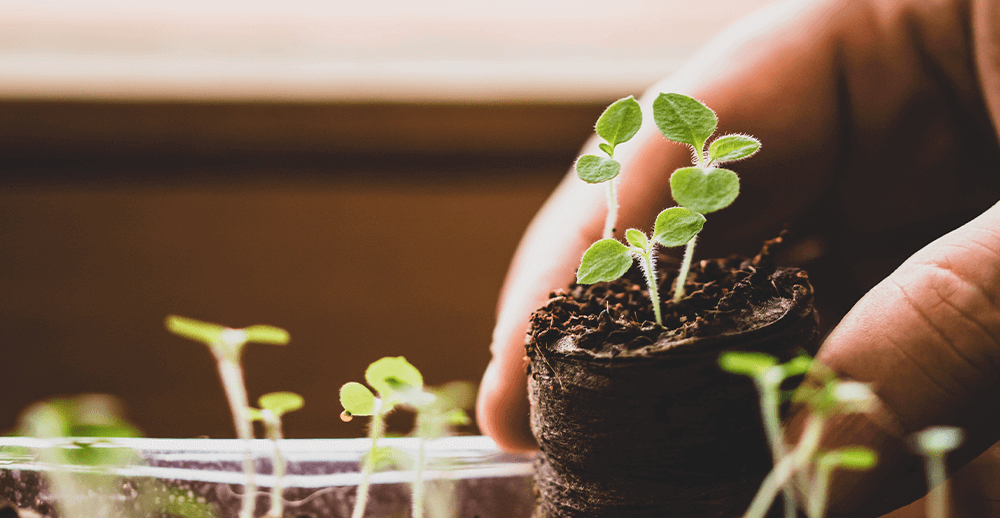
How Many Seeds Do I Plant in Each Pot?
It’s recommended that you put 2–3 seeds in each pot or seed starting cell. Some seeds just won’t germinate—that’s just the luck of the draw. But if you have a couple of seeds in each cup, the chances of success are higher! If more than one seed sprouts in a cup, you’ll need to thin out the smaller, weaker ones and leave the strongest one. They won’t be able to grow properly when they’re so close together.
How Do You Acclimate Seedlings to the Outdoors?
Planting a seedling directly outdoors after it’s been inside for several weeks won’t end well. The shock of the temperature change will likely kill them. To ease them into the transition, it’s a good idea to put your seedlings outside for a little bit longer each day in a process called “hardening off.” Follow this schedule to harden off your seeds:
- Day 1–2: Full shade for two hours
- Day 3–4: Dappled shade for three hours
- Days 5–6: Full sun for two hours.
- Days 7–9: Full sun for three to four hours.
- Days 10–14: Full sun for five to six hours.
- Days 14–21: Full sun for 8 hours per day. Leave them out overnight if the temperature isn’t expected to dip below 10°C.
This is a three-week process, so follow the schedule carefully! Mark these times down on your calendar so you can follow them.
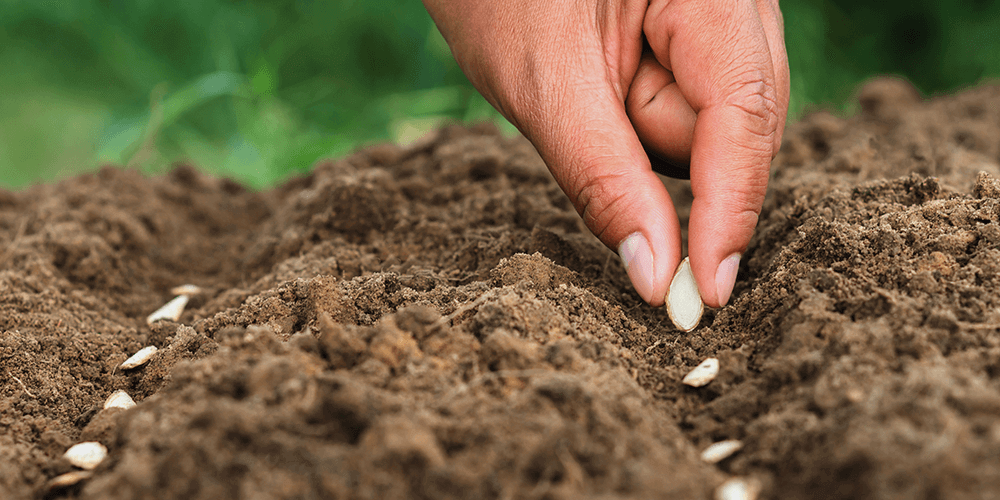
When Should I Start Planting Seeds Outside?
Seeds are safe to plant outside once the danger of frost has passed. Here in Simcoe, our typical last frost date is usually in the last week in April. If you plan to plant your seeds in the first week of May, you should be in the clear!
Can You Plant Tomato Seeds Outside?
Tomato seedlings are a bit too delicate to grow outside, so we recommend starting those seeds indoors. Tomato seedlings are susceptible to a bacterial disease called “damping off,” which can quickly kill them in their early growth stages. The temperature-controlled environment and better pest protection indoors will make it easier for your tomatoes to grow strong enough for smooth transplanting.
What Are The Best Seeds to Start Indoors?
Starting seeds indoors always gets us so excited for spring! Try starting some of these vegetables indoors in early April, so they’re ready to plant in May:
- Tomatoes
- Broccoli
- Cabbage
- Eggplant
- Onion
- Kale
- Lettuce
- Cabbage
- Peppers
Some seeds can be started indoors but need to be very carefully transplanted because they have delicate roots. Starting these seeds outdoors or indoors is possible as long as the temperature is comfortable. These plants include:
- Cucumber
- Melon
- Peas
- Squash
- Pumpkin
- Zucchini
- Celery
- Amaranth
What Are the Best Seeds to Plant Outdoors?
Some plants are best suited to planting outdoors—especially root vegetables! Some are also just suited to sprouting in colder spring soil. Here are some plants you can start seeding outside at home this spring:
- Carrots
- Radishes
- Beets
- Potatoes
- Turnips
- Radicchio
- Spinach
- Corn
If you need any seed starting supplies in Simcoe, Eising Garden Centre has got you covered! We’ve got plenty of high-quality equipment that will last for years and years, plus plenty of exciting new seeds for 2021. Visit us soon, and we’ll be happy to help you get started!