
By Ava Green
As soon as warm weather and sunshine arrive in Southern Ontario, it’s time to head to the garden centre and pick up all the plants we’ve been dreaming about all winter long! May 24th is generally the date we look forward to — the unofficial marker when frosty mornings are behind us and the promise of summer is ahead.
By now, cool-weather plants like cabbage, Brussels sprouts, peas, and lettuce should be well established in the vegetable garden. And for everything else, it’s go time!
TIP: Before you start planting, this is the ideal time to amend your soil. Top up your garden beds with fresh topsoil or enrich them with compost to improve soil health, add nutrients, and promote vigorous plant growth. Don’t forget to refresh the soil in your containers as well, with potting mix or compost.
Warm Weather Vegetables
When soil temperatures are consistently 60°F (15°C) or higher, it’s safe to plant all the warm-weather vegetable crops we’ve been waiting for! Plants that thrive in warmer weather include tomatoes, peppers, eggplants, cucumbers, zucchini and corn.
At Eising Garden Centre, you’ll find vegetables in 6-packs, 4” pots, trellised patio containers, patio bowls and hanging baskets - while supplies last, of course!
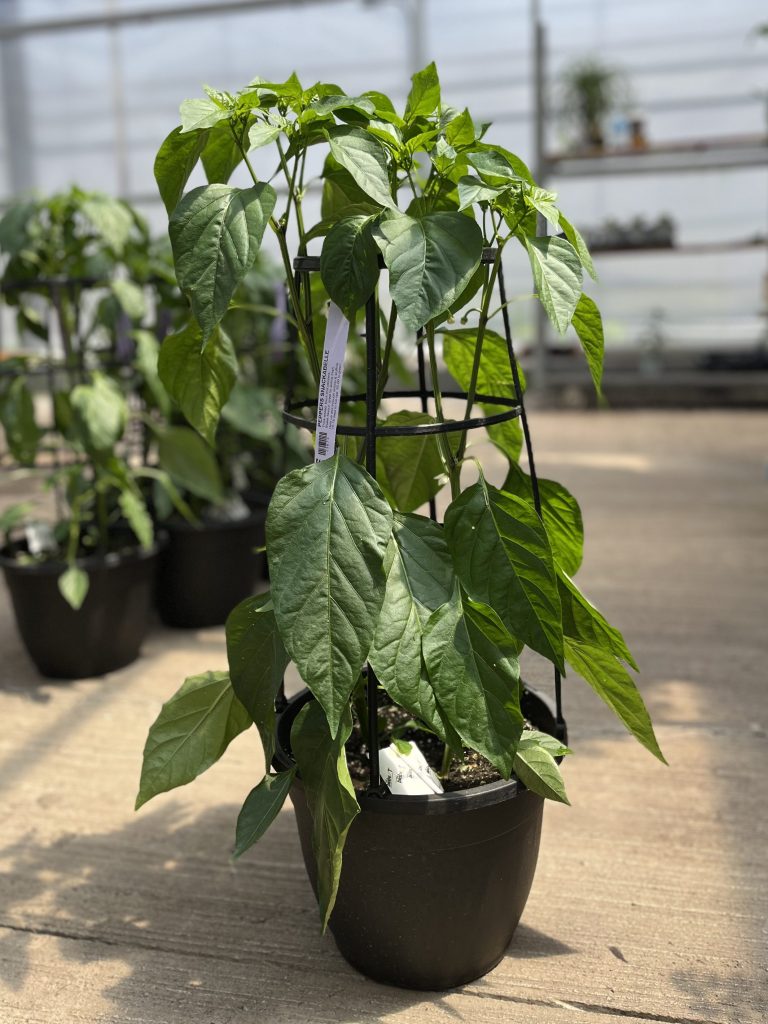
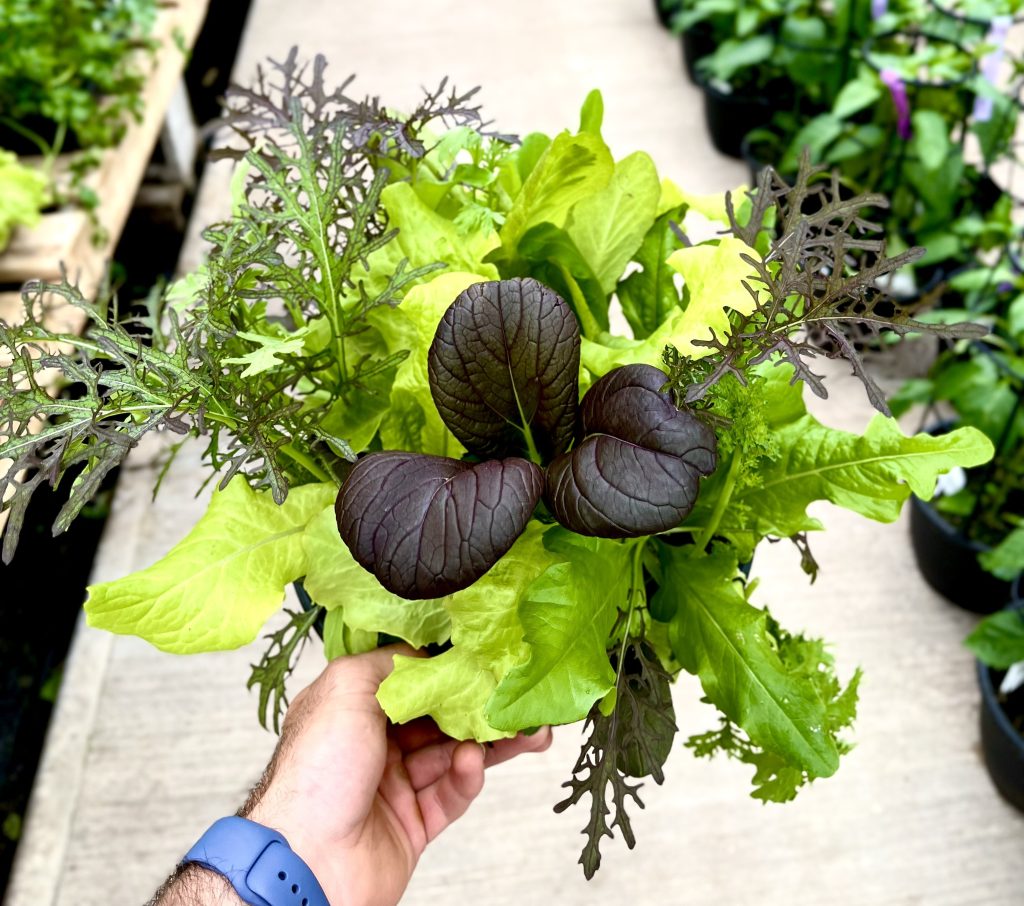

Herbs also love warm weather, and tender varieties like basil are safe to plant once all danger of frost has passed. Whether you plant herbs directly into the ground or create a potted herb garden near the kitchen door, they’ll add fresh flavour to your meals all season long. A container of herbs also makes a wonderful gift when visiting friends and family for a summer BBQ.
While you’re in the vegetable and herb aisle, keep an eye out for everbearing strawberries in planters and containers of tropical fruits like lemons, limes, and oranges.
Annual Flowers
Winter-weary flower beds can be revived almost instantly with a burst of colourful annuals! If you’re looking for an immediate impact and blooms that last all summer long, annual flowers are the answer.
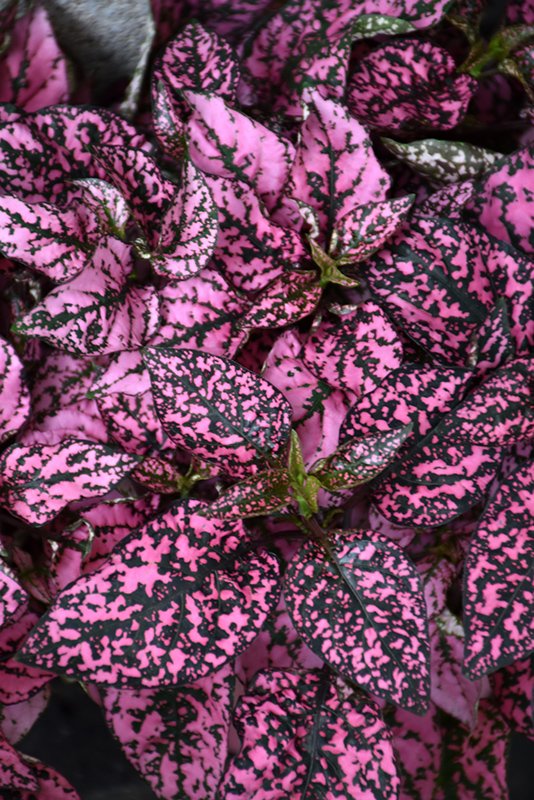
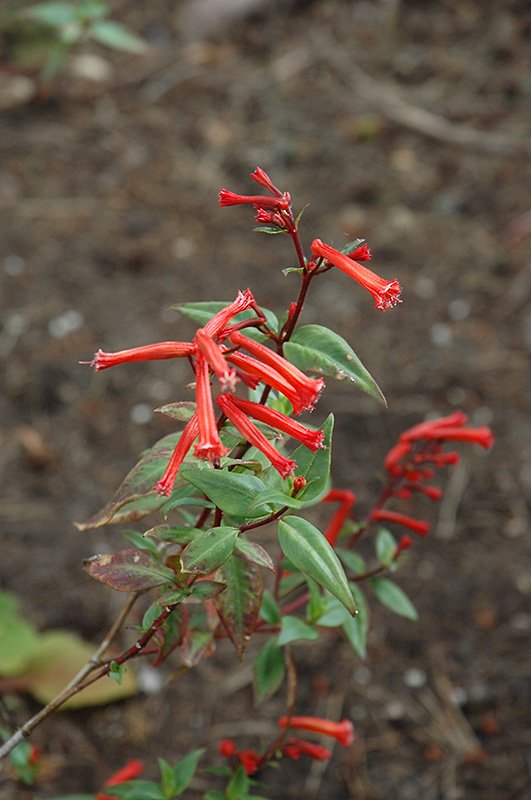
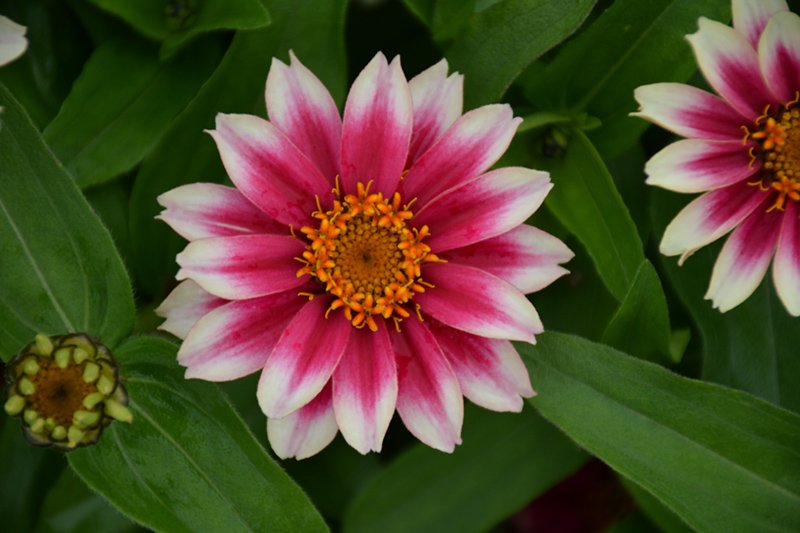
Whether you plant them in beds, containers, window boxes, or hanging baskets — or choose from one of our gorgeous pre-planted options — just add water and fertilizer, and you’ll be rewarded with a vibrant display that keeps on giving.
Perennials
While perennials may not bloom all summer, many offer extended bloom periods, and by combining different varieties, you can create a succession of flowers that lasts for months. Perennials also provide essential greenery to anchor your garden and enhance the look of your flowering plants.
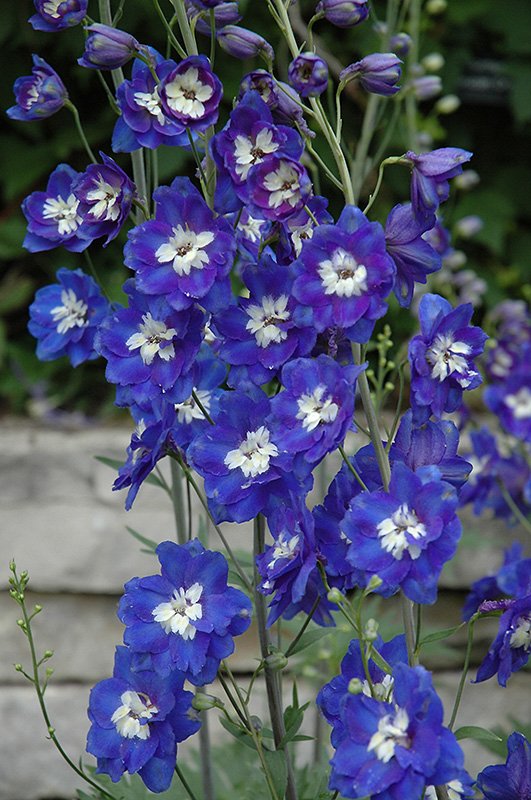
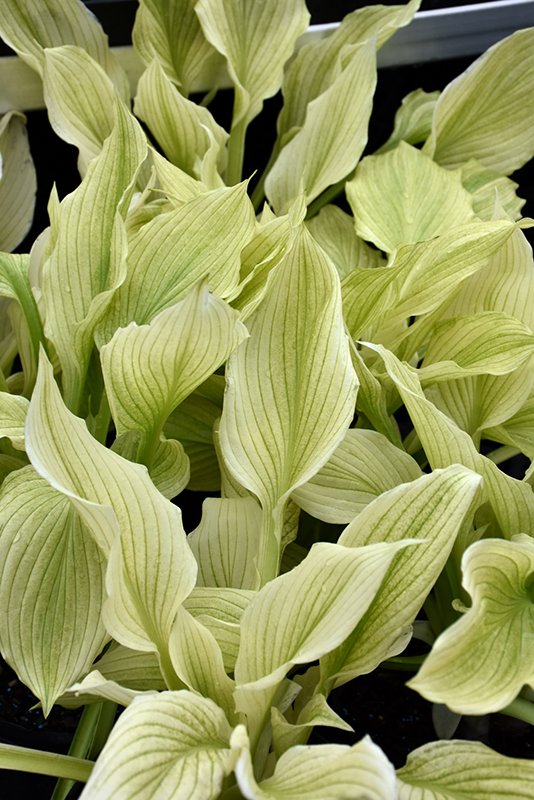
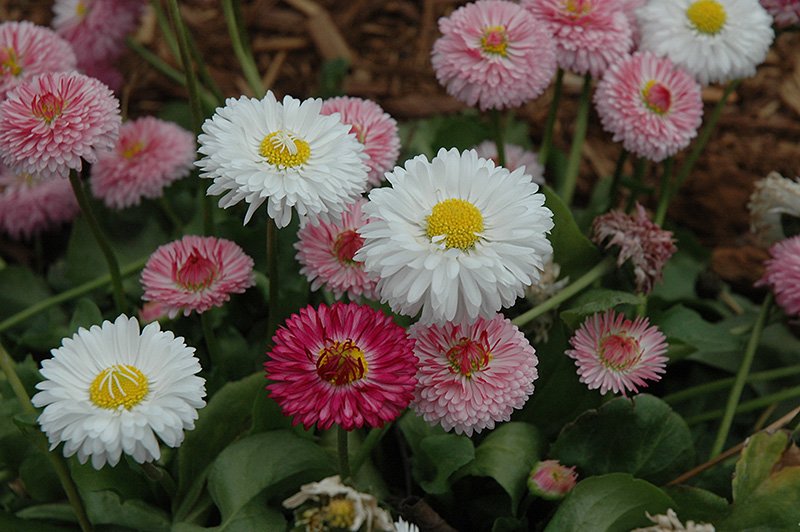
You can plant perennials from spring through fall, but getting them into the ground now gives them a strong start. From hostas and ornamental grasses to daisies and delphiniums, there’s a perennial for every style of garden — and the best part is, they’ll return each spring like dependable old friends.
Trees, Shrubs and Vines
Often called “the bones” of the garden, trees, shrubs, and climbing vines add essential structure, height, and seasonal interest. Planting them now allows you to design your garden layers thoughtfully, incorporating annuals and perennials around their base.
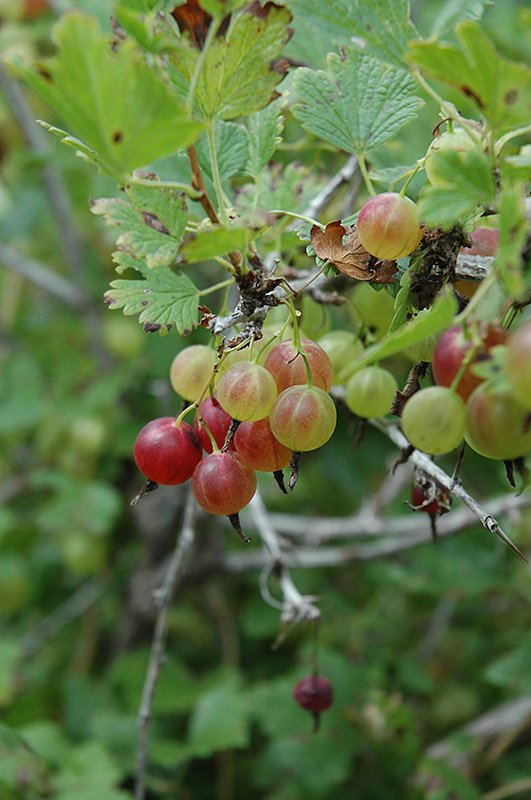
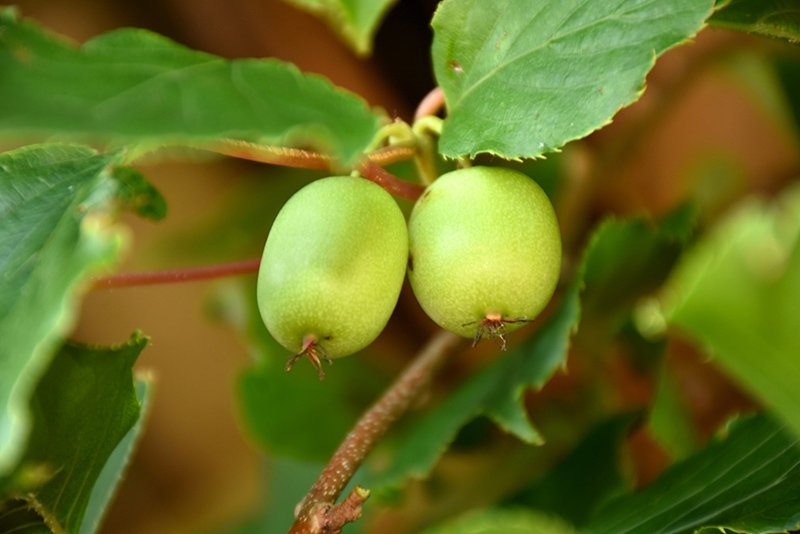

Spring is also the prime time to purchase and plant fruit trees and fruiting shrubs. At Eising, spring offers the best selection for starting your home orchard. Are you thinking of adding a few edible shrubs? Gooseberries, haskaps, hardy kiwi, rhubarb and raspberries are excellent choices.
Mulch
Okay, it’s not a plant, but this is a reminder to add mulch to your garden beds or containers. After planting, adding a layer of mulch to your garden beds or containers helps retain soil moisture, reduces transplant shock, and suppresses weeds. Even if a few weeds manage to sneak through, mulch makes them easier to pull.
Water Garden Plants
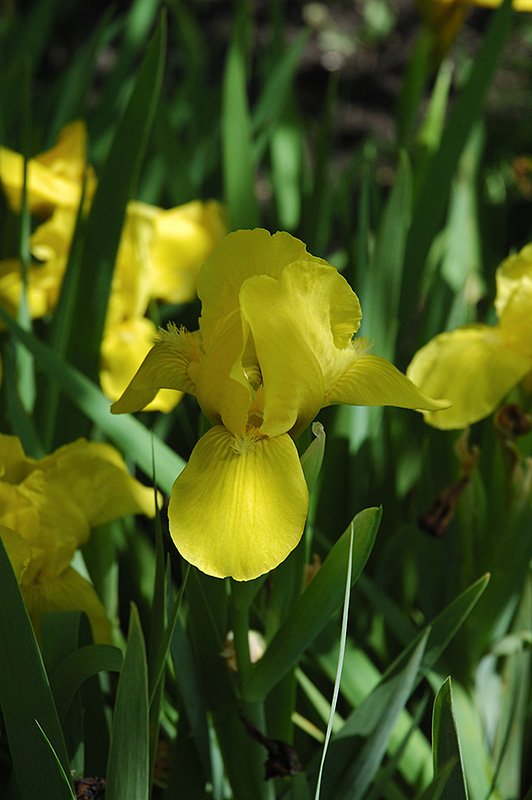
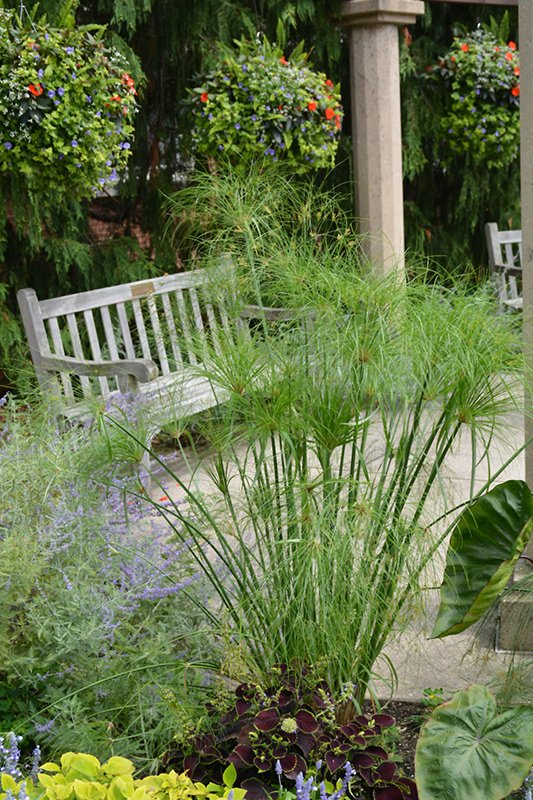
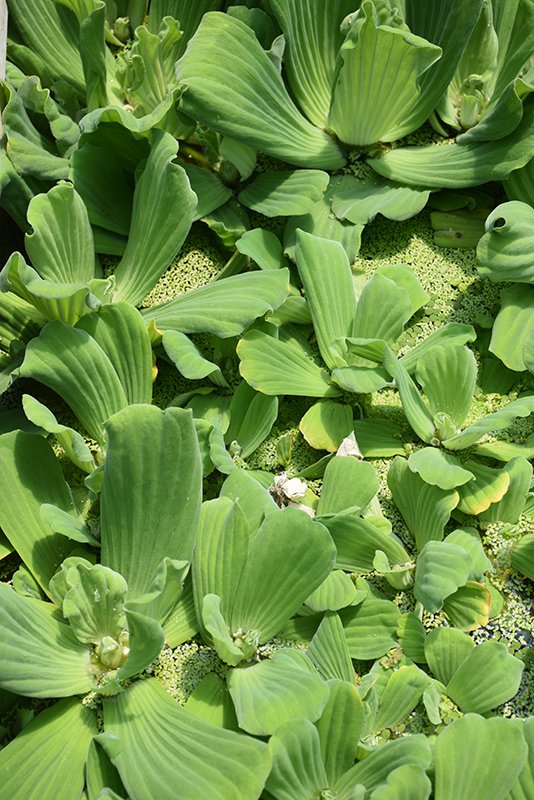
If you have a garden pond, spring is the perfect time to add water plants. Floating plants, such as water hyacinths and water lilies, help shade the pond’s surface, reducing algae blooms. Marginal or bog plants, such as water iris, papyrus, and cattails, also help keep the water healthy and clear by improving oxygen levels and providing habitats for beneficial wildlife.
Time to Grow!
May is one of the most anticipated and exciting months in the garden. Whether you’re dreaming of fresh vegetables, a lush landscape, or a colourful flower display, planting now sets the stage for a beautiful, bountiful season. Visit us at Eising Garden Centre to find everything you need — and let’s get growing!
By Dave Zeldon and Ely Schweyer
Many home gardeners are really missing their harvest of fresh vegetables these wintry days – and many beginners have New Year’s resolutions to become greener thumbs.
If you’re looking for something kid friendly, easy on the budget, and nutritious to do this winter, you may want to try microgreen farming!

Seeds to Start
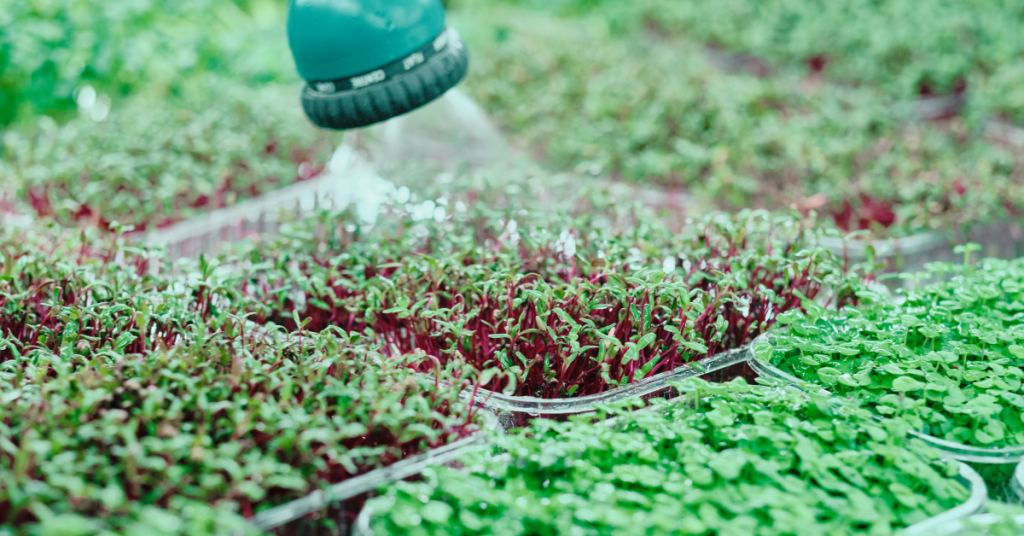
The seeds of many vegetables and beans are suitable for hydroponic sprouting into tasty young shoots that will be ready for the table in less than a week!
Seeds such as alfalfa, broccoli, clover, lentil, mung bean, mustard, onion, radish and soybean are excellent choices for this activity plus they are invaluable in terms of their nutritional content.
Sprouting seeds on your kitchen counter takes only minutes a day, and the reward is a steady supply of fresh, crunchy shoots.
It is important to start by purchasing some packaged seed expressly for sprouting. The directions will indicate how much is needed to produce 100 grams of sprouts. The seed-to-sprout ratio can differ substantially - anywhere from 1.5 to 8.5 units of sprouts or more per one unit of seed - so follow directions carefully and make sure your jar is large enough to accommodate all the sprouts while still leaving room for good air circulation. As a rule, begin with 1 tbsp. (15 mL) of seeds for small varieties such as alfalfa and radish, 2 to 3 tbsp. (30 to 45 mL) for medium ones such as lentil, and up to 4 tbsp. (60 mL) for large seeds such as beans and peas.
Seeds to Sprouts
Simply put seeds into jar and position screening over opening, using an elastic band to hold the covering in place. Fill jar one-third full of warm (about 40°C) water and swirl seeds around for a minute or so. With the covering in place, drain water. Refill jar one-third full of cool water and let seeds soak for four to eight hours.
Next, begin daily regimen of rinsing seeds three times a day at roughly eight-hour intervals. Drain and refill jar with cool water, swirl seeds for about 30 seconds and drain again. Then, invert the jar so screening is at the bottom and rest it at a 45-degree angle in the bowl. Place on the kitchen counter out of direct light (place bean shoots in complete darkness, as they often taste sweeter when they're grown this way). Repeat this process for three to five days.

Simple Sustenance
You can start to harvest your sprouts once they're three to five centimetres long. Rinse and drain them thoroughly and place them in an airtight container and refrigerate immediately; they should remain fresh for up to five days.
Clover, alfalfa, radish, and mustard seeds give rise to the delicious sandwich booster sprouts. Sprouts are one of the most concentrated natural sources of vitamins, minerals, enzymes, and amino acids.
Plants inside the home help bring life to a long winter, if you’re looking for more information – or plants – visit Eising Greenhouse and Garden Centre! 🌱
March is the month that many of us have waited for all winter. It’s seed-starting time for lots of heat loving vegetables, herbs and flowers that will be transplanted outside in May or June.
It’s also time to plan for cool weather crops. Cool weather crops?! This can be a revelation to many of us who are new to growing vegetables. There are two kinds of vegetable plants; heat loving and cold hardy. On average, most cold hardy veggies can withstand temperatures of -4 celsius and can be planted out weeks before the last frost date, especially if they are covered. We’ve listed some covering ideas at the end of this article.
So where do you begin? If it’s your first time starting heat loving vegetable seeds indoors, try beginning with one or two vegetable varieties that you love. How about an heirloom tomato that you just can’t find grown anywhere else, or some super hot peppers to spice things up? The seed carousels at Eising Garden Centre are fully stocked with vegetables and flowers right now so it’s the best time to come in and find something exciting to grow! Check the back of each seed packet, it will tell you how many weeks before the last frost date (around May 24th here in southern Ontario) to start your seeds indoors. There are also a few supplies you’ll need to get started - instructions and the essentials are listed in this blog post. It takes a little more work to start seeds indoors, but it can be very fulfilling and it does allow you to grow things that are unusual.
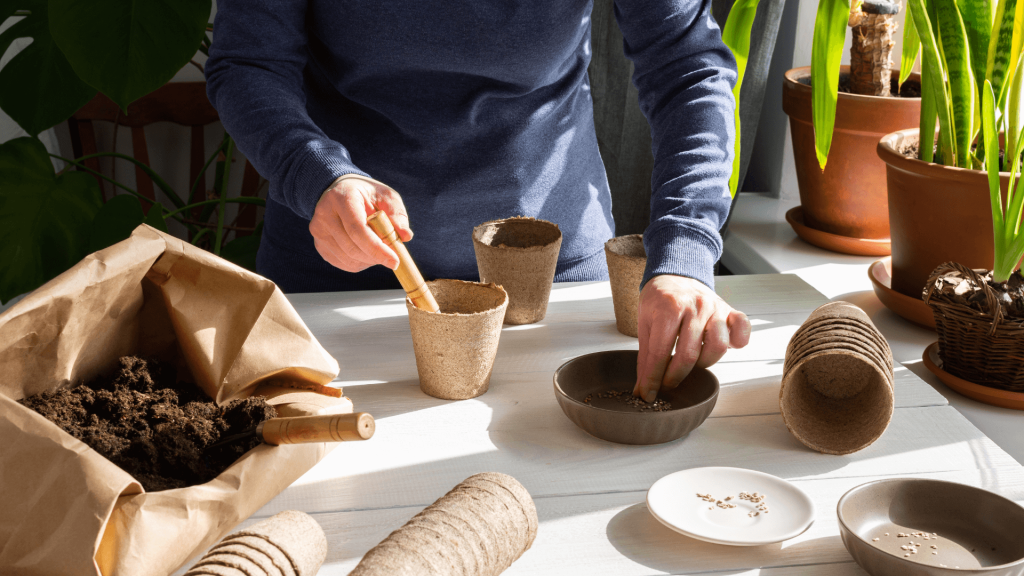
If starting seeds indoors sounds like too much work, we’ve got you covered - visit Eising Garden Centre in May to shop our wide selection of vegetables, herbs and flowers that you can easily transplant and enjoy!
If you’re eager to get gardening, why not try some cold hardy veggies? In Southern Ontario, cool weather vegetables can be planted early in Spring. This allows you to grow and harvest a whole crop before the heat loving veggies like tomatoes and peppers, and most annual flowers get transplanted around May 24th (hardiness zone 6b), or when overnight temperatures are regularly a minimum of 10 celsius.
Here are some cool weather vegetables to consider planting as soon as the soil in your garden is workable (not frozen solid):
Lettuce is a crop that you can direct seed or transplant early, and it can be seeded every two weeks throughout the spring and fall for continuous crops. Lettuce seeds will germinate in about 7 days at a soil temperature of only 10º celsius but the optimal soil temperature is between 16-24 degrees. Do not worry about running out to buy a soil thermometer, or waiting until the soil temperatures are exact - all of the cool weather crops will germinate at slightly lower temperatures, they’ll just take a little longer. We also offer lettuce plants in the garden centre in early May if you would like to transplant established greens. Starting with a few plants, and some seeds will ensure a continuous crop of lettuces for several weeks.
Lettuce can be grown in the shade in early summer. It will last longer in the shade as temperatures climb, and not bolt (plant begins growing seeds instead of leaves, making leaves on the plant bitter) as quickly.
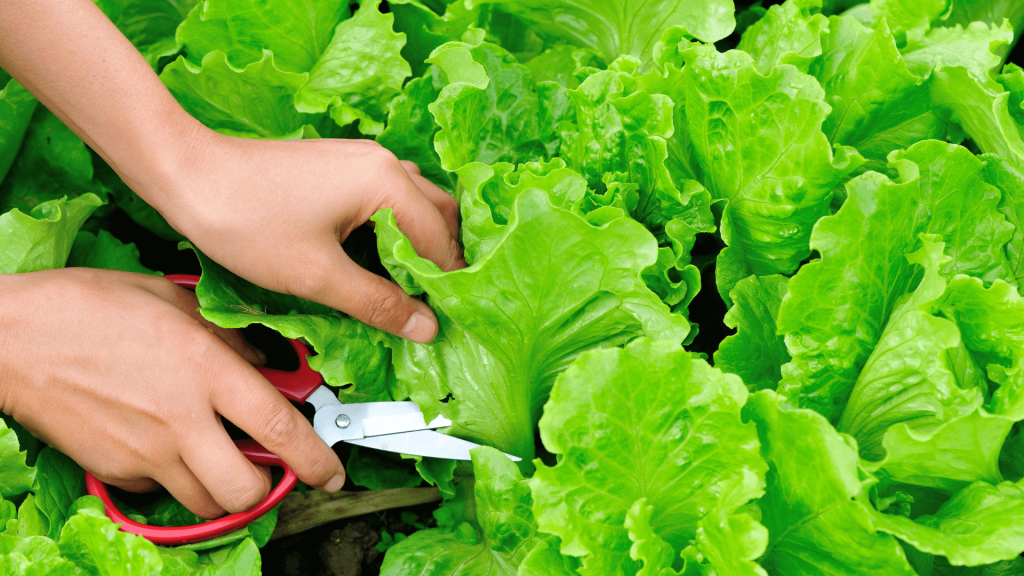
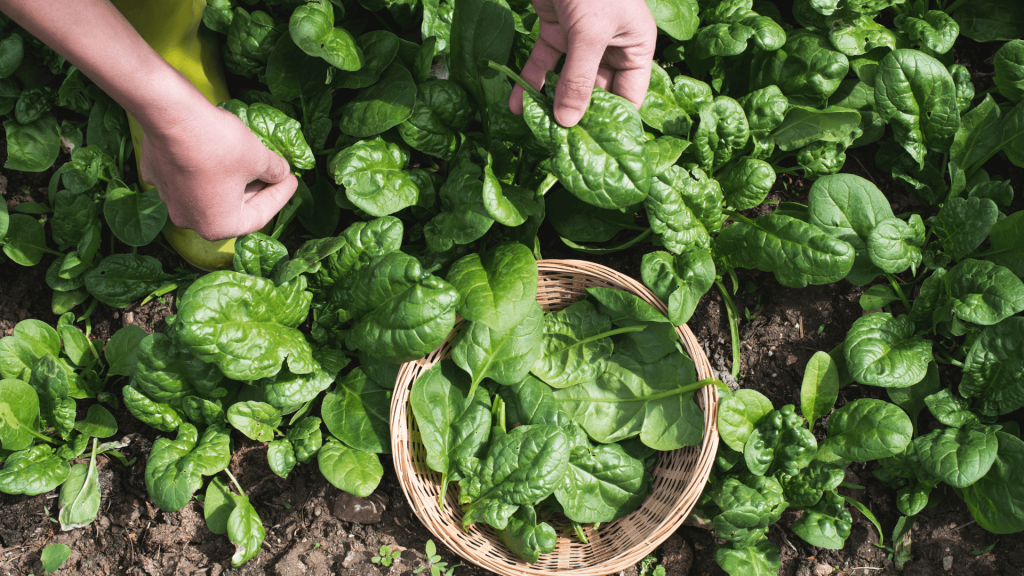
Spinach and Arugula like lettuce, are very well suited to germinating early in spring or in the fall. The optimal soil temperature range for germination is 18º-24º C and will take about 12 days.
Lettuce, Spinach and Arugula grow best in cool temperatures and tend to bolt as soon as temperatures warm up in late spring and early summer. Look for “bolt-resistant” varieties if you want to extend your late spring harvests.
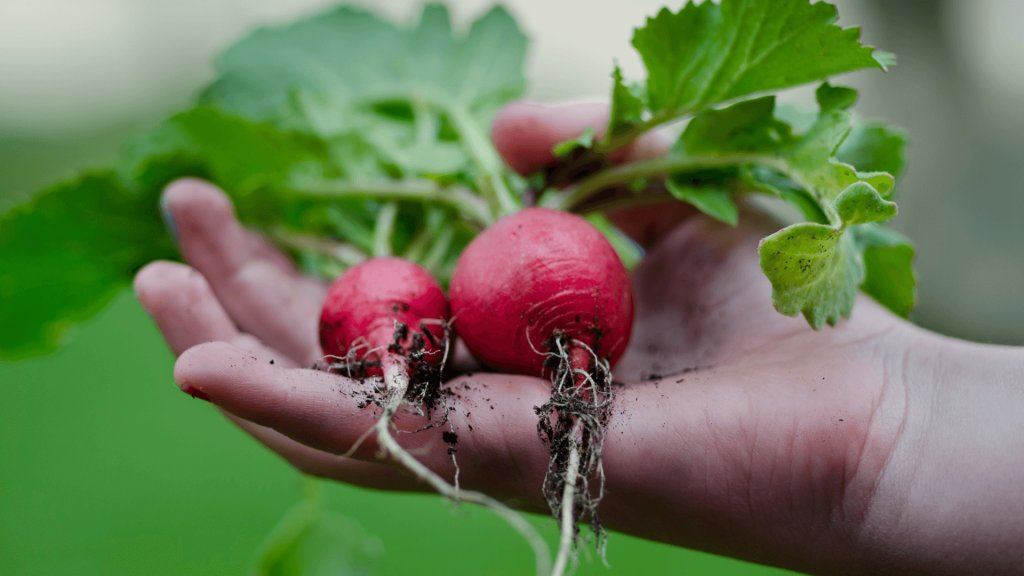
Radishes can be planted throughout the early spring if you’d like a continual harvest of tender, young radishes. It takes about 30 days from germination to harvest, sometimes less for smaller varieties. Seeds will germinate at soil temperatures anywhere between 4º-35ºC which makes them easy to start!
Peas love early spring and cool fall temperatures! They will germinate quickly when the soil is between 18º- 24ºC and will be ready to harvest in late spring or early summer. This is another vegetable that you can start again as autumn sets in.
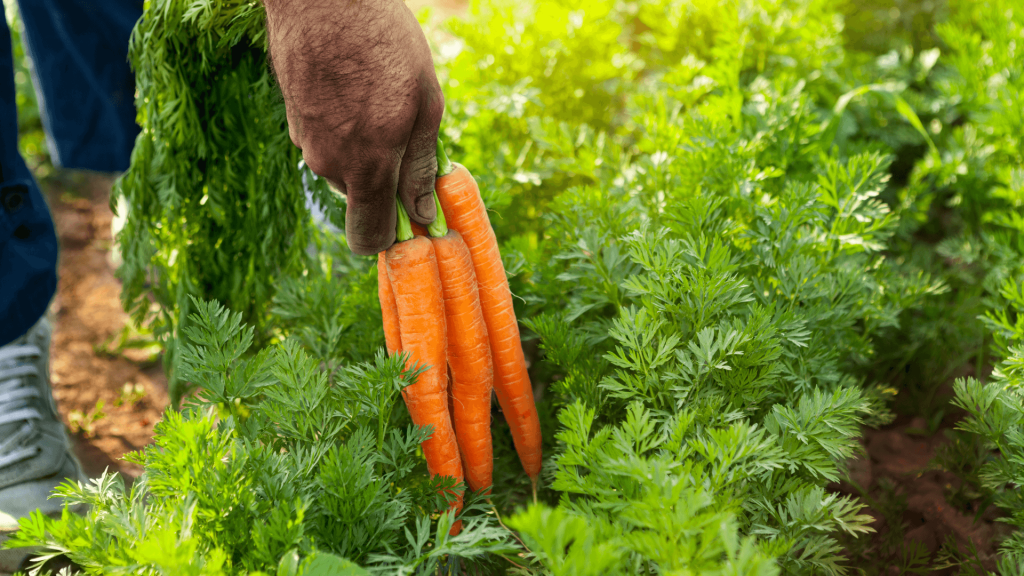
Carrots grown in the spring can be harvested early in the summer making way for heat loving crops like peppers and tomatoes. Carrots will germinate in a wide range of soil temperatures, and can be planted outdoors about 4 weeks before the last frost date. Late in summer, as you remove the heat loving crops, you can seed more carrots for harvest in late fall or early winter.
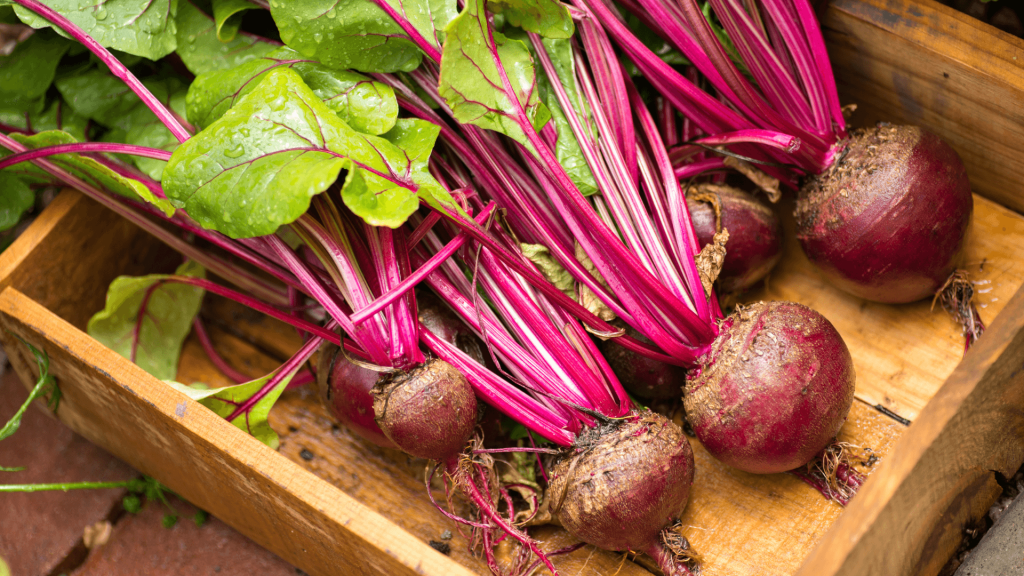
Beets are another vegetable that can be sown in a wide range of soil temperatures. Because of this, you can start planting beet seeds as soon as the soil can be worked in the spring, and you can continue seeding beets every 2-3 weeks for a continuous harvest.
Green Onions (aka Scallions or Spring Onions), Kale, Chard, Collard Greens, Mustard Greens, Swiss Chard, Brussel Sprouts, Cabbage, Radicchio, Fennel and Cilantro are also seeds that can be planted in hardiness zone 6b in early spring when the soil can be worked.
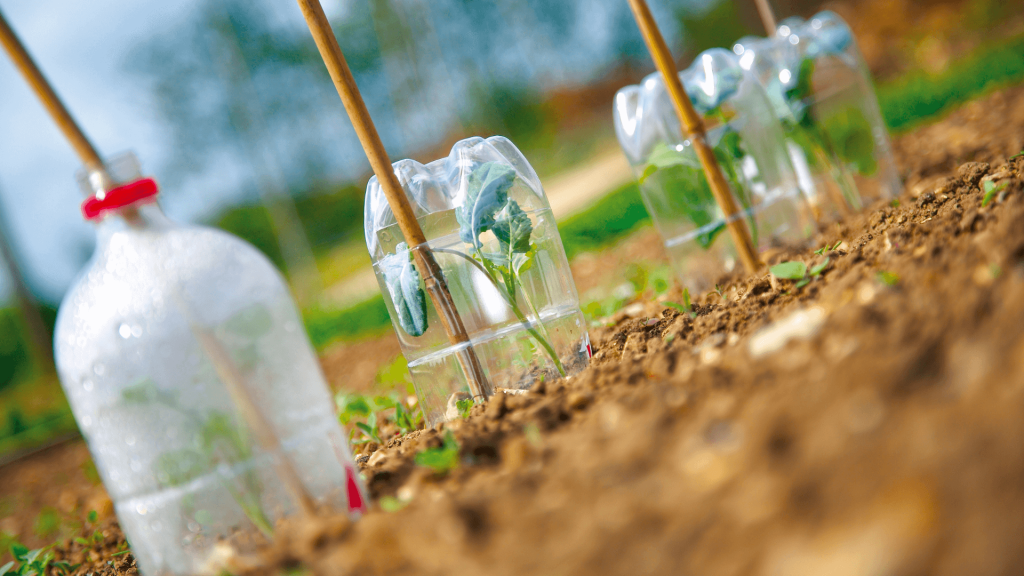
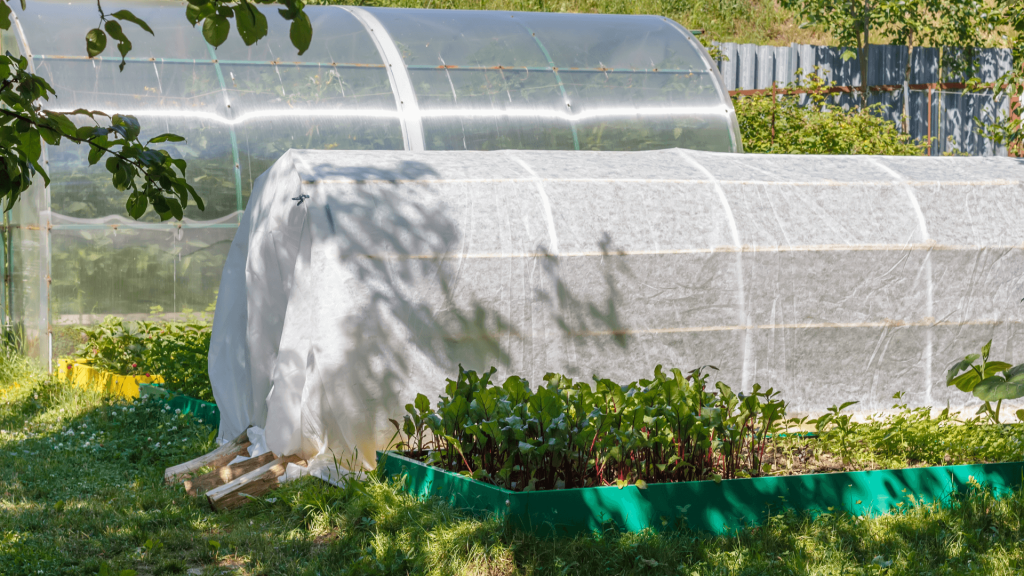
Keep in mind that while these vegetables grow in cool weather, they may still be slow to grow or even damaged if the temperatures dip too low. If this happens, you may want to provide some protection like row cover cloth, a blanket, plastic, a cold frame, or a cloche (this can simply be a large plastic jug or containers).
If this article has piqued your interest, here are some great resources to help with seed starting and transplanting timing:
West Coast Seeds Vegetable Planting Guide
Heeman Ontario Seed Starting Guide
Reference for soil temperatures: