
If you think a small space and a small garden are limiting when it comes to shrub choices, think again! Colour and texture, structure and seasonal interest are all available in many small shrubs. Whether you’re looking for beautiful blooms or evergreen foliage, you’ll love what our favourite small shrubs have to offer!
Follow the 5 links for more on our 5 favourites!
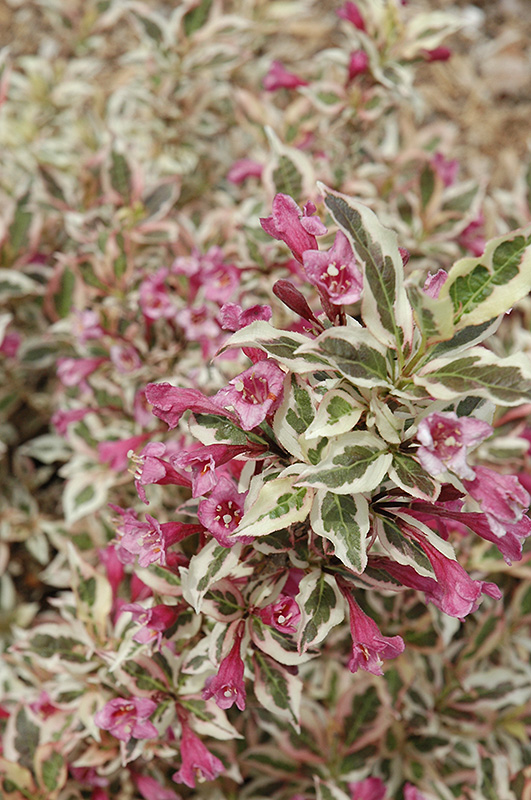
My Monet Purple Effect Weigela - Weigela florida
A deciduous shrub that’s deer resistant, colourful and low growing. This plant checks lots of boxes!! Variegated mint green and cream foliage with purple tones and pink blossoms, it makes a great companion to perennials, and as an edging plant. My Monet Purple Effect Weigela grows 18” to 2 ½ feet tall and wide in partial or full sun.
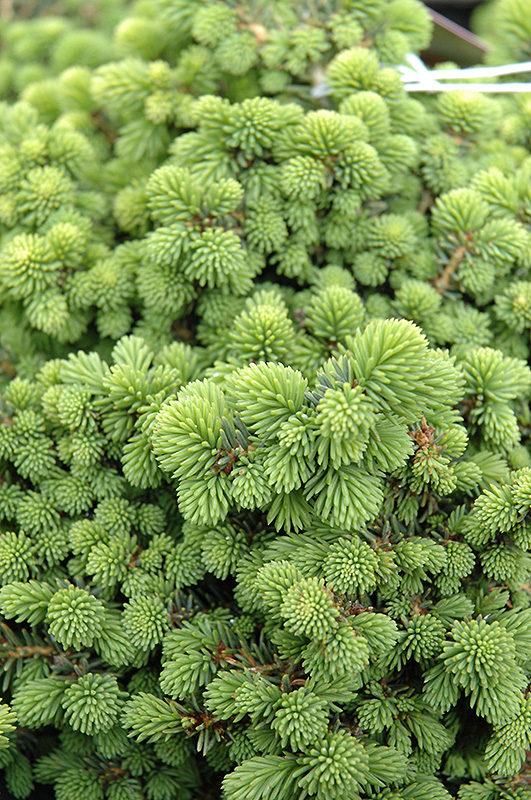
Little Gem Spruce - Picea abies ‘Little Gem’
This compact evergreen has dark green needles, making it attractive all year round. Its pyramidal shape makes it a great choice as an accent feature or in a border. It’s drought-tolerant and requires little care, making it a very appealing low-maintenance choice! Little Gem reaches a mature height of 10” to 1’ and a spread of 1’ to 2’. Plant this shrub in full sun.
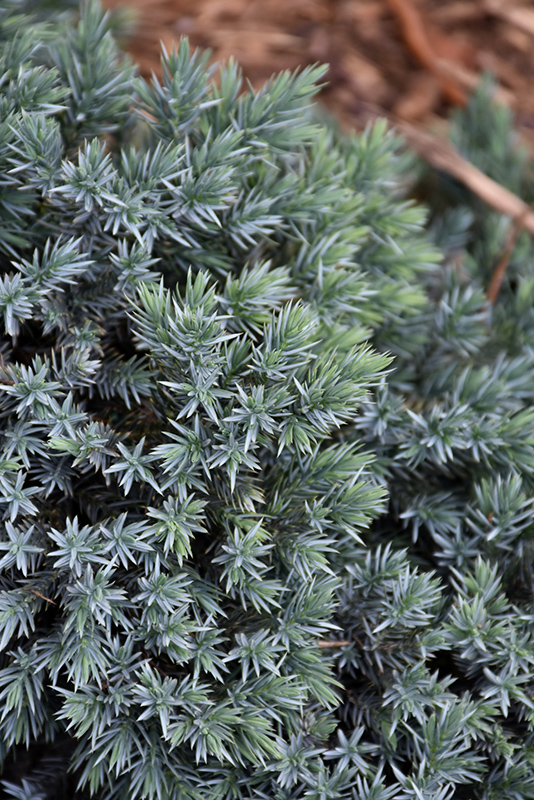
Blue Star Juniper - Juniperus squamata ‘Blue Star’
Sun-loving and slow-growing, Blue Star Juniper graces the garden with steel blue evergreen foliage that’s a beautiful contrast to many plants. It’s also drought-tolerant and requires very little pruning, making it an easy to care for naturally small shrub. Growing 1 to 3’ tall and 1 ½ to 3’ wide, its shape makes it great as ground cover or as an edging plant.
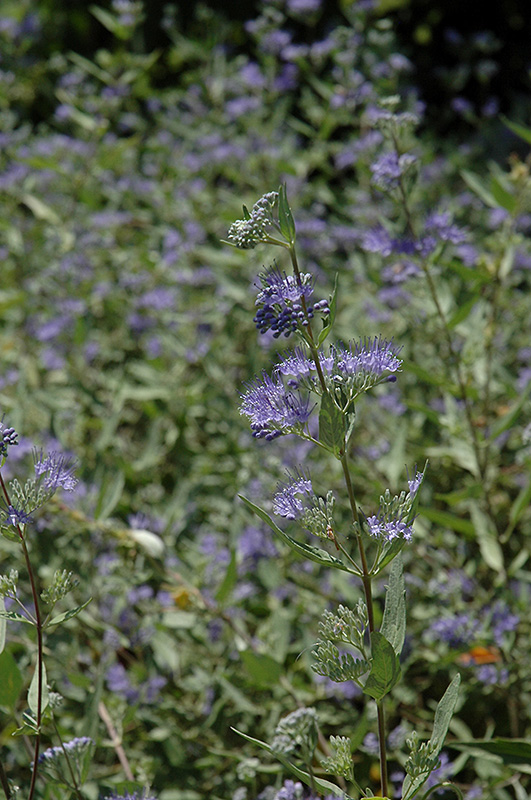
Bluebeard - Caryopteris
Classified as a shrub or as a woody perennial, either way, it deserves to be on this list. Bluebeard loves full sun and grows anywhere from 2 to 4’ in a compact mound. Sweetly scented and long blooming, it attracts all the pollinators: bees, butterflies and hummingbirds. Bluebeard foliage and blooms come in various colours depending on the variety, so it’s easy to fit into your landscape plans.
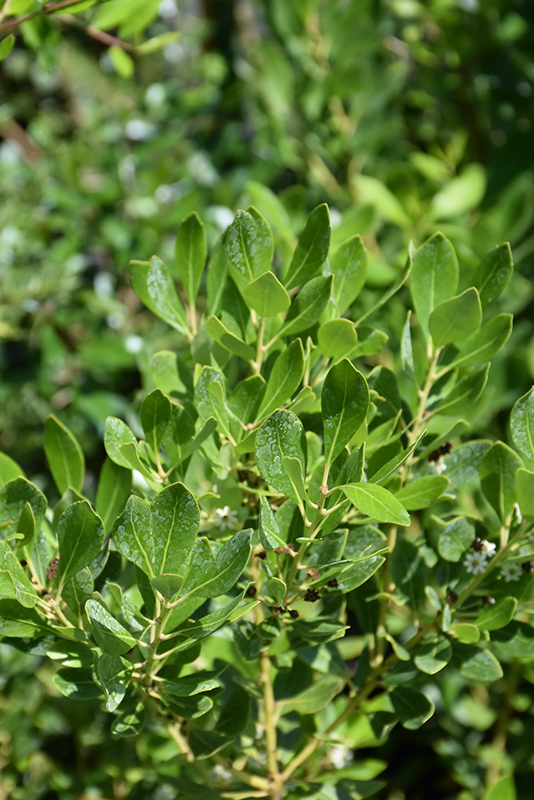
Inkberry Holly - IIlex glabra
Native to North America, Inkberry has lots to love. It looks similar to Boxwood and can be trimmed to shape, but this slow-growing evergreen also forms a tidy mound, and it blooms in the Spring! It will grow in full to part sun, and smaller varieties reach 3 to 4’ high.
While this list contains 5 of our favourites, we have lots more to offer in the garden centre. Come by and take a look! Discover how growing small shrubs in containers or small spaces adds beauty and texture, enhancing your garden bed, patio or balcony.
TIP: April and May are the best months to plant shrubs in Southern Ontario.
Looking for something that blooms in the garden when everything else is fading? Bluebeard (aka Caryopteris or Blue Mist) blooms from late summer until frost sets in!
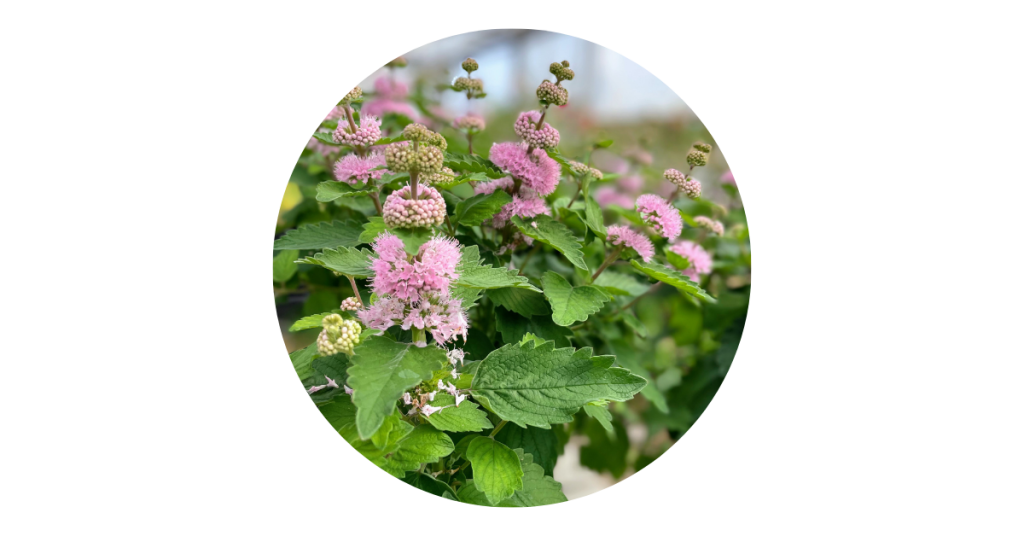
This shrub-like perennial thrives in full sun and sandy soil with good drainage. In exchange for these conditions, it provides an abundance of blooms in vivid, genuine blue (a colour that’s very difficult to find in the garden) or it can have pink or blueish-purple flowers depending on the hybrid variety. Foliage can range from soft grey to golden yellow to dark and glossy green, depending on the variety. Intrigued?
Bluebeard is a great perennial shrub for almost any size of garden and does well here in Norfolk County. Plants grow in a range from two to four feet in height and width and in a well-behaved, compact mound.
Beautiful Blooms
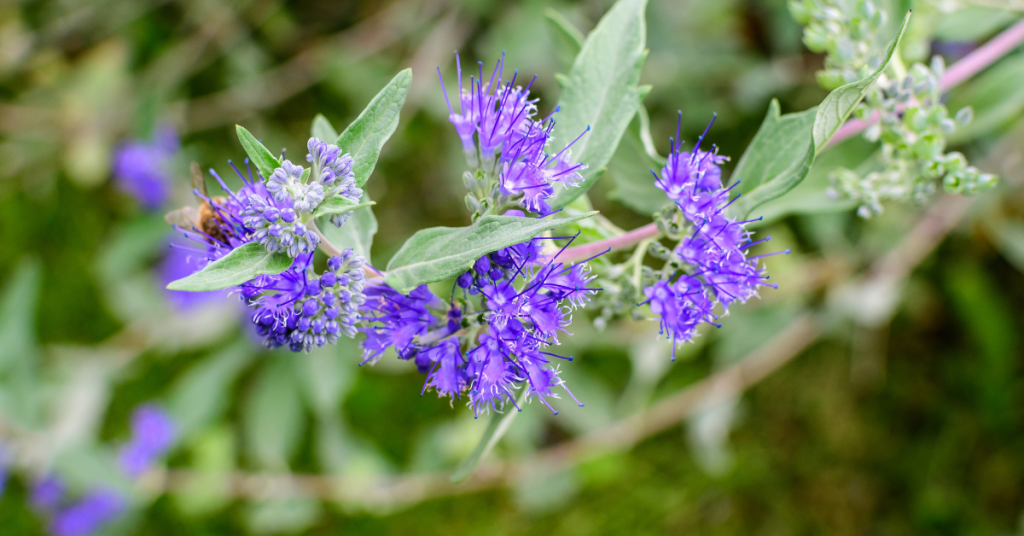
Such a unique flower! Bluebeards form fluffy clusters of flowers, like clouds or mist and can bloom from July until there’s a frost. Like most flowering plants, deadheading spent flowers will promote continued blooming.
Bluebeard flowers have a mildly sweet scent and are full of nectar for pollinator friends like bees, hummingbirds and butterflies. The features don’t stop there! Birds love the seeds that form in the Fall too.
Planting & Care
Find a nice, sunny spot with ample space for the plant to grow. Bluebeard aren’t heavy feeders and don’t need fertilizer. Some compost in the planting hole is all that’s needed. After that, top dress with some compost each Spring.
Water in new plants thoroughly after planting them. Once established, they don’t need watering unless it’s an extremely dry season.
Crown rot from consistently over-watering, or from being planted in wet, heavy soil is the only disease to be concerned about. Branches will begin to die, one by one, if this plant has crown rot.
While Bluebeard will tolerate drought and shade, the amount of flowers will be greatly reduced.
Pruning
Bluebeard’s foliage and flowers form on new branches or new growth. So, early each Spring, cut the stems down by at least half. Cutting them down to 12-18” does not harm the plant. It will send up new shoots, and it’s those new shoots that produce leaves and blooms!
You may find that established plants have some dead wood in the centre. If this happens, prune out any dead wood, and that will ensure that your shrub stays looking full and happy.
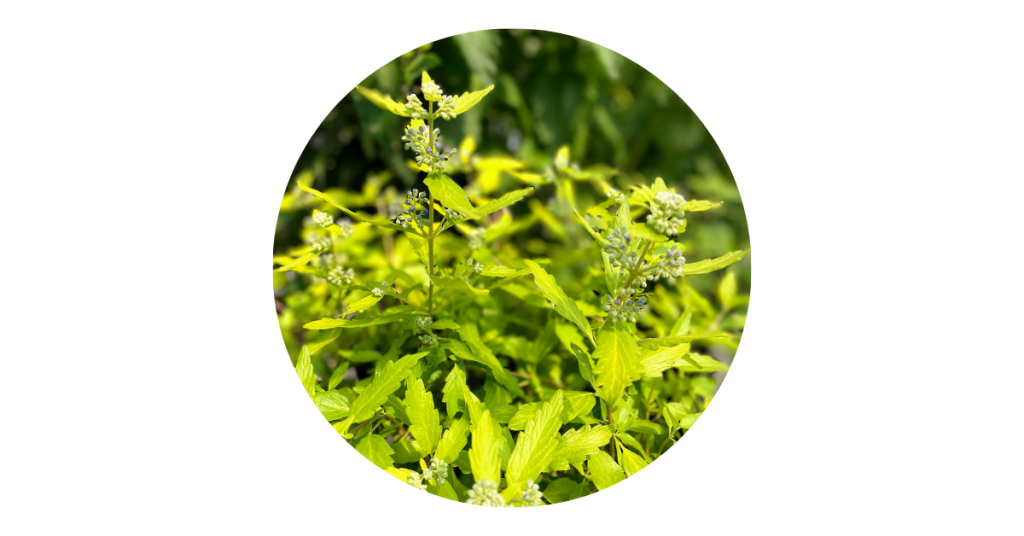
Sunshine Blue Bluebeard
Grows 2-3’ tall.
An extremely hardy variety with gold foliage and blue blooms.

One final note. Sometimes Bluebeard is called “blue mist spirea”. However, Bluebeard or Caryopteris is not related to spirea.
Hydrangeas are some of the most beloved flowering shrubs around the world—you only need one look at their big, voluminous flowerheads to see why they’re so easy to love. There are hundreds of hydrangea varieties, each belonging to one of six main types. One type, in particular, known as mophead hydrangeas, is famous for a very peculiar and whimsical trait: the flowers can change colours!
The Colour-Changing Shrub
The flowers of the mophead hydrangea change as a reaction to their soil chemistry, resulting in flowers from bright pink to neon blue and every shade in between. However, the shift in shade doesn’t happen overnight—it requires some planning, and a fair bit of patience, to change your hydrangea’s colour.
The good news is that anyone can encourage their mopheads to change colours with the right supplies and a few tips! Here’s how to do it in your yard.
From Pink to Blue
When planted in alkaline soil, mophead flowers bloom in brilliant shades of pink. By increasing the acidity of the soil over time, the flowers will gradually shift to a lovely shade of lilac, and eventually, turn vivid blue with a low enough (more acidic) pH. It’s a true delight to behold this colour change taking place throughout the summer. Some crafty gardeners have even managed to create an “ombré” effect by keeping a row of soil more alkaline on one end and more acidic on the other!

There’s one caveat to the fun; however: while pink hydrangeas will readily fade to blue, it’s nearly impossible to reverse back to pink. Those who have attempted this tend to end up with a rosy purple, which is pretty enough, but never quite the same. With that said, blue mopheads are so gorgeous; there’s a good chance you’ll be happy to keep them around as-is!
How to Turn Your Hydrangeas Blue
Changing your soil pH requires the use of soil amendments, which can gradually alter the soil chemistry. If your hydrangeas are blooming pale pink to lilac, you can intensify the pink colour by adding garden lime to the soil. Follow the package directions to ensure you’re using the right amount at once, and over time, those hydrangeas will start blushing!
However, most mophead growers are in it for the blue blooms. Blue is a relatively uncommon colour in the gardening world, so those gorgeous blue blooms are highly coveted! Mopheads start blooming blue flowers once the soil pH reaches 5.5 or lower. The best way to increase the acidity of the soil is with the use of aluminum sulfate, a common soil amendment that we carry here at Eising. You’ll need to mix a quarter-ounce of aluminum sulfate into a gallon of water and soak the soil around your mopheads. You’ll get the best results by starting in spring, but you can start at any point during the season. However, once you start treating the soil, you’ll need to reapply the amendment every month until you reach the desired result, and then maintain it with an application every other month during the growing season.
To maintain the acidity of your soil, you can also fertilize with acidic compost like orange peels, coffee grounds, eggshells, or peat. While you won’t see results right away, these will help increase soil acidity in the long term, so that you eventually won’t have any need for the aluminum sulfate.

Considerations
Before you start modifying your soil acidity, keep your other plants in mind, as well. Each plant has a different tolerance to acidity—some love it, some can’t tolerate it. As your soil acidity changes, so will your soil’s suitability for your other favourite plants, so make sure to plan around that. Keep an eye on the nursery tag when you shop for plants to grow around your mopheads to ensure you’re leaving with a good fit. We recommend using soil tests regularly to monitor soil acidity throughout your garden. These tests are quick and easy to use, and lots of fun to do with kids!
A garden full of pink, purple, and blue hydrangeas is a truly magical place—and the pride of many Southern Ontario gardeners. Chat with us in-store for plant and product recommendations as you embark on this ultra-popular gardening project. Then, prepare to be spellbound by these enchanting shrubs!