
5 Easy Steps To Get Started
By Ava Green
There’s a common myth that you need a lot of space to grow vegetables, but whether you have a few containers, a small sunny corner, or a larger garden bed, there’s lots you can grow! Here in Norfolk County, which is Zone 6 in Southern Ontario, some vegetables can go in the ground as early as the beginning of May, while many others are usually safe to plant around the May 24th weekend, once the risk of frost has passed. Here are five simple steps to get you growing your own food this season if you’re new to vegetable gardening.
Step 1: Decide What You’d Love To Grow
Start with a list of the vegetables you actually want to eat. Coming into Eising Garden Centre with a list in hand makes choosing plants so much easier! When building your list, consider:
- Vegetables you love
- High-value vegetables, the ones that are expensive at the grocery store but easy and economical to grow yourself
- Anything that tastes better when it’s freshly picked, like tomatoes, cucumbers, and fresh herbs

Step 2: Make a Simple Plan
You don’t need an elaborate design; a rough sketch on a scrap of paper is just fine. The goal is simply to get a sense of your space and where things will go before you start digging. We recommend starting a garden notebook or journal to track what you plant each year and how it performs. It will be especially helpful next spring!! A few planning tips to keep in mind:
- Most heat-loving vegetables, such as tomatoes, peppers, zucchini, eggplant and beans, need at least six hours of sun per day
- Cool-weather and shade-tolerant crops like lettuce, chard, kale, radishes, and beets do well with just three to four hours of sun
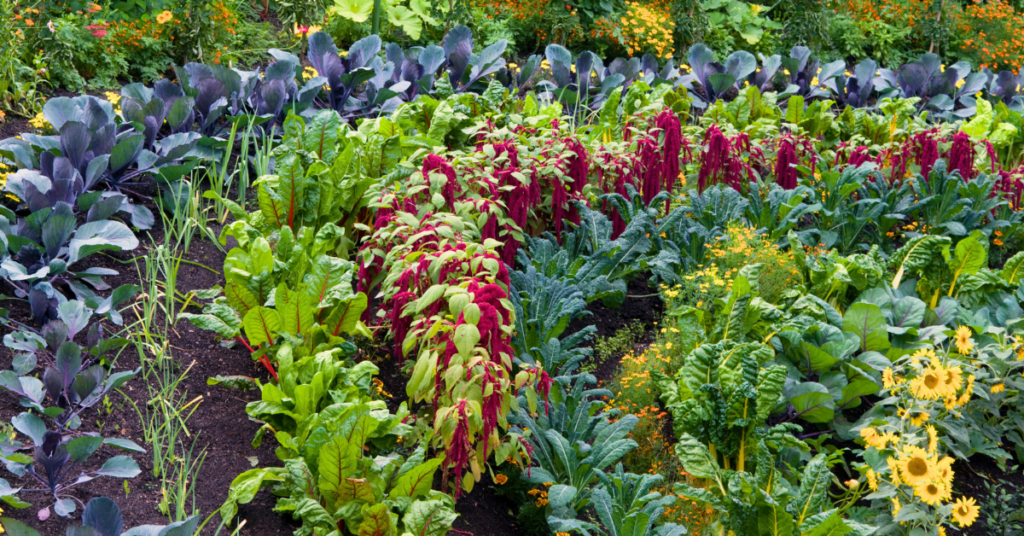
- Spacing in a vegetable garden can be much tighter than in other types of gardens. Less empty space means fewer weeds and bigger harvests. Square foot gardening is an excellent method to explore
- Layer your garden beds with plants that are great companions. For example, basil and marigolds planted beside tomatoes are said to improve flavour and repel pests. Carrot and beet seeds tucked in beside and between your lettuce plants (which are a cool-weather crop) are a smart pairing; as your lettuce finishes in the summer heat, your carrots and beets will be sprouting up to take their place. This is referred to as succession planting and optimizes the space in your garden
- Make use of vertical space with poles or trellises for peas, pole beans and cucumbers
- Tuck herbs into any gaps between your vegetables; they’re useful, beautiful, and most pollinators love them
Step 3: Prepare Your Space
Once you’ve chosen a spot with enough light, it’s time to get the soil ready:
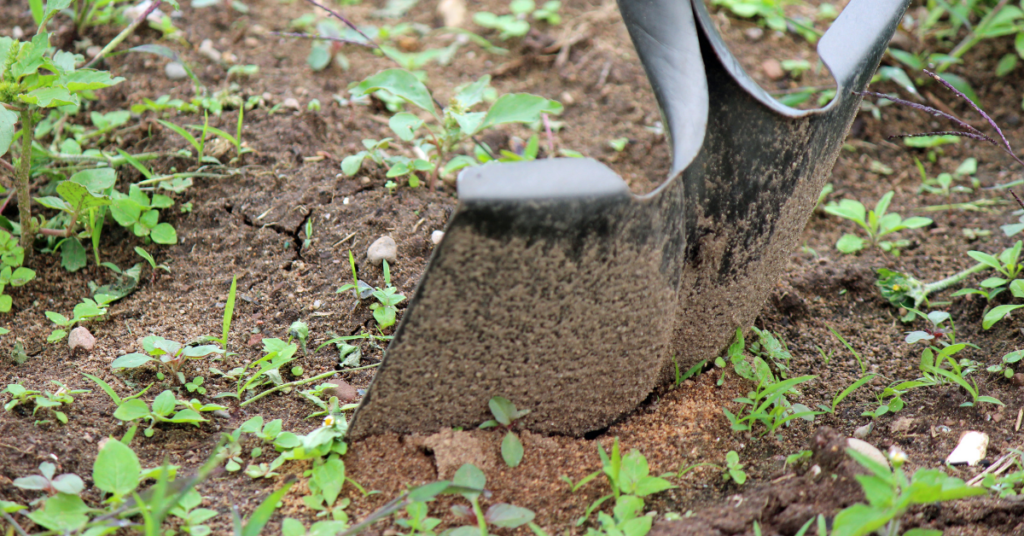
- Remove any sod or weeds before planting. If you’d rather not dig, the No Dig gardening method uses a layer of cardboard as the base for the new bed. This suppresses weeds naturally and breaks down into the soil over time
- Add a good-quality compost to your soil by either spreading a layer across the top of the garden bed or scooping some into each plant hole
- For container gardening, almost any container works, just make sure it’s deep and wide enough for the mature size of your plants. Also, drainage holes are a must! Fill containers with a soilless mix containing compost, peat moss or a peat alternative, and one of the following: sand, vermiculite, or perlite. Avoid using garden soil, triple mix, or topsoil in containers, as they compact easily and will restrict root growth. Learn more about soil mixes, amendments, and fertilizers here
Step 4: Water and Feed Consistently
Consistent watering and feeding are the foundation of a productive vegetable garden:
- Vegetables need regular, reliable watering. Inconsistent moisture leads to stressed plants and poor yields
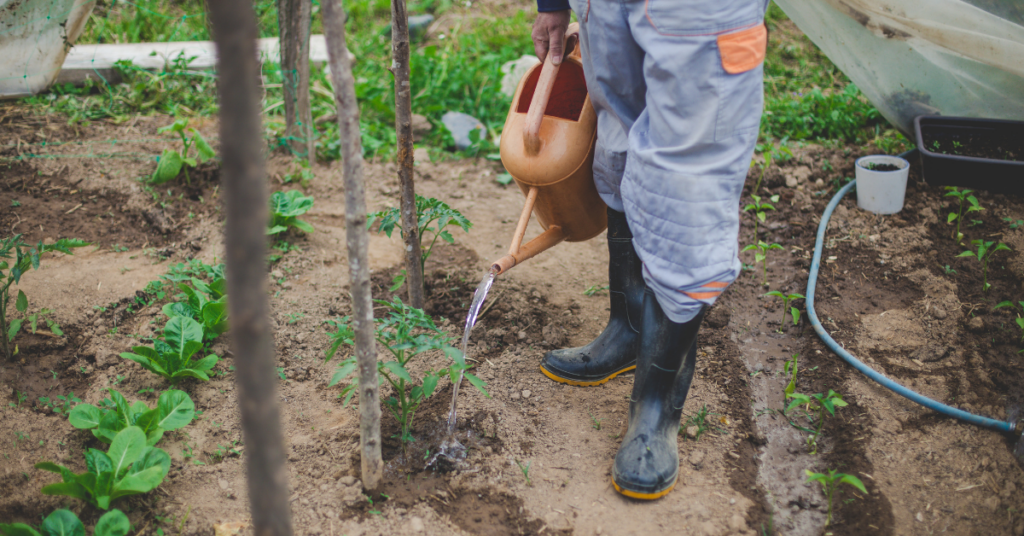
- Always water the soil, not the leaves. Plant roots take in water, and wet foliage can invite disease. Water deeply so moisture reaches the roots. Use your fingers to check how far down the water has penetrated into the soil
- Containers dry out faster than garden beds and will need more frequent attention
- Morning is the best time to water. If your plants are struggling on a particularly hot afternoon, a second watering is fine. Just be sure to aim at the base of the plant and avoid the foliage, which can scorch in direct sun
- Feed with organic fertilizers throughout the season to keep your plants healthy and productive. Follow the package instructions for the product you choose
Step 5: Plant Flowers for Your Pollinators
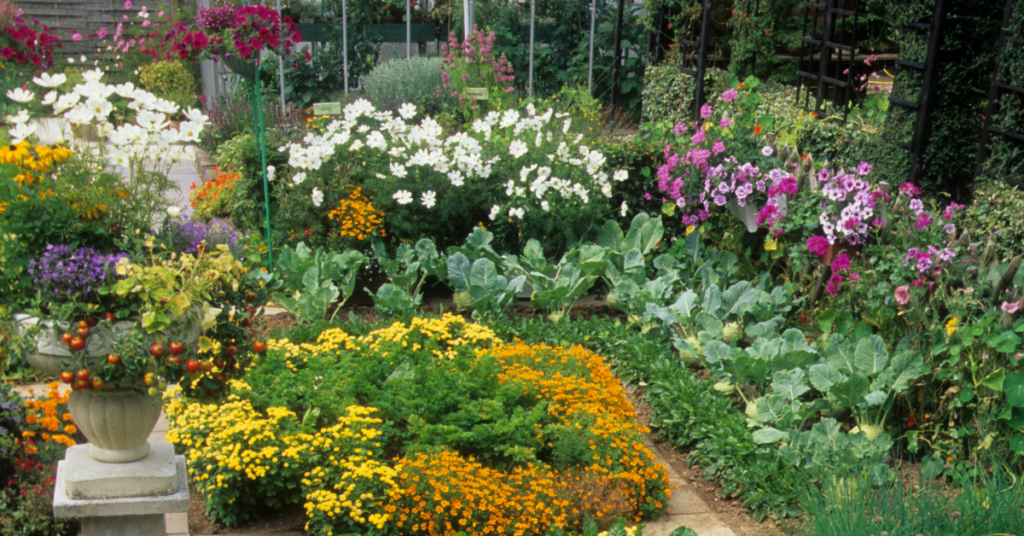
A vegetable garden without pollinators is a garden that won’t reach its full potential. Attracting bees, butterflies and other beneficial insects to your garden is one of the best things you can do for your harvest. Some of our favourite pollinator-friendly flowers for the vegetable garden include marigold, calendula, nasturtium, borage, sunflowers and culinary lavender. As a bonus, most of these are edible, so they earn their space twice over.
It’s Time
Starting a vegetable garden is one of the most rewarding things you can do with an outdoor space. There’s a quiet satisfaction in growing something from seed or a seedling and bringing it to your own table.
Start simple, grow what you love and don’t be afraid to learn as you go.
The team at Eising Garden Centre is always happy to help you choose the right plants for your space and answer any questions along the way. This could be the season that changes the way you think about your garden!
Resources:
Why Use a Garden Journal?: https://eising.ca/why-use-a-garden-journal/
Square Foot Gardening: https://www.almanac.com/planning-square-foot-garden-grow-more-less-space
Fertilizers & Soil Amendments: https://eising.ca/fertilizers-soil-amendments/
Companion Planting: https://eising.ca/companion-planting-with-herbs/ and https://eising.ca/incorporating-vegetables-into-your-garden/
Optimizing the Gardening Season: https://eising.ca/optimizing-the-gardening-season/
No Dig Gardening Method: https://charlesdowding.co.uk/blogs/no-dig-resources/beginners-guide
Reading Plant Tags: https://eising.ca/full-sun-part-shade-what-do-plant-tags-actually-mean/
Growing Vegetables in Pots: https://eising.ca/planters-are-for-more-than-flowers/
This is the year—the year you cross off all the tasks on your spring to-do list! A little bit of yard work now pays off in the long run. You'll feel more organized and have healthier plants, and you'll be better prepared for the following year.
Review Your Tools and Accessories
Before we get into the heart of the gardening season, now is the time to look over your storage shed to make sure you have everything you need for a successful season. To prevent the spread of disease between plants, clean pots and containers you may use, as well as any tools. You also may need to sharpen and oil some old standbys, like pruning shears, loppers, and trimmers. If, after doing your clean up, you realize you need any tools or accessories, we're now offering curbside pickup at our garden centre.
Clean Up The Yard
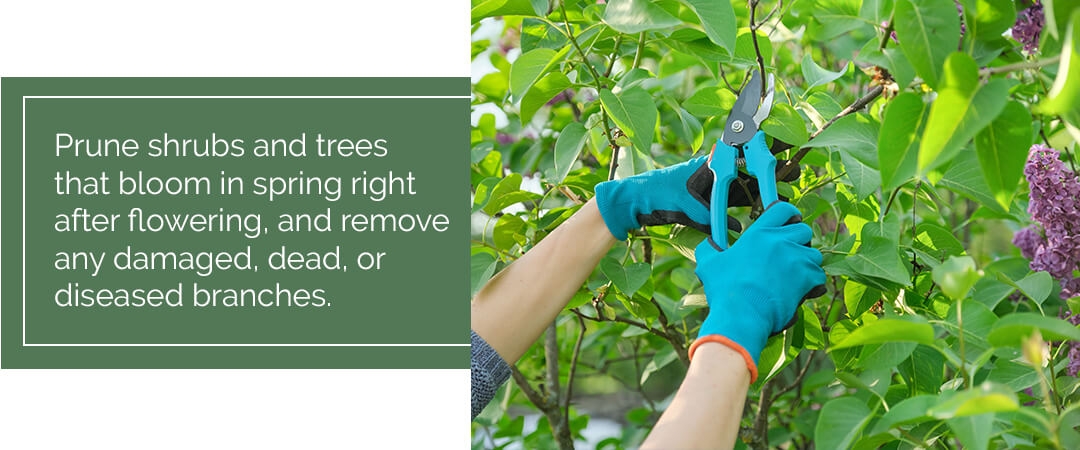
Removing any fallen branches is especially important to reduce any hazards now that the kids are spending more time playing outside. Prune shrubs and trees that bloom in spring, like lilacs, right after flowering, and remove any damaged, dead, or diseased branches.
Though perennials, like grasses and woody herbs, provide food and shelter for birds during the winter, they can make your yard look a little scruffy during the spring. Cut back these perennials to encourage fresh growth and remove last year's annuals to make room for new ones this year.
Work the Land
Pick up a handful of soil, shape into a ball, and squeeze it. If water comes out, the soil is too wet, and you should wait a bit longer. However, if the ball crumbles, then the soil is ready to be worked. Remove any fresh mulch or leaf litter, but leave whatever has composted to mix into the soil. Loosen up and mix the soil by turning it over, using a tiller or a spade. Depending on the soil in your garden, you may also have to add amendments, like fertilizer.
Take inventory of the groundcover in your yard. Mulch and rock seem to disappear every year — groundcover should be about two to three inches thick, so replenish accordingly.
Plan Ahead
Take note in a garden journal of what you've completed already, like all of the steps above, plus any seedlings you started or bulbs you planted. A garden journal is a great help, not only for this season but also for years to come, since you can keep track of what worked and what didn't each year. Write down what you'll plant, where you'll plant it, and when. The majority of garden vegetables can be planted through mid-May here in Simcoe, after any risk of frost has passed. Now is also the right time to take note of any open spots in your yard that you can fill in by dividing fall-blooming perennials, like hosta and purple coneflower. Dividing perennials helps keep the plants healthy, plus it gives you more plant material to work with!
Odds and Ends
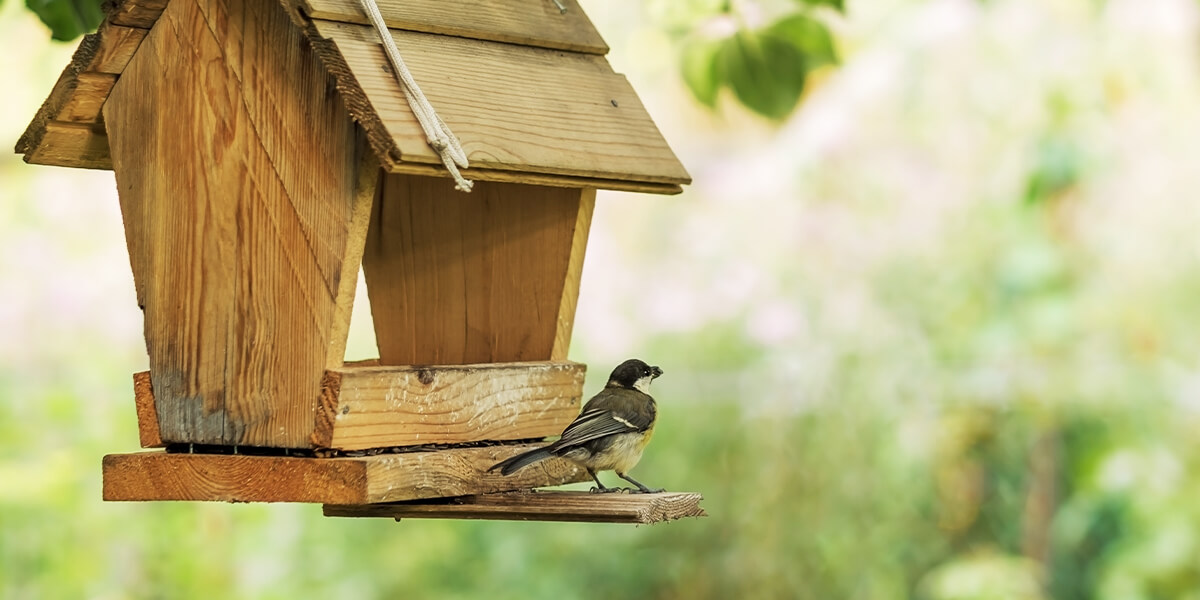
Clear out the gutters, turn over the compost, clean out bird feeders, and repair anything that needs it, like fences and lawnmowers. Locate and put up stakes and trellises for any plants that might need them, like tomatoes and peonies. Now is also a great time to tend to your decks and hardscapes so that you have a place to enjoy your garden from when it starts blooming!
Though you could make a day of prepping your garden this spring, to make it more manageable, break up your days at home by doing tasks between conference calls. Follow this checklist, and in no time, you'll be seeing the results of your hard work—evidenced by your thriving garden!
It’s always nice to take some time away during the holiday season, but it’s kind of a hassle to arrange for a house sitter simply to take care of your houseplants. So, we recommend doing some thorough holiday-proofing before you go. With the right tools and a little prep work before you head off, you should be able to leave your plants for several weeks without worrying about them drying up. Here are the basics of holiday-proofing, so you can rest assured that your precious plants will be safe and sound through your vacation.
Holiday-Proofing Your Houseplants
Is it about time to start holiday-proofing your houseplants in Simcoe? Follow these simple steps for getting them all holiday ready for while you’re away.
First, water them thoroughly. Make sure the soil is thoroughly saturated, but if your pot doesn’t have drainage holes, try not to overdo it. If your pot has drainage holes and is placed on a dish, make sure you’ve watered it enough that water begins to collect on the dish. Be sure to dump the water in the dish before you leave so it doesn’t end up getting funky.
Remove any dead plant material. When dried up plant parts remain on a plant, it will still end up directing its energy toward those limbs. Nipping off those pieces should help your plant to grow stronger and use up resources and nutrients more efficiently.
Move them away from cold drafts and direct sunlight. An icy breeze sneaking in through a frozen window could shock your plant, and a ton of sun will end up drying the soil out too quickly. To maintain a safe temperature and reduce sun exposure without depriving your plants of light, try moving them a few feet away from the window.
Turn the thermostat down a bit. Indoor plants don’t mind a cooler base temperature as opposed to being in warm air. This will also help prevent the soil moisture from evaporating too quickly.
Huddle your plants together. It’s all about retaining that moisture, and plants that are all huddled in a bunch will be much better at conserving water.

How To Water Indoor Plants While On Vacation
If you’re going to be away on a holiday for over a week, you’ll want to put together a plan to keep your plants watered while you’re gone. There are a few ways to keep your plants watered while you’re lounging on a beach on the other side of the world, so try some of these methods for self-watering.
Purchase a drip-irrigation system. These automatic watering systems slowly release water over an extended period. There are several different models and designs to choose from, ranging from high-end electronic drip systems, and more budget-friendly options like glass water globes or spikes. Evaluate the size and quantity of your plant collection and select your irrigation system accordingly.
Build a DIY irrigation system. If you’re a crafty type who enjoys saving money by going the DIY route, there are tons of tutorials online for creating your own irrigation system using everyday household materials like mason jars or wine bottles. Browse through Pinterest to see if you can find one that works for your plants.
Mimic a humid climate with a water tray. If you’ve got plants that prefer humid environments and need to be misted occasionally, this is a great way to increase the moisture in the air. Simply fill a tray with pebbles or river stones, then pour some water in. Place your potted plant on top of the tray so it can enjoy some humid tropical air while you’re out soaking in the tropical sun!

Houseplants For Frequent Flyers
If holiday travelling is common practice for you, it might be worth sticking to plants that are low-maintenance and more tolerant of dry spells. These are our favourite options for all you globetrotters out there:
- Snake plants
- ZZ plants
- Succulents
- Cacti
- Chinese evergreens
- Ponytail palms
There’s no need to go to the trouble of paying a house sitter to come by your home just to water your plants. These tricks should keep your plants well-watered while you’re away on vacation. If you need to purchase any irrigation systems for while you’re away, come visit Eising and we’ll help you pick out the right models for your plant collection. Enjoy your holiday!