
If dull days have you feeling a little down, a fresh, green, tropical plant might just be the tonic to inject some life into your living space and brighten things up.
Go Green
Spring flowers are beautiful, but the hero of Spring is the abundance of green. As everything comes back to life, it’s the colour that begins to envelop us, and it just makes the world look so much better again.
Adding greenery to your home can have that same overall effect! If you’re new to houseplants, there’s really something for everyone. There are tropical plants that can be very easy to grow and require very little attention. Plant care (how often they need water) and conditions (how much light they need) are two main factors to think about when choosing the best indoor plants for you.
Here are four beautiful houseplants to consider:
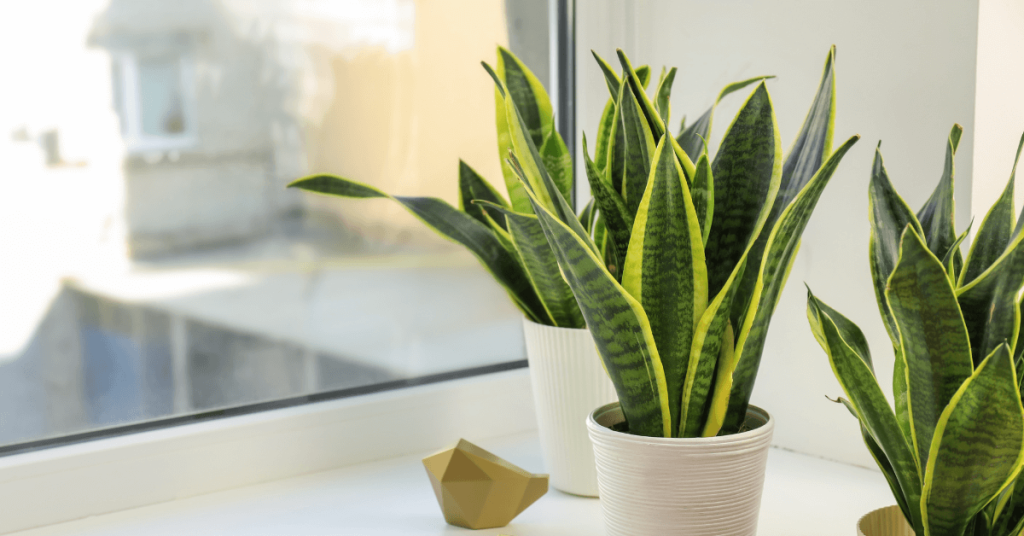
Snake Plant
Dracaena trifasciata or Snake Plant is a very hardy indoor plant, some say nearly indestructible. It will grow in almost any amount of light - dark to bright, so it can be placed virtually anywhere in your home. These tough plants require very little water - only water them if the soil feels dry. Overwatering may lead to root rot, so save your love and attention for something else, your Snake Plant just needs a little sip now and then.
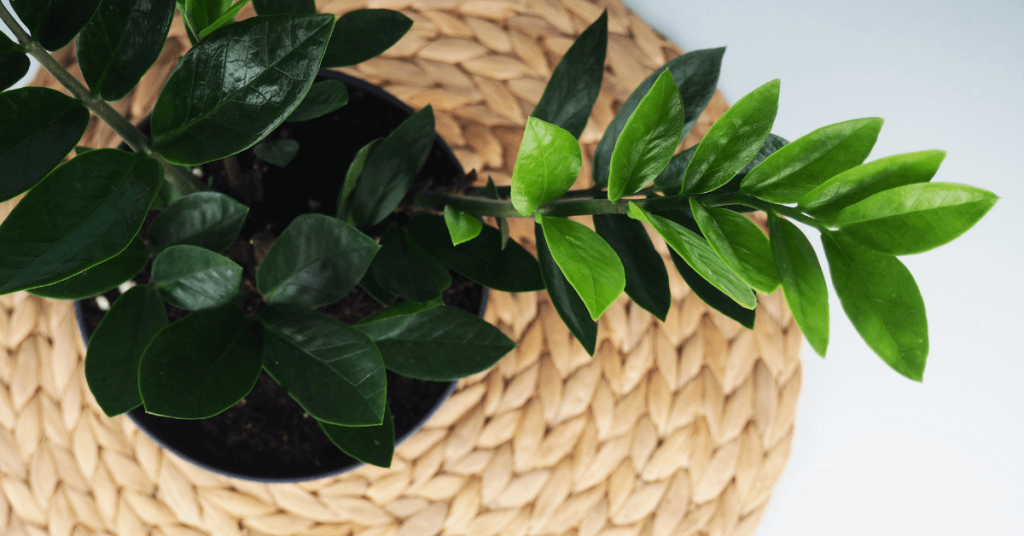
ZZ Plant
Wondering why the strange name? Technically its name is Zamioculcas zamiifolia…so let’s stick with ZZ! This is another easy to care for house plant. It likes bright, indirect light and some water every couple of weeks. Basically, a drink whenever the soil dries out. Not bad for a plant that looks like its shiny leaves have had a spa day.
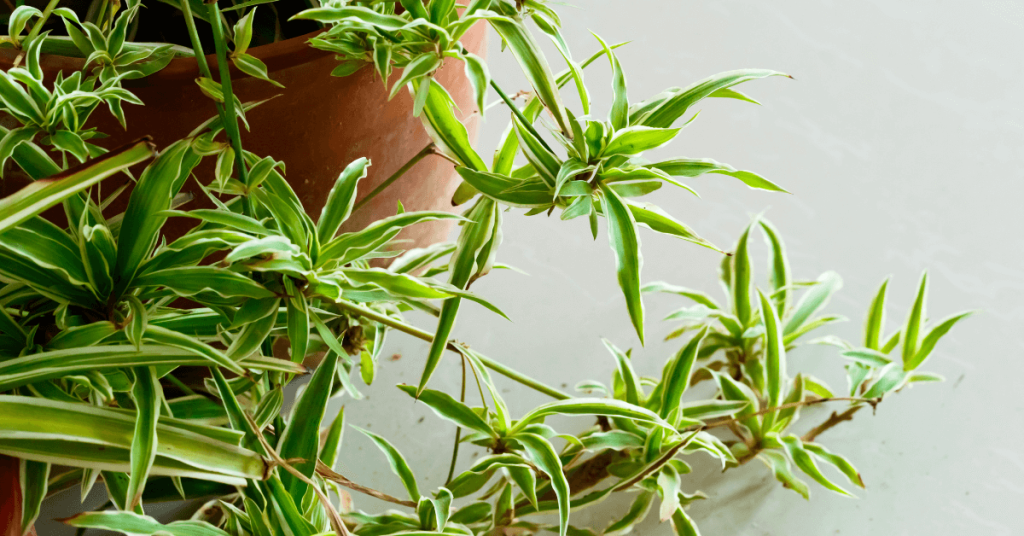
Spider Plant
Spider Plants are predominantly known for their graceful arching foliage, but they do send out a stem of small, star-shaped flowers fairly regularly on mature plants adding to the beauty of this popular house plant. Bright indirect light is where it thrives, and it does enjoy regular watering. Humidity can also help the Spider Plant stay healthy which makes it a great candidate for a bathroom with a shower or tub in it.

String of Pearls
Tiny, pea shaped leaves that look like pearls on a string make this a very unique houseplant. Unique may be a code word for: this one needs a little more attention. It’s best grown in a plant hanger or on a shelf where its trailing lengths of pearls are undisturbed. Morning light is best, not full light in the heat of the afternoon. During its growing season in Spring and Summer, keep the soil moist. It can be watered less in the winter. This is a plant that you can talk to each day while you give it a little drink, and it may become a very loyal friend. String of Hearts or other succulent, trailing vines are also plants to consider when you come in to shop and you’re liking the sound of this one.
When you do come into the store to see us, we can help with any other questions that you may have, like whether or not fertilizer is recommended and when to repot. Or, read this article on Tropical Plant Care.
When you pick out your new tropicals, we also have a great selection of decorative pots to place your new plants in to enhance your decor.
Eising Exotics
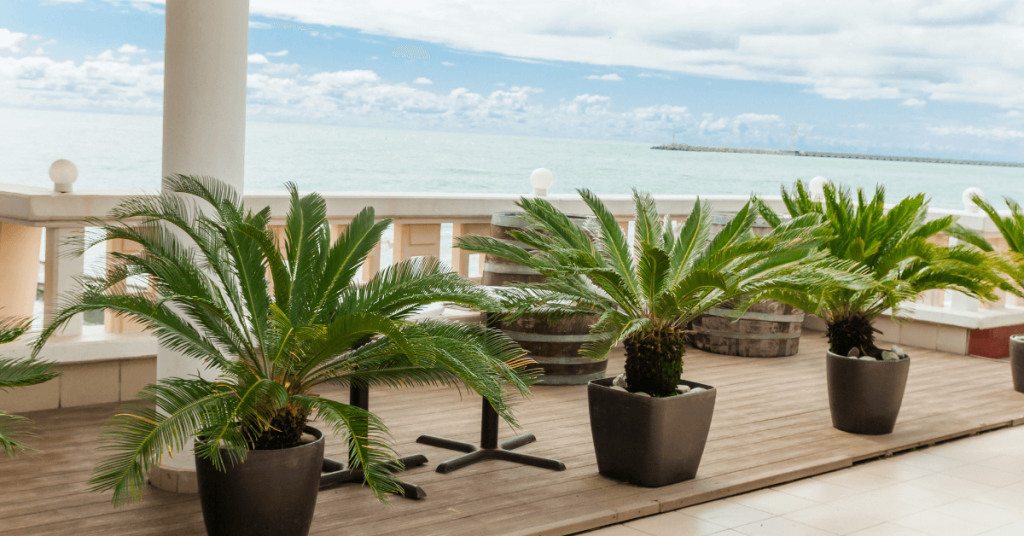
If you’re looking for a really special feature plant, or maybe to make your garden or pool area feel like you’ve been transported to a southern paradise, it’s time to pre-order larger palms and tropical plants! Shopping for these tropicals will surely make you feel like warm Summer breezes are just around the corner. Visit the Eising Exotics page now to view what’s available and place your pre-order.
Starting an edible garden is like building your own private produce aisle right there in your yard. You’ll reap all of the benefits of healthier and fresher food just outside your door, and you’ll be able to grow the best of your favourite garden flavours; nothing beats fresh-picked taste.
The key to a great edible garden is having some variety. The mix of lots of fruits and vegetables gives you lots of options to experiment with in the kitchen so you’ll never get bored with the same flavours. We have lots of tips to make growing your own food easy and fun.
Our Tips for How To Grow Fruits and Vegetables
These simple tips are a huge help in making your fruit & veggie garden hassle-free:
Try using a raised garden bed. They’re easy to make and they help with better soil quality, better temperature control, with far fewer weeds to pull due to their controlled environment. If you’re growing straight from the ground, you’ll be at the mercy of your property’s soil quality—but in a raised bed, you’re in control! Fill the raised planter with bags of sterile soil and add in lots of organic matter to give your veggies a great start. The elevated container also makes the garden easier to work in, as you don’t have to bend over as much while tending your plants.

If space is a concern or you simply want to start small before you take the plunge, try container gardening. Most edible plants—except the biggest and most unruly specimens—grow well in containers, so you can make the most of a small space with as many containers as you like. Choose a location with a lot of sun and watch your miniature garden grow.
Try out companion planting and let your plants do some of the work for you. Some fruits and vegetables do so well together that we’d recommend planting them as buddies so they can give each other a boost. For example, green beans and corn work great together as the beans nurture the soil and the corn support the bean vines while they’re growing. We also love growing tomatoes and basil together. Not only do they often end up in dishes next to each other, but the basil improves tomato flavour and wards off pests.
Use natural weed and pest control methods. If you’re growing food with the intention to eat it, there’s a strong case for keeping chemicals off of them while they grow. There are lots of natural pest control methods to try for almost any type of pest while keeping your food safe.
The Best Fruits and Vegetables for Home Growing
Some garden edibles have reputations for being more picky and difficult to grow than others, while others give you impressive yields for much less effort! This is our list of foolproof garden options to start fuelling your kitchen from your yard:

- Raspberries: These fall-bearing fruit bushes are as low-maintenance as they come, only requiring a bit of pruning in the winter to make room for more fruit-bearing shoots. Starting in the late summer you’ll always have lots of raspberries to bring inside, even if half of your picking time is actually spent munching on them right off the branch. Enjoy these sweet treats all the way until the first frosts!
- Strawberries: There are lots of varieties to choose from that produce fruit in different quantities at different times of the year, so you can tailor your strawberry growth to what you want - whether that’s a steady harvest of some fruit all year, or a big bounty perfect for jams and pies all at once. You get to pick if you want spring, summer, or fall berries, and how many. We love how well these do in containers as well as in a garden bed.
- Tomatoes: We might think about them like vegetables but these plants are actually fruits! Savoury and versatile, this fruit is perfect for beginners. You might choose to grow little cherry tomatoes for the perfect summer salads or maybe beefier slicing tomatoes for burgers and sandwiches. With impressive yields, you’re likely to end up with enough tomatoes at the height of the season that you’ll be giving them away! Luckily they freeze well to be put into sauces later in the year.
- Currants: These bushes produce oodles of their tiny sweet fruits in shades of red, pink, white, and black. While white currants are certainly the sweetest, black ones are the easiest to take care of and require almost no care.
- Radishes: These root vegetables have a little spicy kick that is welcome in so many summer dishes. Low-maintenance and quick-growing, you can start them in the spring but even do a second crop in the late summer, too.
- Lettuce and Leafy Greens: These are the perfect vegetables for growing in containers or a bed! The greens sprout and grow at lightning speed, so you’ll enjoy harvests more often. Their shallow roots also make them the perfect versatile candidate for growing anywhere.
- Cucumbers: The trick to crisp and tasty cucumbers is to keep them well-watered. Generous helpings of moisture on a regular basis (as long as your soil has good drainage) will set your cukes apart from the rest.
- Carrots: This root vegetable is a classic for good reason. All they need is some loose and loamy soil to grow perfectly straight. Other than starting off with the right foundation, they mostly take care of themselves! You can plant them densely and munch on baby carrots as your thin them out through the growing season.
Your garden is all about you and which fresh flavours you want to eat more of during the summer. This is just a starting point, but your garden is yours to customize and perfect. Plant what you love to eat and you’ll get tastier food at a better price all summer.
Having a tropical plant in your home is like creating a tiny little oasis of lush greenery that’s with you no matter what life throws at you. Especially after a chilly winter like the one we’ve had, it’s easy to see the appeal of having a leafy green friend inside to help us mentally escape the frostbite-inducing temperatures outside. It’s no wonder how having these green acquaintances in our homes has become so popular - and with your own, you’ll have a little bit of homegrown happiness in your everyday life.
Tropical plants don’t have to be difficult to care for, even though they are so far away from their balmy and sunny homes! We have all the tips to make sure that your new tropical friend is happy, healthy, and ready to flourish in your home. Here’s how to have a tropical getaway inside, no matter how green your thumb is (or isn’t).
How To Take Care of Tropical Plants
The secret to keeping a plant healthy - and alive - is to picture their homeland, and do what you can to replicate those conditions. Your plants might have grown up in a greenhouse but their species has spent a long time adapting to their native territory. Giving them an environment that meets their needs will reduce the work and fussing you have to put in to keep your plant looking fabulous.

For example, while you might try to make sure that a cactus or succulent is kept dry and sunny, your tropicals are going to love some moisture and humidity. In the tropical landscapes most of them come from, water is not in short supply, and while they enjoy some sunlight, many times they’re used to sharing the sun with so many plants and in such high humidity that they prefer indirect or partial light. No plant likes soggy roots, but you’ll generally be watering tropicals regularly and trying to keep the humidity at a nice level - usually not much of a struggle in our neighbourhood of Southern Ontario.
Each tropical plant will have its own care requirements that are unique to that plant so checking the tag or doing a quick search is the best way to make sure that you care is specific to its needs. That said, there are a few rules of thumb that you can stick to:
Watering Tropical Plants
The right amount of moisture can be tricky when you can’t just ask your plant if it’s thirsty! Generally, waiting until your plant is wilting is stressful for your cute leafy friend and should be avoided, so you can test the soil to anticipate when they’ll need a drink. Nobody likes soggy soil and roots, but you won’t want to dry out - tropical plants are a little like Goldilocks in that respect. Too much water will stifle the roots and prevent them from getting crucial oxygen, but too little will leave them parched. There are two great ways to check the moisture of your plant to tell you when to water to keep that level just right:
- Poke your finger into the soil to feel the moisture. This method is so direct you can’t go wrong! Poke a finger into the soil and stop when you feel moisture. Water your plant when you poke the soil and it’s dry up to your first knuckle.
- Go by weight. Water weighs a lot, and your dry container will be a whole lot lighter than a well-watered one. Get used to how much your plant weighs when thirsty and quenched and use this as a guide, too. You can even use both methods at the same time for extra confidence.

More Watering Tips: Some tropicals are quite sensitive, and the salts and minerals dissolved in our tap water can burn their roots, even if they’re safe for us to drink. When you water, keep going until water pours out the drainage holes at the bottom of the container, flushing out any leftover salts from last time you watered. You can even choose to use distilled water to avoid build-up in the soil. When you’re watering use a dish under the plant to catch what flows from the bottom, or for even less mess, relocate your plant to the sink or bathtub to water them, let them drain for a few minutes, and put them back.
Light for Tropical Plants
Each plant from different areas of the world might have different requirements, so lighting isn’t a one-size-fits-all thing. Many tropicals love to soak up the sun, but aren’t used to getting too many direct rays and might be prone to getting sunburns. Check the tag on your plant to get an idea of its needs and find a spot in your home that suits them - while plants don’t like being moved around too much, you can always relocate if you need to.
Your beautiful tropical can’t talk to you, but if you pay attention you can see signs of what it needs. Look out for pale or yellowing leaves, or a “stretching” plant that seems lanky - these are signs your tropical is craving a little bit more sunlight. Brown spots on the leaves, though, could be a sign of burning from too much direct light.
Fertilizing Tropicals
We want our plants to grow big and strong, and giving them the right fuel is certainly a way to do that. Fertilizer is an option to give your plant a little boost - especially during the growing season - to grow more lush and healthy. Be careful, though, as your plant’s roots are already in cramped quarters in a container, so only use half concentration doses, and only once or twice a year. Just a little goes a long way! Choose a fertilizer with close to equal numbers, like a 20-20-20 for a healthy mix to meet your plant’s needs.

Growing Tropicals - Moving Up in Size
With a happy and healthy plant, you’re sure to eventually need to give your plant a bigger home to let it stretch out its roots! When the plant looks “rootbound” or that almost all of the soil and space in the container is roots, it’s time to size up. You might notice visible roots at the top of the container, growing out the bottom, or that you need to water your plant more because it has less soil to hold on to water.
Sizing up is as easy as getting a larger container and repotting. It’s simple, but it can get messy. Here are some of our tips for sizing up for a healthy, growing tropical:
- Choose a container only one or two sizes bigger. You might be tempted to go much larger but not only will the proportions of your chic living decoration be off, the excess soil will also hold too much moisture and might invite rot into your container.
- Choose a container with good drainage. No matter the size, you’ll always want a spot for water to drain out the bottom. If you fall in love with a decorative pot without drainage, never fear! You can DIY by drilling holes yourself or cheat by planting your beautiful tropical in a container with drainage, and simply hiding that well-draining container inside your decorative one.
- Buy potting soil suited to your tropical beauty. Buying tropical-focused soil will give you something with the drainage and nutrition your plant’s needs - and planting from a sterile bag instead of taking soil from outside can help to keep pests out of your home and away from your plant.

Tropicals are one of our favorite ways to embrace the trend of houseplants, and we can’t get enough of their rich green and glossy leaves. They’re perfectly suited to our cozy, temperature-controlled homes and can be easy to take care of when you know how to give them what they need and speak their language. Taking home a tropical is a great way to boost your mood at home with a chic and stylish living decoration that’s ready to impress for years to come.