
By: Dave Zeldon and Ely Schweyer with tips from Mary K, Zach C, Sandy M, and Jeanine LT!
Now is the time to prep our outdoor landscapes for the coming cold weather and the ensuing spring! Perhaps your autumn is calmer than your spring, and this is the best time to clean up and begin new projects. The following are some simple but effective tips to get your yard winter-ready - so your spring will be a little more pleasant for you!
Planting
When warm weather still allows it, plant trees, shrubs, perennials, and bulbs to allow them to establish for budding and blooming next spring.
Pond Care
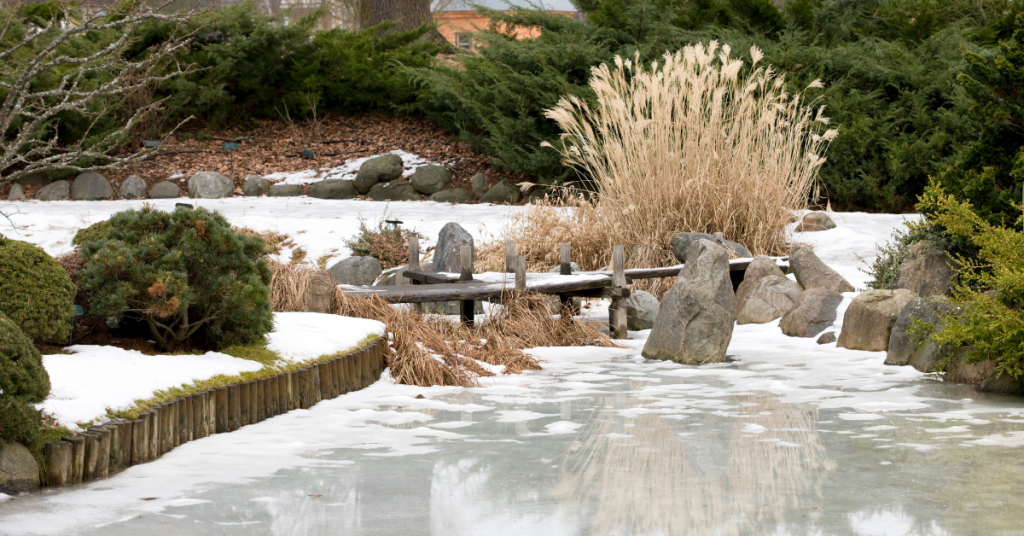
Mary, our perennials gal, suggests not removing any water from your pond but instead aerating it all winter. She skims out the leaves to maintain the balance of the nitrogen cycle in the water and suggests waiting to do a big pond clean out in the spring, as that’s when the water’s culture can bounce back easier.
Fertilizing
After top growth of your landscape plants ceases, reduce your annual fertilizer application by up to half of the requirement. Autumn is a major root growth period for woody and herbaceous perennials; roots will grow and absorb nutrients whenever soil temperatures remain above 5 °C but can be over fertilized quickly in these cooling temperatures.
Produce gardens could benefit at this time from a top layer of compost that will break down during the winter so it isn't too 'hot' for spring planting.
Leaf Litter
Here’s our pitch on the ‘leave it – don’t leave it’ debate: It DEPENDS.
Ideally, we should leave litter leaf on the ground for our pollinator friends and endangered species like fireflies to hide out in the winter. But, there are appropriate situations in which to remove leaf litter.
- When they’re covering your bulbs and tender perennials, remove SOME. Leaf litter acts as a ground insulant, which can amplify our temperamental zone 6b temperatures. This freezing and thawing can often confuse and kill early spring bulbs and tender perennials.
- Zach, our trees and shrubs guy, suggests that if a tree shedding leaves has been diagnosed with pests and fungi, remove the leaf matter to reduce the spread to other plants. Diseased matter should always be removed in a quarantined fashion and taken to a landfill or burned.
☝️Please note: Unless diseased, compost your leaves, they contain vital nutrients specific to the plants they came from!

Lawncare
With autumn mowing practices you have the opportunity for the addition of much needed organic matter for your lawn, which is also an excellent source of slow release nutrients. Keep mower blades sharp since leaves can be tougher than grass. Raise the mower height up and mow leaves when they are lightly wet (e.g., morning dew). This will keep the leaves from blowing all over and will prevent the mower from getting bogged down in wet leaves.
See more on general lawncare in Dave's Lawncare 101 post.
Clean Up
Now is a good time to wash your tools with soap and water to prevent diseases spreading from plant to plant.
☝️Mary's tip is to spray garden tools with PAM before use, so the dirt slides right off them!

Pruning Perennials
Mary, our perennials gal, suggests leaving things until frost to cut back. This way they're easier to compost. Make sure to leave seedheads (i.e., coneflowers and black-eyed Susans) for wildlife, and things like hydrangeas for winter interest.
☝️Make sure if things are cut back, to leave them sticking up enough you can still find them in the spring!
Dividing and Moving Perennials
Moving or dividing perennials in the autumn is a great way to reduce your work next spring. The cool, moist weather is an ideal time for perennial roots to become well established.
👍The rule of green thumb for moving perennials: If the plant blooms between early spring and late June, then early fall division/moving is ideal. If the plant blooms after late June, then early spring division is ideal (except for Peonies which should only moved or divided in the fall, Poppies in August, Irises in July & Lilies in the Fall).

Overwintering Trees
Zach and Sandy from trees and shrubs suggest a couple of things to help your favourite trees along this winter:
- To reduce winter injury in evergreens: Keep properly watered throughout the growing season and into the fall is another way to reduce winter injury. Decrease watering slightly in September to encourage hardening off, then water thoroughly in October until freeze-up.
- Cedars - Spray cedars with antidesiccant spray (available at Eising GC) or wrap in burlap (with stakes to create dead air space) so wind doesn't dry out and burn tips.
- Fruit trees - In late fall, spray fruit trees with sulfur-horticultural oil (available at Eising GC) for protection against fungi and pests overwintering in the bark.
- Ornamental trees - wrap the base of young trees to protect from chewing rodents.
- Pruning trees - trees that prefer winter pruning rather than spring pruning are maples, oaks, birches, and elms, as well as with fruiting trees such as apples and pears. This ensures blight and pests will not affect the tree's open wounds.
If you missed the frosty deadline for transplanting trees, Sandy suggests insulating unplanted potted trees to help them best survive the coming winter. Here are some methods:
- Double-pot your tree with an insulative barrier (i.e., burlap, straw, mulch, etc.) stuffed between the two pots and securely cover the top with tarp to deflect moisture.
- Bury your potted tree in the ground, level with the top of the pot (don’t forget to dig it back up!) and mulch the area.
- Huddle all of your unplanted trees and plants together when using the above methods.

Mulching
Mulching is one of the simplest and most beneficial practices you can do for your garden. Just by simply placing a protective layer of material over the bare soil will benefit the soil as it decomposes providing the much-needed organic matter which improves root growth, the infiltration of water and the nutrient-holding capacity of the soil while reducing soil erosion.
A good layer of mulch allows the soil to warm more slowly in the spring, so perennials aren't fooled into breaking dormancy too early, as you want the ground to stay cold until it really is spring!
☝️Make sure your mulch application won't stunt the growth of your plants come spring as discussed in our Transplant Troubleshooting blog post!
Japanese Beetle Prevention
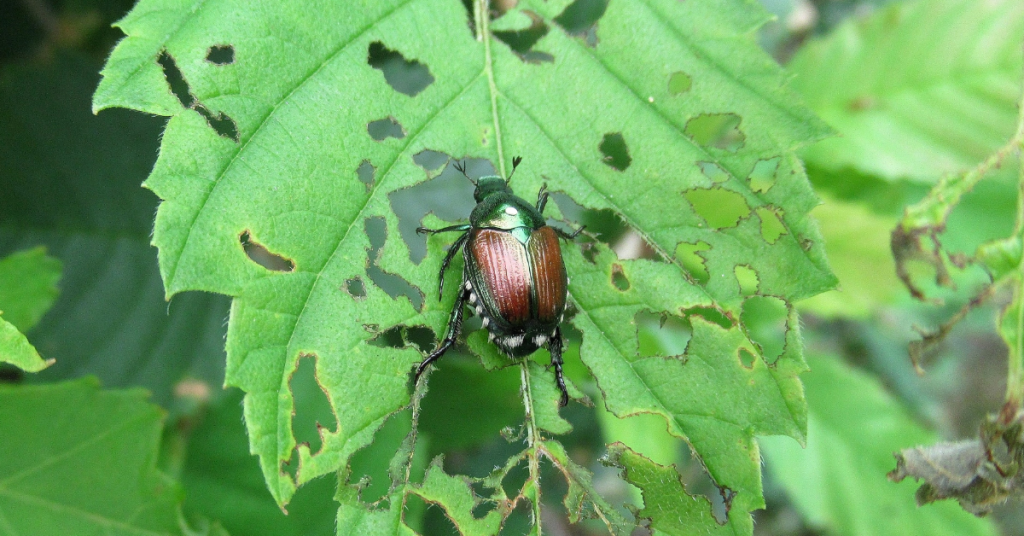
Nematodes are microscopic worms that should be applied to lawns that have been ravaged by grubs especially of the Japanese Beetle. Nematodes have a short shelf life and must be refrigerated until they are applied. Normally, they are sprayed onto the lawn from mid-May to mid-June and then again (for best practice) from mid-August to mid-September.
Pots
To prevent freezing and cracking, Mary suggests emptying and turning your pots upside down. You can disinfect at this time too.
Design Time!
Jeanine, from production, suggests writing down what worked best in your produce garden this year so you can implement it again in the spring.
With the trees and land being barren enough you can see its contour, now is a great time to plan ahead for spring landscaping! Don't forget Eising GC would love to offer help with your landscape designing!
We hope these tips help your landscape plants enjoy your winter abode as much as you do this season, for more information - and plants – visit Eising Greenhouse and Garden Centre! 🍁
Is there anything better than a Christmas craft sale to lift your spirits and inspire a holiday mood?
Buying local makes good sense, and it’s one of the reasons that our Eising Garden Centre Christmas Craft Show has become so popular.
Join us this year and discover the many amazing makers and artists in Haldimand-Norfolk and the surrounding areas! The amount of talent and creativity is truly unique.
First Things First
Here are the dates and hours for the 2025 show - mark your calendar and invite your friends and family!
Wednesday, November 12th, 9 am – 5 pm
Thursday, November 13th, 9 am – 8 pm
Friday, November 14th, 9 am – 8 pm
Saturday, November 15th, 9 am – 5 pm
Where?
Eising Garden Centre, 814 Cockshutt Road, Simcoe, ON

Bigger and Better!
Thanks to its popularity, this will be our biggest craft show ever. The greenhouses will be chock-a-block with items handmade by local artisans. Several fresh, new vendors will be participating this year, and many of the usual fan favourites, too.
Holiday Greenery
As well as the craft sale, this is an opportunity to check out our fabulous holiday greenery, decorations and winter urns. Our Elves, aka staff, will be on hand to create gorgeous wreaths, centrepieces and arrangements just for you!
Sassyfras
Are you looking for an outfit for an upcoming holiday gathering? Stop by the popular perennial Sassyfras Boutique. The shop will conveniently be open during the same hours as the craft show, offering beautiful clothing, accessories, and gifts.

Get Your Holiday Shopping Done!
It will be a day to check items off your holiday decorating and gift-buying list. Even get something for everyone on your list so that you can sit back and enjoy the holidays!
By: Dave Zeldon and Ely Schweyer
Let’s get in depth about planting trees too deeply!
Sometimes homeowners find that their newly planted trees start showing signs of stress and become unthrifty a little while after planting, and soon their investment is altogether lost when the plant just dies. Often when we’re asked to inspect a tree in poor health, we know what to suspect.


Although not readily apparent at the time of installation, the long-term effects of improperly placing the root system in the planting hole are substantial. The poor tree health that results manifests itself as reduced growth rate, atypical leaf size and colour, and increased disease susceptibility. Trees in really poor condition exhibit decay, cracks, and excessive deadwood. Sometimes trees show signs of stress within the first year of planting, but it usually takes several years for the problem to rear its ugly head.
The most common reason? Many trees are simply buried too deeply causing the tree roots to decline in health, as they cannot get the vital oxygen from the air that they require to live.

Putting Down Roots
The width of the hole your tree will call home should be at least two times the diameter of the root ball, container, or in the case of bare root trees, the spread of the roots. This will provide the tree with enough worked earth for its root structure to establish itself.
For tree roots to grow vigorously, they require water, oxygen, and warmth. An oxygen level of 25% of the soil volume is considered good for root development.
At a 5% oxygen level, growth stops, and at 2%, roots decline and die.
Since tree roots naturally grow quite shallowly in the soil profile, buried root systems are unable to obtain adequate soil oxygen and water. As a survival response, trees work to get roots closer to the soil surface where there is a more reliable source of both. The energy that a newly transplanted tree should use to overcome normal transplant stress is instead used just to survive.
The tree expends its energy either by forcing its roots to grow upward or by creating totally new roots from dormant buds on the buried trunk, wasting all its prior growth. Some plants can survive being buried too deeply and live normal lives after developing a functional root system, others begin a long, slow decline of health resulting in either premature death or sudden failure during wind or ice storms. Let’s not risk it!

How Do I Know How Deep to Plant?
If you want your new tree to not only survive, but thrive, it needs the best start possible; it is very important that the root collar flare be visible after planting. The root collar is the part of a plant where the stem and root system meet, "flaring" where it transitions between the stem wood and the roots. Always make sure that the root collar flare is visible after planting. If settling occurs, reset the tree to the proper depth.
👉 Note: The backfilling soil should be a mixture of the original soil with composted manure or topsoil and bone meal.
But I Did Leave the Root Collar Visible… When I First Planted It
It has been observed that many times after a perfect tree planting, the homeowner then decides to build a raised-bed garden around the tree (thus burying the root collar flare – we’ve found root collar flares buried to 24 inches in mulch!) only to find that within a year or two, their young tree is dead or dying.

A common practice, often referred to as ‘volcano mulching,’ also contributes to this problem. In addition to subjecting trees to the problems associated with planting too deeply, heat from the composting mulch can literally cook a tree's trunk.
So, What is ‘Planting Proud’ Then?
The transplanting rules are amended if planting in the heavier clay soils where the practice of planting your new trees "proud" is advised. Planting proud essentially means that the root ball is left higher out of the ground level, producing a hilled effect. The soil that is normally used for back-filling is used to help to create a mound. Planting your trees this way in poorly draining clay soils prevents the ground water from collecting in an otherwise deep hole and drowning the roots of your new planting.
But, as a general rule, trees should be transplanted no deeper than the soil in which they were originally grown, and the soil level shouldn’t rise after planting. Two to three inches of wood chips is the optimum depth to mulch - and keep it an inch or two away from the trunk. If it is really desired to have the tree as a focal point in this newly built garden, then possibly a 3 foot well could be made around the tree to keep the root collar flare open to the air.
So, remember to give your tree a strong start and long life by not planting too deeply, but by leaving that root collar flare exposed! We hope these tips can help you encourage the longevity of your new tree. For more information - and trees - visit our Trees & Shrubs section at Eising Greenhouse and Garden Centre. We hope to see you soon!
By: Dave Zeldon and Ely Schweyer
Most experts agree that we shouldn't bother bringing in our favourite summer potted plants for the winter and that we should buy new again the next season. But this seems to go against our sensibilities after paying good money earlier in the season. Why not try to save that bay tree, those Rosemary, and French Tarragon containers, as well as expensive Phormium, Mandeville, Passionflower, and Jasmine plants?
The secret to indoor survival for summer plants is to slow down their growth during the winter, so they’re ready to be put outside again once all the danger of frost has passed. How? A few weeks before fall frosts are expected, gradually introduce plants to life indoors by moving them inside (to a quarantined spot*) for half a day, working up to a full day over a week or so. Don't wait until nighttime temperatures are only slightly above freezing as the plants may go into shock and drop leaves!
How to Keep These Guys Comfy During the Winter Months?
- It is suggested that you should prune back excessive growth and re-pot with new lighter growing media.
- Place them in the sunniest location you have and then water sparingly but regularly over the Winter.
- Raising humidity by using a humidifier helps too.
- Resist the urge to fertilize these plants until just before you reintroduce them to outdoor living.
- Perhaps just for fun, you could repot them into the appropriate seasonal pots and planters!
It Seems They Brought Others in With Them - And They're Not Nice House Guests
*Before long, you may notice some unwanted guests, such as thrips and spider mites, on and around your precious plants as their natural predators are no longer present to keep their populations at bay. In many cases, it may be too late, and your plants may have to be discarded before the Holidays, but that’s not always the case!
Common problems that make themselves apparent indoors would be the brown soft scale insect, whiteflies, mealybugs, aphids, spider mites and most often, fungus gnats (those pesky little black flies).
Fungus gnats are considered to be the most common nuisance in houseplants. Sometimes their sheer numbers just hovering around an attractive plant take away from its appeal.
Basic Fungus Gnat Control Measures:
The fastest and easiest method of control is to catch the flying adults with yellow sticky cards. The large cards can be cut into little strips and mounted onto little wooden splints (popsicle sticks) then placed around the base of the plant out of the line of sight.

The chances are that the adults have already deposited eggs in the growing media (soil) of the plant as it is rich in organic matter, so we can disrupt its life cycle by:
- Subirrigation - water your potted plant from the bottom by adding water to the saucer it is sitting in. This will dry out the soil surface making it uninhabitable for the hatching larvae.
- Trapping larvae - If the surface soil it already very wet, try placing a few potato discs or slices on the surface of the soil. This will attract the larvae as they migrate to the potato to feed. Simply replace the discs every five days or so with fresh slices to eliminate the next generation of adults.
- Inoculating the soil with beneficial nematodes. Most garden centres will carry the Guardian line of beneficial nematode products.
We hope this helps your plants enjoy your winter abode as much as you do this season, for more information - and plants – visit Eising Greenhouse and Garden Centre!
Dealing with water restrictions or choosing to conserve water? You’re not alone. Many gardeners in Norfolk County are facing the challenge of keeping gardens thriving with less water. The good news? A lush, colourful garden is still within reach—thanks to drought-tolerant perennials.
When we think of drought-tolerant plants, cacti might be the first thing that comes to mind. But there’s a surprising variety of beautiful, hardy perennials that can handle our region’s dry spells—no desert landscape required.
While these plants do need regular watering when first planted, once established, they’re low-maintenance and well-suited to Southern Ontario’s climate, including periods of limited rainfall.
Full Sun Ground Cover
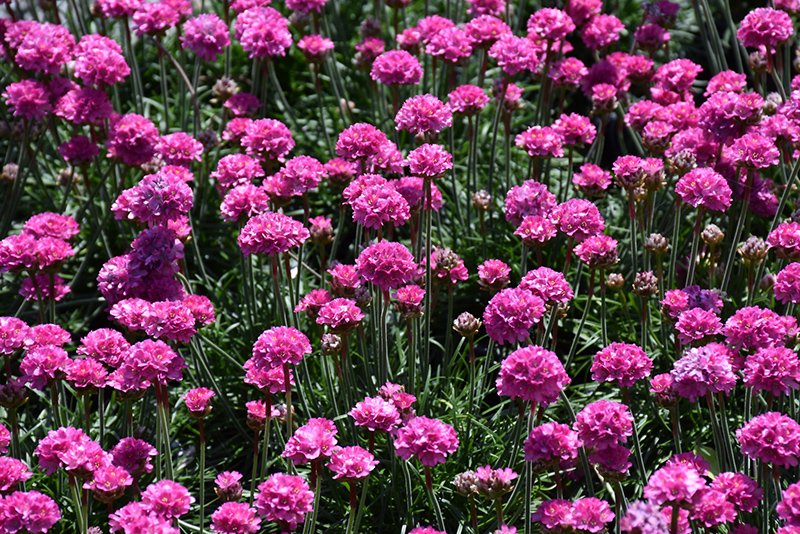
Botanical Name: Armeria maritima 'Dusseldorf Pride'

Botanical Name: Delosperma 'Fire Spinner'
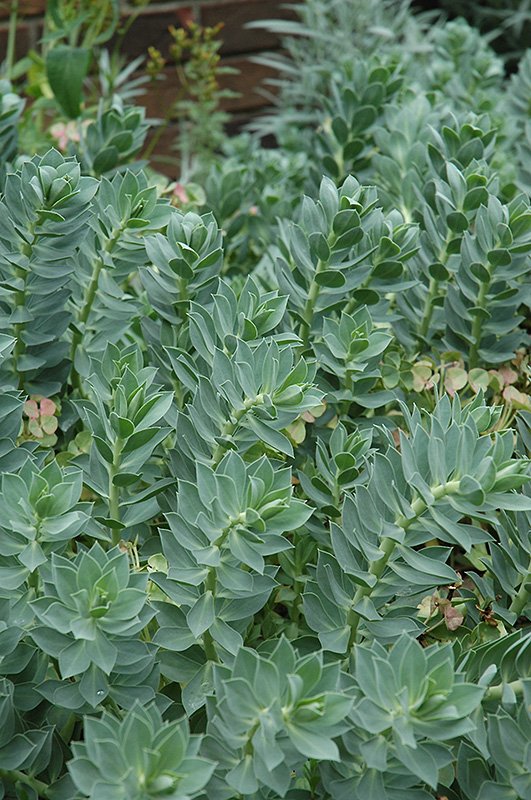
Botanical Name: Euphorbia myrsinites
- Candytuft (Iberis sempervirens)
- Catmint (Nepeta x faassenii)
- Hardy ice plant (Delosperma nubigenum)
- Hens and chicks (Sempervivum tectorum)
- Moss phlox, creeping phlox (Phlox subulata)
- Pincushion flower (Scabiosa japonica var. alpina) (S. ‘Butterfly Blue’)
- Pinks (Dianthus alpinus)
- Rock cress, wall cress (Arabis species)
- Rock rose, sun rose (Helianthemum hybrids)
- Spurge (Euphorbia myrsinites) (E. polychroma)
- Stonecrop (Sedum acre) - dwarf varieties
- Thrift, sea pink (Armeria maritima)
- Thyme (Thymus species)
Full Sun, Medium to Tall Plants
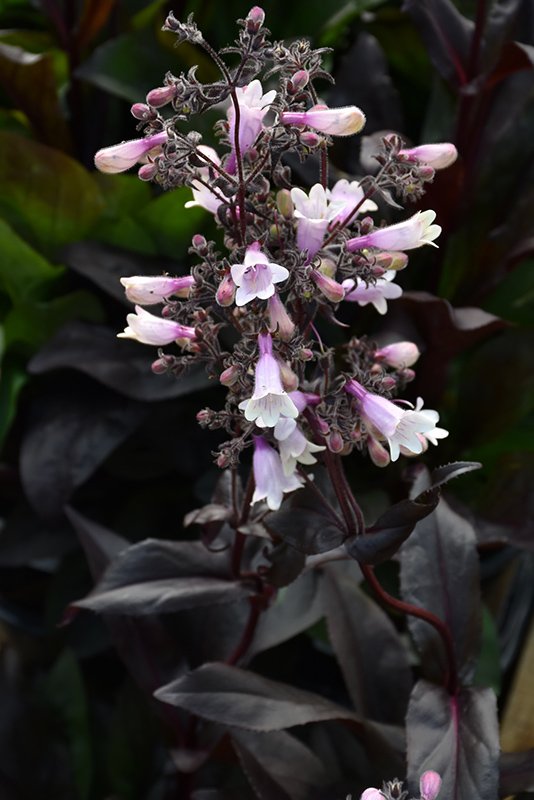
Botanical Name: Penstemon 'Dark Towers'

Botanical Name: Papaver orientale
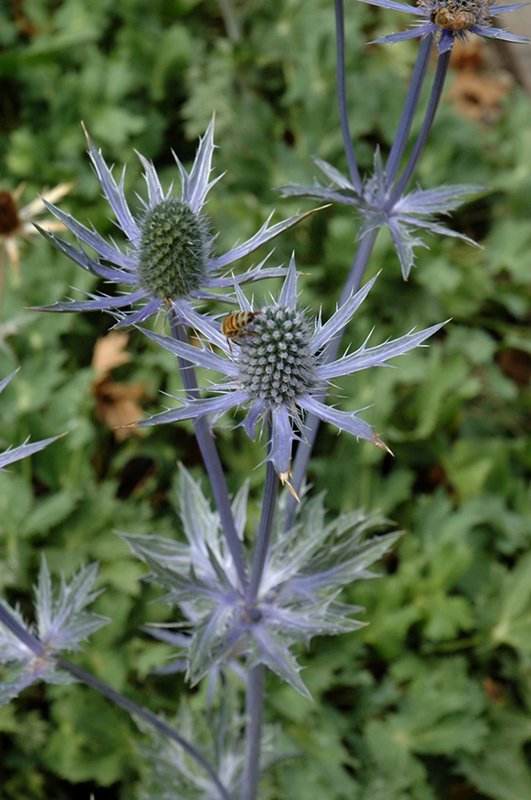
Botanical Name: Eryngium 'Big Blue'
- Beard-tongue (Penstemon digitalis) – Native
- Bergenia (Bergenia crassifolia)
- Black-eyed Susan (Rudbeckia hirta) – Native
- Blanket flower (Gaillardia x grandiflora)
- Butterflyweed (Asclepias tuberosa) – Native
- False indigo, wild indigo (Baptisia australis)
- Hairy penstemon (Penstemon hirsutus) – Native
- Lanceleaf coreopsis (Coreopsis lanceolata) – Native
- Lavender (Lavandula angustifolia)
- Orange coneflower (Rudbeckia fulgida ‘Goldsturm’)
- Perennial cornflower (Centaurea montana)
- Poppy (Papaver species)
- Purple coneflower (Echinacea purpurea)
- Prickly pear cactus (Opuntia compressa) – Native
- Russian sage (Perovskia atriplicifolia)
- Salvia (Salvia nemerosa hybrids)
- Sea Holly (Eryngium species)
- Silver sage, wormwood (Artemisia ludoviciana)
- Threadleaf coreopsis (Coreopsis verticillata) – Native
- Yarrow (Achillea millefolium)
Full Sun Grasses
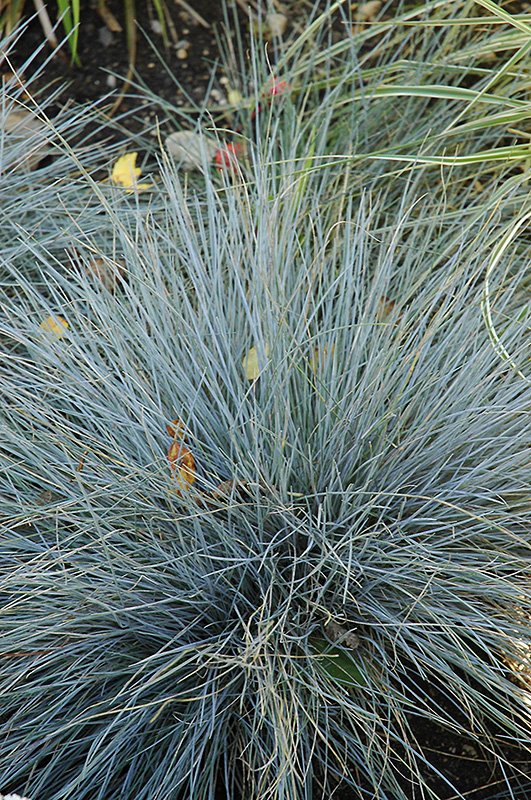
Botanical Name: Festuca glauca
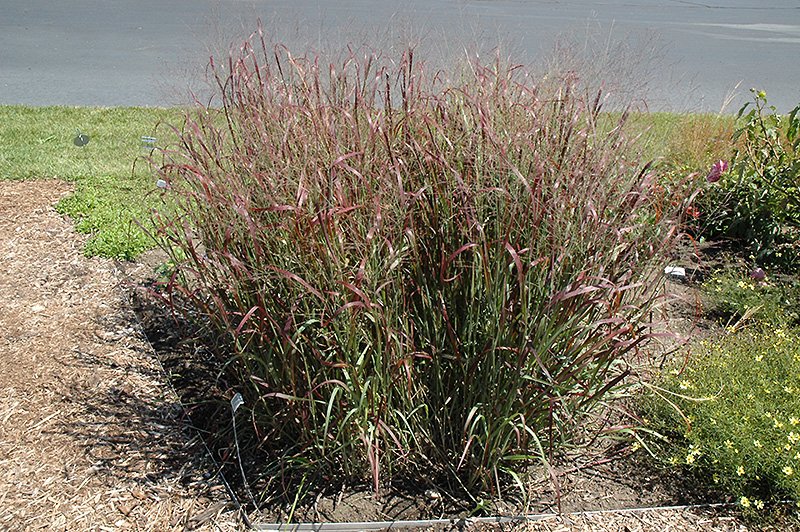
Botanical Name: Panicum virgatum 'Prairie Fire'

Botanical Name: Calamagrostis x acutiflora 'Karl Foerster'
- Big bluestem (Andropogon gerardii) – Native
- Blue fescue (Festuca glauca)
- Blue oat grass (Helictotrichon sempervirens)
- Feather reed grass (Calamagrostis x acutiflora ‘Karl Foerster’)
- Little blue stem (Schizachyrium scoparium) – Native
- Switch grass (Panicum virgatum) – Native
Groundcover for Shade
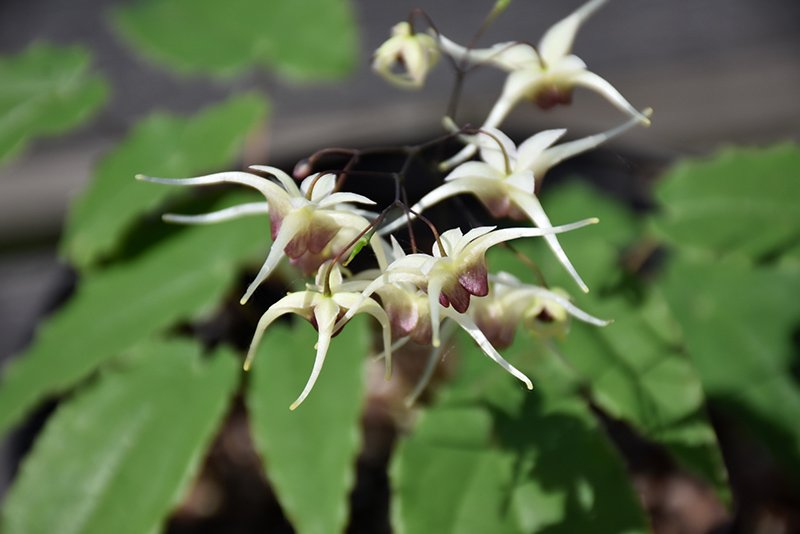
Botanical Name: Epimedium 'Domino'
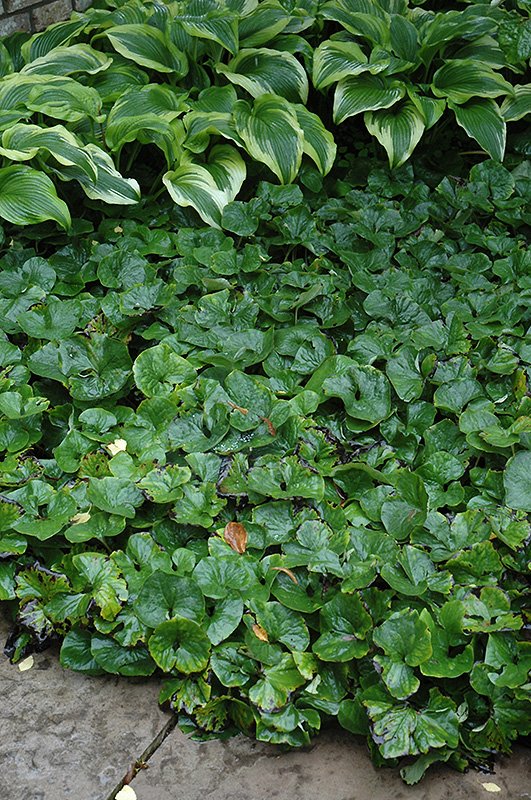
Botanical Name: Asarum canadense
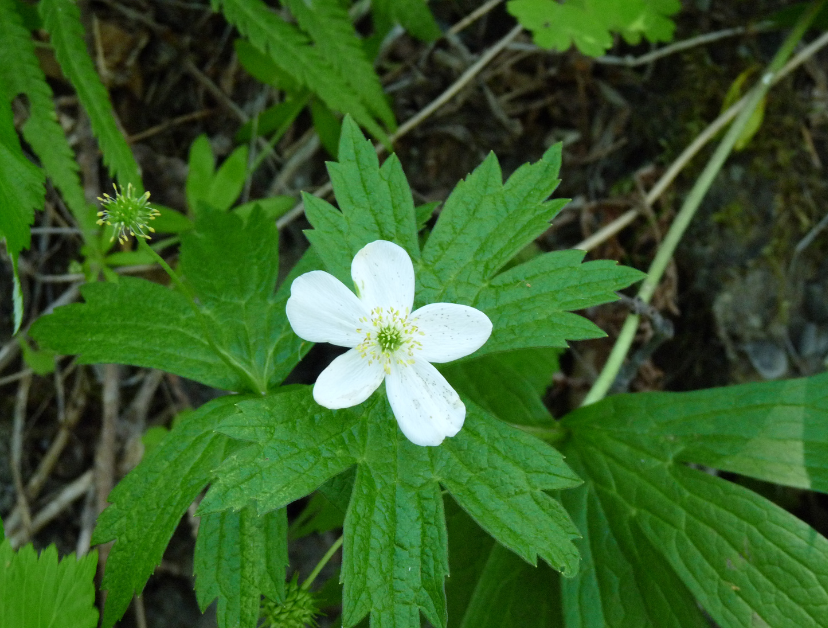
Botanical Name: Anemone canadensis
- Barrenwort (Epimedium hybrids)
- Bigroot geranium (Geranium macrorrhizum)
- Canada anemone (Anemone canadensis) – Native
- Creeping phlox (Phlox stolonifera)
- Sweet Woodruff (Galium odoratum)
- Wild ginger (Asarum canadense) – Native
- Woodland phlox (Phlox divaricata) – Native
Medium to Tall Plants for Shade
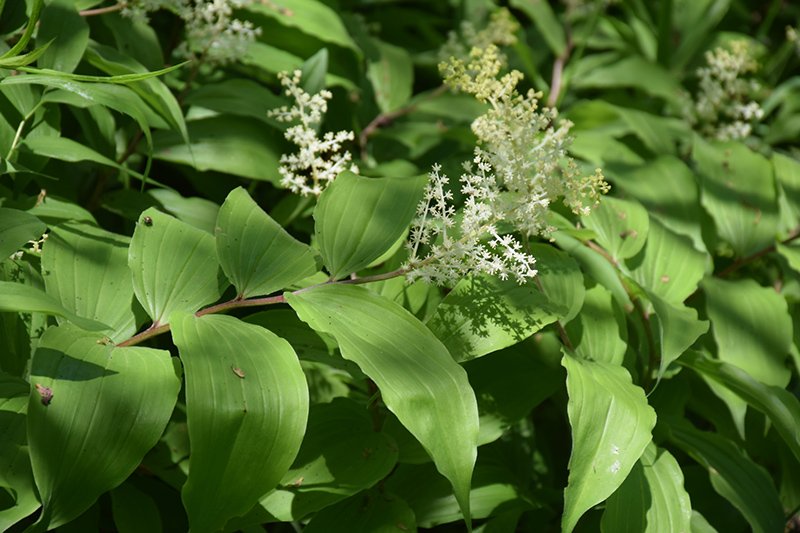
Botanical Name: Maianthemum racemosum
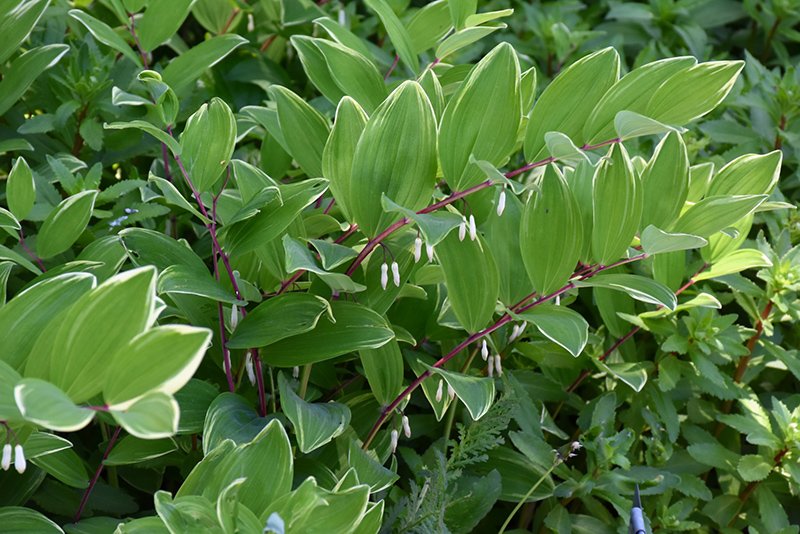
Botanical Name: Polygonatum odoratum 'Variegatum'
- False Solomon’s seal (Maianthemum racemosum) – Native
- Solomon’s seal (Polygonatum biflorum) – Native
Ferns for Dry Shade

Botanical Name: Polystichum acrostichoides
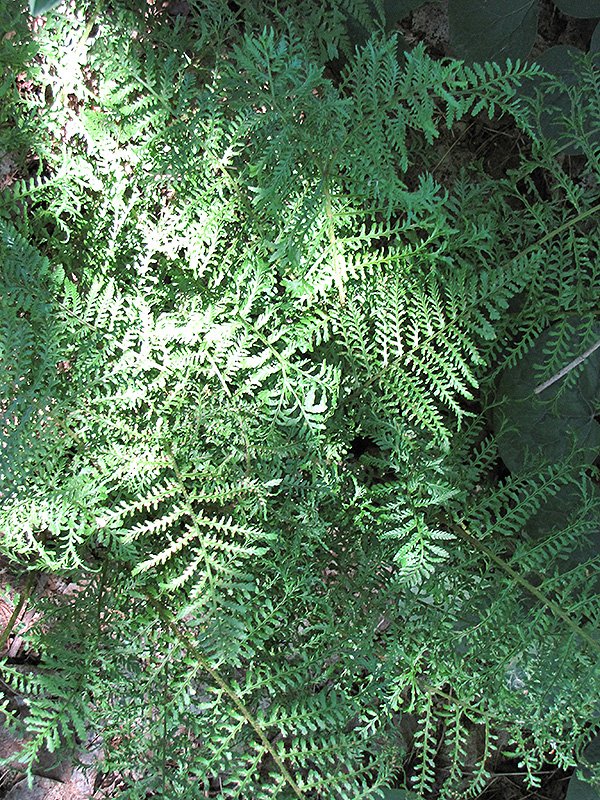
Botanical Name: Dryopteris filix-mas
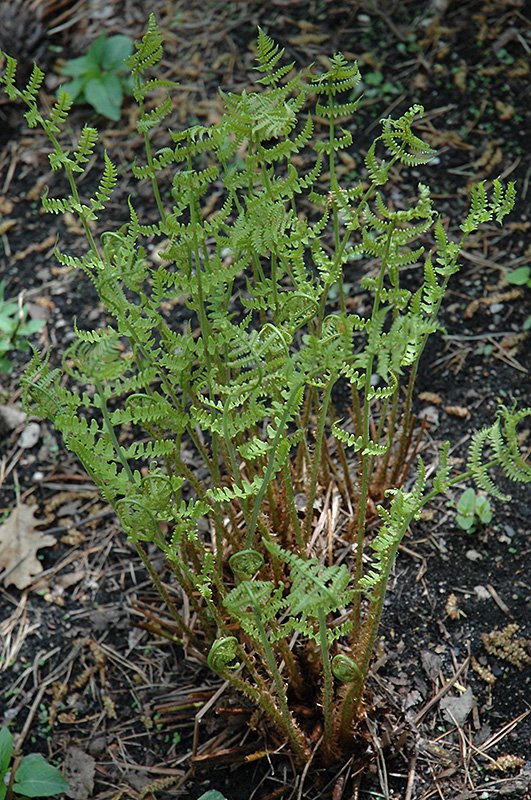
Botanical Name: Dryopteris marginalis
- Christmas fern (Polystichum acrostichoides) – Native
- Hay-scented fern (Dennstaedtia punctilobula) – Native
- Marginal wood fern (Dryopteris marginalis) – Native
- Male fern (Dryopteris filix-mas) – Native
- Rock fern (Polypodium virginianum) – Native
A Little TLC
It doesn’t take much to keep drought-tolerant plants thriving—just a little attention and some seasonal TLC. While they’re tough, even these hardy perennials appreciate an occasional deep watering during extended dry spells, especially in their first year.
For sun-loving perennials, skip the heavy fertilizers. Instead, an annual layer of compost is all they need to stay healthy and strong.
Shade-loving drought-tolerant plants, on the other hand, benefit from a layer of mulch. This helps retain moisture and reduces evaporation, especially in dry shade, which is one of the most challenging conditions for any plant to thrive in.
And don’t forget to deadhead regularly! Removing spent blooms encourages your plants to keep producing flowers instead of going to seed, meaning more colour, for longer.
With a few simple care tips, your drought-tolerant garden can remain beautiful and resilient throughout the entire season.
Other resources:
- Landscape Ontario: Eight Beautiful Drought Tolerant Plants
- Toronto Master Gardeners: Drought Tolerant Plants
- Guelph.ca: Drought Tolerant Native Plants
Christmas gatherings are special, even without any holiday decorations. A certain Cindy Loo Who schooled the Grinch on that! But oh how special a gathering feels when you’re surrounded by festive lights, and some fresh greenery to liven things up. It truly does make a dinner or party more magical.
While there are folks who can’t wait to unleash the holiday spirit and begin decorating, it may seem a little too overwhelming for some. We’re here to help, no matter which camp you’re in!
If decorating comes easy to you, stop by Eising Greenhouses when you’re ready for fresh greenery, planters and some new decor.
If the thought of decorating is daunting, here are five simple steps to make it easier - for Christmas, or any special holiday!
5 Simple Steps for Easy Christmas Decorating
1 - Where to decorate. Even if it seems like it’s too early, pour yourself a cup of tea, crack open a notepad and let your imagination begin to percolate. Think about the area(s) you would like to “spruce” up! Front entrance? Living room? Dining room? Think about things like where in the house your party will take place, and whether or not you want a theme or a specific colour palette. Pinterest can help if you need inspiration and we have some Holiday Home Decor Ideas You Can Make Yourself to inspire you as well.

2 - Plan early. Look at your ‘Where To Decorate’ ideas and begin to create a wish list. What will you need to decorate the space(s) you’re imagining? Garland? Wreaths? Centrepieces? A tree? Once you have a wish list, make a plan for what to buy, and what to make.
3 - Schedule it. One of our family’s mottos is that if it’s not scheduled and on the calendar, it never happens. If you find that’s the case for you, use the plan you’ve made and begin to schedule dates to pick up the things you will need, and when you will make or decorate. Next, invite family and friends to join in. Why do this alone? Decorating can be a big part of holiday fun. For example, have everything ready to make or decorate while you watch your favourite holiday movies with friends or family.

4 - Declutter. Now that you have a plan and dates are set, reducing what is in the space will make decorating easier when that day comes. Move, or pack away anything that will limit space or detract from the new holiday decor you’re planning. Editing and clearing out what you have will really draw attention to the Christmas items you’re about to add!
5 - Incorporate natural elements. The holidays are the best time of year to incorporate natural decorations. It’s the only time of year we bring evergreens to the front porch and into our living room. If you’ve never used them, here is our How to Decorate with Fresh Greenery for Christmas guide.
Then, come see us at Eising Greenhouses, and pick out your fresh greenery, wreaths and decorations. You can also select from holiday plants like Amaryllis, Paperwhites and Christmas Cactus, and our arranged-for-you planters, urns and centrepieces. We can even create a custom arrangement in one of your favourite vases, urns, or that big Grinch-themed gravy boat from Aunt Martha if you leave it with us!
We hope these five tips and our holiday decorations help to make your Yule celebrations brighter, so you can sit back and enjoy the beauty of the holiday season!

Now that everything in the garden has been put to bed for the winter, our thoughts are on the holidays - decorating, parties, and that seemingly never-ending list of gifts. At Eising Garden Centre we have solutions to help bring joy to your holiday season.
Your Gift Giving Problem Solver
We know that finding the perfect gift for someone can be a challenge. There’s always that one person that has everything and it’s impossible to buy for them! The good news is that we have plenty to offer at Eising Garden Centre so that you can cross even the most perplexing person off your list.
For Fashion Lovers
You’ve probably heard it before - accessorizing is the key to making any outfit sing. At the Sassyfras Boutique you’ll find beautiful, casual clothing as well as hats, mitts, winter scarves, plus socks for men and women. They also have jewelry and handbags that are sure to add flair to any ensemble.
For The Wanderer
If you have friends or family members that love to travel, new sunglasses, beach towels, a fashionable scarf, a roomy handbag, or new pajamas from Sassyfras are sure to be a hit.


Your Just Retired Husband Or Wife
If they no longer have to go into the office every day and don’t know what to do, give them a challenge!
Pick up some seed packets to get them started on planning and maybe even planting for Spring.
Growing indoor flower bulbs can be a fun project to brighten winter days too. You’ll be amazed by the dainty blooms of Paperwhites versus the massive blooms of an Amaryllis!
Or how about a Sprouting Kit to grow tasty, organic greens all winter long? Let’s face it, we all know that healthy eating will be on the New Year’s Resolutions list!
Deck The Halls, And More
When decorating your home or getting ready to host a holiday party, come see us first.
While supplies last, we have lots of fresh Christmas trees (call us to check availability (519) 428-4607), ornaments and Christmas decor, fresh greenery, garlands, urns, wreaths, hanging baskets, centrepieces, and live plants like Cyclamen, Frosty Ferns and of course, Poinsettias.
Did you know that we also create custom containers? Bring in your own vase or container for centrepieces and urns, and we’ll do the rest. We’ll create an arrangement that will make that vase that 'Aunt Martha' gave you, sparkle with fresh greenery and holiday flair.
Previous
Next
Holiday Parties and Hostess Gifts
Solve the “I have nothing to wear to a party” blues, with a wardrobe “pick me up” from Sassyfras.
While you’re there, check out the selection of lovely locally handmade soaps, and great houseware gift items like dish cloths, scrubbies, and wine or bottle openers. Perfect gifts for your party host.
There’s also a wide variety of potted plants in the garden centre, and beautiful decorations that any host or hostess would love to add to their holiday decor!
For Your Kid’s Teacher
Let your child’s teacher know that you recognize that they’re already looking forward to summer vacation by giving them an Eising gift card. Once May rolls around, they can pick up plants that will bring them joy all summer long!
Great Gifts We Recommend
Eising gift cards go a long way too since they can be used on anything in the shop, including Sassyfras. A gift card is a great way to help someone with their next landscaping project, or even Spring garden clean up. Now that’s something to look forward to!
Not into gift cards? We have a great selection of items you could bundle together into your own custom gift basket! Think of all the things that you would love to get and we think someone on your list will love them too!

Soak Up The Holiday Mood
We know that you love wandering through the greenhouses when they’re full of summer plants, but we also invite you to stop by to visit us in November and December to enjoy the winter paradise we’ve created for your gift giving and decorating inspiration.
Take the pressure off the holidays and join us for Starlight Shopping Night on Thursday, December 8th. On December 8th only, we’ll be open late - from 9am to 7pm! Enjoy the ambiance, the specials, the exciting draws, the extended shopping hours and get all of your gift buying done early!
You’ll find us at 814 Cockshutt Rd, Simcoe, ON Monday to Saturday, 9am to 5pm until December 23, and 9am to 2pm on December 24th.
After December 24th, we will be closed until Spring, but the greenhouse elves will be working to have everything ready for you in 2023.
Happy Holidays from all of us at Eising Greenhouses & Garden Centre!