
Dealing with water restrictions or choosing to conserve water? You’re not alone. Many gardeners in Norfolk County are facing the challenge of keeping gardens thriving with less water. The good news? A lush, colourful garden is still within reach—thanks to drought-tolerant perennials.
When we think of drought-tolerant plants, cacti might be the first thing that comes to mind. But there’s a surprising variety of beautiful, hardy perennials that can handle our region’s dry spells—no desert landscape required.
While these plants do need regular watering when first planted, once established, they’re low-maintenance and well-suited to Southern Ontario’s climate, including periods of limited rainfall.
Full Sun Ground Cover
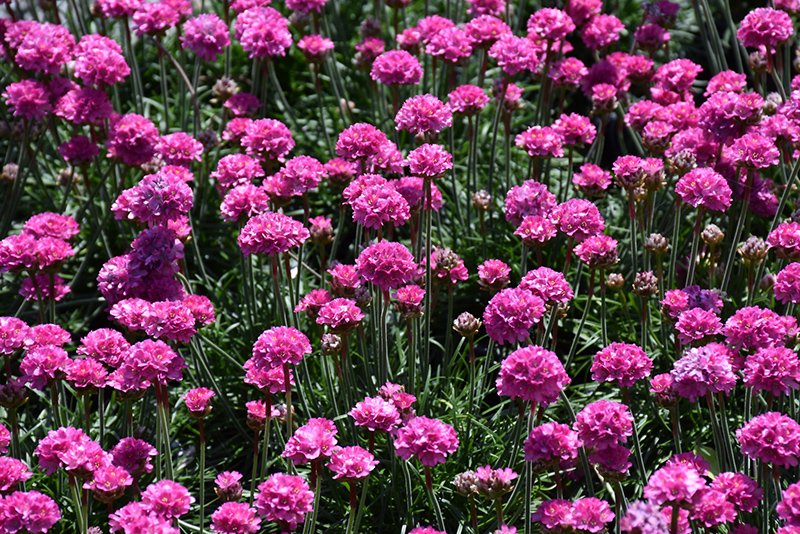
Botanical Name: Armeria maritima 'Dusseldorf Pride'
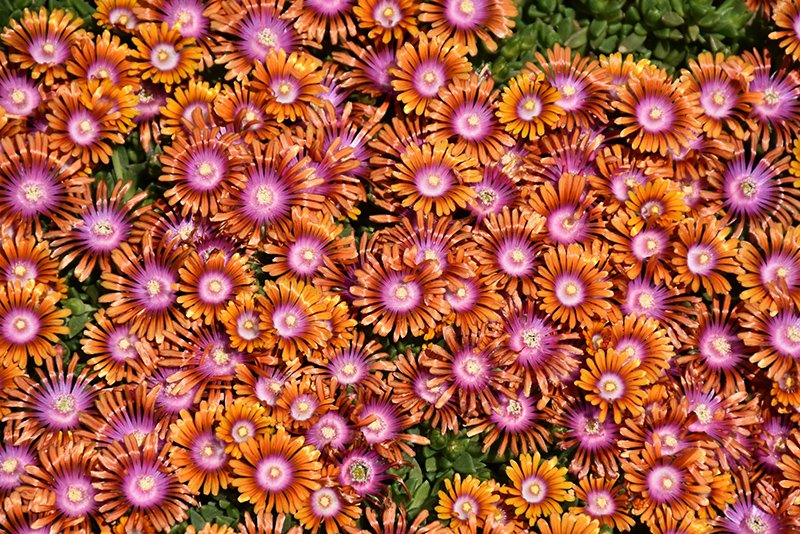
Botanical Name: Delosperma 'Fire Spinner'
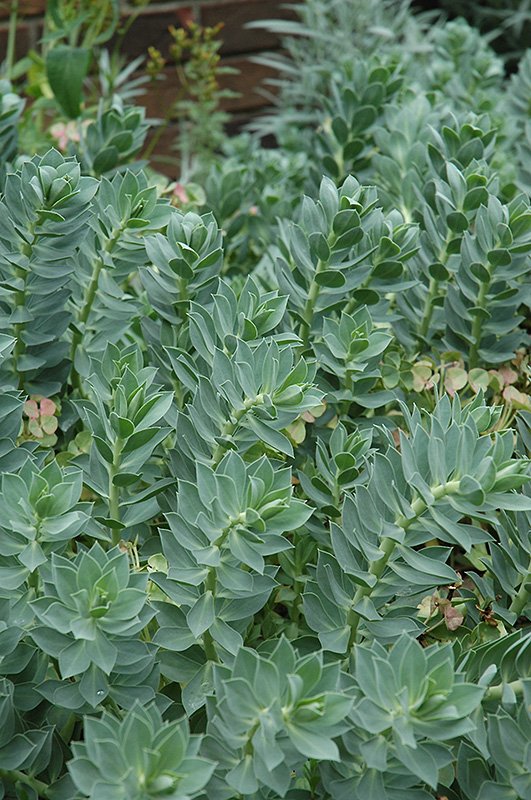
Botanical Name: Euphorbia myrsinites
- Candytuft (Iberis sempervirens)
- Catmint (Nepeta x faassenii)
- Hardy ice plant (Delosperma nubigenum)
- Hens and chicks (Sempervivum tectorum)
- Moss phlox, creeping phlox (Phlox subulata)
- Pincushion flower (Scabiosa japonica var. alpina) (S. ‘Butterfly Blue’)
- Pinks (Dianthus alpinus)
- Rock cress, wall cress (Arabis species)
- Rock rose, sun rose (Helianthemum hybrids)
- Spurge (Euphorbia myrsinites) (E. polychroma)
- Stonecrop (Sedum acre) - dwarf varieties
- Thrift, sea pink (Armeria maritima)
- Thyme (Thymus species)
Full Sun, Medium to Tall Plants
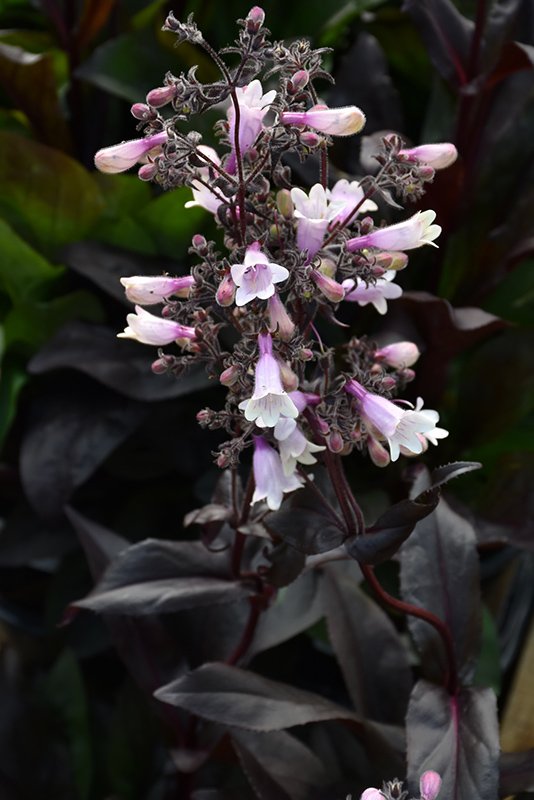
Botanical Name: Penstemon 'Dark Towers'
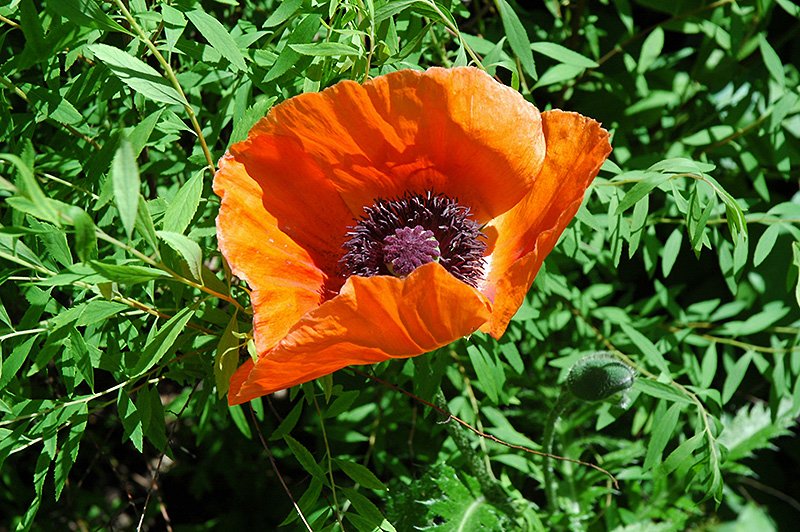
Botanical Name: Papaver orientale
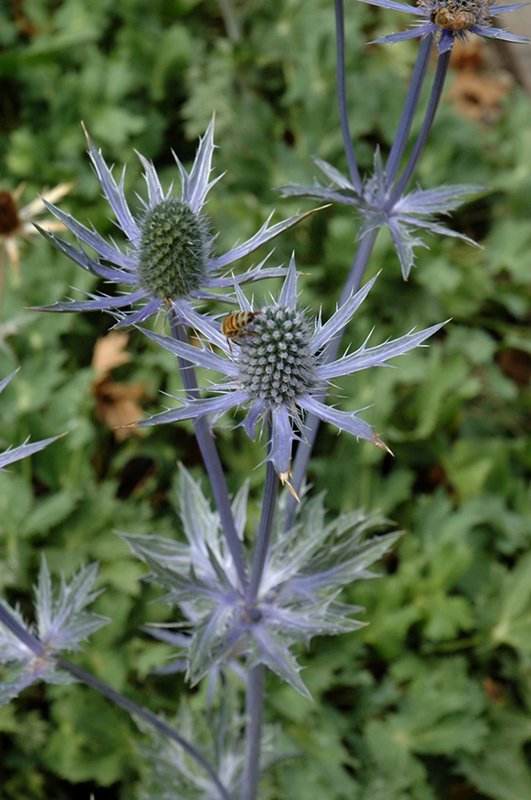
Botanical Name: Eryngium 'Big Blue'
- Beard-tongue (Penstemon digitalis) – Native
- Bergenia (Bergenia crassifolia)
- Black-eyed Susan (Rudbeckia hirta) – Native
- Blanket flower (Gaillardia x grandiflora)
- Butterflyweed (Asclepias tuberosa) – Native
- False indigo, wild indigo (Baptisia australis)
- Hairy penstemon (Penstemon hirsutus) – Native
- Lanceleaf coreopsis (Coreopsis lanceolata) – Native
- Lavender (Lavandula angustifolia)
- Orange coneflower (Rudbeckia fulgida ‘Goldsturm’)
- Perennial cornflower (Centaurea montana)
- Poppy (Papaver species)
- Purple coneflower (Echinacea purpurea)
- Prickly pear cactus (Opuntia compressa) – Native
- Russian sage (Perovskia atriplicifolia)
- Salvia (Salvia nemerosa hybrids)
- Sea Holly (Eryngium species)
- Silver sage, wormwood (Artemisia ludoviciana)
- Threadleaf coreopsis (Coreopsis verticillata) – Native
- Yarrow (Achillea millefolium)
Full Sun Grasses
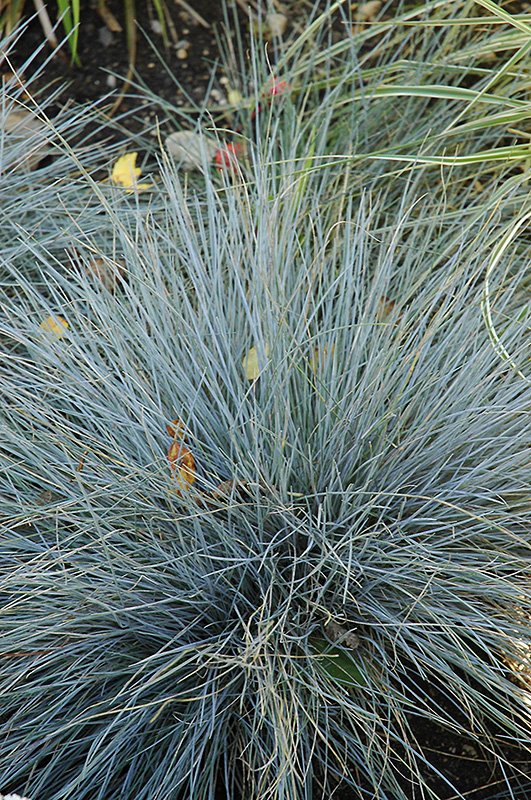
Botanical Name: Festuca glauca
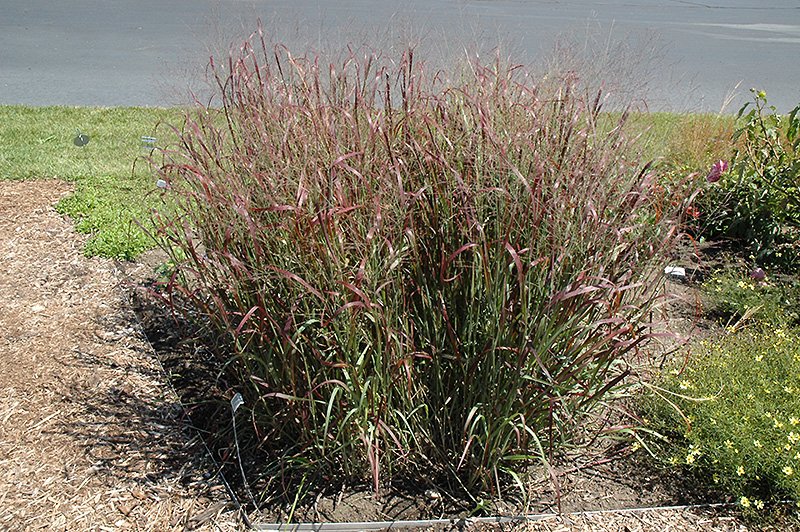
Botanical Name: Panicum virgatum 'Prairie Fire'
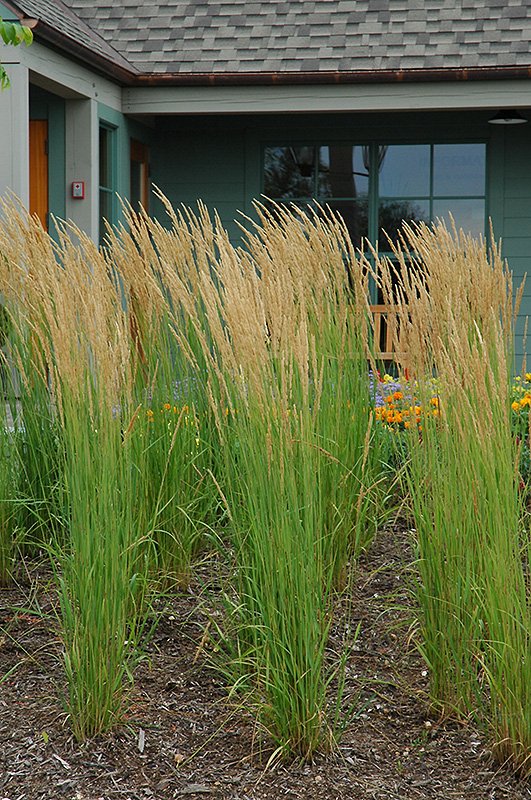
Botanical Name: Calamagrostis x acutiflora 'Karl Foerster'
- Big bluestem (Andropogon gerardii) – Native
- Blue fescue (Festuca glauca)
- Blue oat grass (Helictotrichon sempervirens)
- Feather reed grass (Calamagrostis x acutiflora ‘Karl Foerster’)
- Little blue stem (Schizachyrium scoparium) – Native
- Switch grass (Panicum virgatum) – Native
Groundcover for Shade
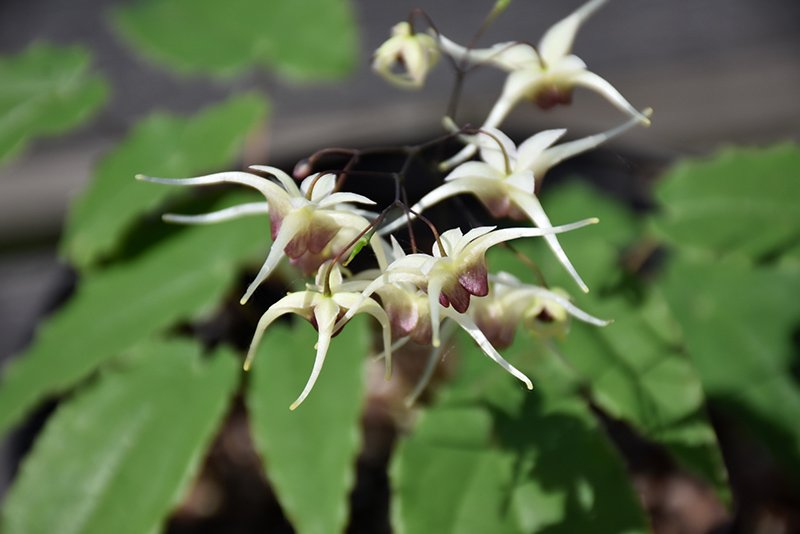
Botanical Name: Epimedium 'Domino'
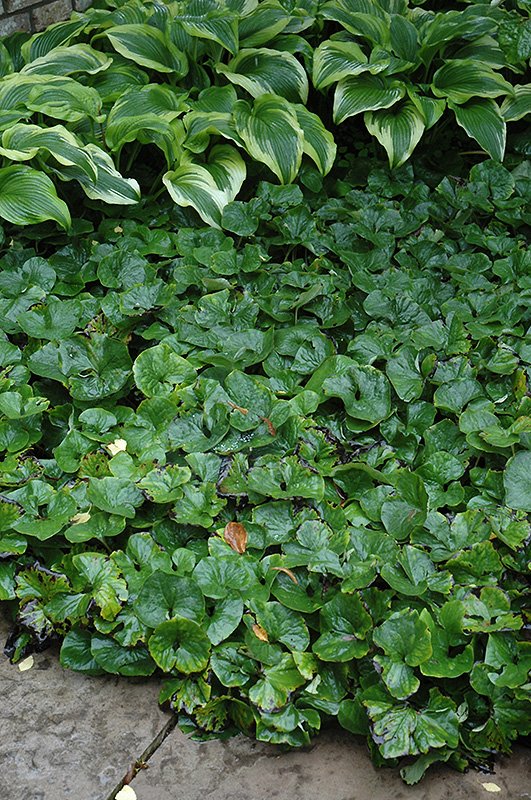
Botanical Name: Asarum canadense
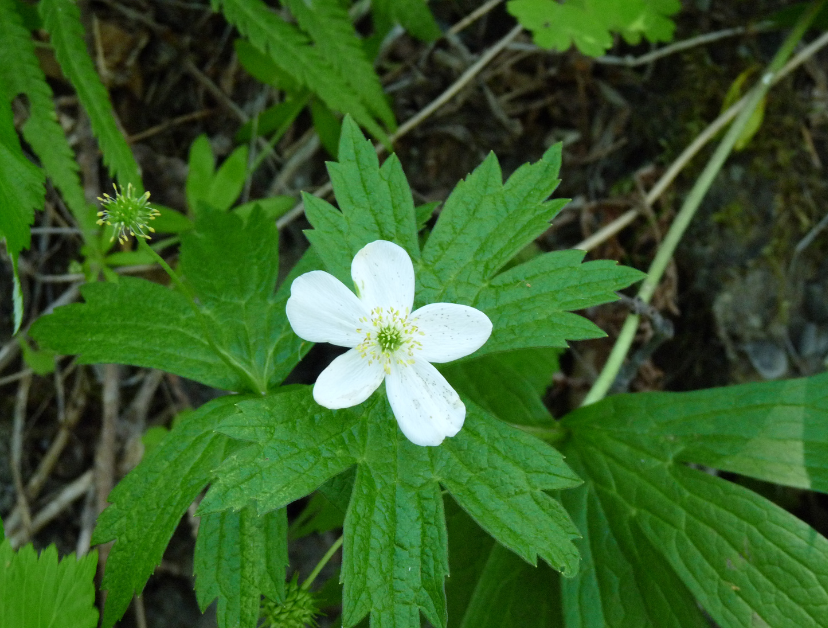
Botanical Name: Anemone canadensis
- Barrenwort (Epimedium hybrids)
- Bigroot geranium (Geranium macrorrhizum)
- Canada anemone (Anemone canadensis) – Native
- Creeping phlox (Phlox stolonifera)
- Sweet Woodruff (Galium odoratum)
- Wild ginger (Asarum canadense) – Native
- Woodland phlox (Phlox divaricata) – Native
Medium to Tall Plants for Shade
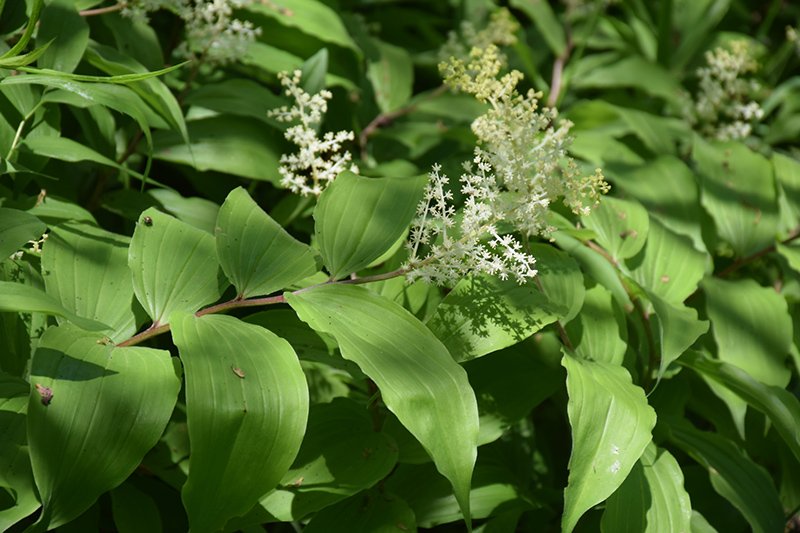
Botanical Name: Maianthemum racemosum
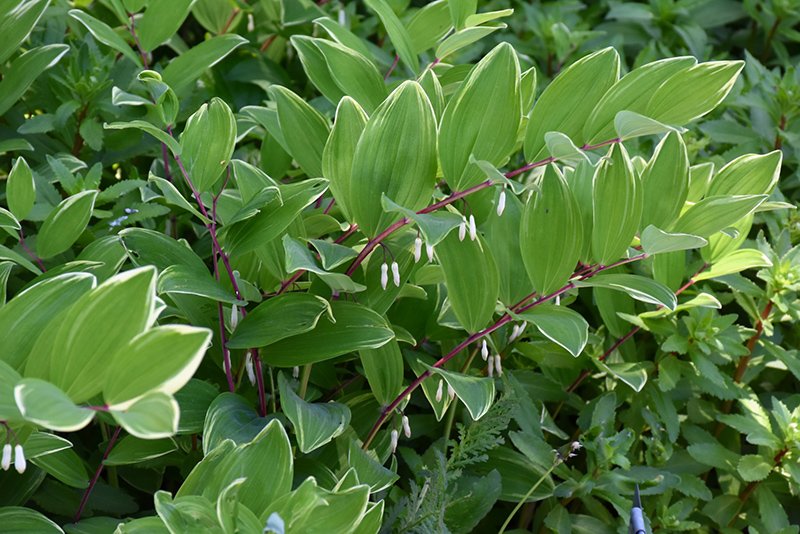
Botanical Name: Polygonatum odoratum 'Variegatum'
- False Solomon’s seal (Maianthemum racemosum) – Native
- Solomon’s seal (Polygonatum biflorum) – Native
Ferns for Dry Shade
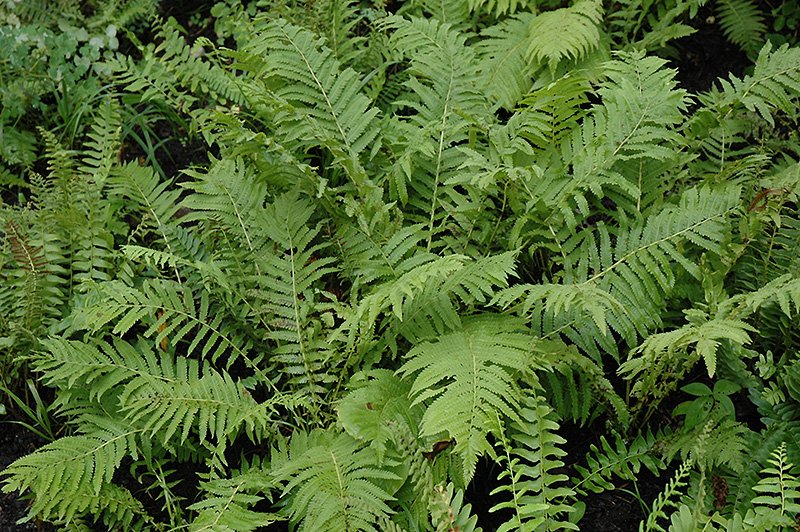
Botanical Name: Polystichum acrostichoides
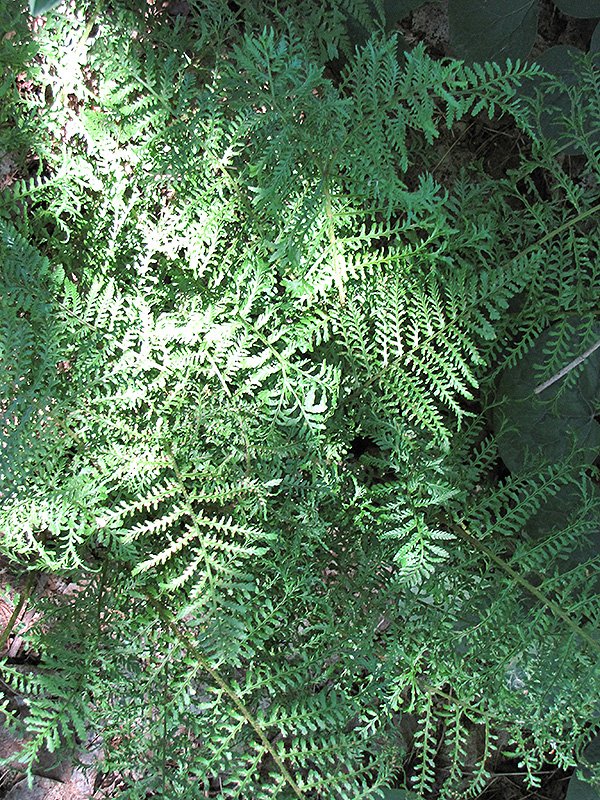
Botanical Name: Dryopteris filix-mas
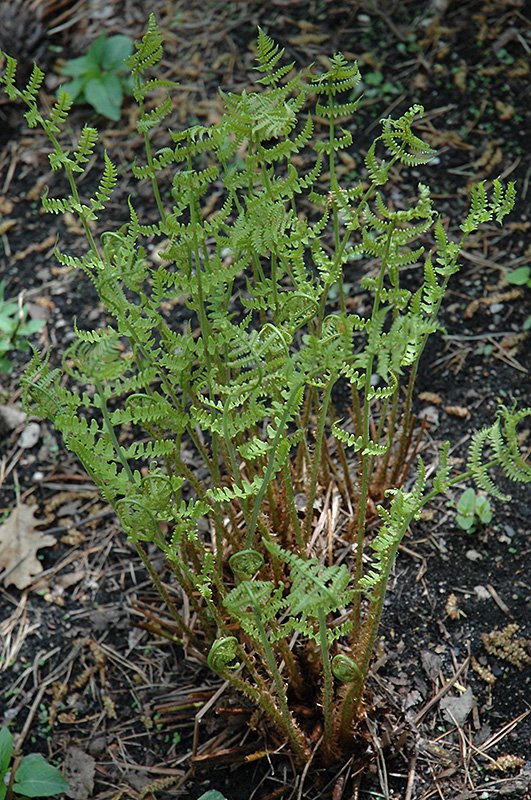
Botanical Name: Dryopteris marginalis
- Christmas fern (Polystichum acrostichoides) – Native
- Hay-scented fern (Dennstaedtia punctilobula) – Native
- Marginal wood fern (Dryopteris marginalis) – Native
- Male fern (Dryopteris filix-mas) – Native
- Rock fern (Polypodium virginianum) – Native
A Little TLC
It doesn’t take much to keep drought-tolerant plants thriving—just a little attention and some seasonal TLC. While they’re tough, even these hardy perennials appreciate an occasional deep watering during extended dry spells, especially in their first year.
For sun-loving perennials, skip the heavy fertilizers. Instead, an annual layer of compost is all they need to stay healthy and strong.
Shade-loving drought-tolerant plants, on the other hand, benefit from a layer of mulch. This helps retain moisture and reduces evaporation, especially in dry shade, which is one of the most challenging conditions for any plant to thrive in.
And don’t forget to deadhead regularly! Removing spent blooms encourages your plants to keep producing flowers instead of going to seed, meaning more colour, for longer.
With a few simple care tips, your drought-tolerant garden can remain beautiful and resilient throughout the entire season.
Other resources:
- Landscape Ontario: Eight Beautiful Drought Tolerant Plants
- Toronto Master Gardeners: Drought Tolerant Plants
- Guelph.ca: Drought Tolerant Native Plants
For tomato lovers, picking a warm, flavourful tomato right off the plant for a sandwich, burger, or salad is a sure sign of summer! I eagerly await the day the first fruit begins to turn red, knowing that I am a day or two away from the first of many toasted tomato sandwiches for the season!
By the end of June, your tomato plants should be in the ground or pot, staked, and well on their way to producing fruit. But how do you keep your plants healthy all summer so that you can maximize your investment? Here are a few tips to help keep your tomato sandwiches coming until frost!
Water
Water early in the morning and water deeply. For tomatoes, consistent moisture is best.
Keep the water on the ground, not on the foliage. This is important because damp foliage can lead to diseases like early blight, which can ultimately cause the entire plant to die. Mulching around the base of plants will reduce the amount of water that can splash up onto the leaves. A soaker hose or drip line is also a great way to ensure that water stays on the ground, rather than on the plant.
Pruning
Reducing the amount of foliage on a tomato plant is necessary for a couple of reasons: good air flow, which reduces the chance of powdery mildew forming, and less foliage means that the plant can send energy to growing fruit instead of lots of leaves.
Follow these easy steps when you prune your tomato plants:
- Before you begin, remember to follow the rule for pruning - no more than ⅓ of a plant should be removed at a time.
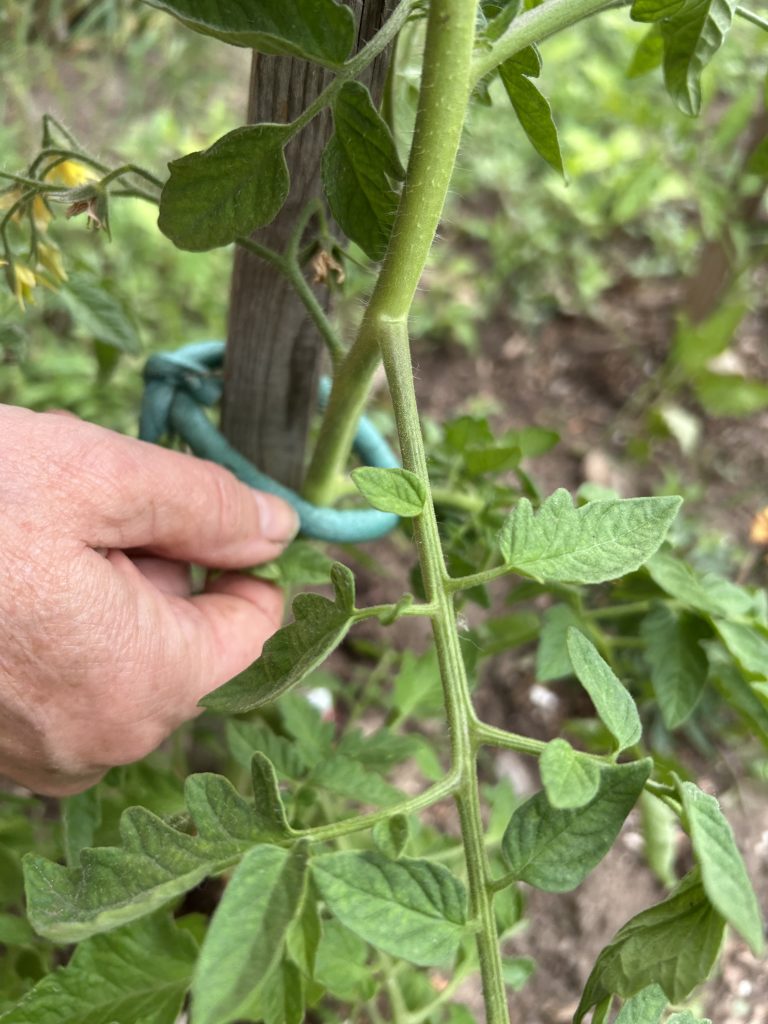
- Use clean scissors or pruning shears to cut the leaves off the bottom of the plant. Remove any leaves that are touching the ground. These are particularly susceptible to mildew formation.
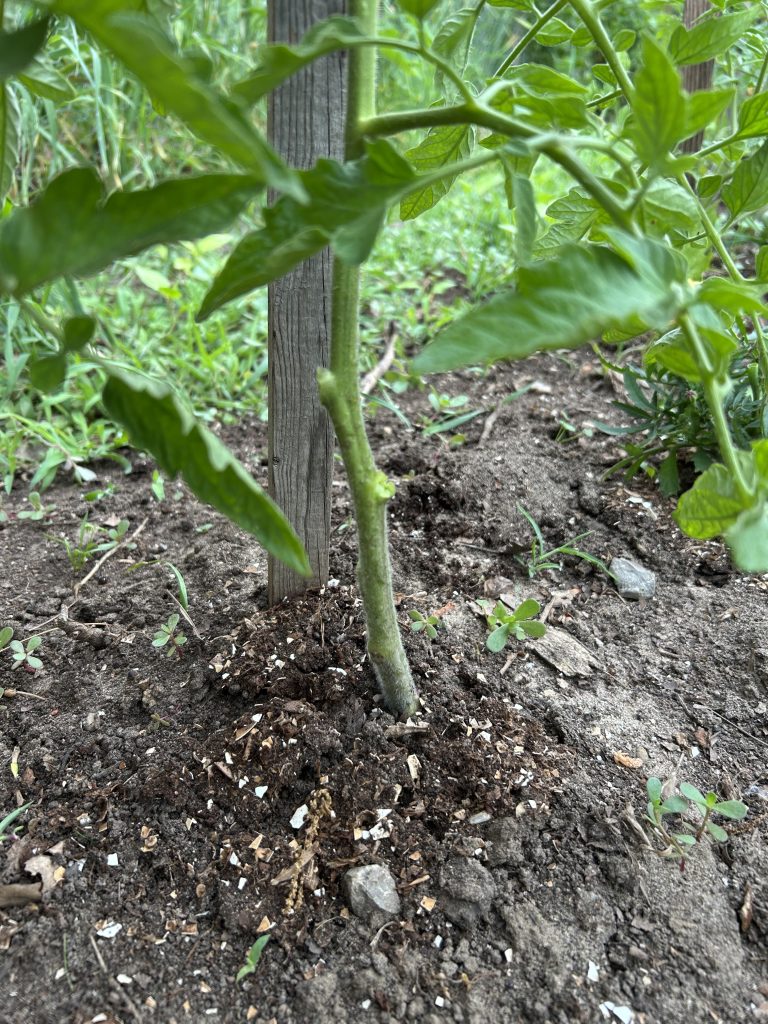
When fruit starts forming, remove the leaves from the bottom of the plant up to the first or lowest fruit.
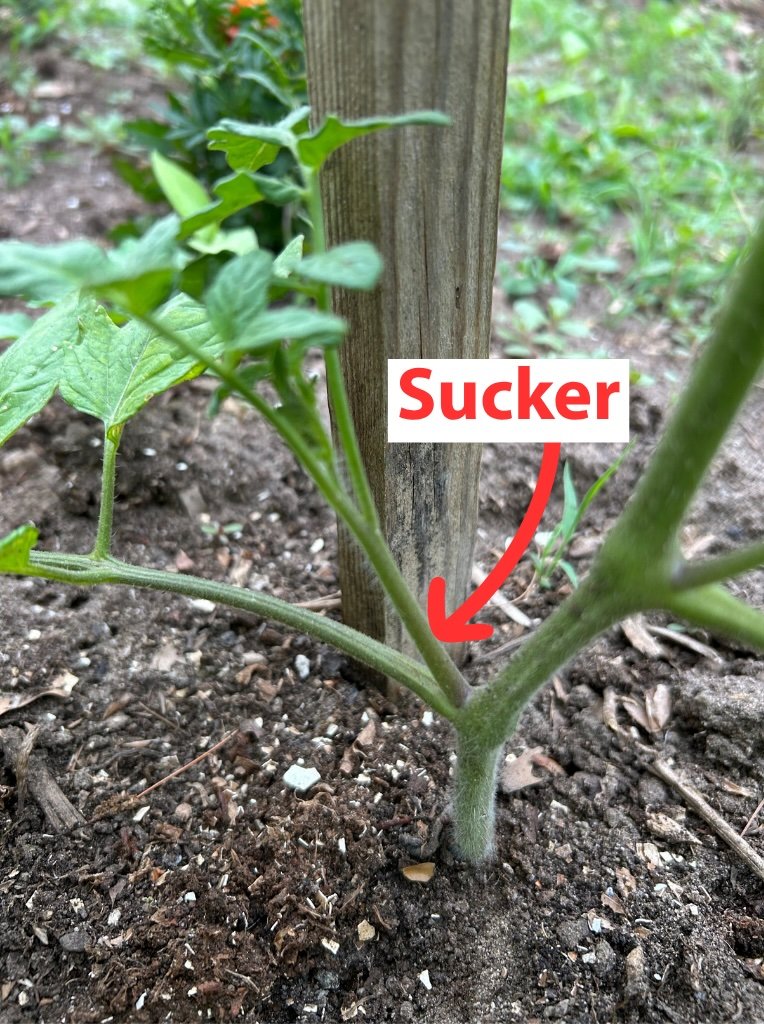
Remove suckers ongoingly. What are suckers? When you look at your tomato plant, you will see the main stem that comes up from the ground, and branches of leaves that come out of the main stem. As the plant grows, suckers begin to form in the “Y” between the main stem and a branch of leaves. Suckers won’t harm a plant; they just make it very unruly and reduce airflow.
If your tomatoes are indeterminate (growing into a tall vine), remove the top of the plant when frost is forecasted at the end of the season. Topping the plant allows energy to ripen the fruit that’s already set, rather than being used to continue growing the vine.
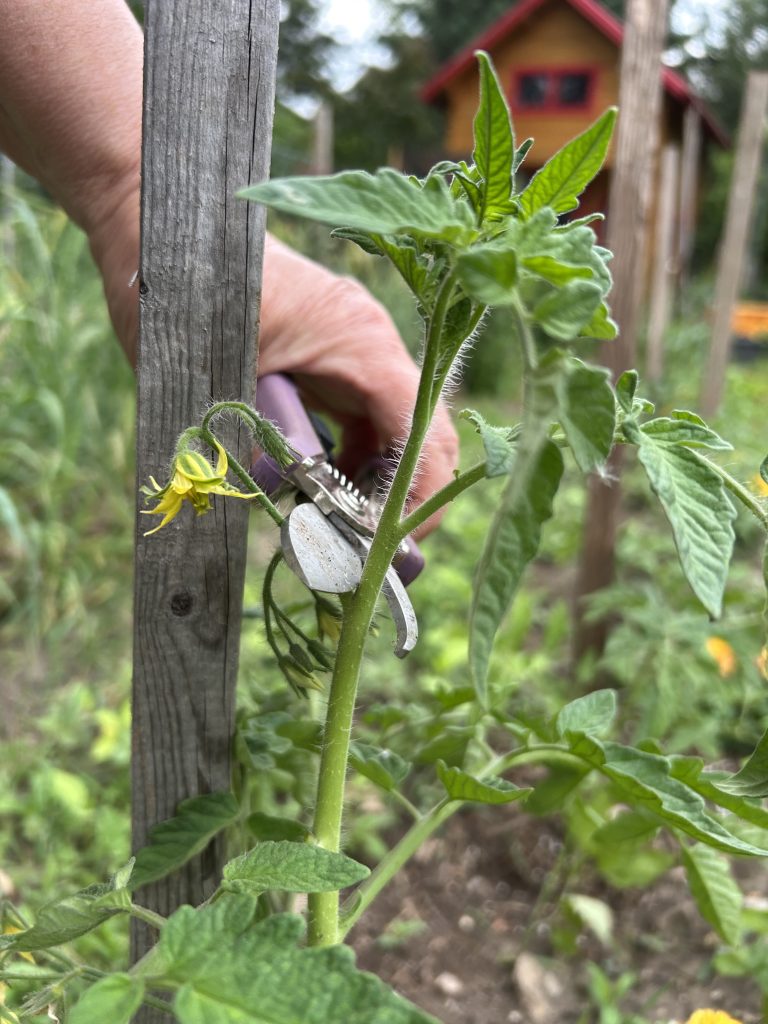
NOTE: Some gardeners like to leave suckers on determinate tomato plants as this can increase the yield.
TIP: Tomatoes ripen from the inside out. That means that by the time you see fruit beginning to flush on the outside, the inside is already ripe. If you have competition for tomatoes from pesky critters, or when there’s a chance of frost in the weather forecast, you can pick fruit that has just begun to turn colour and leave it on the kitchen counter to continue to ripen.
Fertilizer
Using organic material is one of the best ways to feed your crop. A good layer of compost, 1-2 inches, in the spring when you’re planting and again in the fall each year is one of the best ways to improve your soil structure in the garden, and it also adds lots of nutrition.
If you missed this step when planting your garden, you can always add a layer of compost around your plants or use other organic fertilizers, such as compost tea, seaweed, worm castings, or fish emulsion.
Alternatively, you can use a fertilizer that’s formulated especially for tomatoes - these usually have a ratio like 3-4-6 or 4-7-10. Follow label directions for amounts and err on the side of caution. Using less fertilizer is always better than using too much, as an excess can stress the plant and make it more prone to disease.
Following these simple steps for tomato care will help to ensure your plants stay healthy and producing fruit, but if you should have problems, here are some great resources to identify tomato issues:
- Ontario.ca: Bacterial diseases of tomato: bacterial spot, bacterial speck and bacterial canker
- Guelph.ca: Healthy Landscapes – Plant List Native and Drought-Tolerant Plants
Coneflowers (Echinacea) have earned their place in perennial borders, pollinator gardens, and meadow-style landscapes—and for good reason. These hardy, vibrant perennials reliably return each spring in our Ontario Zone 6 climate, adding long-lasting colour and texture to any garden.
The classic Purple Coneflower (Echinacea purpurea) begins with soft, pink-tinged petals that deepen into rich purple hues as the season progresses. At its peak, the familiar domed centre cone emerges—an eye-catching structure that dries beautifully and provides winter interest in the garden.
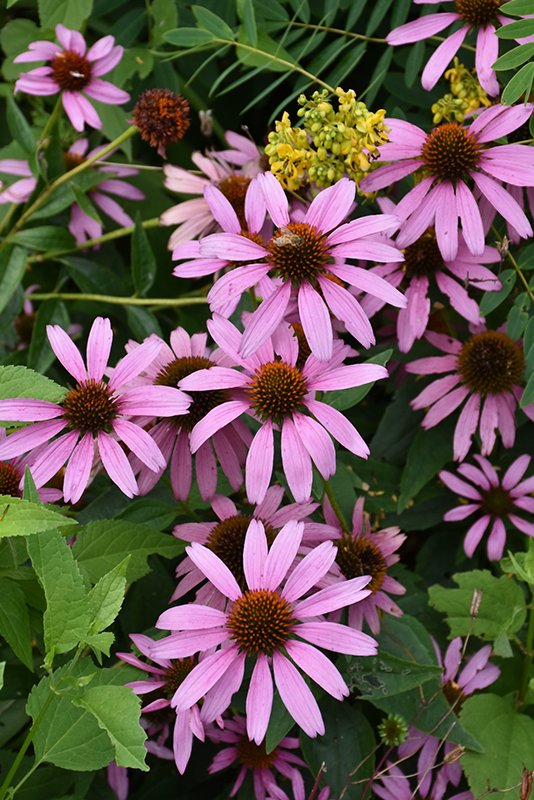
Purple Coneflower (Echinacea purpurea)
Choose From The Rainbow
While the purple coneflower is the most iconic, hybrids now come in nearly every colour of the rainbow. You'll find stunning varieties in pink, white, green, orange, and fiery reds.
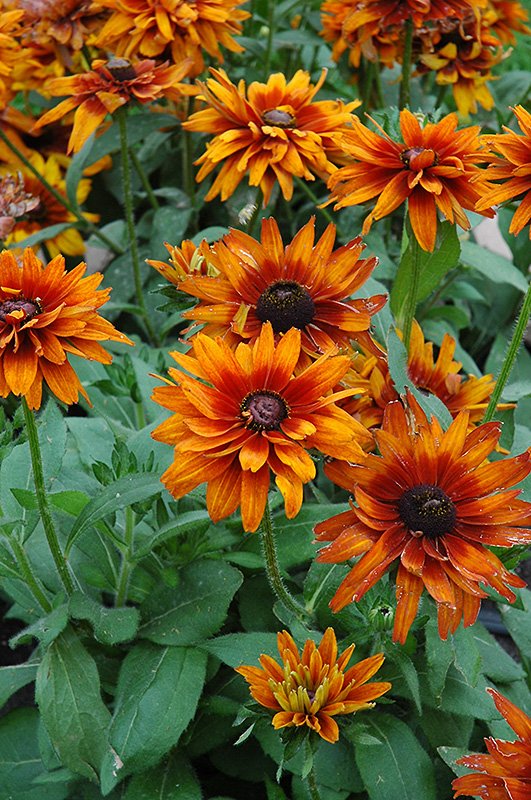
Rudbeckia hirta 'Cherokee Sunset'
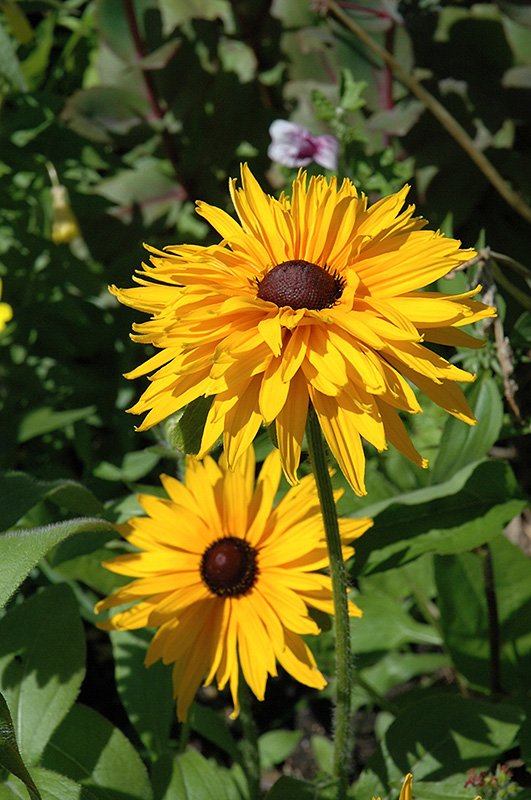
Rudbeckia hirta 'Double Gold'
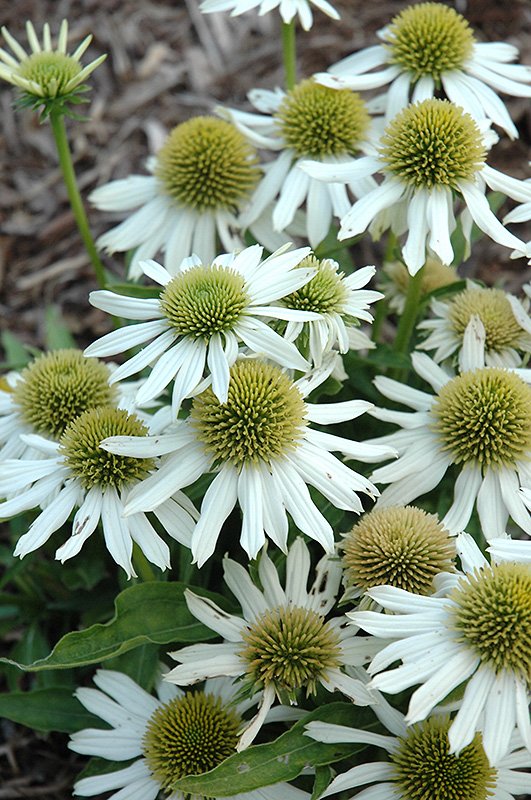
Echinacea 'Snow Cone'
No matter your garden’s colour scheme, there’s likely a coneflower to match. Even better, their bold blooms attract pollinators like bees and butterflies, while the seed heads feed songbirds in fall and winter.
Low Maintenance, Long-Blooming Beauty
Coneflowers are both showy and easy to care for—ideal for beginners and seasoned gardeners alike. Here’s what you need to know:
Growth habit:
- Height: 24–60 inches, depending on the variety
- Spread: 12–24 inches
- Bloom time: Mid-summer to fall
Growing conditions:
- Sun: Full sun is best, though light shade is tolerated
- Soil: Well-drained soil is key
- Water: Drought-tolerant once established, but thrives with consistent watering
- Fertilizer: Not necessary
Pro tips for success:
- Pinch back in early summer to encourage bushier, sturdier plants and decrease the chance of powdery mildew forming
- Deadhead spent blooms early in the season to prolong flowering
- Leave seed heads in late summer and fall for winter beauty and bird food
- Optional self-seeding: Let them go to seed for a naturalized look, or remove blooms to prevent self-seeding
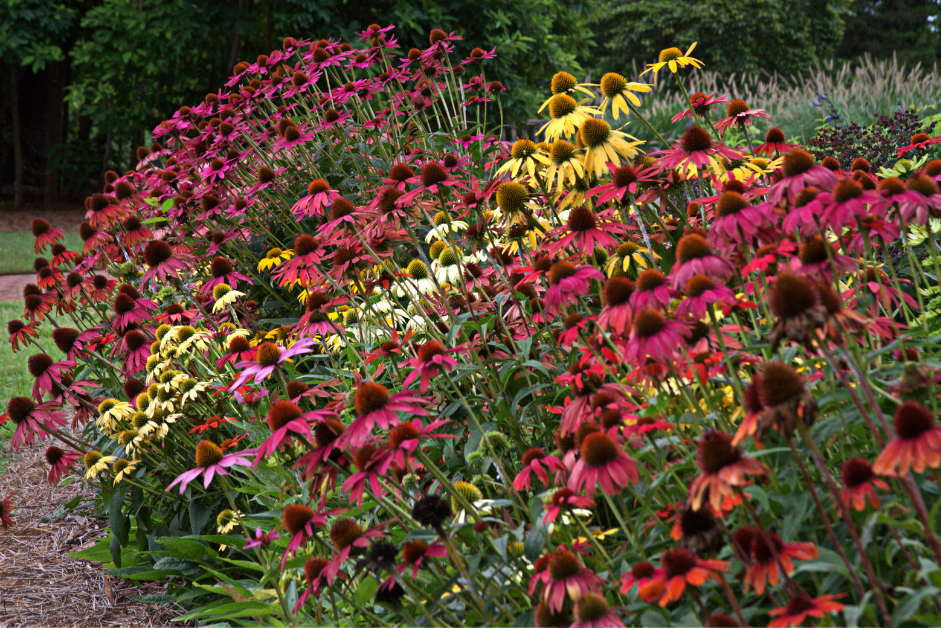
Coneflower Companions
Coneflowers mix beautifully with a variety of other perennials. For vibrant, complementary plantings, try pairing them with:
- Hyssop (Agastache)
- Catmint (Nepeta)
These companions share similar growing requirements and will enhance the colour and texture of your garden throughout the growing season.
Visit Us for More Ideas
Want help choosing the perfect Coneflower variety or finding the right garden companions? Stop by Eising Garden Centre and chat with our perennial expert, Mary. She’ll help you create stunning combinations that bloom beautifully from summer into fall.
A well-chosen hedge can do a lot more than just look great—it can give you privacy, act as a windbreak, define garden spaces, reduce noise, or add year-round greenery. Whether you're looking to block out a view, frame your garden, or just create a lush backdrop, hedges are incredibly versatile.
One of the most underappreciated roles of a hedge? It makes everything in front of it—flowers, trees, garden art—look even better. Think of it as a green stage curtain that lets your garden stars shine.
Pretty much any shrub planted in a row can create a hedge, but the right plant depends on what you want it to do. Here are some of our top picks.
Evergreen Hedges - The Classic Green Wall
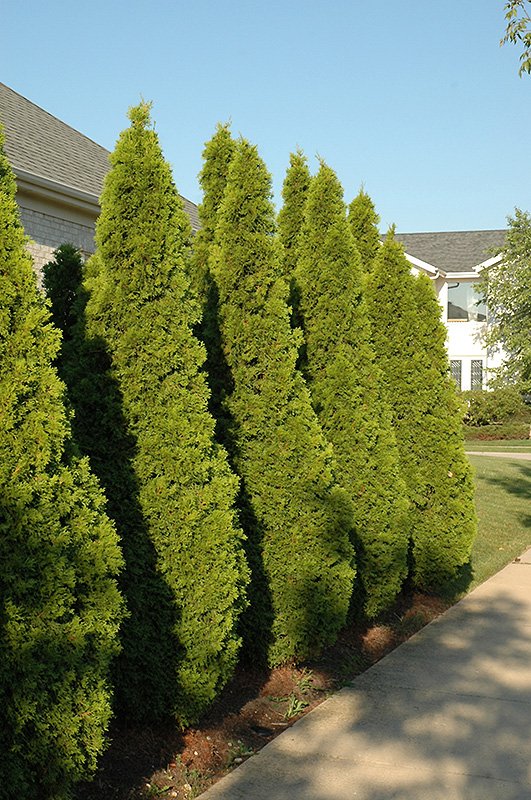
Botanical Name: Thuja occidentalis 'Smaragd'
Cedar is a favourite for a reason. With its dense, year-round green foliage and low-maintenance nature, it's ideal for privacy. Depending on the type, cedars can grow between 9–14 feet tall, forming a living wall that blocks wind, noise, and prying eyes. It also makes a lovely backdrop for all your other plants.
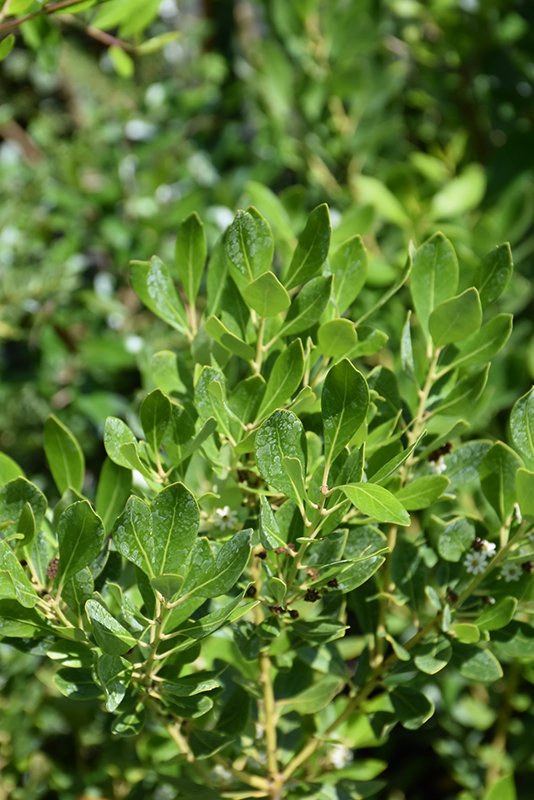
Botanical Name: Ilex glabra
Looking for a Boxwood alternative? Inkberry Holly is a great choice—especially if you're concerned about Boxwood Blight. This broadleaf evergreen keeps its dark, glossy green leaves all year and can grow up to 8 feet tall if left unpruned. It loves full sun, wet soil, and even acidic conditions. You can trim it to keep it neat or let it grow naturally—either way, it makes a fantastic border or garden divider.
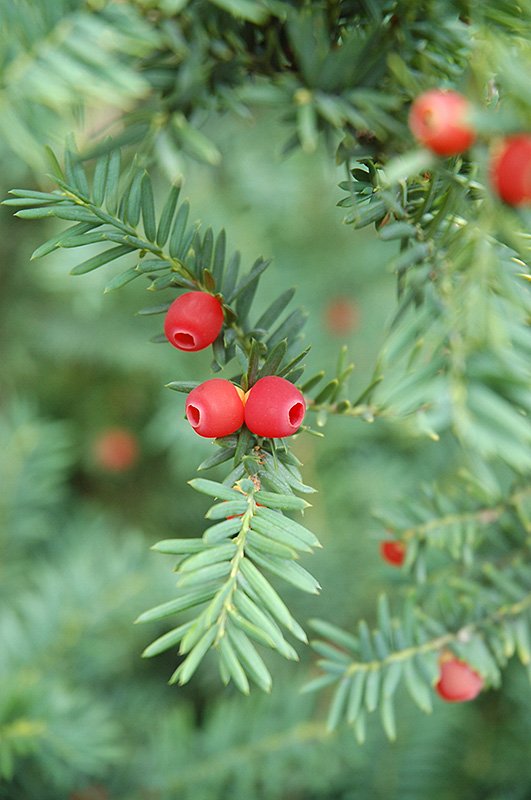
Botanical Name: Taxus cuspidata
With dense, dark green foliage that stays lush all year-round, Yews make excellent hedges for privacy, property lines, and garden backdrops. They’re incredibly versatile—leave them to grow naturally for a softer look or trim regularly for a crisp, formal shape. Yews respond beautifully to pruning, creating a smooth, tailored finish. Just be sure to wear gloves when handling them, and plant them away from children, pets and livestock, as all parts of this striking plant are toxic.
Deciduous Hedges with Drama and Colour
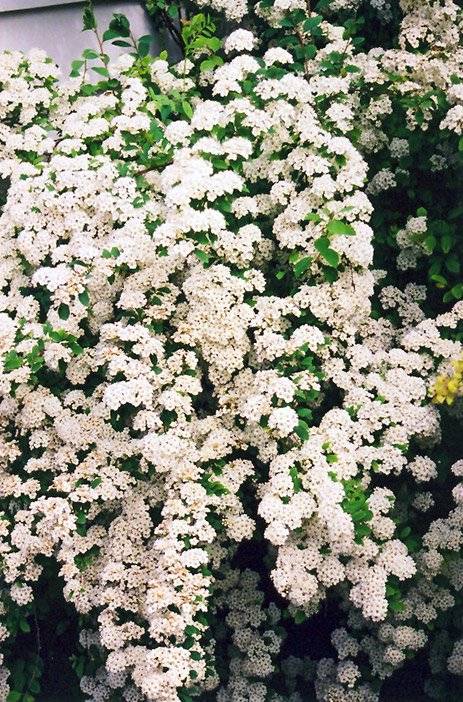
Botanical Name: Spiraea x vanhouttei
Graceful, arching branches that are completely covered in double-white blooms in the Spring make Bridalwreath Spirea a truly stunning hedge plant in the spring. After its spring show, small, glossy green leaves cover this plant until the fall, when its leaves take on beautiful autumn colours.
Bridalwreath Spirea grows to a mature height of 4-9 feet, can tolerate light shade as well as a variety of soil conditions and can be lightly pruned to shape. They are also deer-resistant.
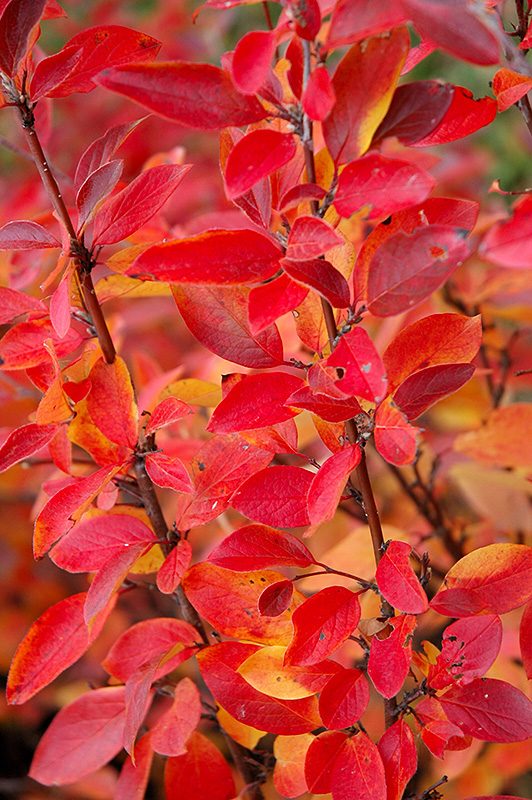
Botanical Name: Cotoneaster lucidus
Peking Cotoneaster may not be flashy, but there are lots of reasons to love this shrub. Its smooth, dark green leaves create a clean, structured look that works beautifully behind flowering plants or along fences. In fall, the leaves turn a fiery red, and black berries appear, which birds snack on through the winter. Growing 5–7 feet tall, this shrub is also a great choice for wind protection and bird habitat.
Still not sure which plants to choose for your hedge? Stop in to see us at Eising Garden Centre and talk to one of our tree and shrub specialists - Zach, Sandy and Donna, or contact one of our landscape design specialists, Emily or Lucas. We’re here to help!
If flowers are the divas of the garden, foliage is the harmonious backup group that makes the whole performance shine. Colour, texture, and form don’t just come from blooms—there’s a world of interesting leaves that not only set the stage but often steal the show. Flowers may be the stars, but foliage is the picture frame, the atmosphere, and often the soul of a beautiful garden.
Start with a Standout
When choosing plants—whether for a garden bed or a container—don’t just focus on flowers. Especially in shady spots, standout foliage can create all the visual impact you need. Look for leaves that draw your eye, like the delicate structure of a cutleaf Japanese maple or the bold colour variations of Heuchera (Coral Bells), which range from deep burgundy to vibrant chartreuse.
Your standout feature doesn’t have to be a plant—it could be a sculptural shrub, an ornamental tree, or even a favourite birdbath. Try placing that birdbath atop a lush carpet of Irish moss, or line a path with the spotted leaves of Pulmonaria, silvery Artemisia, or graceful ferns. Light up a shady corner with glossy Bergenia or classic Hostas, which offer endless variety in shape, texture, and hues from bright green to cool blue-ish tones.
Build the Framework
Once you’ve chosen your focal foliage, you can build your planting scheme around it in creative ways. Think of it like building a quilt—each plant contributes a piece to the overall picture.
- Create a patchwork of leaf shapes: Group together plants with small, intricate foliage for a richly textured look.
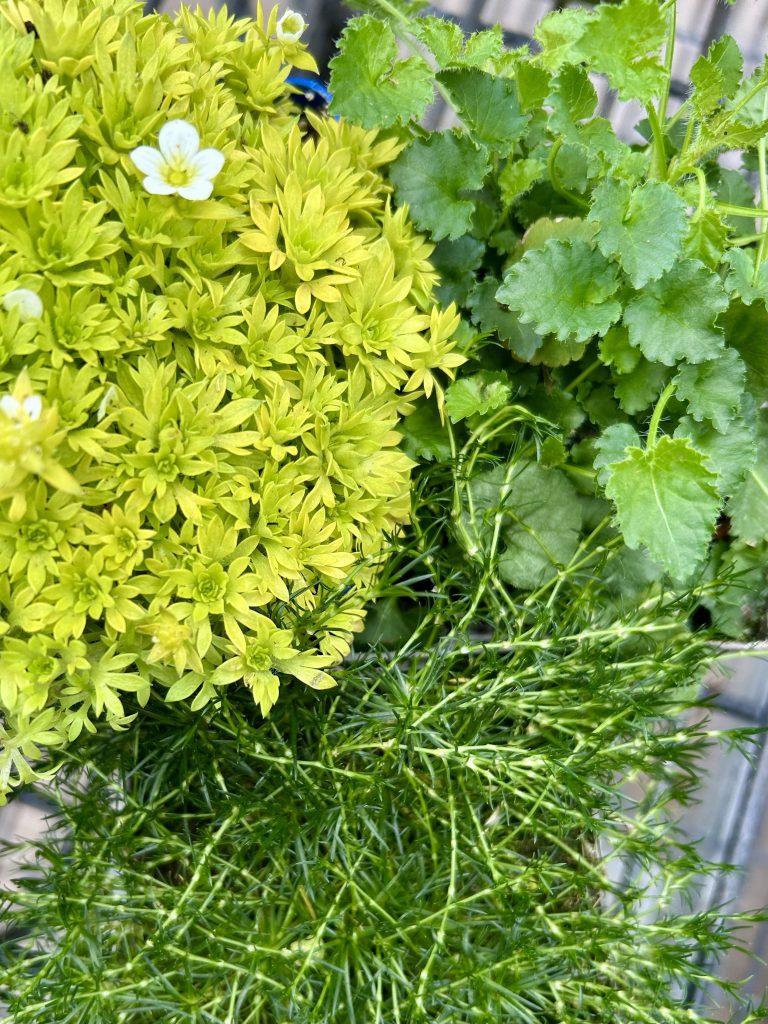
Mossy Saxifrage 'Cloth of Gold,' Sagina Subulata 'Irish Moss,' and Bellflower Campanula Carpatica 'Pearl Deep Blue'
- Echo colour tones: Pair burgundy Heuchera with other plants in similar shades, like dark-toned Euphorbia, for a cohesive palette.
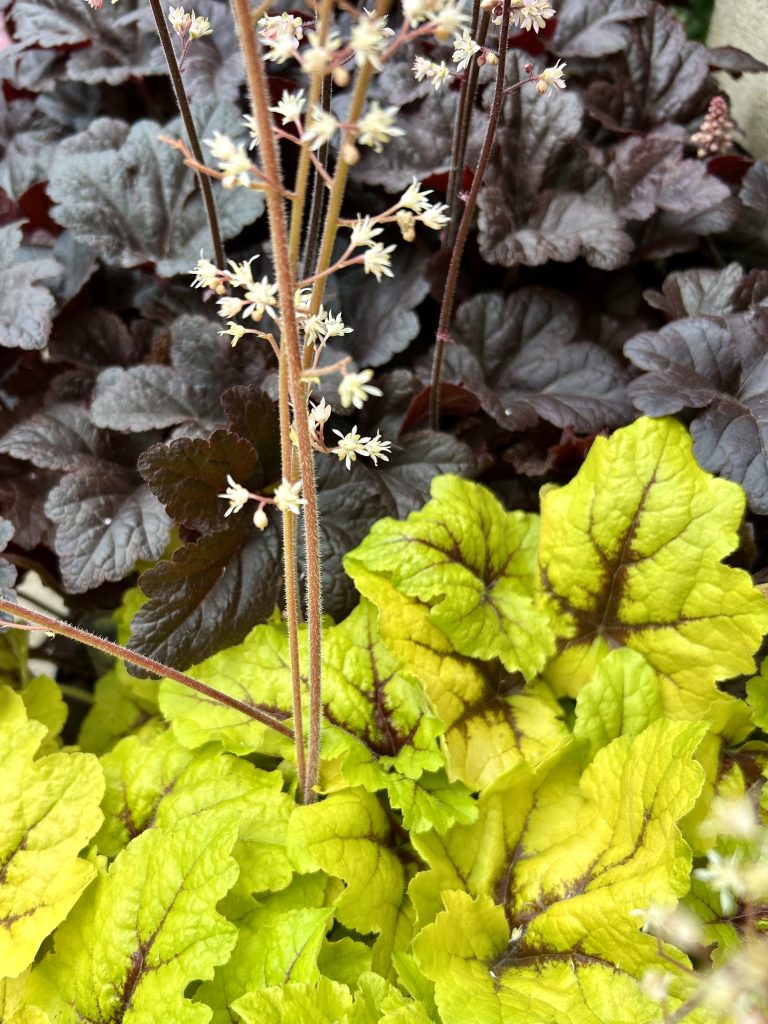
Foamy Bells 'Catching Fire,' and 'Onyx'
- Choose a colour theme: Work with warm hues like gold, rust, and copper.
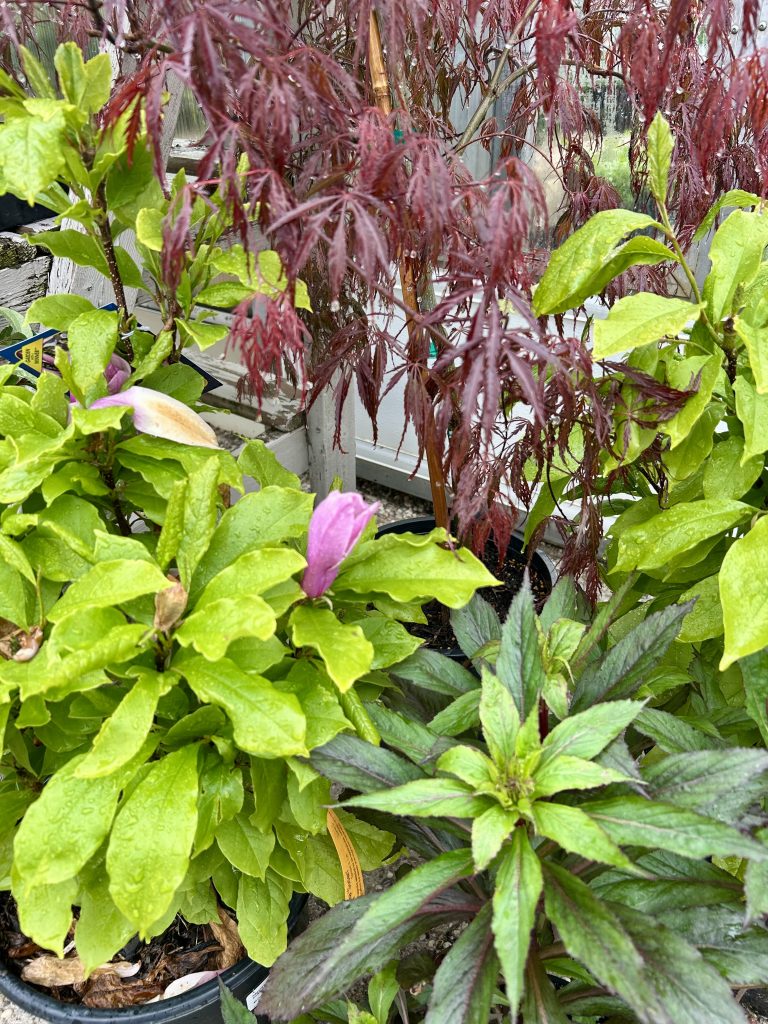
Japanese Maple 'Tamukeyama,' 'Magnolia x Soulangeana,' and Lobelia Speciosa 'Starship Scarlet'
- Mix textures, repeat colours: Choose different textures but repeat colour combinations like white and green.
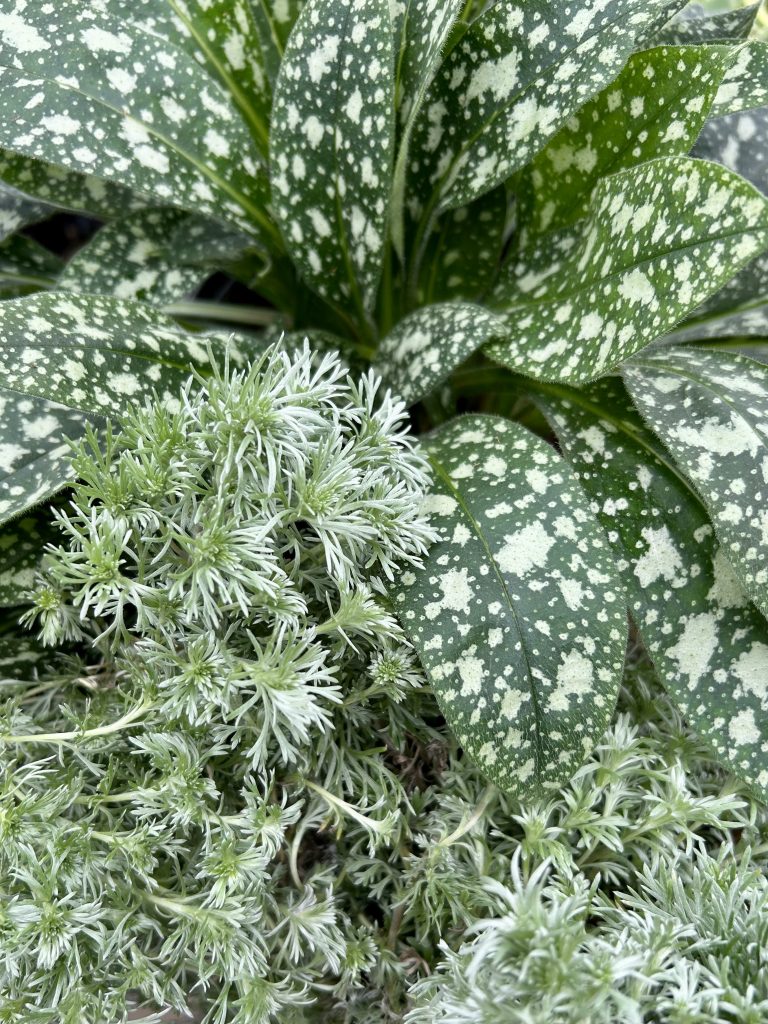
Pulmonaria 'Pink-a-Blue' and Artemesia 'Silver Mound'
Top it Off
Once your foliage framework is in place, add a statement piece to elevate it all - that favourite birdbath, a piece of artwork, an ornamental tree or shrub, or an unexpectedly showy flower. The layered, leafy backdrop with make your feature stand out even more.
Visit us at Eising Garden Centre to find all the foliage stars and supporting players you need to bring your garden vision to life!
What’s the best way to brighten up your garden? Add lots of annual flowers in the Spring! Here in Southern Ontario, the May holiday weekend is usually safe from frost - and go time for planting tender annuals!
At Eising Garden Centre, you’ll find a wide array of beautiful annual blooms. Here are ten of our sun-loving favourites to try.
Cosmos
With daisy-like blooms in radiant shades of pink, red, and pure white adorned with mellow yellow centres—Cosmos are irresistible. They're perfect planted along a fence or at the back of a border, where they can lean on a little support. Depending on the variety, Cosmos can grow anywhere from 12 to 80 inches tall!
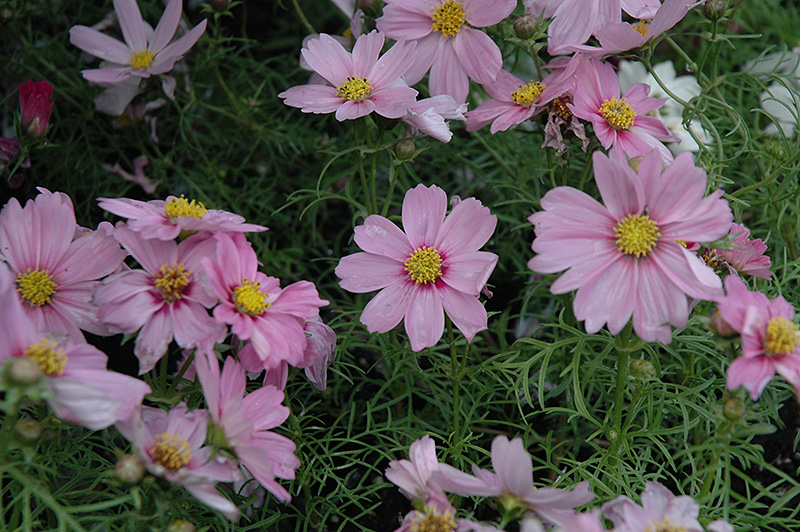
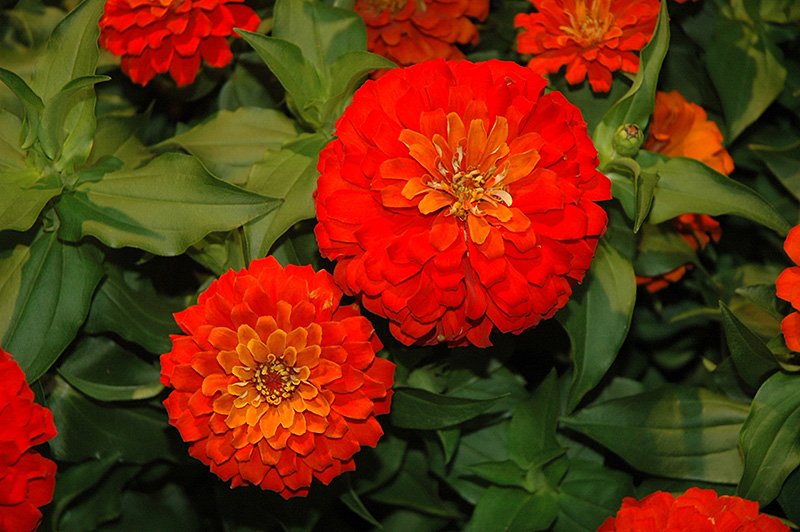
Zinnia
Bold, structured, and bursting with colour, Zinnias bring serious wow factor. Their cheerful blooms come in red, green, orange, yellow, purple, pink, and white. Depending on the variety, Zinnias grow between 6 and 36 inches tall and spread about 12 inches wide.
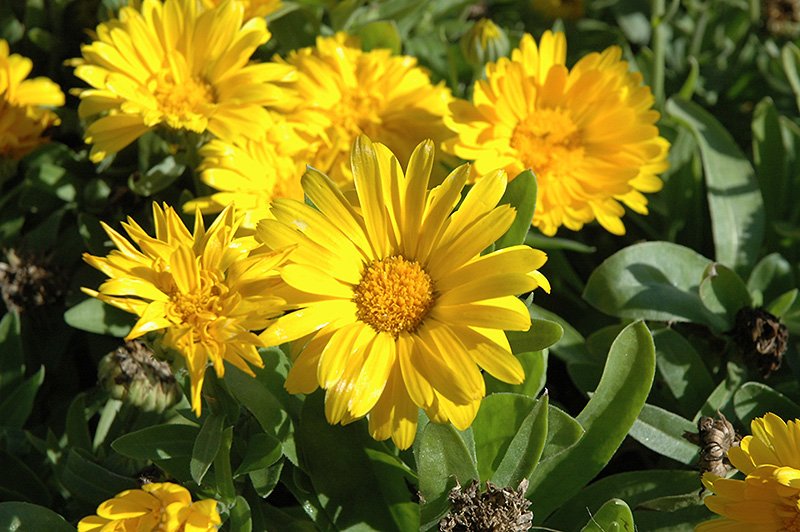
Calendula
Decorative and useful, Calendulas are edible flowers with culinary and medicinal value. Their soothing, antiseptic properties make them popular beyond the garden. Calendula come in gorgeous, bright shades of copper, orange, gold, and yellow blooms and grow 10 to 24 inches tall.
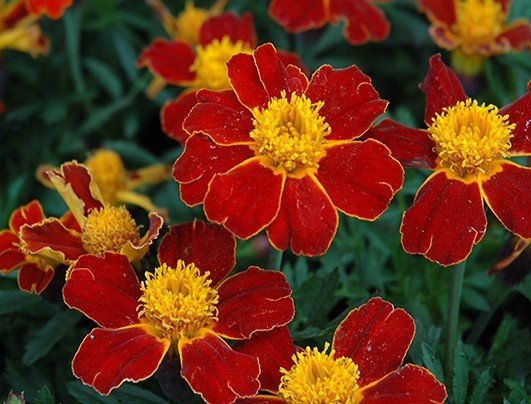
Marigold
Tough and reliable, Marigolds handle heat and humidity with ease, thriving even in the driest parts of your garden. They offer a beautiful range of bloom types—from large, ruffled flowers to small, delicate blossoms—and a palette of cream, yellow, orange, red, and bi-colours. Depending on the variety, Marigolds can grow from 6 to 36 inches tall.
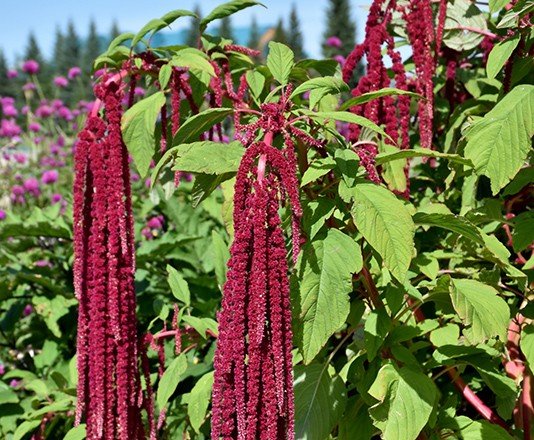
Amaranth
If you're after drama, Amaranth is your plant! Reaching heights of 3 to 5 feet, these bold beauties flaunt long, rope-like clusters of maroon or red flowers. While low-maintenance, Amaranths may need a bit of support to stay upright as they mature.
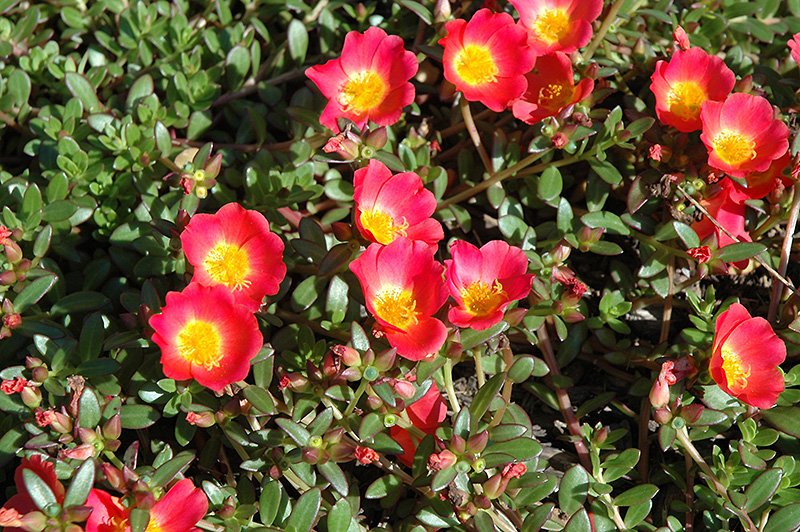
Portulaca
Perfect for hot, dry, and neglected spots, Portulacas deliver a brilliant show of colour with minimal effort. Their rose-like blooms come in vivid shades of red, pink, yellow, white, orange, and purple. Low-growing at just 4 to 8 inches tall, they're ideal for the front of borders, or alongside driveways, and patios.
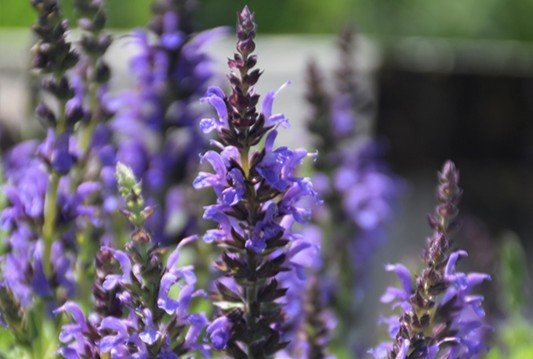
Salvia
With tall spikes of bold purple, red, blue, pink, or white blooms, Salvias are garden standouts. Growing 8 to 24 inches tall and often blooming continuously, they quickly become must-haves for flower beds or large containers.
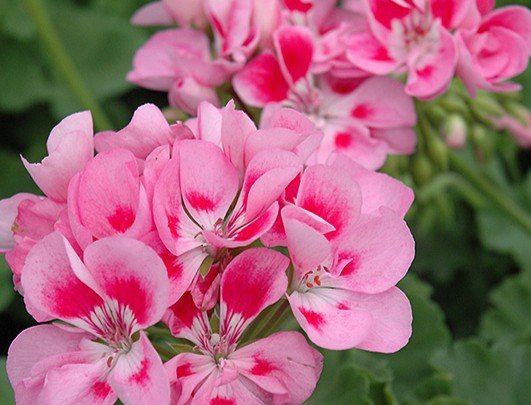
Geranium
Drought-tolerant and tough as nails, Geraniums have long been a gardener’s favourite. Regular deadheading (removing spent blooms) will reward you with non-stop flowers until frost. Their lush foliage and bright flowers—ranging from salmon, white, purple, violet, and orange to red and pink—also shine in mixed containers. Geraniums typically grow between 8 and 24 inches tall.
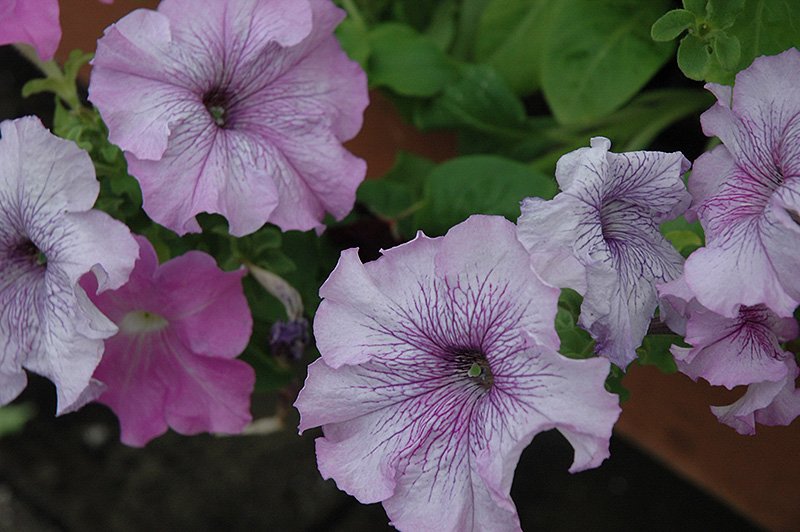
Petunia
It’s no surprise Petunias have remained beloved for generations. They grow quickly, bloom prolifically, and require little care. Available in mounding or trailing forms—and sometimes carrying a heavenly scent—Petunias are perfect for flower beds, hanging baskets, pots, or window boxes. Growing 6 to 18 inches tall, they come in white, yellow, pink, purple, red, bi-colours, and even black!
Dahlia
Dahlias can become a full-on passion project—and it’s easy to see why. Their breathtaking blooms come in a stunning range of sizes, shapes, and colours. While Dahlias can be a bit particular (they love rich, well-drained soil and plenty of water, but hate soggy conditions), they are absolutely worth the extra attention.
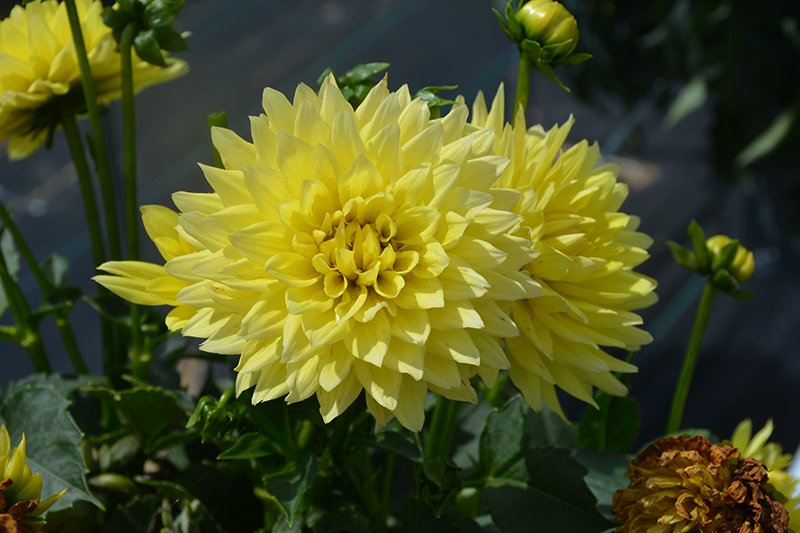
Sunshine + Food + Hydration = Success
All of these annuals thrive in full sun and will reward you with even more blooms when given consistent water and fertilizer.
Adding a continuous-release fertilizer to your soil at planting time—or feeding weekly with a balanced, water-soluble fertilizer—makes it easy to keep your garden thriving all summer long!
*TIP: Check our handy Plant Finder for more details! https://plants.eising.ca/11110015/
Growing Vegetables in Pots!
A few years ago, I was walking through town with a friend as we discussed planting vegetables in our tiny front gardens. It seemed like an unusual idea until we spotted not one but two front gardens with pumpkin vines rambling amongst the shrubbery. What a novel way to cover the ground without mulch and have the bonus of showy, bright blossoms and bold foliage! Of course, this is eventually followed by the standout feature of brightly coloured pumpkins. It’s built-in fall decorating!
Right now, everyone is looking for ways to reduce grocery bills, and growing a few vegetables amongst the flowers and shrubs can make a big difference. If your garden is on a patio or balcony, there are lots of ways to add edible plants to maximize your space and beautify it at the same time. Who says vegetables can’t be ornamental and beautiful?!

Gaps and Small Spaces
If you have a new shrub and flower garden that has gaps or there’s a space in your garden where you’re not sure what to plant, consider tucking in a potted vegetable. In a cool, shady space, try some luscious lettuce bowls. Shade allows lettuce to grow more slowly in the heat of the summer. Keeping lettuce in a cool, shady spot will prevent it from bolting and becoming bitter.
If you have a small garden, a patio or a balcony, pots with compact varieties and hanging baskets are a terrific alternative for growing vegetables, herbs, and some fruits. These are some of the options we offer at Eising Garden Centre (based on availability) that can be purchased fully planted, or you can grow your own from seed if you have time, space and lights.
Trellised Planters and Patio Pots
For patios, balconies, or even a gap in the garden, there are lots of vegetables that can be grown in a trellised planter.
Tomatoes, peppers, cucumbers and eggplant all love warm soil and growing in pots provides the heat to help them thrive. Eising trellis pots are planted with specific varieties that are smaller but pack a flavourful punch.
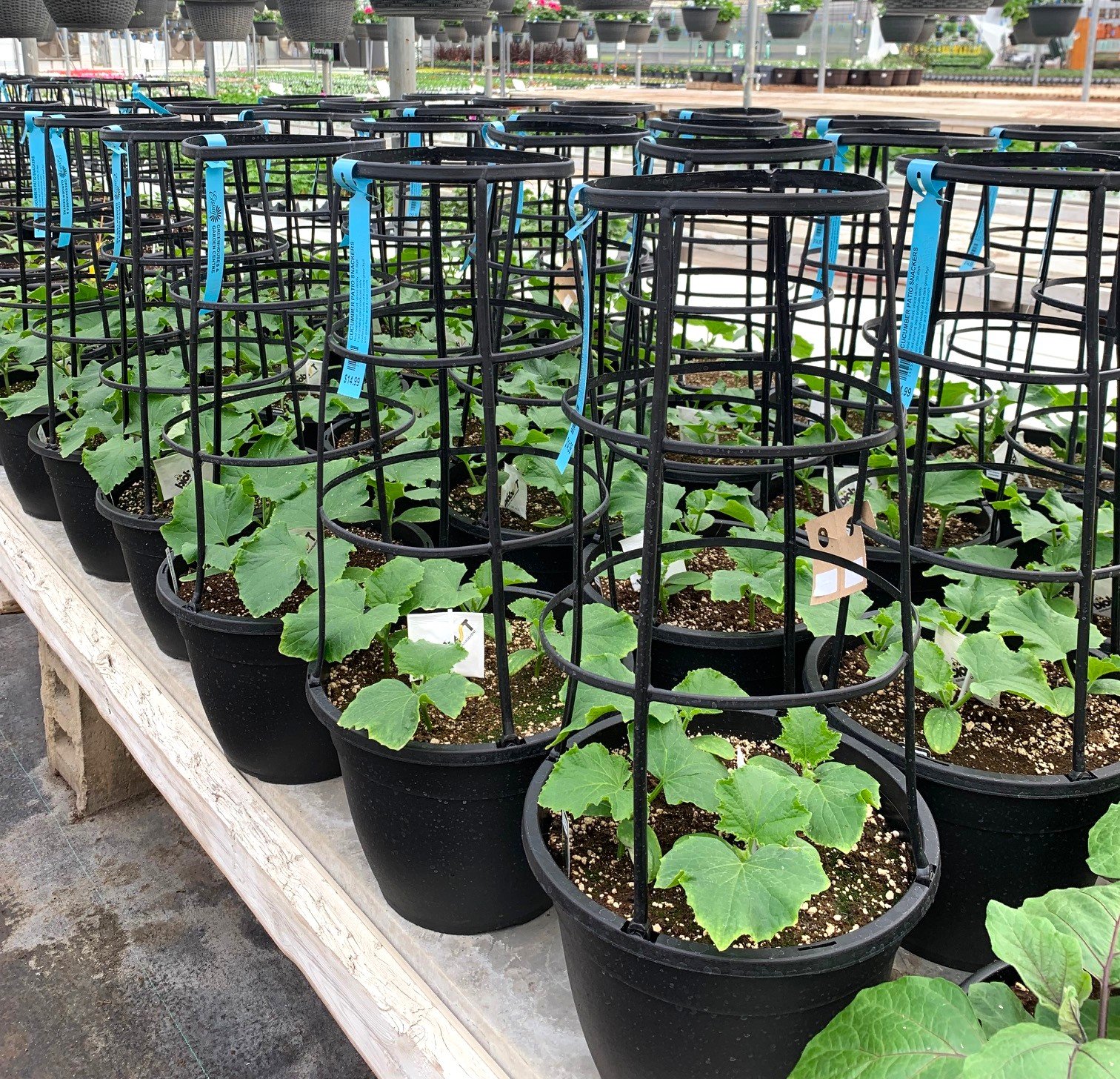
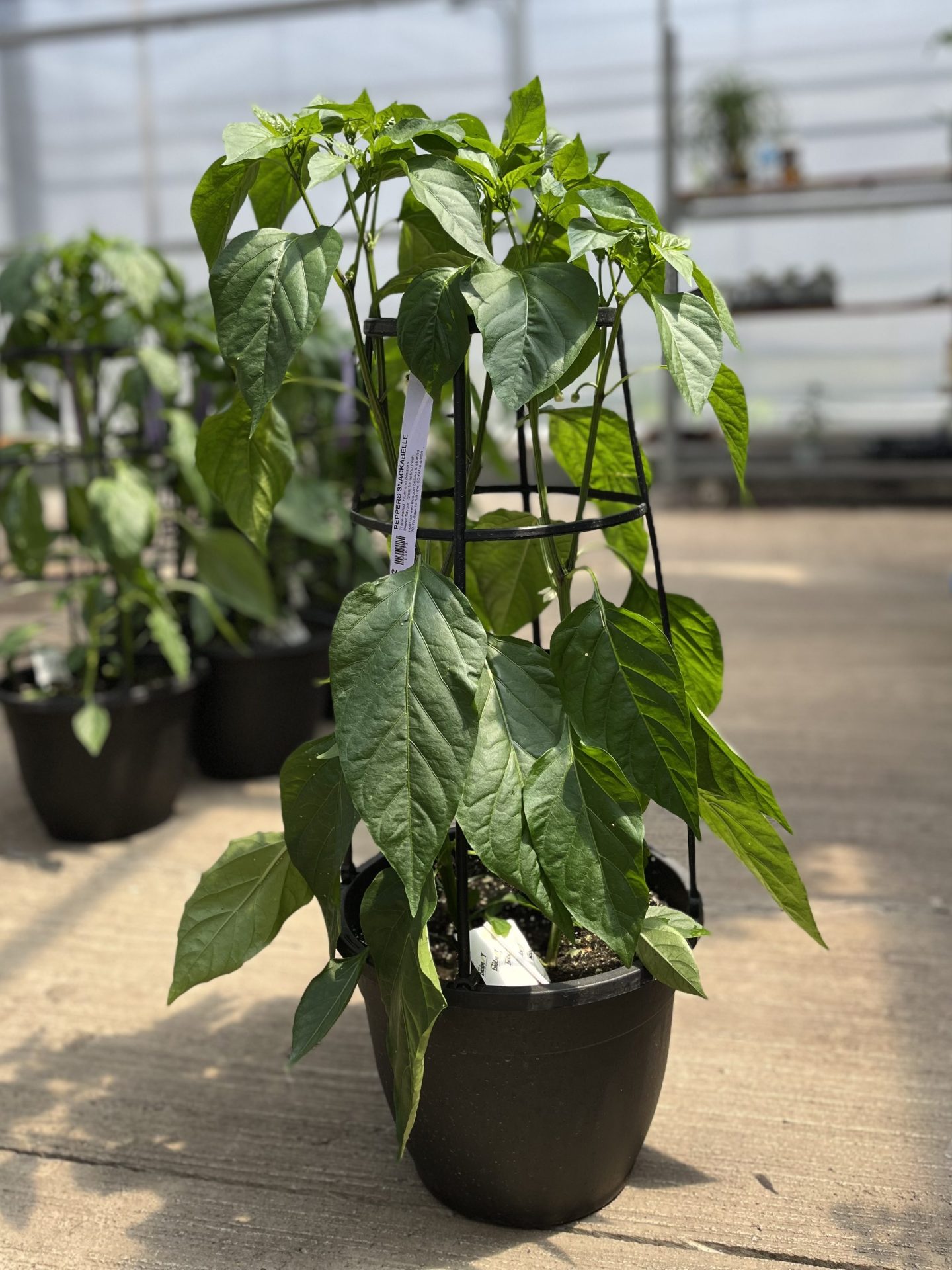
Sweet Snackabelle, Candycane Chocolate Cherry or Red, Mocha Swirl and Fresh Bites peppers.
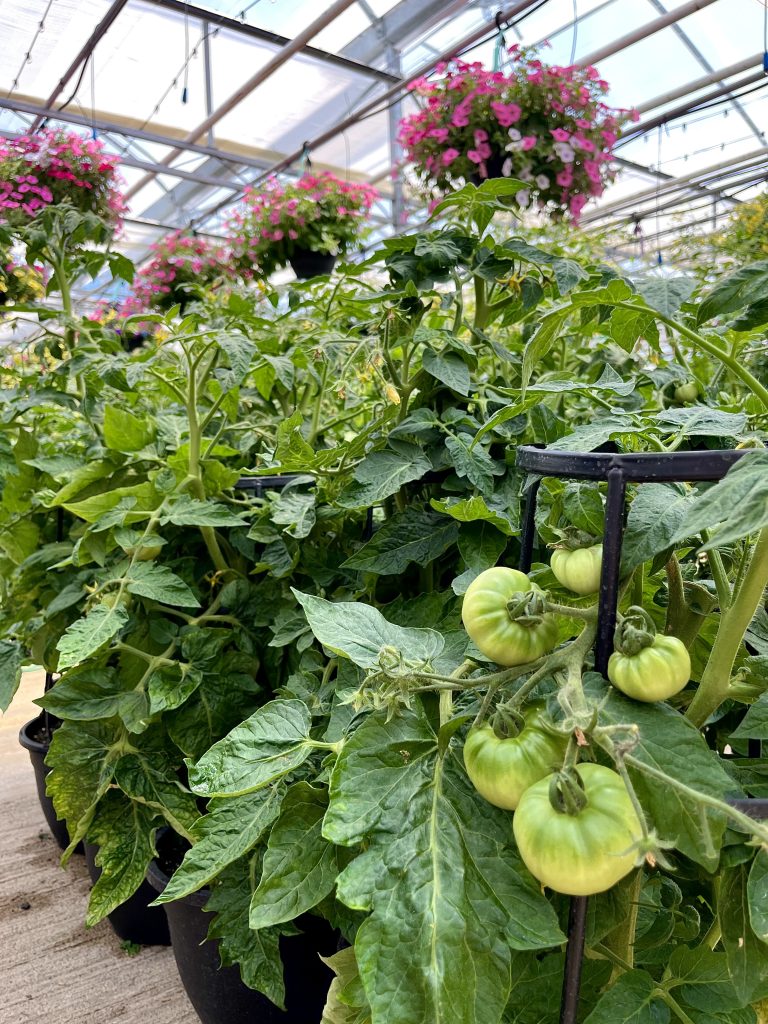
Little Sicily, Patio Hybrid, Candyland Red, Rapunzel and Tidy Treats tomatoes.
Eising Greenhouse also carries eggplants in trellised pots - a patio pot with Patio Baby eggplants is a perfect choice if ratatouille is on the menu!
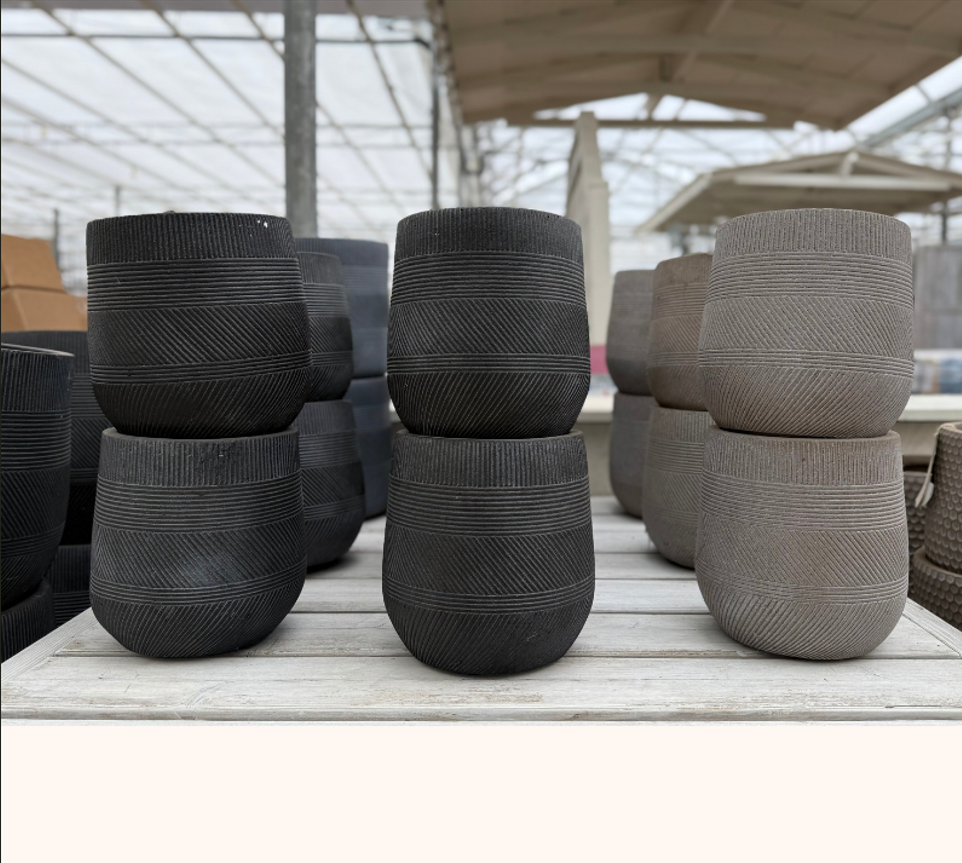
All of Eising's trellised planters would look lovely plopped into one of our decorative outdoor cover pots!
Herb Planters
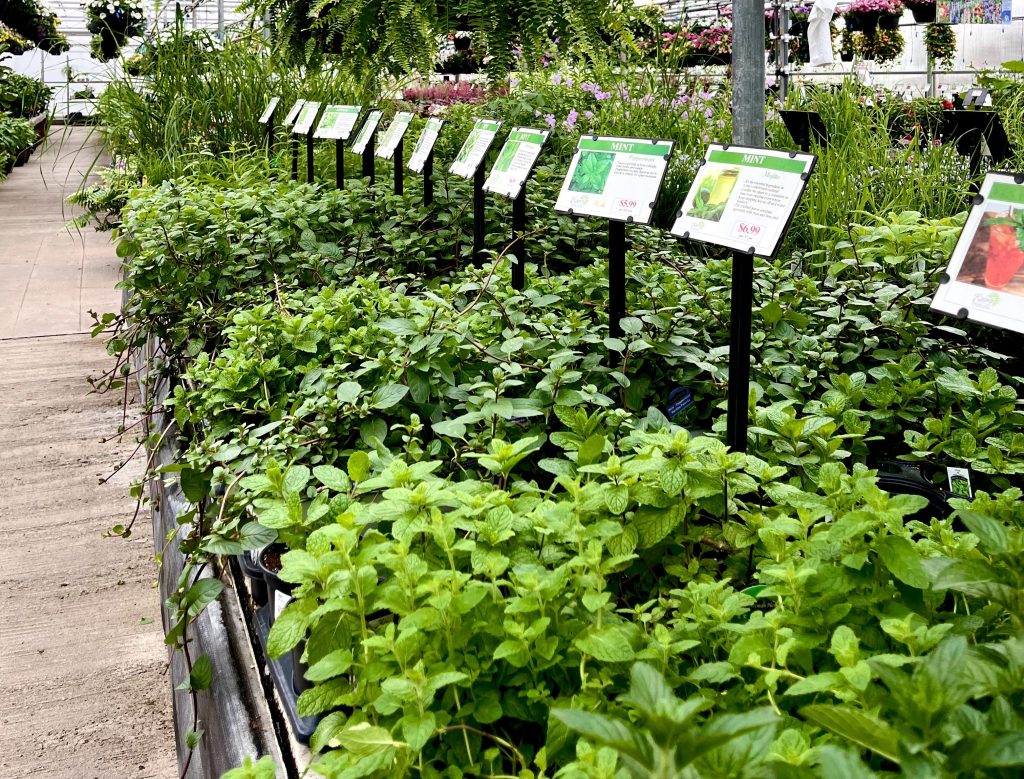
Many herbs thrive in a sunny and warm spot with well-drained soil, making a pot the perfect container for them. Herbs also make great companion plants with other vegetables and can be tucked into other pots. Most herbs also love to be harvested frequently, especially when they’re given these ideal conditions.
Lettuce Bowls
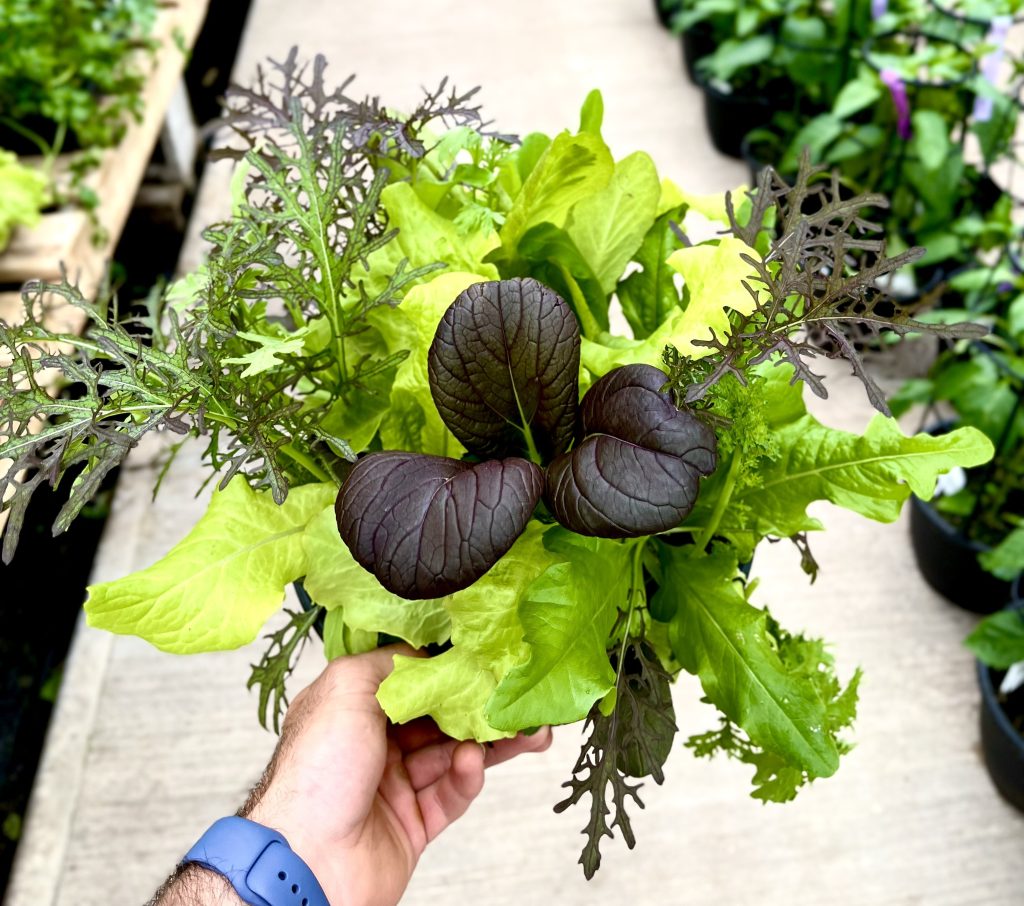
Lettuce bowls are a great way to grow greens in small spaces. Our 10” bowls are chock full of a variety of lettuces and are never boring!
👍Tip: Try the “cut and come again” method for harvesting lettuce, which prolongs the plant’s life. Simply pinch off the outer, mature leaves each time you pick the lettuce and leave the centre of the plant to keep growing.
Hanging Baskets
If there’s a spot to hang a basket or place a shepherd’s hook, you will want to grow one of the edible options we offer.

Topsy Tom tomatoes.
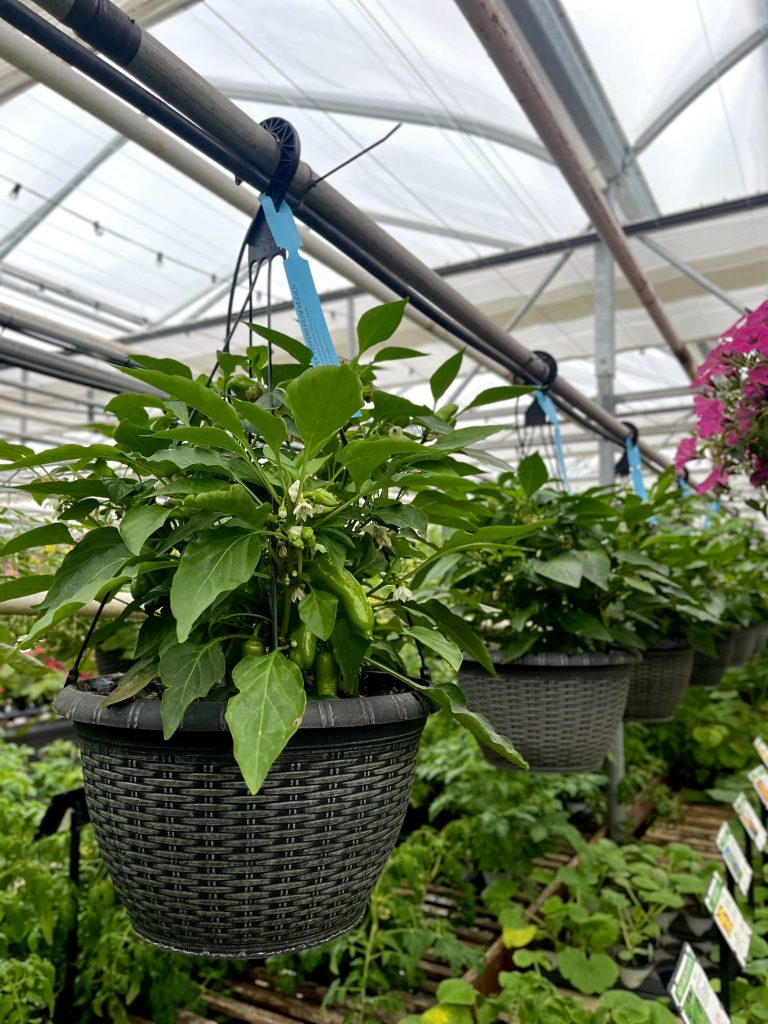
Pot-a-Peno and Peppers From Heaven peppers.
Tomatoes, peppers, and strawberries are all available in hanging baskets. Our deliciously sweet everbearing strawberries are also available in 4.5" pots and bareroot, which are great options for window boxes.
👍Tip: Pick strawberries as they ripen to encourage your plants to produce more. Also, remove runners as they grow to allow your plants to send energy into growing fruit instead of bigger plants. Painting rocks to look like strawberries is said to deter birds from feasting on ripe berries.
Citrus and Figs
Consider growing a beautiful and fragrant lemon, orange, fig or grapefruit tree in a patio pot. Just keep in mind that it will need to come indoors in the fall.
Container Plant Care


Whether you’re growing edible plants in the garden, a pot or a hanging basket, don’t forget to give them the care they need to maximize productivity:
- Water regularly, deeply and in the heat of the summer, frequently. Watering early in the morning is ideal. Pour water on the soil, not the foliage to prevent diseases like powdery mildew.
- Feed your vegetables and fruits throughout the growing season with fertilizer or compost.
- Remove dead foliage and prune plants as needed. Especially herbs.
Once you start foodscaping by including vegetables with your flowers and ornamental plants we’re sure you’ll want to keep looking for innovative ways to grow your own food! Who knows, maybe even pumpkins by the front porch!
While many gardeners in Southern Ontario follow the popular planting date of May 24th, when we’re usually safe from frost, you may be surprised to know that April is not too early for certain plants!
Once the ground has thawed and is workable, there’s plenty you can start growing. In Zones 6a-6b, this usually happens around four weeks before May 24th. While frost is still a possibility, many cold-tolerant plants not only survive a light frost but thrive in cooler weather. To check if the soil is ready, simply dig up a handful and squeeze it. If it sticks together, it’s too wet to work with—wait a few more days for it to dry out. Once the soil is ready, it’s time to plant those cool-weather crops!
Cool Weather Vegetables
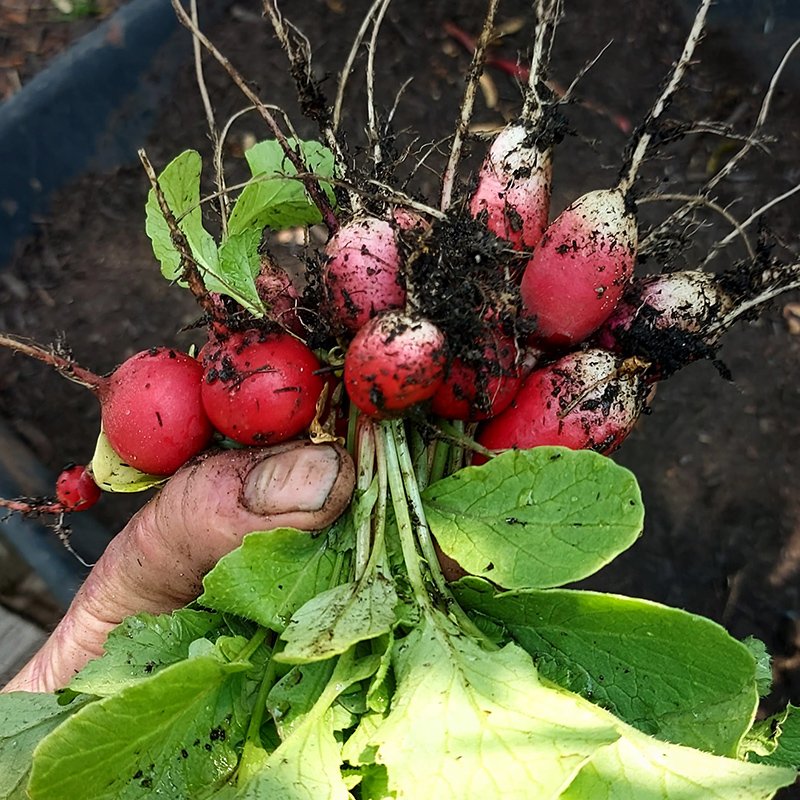
Radishes: Radishes are fast-growing and perfect for planting in April because they love cooler weather. Sow them directly from seed.
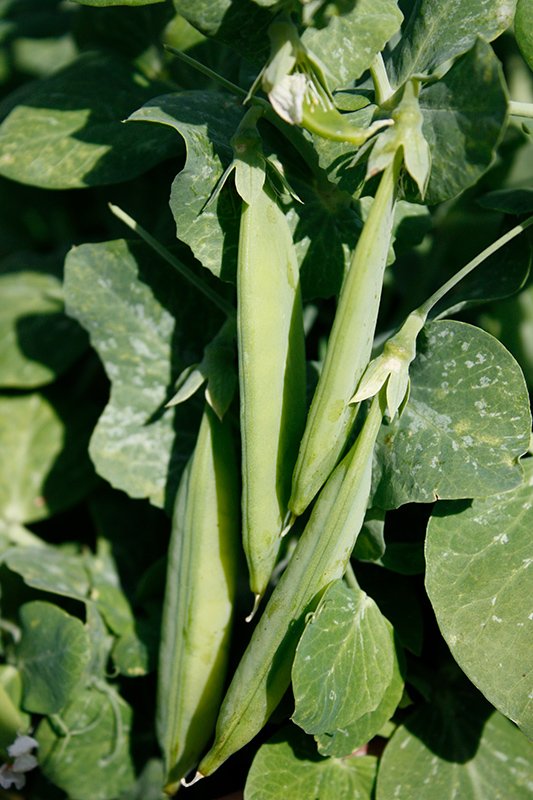
Peas: April is the perfect time to plant peas outdoors as soon as the soil is workable. Soak pea seeds in water for 8-10 hours before planting them to help germination.
Lettuce, Spinach, Arugula, Asian Greens (Tatsoi, Mizuna, Pak Choi and Leaf Mustard) : It’s best to sow seeds for leafy greens or plant seedlings early in the spring as they will grow quickly in cool weather. Plant more seeds or seedlings every 10-14 days for a succession of greens until hotter temperatures make them bolt (go to seed) and become bitter.
Potatoes: Seed potatoes can be planted in mid to late April as soon as the soil is workable.
Onions: Plant onion sets or seedlings that have already been started in early spring and enjoy a harvest in late summer or fall.
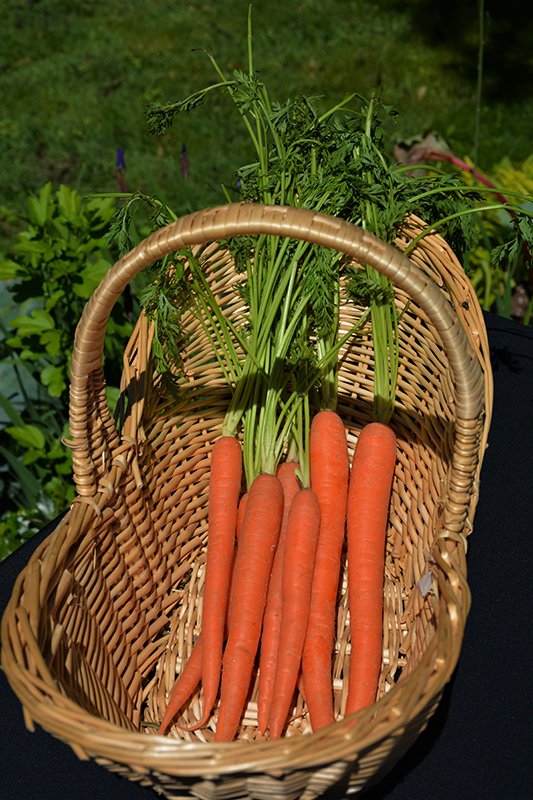
Carrots: Plant carrot seeds in April, and they will be ready for harvest later in the spring or early summer. They take a little longer to grow, but planting early gives you a head start. You will enjoy carrots all summer long by planting more seeds a few weeks later.
Tip: It’s a good idea to keep some frost protection like row cover handy for lettuce, peas and spinach just in case the temperatures dip below zero.
Bonus: Many garden pests, like earwigs and slugs, are still overwintering in April and won’t feast on your tender plants.
Cold-Tolerant Flowers
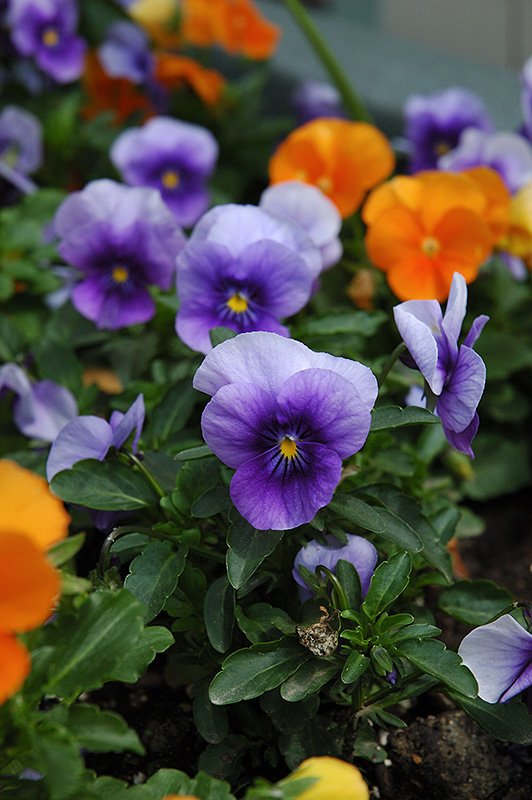
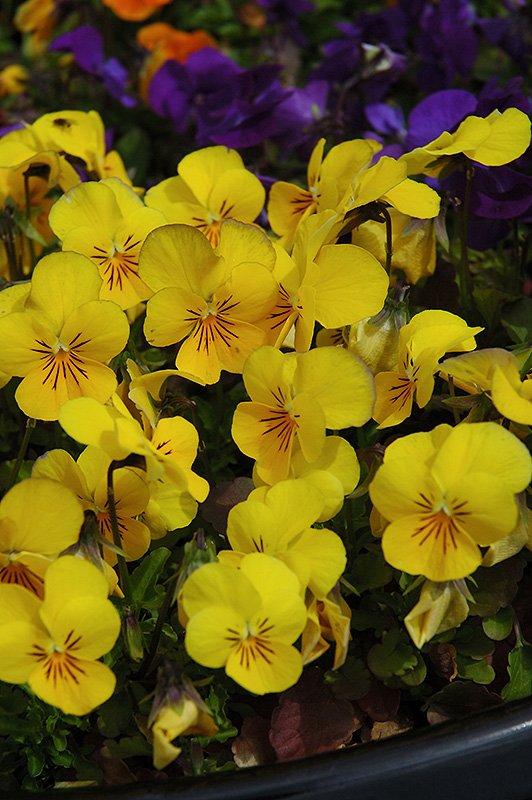
Pansies: Add a pot of Pansies to cheer up a front porch, and it instantly feels like spring! Plants can go into a sunny spot in the ground when temperatures reach 7-21 celsius and are regularly staying above freezing.
Violas: These cool-weather flowers can withstand light frosts and are perfect for containers or for planting in garden beds
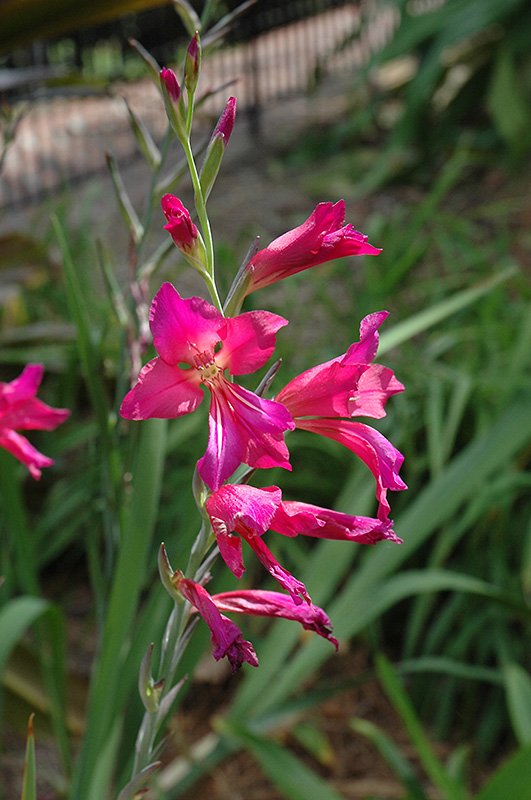
Gladiolas: Even though the weather is still cool, this resilient summer-blooming bulb can be planted in a sunny area of the garden in April.
Bonus: Pansies and Violas also love cool weather in the fall.
Perennials, Trees and Shrubs
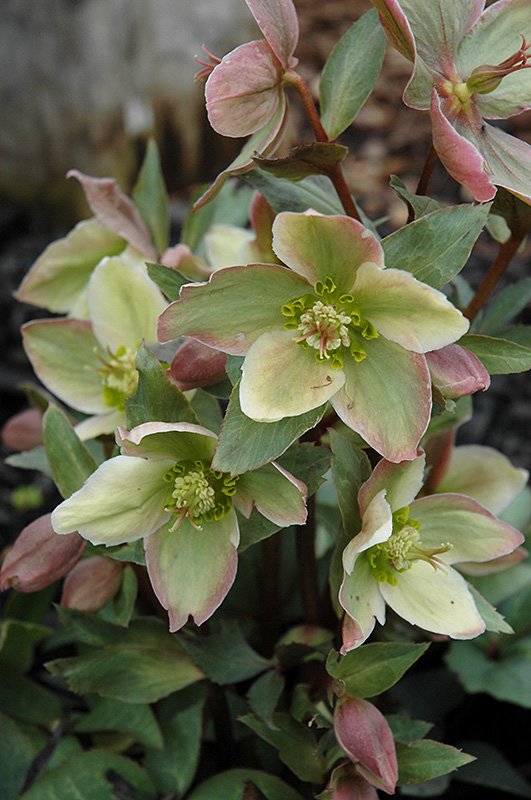
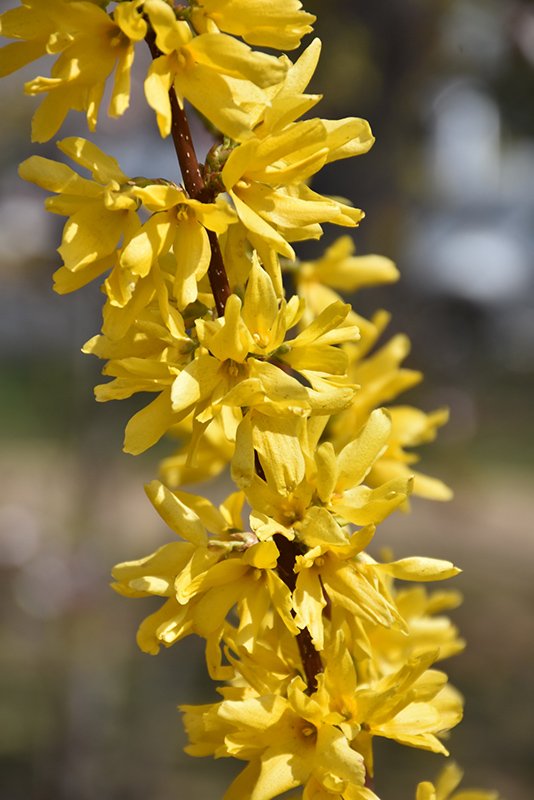
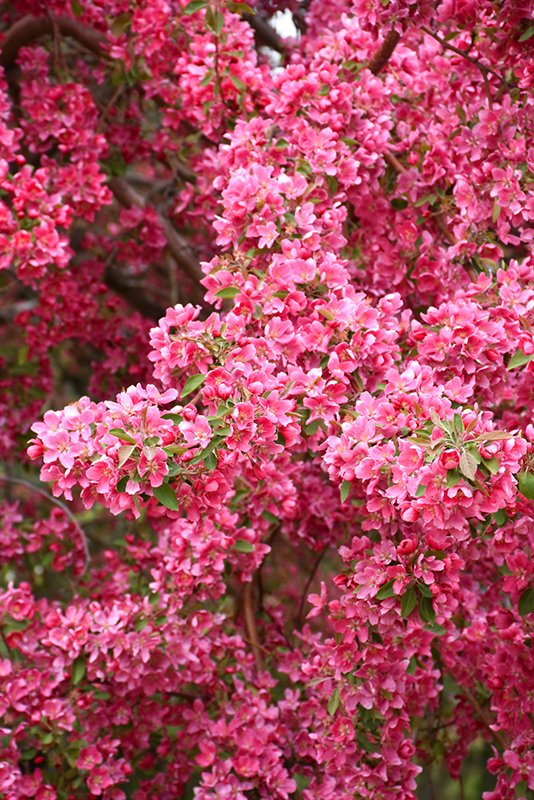
Two to three weeks before the threat of frost has passed, many potted perennials, shrubs and trees, either dormant or with leaves, can be planted. (If you’re not purchasing from us, be sure to check whether the plants were grown outdoors or acclimated to cooler temperatures and ensure they’re hardy enough for Southern Ontario.)
While perennials, trees, and shrubs can be planted throughout spring, summer, or fall, the combination of warming soil and increased rainfall in spring creates the perfect conditions for successful transplanting.
Come into Eising Garden Centre to see the many seeds and plants available for you to add to your garden in April!
Additional Resource: Landscape Ontario provides an excellent online Tree Planting Guide.
If you think a small space and a small garden are limiting when it comes to shrub choices, think again! Colour and texture, structure and seasonal interest are all available in many small shrubs. Whether you’re looking for beautiful blooms or evergreen foliage, you’ll love what our favourite small shrubs have to offer!
Follow the 5 links for more on our 5 favourites!
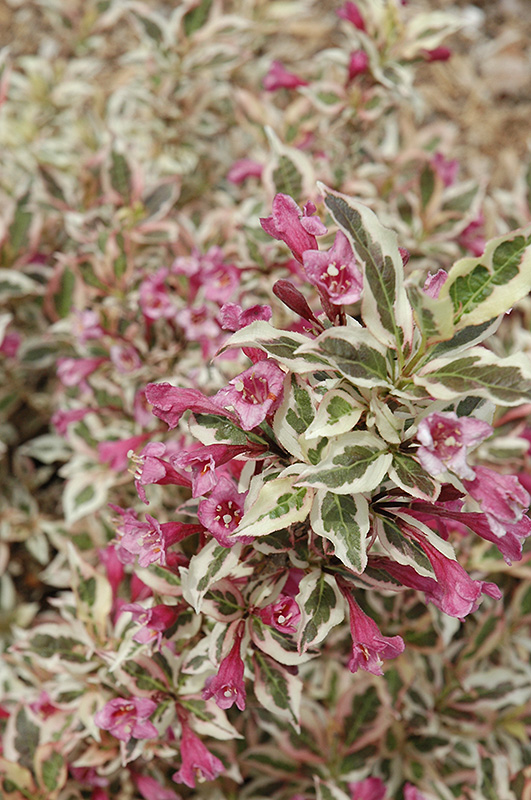
My Monet Purple Effect Weigela - Weigela florida
A deciduous shrub that’s deer resistant, colourful and low growing. This plant checks lots of boxes!! Variegated mint green and cream foliage with purple tones and pink blossoms, it makes a great companion to perennials, and as an edging plant. My Monet Purple Effect Weigela grows 18” to 2 ½ feet tall and wide in partial or full sun.
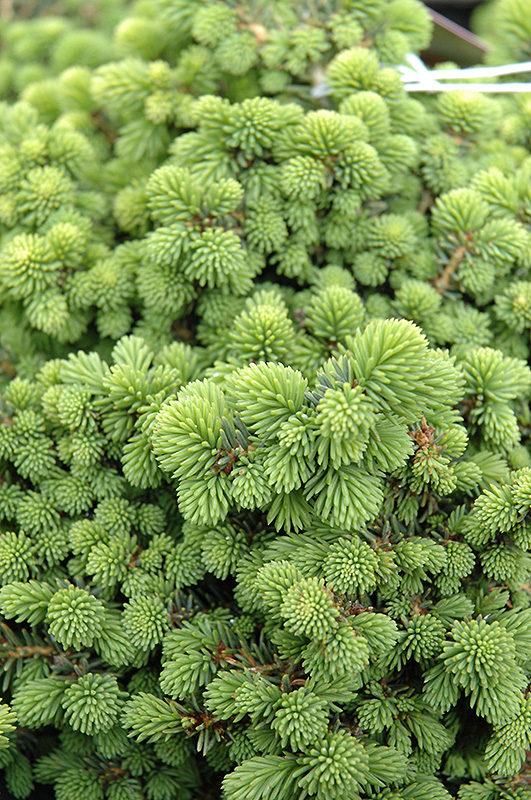
Little Gem Spruce - Picea abies ‘Little Gem’
This compact evergreen has dark green needles, making it attractive all year round. Its pyramidal shape makes it a great choice as an accent feature or in a border. It’s drought-tolerant and requires little care, making it a very appealing low-maintenance choice! Little Gem reaches a mature height of 10” to 1’ and a spread of 1’ to 2’. Plant this shrub in full sun.
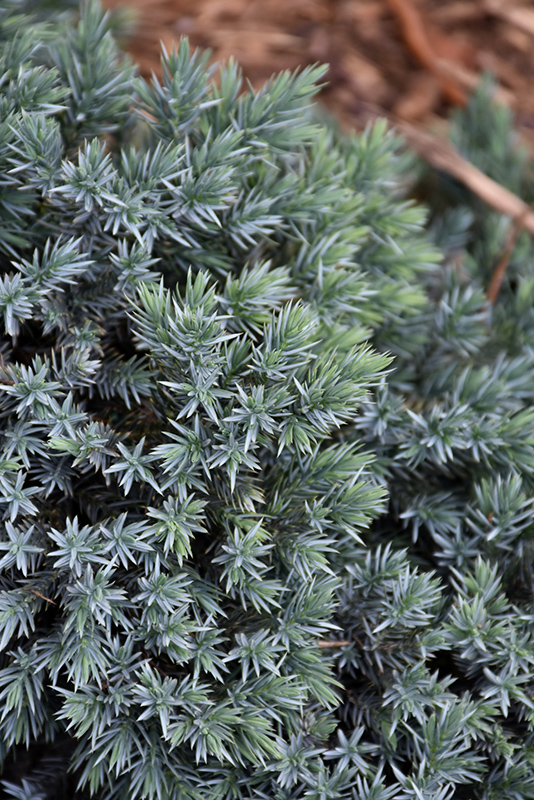
Blue Star Juniper - Juniperus squamata ‘Blue Star’
Sun-loving and slow-growing, Blue Star Juniper graces the garden with steel blue evergreen foliage that’s a beautiful contrast to many plants. It’s also drought-tolerant and requires very little pruning, making it an easy to care for naturally small shrub. Growing 1 to 3’ tall and 1 ½ to 3’ wide, its shape makes it great as ground cover or as an edging plant.
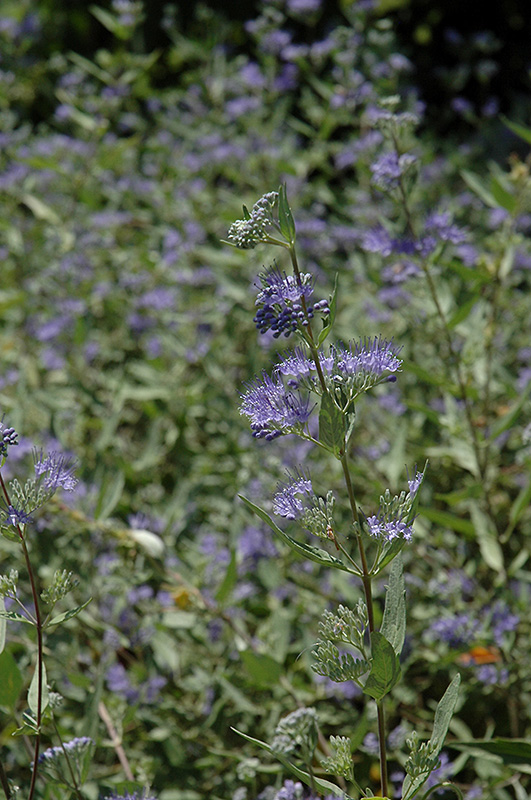
Bluebeard - Caryopteris
Classified as a shrub or as a woody perennial, either way, it deserves to be on this list. Bluebeard loves full sun and grows anywhere from 2 to 4’ in a compact mound. Sweetly scented and long blooming, it attracts all the pollinators: bees, butterflies and hummingbirds. Bluebeard foliage and blooms come in various colours depending on the variety, so it’s easy to fit into your landscape plans.
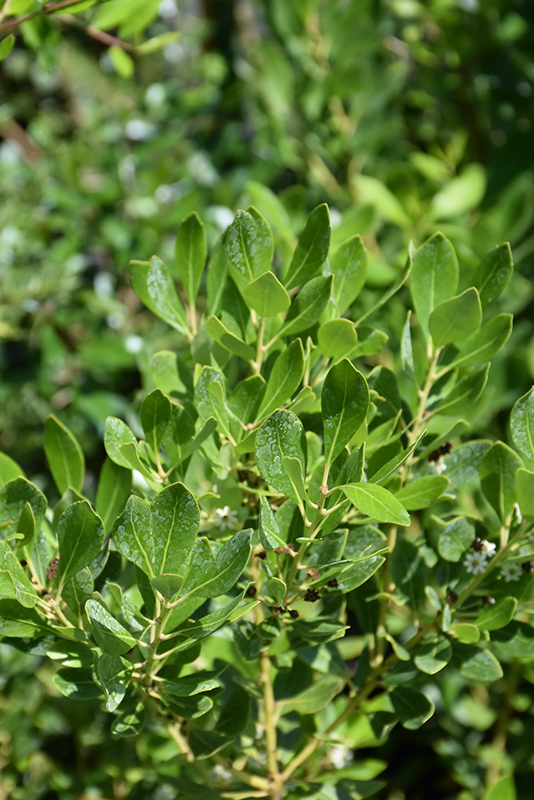
Inkberry Holly - IIlex glabra
Native to North America, Inkberry has lots to love. It looks similar to Boxwood and can be trimmed to shape, but this slow-growing evergreen also forms a tidy mound, and it blooms in the Spring! It will grow in full to part sun, and smaller varieties reach 3 to 4’ high.
While this list contains 5 of our favourites, we have lots more to offer in the garden centre. Come by and take a look! Discover how growing small shrubs in containers or small spaces adds beauty and texture, enhancing your garden bed, patio or balcony.
TIP: April and May are the best months to plant shrubs in Southern Ontario.
A lot of attention has been focused on buying local and shopping for Canadian-made products recently. At Sassyfras Boutique inside Eising’s Garden Centre we’ve always been proud to offer high quality Canadian fashion brands and locally made products. In a world of fast fashion, having choices that benefit our community and the environment is important to us.
There are many reasons to choose Canadian, and your choices do matter:
- Contributes towards building a thriving local fashion industry
- Keeps our economy healthy by keeping our money in the country
- Workers within Canada receive fair wages and work in safe conditions
- Garments that are designed to last, using superior materials and workmanship
Canadiana in Store
Here’s a sneak preview of a few Canadian manufacturers you’ll find in Sassyfras!
Dévia
This women’s clothing collection is made in Montreal, Québec and is eclectic and inspiring. Tops, t-shirts, blouses, cardigans, pants, and shorts are all included in their wide range of fashions.
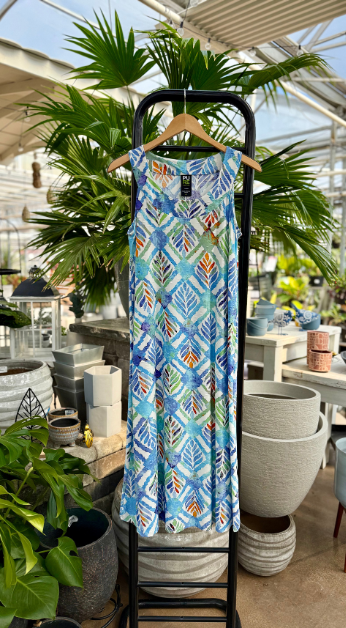
Pure
Combining quality and comfort, Pure is a Canadian company that creates garments for women with active lifestyles who also like to look good. That’s a winning trifecta for certain!
Terrera
Ethically made with natural, earth-friendly fabrics like bamboo and organic cotton, Terrera clothing is soft, comfortable and long-lasting. Their undergarments, leggings and tops will quickly become your favourites.
La Volta Accessories
La Volta’s handbags are fashionable and designed in Canada. Their high quality bags have plenty of personality and each unique style is named after a woman.

Merx Jewelry
With a new collection each season, Merx has become known for staying ahead of trends, but they also manufacture classic and timeless designs. Using pure materials that are lead-free and nickel-free, their jewelry is also attractive to anyone with sensitive skin.
Proud To Be Local - Artisans and Products
Crystal McMaster
Local jewelry designer, Crystal McMaster has been creating beautiful pieces with love and care since 2005.
Jennie’s Jewelry
Local and sustainable, Jennie’s Jewelry transforms silverware into unique earrings, necklaces and bracelets. She also makes custom pieces as well!
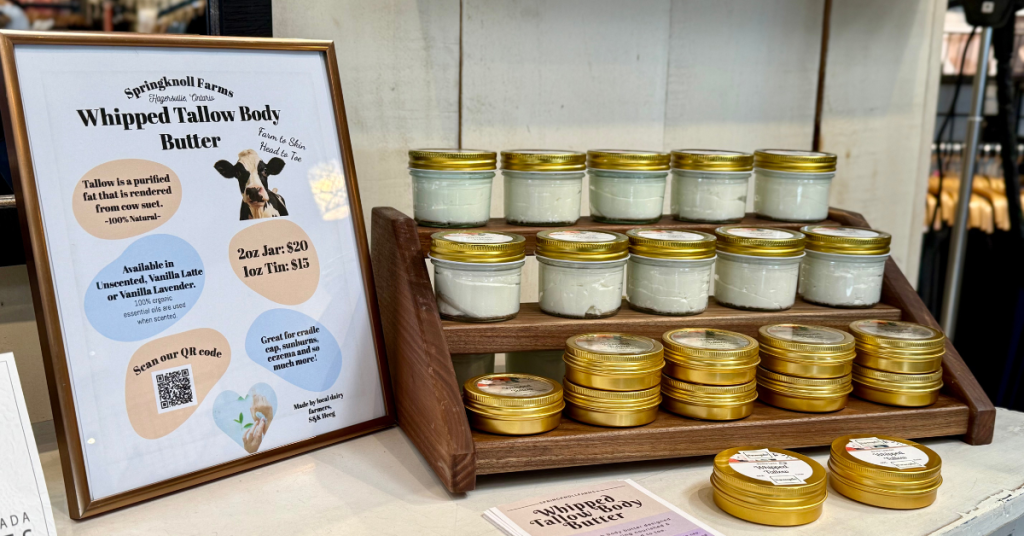
Springknoll Farms
Made by a farming family in Haldimand County, their luxurious whipped tallow lotion is a must try.
Please drop by soon to see all the fashions and products made by talented fellow Canadians. Thank you for supporting our local business, and for choosing Canadian!