
Growing Vegetables in Pots!
A few years ago, I was walking through town with a friend as we discussed planting vegetables in our tiny front gardens. It seemed like an unusual idea until we spotted not one but two front gardens with pumpkin vines rambling amongst the shrubbery. What a novel way to cover the ground without mulch and have the bonus of showy, bright blossoms and bold foliage! Of course, this is eventually followed by the standout feature of brightly coloured pumpkins. It’s built-in fall decorating!
Right now, everyone is looking for ways to reduce grocery bills, and growing a few vegetables amongst the flowers and shrubs can make a big difference. If your garden is on a patio or balcony, there are lots of ways to add edible plants to maximize your space and beautify it at the same time. Who says vegetables can’t be ornamental and beautiful?!

Gaps and Small Spaces
If you have a new shrub and flower garden that has gaps or there’s a space in your garden where you’re not sure what to plant, consider tucking in a potted vegetable. In a cool, shady space, try some luscious lettuce bowls. Shade allows lettuce to grow more slowly in the heat of the summer. Keeping lettuce in a cool, shady spot will prevent it from bolting and becoming bitter.
If you have a small garden, a patio or a balcony, pots with compact varieties and hanging baskets are a terrific alternative for growing vegetables, herbs, and some fruits. These are some of the options we offer at Eising Garden Centre (based on availability) that can be purchased fully planted, or you can grow your own from seed if you have time, space and lights.
Trellised Planters and Patio Pots
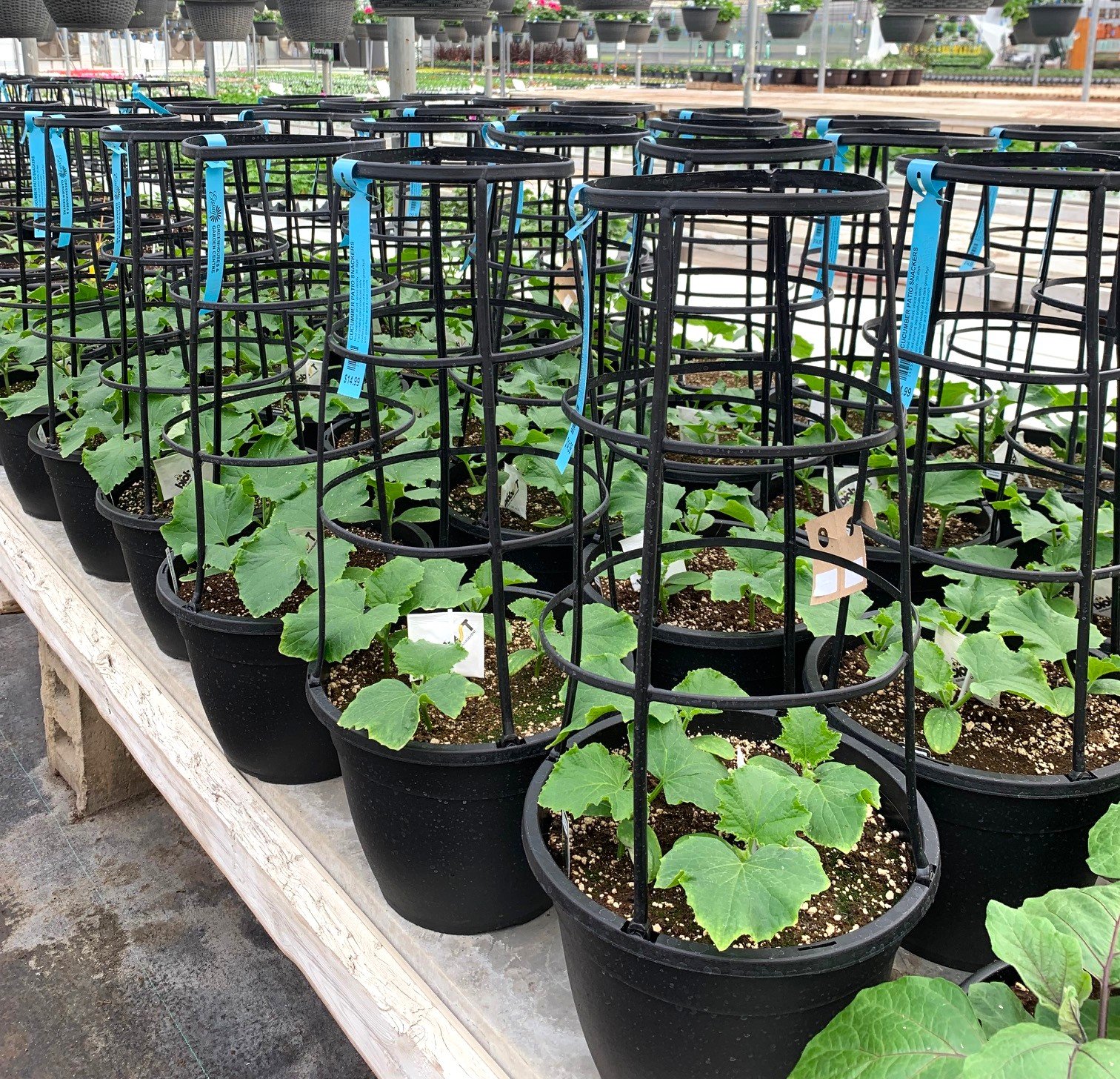
For patios, balconies, or even a gap in the garden, there are lots of vegetables that can be grown in a trellised planter.
Tomatoes, peppers, cucumbers and eggplant all love warm soil and growing in pots provides the heat to help them thrive. Eising trellis pots are planted with specific varieties that are smaller but pack a flavourful punch.
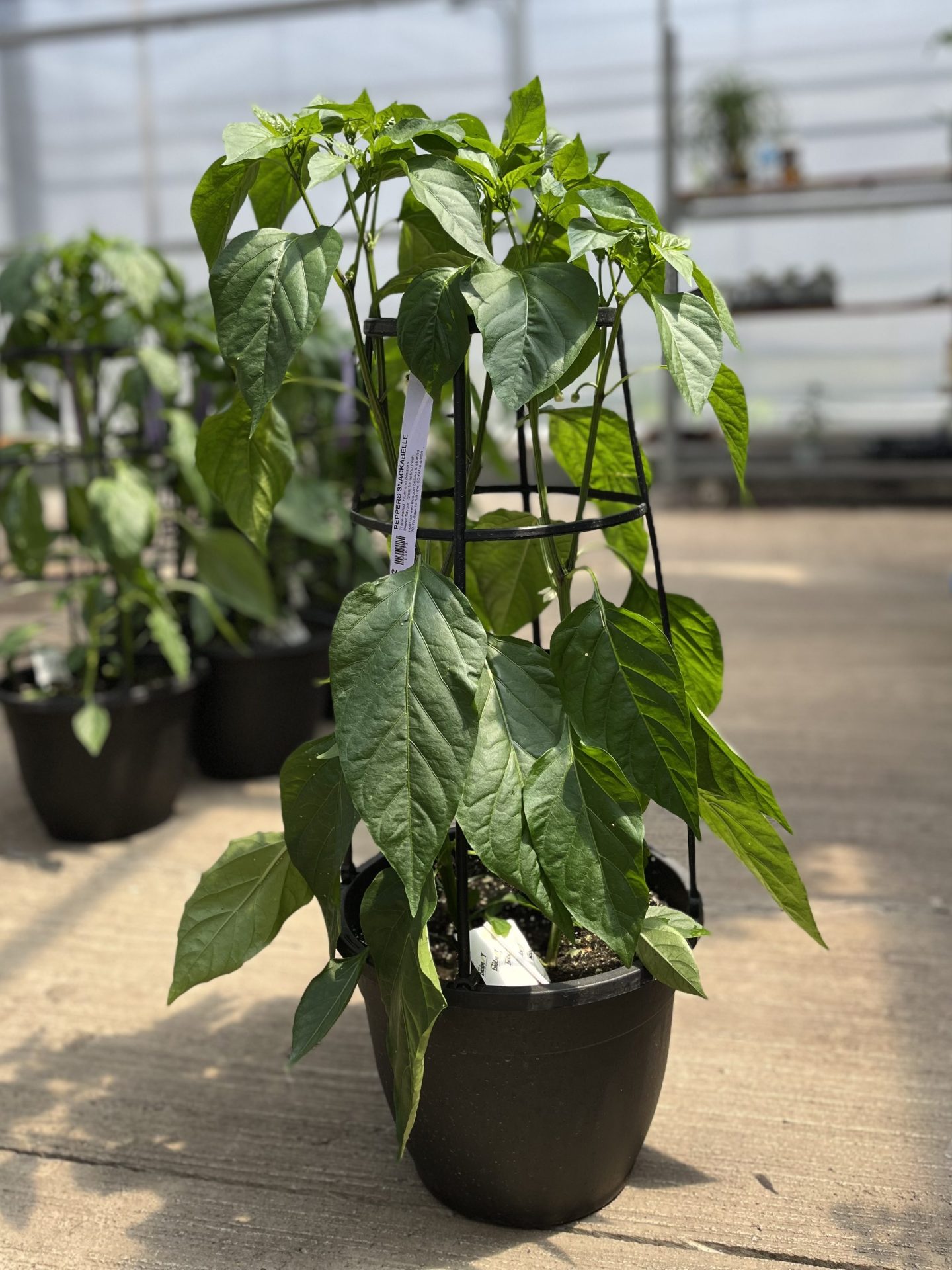
Sweet Snackabelle, Candycane Chocolate Cherry or Red, Mocha Swirl and Fresh Bites peppers.
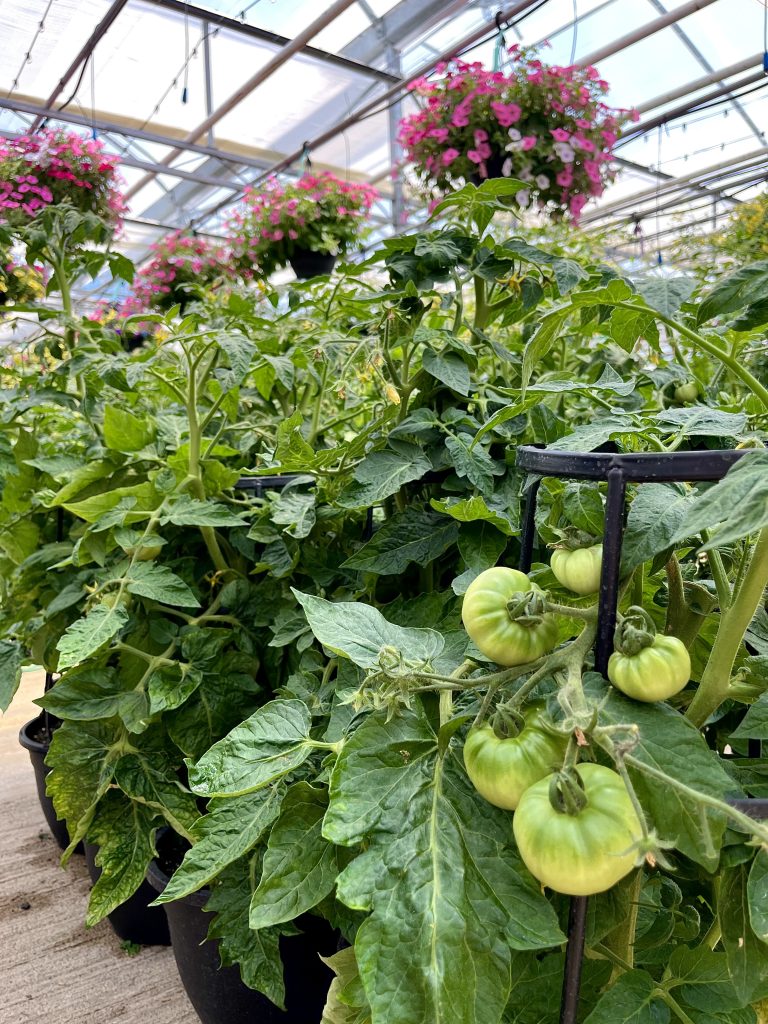
Little Sicily, Patio Hybrid, Candyland Red, Rapunzel and Tidy Treats tomatoes.
Eising Greenhouse also carries eggplants in trellised pots - a patio pot with Patio Baby eggplants is a perfect choice if ratatouille is on the menu!
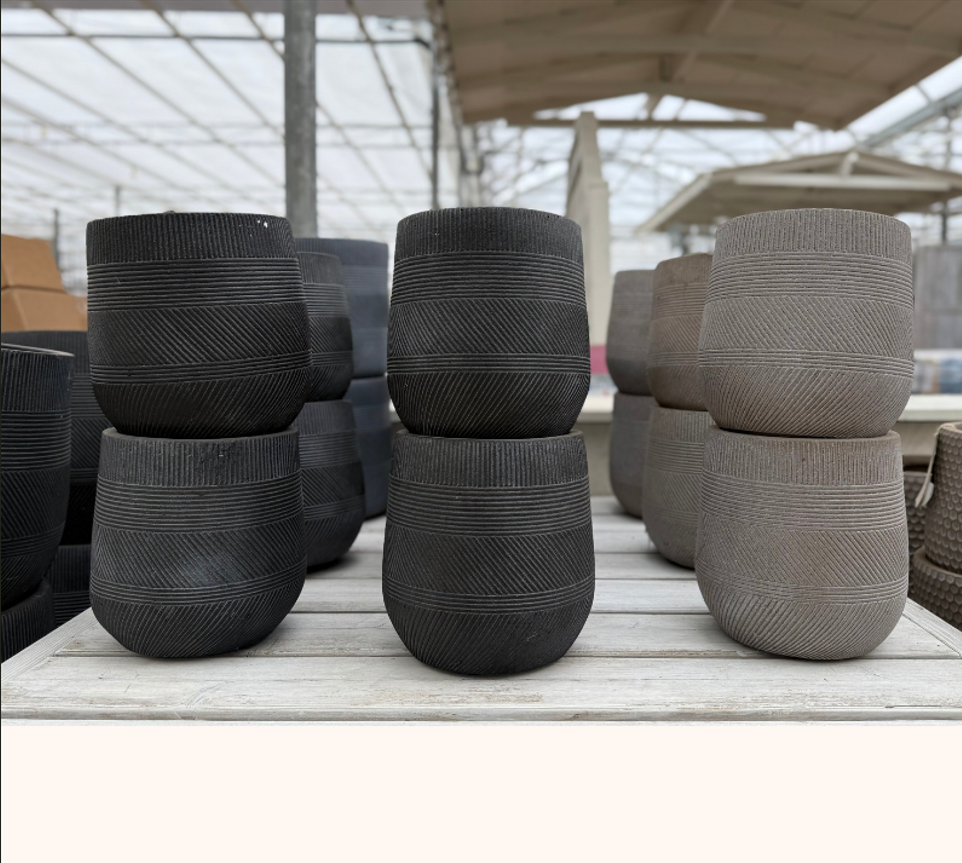
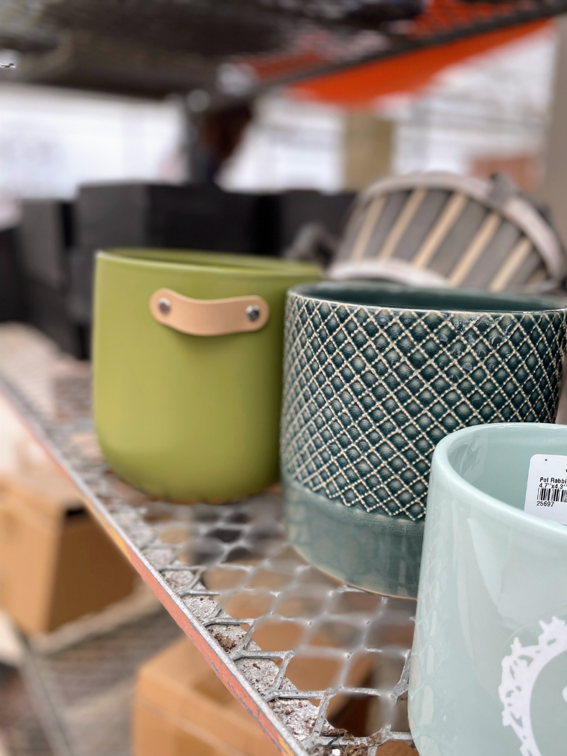
All of Eising's trellised planters would look lovely plopped into one of our decorative outdoor cover pots!
Herb Planters
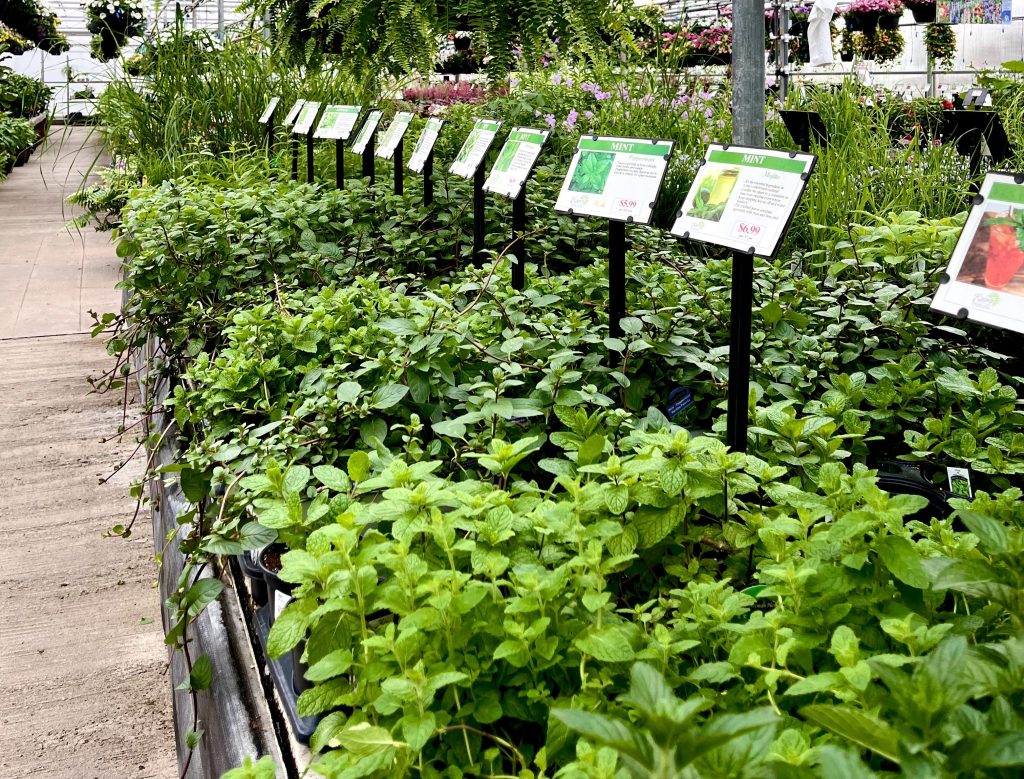
Many herbs thrive in a sunny and warm spot with well-drained soil, making a pot the perfect container for them. Herbs also make great companion plants with other vegetables and can be tucked into other pots. Most herbs also love to be harvested frequently, especially when they’re given these ideal conditions.
Lettuce Bowls
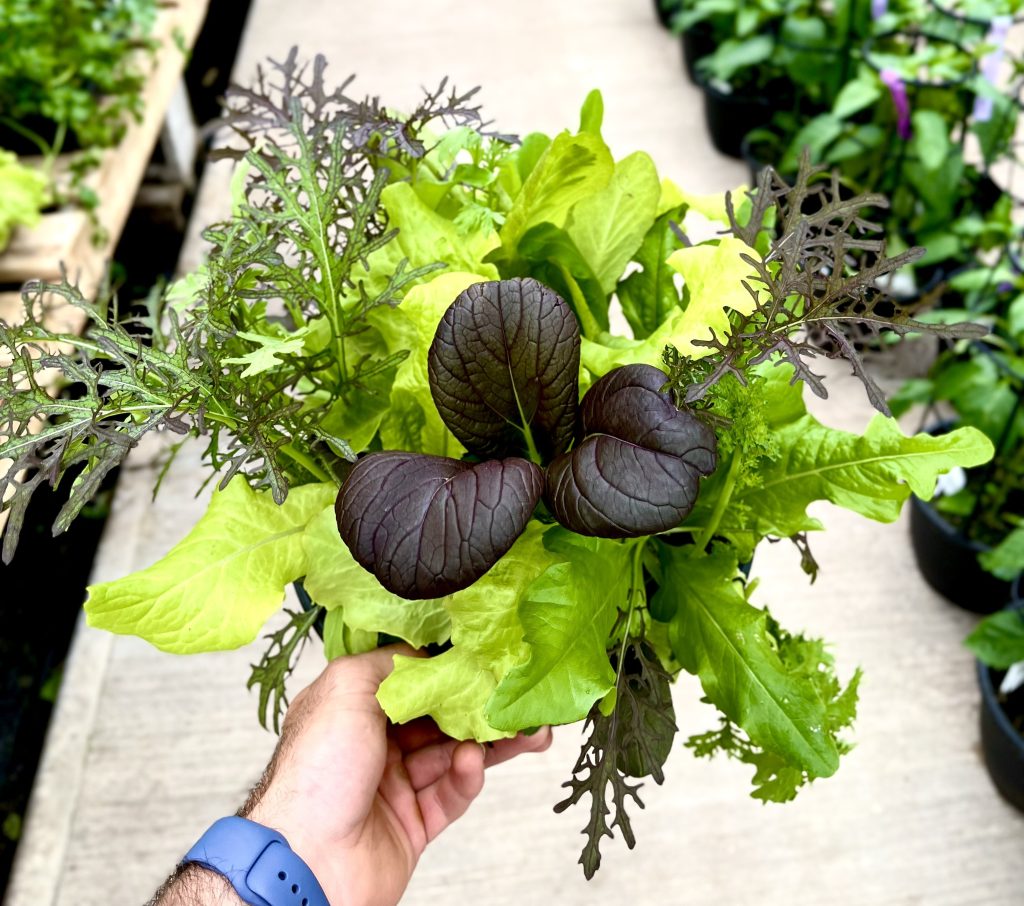
Lettuce bowls are a great way to grow greens in small spaces. Our 10” bowls are chock full of a variety of lettuces and are never boring!
👍Tip: Try the “cut and come again” method for harvesting lettuce, which prolongs the plant’s life. Simply pinch off the outer, mature leaves each time you pick the lettuce and leave the centre of the plant to keep growing.
Hanging Baskets
If there’s a spot to hang a basket or place a shepherd’s hook, you will want to grow one of the edible options we offer.
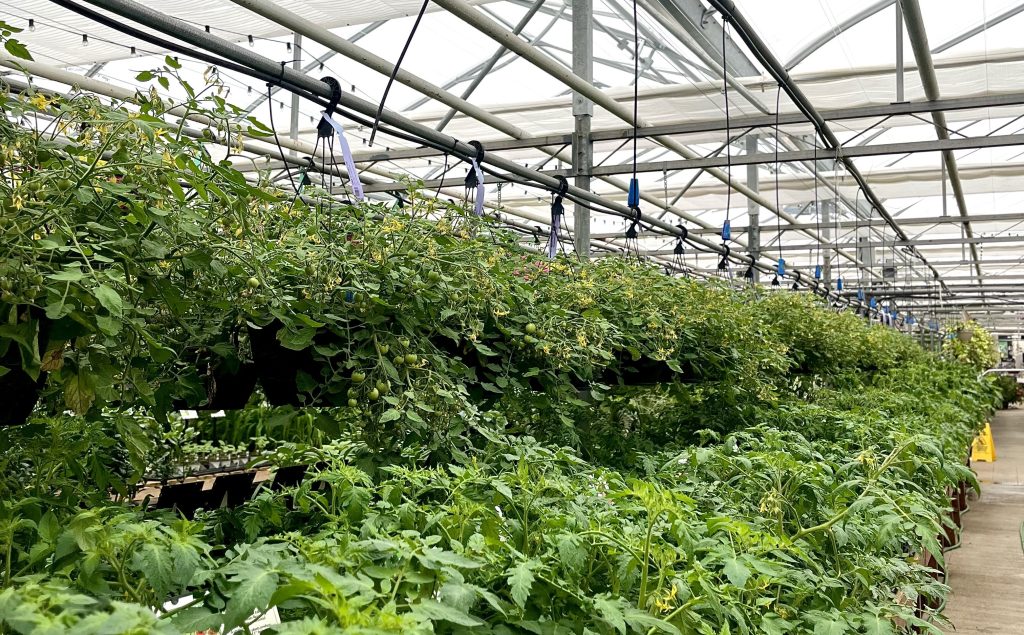
Topsy Tom tomatoes.
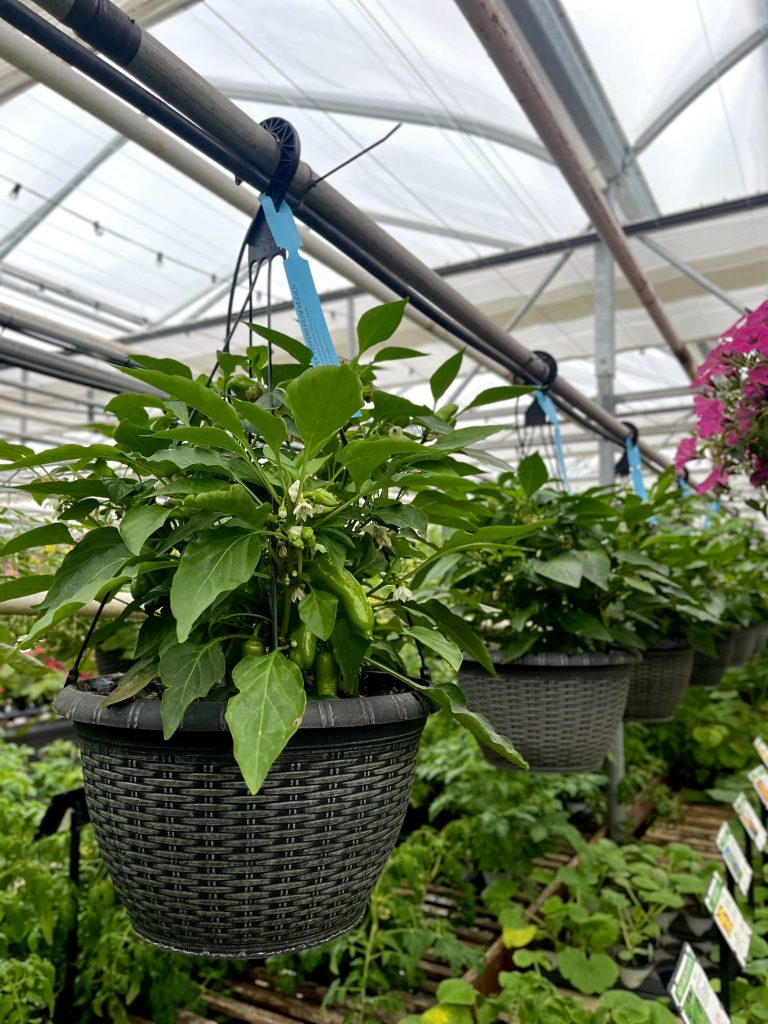
Pot-a-Peno and Peppers From Heaven peppers.
Tomatoes, peppers, and strawberries are all available in hanging baskets. Our deliciously sweet everbearing strawberries are also available in 4.5" pots and bareroot, which are great options for window boxes.
👍Tip: Pick strawberries as they ripen to encourage your plants to produce more. Also, remove runners as they grow to allow your plants to send energy into growing fruit instead of bigger plants. Painting rocks to look like strawberries is said to deter birds from feasting on ripe berries.
Citrus and Figs
Consider growing a beautiful and fragrant lemon, orange, fig or grapefruit tree in a patio pot. Just keep in mind that it will need to come indoors in the fall.
Container Plant Care
Whether you’re growing edible plants in the garden, a pot or a hanging basket, don’t forget to give them the care they need to maximize productivity:
- Water regularly, deeply and in the heat of the summer, frequently. Watering early in the morning is ideal. Pour water on the soil, not the foliage to prevent diseases like powdery mildew.
- Feed your vegetables and fruits throughout the growing season with fertilizer or compost.
- Remove dead foliage and prune plants as needed. Especially herbs.
Once you start foodscaping by including vegetables with your flowers and ornamental plants we’re sure you’ll want to keep looking for innovative ways to grow your own food! Who knows, maybe even pumpkins by the front porch!
Who says your flower garden and your vegetable garden have to remain separate? Vegetable plants have plenty of aesthetic value, on top of providing us with delicious produce, and there are some unexpected benefits to incorporating them into your flower garden. It’s great for space-saving, too. If you only have room for one garden bed in your yard, plant a colourful variety of flowers and veggies to reap all the benefits of both!
Companion Planting and Foodscaping
Have you ever heard of companion planting? It’s pretty cool! The basic idea is that some plant pairings make good neighbours and provide each other with benefits that improve the growth and health of one or both plants. Many vegetables and herbs make good companion plants, but there are actually some flowers that make good companions for vegetables, too! For example, some flowers have pest repelling properties, so if you plant them near certain vegetables, you can keep away the hungry bugs, rabbits, or deer.
The Best Flower and Vegetable Companion Plant Combos
Plant these pairings next to each other in the garden to maximize the success of your plants!
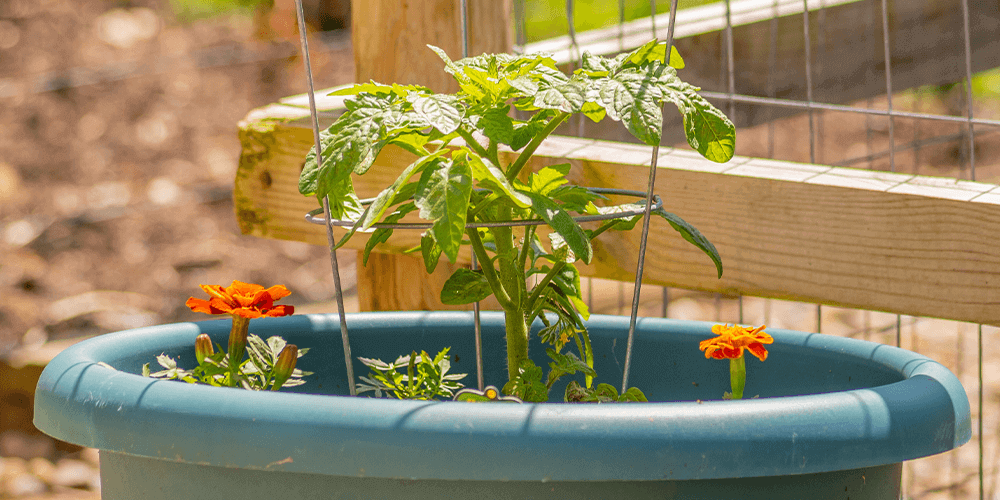
Marigolds and Tomatoes are a winning combination because marigolds release an aromatic compound called limonene. Limonene repels whiteflies, which can do a lot of damage to tomato plants!
Nasturtiums and Cucumbers make great neighbours because nasturtiums repel cucumber beetles! Plus, nasturtiums are actually edible flowers with a lovely peppery flavour. You can mix them into a salad with your cucumbers!
Squash and Borage should be together because borage improves the flavour of the squash and repels hornworms.
Corn and Thunbergia grow nicely together because vining thunbergia needs a structure to climb. Tall corn stalks function as a living trellis, and the colourful thunbergia blooms make it look so much prettier!
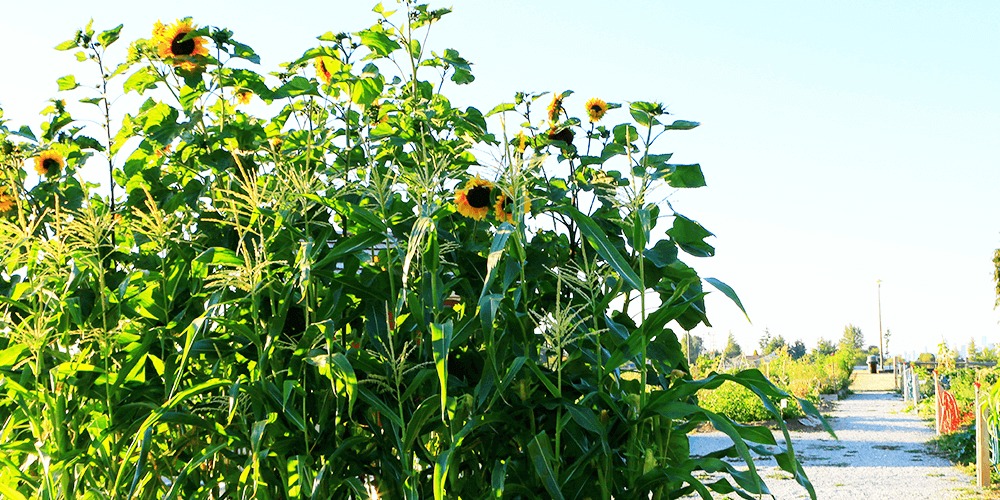
Corn and Sunflowers are also a great pair because sunflowers increase the crop yield of corn.
Blueberries and Hydrangeas can live comfortably together because they both love acidic soil. Some Hydrangea macrophylla varieties will turn blue in acidic conditions, so if you want a cool-toned landscape, create landscape borders and shrubs with blueberry bushes and hydrangeas.
Onions and Chamomile look lovely together, and the chamomile improves the flavour of the onions.
Calendula and Asparagus are a perfect match because asparagus beetles hate calendula!
Some flowers are also great for attracting beneficial predatory insects that eat up pests that can harm your vegetables. Incorporating them into your vegetable garden will have great results! These flowers include:
- Rudbeckia
- Scabiosa
- Monarda
- Echinacea
- Iberis
- Cosmos
- Coreopsis
- Chrysanthemums
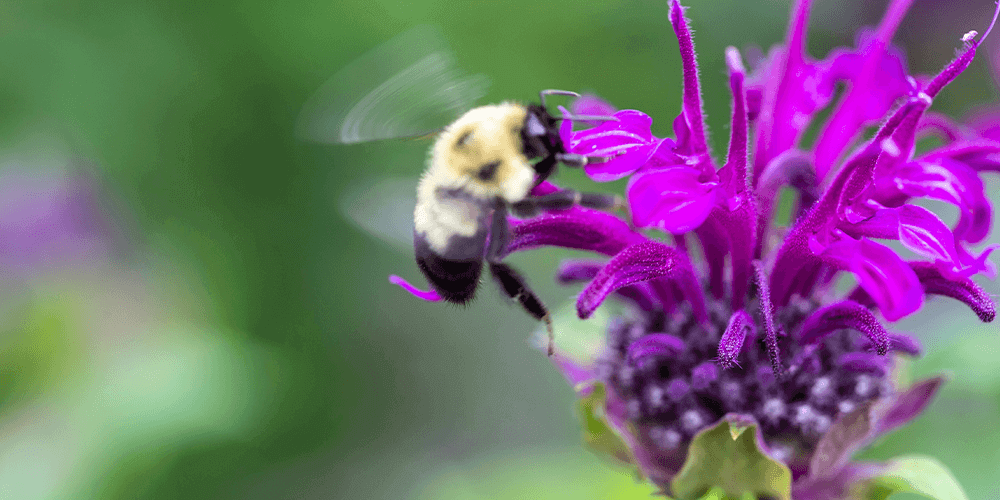
Attract More Pollinators with Native Flowers
Pollinators are essential for food production in our gardens, so you want to make your garden as attractive to them as possible. Local pollinators favour native flowers because they prefer the plants that they recognize! Check out our list of native plants of Ontario to add to your vegetable garden.
Planning a Foodscape Layout
When you’re planting vegetables and flowers together, be mindful of the size and spread of your plants so that you don’t block sightlines. For example, you’ll want to keep tall plants like corn near the back of your garden, so they don’t block your shorter flowers.
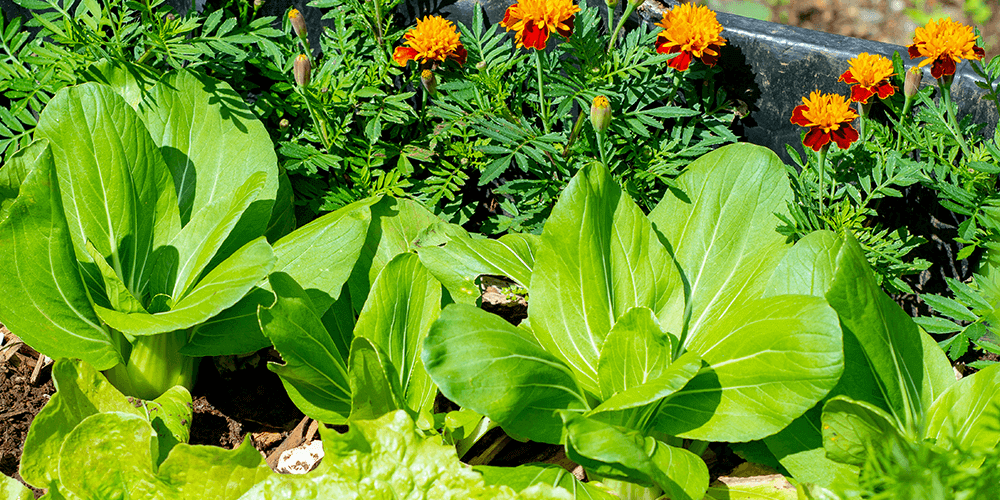
Short vegetables like lettuce and cabbage make excellent border plants for the front of the garden, and if you create a line of pest-repelling flowers behind them, your garden will have an excellent defence! Lettuce is also a great filler plant for flowers because they germinate quickly, so there’s less available space for weeds to take root.
Remember, you can grow vegetables and flowers together in containers and hanging baskets, too! Colourful hot peppers look gorgeous in a flower pot, and you can plant them with trailing petunias. The petunias will help repel aphids and other pests while creating beautiful trailing vines to hang down around your pepper plant.
If you’d like to start foodscaping in Ontario, visit Eising to see all the amazing flowers and vegetables that are ready to plant! Our staff will be happy to recommend other winning plant combos that can live in harmony together in the flower bed.