
Whether you’re just starting to explore the world of unusual plants, or you’re already an avid collector, there are a wide array of weird and wonderful houseplants to satisfy your quest for something a little different.
Tropical plants and houseplants come in every shape, size, texture, and colour imaginable, plus some you would never have imagined!
Exotic houseplants often have striking appearances which make them valuable as eye-catching focal points in your decor. The range of distinctive features can also make them a natural choice to express your personality and style.
Like your more common houseplants, unusual varieties can also contribute to indoor air quality, as well as the overall benefits to your well-being that come with having living plants in the home.
The unique characteristics of rare or unusual houseplants often have interesting backgrounds. Learning about their natural habitats and origins only makes them more intriguing!
Here are some wild and wonderful houseplants that will add interesting foliage, blooms, or both to your home right now!
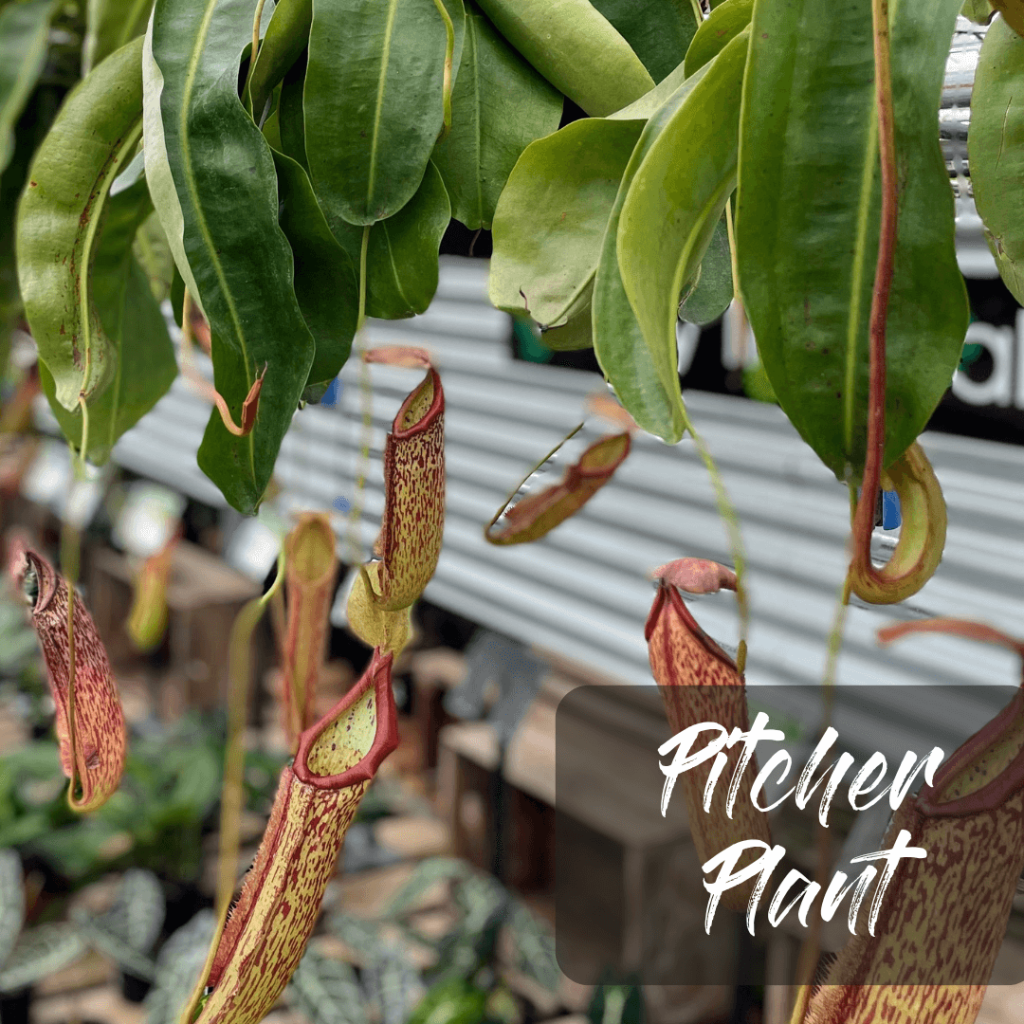
Pitcher Plant
A rare and exotic group of tropical plants with pitcher-shaped leaves that are carnivorous. That’s right, they eat insects to obtain the nutrients they need! This means that with most varieties you do not have to fertilize them. Most are happy catching a bug or two for food.
Keep this plant from drying out completely between waterings by temporarily placing it in a water-filled tray to absorb moisture through the roots. Remove the pot from the tray once it’s saturated, and allow the excess water to drain away. Pitcher plants prefer pure, mineral-free water like rainwater. No tap water for these precious prima donnas!
One Pitcher Plant variety that we love is Miranda (aka Nepenthes x Miranda). From tropical Malaysia, it is a very large pitcher plant with attractive spotted pitchers that can be over 18” wide when fully mature. Because of its size, it is quite effective at catching larger insects like wasps. It’s easy to grow, either in a sunny window or outdoors (only in the summer) and is heat tolerant but not drought tolerant.
ZZ Plants
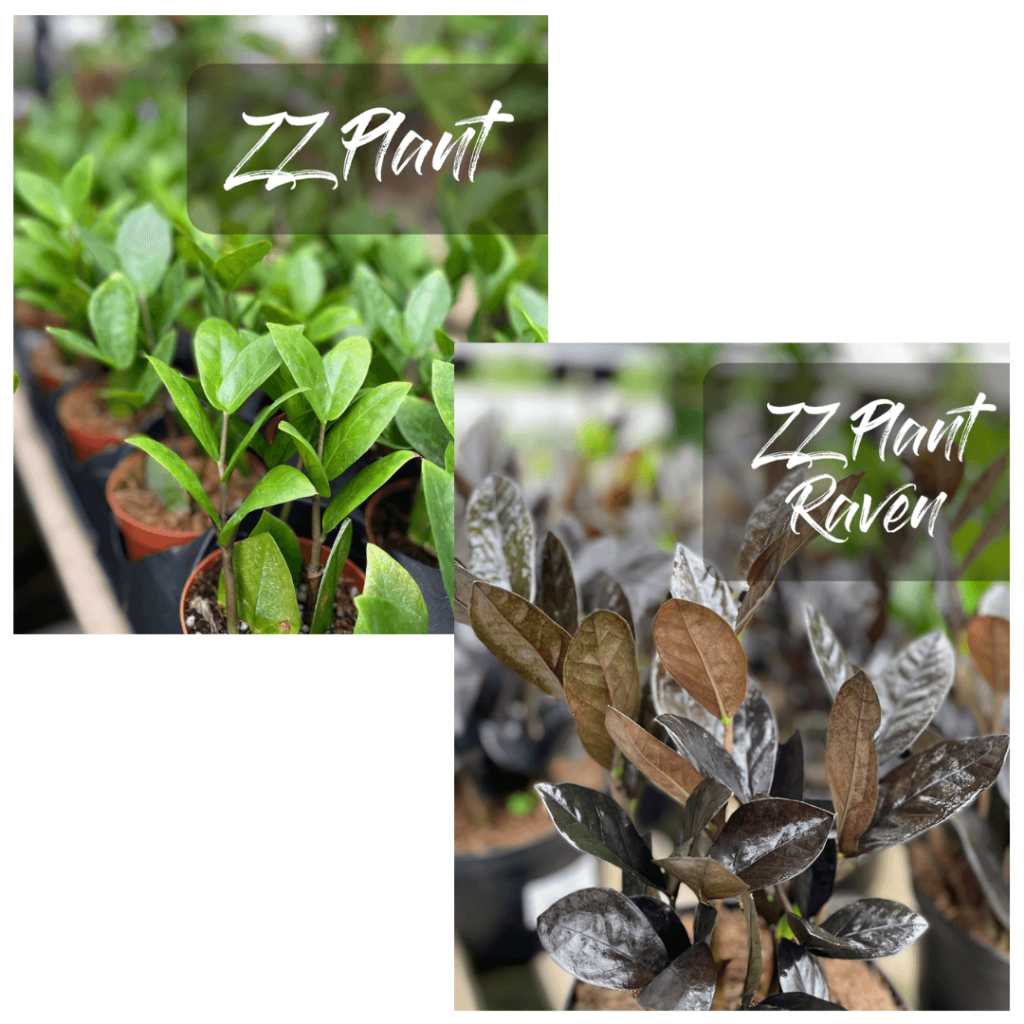
Native to East Africa, Zamioculcas zamiifolia is also known as the houseplant ZZ, or Zanzibar Gem. While the name is complicated, this plant is not fussy at all, making it great for beginners! ZZ will thrive in almost any lighting conditions except direct sunlight, plus it is drought tolerant so you can allow it to dry out between waterings.
The biggest attraction to the Zanzibar Gem though is its thick, dark green and glossy leaves that almost look fake! If that sounds intriguing, hang on. There’s more!
Black Raven ZZ is a new variation with stunningly dramatic black-toned leaves. Unique to be sure, but luckily with the same low care requirements!
Cactus
There are so many weird and wonderful varieties of cacti that come in all shapes and sizes! These sun-loving plants require little care, but here are a couple of tips that will keep them looking sharp. (Ouch!).
- Give their pot a little turn each day so that your plant is eventually exposed to light on all sides. This saves you from having a lopsided cactus.
- Water is essential but monitor how often your cacti need it. In the winter, when they’re dormant, they will need less water. Let the soil dry out completely between waterings. Using room-temperature rainwater is ideal. Tap water contains minerals which can disrupt the flow of nutrients to the cactus. Water it well, then allow the excess moisture to drain away rather than pool under the plant. Cacti don’t necessarily need fertilizer, but they do welcome a feeding during their summer growing season. We can help you choose a fertilizer that’s been specially formulated for cactus to ensure the proper nutrient ratio.

A few varieties of cacti that we love are:
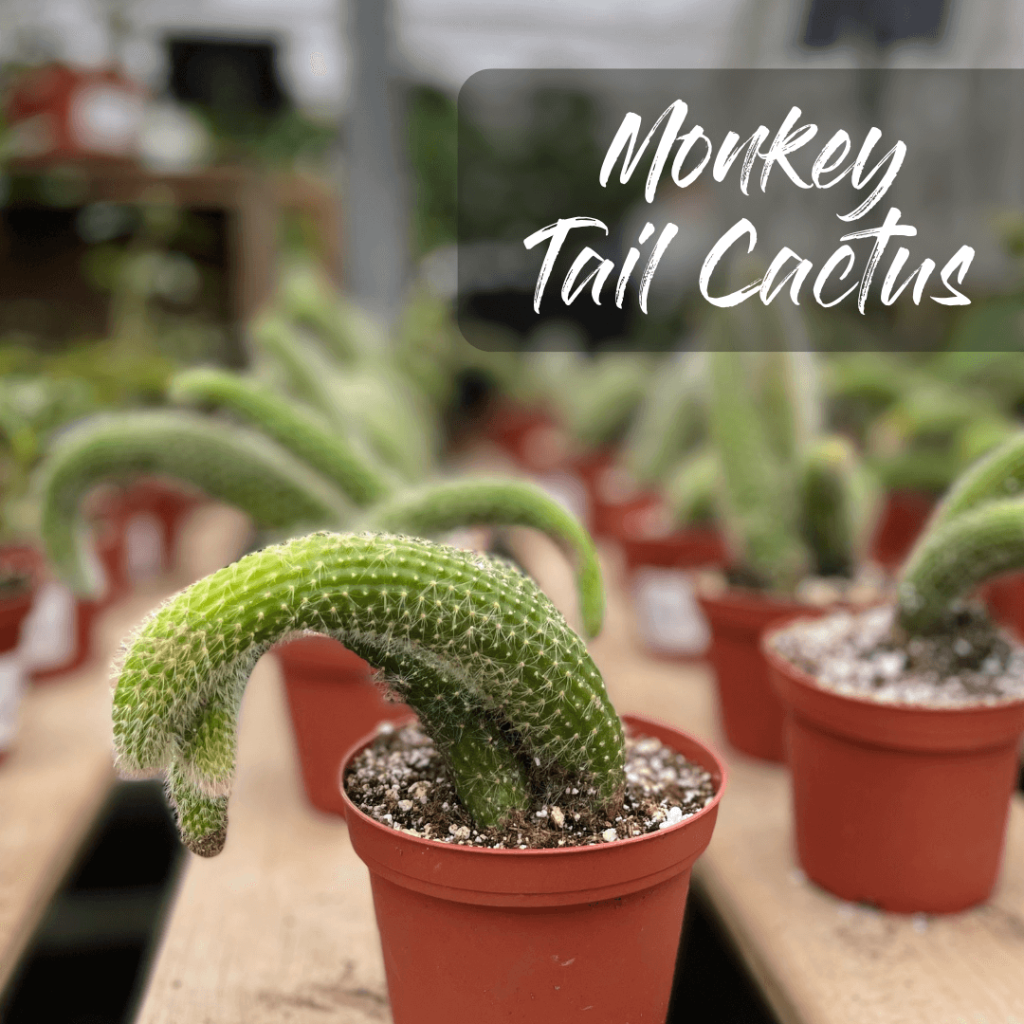
- Monkey Tail (Hildewintera colademonosis)
- Boobie (Myrtillocactus Geometrizans Fukurokuryuzinboku)
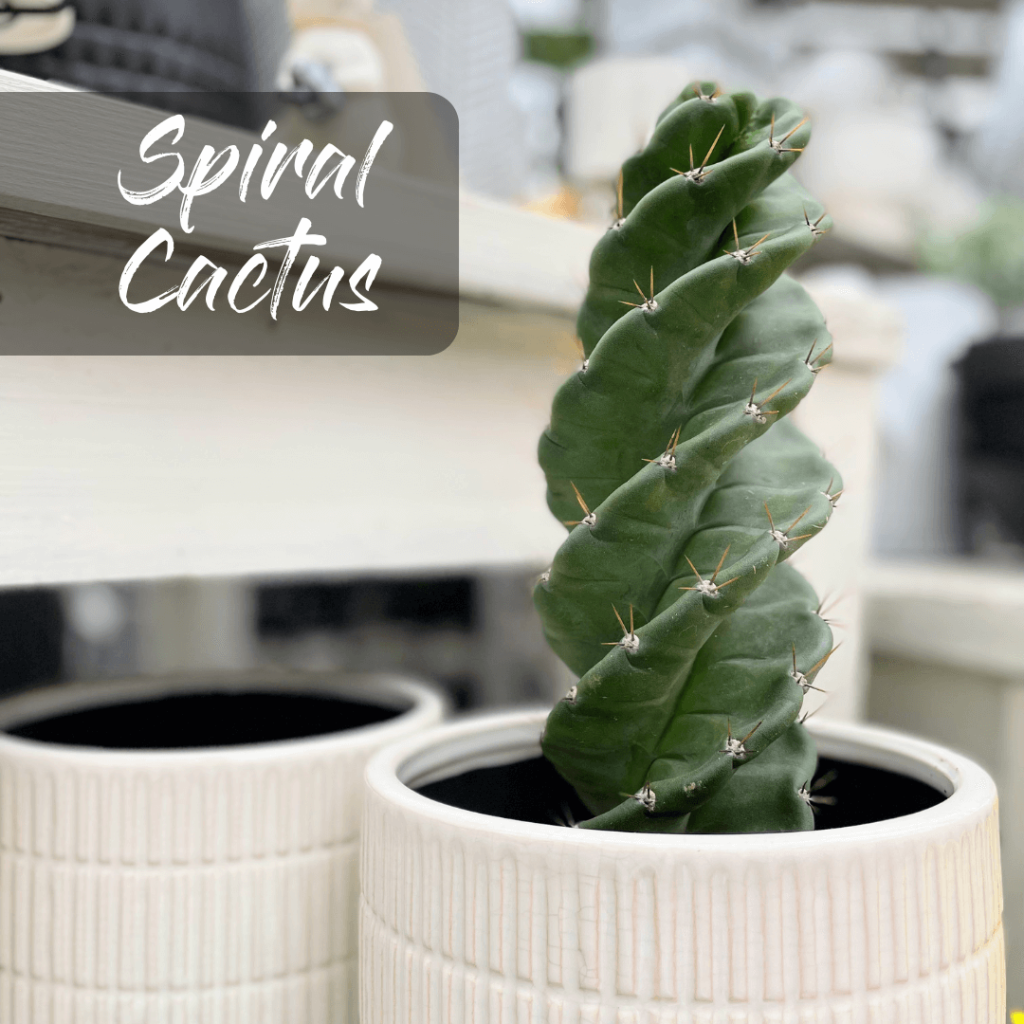
- Spiral (Cereus forbesii Spiralis)
With their evocative names and exotic shapes, cacti are so much fun to grow! And don’t be surprised if the kids want to have a few to call their own.
Stop by Eising Greenhouses and see what we have in store. While you’re here, say hello to Courtney who is always happy to talk about unusual houseplants!
Having a tropical plant in your home is like creating a tiny little oasis of lush greenery that’s with you no matter what life throws at you. Especially after a chilly winter like the one we’ve had, it’s easy to see the appeal of having a leafy green friend inside to help us mentally escape the frostbite-inducing temperatures outside. It’s no wonder how having these green acquaintances in our homes has become so popular - and with your own, you’ll have a little bit of homegrown happiness in your everyday life.
Tropical plants don’t have to be difficult to care for, even though they are so far away from their balmy and sunny homes! We have all the tips to make sure that your new tropical friend is happy, healthy, and ready to flourish in your home. Here’s how to have a tropical getaway inside, no matter how green your thumb is (or isn’t).
How To Take Care of Tropical Plants
The secret to keeping a plant healthy - and alive - is to picture their homeland, and do what you can to replicate those conditions. Your plants might have grown up in a greenhouse but their species has spent a long time adapting to their native territory. Giving them an environment that meets their needs will reduce the work and fussing you have to put in to keep your plant looking fabulous.

For example, while you might try to make sure that a cactus or succulent is kept dry and sunny, your tropicals are going to love some moisture and humidity. In the tropical landscapes most of them come from, water is not in short supply, and while they enjoy some sunlight, many times they’re used to sharing the sun with so many plants and in such high humidity that they prefer indirect or partial light. No plant likes soggy roots, but you’ll generally be watering tropicals regularly and trying to keep the humidity at a nice level - usually not much of a struggle in our neighbourhood of Southern Ontario.
Each tropical plant will have its own care requirements that are unique to that plant so checking the tag or doing a quick search is the best way to make sure that you care is specific to its needs. That said, there are a few rules of thumb that you can stick to:
Watering Tropical Plants
The right amount of moisture can be tricky when you can’t just ask your plant if it’s thirsty! Generally, waiting until your plant is wilting is stressful for your cute leafy friend and should be avoided, so you can test the soil to anticipate when they’ll need a drink. Nobody likes soggy soil and roots, but you won’t want to dry out - tropical plants are a little like Goldilocks in that respect. Too much water will stifle the roots and prevent them from getting crucial oxygen, but too little will leave them parched. There are two great ways to check the moisture of your plant to tell you when to water to keep that level just right:
- Poke your finger into the soil to feel the moisture. This method is so direct you can’t go wrong! Poke a finger into the soil and stop when you feel moisture. Water your plant when you poke the soil and it’s dry up to your first knuckle.
- Go by weight. Water weighs a lot, and your dry container will be a whole lot lighter than a well-watered one. Get used to how much your plant weighs when thirsty and quenched and use this as a guide, too. You can even use both methods at the same time for extra confidence.

More Watering Tips: Some tropicals are quite sensitive, and the salts and minerals dissolved in our tap water can burn their roots, even if they’re safe for us to drink. When you water, keep going until water pours out the drainage holes at the bottom of the container, flushing out any leftover salts from last time you watered. You can even choose to use distilled water to avoid build-up in the soil. When you’re watering use a dish under the plant to catch what flows from the bottom, or for even less mess, relocate your plant to the sink or bathtub to water them, let them drain for a few minutes, and put them back.
Light for Tropical Plants
Each plant from different areas of the world might have different requirements, so lighting isn’t a one-size-fits-all thing. Many tropicals love to soak up the sun, but aren’t used to getting too many direct rays and might be prone to getting sunburns. Check the tag on your plant to get an idea of its needs and find a spot in your home that suits them - while plants don’t like being moved around too much, you can always relocate if you need to.
Your beautiful tropical can’t talk to you, but if you pay attention you can see signs of what it needs. Look out for pale or yellowing leaves, or a “stretching” plant that seems lanky - these are signs your tropical is craving a little bit more sunlight. Brown spots on the leaves, though, could be a sign of burning from too much direct light.
Fertilizing Tropicals
We want our plants to grow big and strong, and giving them the right fuel is certainly a way to do that. Fertilizer is an option to give your plant a little boost - especially during the growing season - to grow more lush and healthy. Be careful, though, as your plant’s roots are already in cramped quarters in a container, so only use half concentration doses, and only once or twice a year. Just a little goes a long way! Choose a fertilizer with close to equal numbers, like a 20-20-20 for a healthy mix to meet your plant’s needs.

Growing Tropicals - Moving Up in Size
With a happy and healthy plant, you’re sure to eventually need to give your plant a bigger home to let it stretch out its roots! When the plant looks “rootbound” or that almost all of the soil and space in the container is roots, it’s time to size up. You might notice visible roots at the top of the container, growing out the bottom, or that you need to water your plant more because it has less soil to hold on to water.
Sizing up is as easy as getting a larger container and repotting. It’s simple, but it can get messy. Here are some of our tips for sizing up for a healthy, growing tropical:
- Choose a container only one or two sizes bigger. You might be tempted to go much larger but not only will the proportions of your chic living decoration be off, the excess soil will also hold too much moisture and might invite rot into your container.
- Choose a container with good drainage. No matter the size, you’ll always want a spot for water to drain out the bottom. If you fall in love with a decorative pot without drainage, never fear! You can DIY by drilling holes yourself or cheat by planting your beautiful tropical in a container with drainage, and simply hiding that well-draining container inside your decorative one.
- Buy potting soil suited to your tropical beauty. Buying tropical-focused soil will give you something with the drainage and nutrition your plant’s needs - and planting from a sterile bag instead of taking soil from outside can help to keep pests out of your home and away from your plant.

Tropicals are one of our favorite ways to embrace the trend of houseplants, and we can’t get enough of their rich green and glossy leaves. They’re perfectly suited to our cozy, temperature-controlled homes and can be easy to take care of when you know how to give them what they need and speak their language. Taking home a tropical is a great way to boost your mood at home with a chic and stylish living decoration that’s ready to impress for years to come.