
By: Dave Zeldon and Ely Schweyer with tips from Mary K, Zach C, Sandy M, and Jeanine LT!
Now is the time to prep our outdoor landscapes for the coming cold weather and the ensuing spring! Perhaps your autumn is calmer than your spring, and this is the best time to clean up and begin new projects. The following are some simple but effective tips to get your yard winter-ready - so your spring will be a little more pleasant for you!
Planting
When warm weather still allows it, plant trees, shrubs, perennials, and bulbs to allow them to establish for budding and blooming next spring.
Pond Care
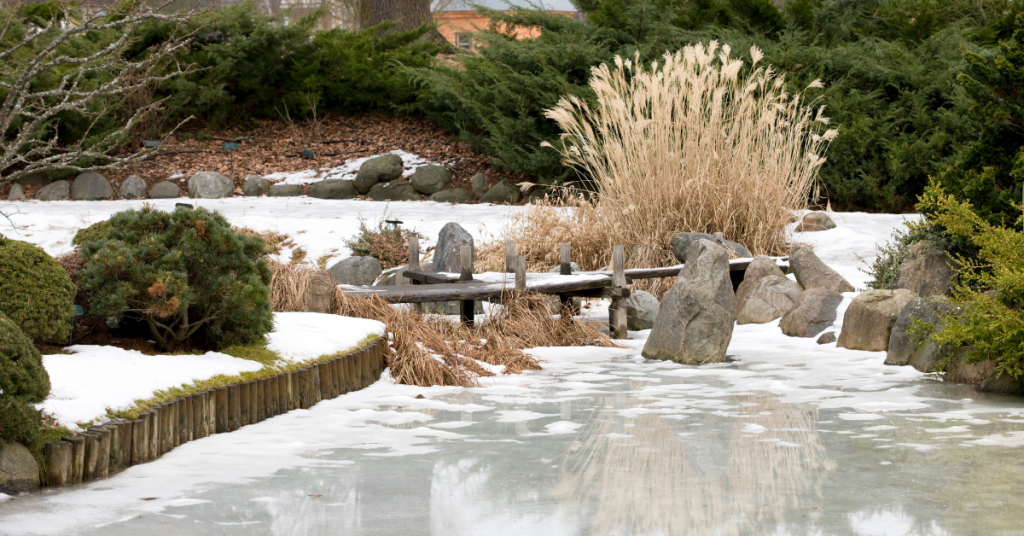
Mary, our perennials gal, suggests not removing any water from your pond but instead aerating it all winter. She skims out the leaves to maintain the balance of the nitrogen cycle in the water and suggests waiting to do a big pond clean out in the spring, as that’s when the water’s culture can bounce back easier.
Fertilizing
After top growth of your landscape plants ceases, reduce your annual fertilizer application by up to half of the requirement. Autumn is a major root growth period for woody and herbaceous perennials; roots will grow and absorb nutrients whenever soil temperatures remain above 5 °C but can be over fertilized quickly in these cooling temperatures.
Produce gardens could benefit at this time from a top layer of compost that will break down during the winter so it isn't too 'hot' for spring planting.
Leaf Litter
Here’s our pitch on the ‘leave it – don’t leave it’ debate: It DEPENDS.
Ideally, we should leave litter leaf on the ground for our pollinator friends and endangered species like fireflies to hide out in the winter. But, there are appropriate situations in which to remove leaf litter.
- When they’re covering your bulbs and tender perennials, remove SOME. Leaf litter acts as a ground insulant, which can amplify our temperamental zone 6b temperatures. This freezing and thawing can often confuse and kill early spring bulbs and tender perennials.
- Zach, our trees and shrubs guy, suggests that if a tree shedding leaves has been diagnosed with pests and fungi, remove the leaf matter to reduce the spread to other plants. Diseased matter should always be removed in a quarantined fashion and taken to a landfill or burned.
☝️Please note: Unless diseased, compost your leaves, they contain vital nutrients specific to the plants they came from!

Lawncare
With autumn mowing practices you have the opportunity for the addition of much needed organic matter for your lawn, which is also an excellent source of slow release nutrients. Keep mower blades sharp since leaves can be tougher than grass. Raise the mower height up and mow leaves when they are lightly wet (e.g., morning dew). This will keep the leaves from blowing all over and will prevent the mower from getting bogged down in wet leaves.
See more on general lawncare in Dave's Lawncare 101 post.
Clean Up
Now is a good time to wash your tools with soap and water to prevent diseases spreading from plant to plant.
☝️Mary's tip is to spray garden tools with PAM before use, so the dirt slides right off them!

Pruning Perennials
Mary, our perennials gal, suggests leaving things until frost to cut back. This way they're easier to compost. Make sure to leave seedheads (i.e., coneflowers and black-eyed Susans) for wildlife, and things like hydrangeas for winter interest.
☝️Make sure if things are cut back, to leave them sticking up enough you can still find them in the spring!
Dividing and Moving Perennials
Moving or dividing perennials in the autumn is a great way to reduce your work next spring. The cool, moist weather is an ideal time for perennial roots to become well established.
👍The rule of green thumb for moving perennials: If the plant blooms between early spring and late June, then early fall division/moving is ideal. If the plant blooms after late June, then early spring division is ideal (except for Peonies which should only moved or divided in the fall, Poppies in August, Irises in July & Lilies in the Fall).

Overwintering Trees
Zach and Sandy from trees and shrubs suggest a couple of things to help your favourite trees along this winter:
- To reduce winter injury in evergreens: Keep properly watered throughout the growing season and into the fall is another way to reduce winter injury. Decrease watering slightly in September to encourage hardening off, then water thoroughly in October until freeze-up.
- Cedars - Spray cedars with antidesiccant spray (available at Eising GC) or wrap in burlap (with stakes to create dead air space) so wind doesn't dry out and burn tips.
- Fruit trees - In late fall, spray fruit trees with sulfur-horticultural oil (available at Eising GC) for protection against fungi and pests overwintering in the bark.
- Ornamental trees - wrap the base of young trees to protect from chewing rodents.
- Pruning trees - trees that prefer winter pruning rather than spring pruning are maples, oaks, birches, and elms, as well as with fruiting trees such as apples and pears. This ensures blight and pests will not affect the tree's open wounds.
If you missed the frosty deadline for transplanting trees, Sandy suggests insulating unplanted potted trees to help them best survive the coming winter. Here are some methods:
- Double-pot your tree with an insulative barrier (i.e., burlap, straw, mulch, etc.) stuffed between the two pots and securely cover the top with tarp to deflect moisture.
- Bury your potted tree in the ground, level with the top of the pot (don’t forget to dig it back up!) and mulch the area.
- Huddle all of your unplanted trees and plants together when using the above methods.

Mulching
Mulching is one of the simplest and most beneficial practices you can do for your garden. Just by simply placing a protective layer of material over the bare soil will benefit the soil as it decomposes providing the much-needed organic matter which improves root growth, the infiltration of water and the nutrient-holding capacity of the soil while reducing soil erosion.
A good layer of mulch allows the soil to warm more slowly in the spring, so perennials aren't fooled into breaking dormancy too early, as you want the ground to stay cold until it really is spring!
☝️Make sure your mulch application won't stunt the growth of your plants come spring as discussed in our Transplant Troubleshooting blog post!
Japanese Beetle Prevention
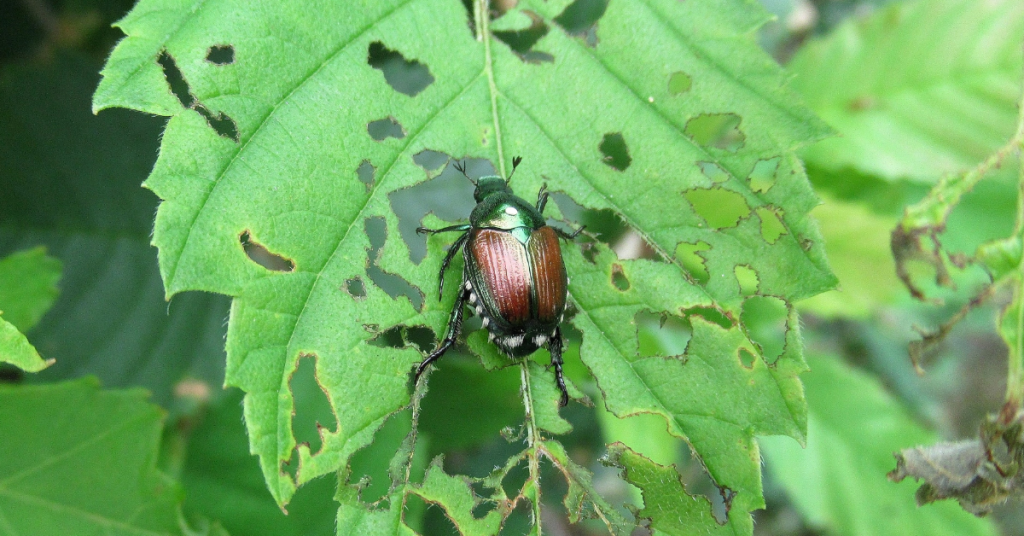
Nematodes are microscopic worms that should be applied to lawns that have been ravaged by grubs especially of the Japanese Beetle. Nematodes have a short shelf life and must be refrigerated until they are applied. Normally, they are sprayed onto the lawn from mid-May to mid-June and then again (for best practice) from mid-August to mid-September.
Pots
To prevent freezing and cracking, Mary suggests emptying and turning your pots upside down. You can disinfect at this time too.
Design Time!
Jeanine, from production, suggests writing down what worked best in your produce garden this year so you can implement it again in the spring.
With the trees and land being barren enough you can see its contour, now is a great time to plan ahead for spring landscaping! Don't forget Eising GC would love to offer help with your landscape designing!
We hope these tips help your landscape plants enjoy your winter abode as much as you do this season, for more information - and plants – visit Eising Greenhouse and Garden Centre! 🍁
By: Dave Zeldon and Ely Schweyer
If you can’t wait for Mother Nature’s next great colour show, the time is now (mid September) to get rolling on those early spring flowering bulbs! Even though you can start planting in October or early November, buying bulbs now is advantageous as the selection at your local garden centre is at their best. Being the very first to bloom during the last dreary days of winter, bulbs announce that spring is returning once more, and as you think about the colourful show of tulips and daffodils next year, remember all spring’s groundwork begins now!
Your bulbs may be planted in your lawn, rock beds, at the foot of trees and bushes, in annual or perennial flower beds, or even in flower stands and pots. Combining the emerging fresh colors and textures of bulbs with the established foliage creates a harmonious relationship opportune for a complimenting or contrasting garden-scape. With a bit of planning and creative selection you can easily extend the joy of having spring flowering bulbs in your garden from a few weeks to several months, furthermore, planting bulbs amongst perennials offers that the new growth of the perennials will hide the fading foliage of the bulbs once they have finished flowering! Not long after the fading of the bulbs most perennials themselves will bloom, smoothly extending the sequence of flowering plants for you to enjoy.
Read on for all there is to know about planting bulbs!
Buying Your Bulbs:
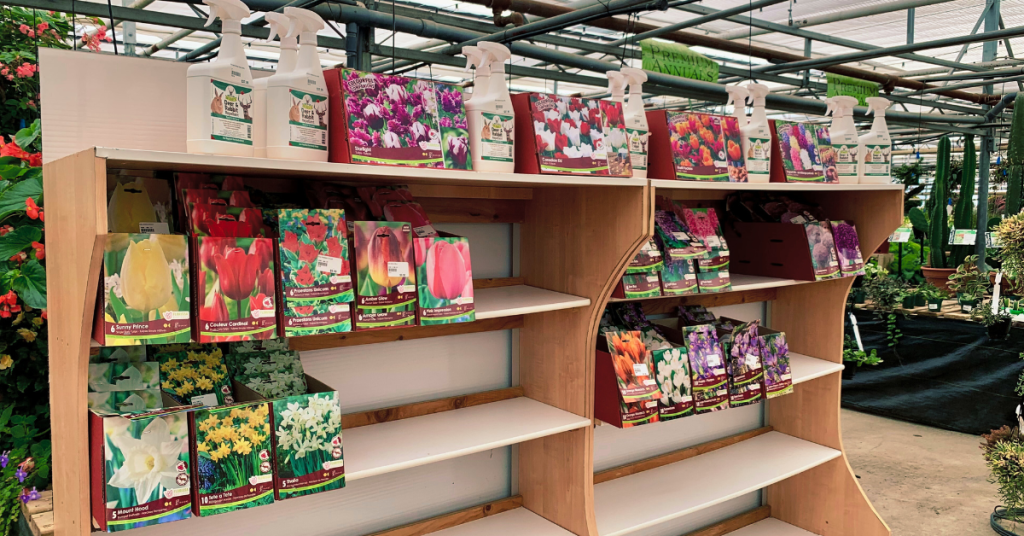
When buying, look for nice, plump, firm, bulbs. Avoid those with scars or that feel spongy to the touch. The general rule is the larger the bulb the bigger the plant. If you're buying daffodils, look for bulbs that have two or more "noses" as you will get extra flowers for free!
To have a good display of colour in your garden, right from March to the end of June. Be sure to check the blooming times on the packages and get a variety of early, mid and late-blooming spring bulbs.
👉 Tip: To extend the season, plant some bulbs in places where the sun beats down in early spring and some in cooler, shady areas of the garden allowing them to emerge in later spring.
Planting Your Bulbs:
When planting, the soil must be warm enough under the surface to stimulate a little root growth prior to the winter freeze. Winter chilling is necessary to break the flower bud dormancy (vernalization) to have our bulbs produce blooms in the spring (see below how to force bulbs if you’re reading this in the spring).
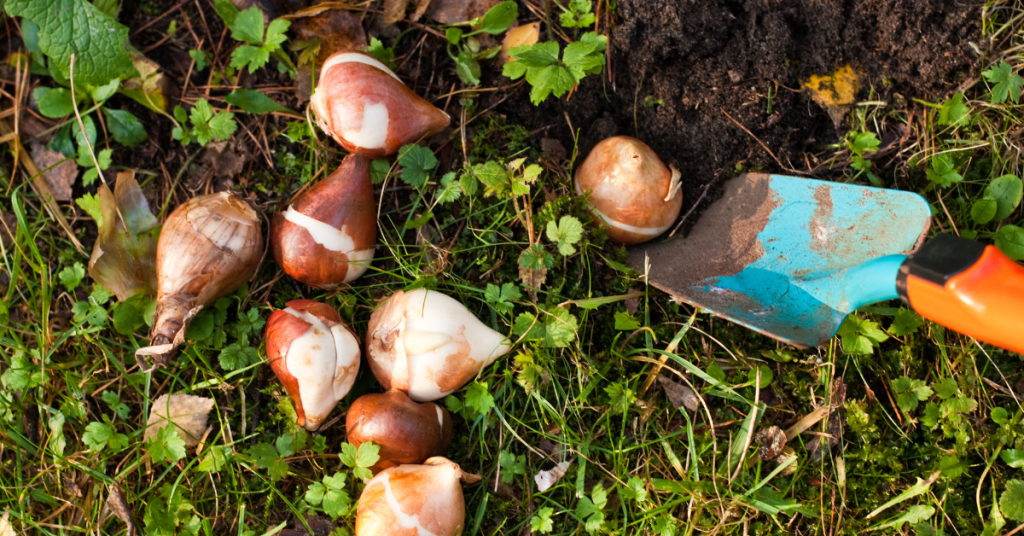
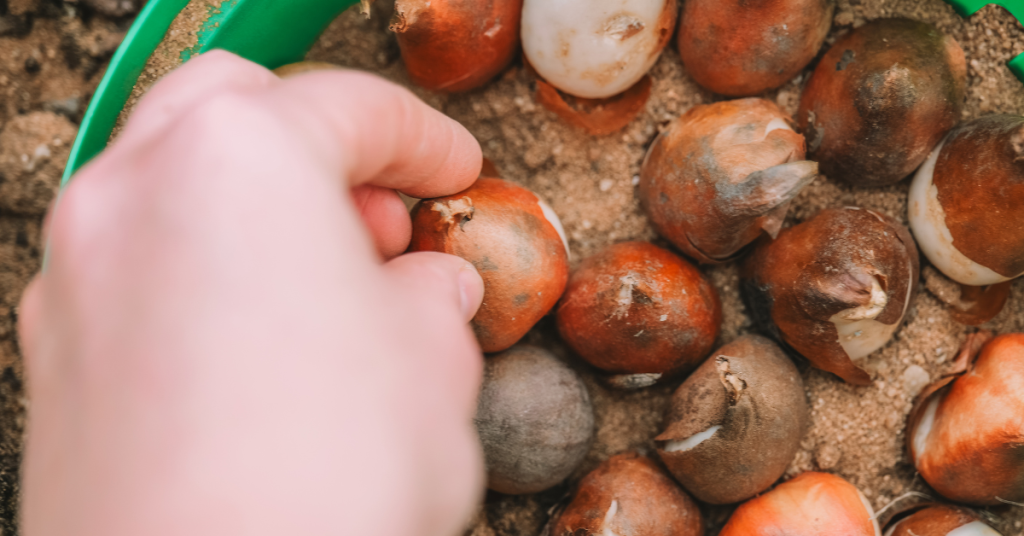
Remember to plant your bulbs with the pointed end up! If it doesn't seem to have a pointed end, look for the flatter side and evidence of roots, which is the end that goes down. If you still can't be sure, plant the bulb on its side and it will figure out the proper direction by itself!
The rule of thumb is to plant the bulb two or three times as deep as the bulb is tall. The depth is to the base of the bulb, not the top. Typically, 8 inches (20 cm) for big bulbs such as daffodils, tulips and hyacinths and 5 inches (13 cm) for small bulbs like grape hyacinths and crocus. Plant in well-drained soil, cover up, water well and wait for spring.
In a wide hole, place bulbs - so they aren't touching - in threes, fives, or sevens per hole for the most natural look. You can throw a handful of bonemeal in the planting hole and mix it lightly with the soil, this will give your bulbs a good boost for the best bloom. Water to the depth of the hole.
Tulips, daffodils and other spring-flowering bulbs require a long period of cool temperatures to undergo the biochemical process that allows them to flower. So, in the fall, get them in the ground ideally six weeks before hard freezes to give them the time they need to develop strong roots.
Fertilizing Bulbs:
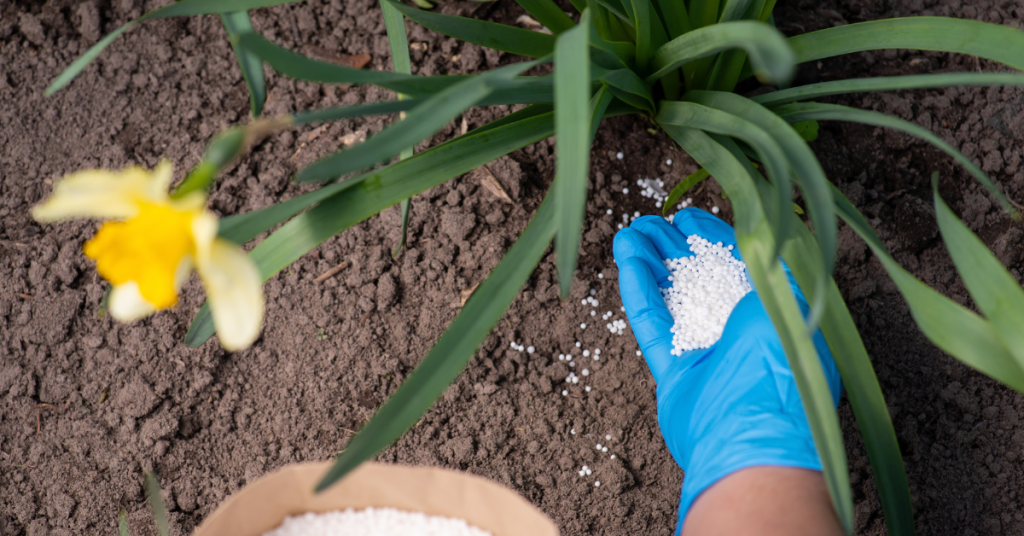
Bulbs contain the nutrients they need to bloom their first year, but a fertilizing program will keep plants healthy and ward off diseases and pests. Compost and manure are two good organic fertilizers that not only enrich the soil but ensure a good soil structure for bulbs. Additionally, organic supplements can be used to add nutritional balance. Compound mineral fertilizers can also be applied, however, check the label to see if fertilizing is appropriate for your bulbs and the best time of year to do so. Top-dressing with fertilizers like 9-9-6 slow release or either 8-8-8 or 10-10-10 soluble fertilizers are examples.
Once a bed of spring flowering bulbs are established, the process of naturalizing occurs which simply means that a bulb flowers again after the first year and starts producing more bulbs on their own. However, they will need your help to get the food they require to recharge and regenerate for the next season's bloom.
Some Helpful Tips:
- Squirrels enjoy the taste of tulip bulbs if they are easily accessible but not so with daffodil bulbs; interplanting the two together and/or mulching the garden will help protect them.
- Resist the urge to tidy up fading foliage or mow over it as the plants require about six weeks to build up reserves for the next season.
- Deadhead the tulips as the formation of seeds will sap the energy from the bulb. Daffodils & other bulbs do not require this action.
Forcing Bulbs:
Now if you can't wait for spring to smell the fragrant hyacinths, or you missed the fall planting, why not try your hand at bulb forcing?
All you have to do is plant any extra bulbs in a pot with a drainage hole. Choose a pot that is at least twice as deep as the bulbs to allow for proper root growth. Fill the pot half full of soilless potting mix. Then place as many bulbs as possible in the pot, without letting them touch. For a thick show, layer more than one kind of bulb in the same pot; place larger bulbs on the bottom as they will grow around the smaller ones. A six inch-wide pot holds up to six tulips, three narcissus (daffodils), or 15 minor bulbs, such as crocuses or grape hyacinths.
Cover the bulbs with potting mix, leaving their tips showing. Water the bulbs thoroughly. Label with name and date; loosely cover pot with a paper bag. Place in cool (1-7 degrees Celsius or 35-45 degrees Fahrenheit), dark place for chilling such as an unheated attic, basement, or attached garage or in a 12 inch-deep trench covered in a tarp.
Check moisture in pot periodically keeping the soil damp but not wet. When chilling is complete, you'll see roots poking out of the bottom of the pot and green sprouts emerging at the bulb tips. It's time to move the potted bulbs into a warm room.
Chilling and Blooming Times:
- Daffodils: 12-15 weeks of chilling; 2-3 weeks to bloom after chilling.
- Tulips: 10-16 weeks of chilling; 2-3 weeks to bloom after chilling.
- Crocus: 8-15 weeks of chilling; 2-3 weeks to bloom after chilling.
- Grape hyacinth (Muscari): 8-15 weeks of chilling; 2-3 weeks to bloom after chilling.
- Iris reticulata: 13-15 weeks of chilling; 2-3 weeks to bloom after chilling.
- Snowdrop (Galanthus): 15 weeks of chilling; 2 weeks to bloom after chilling.
- Hyacinth: 12-15 weeks of chilling; 2-3 weeks to bloom after chilling.
We wish you all the best with your bulb planting this autumn! For more information - and bulbs - stop by Eising Greenhouse and Garden Centre this fall!
By: Ava Green
Spring is the time of year known for new beginnings, and it’s also a very busy season in the garden as we hurry to get everything planted for the summer growing season here in Southern Ontario. But, did you know that fall is also an ideal time to get planting?
Similar to spring conditions, the cooler temperatures and more frequent rainfall make it easier for new plants to transition. This also decreases transplant stress. There’s time for roots to become established, and by springtime, you’ll be enjoying your plants instead of being busy planting them!
Don’t wait too long, though! At Eising Greenhouses, we recommend planting perennials, trees and shrubs before Thanksgiving weekend to give your new plants a little time to settle in before a hard frost arrives. A hard frost, or freeze, is when the temperature dips below zero for an extended period of time, killing tender plants.
What to Plant in Fall
Spring-Flowering Bulbs
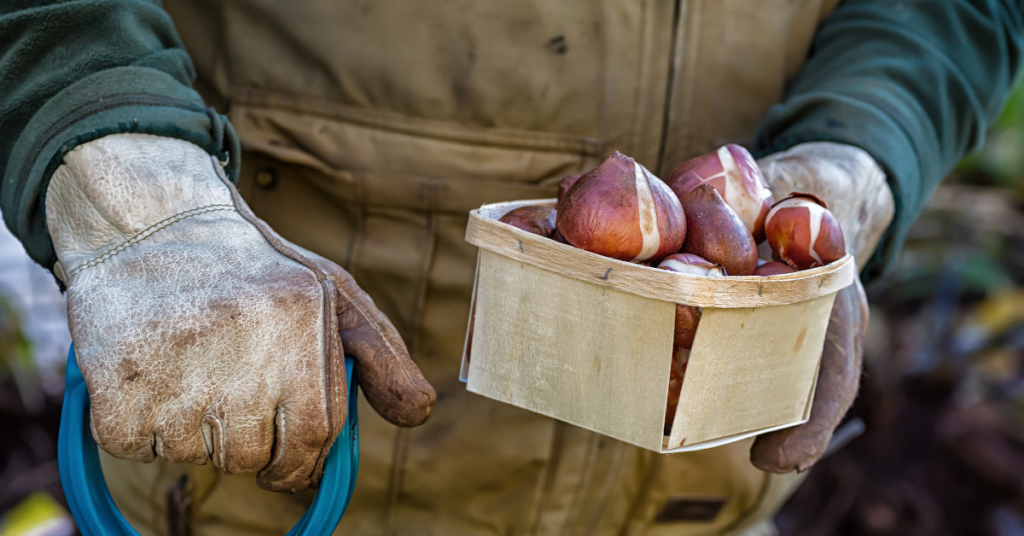
Tulips, Daffodils, Hyacinths, Crocus, Fritillaria and Alliums are just some of the bulbs that need to be planted in the fall in order to enjoy their flowers in the spring. Tulips especially appreciate being planted in cooler weather, but all of these bulbs require a cold period of about 12 weeks in order to grow in the spring. Many bulbs can be planted right up until the ground freezes. But why wait?!
👉 TIPS: While Tulips can be tasty and tempting for squirrels, rabbits and deer, many bulbs like Alliums, Frittilaria and Daffodils are not so delectable. Tamping down the soil after planting your bulbs makes it more difficult for critters to sniff them out. Laying some chicken wire over the area can also help deter from your bulbs becoming a meal for a critter.
Be sure to choose an area to plant your bulbs in that does not stay wet so the bulbs don’t rot.
Garlic
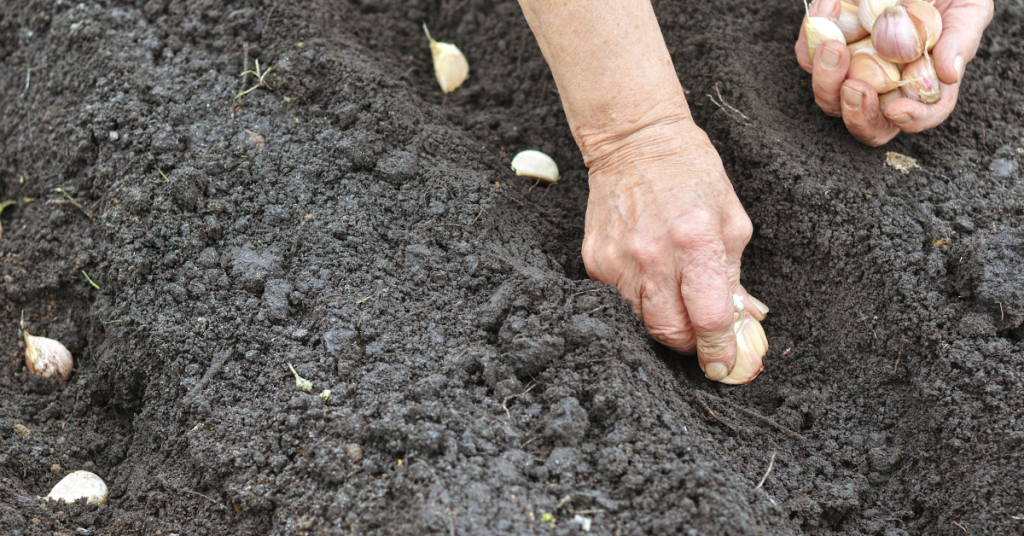
While some folks choose to plant garlic in the early spring, many people choose to plant it in the fall. Why not get started now? When you plant your garlic in autumn, you will have a crop that’s ready for harvest next summer.
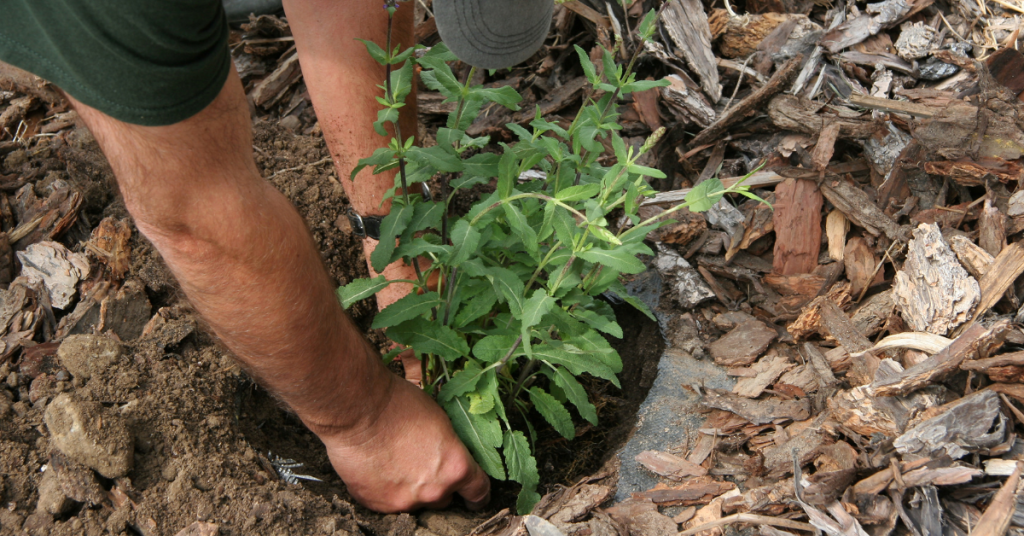
Plant, Divide, and Transplant Perennials
Yes, you can still plant perennial flowers in the fall! Whether you’re purchasing new plants or moving plants around, autumn is a great time of year to do it.
It’s also a great time to divide and transplant spring and summer blooming perennials. Why divide your plants? It’s a great way to revitalize the plant and also to create new plants.
Whether you’re planting, dividing or transplanting perennials, it’s best to do it 4-6 weeks before the first hard frost so that they have time to become established in the soil. Perennial plants will be available for sale at Eising Greenhouses until Thanksgiving weekend, so don’t delay too much!
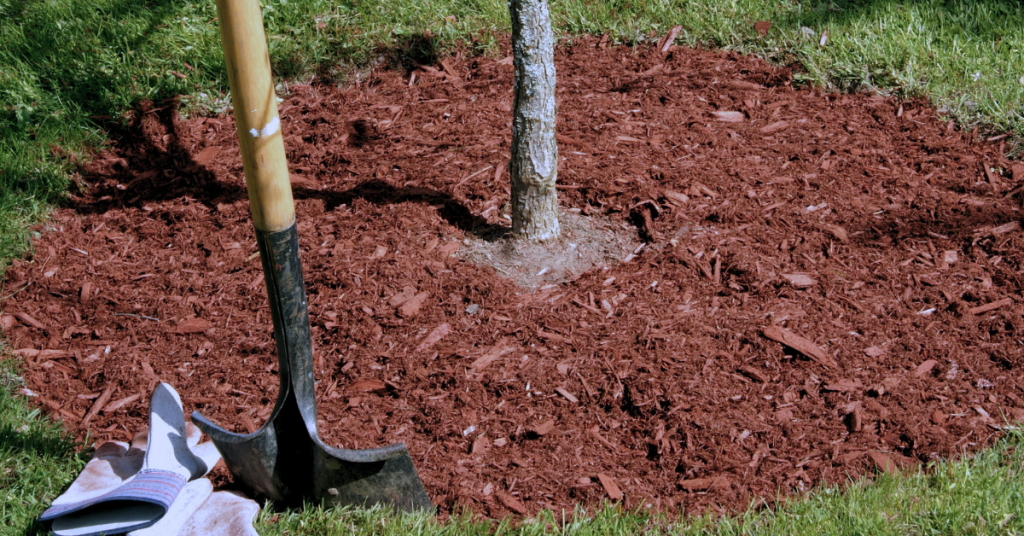
Trees and Shrubs
Container-grown or burlap-wrapped trees and shrubs can be planted as long as you can get a shovel in the ground! However, it’s a good idea to give them a few weeks in your garden before it freezes if you can.
It’s especially nice to see what a tree or shrub will look like in the fall before you plant it.
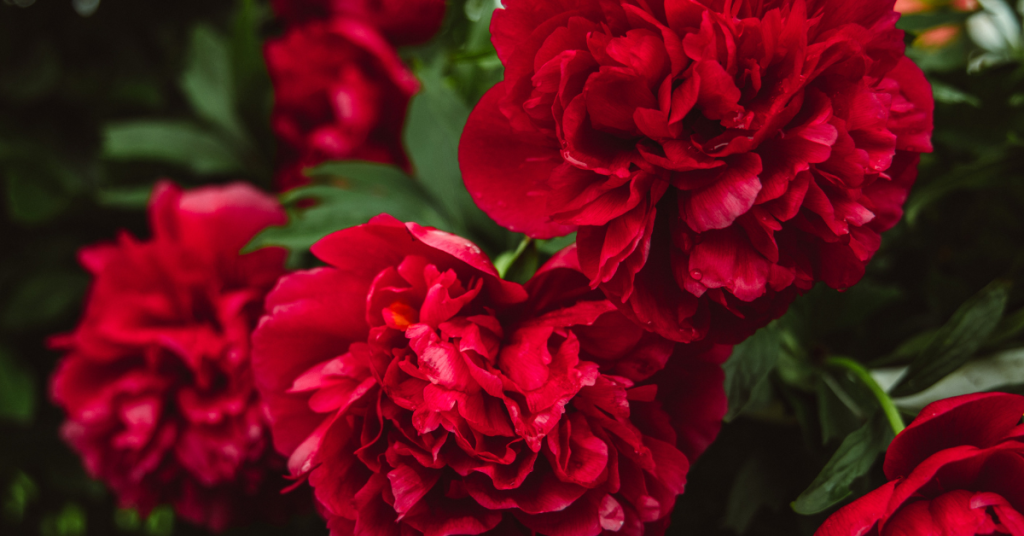
Peonies
Autumn is the best time to plant and establish roots so your peony is ready to bloom in spring! Planting them 4-6 weeks before the first hard frost will help your plant become established before cold weather descends.
👉 TIP: Be sure to add mulch to trees, shrubs and perennials after planting. But keep the mulch away from the trunks or stems. It’s never a good idea to put decaying plant material right up against a living plant!
Come in and take a look at what’s available, then enjoy the cool fall weather for planting!
Resources: If you’re new to dividing perennials, here’s a handy helper - A Guide to Dividing Perennials by the Toronto Master Gardeners
Now that everything in the garden has been put to bed for the winter, our thoughts are on the holidays - decorating, parties, and that seemingly never-ending list of gifts. At Eising Garden Centre we have solutions to help bring joy to your holiday season.
Your Gift Giving Problem Solver
We know that finding the perfect gift for someone can be a challenge. There’s always that one person that has everything and it’s impossible to buy for them! The good news is that we have plenty to offer at Eising Garden Centre so that you can cross even the most perplexing person off your list.
For Fashion Lovers
You’ve probably heard it before - accessorizing is the key to making any outfit sing. At the Sassyfras Boutique you’ll find beautiful, casual clothing as well as hats, mitts, winter scarves, plus socks for men and women. They also have jewelry and handbags that are sure to add flair to any ensemble.
For The Wanderer
If you have friends or family members that love to travel, new sunglasses, beach towels, a fashionable scarf, a roomy handbag, or new pajamas from Sassyfras are sure to be a hit.


Your Just Retired Husband Or Wife
If they no longer have to go into the office every day and don’t know what to do, give them a challenge!
Pick up some seed packets to get them started on planning and maybe even planting for Spring.
Growing indoor flower bulbs can be a fun project to brighten winter days too. You’ll be amazed by the dainty blooms of Paperwhites versus the massive blooms of an Amaryllis!
Or how about a Sprouting Kit to grow tasty, organic greens all winter long? Let’s face it, we all know that healthy eating will be on the New Year’s Resolutions list!
Deck The Halls, And More
When decorating your home or getting ready to host a holiday party, come see us first.
While supplies last, we have lots of fresh Christmas trees (call us to check availability (519) 428-4607), ornaments and Christmas decor, fresh greenery, garlands, urns, wreaths, hanging baskets, centrepieces, and live plants like Cyclamen, Frosty Ferns and of course, Poinsettias.
Did you know that we also create custom containers? Bring in your own vase or container for centrepieces and urns, and we’ll do the rest. We’ll create an arrangement that will make that vase that 'Aunt Martha' gave you, sparkle with fresh greenery and holiday flair.
Previous
Next
Holiday Parties and Hostess Gifts
Solve the “I have nothing to wear to a party” blues, with a wardrobe “pick me up” from Sassyfras.
While you’re there, check out the selection of lovely locally handmade soaps, and great houseware gift items like dish cloths, scrubbies, and wine or bottle openers. Perfect gifts for your party host.
There’s also a wide variety of potted plants in the garden centre, and beautiful decorations that any host or hostess would love to add to their holiday decor!
For Your Kid’s Teacher
Let your child’s teacher know that you recognize that they’re already looking forward to summer vacation by giving them an Eising gift card. Once May rolls around, they can pick up plants that will bring them joy all summer long!
Great Gifts We Recommend
Eising gift cards go a long way too since they can be used on anything in the shop, including Sassyfras. A gift card is a great way to help someone with their next landscaping project, or even Spring garden clean up. Now that’s something to look forward to!
Not into gift cards? We have a great selection of items you could bundle together into your own custom gift basket! Think of all the things that you would love to get and we think someone on your list will love them too!

Soak Up The Holiday Mood
We know that you love wandering through the greenhouses when they’re full of summer plants, but we also invite you to stop by to visit us in November and December to enjoy the winter paradise we’ve created for your gift giving and decorating inspiration.
Take the pressure off the holidays and join us for Starlight Shopping Night on Thursday, December 8th. On December 8th only, we’ll be open late - from 9am to 7pm! Enjoy the ambiance, the specials, the exciting draws, the extended shopping hours and get all of your gift buying done early!
You’ll find us at 814 Cockshutt Rd, Simcoe, ON Monday to Saturday, 9am to 5pm until December 23, and 9am to 2pm on December 24th.
After December 24th, we will be closed until Spring, but the greenhouse elves will be working to have everything ready for you in 2023.
Happy Holidays from all of us at Eising Greenhouses & Garden Centre!
We love choosing what bulbs to plant in autumn—there’s something exciting about designing your spring garden and waiting for all those colourful flowers to emerge at the first signs of warmer weather. But have you ever wondered why bulbs need to be planted so many months in advance?
Planting flower bulbs at the wrong time can stunt their growth or inhibit blooming altogether, so understanding the science behind it can help to ensure your spring garden is successful. Here’s a breakdown of why spring-flowering bulbs need to stay in the ground over the winter, and how to get the best results from planting.

When Should I Plant Spring-Blooming Bulbs?
Flower bulbs that bloom in spring are naturally accustomed to staying in the ground over the winter. This cold period is essential to kickstarting their bloom cycle—the cold is like a period of hibernation, and once the temperature begins to rise, this signals to the bulb that it’s time to start growing! Without the transition from cold to warm, your flower bulbs will get confused and won’t develop properly.
While the bulb is hanging out in the soil for several months, this also gives them an opportunity to soak up tons of nutrients from the soil, so they’re ready to spring into action as soon as it’s warm out. This is why it’s always a good idea to mix in lots of compost and remove any weeds from the soil, so your bulbs take in all that extra good stuff, and the weeds won’t end up hogging all the resources.
Ideally, you’ll want to plant your bulbs about 6 weeks before the ground is about to freeze up. Since our weather can be a bit unpredictable in autumn, wait until the temperatures consistently hover around 5-10°C. These are comfortable conditions for your flower bulbs to go in the ground.

Tips for Planting Flower Bulbs
There’s a bit more to planting flower bulbs than simply digging a hole and tossing them in, so follow these basic guidelines to make sure they’re planted properly:
- Choose a spot that gets at least 6 hours of direct sunlight every day. This will help your flowers bloom brightly.
- Plant them with the pointy side facing upward.
- Check the directions on the packaging to see the correct planting depth. Planting them too deeply can result in lots of leaves, but no flowers. Smaller bulbs usually only need to be planted about 4 inches deep, but larger bulbs like daffodils may need closer to 6–8 inches.
- Consider applying a layer of mulch to help block out weeds and regulate the soil temperature.
- Don’t add any fertilizer to the soil until spring, when you see the first signs of sprouting. Fertilizer just confuses plants in the fall and winter while they’re supposed to be resting, so hold off on using any and just stick with compost for building up soil nutrients.

What Bulbs are Planted in Fall?
For instant spring colour as soon as the snow melts and the temperature rises, grab some of these spring-blooming bulbs to plant in fall in Ontario that we carry here at Eising:
- Tulip
- Daffodil
- Crocus
- Iris
- Allium
- Hyacinth
- Snowdrops
- Garlic
Ready to start designing your spring garden? We’d love to help! Visit Eising, and we’ll show you our incredible collection of the best spring bulbs to plant now, in every beautiful colour imaginable!
They say all you need to grow a garden is some sunshine, water, and a little bit of love, but what if the sunshine isn’t in high supply? Luckily, there’s an exception to the rule— you can still have a fabulous garden full of lush, healthy plants, even if your yard is heavily shaded from the sun. It’s simply a matter of choosing the right shade-tolerant plants that thrive in dimmer areas. Whether your property is surrounded by a canopy of growing trees, or if you’ve got a smaller patio shaded by an awning, you can still garden like a pro with these shade-loving plants.
Shade Tolerant Perennials
Plants that don’t require loads of sun, and they come back year after year? Sounds like a pretty sweet deal. These popular perennials are sure to brighten up a shady landscape:
Hostas: These large and leafy foliage plants, also known as plantain lilies, make a fabulous groundcover and are great for filling in gaps in the shady corners of your garden. Their variegated green leaves with cream coloured streaks are quite eye-catching, and when conditions are right, they may often surprise you with a blossom or two emerging from a long upright stem.
Hydrangeas: Something about the big colourful clusters of hydrangea blossoms remains to be timeless yet trendy. These shade-loving shrubs produce showy flowers in all different shades of pink, purple, blue, white, and green. A fun fact you may not know about hydrangeas is their colour can actually be changed from pink to blue! By adjusting your soil’s pH and raising the acidity with the addition of some limestone, your hydrangea’s bubblegum pink petals will gradually change to a cool robin’s egg blue tone.
Christmas Fern: Textured, voluminous fern leaves are a striking addition to any garden, adding a little interest and drama without competing with some of your showier blooms. While not necessarily an invasive plant, they do tend to spread and expand, so every once in a while, you may need to trim it back or divide it at the root.
Bleeding Hearts: This colourful flowering shrub has quite an exotic, tropical feel, but is still able to withstand our cold Canadian winters. Its elongated, curved stems sport rows of dangling heart-shaped blossoms in vibrant shades of pink and red.

Shade Loving Annuals
If you’re a fan of container gardening and want to add some pops of colour throughout your space, these annual flowers are spectacular options. While they need to be re-planted each year, they’re vigorous growers during the summer months, so they’re sure to turn heads and grab people’s attention when put on display.
Begonias: With their large, dramatic blossoms available in so many fabulous colours, begonias continue to be a staple in shade gardens. For a totally on-trend flower that’s bright and exciting, opt for a vivid coral variety! Pantone’s 2019 Colour of the Year is “Living Coral,” a bold pinkish-orange shade that pairs beautifully with shades or green, gold, pink, and turquoise.
Impatiens: These low-maintenance blooms don’t just tolerate the shade, they prefer it! New Guinea impatiens are a highly sought-after variety, as they’re much more resistant to mildew than traditional impatiens.
Lobelia: Partial, dappled shade with tiny pockets of sunlight is the ideal location for this pastel petaled groundcover plant, so if you’ve got some overhanging tree branches in your yard that tend to sway in the wind, you’ve got a perfect spot for some lobelia.
Sweet Alyssum: This plant has so much to offer a shady garden! Its fragrance is simply intoxicating, it continually blooms well into the fall, and its crisp white blossoms add a lovely, ethereal glow to your landscape.

Bulbs to Plant in Shade
Flowering bulbs are particularly popular in Ontario gardens, as they’re often the first flowers to pop up and greet us with vibrant blossoms in the early spring after a long cold winter. These spring-blooming bulbs are sure to impress in sun or in shade:
Crocus: The bright blooms of this quintessential Canadian flower are often some of the first to appear in spring, sometimes peeking up from the soil while there’s still a bit of snow on the ground. The indigo-purple shade is definitely the most common variety, but you can also find crocuses in yellow or white.
Tulips: Tall, sturdy stems and long, sleek leaves add elegance and sophistication to any garden. You can find tulips in a whole spectrum of beautiful different colours, but the bi-coloured hybrid varieties can really make a statement.
Daffodils: These sunny yellow blossoms resembling teacups and saucers really bring on the traditional English garden vibes. For a lush and lovely garden fit for a queen, you can opt for this classic spring bulb— just take caution in planting these feisty flowers next to other plants, as they tend to be aggressive growers and may kill surrounding plants.
A shady yard won’t stop you from having a swoon-worthy garden that never fails to impress. Plant some of these shady ladies in your garden beds or containers, and you’ll still get to enjoy colourful blossoms all season long, even if Mr. Sun isn’t shining down.
After a winter like the one we had, we’re all ready and eagerly anticipating the spring, when our favorite blooms and a little greenery will finally take over from the dreary and dark winter days. There’s something special about the optimism of spring and all of the bright and clean colours that it brings with it - we can’t help but smile when we see the first buds and blooms poking their heads out to brave the spring weather. Here are some of our favourite seasonal blooms and how you can get them in your own yard:
Spring Flowers
These flowers, either planted as starters or grown from seed, are some of the traditional classics that we can’t get enough of. There’s a reason that these flowers have been endlessly popular and iconic for decades, and we’re not ones to knock a formula that’s working. Try one of these in a traditional look, or pick up a new variety that offers a fun and stylish spin on and old favourite:
Carnations are a frilly and delicate-looking flower that are simple to grow and offer endless choices with hundreds of varieties to choose from. Long lasting in vases, growing them outside and taking a little bit indoors to be appreciated is recommended in the spring when we are ready to absorb as much colour as we can! If protected against hard weather, you can enjoy your carnations well into the fall. They can be grown from seed, sown into well-draining soil, but also can be started from cuttings or propagated from mature plants. Tough, yet pretty, you can start growing these as soon as your last frost date is passed as they do best in the milder temperatures of spring.
Hydrangeas are best started from a starter plant or a cutting, but once they are established their old-fashioned charm is enough to keep you wanting more - thankfully, these perennials will be back to bloom again in the spring as long as you protect them during the cold winter months! These are the perfect bloom for gardeners that want a lot of style and punch for their effort because they are easy to grow and manage, while producing delightful bunches of blooms. While traditional colours focus on shades of pink and blue, there are now lots of options that include white, lavender, and purple. For the garden chemists out there, you can even experiment to change the colour of some types of hydrangeas from pink to blue with some soil pH tinkering. Tolerant of many conditions and often thriving the more you ignore them these flowers are a pretty statement in your garden, in a vase inside, or even dried. You’ll be excited for spring every year with these pretty blooms in your yard.

Snapdragons are a bold statement flower with towering spikes of blooms that add interest and sweet fragrance to your yard. These blooms are a late spring and early summer treat that are worth the anticipation all spring. These flowers offer a unique look to your garden, but with endless choices when it comes to colour and height they are a fully customizable look. We love them as accents or in borders, but we also love taking cuttings and bringing them inside to enjoy, too. Although your snapdragons will stop blooming during the hottest days of the summer, you’ll be thrilled to find them blooming again in the fall before they freeze. Start these pretty blooms from seed indoors now to have seedlings that are ready to move outside in the spring. Plant the hardened-off seedlings outdoors with lots of room (6 to 12 inches between plants) to grow, in an area with full sun and rich, well draining soil. Remove the flower spikes - we recommend cutting them for bouquets - to encourage your snapdragons to keep blooming as long as possible, giving your the benefit of a long-lasting and impressive show.
Spring Bulbs
Many of our classic garden favourites are actually bulbs! These are the ultimate plant-it-then-forget it blooms that you can plant in the fall, chill in the ground over the winter, and they will be ready to shine before the rest of your garden is even ready to plant. A lot of spring traditional favourites, these bulbs can be planted in the fall for an easy and simple show in the following spring. If you didn’t get to planting bulbs this past fall? You can always try again this year, or try planting bulbs that have been pre-chilled at the perfect temperature to mimic winter, ready to be planted in your thawed garden for a display of colour this season.

Tulips are arguably one of the most classic signs of spring, perhaps tied with the other classic bulb - the daffodil. Tulips have been a popular sensation for centuries and we have all of those years of growing to thank for their wide variety of colours and styles. Choose a sunny location with well-draining soil for the best and brightest tulips. These bulbs are like a painting in your backyard and make excellent cut flowers for a spring bouquet. Many tulip varieties will only give you triumphant cups of joy for a few years, so replant some fresh bulbs every fall to avoid disappointment in the spring.
Daffodils are like droplets of sunshine in your garden, just in time for when the weather is warm enough to actually get out and enjoy their cheerful yellow colour. That said, new innovations in daffodils have a whole roster of other non-yellow shades and unique shapes to choose from so that your daffodil garden is truly customizable to your tastes. These flowers are always sure to put us in a mood for spring. Plant them in partial to full sun to have them reach their full potential. These plants are tough and long lasting, so your investment in a single fall planting could last for up to multiple decades! That’s a lot of springtimes full of joy and colour.
Hyacinths are a great opportunity for a little bit of cooler-tone colour in your springtime garden, especially next to the bold and daring shades of daffodils and many tulips. These flowers offer clusters of blooms that smell just as fabulous as they look. We love to plant these in full-sun spots that have high traffic so that we get to enjoy the full sensory experience of them, not just their look. Just be sure to wear gloves when working with them as their sap can be an irritant.

Spring weather just makes us want to get outside and enjoy the milder temperatures and sunshine, but what better way to make our gardens incredibly enticing than a batch of fresh spring colour? Whether you want to plant something now to enjoy it for a season or plant something long lasting for years of seasonal blooms, spring is the perfect time to embrace life and colour right in our own homes.