
Hydrangeas
A World of Shapes, Colours and Sizes
By Ava Green
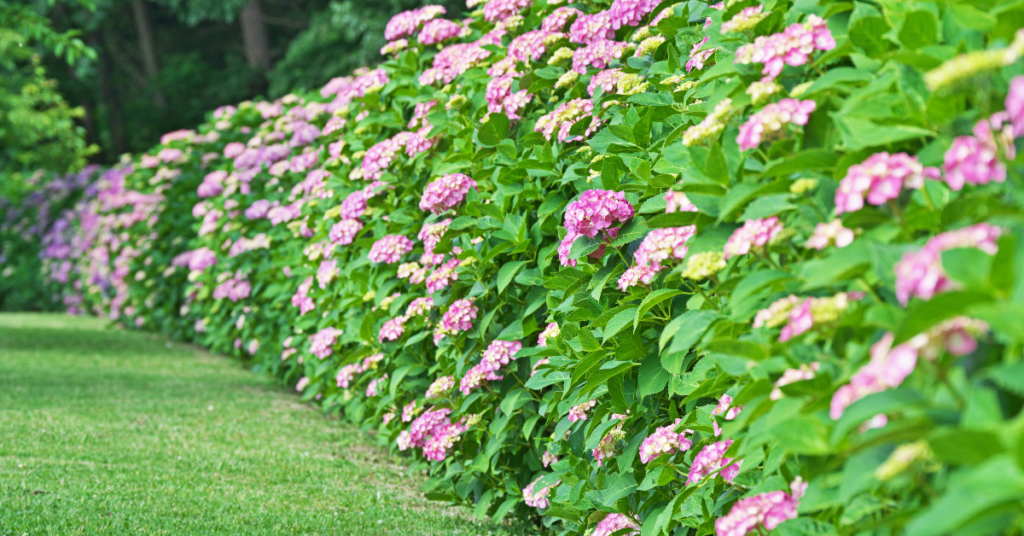
Few plants draw attention quite like a hydrangea in full bloom. Their large, showy flowers are lush and exotic-looking, long-lasting and resilient, making them one of the most loved shrubs in the garden. Whether you have a small urban bed or a sweeping country border, there is a hydrangea for every space and style, as well as every level of gardening experience.
Three Beautiful Flower Shapes
Hydrangeas come in three distinct shapes: snowball, panicle and lacecap. Each with their own character and charm.
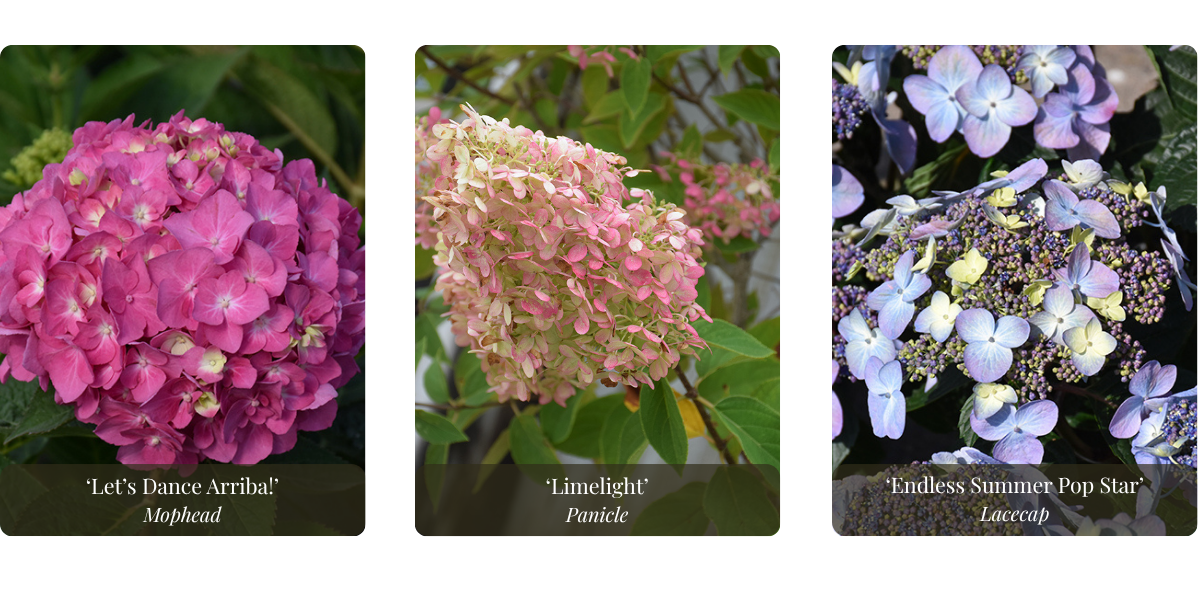
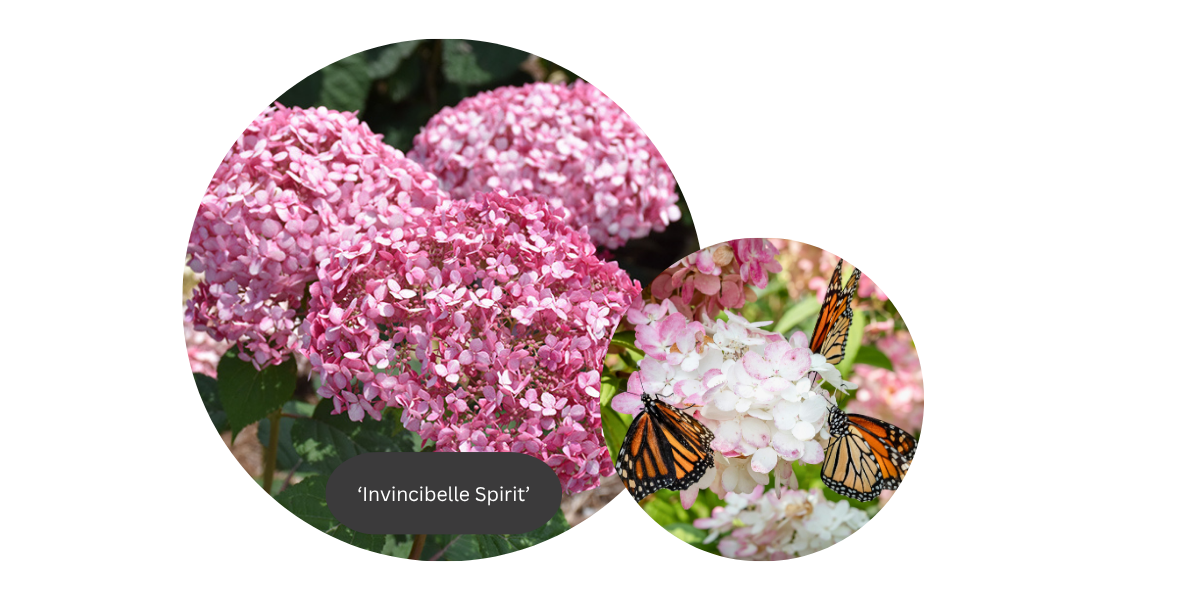
Mophead: The classic hydrangea that most people picture. Big, rounded clusters of flowers that are packed so densely they form a globe-like bloom. Also called snowballs, mopheads are romantic and voluptuous, but that name really doesn’t do them justice. This shape is commonly found on bigleaf and smooth leaf varieties, and it comes in some of the most beautiful and enticing colours in the world of hydrangeas.
Panicle: Cone-shaped, rather than round, panicle hydrangeas, sometimes called PeeGee hydrangeas, are equally showy and considered the easiest of all hydrangeas to grow. They are among the most cold-hardy varieties available, which is an important consideration here in Zone 6, in southern Ontario.
Lacecap: While mophead blooms are rounded and full, lacecap hydrangeas are more delicate. Their flat, halo-shaped blooms feature a ring of showy outer flowers surrounding a delicate centre of tiny buds. Lacecaps have a wildflower quality that suits a cottage or woodland-style garden very well.
Colour
All Hydrangeas undergo some degree of colour change as their blooms mature through the season, which is part of what makes them so interesting. The palette ranges from fresh lime green and crisp white through to soft pink, rich pink-red, deep rose, and most famously, blue. Some even have enticing two-toned blooms.
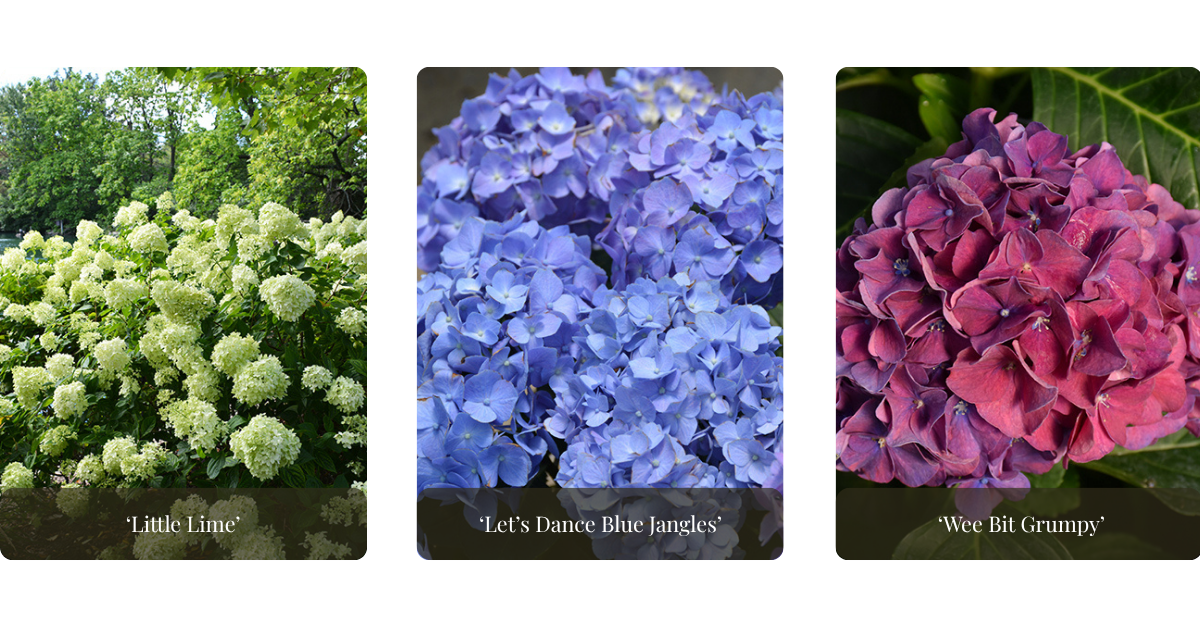
In certain varieties, bloom colour is directly influenced by soil pH: acidic soil produces blue flowers, while more alkaline soil shifts blooms toward pink. Ask our team at Eising Garden Centre for fertilizer or soil amendments formulated for acid-loving plants if your goal is to achieve and maintain blue hydrangeas.
Long-Blooming and Reblooming Varieties
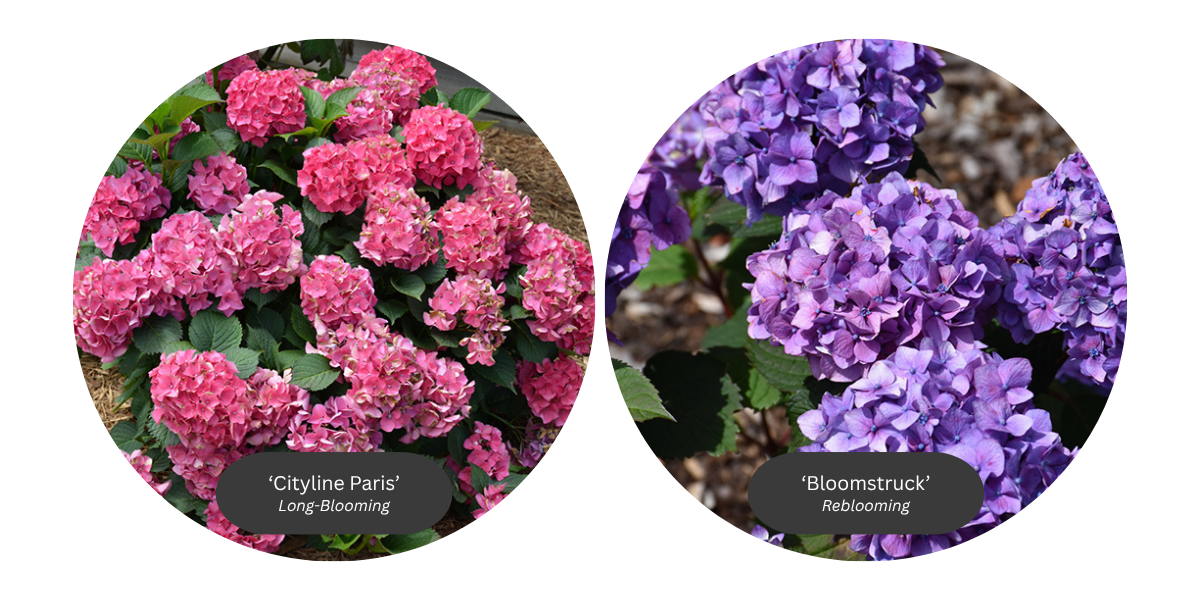
There are many hydrangeas that are long-lasting, and some also rebloom, producing not one but two rounds of flowers in a single season! On a reblooming variety, the first flush of flowers is produced on old wood from the previous season, while the second blooms on new growth. For these plants, the less you prune, the more flowers you’ll enjoy. That’s a win-win!
A Size For Every Garden
Hydrangeas range from charmingly compact to impressively statuesque, which means there truly is one for every size of garden.
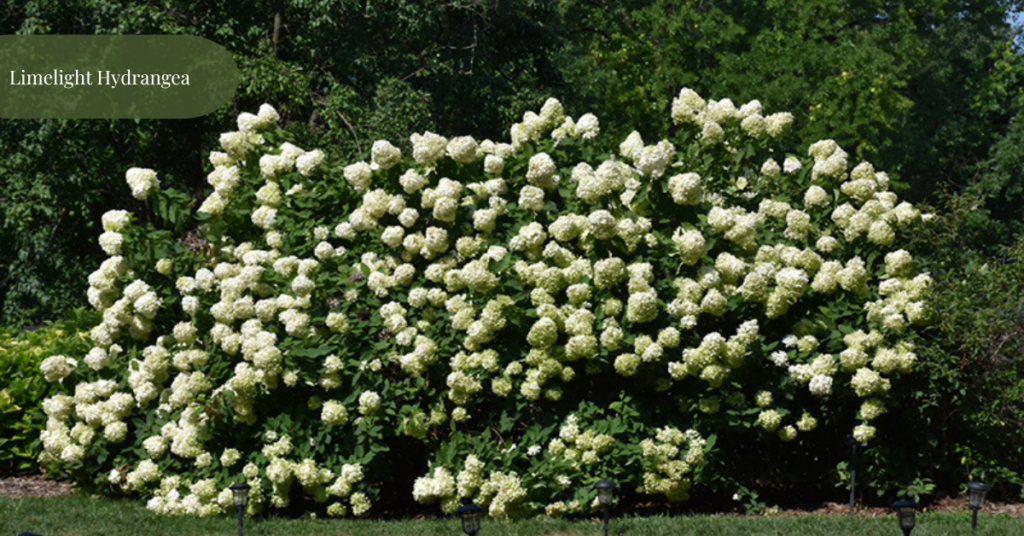
At the smaller end, dwarf varieties like ‘Cityline Paris’ grow just two feet tall and wide, making them perfect for the front of a border, a small bed or an island. At the other end of the scale, Oakleaf Hydrangea ‘Gatsby Pink’ reaches a commanding eight feet tall, making it a stunning backdrop plant for the back of a border, or centre of an island bed. And between those two extremes, there’s a Hydrangea for every garden size.
Attracting Pollinators
Two hydrangea species are native to North America: Hydrangea arborescens (Smooth Hydrangea) and Hydrangea quercifolia (Oakleaf Hydrangea). Both are great choices for pollinator-friendly gardens. Native insects recognize and rely on native plants, making them ecologically valuable as well as beautiful. Both species are naturally more tolerant of the growing conditions in Haldimand-Norfolk County and tend to be more disease-resistant than non-native varieties.
The Key to Successfully Growing Hydrangeas
The single most important thing you can do when buying a Hydrangea is to read the tag. Different types have different sun, soil and pruning requirements. Pruning at the wrong time is the most common reason a healthy Hydrangea fails to bloom.
As a general rule, most Hydrangeas prefer morning sun with some afternoon shade to protect their blooms from the hottest part of the day. However, panicle Hydrangeas are the exception and the most sun-tolerant of the group, so they can handle full sun.
Knowing which type you have will also tell you when, and whether to prune, which makes all the difference when it comes to producing flowers.
Our team is always happy to help you navigate the world of hydrangeas, from choosing the right variety for your space to answering questions about colour, pruning and care. Stop by Eising Garden Centre and see what’s in bloom this season. We would love to help you find your perfect hydrangea.
More resources:
How to Keep Your Hydrangeas Happy - https://eising.ca/how-to-keep-your-hydrangea-happy/
How to Change the Colour of Your Hydrangeas - https://eising.ca/how-to-change-the-colour-of-your-hydrangeas/
Identifying Hydrangea Diseases & Choosing The Best Treatment - https://eising.ca/hydrangea-disease-treatment/
Growing Hydrangeas: https://www.torontomastergardeners.ca/gardeningguides/growing-hydrangeas-a-toronto-master-gardeners-guide/
Articles you might like

