By: Ava Green
More than just a name, the brands we love and trust at Sassyfras not only have a great reputation but also offer excellent quality, fit, and, importantly, style. We trust their track record and can enthusiastically recommend these brands to you!
Tribal
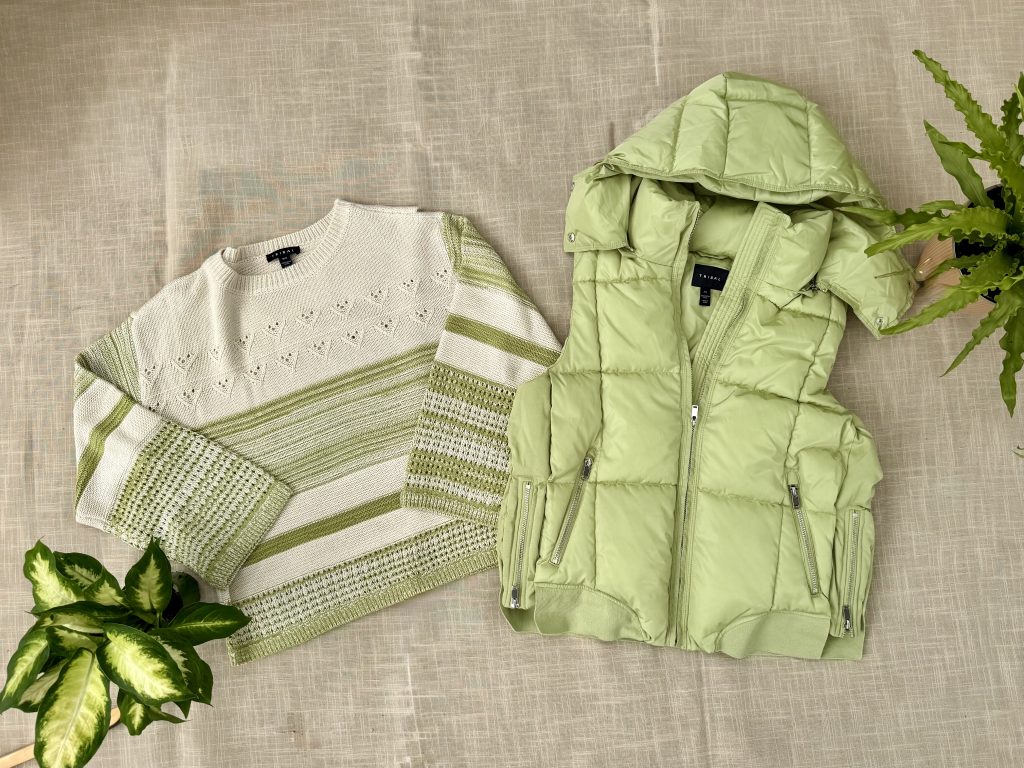
Founded more than 50 years ago in Montreal, their mission still remains the same - to make women look and feel their best, no matter what they’re doing. They know first-hand what that is because women design Tribal clothing for women. Consistent fit and premium fabrics are hallmarks of their quality garments.
Habitat
Comfort, fit and detail are the priorities for clothing from the Habitat brand. Founder and designer Suzanne Connelly is committed to creating clothing that fits well and suits customers’ tastes. This is not fast fashion that you’ll find everywhere, Habitat produces limited quantities for specialty boutiques - like Sassyfras!
b.Young 🍁
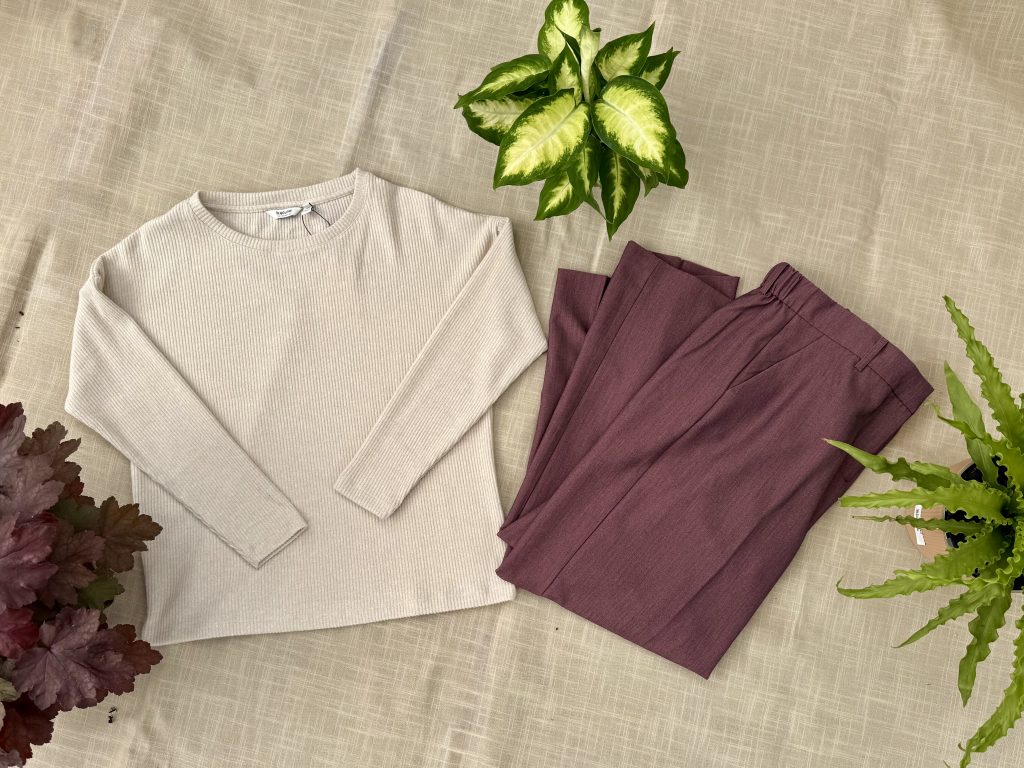
Great quality designs with value for your money have been the focus of b.Young since their inception in 1991 in Denmark. Creating timeless pieces using improved processes with an eye on the environmental impact of textile production, their goal is to produce pieces that will last. This is a brand that creates beautiful styles with integrity.
Culture Clothing
Daring to be different, and urging you to be you, Culture Clothing is a brand that stands out. Whether you’re looking for a piece that’s comfy and classic or a colourful statement piece, this is a brand worth checking out!
Soya Concept
Fashionable, colourful, and feminine for everything from shirts to skirts that are made for women. With a focus on sustainability, high-quality fabrics, affordable prices, and the latest trends, Soya Concept is a brand that aims to earn your loyalty.

Point Zero🍁
One of Canada’s leading clothing brands for men and women since 1979, Point Zero has lots to offer. Based in the heart of Montreal’s fashion district, this Canadian company is focused on great design, superior quality, and trendy fashions all at an attractive price. Additionally, they focus on their ecological footprint in terms of materials and the manufacturing process. An admirable brand that’s homegrown.
Dévia 🍁
Based in Montreal, Devia clothing is proudly designed and made in Canada. With a passion for fashion, they create inspiring and eclectic designs at affordable prices.
Terrera 🍁
Earth-friendly fibres, conscious production, and a commitment to giving back make Terrera an outstanding, sustainable, Canadian company. We think you’ll fall in love with their comfortable, easy-to-wear bamboo basics like bralettes, undies and leggings all created to fit and flatter women.
Moffi
Unique, high-quality clothing with sophisticated details and elegant design. Moffi is designed to appeal to every woman.
What’s In Store For You?
Step into Sassyfras at Eising Garden Centre and explore our carefully curated collection of trusted clothing brands. We’re here to provide great personal service and high-quality pieces from brands you’ll be proud to wear!
Dealing with water restrictions or choosing to conserve water? You’re not alone. Many gardeners in Norfolk County are facing the challenge of keeping gardens thriving with less water. The good news? A lush, colourful garden is still within reach—thanks to drought-tolerant perennials.
When we think of drought-tolerant plants, cacti might be the first thing that comes to mind. But there’s a surprising variety of beautiful, hardy perennials that can handle our region’s dry spells—no desert landscape required.
While these plants do need regular watering when first planted, once established, they’re low-maintenance and well-suited to Southern Ontario’s climate, including periods of limited rainfall.
Full Sun Ground Cover
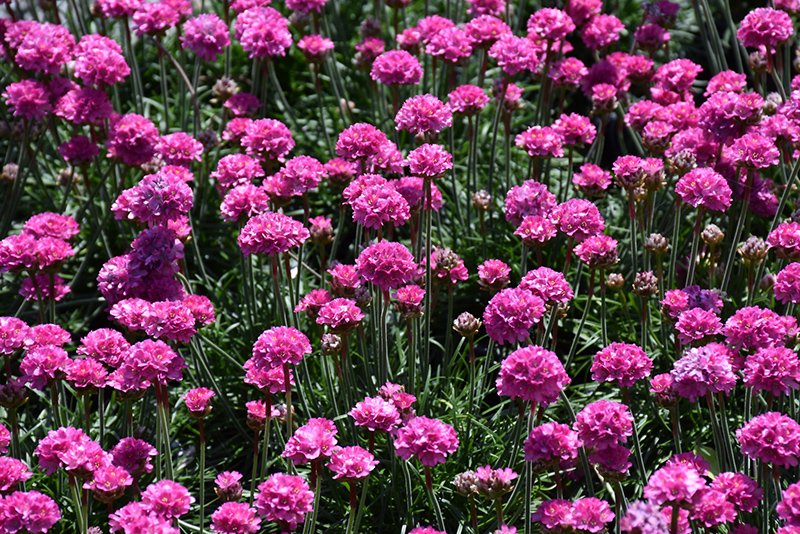
Botanical Name: Armeria maritima 'Dusseldorf Pride'
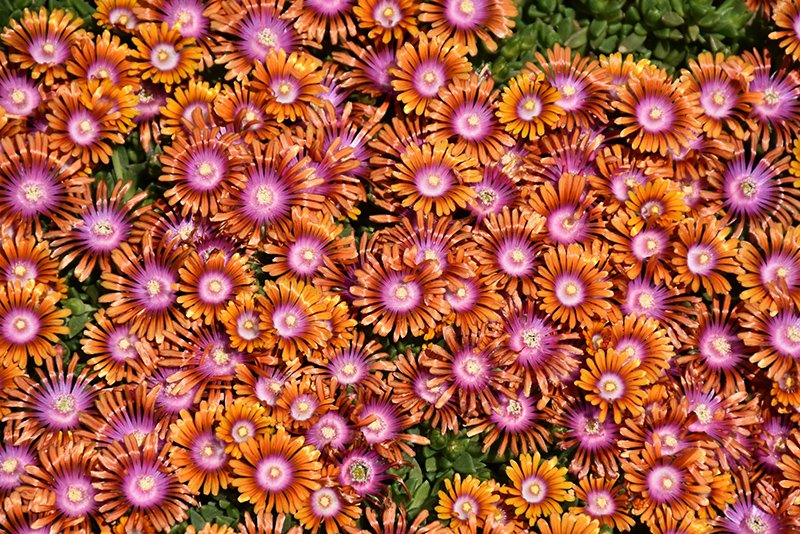
Botanical Name: Delosperma 'Fire Spinner'
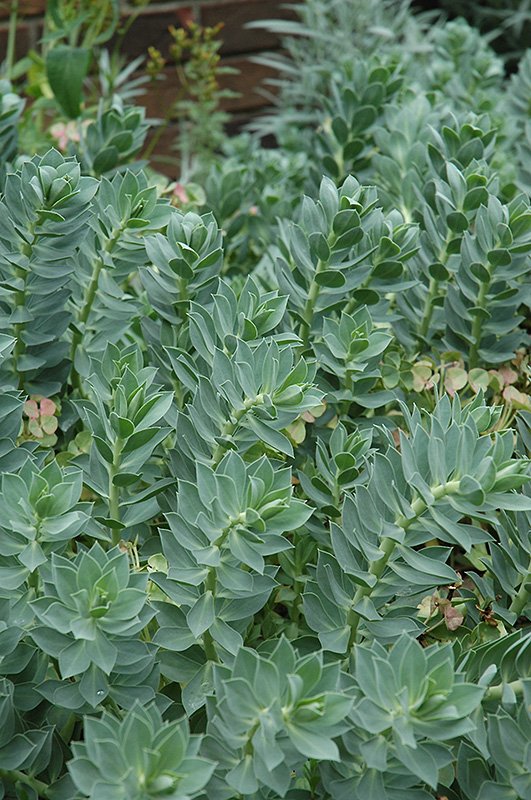
Botanical Name: Euphorbia myrsinites
- Candytuft (Iberis sempervirens)
- Catmint (Nepeta x faassenii)
- Hardy ice plant (Delosperma nubigenum)
- Hens and chicks (Sempervivum tectorum)
- Moss phlox, creeping phlox (Phlox subulata)
- Pincushion flower (Scabiosa japonica var. alpina) (S. ‘Butterfly Blue’)
- Pinks (Dianthus alpinus)
- Rock cress, wall cress (Arabis species)
- Rock rose, sun rose (Helianthemum hybrids)
- Spurge (Euphorbia myrsinites) (E. polychroma)
- Stonecrop (Sedum acre) - dwarf varieties
- Thrift, sea pink (Armeria maritima)
- Thyme (Thymus species)
Full Sun, Medium to Tall Plants
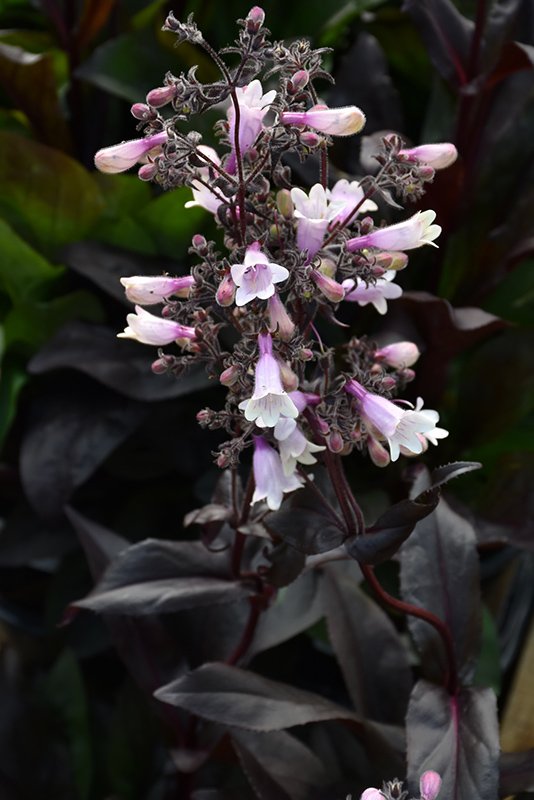
Botanical Name: Penstemon 'Dark Towers'
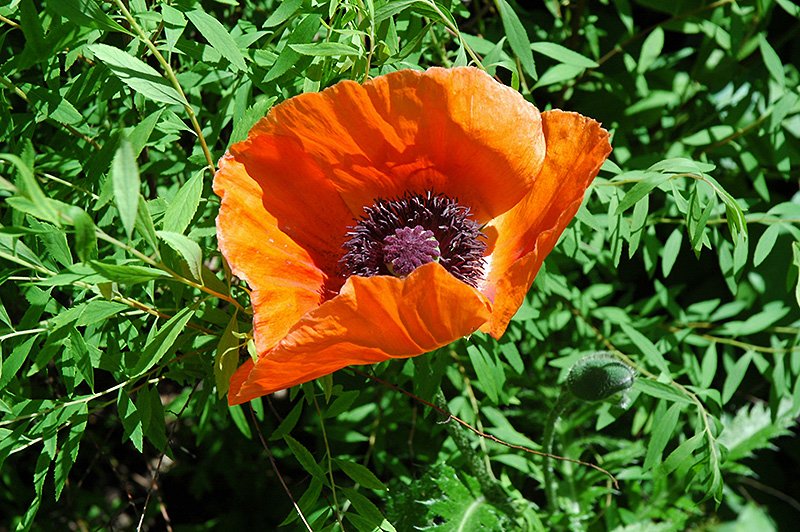
Botanical Name: Papaver orientale
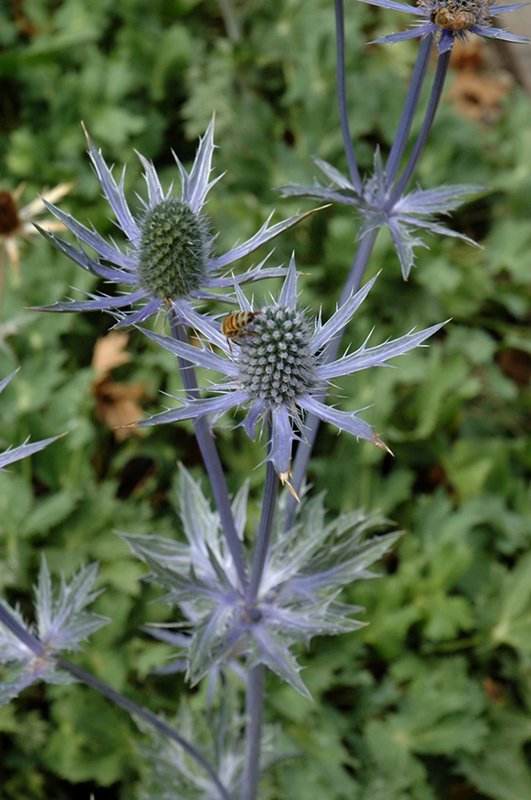
Botanical Name: Eryngium 'Big Blue'
- Beard-tongue (Penstemon digitalis) – Native
- Bergenia (Bergenia crassifolia)
- Black-eyed Susan (Rudbeckia hirta) – Native
- Blanket flower (Gaillardia x grandiflora)
- Butterflyweed (Asclepias tuberosa) – Native
- False indigo, wild indigo (Baptisia australis)
- Hairy penstemon (Penstemon hirsutus) – Native
- Lanceleaf coreopsis (Coreopsis lanceolata) – Native
- Lavender (Lavandula angustifolia)
- Orange coneflower (Rudbeckia fulgida ‘Goldsturm’)
- Perennial cornflower (Centaurea montana)
- Poppy (Papaver species)
- Purple coneflower (Echinacea purpurea)
- Prickly pear cactus (Opuntia compressa) – Native
- Russian sage (Perovskia atriplicifolia)
- Salvia (Salvia nemerosa hybrids)
- Sea Holly (Eryngium species)
- Silver sage, wormwood (Artemisia ludoviciana)
- Threadleaf coreopsis (Coreopsis verticillata) – Native
- Yarrow (Achillea millefolium)
Full Sun Grasses
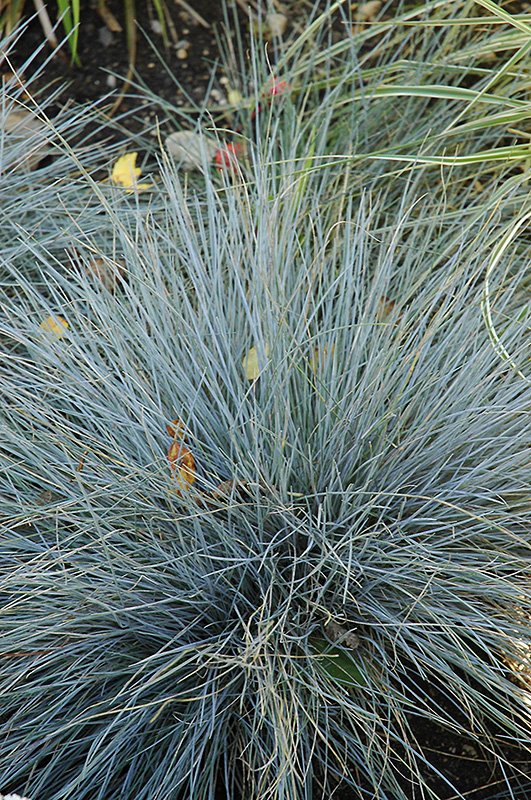
Botanical Name: Festuca glauca
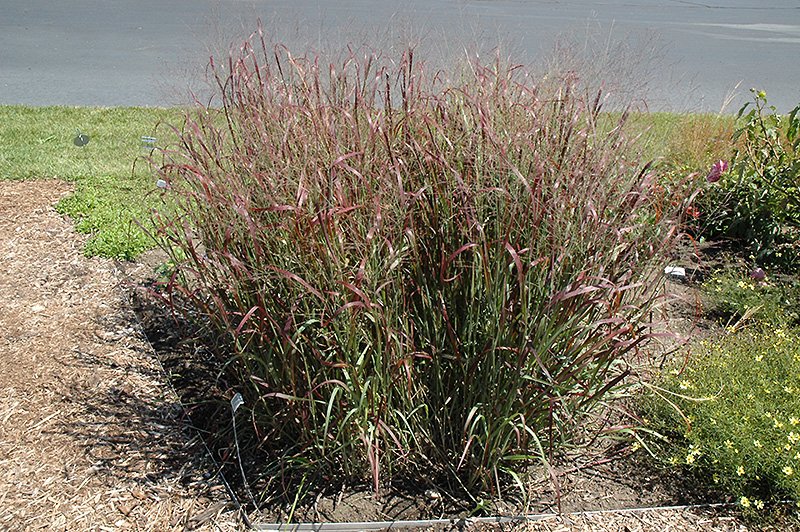
Botanical Name: Panicum virgatum 'Prairie Fire'
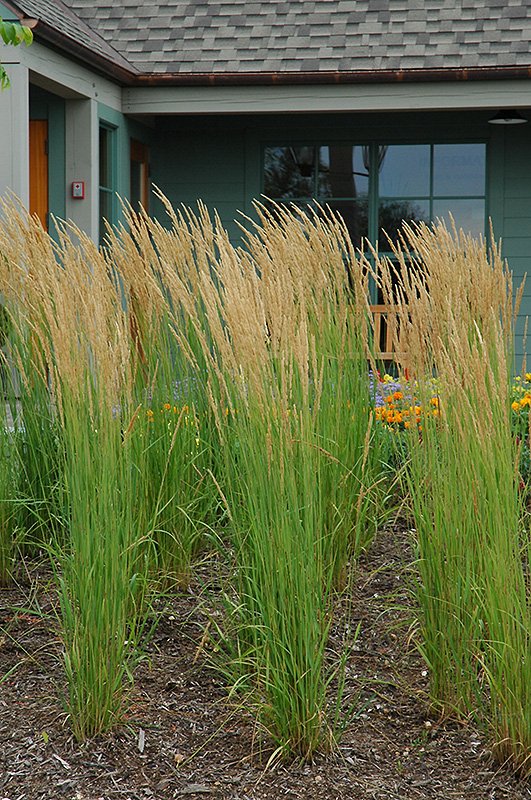
Botanical Name: Calamagrostis x acutiflora 'Karl Foerster'
- Big bluestem (Andropogon gerardii) – Native
- Blue fescue (Festuca glauca)
- Blue oat grass (Helictotrichon sempervirens)
- Feather reed grass (Calamagrostis x acutiflora ‘Karl Foerster’)
- Little blue stem (Schizachyrium scoparium) – Native
- Switch grass (Panicum virgatum) – Native
Groundcover for Shade
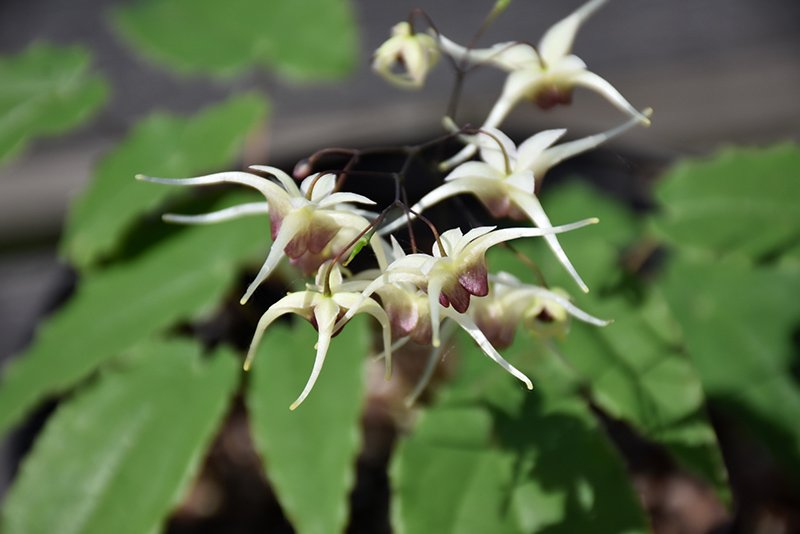
Botanical Name: Epimedium 'Domino'
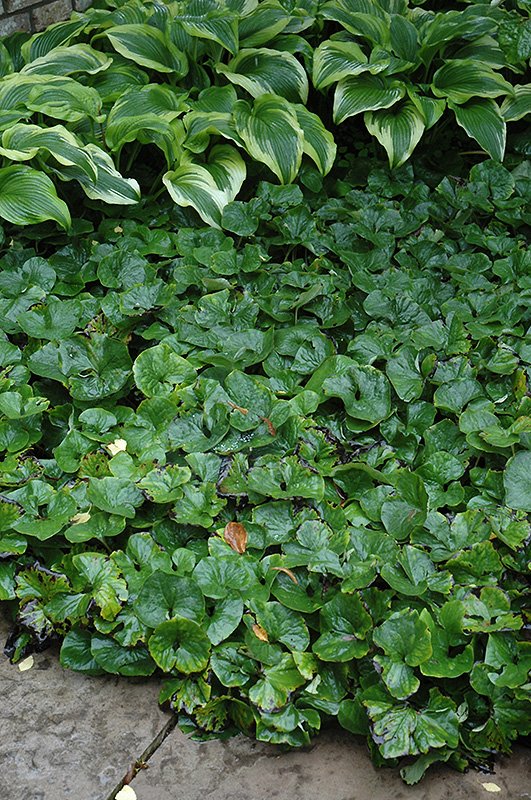
Botanical Name: Asarum canadense
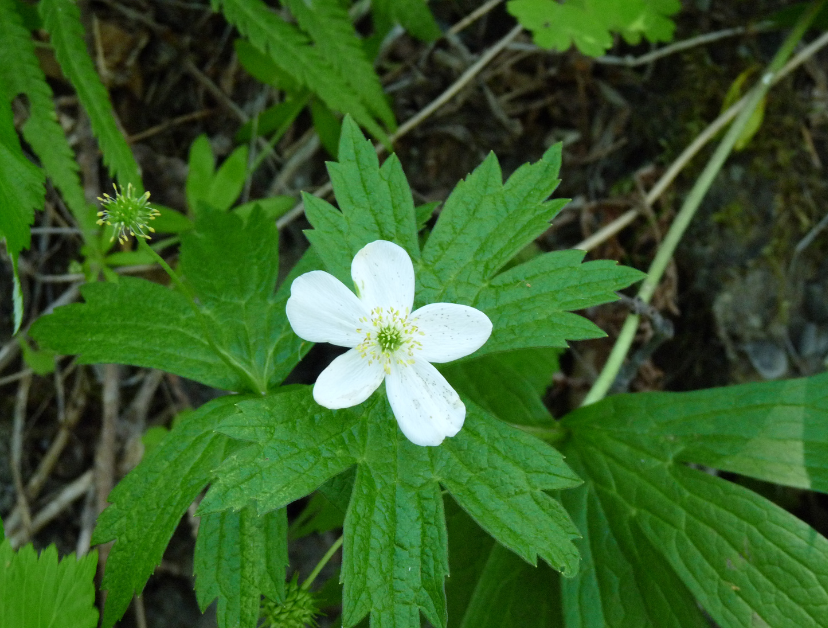
Botanical Name: Anemone canadensis
- Barrenwort (Epimedium hybrids)
- Bigroot geranium (Geranium macrorrhizum)
- Canada anemone (Anemone canadensis) – Native
- Creeping phlox (Phlox stolonifera)
- Sweet Woodruff (Galium odoratum)
- Wild ginger (Asarum canadense) – Native
- Woodland phlox (Phlox divaricata) – Native
Medium to Tall Plants for Shade
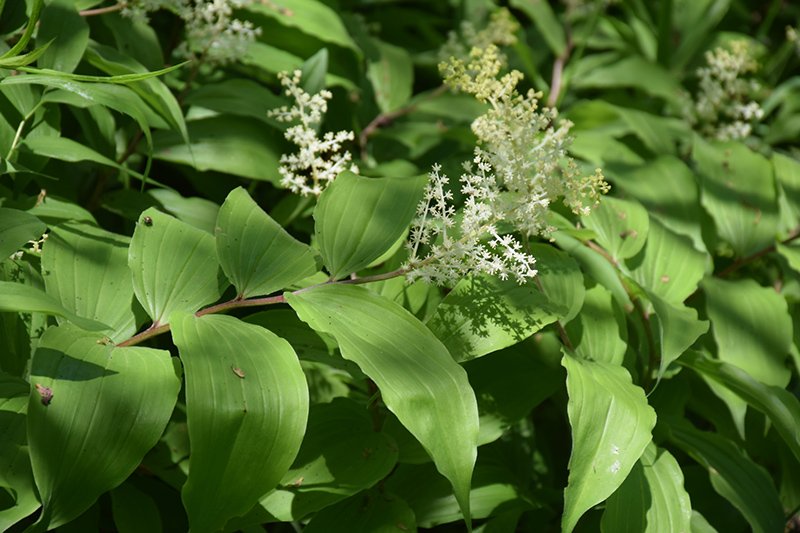
Botanical Name: Maianthemum racemosum
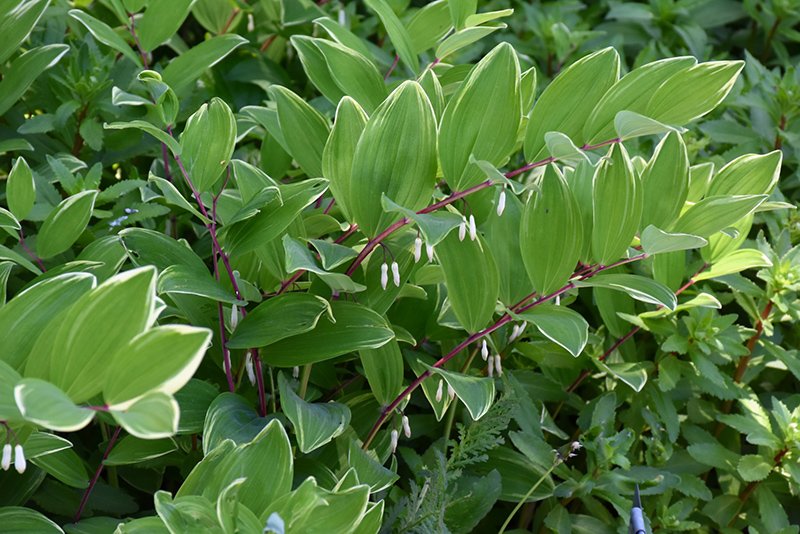
Botanical Name: Polygonatum odoratum 'Variegatum'
- False Solomon’s seal (Maianthemum racemosum) – Native
- Solomon’s seal (Polygonatum biflorum) – Native
Ferns for Dry Shade
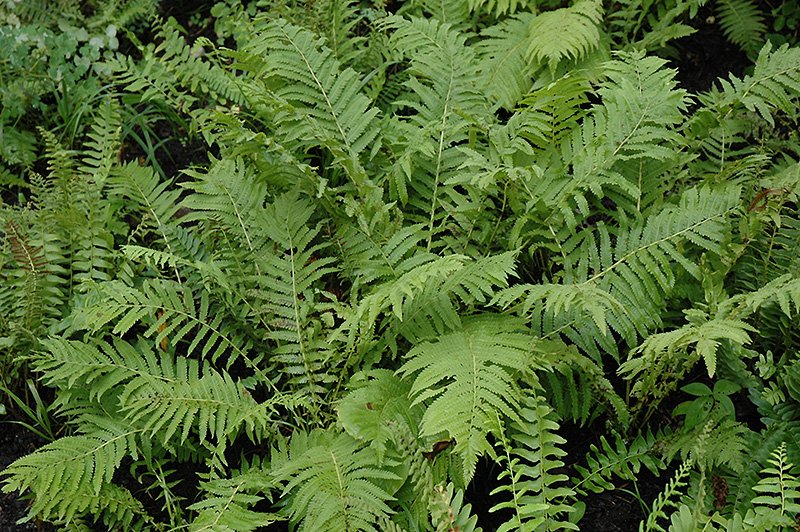
Botanical Name: Polystichum acrostichoides
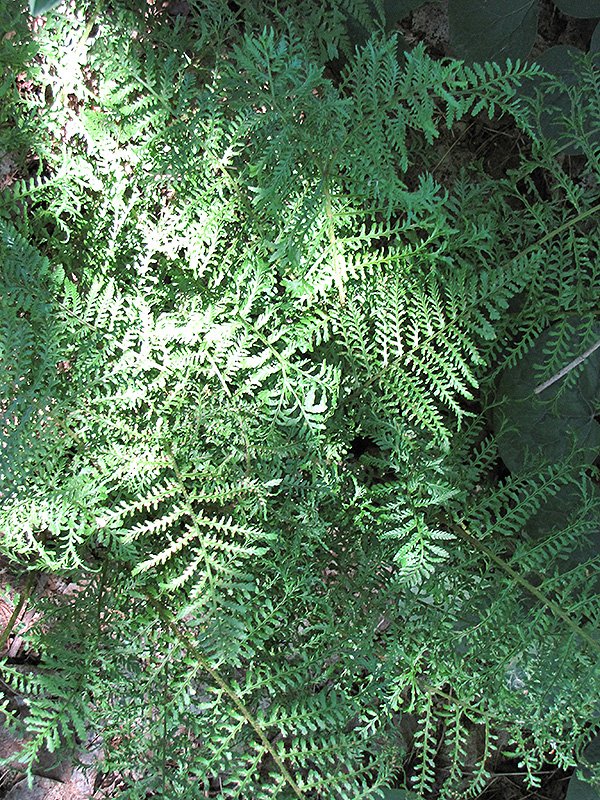
Botanical Name: Dryopteris filix-mas
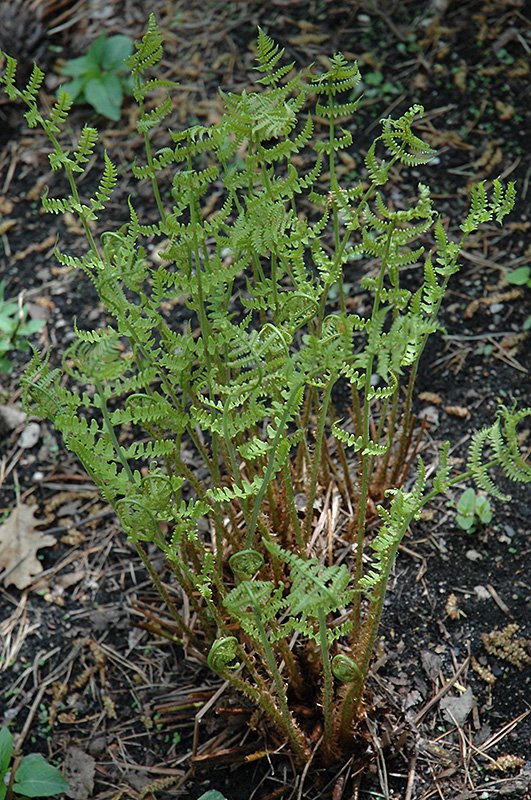
Botanical Name: Dryopteris marginalis
- Christmas fern (Polystichum acrostichoides) – Native
- Hay-scented fern (Dennstaedtia punctilobula) – Native
- Marginal wood fern (Dryopteris marginalis) – Native
- Male fern (Dryopteris filix-mas) – Native
- Rock fern (Polypodium virginianum) – Native
A Little TLC
It doesn’t take much to keep drought-tolerant plants thriving—just a little attention and some seasonal TLC. While they’re tough, even these hardy perennials appreciate an occasional deep watering during extended dry spells, especially in their first year.
For sun-loving perennials, skip the heavy fertilizers. Instead, an annual layer of compost is all they need to stay healthy and strong.
Shade-loving drought-tolerant plants, on the other hand, benefit from a layer of mulch. This helps retain moisture and reduces evaporation, especially in dry shade, which is one of the most challenging conditions for any plant to thrive in.
And don’t forget to deadhead regularly! Removing spent blooms encourages your plants to keep producing flowers instead of going to seed, meaning more colour, for longer.
With a few simple care tips, your drought-tolerant garden can remain beautiful and resilient throughout the entire season.
Other resources:
- Landscape Ontario: Eight Beautiful Drought Tolerant Plants
- Toronto Master Gardeners: Drought Tolerant Plants
- Guelph.ca: Drought Tolerant Native Plants
What’s the best way to brighten up your garden? Add lots of annual flowers in the Spring! Here in Southern Ontario, the May holiday weekend is usually safe from frost - and go time for planting tender annuals!
At Eising Garden Centre, you’ll find a wide array of beautiful annual blooms. Here are ten of our sun-loving favourites to try.
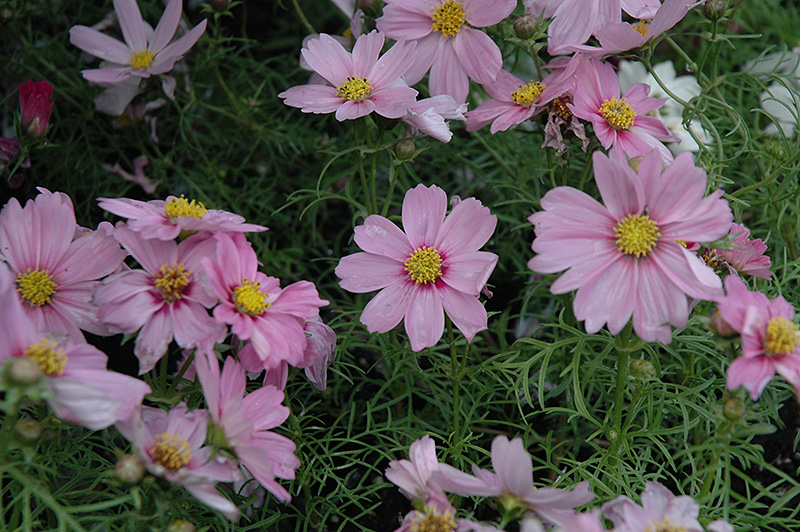
Cosmos
With daisy-like blooms in radiant shades of pink, red, and pure white adorned with mellow yellow centres—Cosmos are irresistible. They're perfect planted along a fence or at the back of a border, where they can lean on a little support. Depending on the variety, Cosmos can grow anywhere from 12 to 80 inches tall!
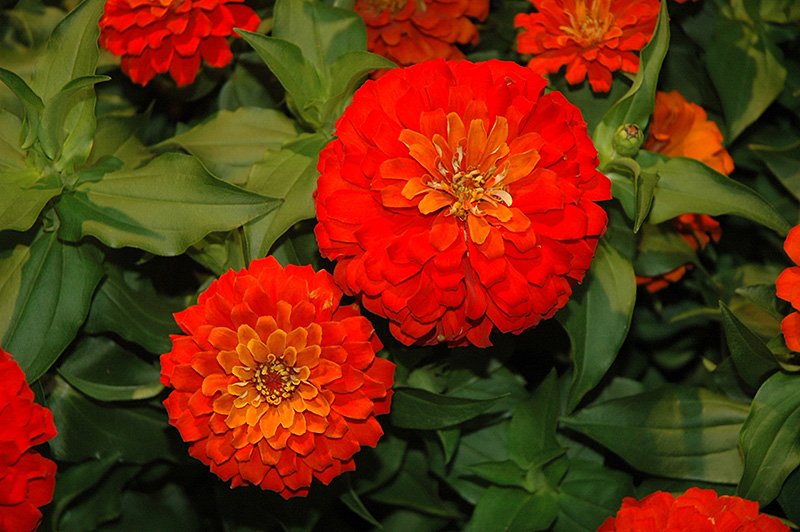
Zinnia
Bold, structured, and bursting with colour, Zinnias bring serious wow factor. Their cheerful blooms come in red, green, orange, yellow, purple, pink, and white. Depending on the variety, Zinnias grow between 6 and 36 inches tall and spread about 12 inches wide.
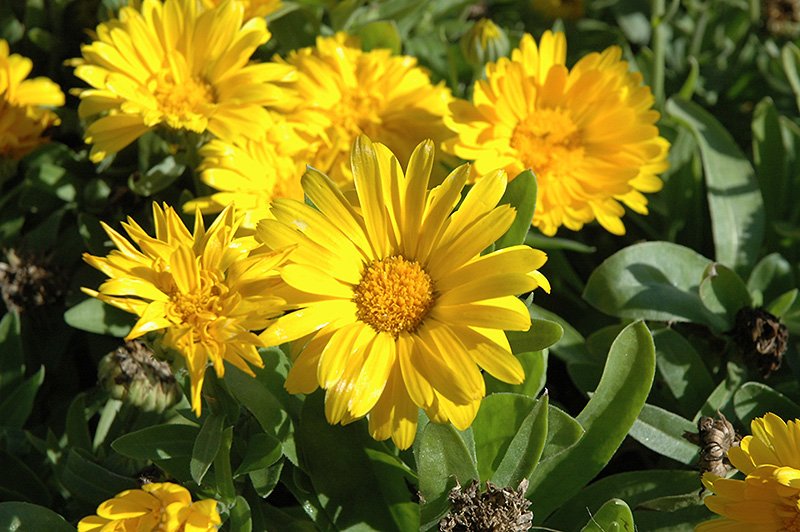
Calendula
Decorative and useful, Calendulas are edible flowers with culinary and medicinal value. Their soothing, antiseptic properties make them popular beyond the garden. Calendula come in gorgeous, bright shades of copper, orange, gold, and yellow blooms and grow 10 to 24 inches tall.
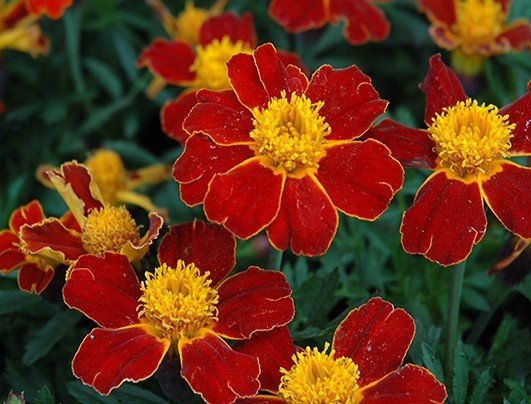
Marigold
Tough and reliable, Marigolds handle heat and humidity with ease, thriving even in the driest parts of your garden. They offer a beautiful range of bloom types—from large, ruffled flowers to small, delicate blossoms—and a palette of cream, yellow, orange, red, and bi-colours. Depending on the variety, Marigolds can grow from 6 to 36 inches tall.
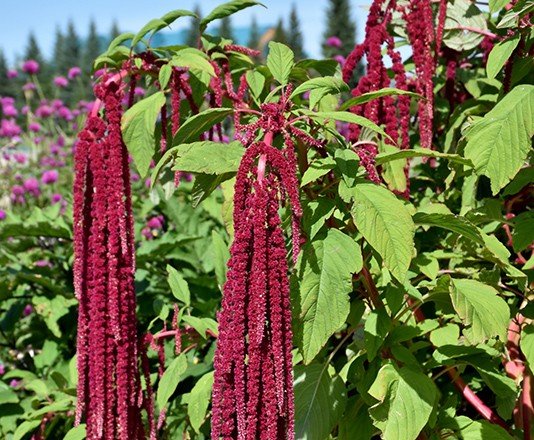
Amaranth
If you're after drama, Amaranth is your plant! Reaching heights of 3 to 5 feet, these bold beauties flaunt long, rope-like clusters of maroon or red flowers. While low-maintenance, Amaranths may need a bit of support to stay upright as they mature.
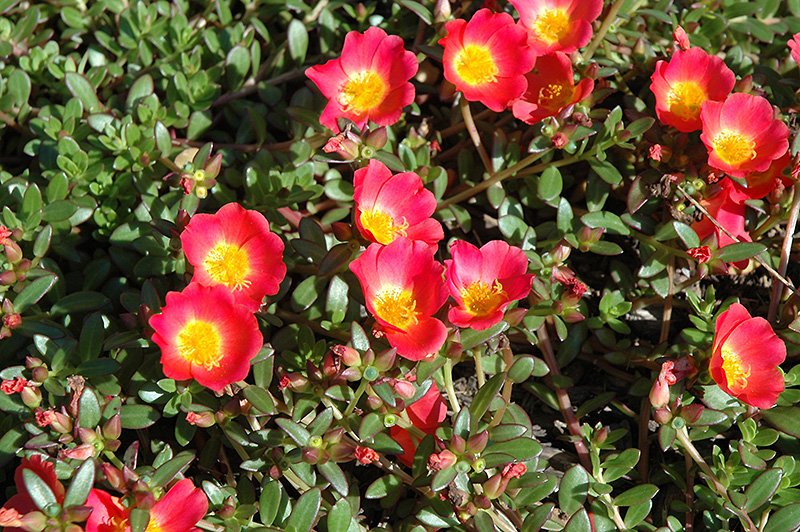
Portulaca
Perfect for hot, dry, and neglected spots, Portulacas deliver a brilliant show of colour with minimal effort. Their rose-like blooms come in vivid shades of red, pink, yellow, white, orange, and purple. Low-growing at just 4 to 8 inches tall, they're ideal for the front of borders, or alongside driveways, and patios.
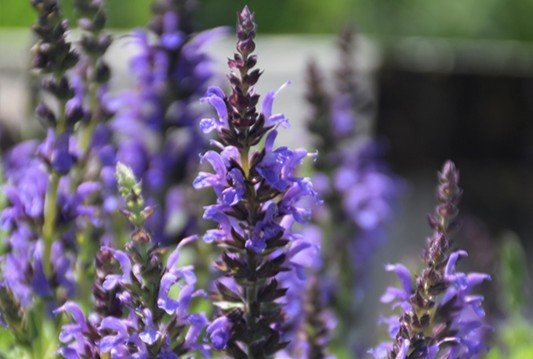
Salvia
With tall spikes of bold purple, red, blue, pink, or white blooms, Salvias are garden standouts. Growing 8 to 24 inches tall and often blooming continuously, they quickly become must-haves for flower beds or large containers.
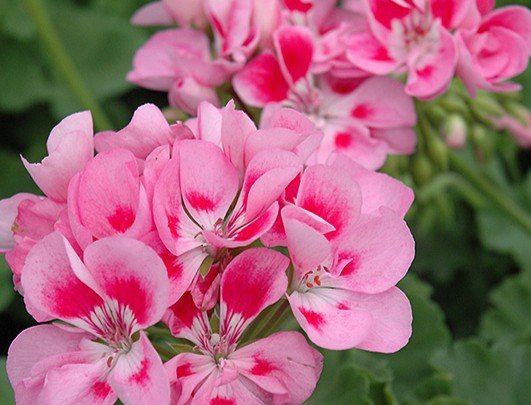
Geranium
Drought-tolerant and tough as nails, Geraniums have long been a gardener’s favourite. Regular deadheading (removing spent blooms) will reward you with non-stop flowers until frost. Their lush foliage and bright flowers—ranging from salmon, white, purple, violet, and orange to red and pink—also shine in mixed containers. Geraniums typically grow between 8 and 24 inches tall.
Petunia
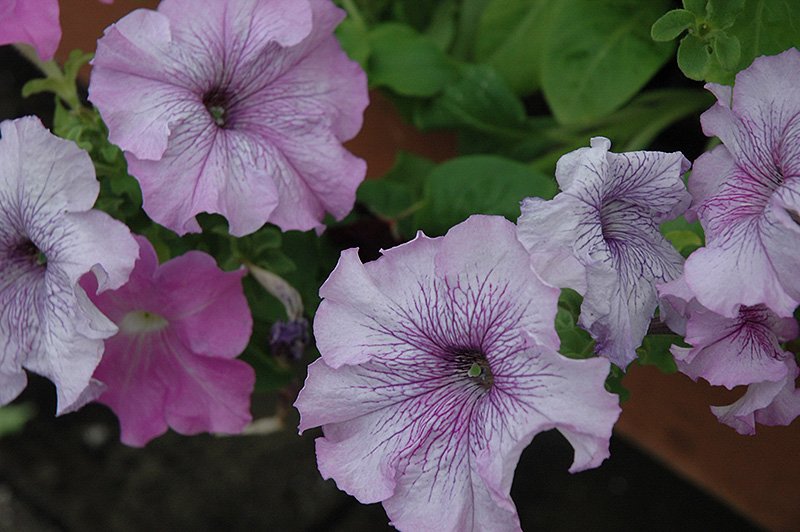
It’s no surprise Petunias have remained beloved for generations. They grow quickly, bloom prolifically, and require little care. Available in mounding or trailing forms—and sometimes carrying a heavenly scent—Petunias are perfect for flower beds, hanging baskets, pots, or window boxes. Growing 6 to 18 inches tall, they come in white, yellow, pink, purple, red, bi-colours, and even black!
Dahlia
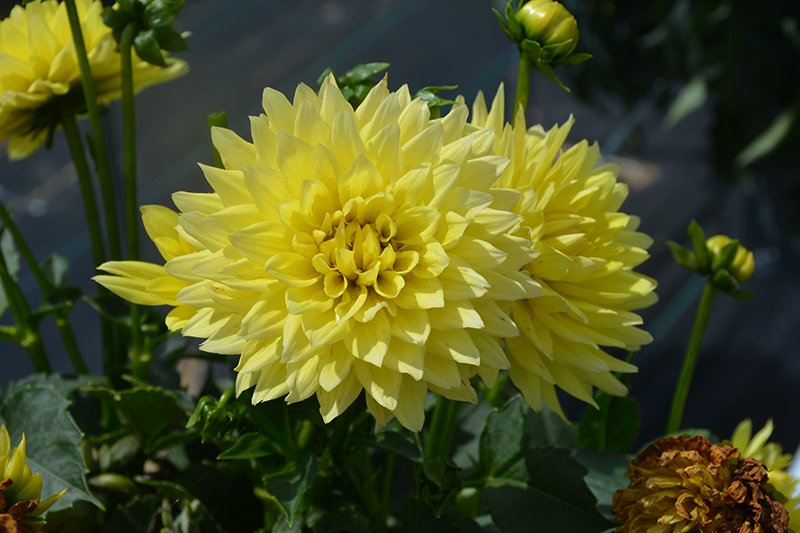
Dahlias can become a full-on passion project—and it’s easy to see why. Their breathtaking blooms come in a stunning range of sizes, shapes, and colours. While Dahlias can be a bit particular (they love rich, well-drained soil and plenty of water, but hate soggy conditions), they are absolutely worth the extra attention.
Sunshine + Food + Hydration = Success
All of these annuals thrive in full sun and will reward you with even more blooms when given consistent water and fertilizer.
Adding a continuous-release fertilizer to your soil at planting time—or feeding weekly with a balanced, water-soluble fertilizer—makes it easy to keep your garden thriving all summer long!
*TIP: Check our handy Plant Finder for more details! https://plants.eising.ca/11110015/
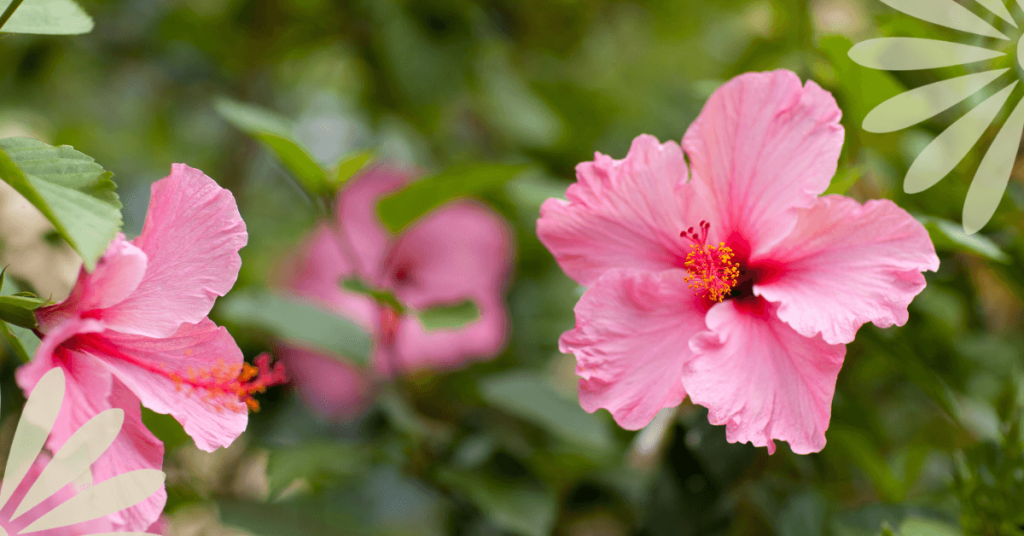
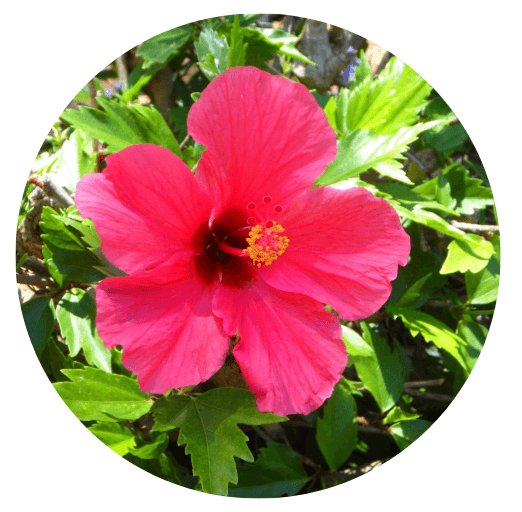
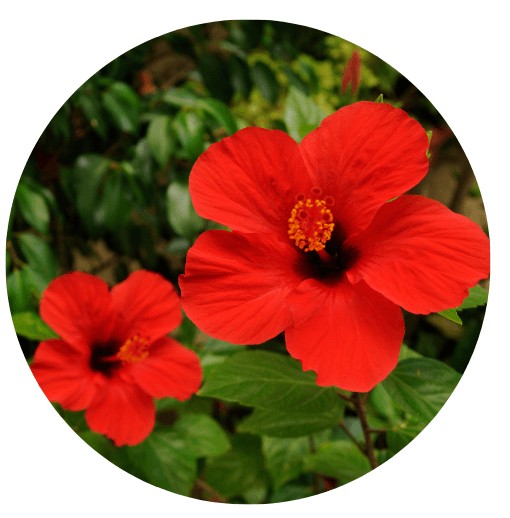
Tropical Hibiscus evokes all of the best descriptions imaginable when you see one. Showy, stunning, exotic, vibrant, impressive, large, lush, colourful and flamboyant flowers grace branches of dark, glossy, green leaves. It just seems unreal! This plant conjures up images of the tropics, but it will grow in a pot on your sunny patio or inside your home!
Tropical Paradise
If you’re looking to create your own tropical paradise, this surprisingly low-maintenance plant is a great addition. Its showy trumpet-shaped blooms make it a great focal plant and the wide variety of shapes and colours available is astounding!
Tropical Hibiscus flowers are rich in nectar, attracting hummingbirds, bees, butterflies and other beneficial pollinators to your garden.
Planting tropical Hibiscus in a pot makes it easier to move the plant to a sunny, warm location, which provides the conditions for it to thrive. Be sure to ease your plant outside by hardening it off though. If it’s been indoors or in a greenhouse, give it time to acclimate, or it will become scorched or worse, die. Hardening off is a simple process of slowly easing your plants into life outdoors.
Blooming Good
Tropical Hibiscus will bloom all summer long here in southern Ontario when provided with sun, warmth, ample water and nutrients. During the growing season, water the soil regularly to keep it evenly moist. While it loves full sun, the sun’s rays can be dehydrating. Hibiscus is a thirsty plant when it’s in bloom so don’t let the soil completely dry out. Of course, there’s a limit to how much water you use. Too much water will cause the roots to rot. The key word is “moist” - not monsoon wet! Using mulch will help to retain moisture in the pot.
To provide your plant with proper nutrition, use a time-release fertilizer in May or a balanced, diluted water-soluble fertilizer like fish emulsion about once a week over the summer months.
Each blossom lasts one day. They are short-lived, but don’t worry - Tropical Hibiscus will produce a succession of flowers during the growing season with ample light, water, and fertilizer. Once a faded bloom wilts, remove it from the plant to make way for the next one.
Looking Ahead
If you’re planning to keep your Hibiscus over the winter, here are a few tips to help.
Before the first frost, inspect the plant thoroughly for any bug hitchhikers or pests like aphids or spider mites. Give the entire plant a thorough shower and then bring it indoors. If you’ve found that your plant needs constant watering and has outgrown its pot, this is a great time for repotting before it comes indoors. Find a pot that is only 1-2” bigger than the pot it’s currently in and transplant it with some fresh, tropical potting mix.
This is another big transition for your plant, and you may find it loses some leaves unless you slowly migrate it from outdoor to indoor conditions. Place your Tropical Hibiscus in a warm, sunny window. Don’t move it to a cold basement right away, even if that will ultimately be its winter home. Just as you hardened it off in the Spring, slowly move it to a cooler location for winter storage if you don’t have a sunny, warm location. Be sure though that it ends up in an area where it’s getting at least 3 hours of direct sun each day.
At this point, stop fertilizing your tropical Hibiscus and reduce the amount of water used. Allowing the soil to dry out between waterings while the plant is dormant and not blooming is okay.
Enough talk of winter! While the weather is warm, pop an umbrella into a fruity summer drink and enjoy your beautiful tropical Hibiscus oasis!