The Queen of the Classic Garden Border
By Ava Green
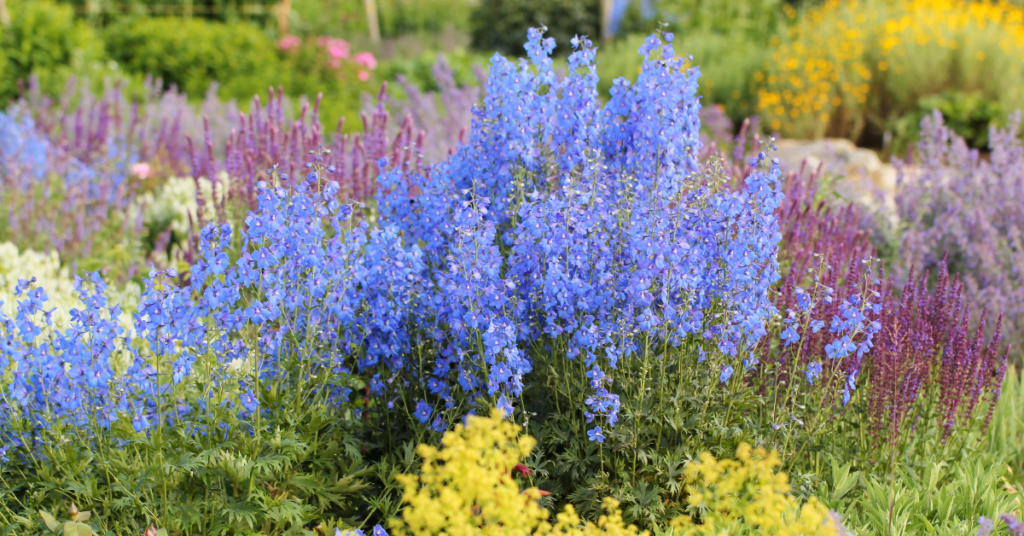
Tall, stately, and undeniably dramatic, the Delphinium or Larkspur is one of those perennial plants that stops people in their tracks. When given the right conditions, its towering floral spikes are magnificent. For gardeners who love a classic English border, nothing else compares. Yes, Delphiniums have lots of preferences, but tend to them, and they will reward you with a floral display that makes every bit of effort worthwhile.
Choosing Your Delphiniums
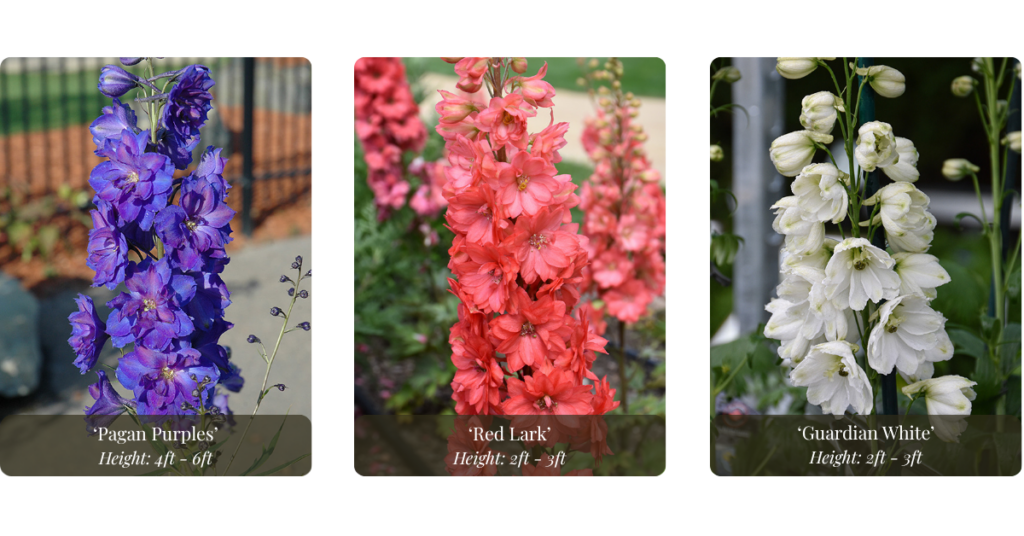
With a wide number of varieties to choose from, there’s one that’s sure to fit every garden. Heights range from a modest 36 inches to an impressive 72 inches tall (Yes, 6 feet!), with a spread of 24 to 36 inches depending on the variety. So whether you have a compact border or a large sweeping bed, there’s a Delphinium to suit your space.
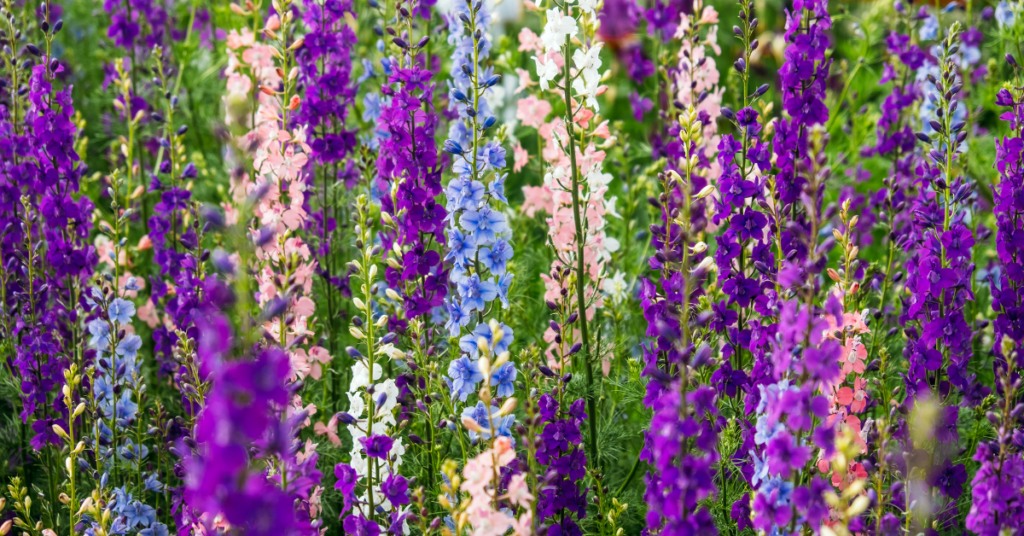
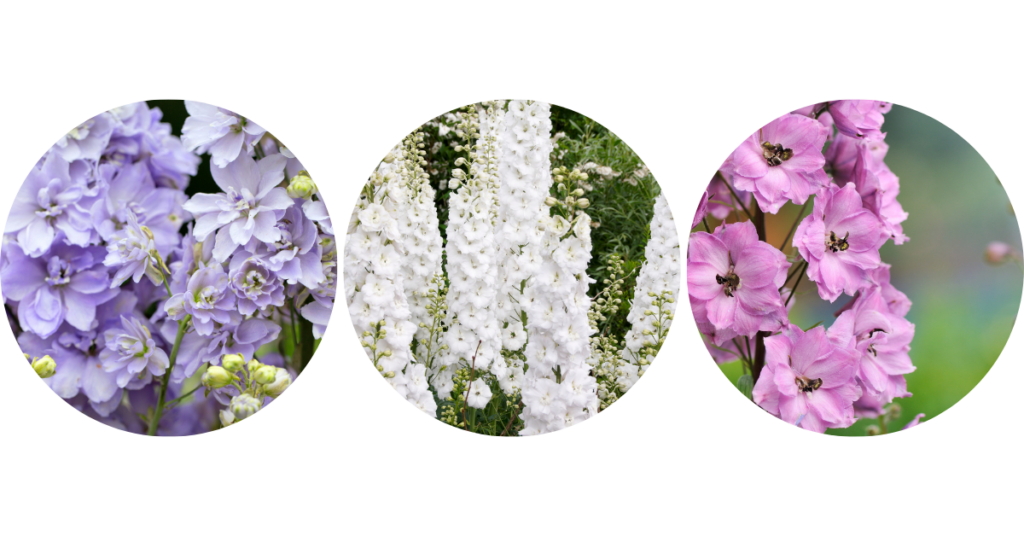
Their colour palette is equally diverse: rich blues and purples, soft pinks, crisp whites, and beautiful bicolours. Few flowers offer such a wide range.
Planting
While Delphiniums prefer abundant moisture, be sure to plant the crown of the plant (where the stems meet the root ball) at soil level to avoid crown rot. Planting them too deeply is the most common way to lose these plants.
Spring and Fall are the ideal times to plant, giving roots a chance to establish themselves in cooler, more forgiving conditions. That said, a cool, overcast summer day works well too, just avoid planting during hot or humid spells. Spacing will depend on the variety you choose, so check the tag and give each plant the room it needs to breathe.
Growing
Delphiniums are what gardeners affectionately call “Goldilocks plants”, they like things just right. Full sun, protection from strong winds, and fertile, humus-rich soil with excellent drainage are keys to success. They also love manure mixed into the soil to enrich their growing conditions.
Their height is both their greatest asset and vulnerability. Because Delphinium flower stalks have hollow centres, they break easily if they’re exposed to the wind. Planting them in a sheltered spot is genuinely important. Once plants reach about 12 inches tall, stake each flower spike individually, or place a tomato cage around a clump early in the season before it’s needed. It’s much easier to stake proactively than to rescue a snapped stem after the fact.
Delphiniums are hungry plants and will perform best when fed generously. A dose of fertilizer, compost, or well-rotted manure in both spring and summer keeps them healthy and productive throughout the season.
Finally, don’t overlook dividing. Each spring, simply dig up the plant and cut the root ball in half. Now you have two plants for your border, or one to keep and one to share!
The Show
All that care pays off in late spring and early summer, when Delphiniums put on one of the most spectacular displays in the garden. Tall, densely packed spikes covered in richly coloured blooms rise above the border like beacons. Bold, beautiful, and completely unforgettable.
Once the first flush of flowers begins to fade, and before the blooms turn to seed pods, cut the spent spikes back to just above the foliage. This encourages the plant to produce a second, smaller flush of blooms later in the season and extends the show! As the old foliage fades, trim it away to allow the fresh new growth to replace it.
Inspiration
There are plants you fit into a garden, and then there are plants you plan a garden around. Delphiniums belong firmly in the second category. Their height, colour, and presence make them one of the most inspiring and rewarding perennials a gardener can grow.
Stop by Eising Garden Centre to see what Delphinium varieties we have available this season. Our team is always happy to help you find the right fit for your garden and set you up for success.
Dealing with water restrictions or choosing to conserve water? You’re not alone. Many gardeners in Norfolk County are facing the challenge of keeping gardens thriving with less water. The good news? A lush, colourful garden is still within reach—thanks to drought-tolerant perennials.
When we think of drought-tolerant plants, cacti might be the first thing that comes to mind. But there’s a surprising variety of beautiful, hardy perennials that can handle our region’s dry spells—no desert landscape required.
While these plants do need regular watering when first planted, once established, they’re low-maintenance and well-suited to Southern Ontario’s climate, including periods of limited rainfall.
Full Sun Ground Cover
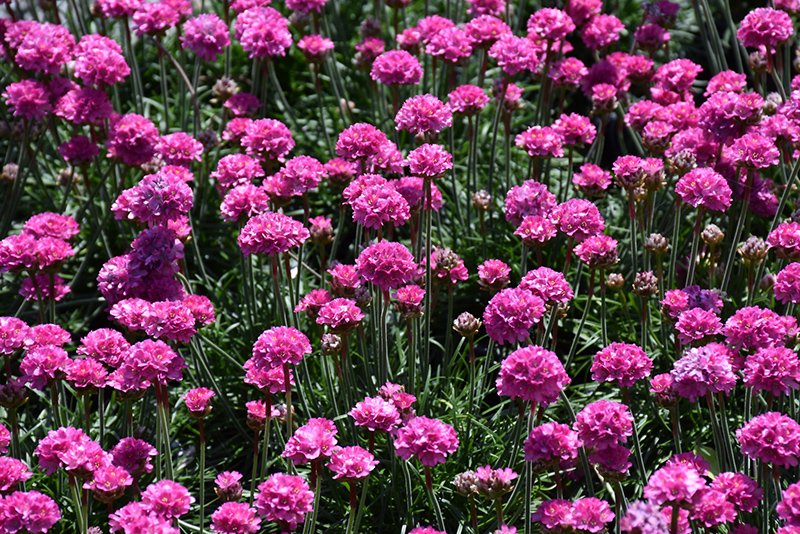
Botanical Name: Armeria maritima 'Dusseldorf Pride'
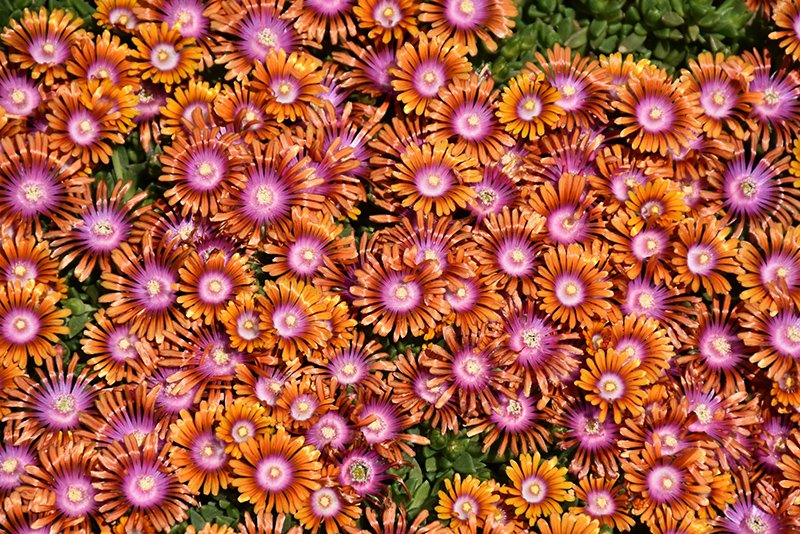
Botanical Name: Delosperma 'Fire Spinner'
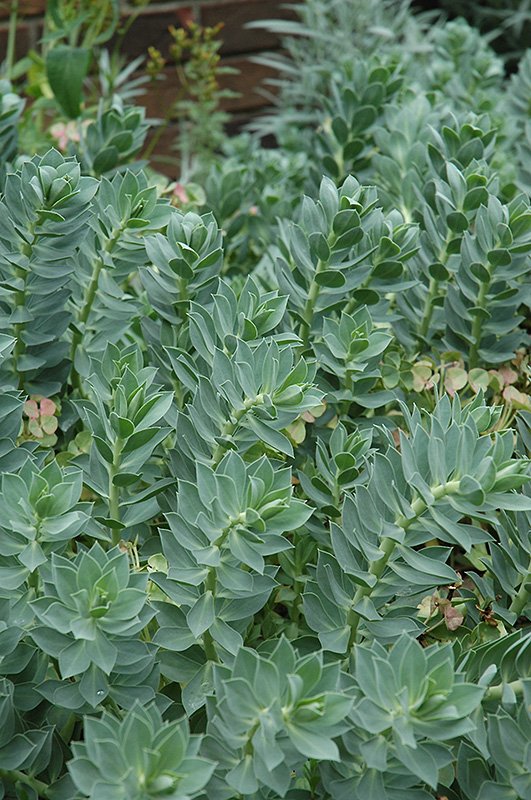
Botanical Name: Euphorbia myrsinites
- Candytuft (Iberis sempervirens)
- Catmint (Nepeta x faassenii)
- Hardy ice plant (Delosperma nubigenum)
- Hens and chicks (Sempervivum tectorum)
- Moss phlox, creeping phlox (Phlox subulata)
- Pincushion flower (Scabiosa japonica var. alpina) (S. ‘Butterfly Blue’)
- Pinks (Dianthus alpinus)
- Rock cress, wall cress (Arabis species)
- Rock rose, sun rose (Helianthemum hybrids)
- Spurge (Euphorbia myrsinites) (E. polychroma)
- Stonecrop (Sedum acre) - dwarf varieties
- Thrift, sea pink (Armeria maritima)
- Thyme (Thymus species)
Full Sun, Medium to Tall Plants
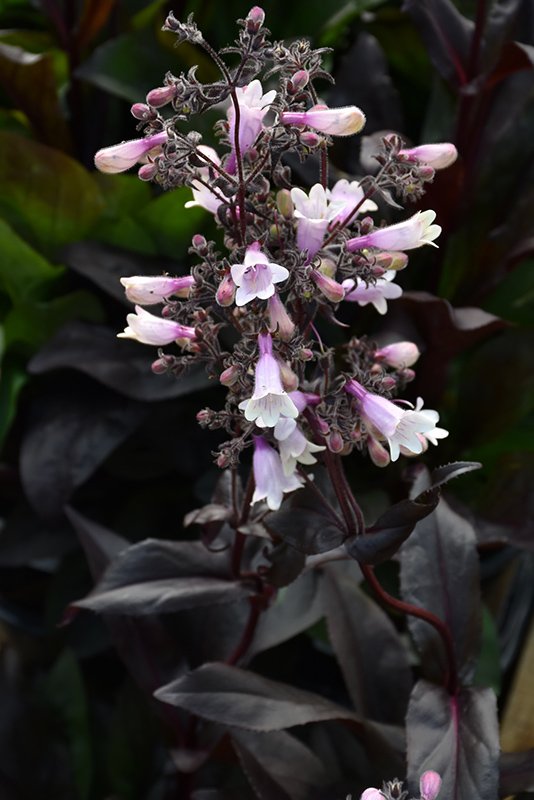
Botanical Name: Penstemon 'Dark Towers'
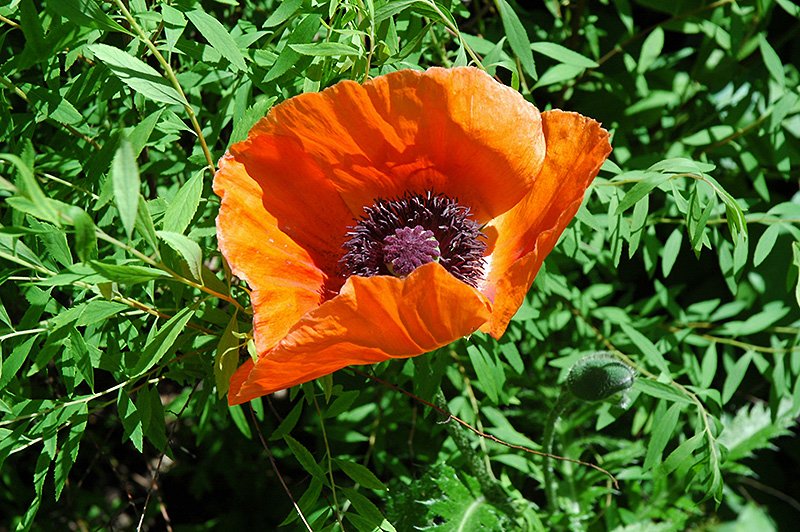
Botanical Name: Papaver orientale
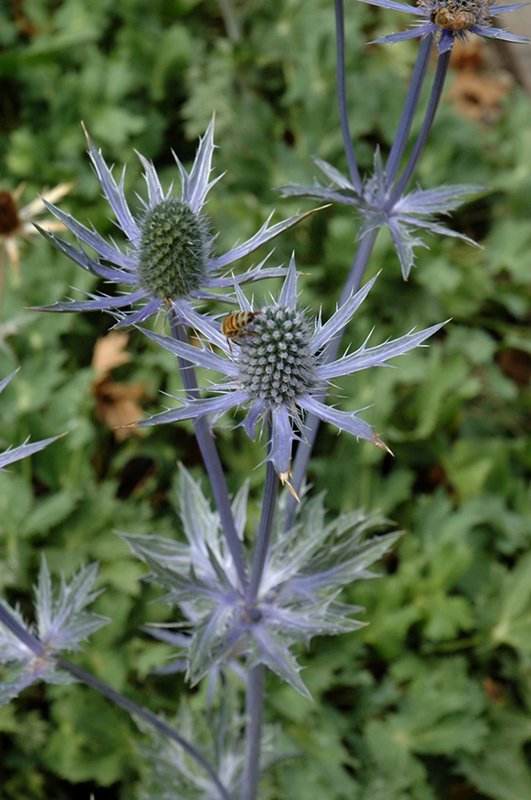
Botanical Name: Eryngium 'Big Blue'
- Beard-tongue (Penstemon digitalis) – Native
- Bergenia (Bergenia crassifolia)
- Black-eyed Susan (Rudbeckia hirta) – Native
- Blanket flower (Gaillardia x grandiflora)
- Butterflyweed (Asclepias tuberosa) – Native
- False indigo, wild indigo (Baptisia australis)
- Hairy penstemon (Penstemon hirsutus) – Native
- Lanceleaf coreopsis (Coreopsis lanceolata) – Native
- Lavender (Lavandula angustifolia)
- Orange coneflower (Rudbeckia fulgida ‘Goldsturm’)
- Perennial cornflower (Centaurea montana)
- Poppy (Papaver species)
- Purple coneflower (Echinacea purpurea)
- Prickly pear cactus (Opuntia compressa) – Native
- Russian sage (Perovskia atriplicifolia)
- Salvia (Salvia nemerosa hybrids)
- Sea Holly (Eryngium species)
- Silver sage, wormwood (Artemisia ludoviciana)
- Threadleaf coreopsis (Coreopsis verticillata) – Native
- Yarrow (Achillea millefolium)
Full Sun Grasses
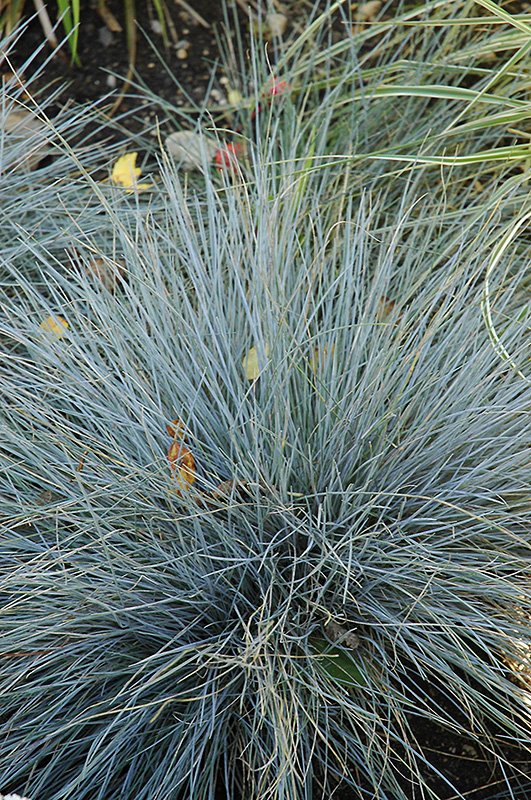
Botanical Name: Festuca glauca
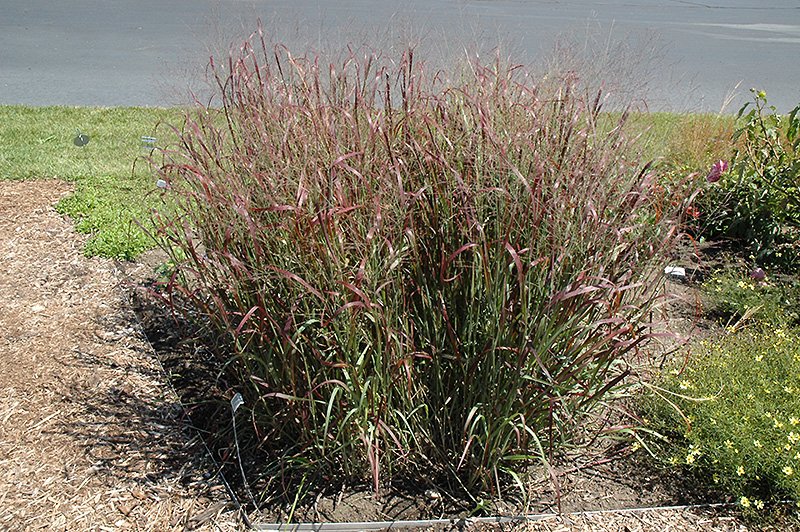
Botanical Name: Panicum virgatum 'Prairie Fire'
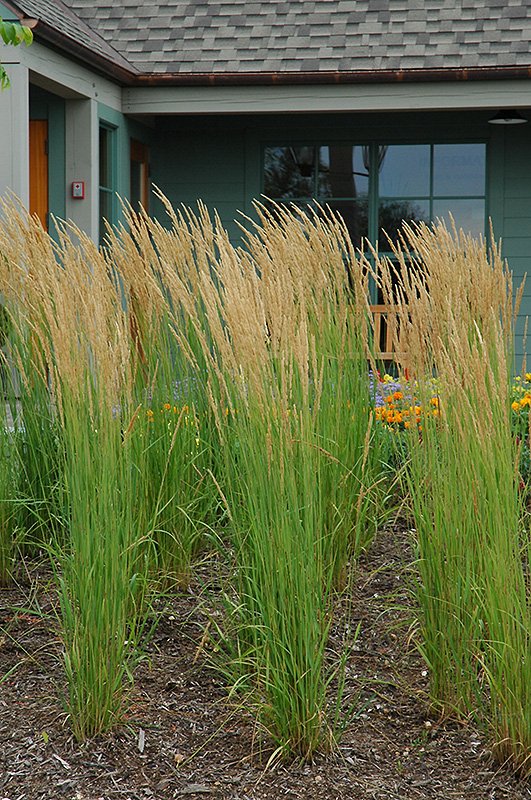
Botanical Name: Calamagrostis x acutiflora 'Karl Foerster'
- Big bluestem (Andropogon gerardii) – Native
- Blue fescue (Festuca glauca)
- Blue oat grass (Helictotrichon sempervirens)
- Feather reed grass (Calamagrostis x acutiflora ‘Karl Foerster’)
- Little blue stem (Schizachyrium scoparium) – Native
- Switch grass (Panicum virgatum) – Native
Groundcover for Shade
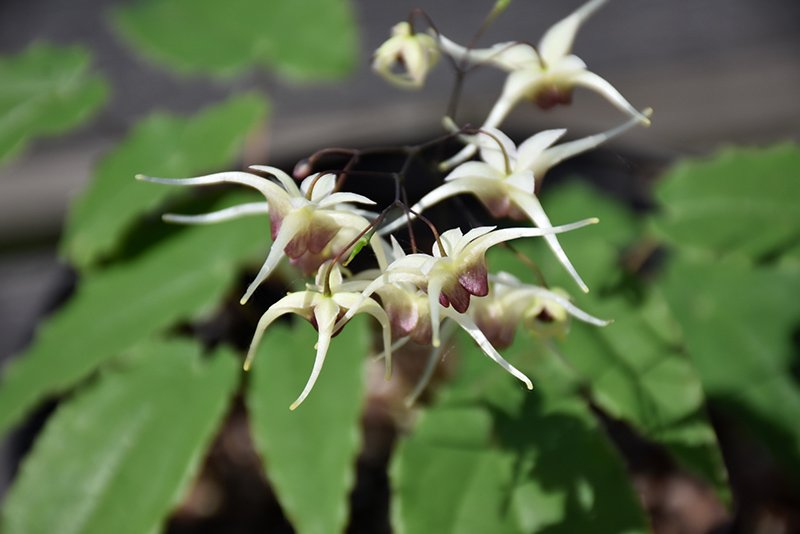
Botanical Name: Epimedium 'Domino'
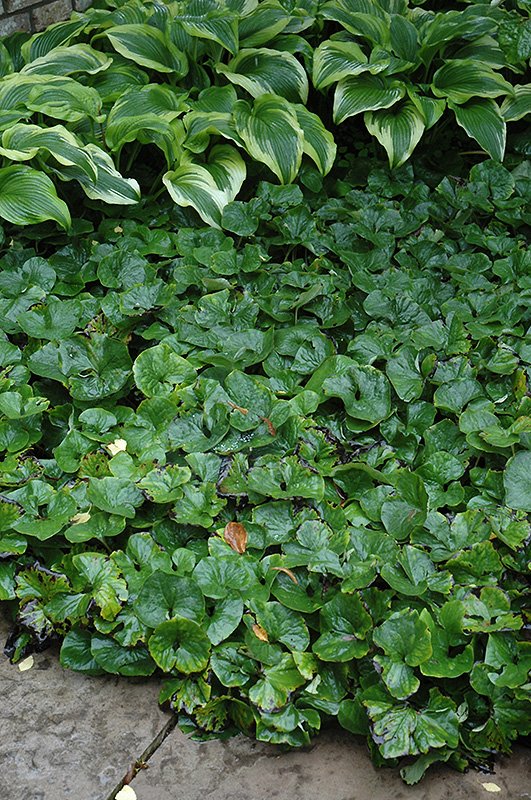
Botanical Name: Asarum canadense
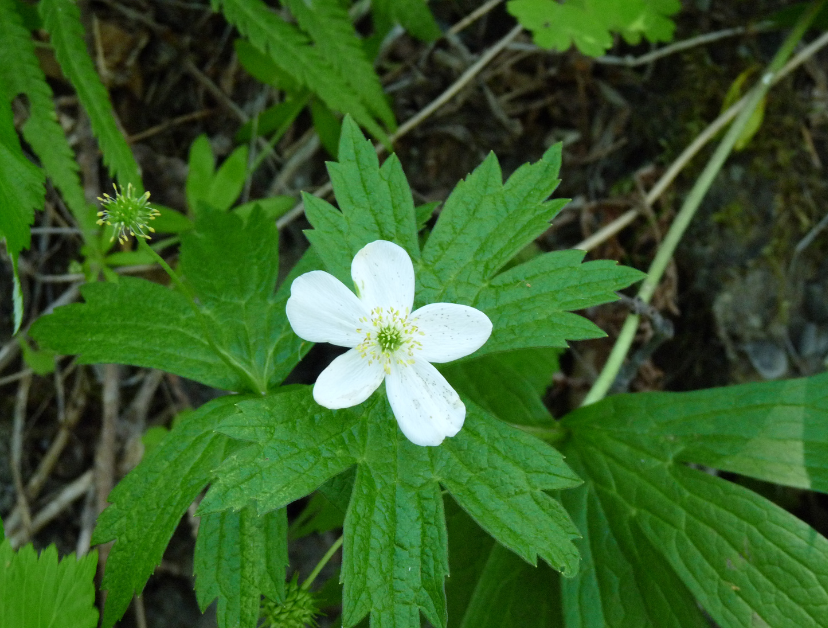
Botanical Name: Anemone canadensis
- Barrenwort (Epimedium hybrids)
- Bigroot geranium (Geranium macrorrhizum)
- Canada anemone (Anemone canadensis) – Native
- Creeping phlox (Phlox stolonifera)
- Sweet Woodruff (Galium odoratum)
- Wild ginger (Asarum canadense) – Native
- Woodland phlox (Phlox divaricata) – Native
Medium to Tall Plants for Shade
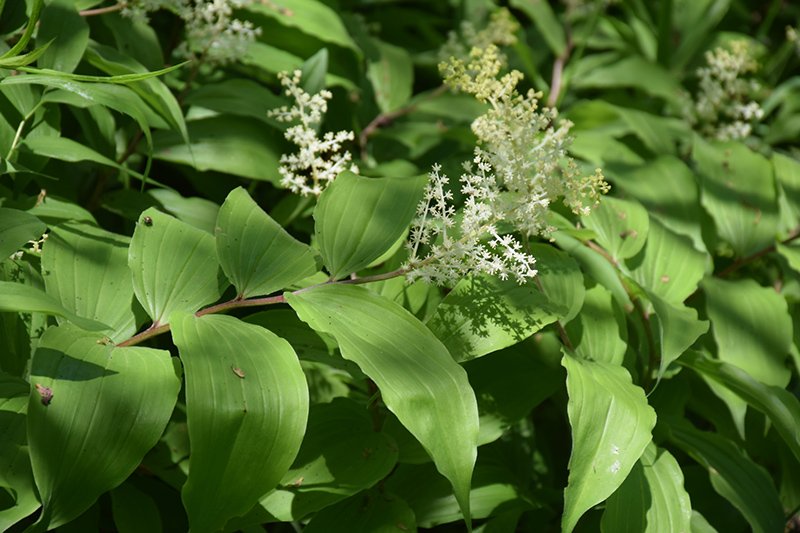
Botanical Name: Maianthemum racemosum
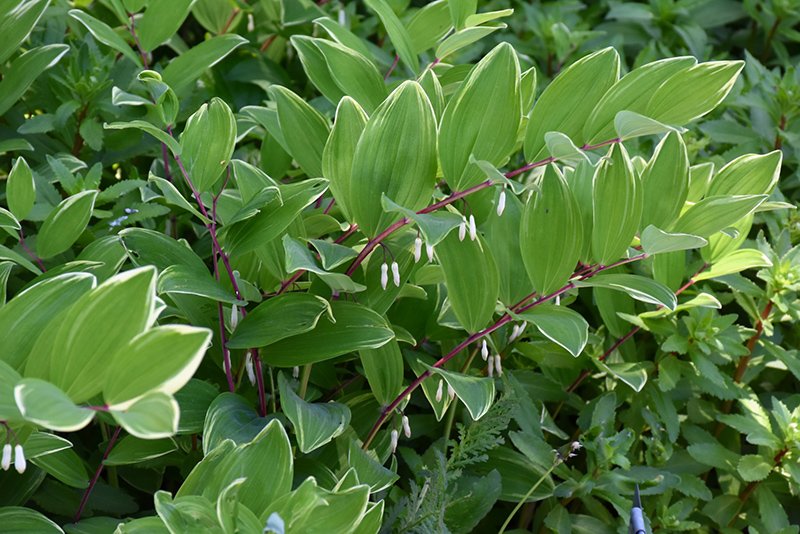
Botanical Name: Polygonatum odoratum 'Variegatum'
- False Solomon’s seal (Maianthemum racemosum) – Native
- Solomon’s seal (Polygonatum biflorum) – Native
Ferns for Dry Shade
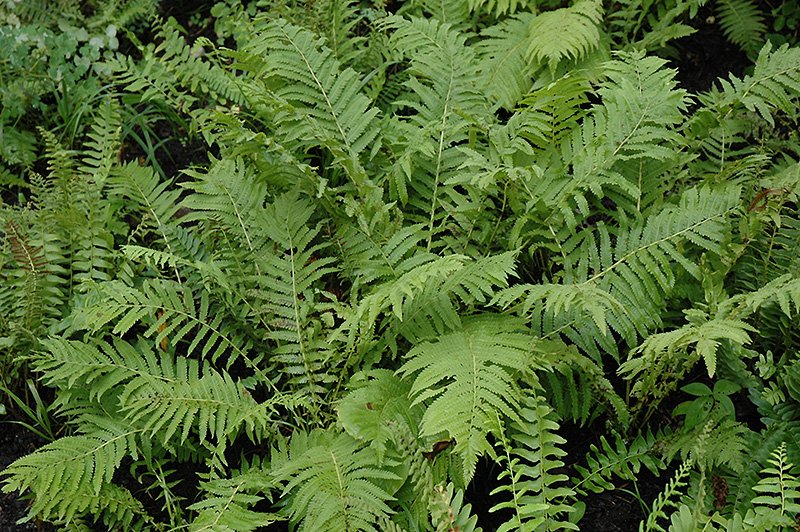
Botanical Name: Polystichum acrostichoides
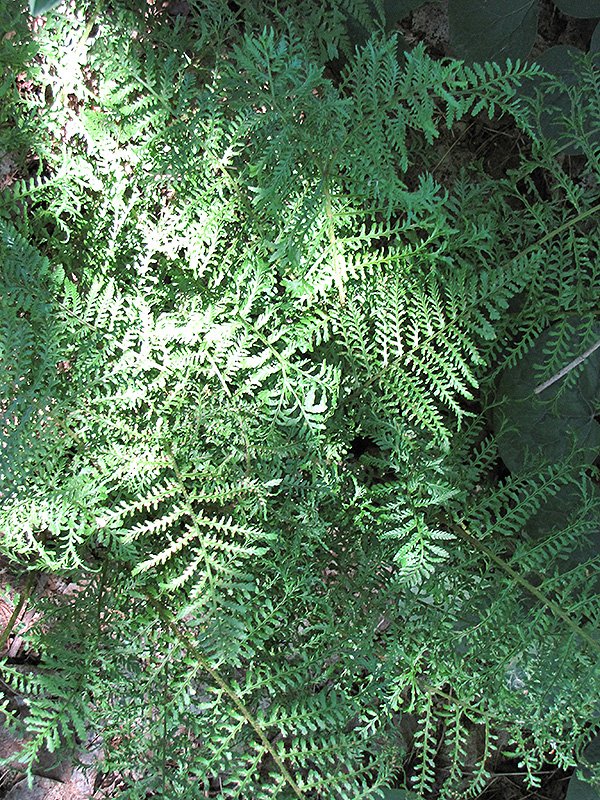
Botanical Name: Dryopteris filix-mas
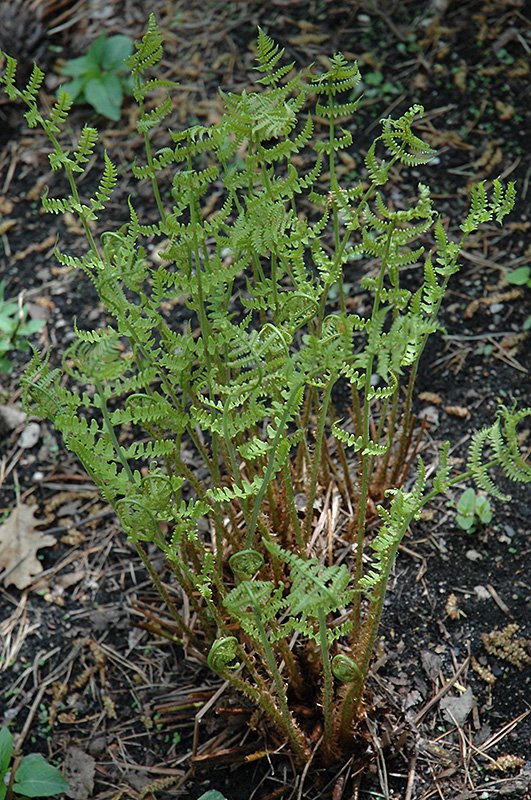
Botanical Name: Dryopteris marginalis
- Christmas fern (Polystichum acrostichoides) – Native
- Hay-scented fern (Dennstaedtia punctilobula) – Native
- Marginal wood fern (Dryopteris marginalis) – Native
- Male fern (Dryopteris filix-mas) – Native
- Rock fern (Polypodium virginianum) – Native
A Little TLC
It doesn’t take much to keep drought-tolerant plants thriving—just a little attention and some seasonal TLC. While they’re tough, even these hardy perennials appreciate an occasional deep watering during extended dry spells, especially in their first year.
For sun-loving perennials, skip the heavy fertilizers. Instead, an annual layer of compost is all they need to stay healthy and strong.
Shade-loving drought-tolerant plants, on the other hand, benefit from a layer of mulch. This helps retain moisture and reduces evaporation, especially in dry shade, which is one of the most challenging conditions for any plant to thrive in.
And don’t forget to deadhead regularly! Removing spent blooms encourages your plants to keep producing flowers instead of going to seed, meaning more colour, for longer.
With a few simple care tips, your drought-tolerant garden can remain beautiful and resilient throughout the entire season.
Other resources:
- Landscape Ontario: Eight Beautiful Drought Tolerant Plants
- Toronto Master Gardeners: Drought Tolerant Plants
- Guelph.ca: Drought Tolerant Native Plants
In this case, the plants Hens and Chicks, not the feathery friends.
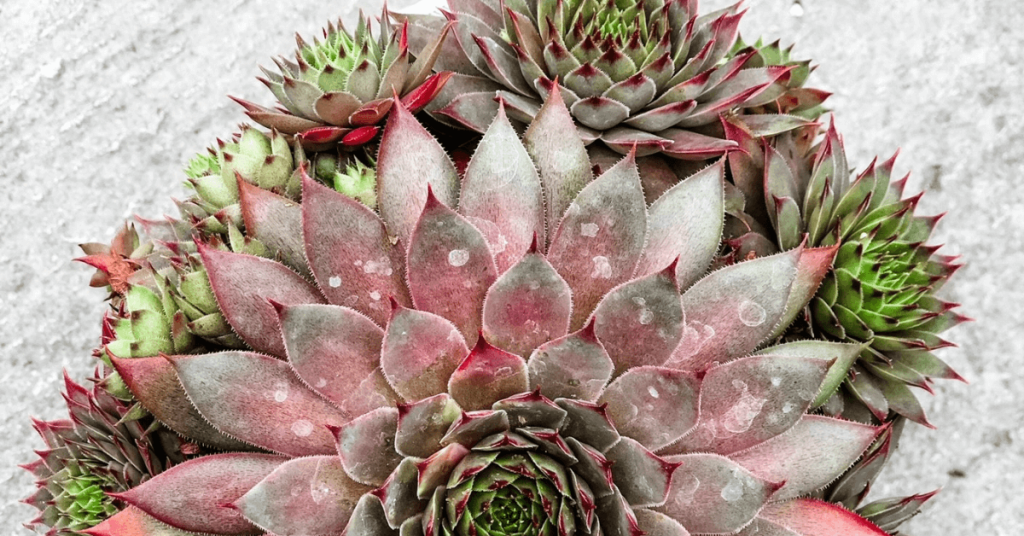
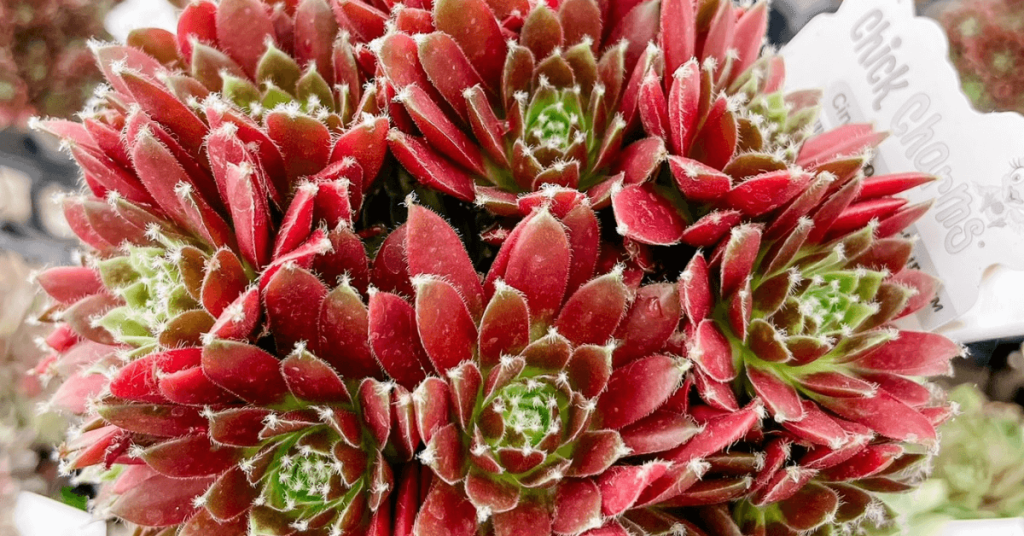
Sempervivum, also known as Hens and Chicks or Houseleek, are a group of succulents that are becoming very popular in Southern Ontario. Here’s why these cold hardy perennial plants are gaining attention.
Low-maintenance
Low-maintenance is the item on everyone’s checklist, right? Hens and Chicks are known for being no-fuss. Sempervivum require very little soil, fertilizer or water. They’re sun-loving, hardy, resilient, and drought-tolerant. When you don’t have a lot of time to garden, you’ll be grateful that your Hens and Chicks need minimal care once they become established.
Versatile, and Did We Mention Low-maintenance?
Sempervivum will grow in full sun to partial shade, and average to poor soil as long as they have good drainage. They will manage just fine in poor soil and harsh conditions like heat and cold! This makes Hens and Chicks the perfect candidate for that spot in the garden where nothing else wants to grow. The spot that’s too hot, or too windy, the soil is rocky or gritty and not ideal or it’s eroding, like on a slope.
These rugged warriors can be grown on rooftops, ledges, walls, in rock gardens, hanging baskets, troughs and containers. Just make sure there are drainage holes. Too much water is their only enemy and will result in their roots rotting.
Chick Charms
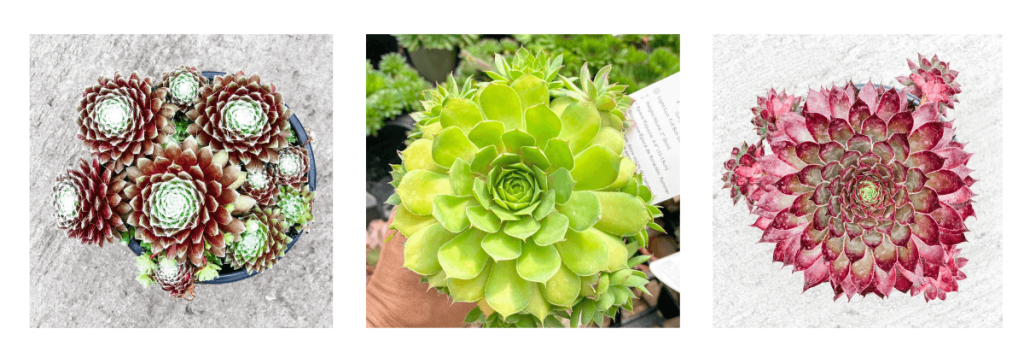
While most Hens and Chicks are low-growing, 8-15 cm tall, they will all spread 30 cm and more - as much as you like, really. This is because they produce small plants, known as “chicks” or offsets around the main plant. The “Chick Charms”. Chicks can also be transplanted to start a whole new plant.
Tough and Beautiful
As a ground cover, Sempervivum can add visual interest and contrast to a border of annuals or perennials.
While they’re known for their pretty rosette-shaped clusters of foliage, you may not realize that Hens and Chicks also come in a variety of colours, and produce stunning blooms in summer.
Once a plant blooms, deadhead the flower and pull up the soft parent plant with it. The plant dies when it blooms, but new chicks will grow and replace it.
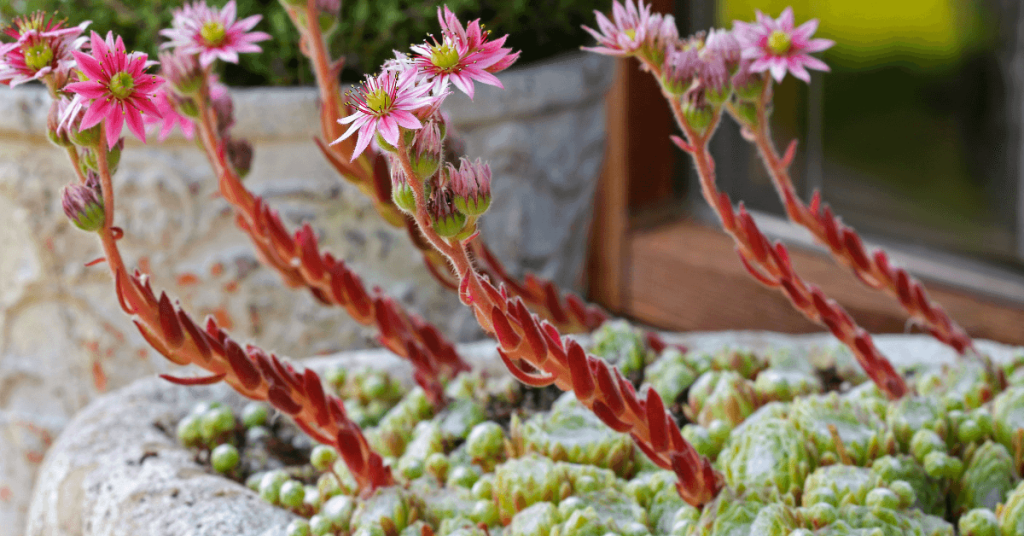
Hens and Chicks fleshy leaves make them less attractive to many garden pests and they are generally resistant to diseases. Tough plants for sure, and worthy of a spot in the garden. The next time you’re in Eising Garden Centre, we recommend that you peruse the Sempervivum section here in Simcoe and give these outstanding succulents a try!