While many gardeners in Southern Ontario follow the popular planting date of May 24th, when we’re usually safe from frost, you may be surprised to know that April is not too early for certain plants!
Once the ground has thawed and is workable, there’s plenty you can start growing. In Zones 6a-6b, this usually happens around four weeks before May 24th. While frost is still a possibility, many cold-tolerant plants not only survive a light frost but thrive in cooler weather. To check if the soil is ready, simply dig up a handful and squeeze it. If it sticks together, it’s too wet to work with—wait a few more days for it to dry out. Once the soil is ready, it’s time to plant those cool-weather crops!
Cool Weather Vegetables
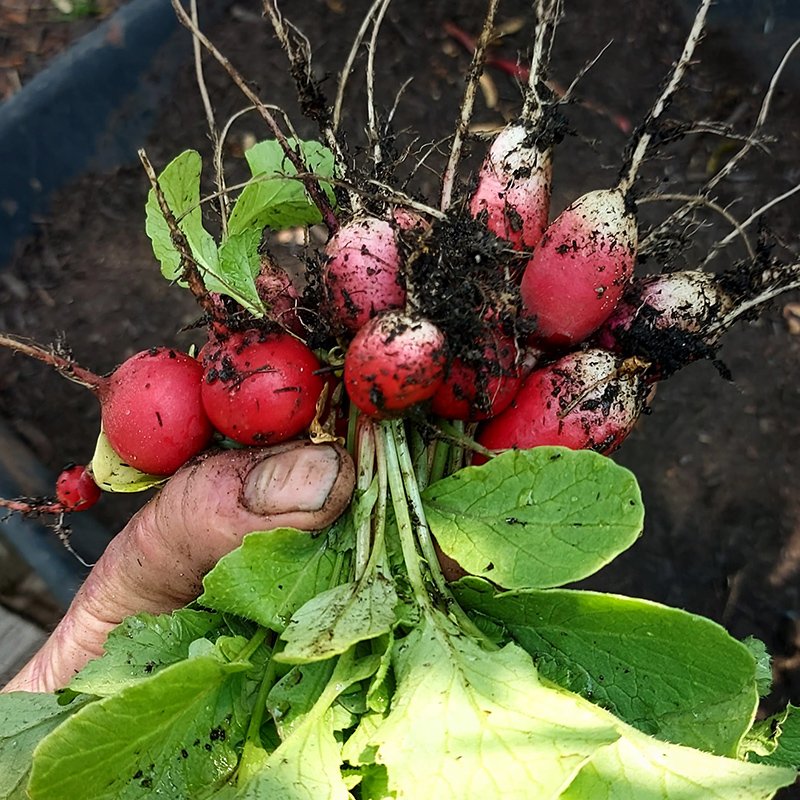
Radishes: Radishes are fast-growing and perfect for planting in April because they love cooler weather. Sow them directly from seed.
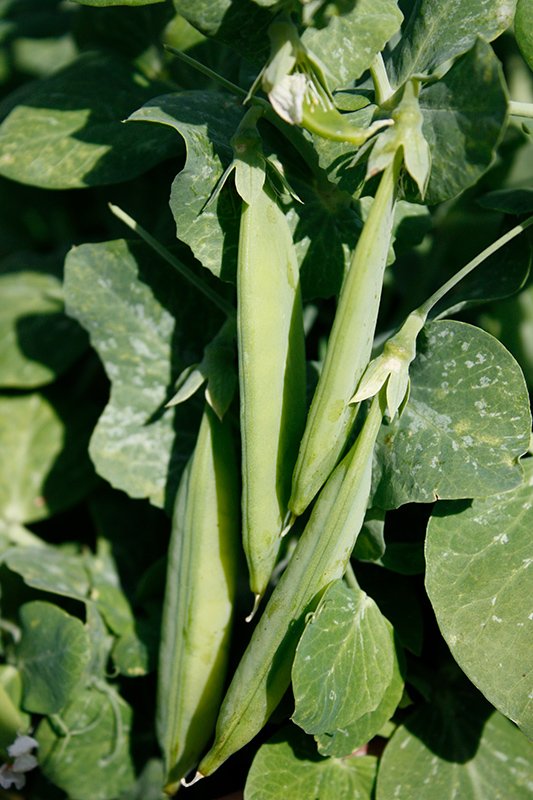
Peas: April is the perfect time to plant peas outdoors as soon as the soil is workable. Soak pea seeds in water for 8-10 hours before planting them to help germination.
Lettuce, Spinach, Arugula, Asian Greens (Tatsoi, Mizuna, Pak Choi and Leaf Mustard) : It’s best to sow seeds for leafy greens or plant seedlings early in the spring as they will grow quickly in cool weather. Plant more seeds or seedlings every 10-14 days for a succession of greens until hotter temperatures make them bolt (go to seed) and become bitter.
Potatoes: Seed potatoes can be planted in mid to late April as soon as the soil is workable.
Onions: Plant onion sets or seedlings that have already been started in early spring and enjoy a harvest in late summer or fall.
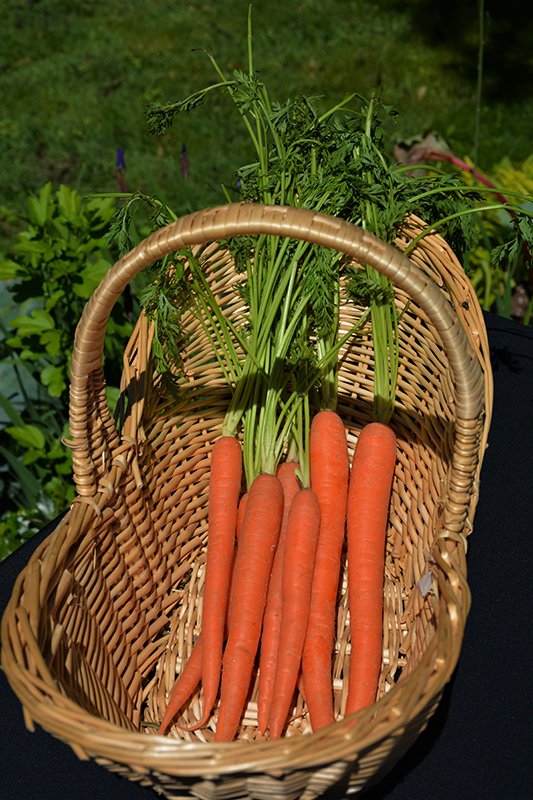
Carrots: Plant carrot seeds in April, and they will be ready for harvest later in the spring or early summer. They take a little longer to grow, but planting early gives you a head start. You will enjoy carrots all summer long by planting more seeds a few weeks later.
Tip: It’s a good idea to keep some frost protection like row cover handy for lettuce, peas and spinach just in case the temperatures dip below zero.
Bonus: Many garden pests, like earwigs and slugs, are still overwintering in April and won’t feast on your tender plants.
Cold-Tolerant Flowers
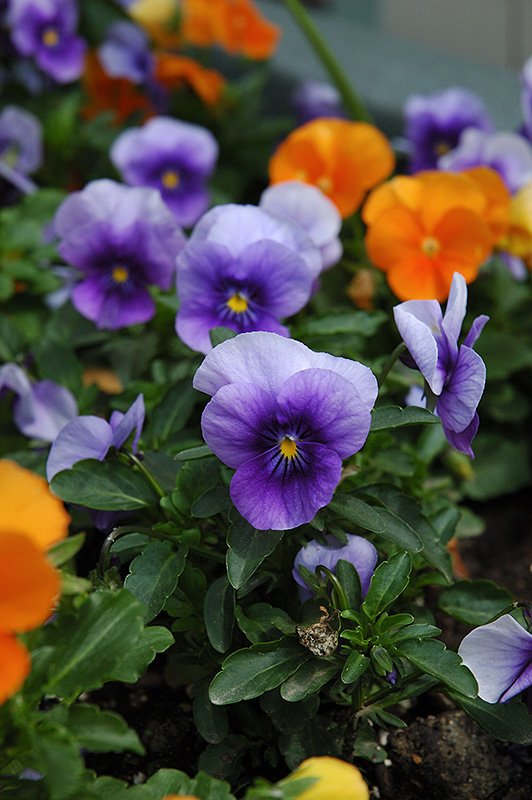
Pansies: Add a pot of Pansies to cheer up a front porch, and it instantly feels like spring! Plants can go into a sunny spot in the ground when temperatures reach 7-21 celsius and are regularly staying above freezing.
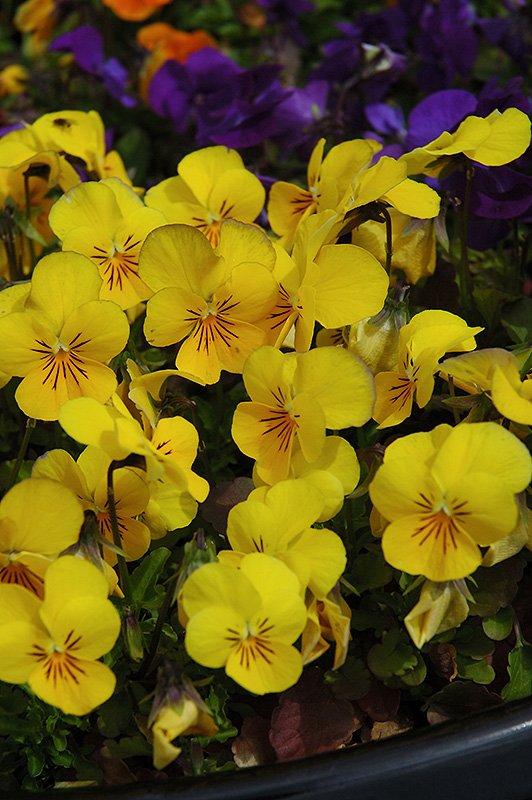
Violas: These cool-weather flowers can withstand light frosts and are perfect for containers or for planting in garden beds
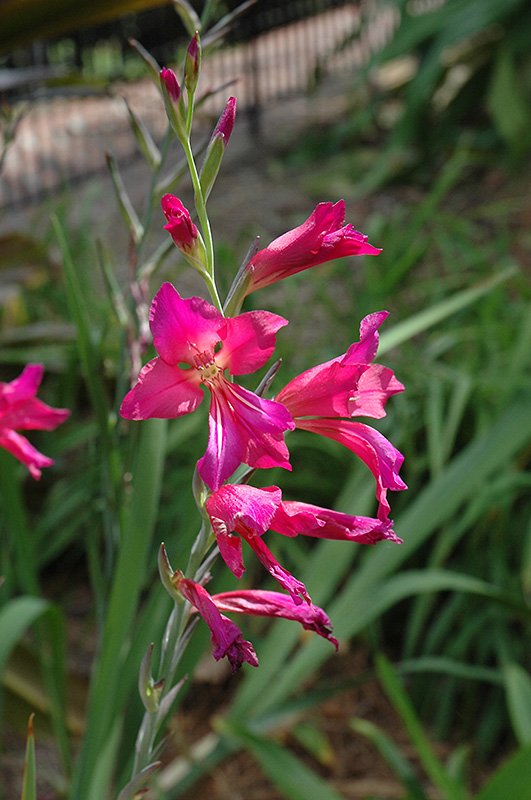
Gladiolas: Even though the weather is still cool, this resilient summer-blooming bulb can be planted in a sunny area of the garden in April.
Bonus: Pansies and Violas also love cool weather in the fall.
Perennials, Trees and Shrubs
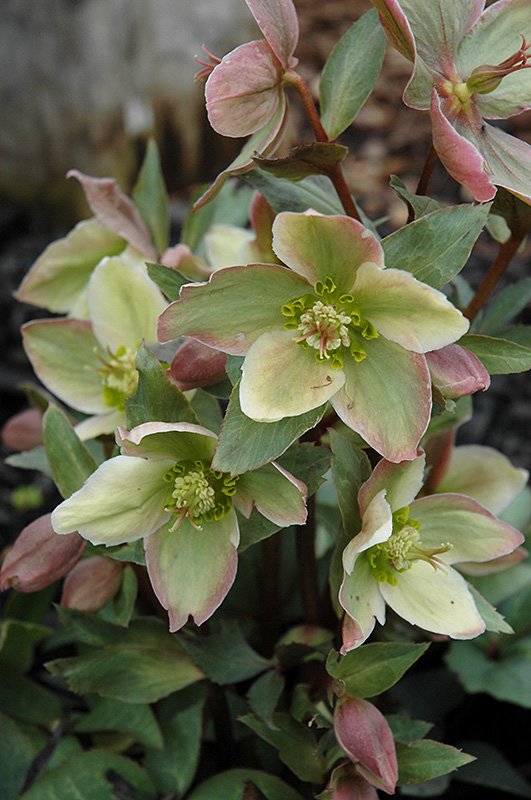
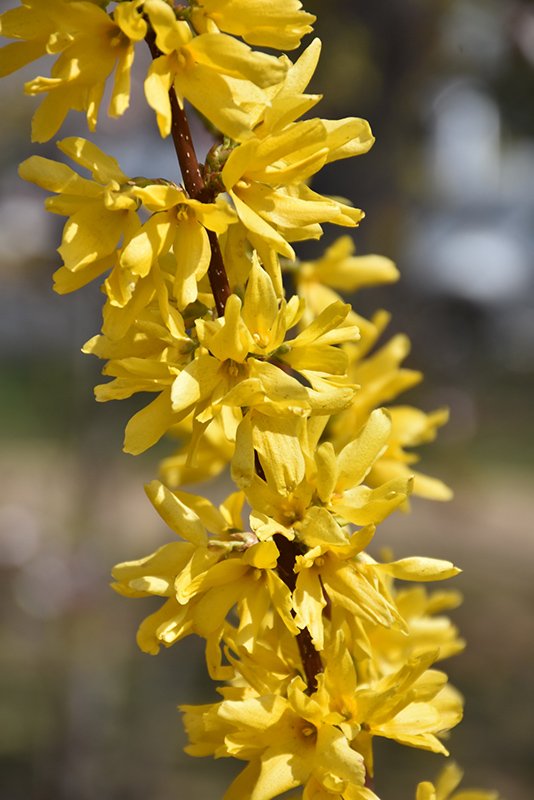
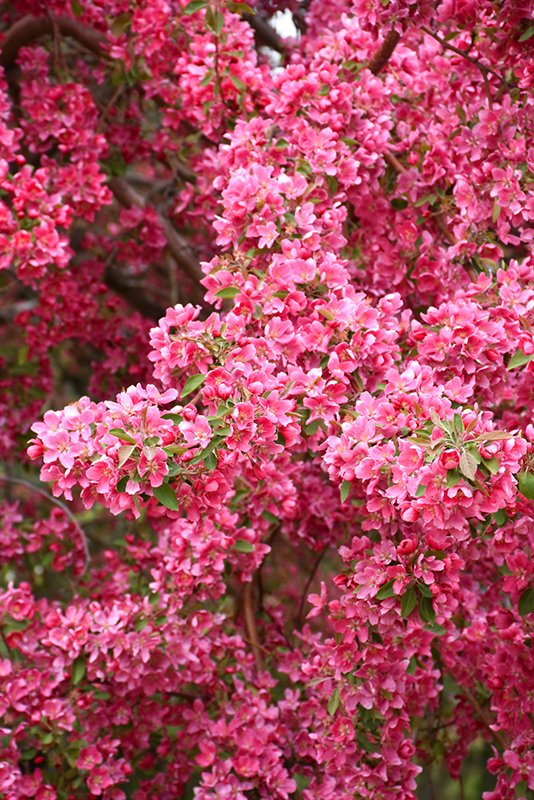
Two to three weeks before the threat of frost has passed, many potted perennials, shrubs and trees, either dormant or with leaves, can be planted. (If you’re not purchasing from us, be sure to check whether the plants were grown outdoors or acclimated to cooler temperatures and ensure they’re hardy enough for Southern Ontario.)
While perennials, trees, and shrubs can be planted throughout spring, summer, or fall, the combination of warming soil and increased rainfall in spring creates the perfect conditions for successful transplanting.
Come into Eising Garden Centre to see the many seeds and plants available for you to add to your garden in April!
Additional Resource: Landscape Ontario provides an excellent online Tree Planting Guide.
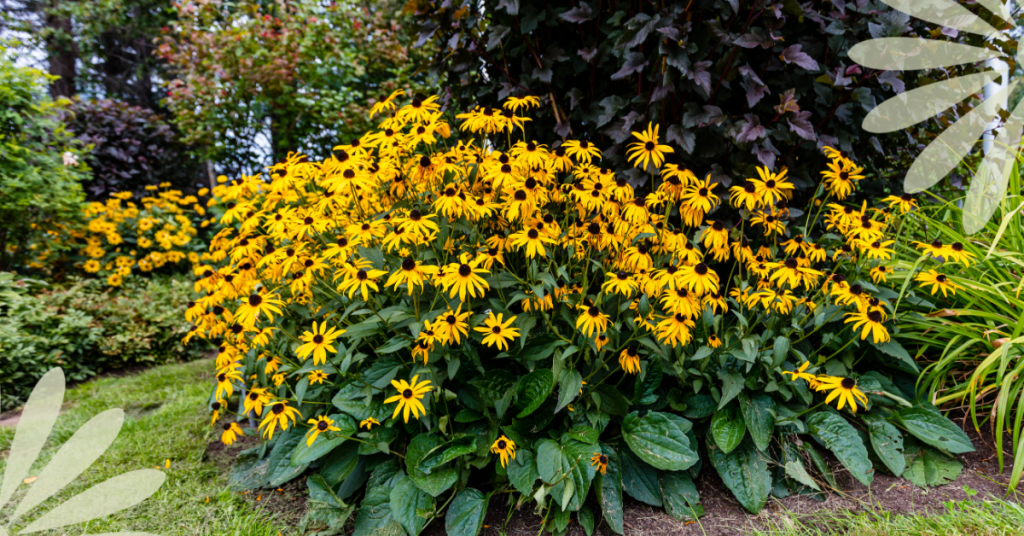
During the dog days of summer, having a resilient, dependable, and beautiful perennial flower in your garden is terrific. Meet the Black-Eyed Susan. They are quick to establish and mature, and perfect for a perennial border, cutting garden, or naturalized garden. Depending on the variety, they will grow 1-3 feet tall and spread about 2 feet wide, making them a show-stopping spectacle!
If that and the cheerful, dark-centred, golden-yellow, daisy-shaped flowers aren’t enough to draw you in, here are more reasons we love these plants!
Long Blooming
Black-Eyed Susan (Latin name: Rudbeckia) is a prolific bloomer whose flowers can last from July to October. At a time in the season when many other flowers can look weary, Rudbeckia is a shining star. Its flowers grow on sturdy stems, which adds to their resilience.

Easy to Grow
Rudbeckia are robust! They are drought—and heat-tolerant and generally do well in hard-to-grow locations. Once established, they do not require frequent watering. Rudbeckia hirta is an Ontario native plant, and exceptionally hardy.
Plant Black-Eyed Susan in full sun to partial shade and almost any type of soil. They are adaptable, generally trouble-free and do not require any extra care.
Pollinator-friendly
We aren’t the only ones who love Rudbeckia; butterflies, birds and bees do, too. This makes Black-Eyed Susan a perfect partner for other pollinator-friendly plants like Monarda (aka Wild Bergamot and Bee Balm), Gaillardia (Blanket flower), Yarrow and Echinacea (aka Coneflower).
Who doesn’t love Black-Eyed Susans? Because of the course hairs on the stems, this is a plant that rabbits and deer don’t care for.
Black-Eyed Susan is perfect to grow in a border, bed, planter, or in a field as a mass planting. It’s resilient, attractive, low maintenance and a beneficial addition to any garden!