
The Beauty of Dinner Plate Hibiscus
By Ava Green
The big, bold, showy, dinner-plate-sized flowers on hardy Hibiscus (Hibiscus moscheutos, also known as Swamp Rose-Mallow) are unforgettable, to say the least. What a surprise it is to discover that this perennial plant not only survives our Zone 6, Southern Ontario climate, but thrives here! And despite its dramatic, exotic look, this plant is genuinely easy to grow.
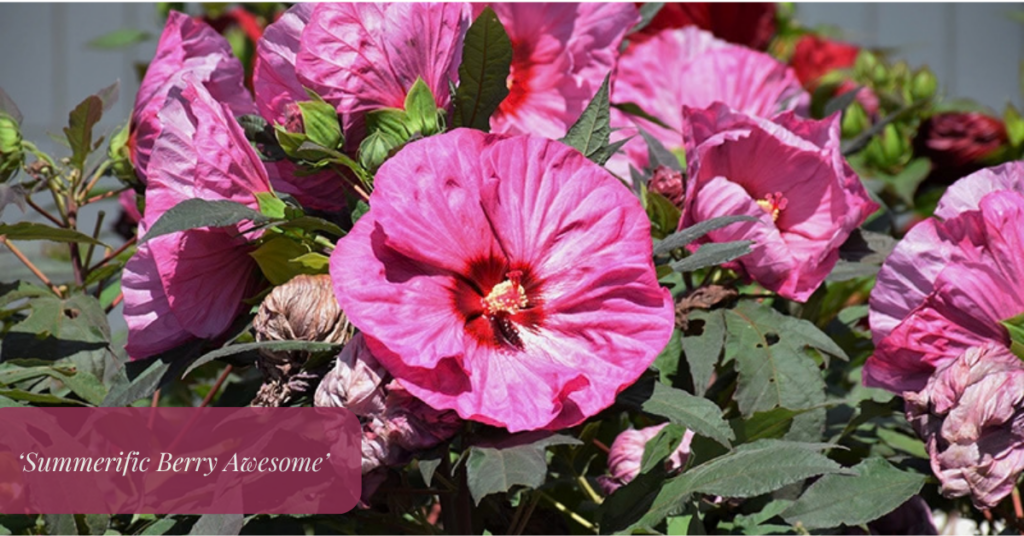
What Hardy Hibiscus Loves
Hardy hibiscus thrives in full sun with moist, well-drained soil and produces huge, gorgeous flowers without spreading and becoming invasive. As a rule of thumb: more sun means more blooms.
Give it ample space as it can grow 4-7 feet tall depending on the variety. Plant it 2-3 feet apart in a border, rain garden, meadow, or beside a fence, stream or pond, and it will thrive there for many years. Because it prefers consistently moist soil, avoid planting it near a brick wall or a driveway as these areas tend to dry out quickly.
When transplanting, add compost into the hole, and keep the base of the stem level with the surrounding soil. Don't mound soil or mulch up around the stems. If you’re planting your hibiscus in the fall, aim to do it at least 6 weeks before the ground freezes so the roots have time to settle in.
If you'd like a bushier, more compact shrub, you can cut these plants back by half in June.
One thing to keep in mind: hardy hibiscus is very slow to start in spring. Don’t be alarmed if it doesn’t show new growth until the soil warms to around 21º Celsius.
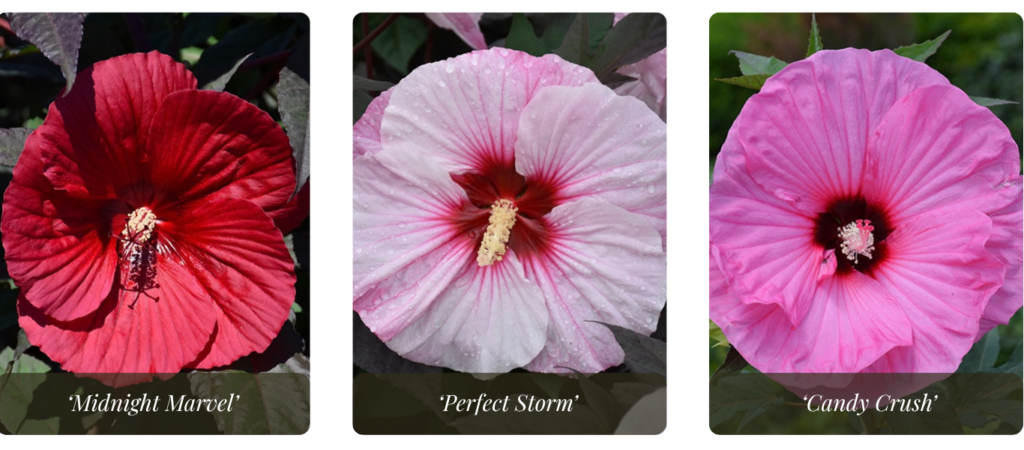
What We Love About Hardy Hibiscus
If everything mentioned above isn’t enough to entice you, there’s more!
Their enormous, ruffled flowers can reach a full foot in diameter, growing on sturdy, woody stems that stay upright on their own; no staking required. While they resemble their tropical hibiscus relatives, or Rose of Sharon (Hibiscus syriacus), hardy hibiscus produces noticeably larger blooms. They flower mid to late summer in dreamy shades of white, pink, and red.
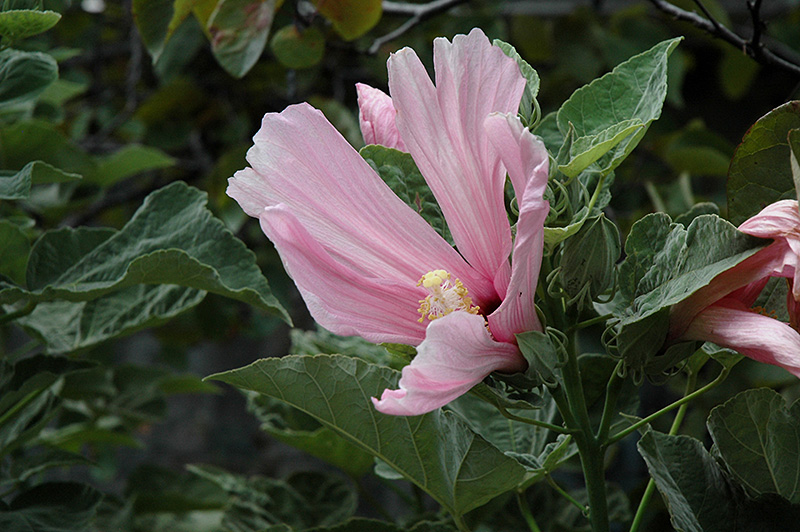
Beyond their beauty, Hibiscus moscheutos is also a valuable native plant of Ontario. It attracts hummingbirds, dragonflies, and butterflies, and in areas prone to stormwater runoff, it helps absorb moisture and reduce erosion.
Seeing Is Believing
Stop by Eising Garden Centre and see the stunning beauty of hardy hibiscus in person. You just might fall in love too!
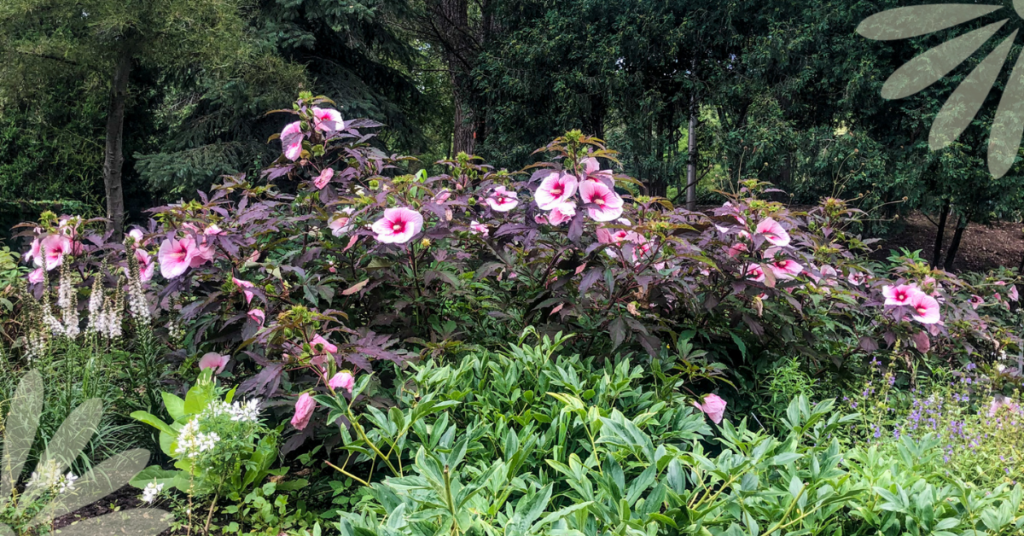
Staff Picks to Brighten Your Garden
By Ava Green
If I asked you to name a yellow perennial flower, you might immediately think of Black-eyed Susans. They’re definitely a perennial favourite!
The goal of this article is to introduce you to other yellow plants that we love and think you will too! These perennials come back reliably every year, and look sunny and gorgeous.
Some of these plants also come in other colours, but today we’re sharing yellow varieties.
Coreopsis
Also known as Tickseed, these versatile, native North American plants come in a wide range of yellow shades, from pale and subdued to bright and showy. They also come in various heights to suit a wide range of garden locations.
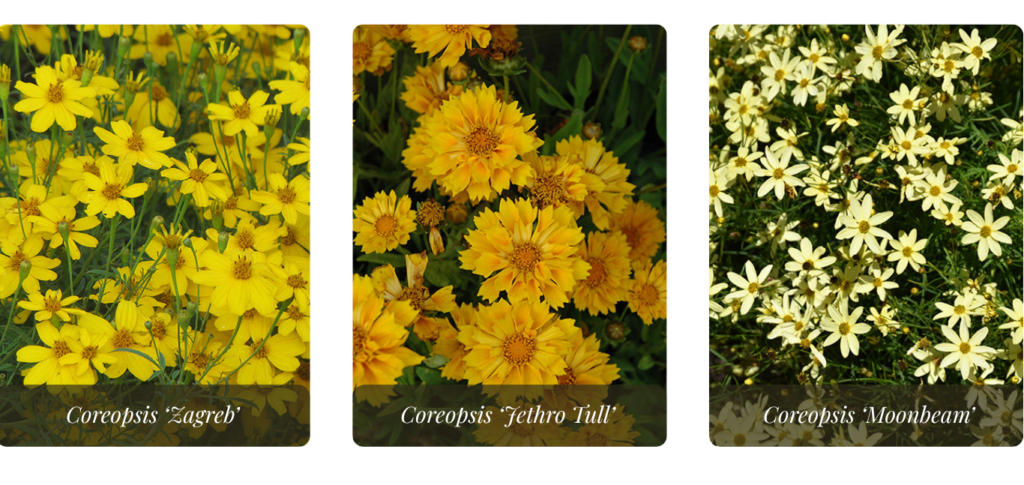
Best for: Well-drained, average soil. Coreopsis will become floppy or die in moist, fertile, or cool locations. They are tolerant of poor soil and drought | Sun: Full sun | Mature size: 1-2 ft. tall and wide; however, Tall Coreopsis can reach 5-9 ft. tall and 3-6 ft. wide
False Sunflower, Heliopsis helianthoides
False Sunflower checks a lot of wish-list boxes: radiant, long-blooming, heat-tolerant, loved by bees and butterflies, and an exceptionally hardy native perennial here in Zone 6 Southern Ontario. To keep these tall plants shorter, stronger and bushier, cut back new growth by half in May and divide them every three years so they don’t become too dense.
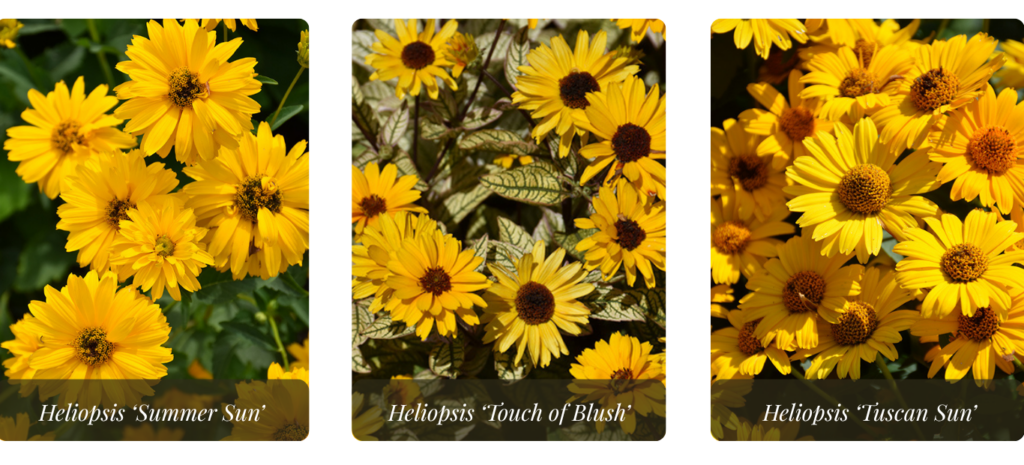
Best for: Moist, well-drained areas with lots of space to grow | Sun: Full sun, tolerates part shade | Mature size: 3-6 ft tall × 2-3 ft wide
Torch Flower, Kniphofia
Also known as Torch Lilies or Red Hot Poker, this unusual, striking plant is a stop-and-take-notice focal point in any border, providing weeks of continuous colour throughout summer. It’s also a magnet for plenty of pollinators.
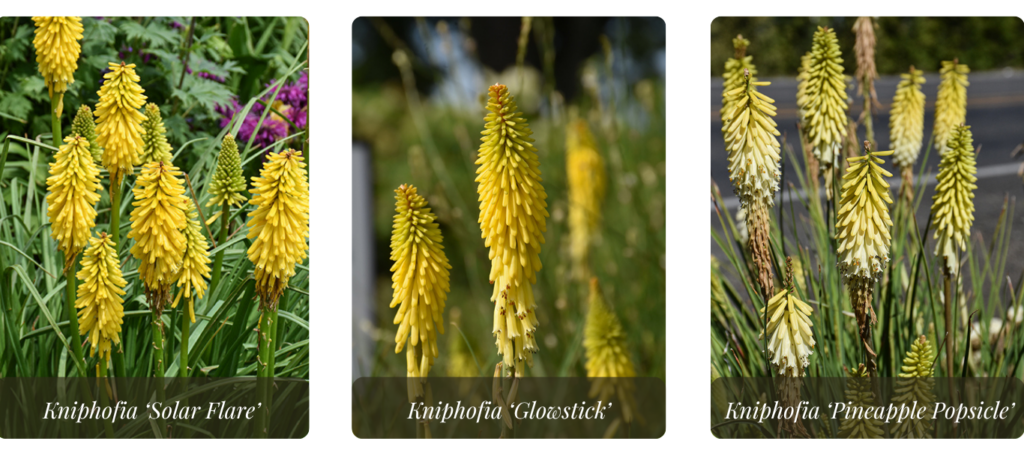
Best for: Areas with very good drainage, as wet soil can cause root rot | Sun: Full sun | Mature size: 3-3.5 ft. tall × 2-2.5 ft. wide
Hosta
Hostas provide season-long colour, with their sturdy foliage doing most of the work. While many varieties have green or blue-green leaves, some offer very pretty yellow foliage instead. Give them 2-4 hours of morning sun each day and an inch of water each week, and that bright yellow colour will stay vivid all season. Flowers are often the main selling point for perennials, but hosta foliage proves that structure, not just blooms, can be just as valuable in a garden.
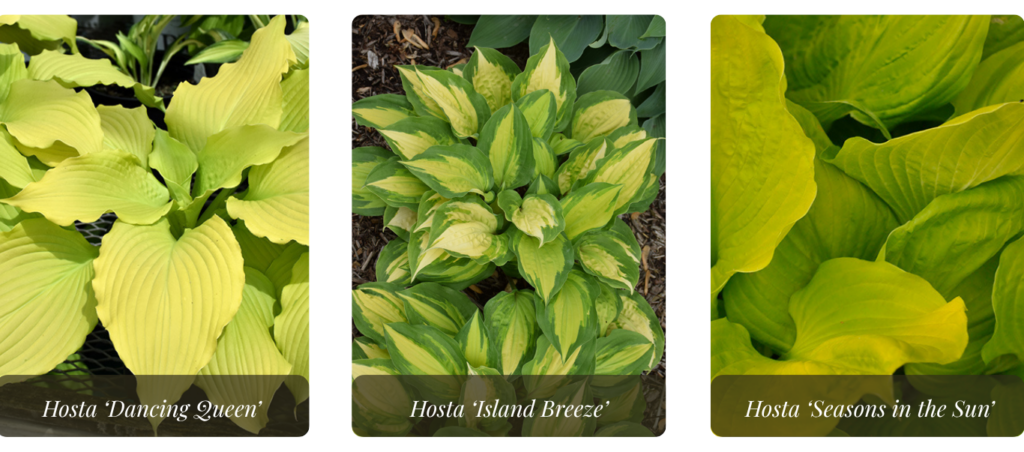
Best for: Areas with morning sun, which helps to intensify their colour | Sun: Part sun, preferably morning | Mature size: 6 in. to 3 ft. tall × 10 in. to 6 ft. wide depending on the variety (miniature cultivars stay toward the smaller end of that range)
Ligularia
Ligularia are unforgettable, with their large “tractor seat” leaves and tall spikes of candelabra-like flowers. They're a little more finicky about location, though; they need plenty of moisture and abundant morning sun, but must be protected from hot afternoon sun to truly thrive. Give them the right conditions, and this dramatic, bold plant will command all of the attention in your garden.
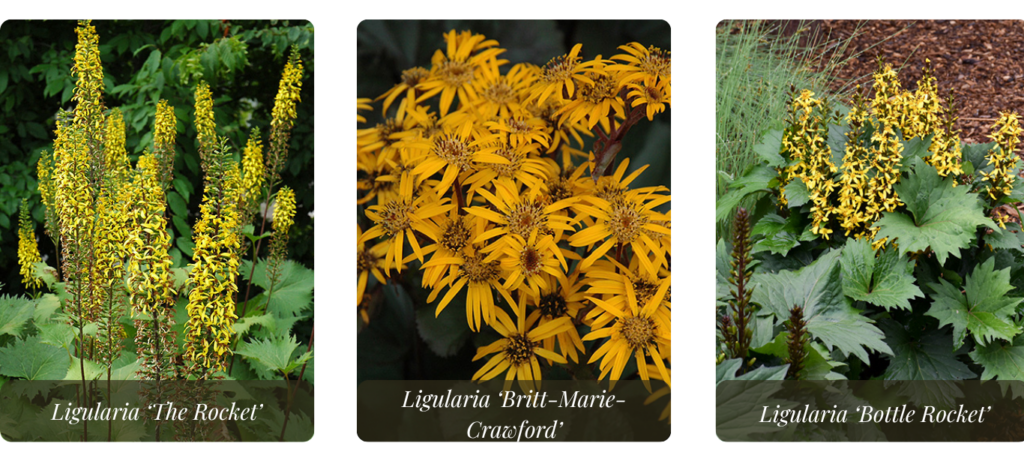
Best for: A woodland garden, rain garden, the edge of a pond or stream, in a swamp or bog where there is consistent moisture | Sun: Full sun where there is lots of moisture, otherwise Light or Partial shade with morning sun only | Mature size: 1-6 ft. tall × 1.5-4 ft. wide
More Yellow Perennials Worth Considering
Stop by Eising Garden Centre and chat with Mary or Donna; they’re always happy to help you find your favourite yellow perennials. Here are a more to check out:
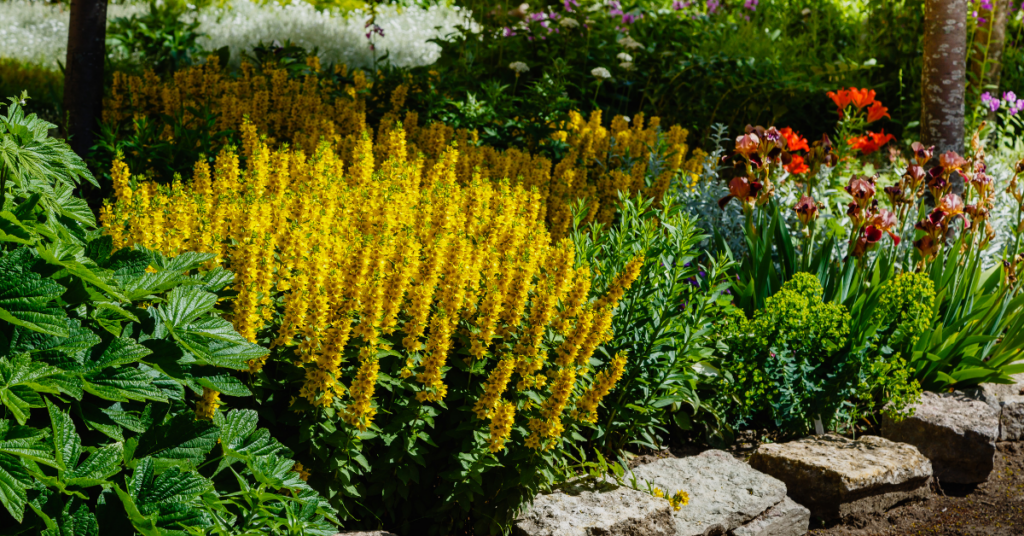
Black-Eyed Susan (Rudbeckia), Stonecrop (Sedum ‘Yellow Brick Road’), Shasta Daisy (Leucanthemum ‘Banana Cream), Hardy Hibiscus (Hibiscus ‘French Vanilla’), Daylily (Hemerocallis ‘Hyperion’, ‘Happy Returns’, ‘Yellowstone’, ‘Going Bananas’ and ‘Stella D’oro’), Lenten Rose (Helleborus ‘Spanish Flare’, Coneflower (Echinacea ‘Yellow My Darling’), False Indigo (Baptisia ‘Lemon Meringue’ and ‘American Goldfinch’), Yarrow (Achillea ‘Firefly Sunshine’, ‘Moonshine’, ‘Coronation Gold’, and ‘Firefly Sunshine’), Cup Plant (Silphium perfoliatum), Hollyhock (Alcea), Helenium (‘Hay Day’, Dakota Gold’ and ‘Sombrero’, Itoh Peony (‘Yellow Emperor’, ‘Bartzella’, and ‘Garden Treasure’), Butterfly Weed (Asclepias tuberosa), Foxglove (Digitalis), Columbine (Yellow Queen), Eastern Prickly Pear Cactus (Opuntia cespitosa or Opuntia humifusa - native cactus), and Japanese Forest Grass (‘All Gold’).
That’s a lot of yellow, and as the saying goes: where yellow blooms, happiness follows!
Perennial Climbers to Start Growing Now
By Ava Green
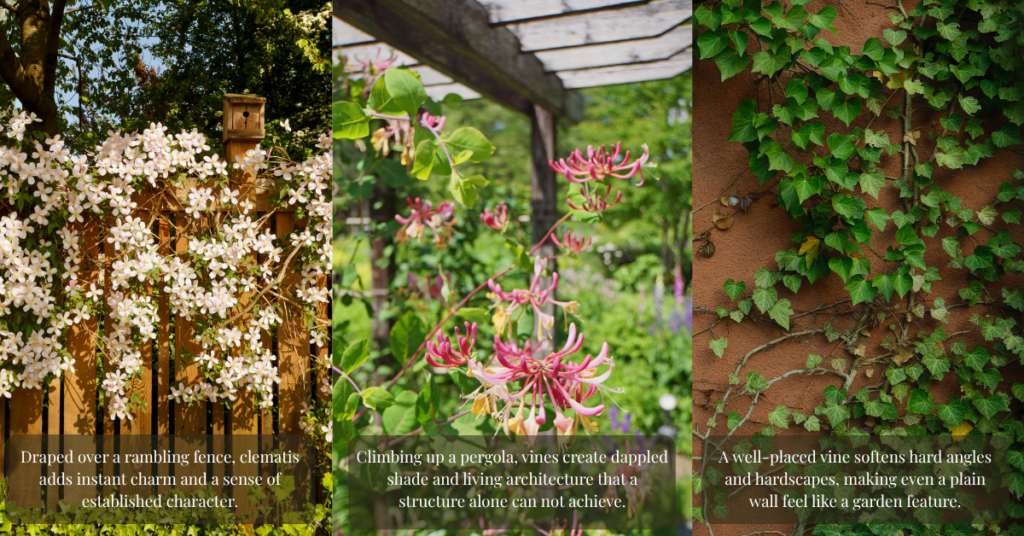
Great garden design plays with height, and vines are among nature’s most elegant solutions. They transform a bare wall, a plain fence or an open pergola into something that feels alive and intentional. And because these are perennial climbers, they come back every year, a little fuller and more beautiful than the season before.
Start growing one of these beauties now, and you’ll be enjoying them for years to come!
Clematis
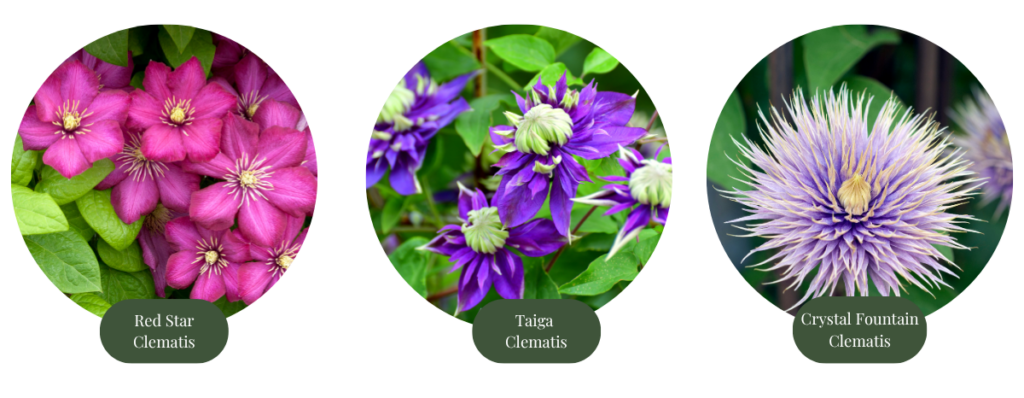
Clematis has earned its place as one of the most loved climbers in the garden, and once you discover the extraordinary range of flower shapes, sizes and colours available, you will understand why.
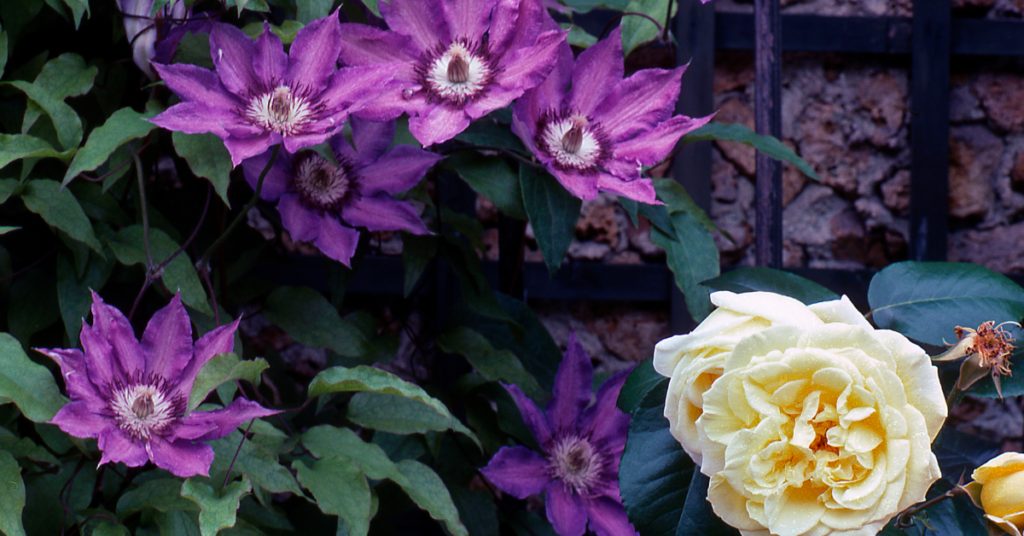
For a look that feels straight out of an English cottage garden, pair a Clematis with a climbing rose. The two intertwine beautifully, flowering together in a spectacular combination.
Honeysuckle
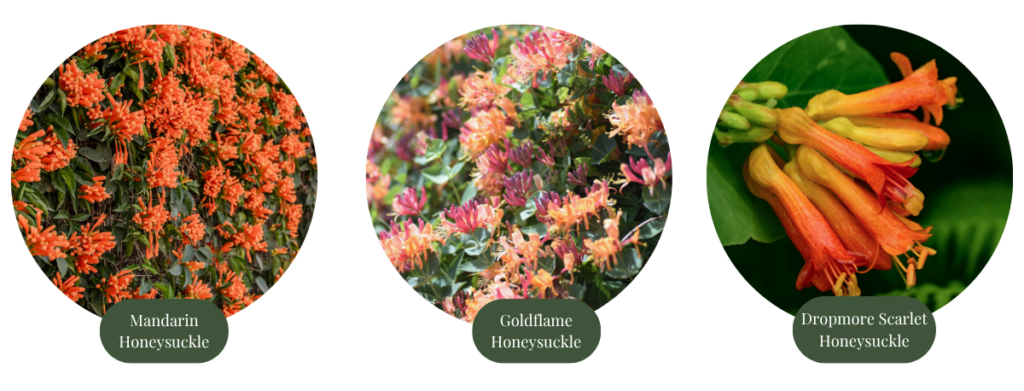
The sweet, heady scent of Honeysuckle wafting through the air on a warm summer evening is a good reason to include this climber in your garden. But its tubular or trumpet-shaped blossoms are also irresistible to hummingbirds, bees and butterflies, making it valuable to your local ecosystem too. Few vines reward you quite so generously for so little effort.
Climbing Hydrangea
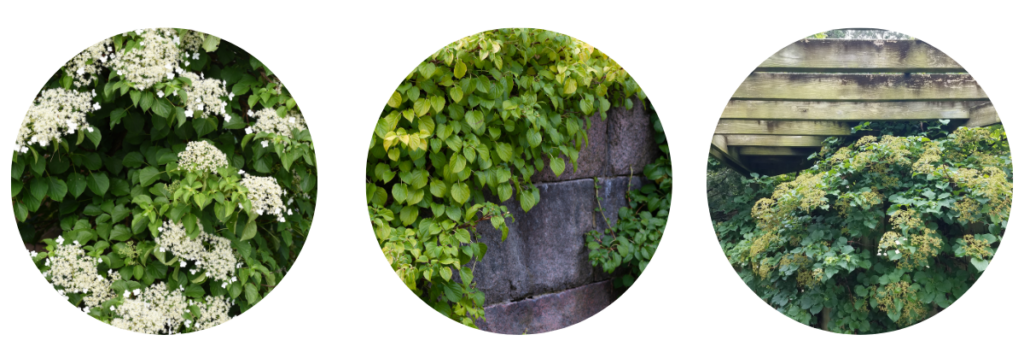
It may be slow to start, but once it’s established, Climbing Hydrangea grows with remarkable vigour, covering walls, fences and structures in lush, deep green foliage. No trellis is needed; it produces its own aerial rootlets that allow it to cling independently to almost any hard surface. In summer, the entire plant is blanketed in elegant white lacecap flowers! It tolerates shade better than most climbers, making it an exceptional choice for a north-facing wall or a shady spot in the garden.
Porcelain Vine
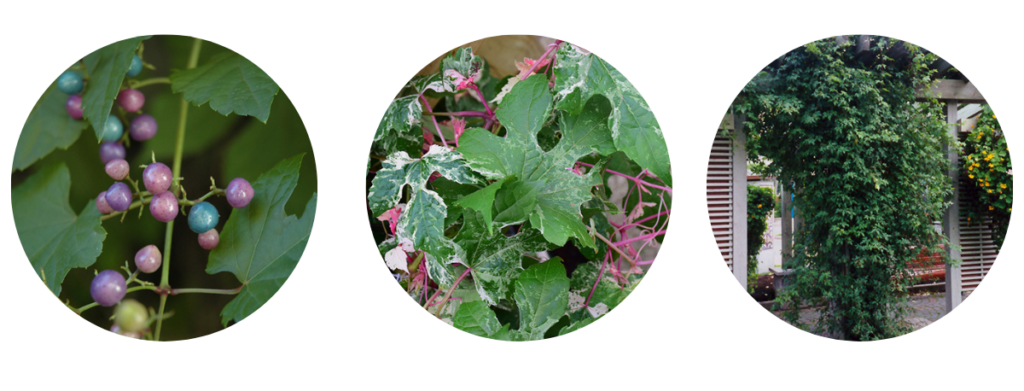
This fast-growing climber is a treasure for its extraordinary ornamental berries. Clusters of small, jewel-like fruits that ripen through a stunning progression of colours, from pale pink and lilac to a rich purple and a remarkable, almost iridescent turquoise blue, all appearing at the same time in fall. Train it up a fence, trellis or structure to let it climb, or allow it to trail gracefully down a slope or over a retaining wall for beautiful low-maintenance ground coverage. Please note: the berries are strictly ornamental, and not for eating.
Graceful, Useful and Very Worthwhile
Vines provide something that few other plants can; they add height, softness, privacy, and beauty all at once. They can disguise an unsightly fence, cool a sun-baked wall with natural shade, frame a garden entrance, or simply bring a sense of lushness to a space that feels too bare or flat.
Find Your Perfect Vine at Eising Garden Centre
Not sure which vine is right for your space? Bring us your questions and, if you have them, a photo of your wall, fence, or structure. Our team will help you find the perfect climber for your light conditions, your soil, and your vision. We’d love to help you get growing your perfect vine!
What’s the best way to brighten up your garden? Add lots of annual flowers in the Spring! Here in Southern Ontario, the May holiday weekend is usually safe from frost - and go time for planting tender annuals!
At Eising Garden Centre, you’ll find a wide array of beautiful annual blooms. Here are ten of our sun-loving favourites to try.
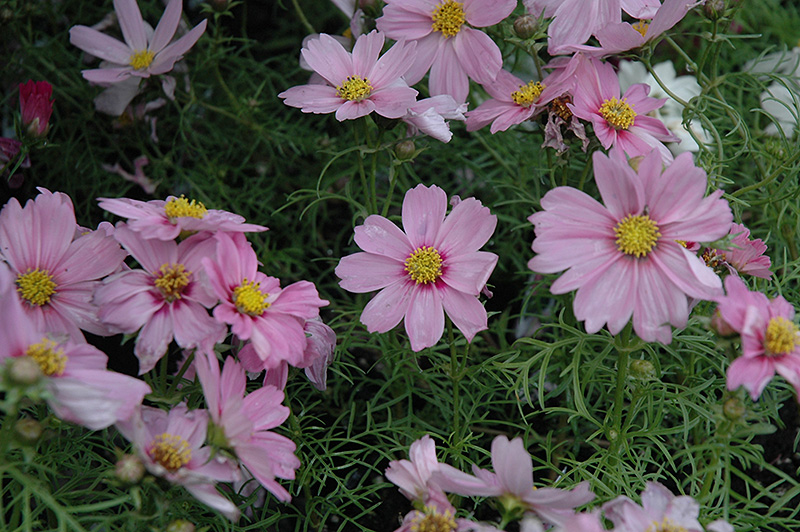
Cosmos
With daisy-like blooms in radiant shades of pink, red, and pure white adorned with mellow yellow centres—Cosmos are irresistible. They're perfect planted along a fence or at the back of a border, where they can lean on a little support. Depending on the variety, Cosmos can grow anywhere from 12 to 80 inches tall!
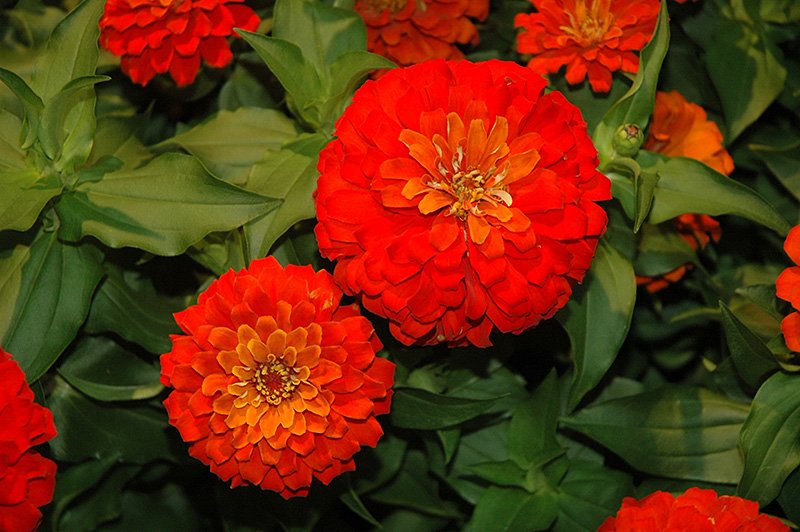
Zinnia
Bold, structured, and bursting with colour, Zinnias bring serious wow factor. Their cheerful blooms come in red, green, orange, yellow, purple, pink, and white. Depending on the variety, Zinnias grow between 6 and 36 inches tall and spread about 12 inches wide.
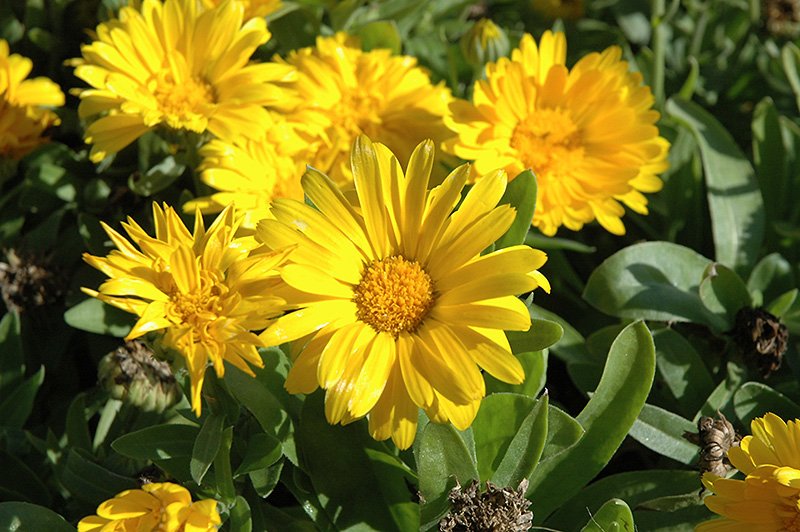
Calendula
Decorative and useful, Calendulas are edible flowers with culinary and medicinal value. Their soothing, antiseptic properties make them popular beyond the garden. Calendula come in gorgeous, bright shades of copper, orange, gold, and yellow blooms and grow 10 to 24 inches tall.
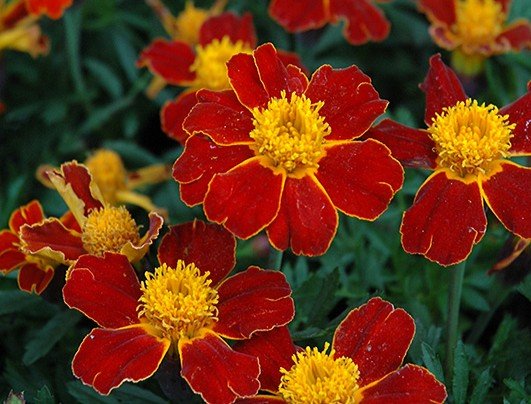
Marigold
Tough and reliable, Marigolds handle heat and humidity with ease, thriving even in the driest parts of your garden. They offer a beautiful range of bloom types—from large, ruffled flowers to small, delicate blossoms—and a palette of cream, yellow, orange, red, and bi-colours. Depending on the variety, Marigolds can grow from 6 to 36 inches tall.
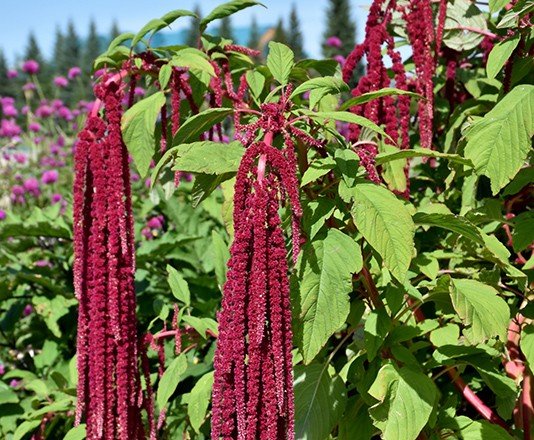
Amaranth
If you're after drama, Amaranth is your plant! Reaching heights of 3 to 5 feet, these bold beauties flaunt long, rope-like clusters of maroon or red flowers. While low-maintenance, Amaranths may need a bit of support to stay upright as they mature.
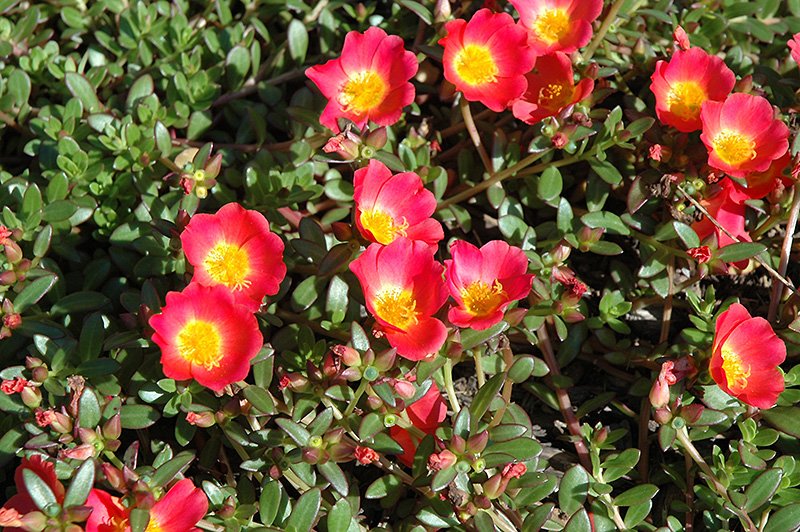
Portulaca
Perfect for hot, dry, and neglected spots, Portulacas deliver a brilliant show of colour with minimal effort. Their rose-like blooms come in vivid shades of red, pink, yellow, white, orange, and purple. Low-growing at just 4 to 8 inches tall, they're ideal for the front of borders, or alongside driveways, and patios.
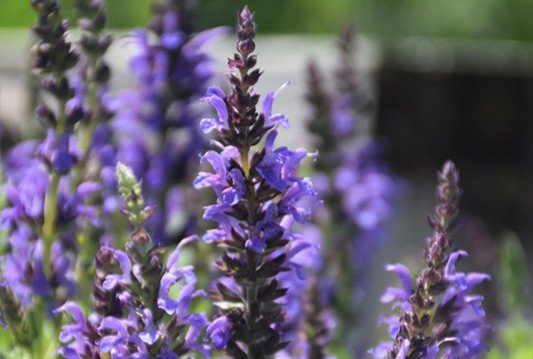
Salvia
With tall spikes of bold purple, red, blue, pink, or white blooms, Salvias are garden standouts. Growing 8 to 24 inches tall and often blooming continuously, they quickly become must-haves for flower beds or large containers.
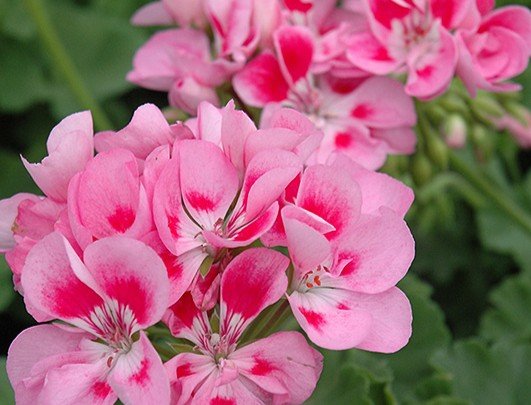
Geranium
Drought-tolerant and tough as nails, Geraniums have long been a gardener’s favourite. Regular deadheading (removing spent blooms) will reward you with non-stop flowers until frost. Their lush foliage and bright flowers—ranging from salmon, white, purple, violet, and orange to red and pink—also shine in mixed containers. Geraniums typically grow between 8 and 24 inches tall.
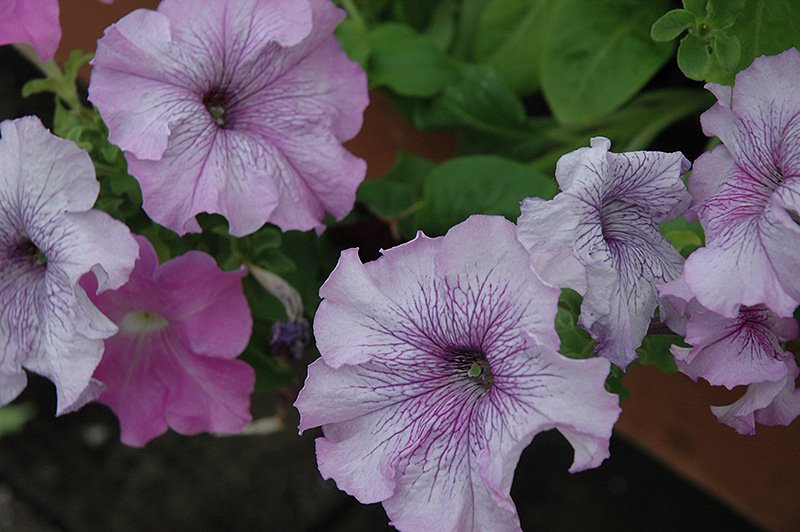
Petunia
It’s no surprise Petunias have remained beloved for generations. They grow quickly, bloom prolifically, and require little care. Available in mounding or trailing forms—and sometimes carrying a heavenly scent—Petunias are perfect for flower beds, hanging baskets, pots, or window boxes. Growing 6 to 18 inches tall, they come in white, yellow, pink, purple, red, bi-colours, and even black!
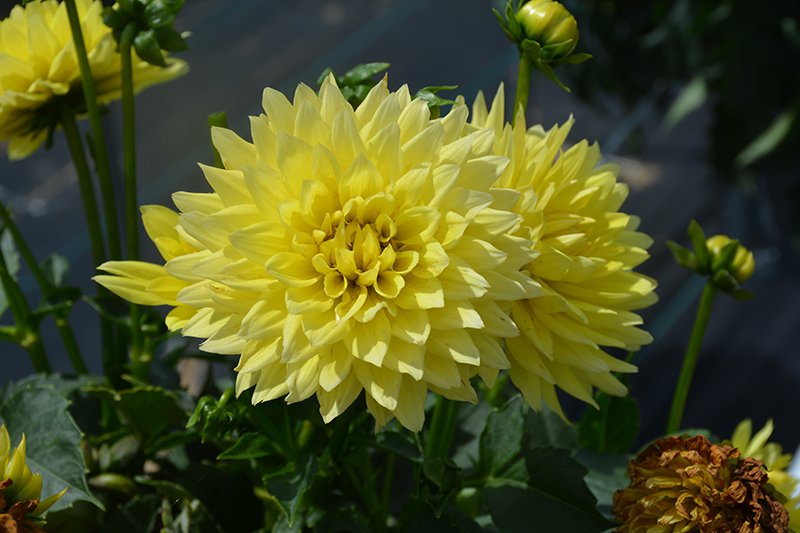
Dahlia
Dahlias can become a full-on passion project—and it’s easy to see why. Their breathtaking blooms come in a stunning range of sizes, shapes, and colours. While Dahlias can be a bit particular (they love rich, well-drained soil and plenty of water, but hate soggy conditions), they are absolutely worth the extra attention.
Sunshine + Food + Hydration = Success
All of these annuals thrive in full sun and will reward you with even more blooms when given consistent water and fertilizer.
Adding a continuous-release fertilizer to your soil at planting time—or feeding weekly with a balanced, water-soluble fertilizer—makes it easy to keep your garden thriving all summer long!
*TIP: Check our handy Plant Finder for more details! https://plants.eising.ca/11110015/