
The Beauty of Dinner Plate Hibiscus
By Ava Green
The big, bold, showy, dinner-plate-sized flowers on hardy Hibiscus (Hibiscus moscheutos, also known as Swamp Rose-Mallow) are unforgettable, to say the least. What a surprise it is to discover that this perennial plant not only survives our Zone 6, Southern Ontario climate, but thrives here! And despite its dramatic, exotic look, this plant is genuinely easy to grow.
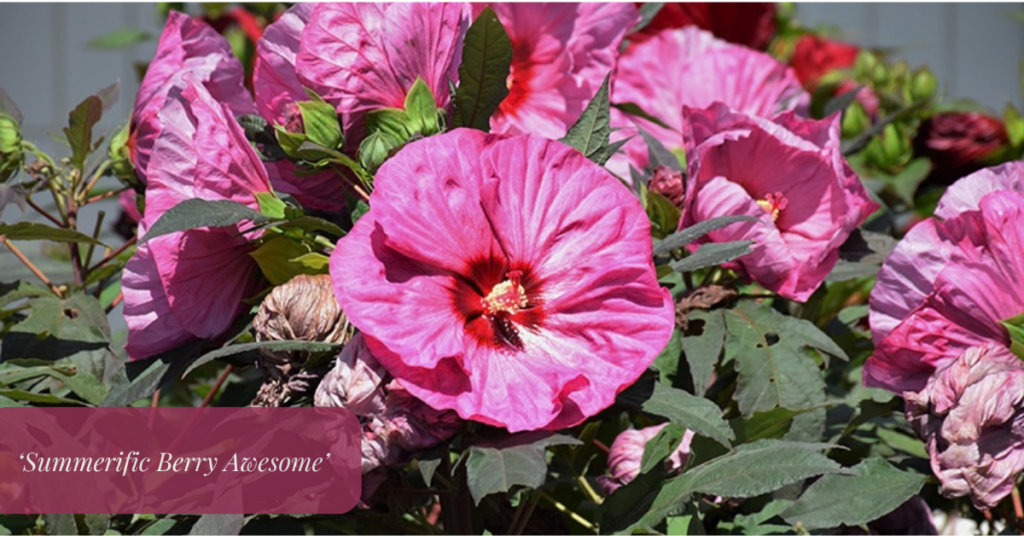
What Hardy Hibiscus Loves
Hardy hibiscus thrives in full sun with moist, well-drained soil and produces huge, gorgeous flowers without spreading and becoming invasive. As a rule of thumb: more sun means more blooms.
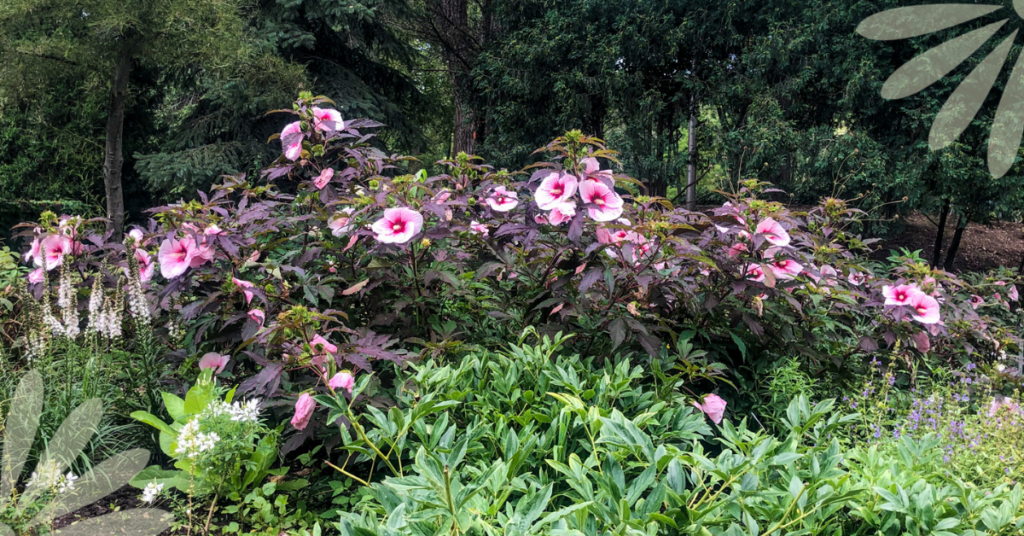
Give it ample space as it can grow 4-7 feet tall depending on the variety. Plant it 2-3 feet apart in a border, rain garden, meadow, or beside a fence, stream or pond, and it will thrive there for many years. Because it prefers consistently moist soil, avoid planting it near a brick wall or a driveway as these areas tend to dry out quickly.
When transplanting, add compost into the hole, and keep the base of the stem level with the surrounding soil. Don't mound soil or mulch up around the stems. If you’re planting your hibiscus in the fall, aim to do it at least 6 weeks before the ground freezes so the roots have time to settle in.
If you'd like a bushier, more compact shrub, you can cut these plants back by half in June.
One thing to keep in mind: hardy hibiscus is very slow to start in spring. Don’t be alarmed if it doesn’t show new growth until the soil warms to around 21º Celsius.
What We Love About Hardy Hibiscus
If everything mentioned above isn’t enough to entice you, there’s more!
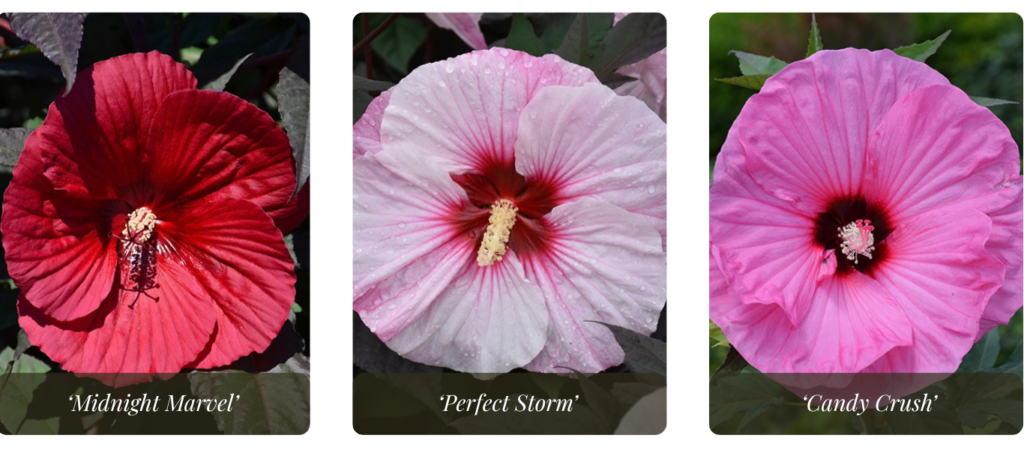
Their enormous, ruffled flowers can reach a full foot in diameter, growing on sturdy, woody stems that stay upright on their own; no staking required. While they resemble their tropical hibiscus relatives, or Rose of Sharon (Hibiscus syriacus), hardy hibiscus produces noticeably larger blooms. They flower mid to late summer in dreamy shades of white, pink, and red.
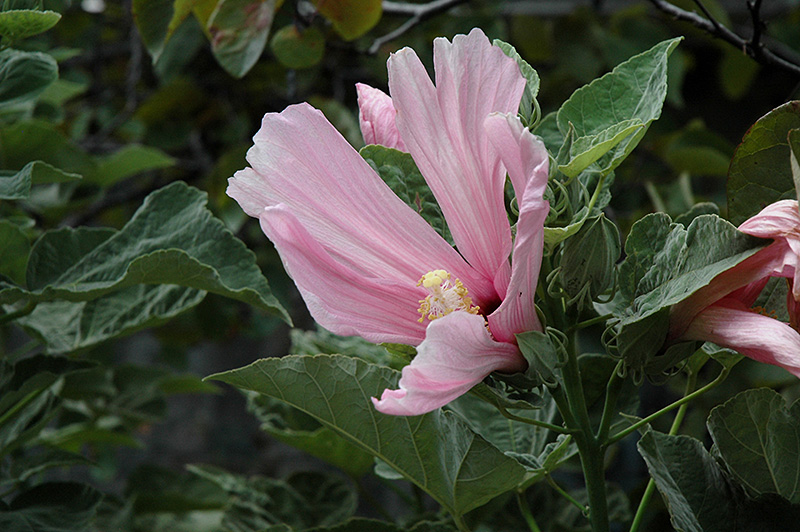
Beyond their beauty, Hibiscus moscheutos is also a valuable native plant of Ontario. It attracts hummingbirds, dragonflies, and butterflies, and in areas prone to stormwater runoff, it helps absorb moisture and reduce erosion.
Seeing Is Believing
Stop by Eising Garden Centre and see the stunning beauty of hardy hibiscus in person. You just might fall in love too!
Staff Picks to Brighten Your Garden
By Ava Green
If I asked you to name a yellow perennial flower, you might immediately think of Black-eyed Susans. They’re definitely a perennial favourite!
The goal of this article is to introduce you to other yellow plants that we love and think you will too! These perennials come back reliably every year, and look sunny and gorgeous.
Some of these plants also come in other colours, but today we’re sharing yellow varieties.
Coreopsis
Also known as Tickseed, these versatile, native North American plants come in a wide range of yellow shades, from pale and subdued to bright and showy. They also come in various heights to suit a wide range of garden locations.
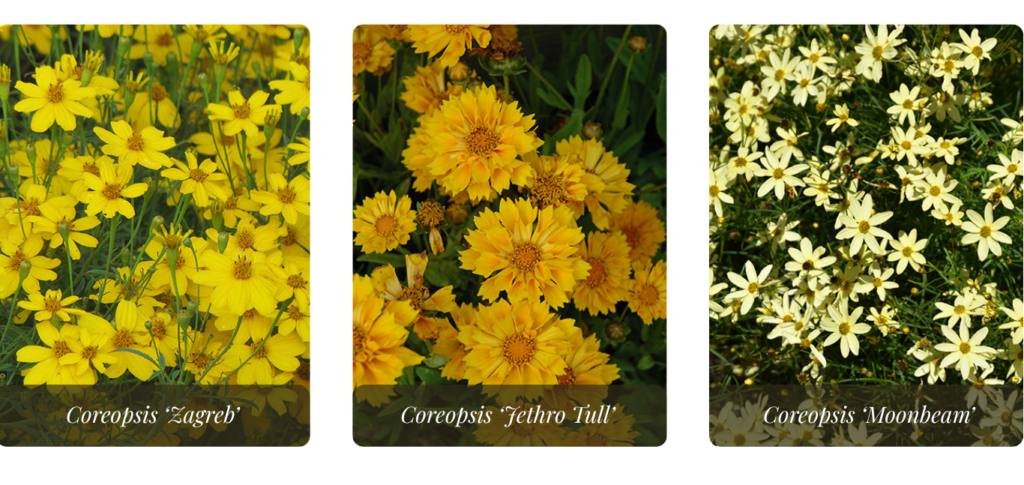
Best for: Well-drained, average soil. Coreopsis will become floppy or die in moist, fertile, or cool locations. They are tolerant of poor soil and drought | Sun: Full sun | Mature size: 1-2 ft. tall and wide; however, Tall Coreopsis can reach 5-9 ft. tall and 3-6 ft. wide
False Sunflower, Heliopsis helianthoides
False Sunflower checks a lot of wish-list boxes: radiant, long-blooming, heat-tolerant, loved by bees and butterflies, and an exceptionally hardy native perennial here in Zone 6 Southern Ontario. To keep these tall plants shorter, stronger and bushier, cut back new growth by half in May and divide them every three years so they don’t become too dense.
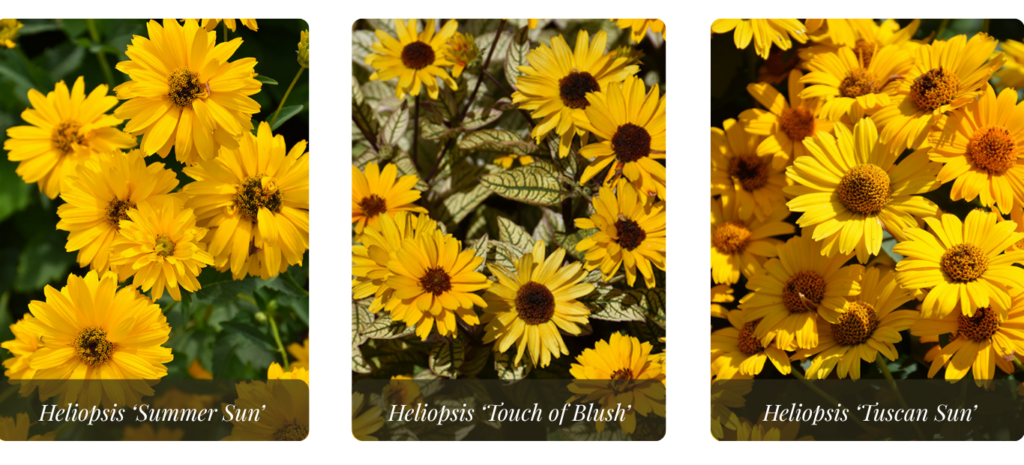
Best for: Moist, well-drained areas with lots of space to grow | Sun: Full sun, tolerates part shade | Mature size: 3-6 ft tall × 2-3 ft wide
Torch Flower, Kniphofia
Also known as Torch Lilies or Red Hot Poker, this unusual, striking plant is a stop-and-take-notice focal point in any border, providing weeks of continuous colour throughout summer. It’s also a magnet for plenty of pollinators.
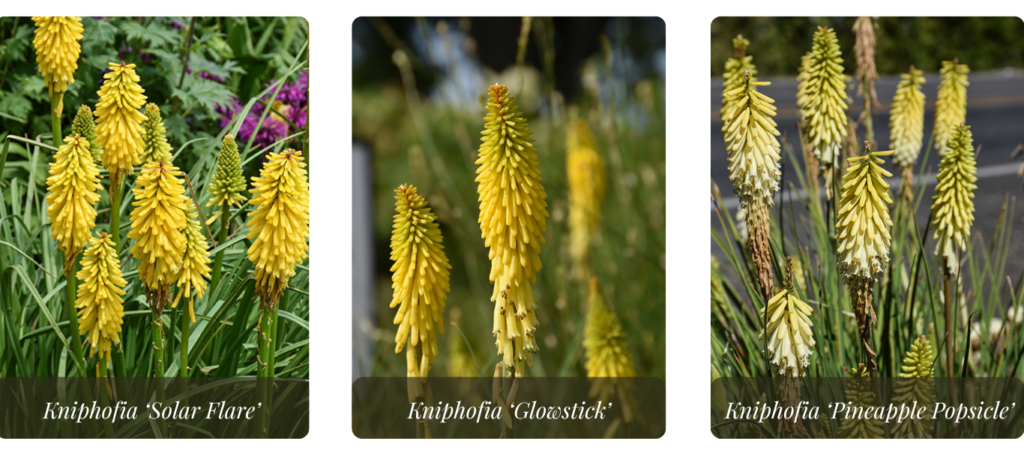
Best for: Areas with very good drainage, as wet soil can cause root rot | Sun: Full sun | Mature size: 3-3.5 ft. tall × 2-2.5 ft. wide
Hosta
Hostas provide season-long colour, with their sturdy foliage doing most of the work. While many varieties have green or blue-green leaves, some offer very pretty yellow foliage instead. Give them 2-4 hours of morning sun each day and an inch of water each week, and that bright yellow colour will stay vivid all season. Flowers are often the main selling point for perennials, but hosta foliage proves that structure, not just blooms, can be just as valuable in a garden.
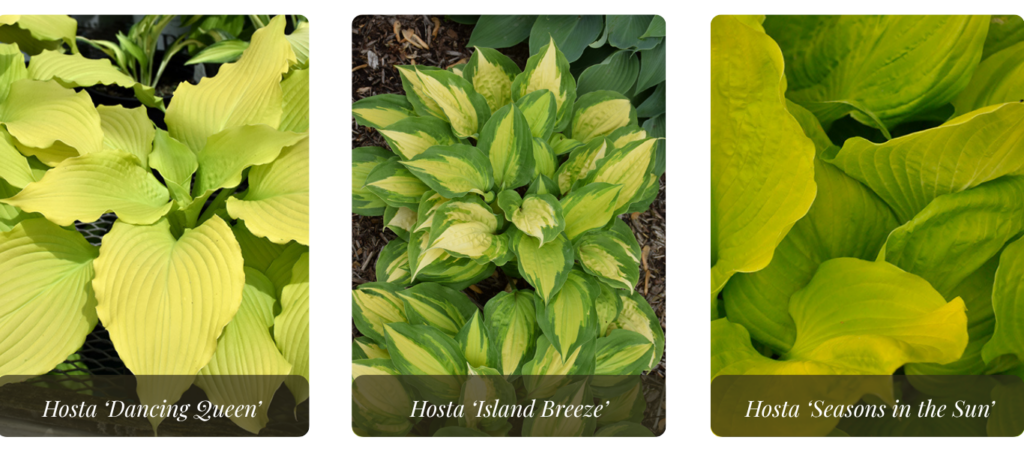
Best for: Areas with morning sun, which helps to intensify their colour | Sun: Part sun, preferably morning | Mature size: 6 in. to 3 ft. tall × 10 in. to 6 ft. wide depending on the variety (miniature cultivars stay toward the smaller end of that range)
Ligularia
Ligularia are unforgettable, with their large “tractor seat” leaves and tall spikes of candelabra-like flowers. They're a little more finicky about location, though; they need plenty of moisture and abundant morning sun, but must be protected from hot afternoon sun to truly thrive. Give them the right conditions, and this dramatic, bold plant will command all of the attention in your garden.
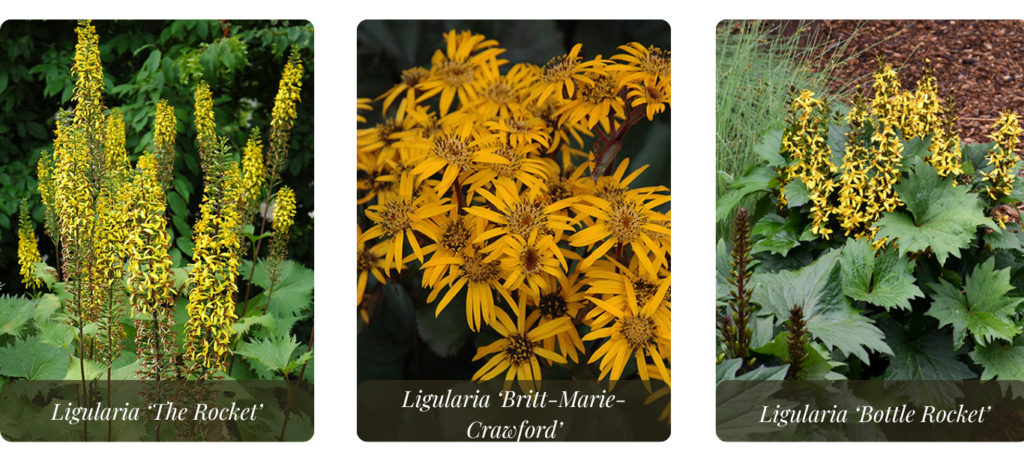
Best for: A woodland garden, rain garden, the edge of a pond or stream, in a swamp or bog where there is consistent moisture | Sun: Full sun where there is lots of moisture, otherwise Light or Partial shade with morning sun only | Mature size: 1-6 ft. tall × 1.5-4 ft. wide
More Yellow Perennials Worth Considering
Stop by Eising Garden Centre and chat with Mary or Donna; they’re always happy to help you find your favourite yellow perennials. Here are a more to check out:
Black-Eyed Susan (Rudbeckia), Stonecrop (Sedum ‘Yellow Brick Road’), Shasta Daisy (Leucanthemum ‘Banana Cream), Hardy Hibiscus (Hibiscus ‘French Vanilla’), Daylily (Hemerocallis ‘Hyperion’, ‘Happy Returns’, ‘Yellowstone’, ‘Going Bananas’ and ‘Stella D’oro’), Lenten Rose (Helleborus ‘Spanish Flare’, Coneflower (Echinacea ‘Yellow My Darling’), False Indigo (Baptisia ‘Lemon Meringue’ and ‘American Goldfinch’), Yarrow (Achillea ‘Firefly Sunshine’, ‘Moonshine’, ‘Coronation Gold’, and ‘Firefly Sunshine’), Cup Plant (Silphium perfoliatum), Hollyhock (Alcea), Helenium (‘Hay Day’, Dakota Gold’ and ‘Sombrero’, Itoh Peony (‘Yellow Emperor’, ‘Bartzella’, and ‘Garden Treasure’), Butterfly Weed (Asclepias tuberosa), Foxglove (Digitalis), Columbine (Yellow Queen), Eastern Prickly Pear Cactus (Opuntia cespitosa or Opuntia humifusa - native cactus), and Japanese Forest Grass (‘All Gold’).
That’s a lot of yellow, and as the saying goes: where yellow blooms, happiness follows!
By Dave Zeldon and Ely Schweyer
As plant people, we’ve all experienced that moment when we realize the novelty phase of that plant we brought home from the garden centre has worn off. The plant isn’t standing quite as tall, the flowers aren’t as bold, and the leaves are unravelling smaller or not at all. What is this magic they perform in the greenhouse? Perhaps you’ve provided sufficient lighting and adequate watering; there’s just one thing that is often overlooked because dirt is dirt, isn’t it?
97% percent of plant tissue is made up of carbon, hydrogen, and oxygen pulled from the air and water, the remaining 3% is comprised of 16 other elements taken up from the soil. The quality of soil then is crucial to your plant’s health. Whether your plants are in pots or in ground, each soil type you could provide your plant offers something unique and may lack in another.
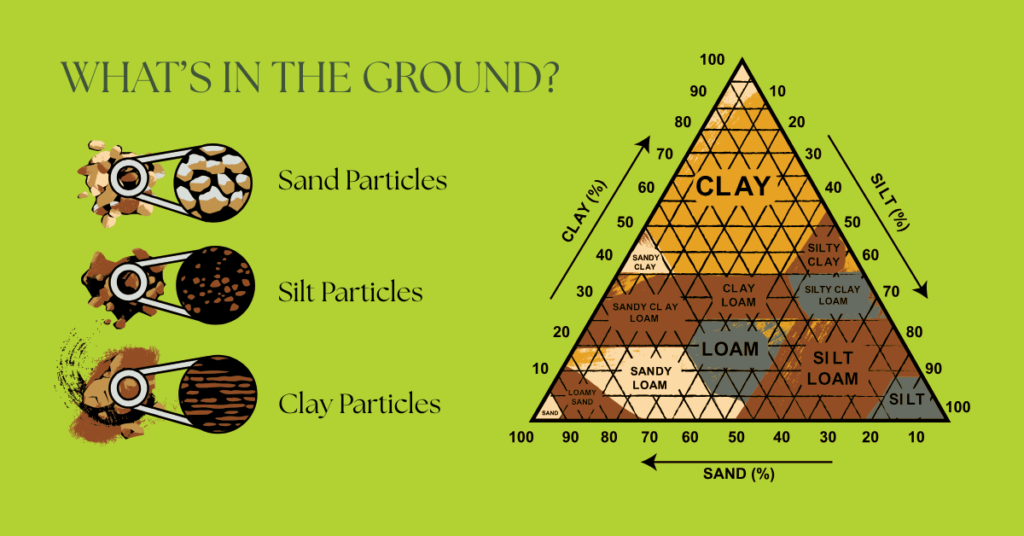
*Clay particles are even smaller than silt particles.
Resist the Urge to Slam Your Plant in Potting Soil
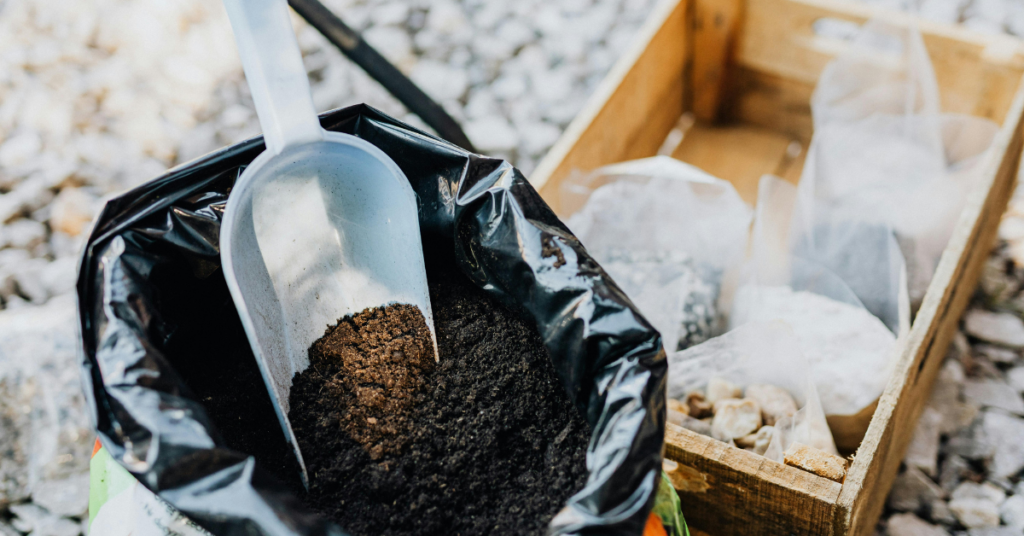
There’s bags and bags of rocks, sand, bark, manure, and moss on the shelves, yet the common buyer seems to always opt for potting mix. It’s fair; organic matter is usually great for plants and simple to use. However, most people don’t realize it’s merely an ingredient.
Strictly using potting mix is like attempting to make a loaf of bread out of only flour. All those bags of other materials on the shelves are also components for a successful plant diet!
Potting mix is a great base material, however, alone it presents risks of compacting, becoming waterlogged, can mold easily, and over time will become depleted of nutrients. Consider mixing the following ingredients into your pots, ground and raised beds to meet your plant’s required nutrients, pH level, and volume of moisture.
🖱️Use our Plant Finder to find some details on your plant! We try our best to keep this updated!
👍 Rule of Green Thumb: Plant roots can help you to determine the medium needed – thick, robust roots (i.e., yucca) typically enjoy chunkier materials, and smaller, delicate roots (i.e., begonias) enjoy finer materials.
Mulch and Bark Bites
- Mulch is the organic slow-release fertilizer, as it slowly decomposes, it lowers soil pH. However, may eventually compact soil once fully broken down.
- In the meantime, it creates shelves in the soil that create air pockets and prevent the soil from compacting. Mulch is a great short term medium for arid potted plants.
- If kept too wet, it can harbour fungus gnat larvae.
- Make sure when sourcing your mulch it doesn’t contain any black walnut.
🖱️ See more on mulching here.
Sphagnum Peat Moss
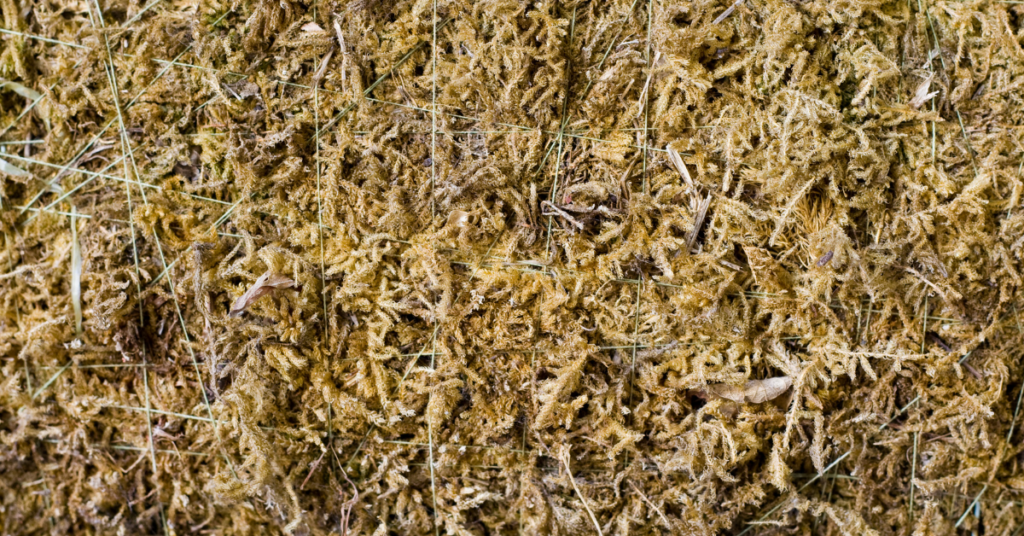
- Peat moss is used to help retain moisture and lower pH in the soil given it is harvested from bogs.
- Retains nutrients very well.
- It is difficult to rehydrate once it loses moisture.
Coconut Coir
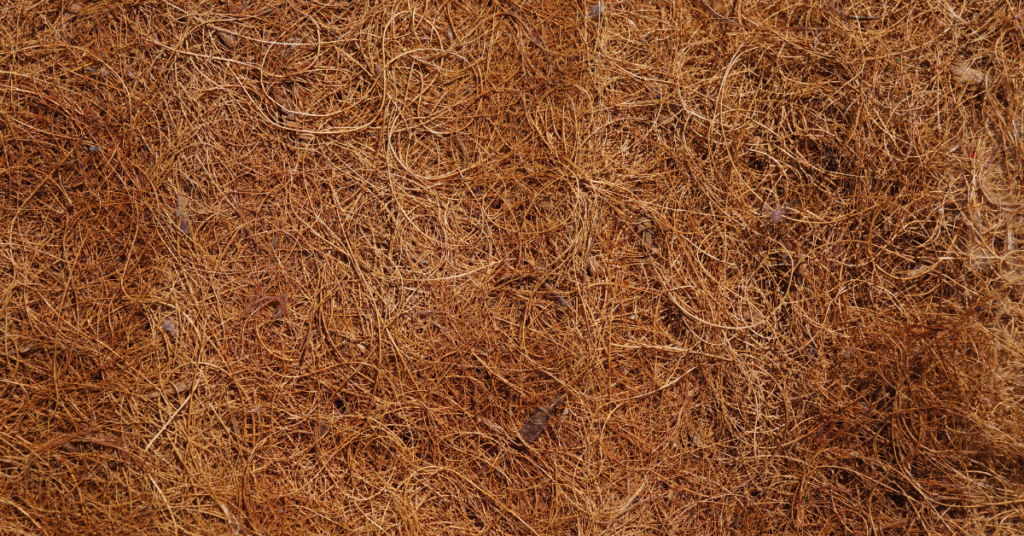
- Coco coir, much like peat moss is used to keep the soil moist and keep pH low, however it lasts longer and is possibly less invasive to harvest.
Sand
- Grains are relatively large and do not bind, allowing for excellent drainage depending on grade.
- Adds weight to top heavy plants.
- Has no ability to store minerals itself, however, pH can vary by its content of shells, minerals like silica, or fine organic matter.
Manure & Compost
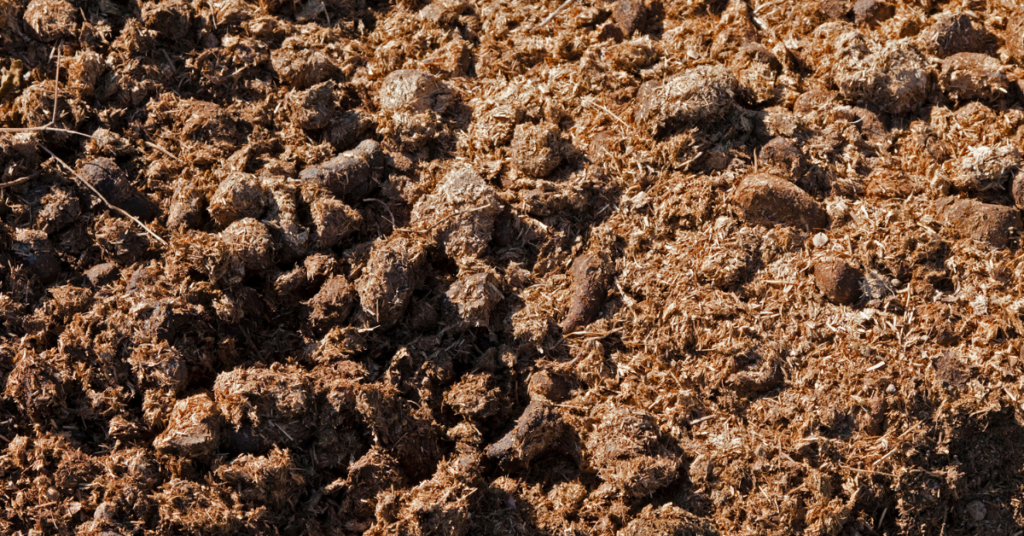
- Source these organic by products locally and ensure they’re not too hot. These additions can significantly lower pH.
- Sheep manure is usually near free of weed seeds as sheep digest seeds better than cattle and horses!
Perlite
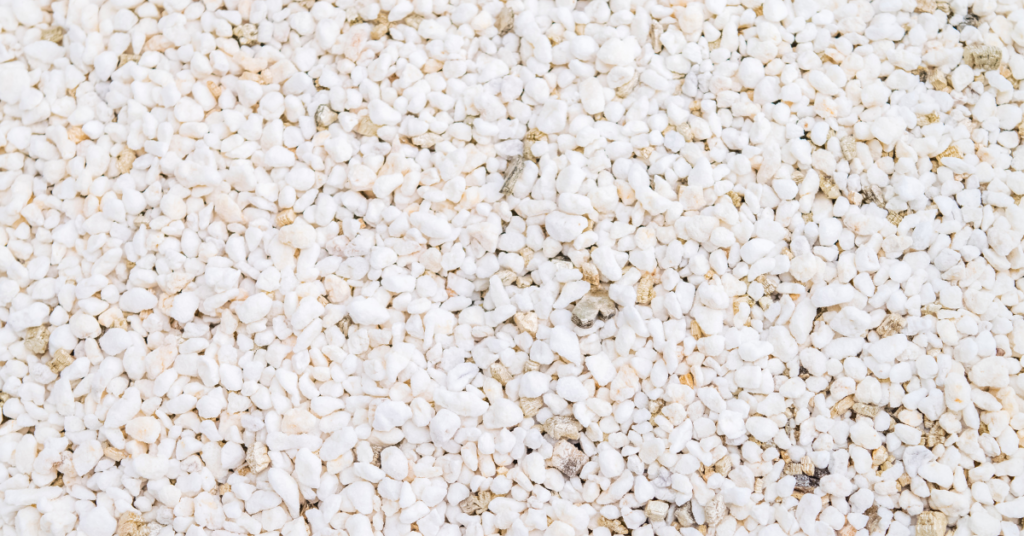
- Perlite is a volcanic byproduct (so it floats like pumice) that helps drainage in the soil and prevents compaction – vital in the case of starting seeds.
- If a rockier, well-draining medium is required for your plant, consider perlite.
- Perlite can expand holding trace amounts of water.
- Perlite has a neutral, slightly acidic pH.
- Make sure when sourcing perlite, that you are not being sold Styrofoam balls.
Vermiculite
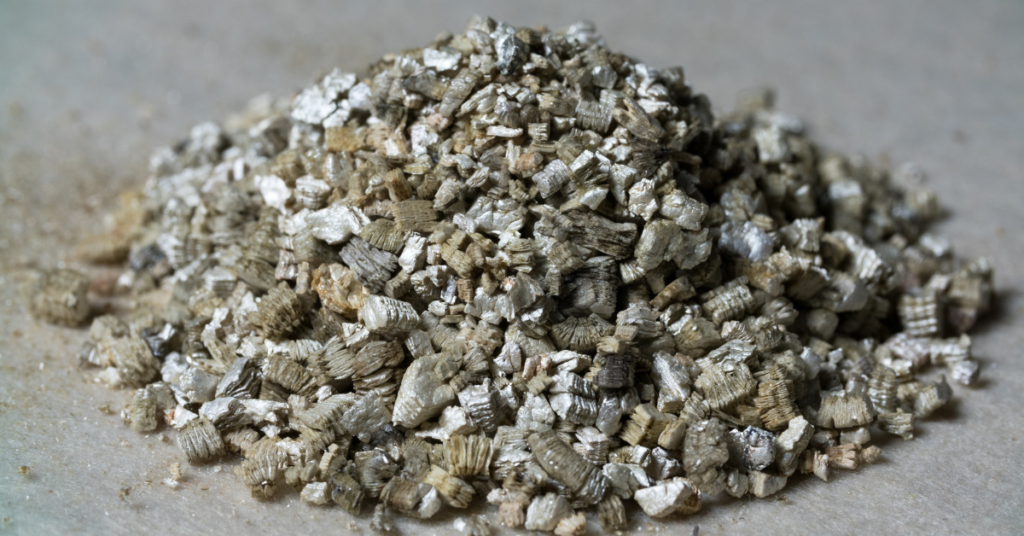
- Vermiculite is a recycled mineral used similarly to perlite, and too has a neutral, slightly acidic pH.
- Expands with water content.
- Can contain amounts of potassium and magnesium (as well as good cation exchange capacity).
- Runs the potential risk of introducing asbestos into your soil.
Calcined Clay Materials
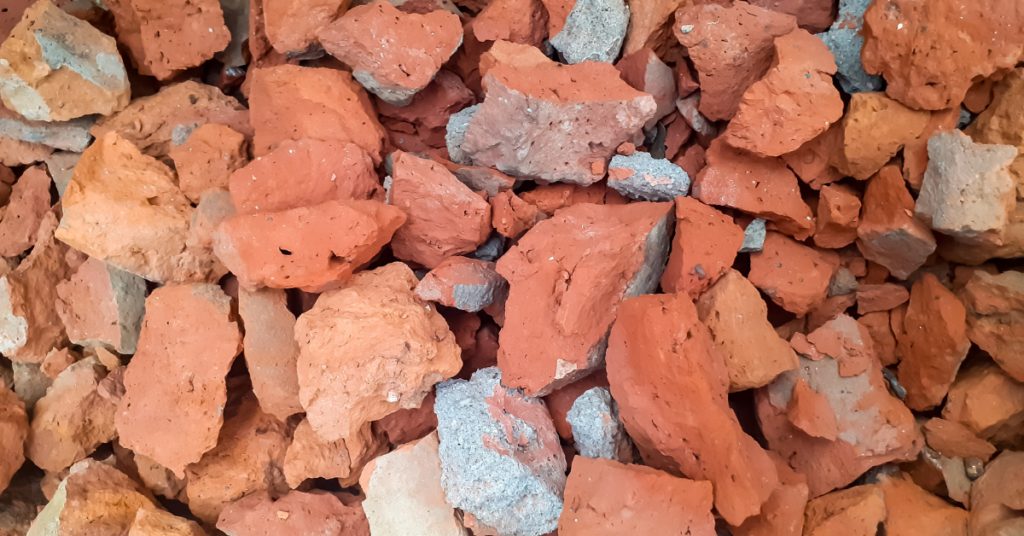
- Clay materials like recycled brick bits, pottery, or lecca are typically used for arid plants as it improves aeration and drainage.
- Can raise pH.
- Can retain some water.
- High cation exchange.
- Can also be used for starting robust cuttings when kept moist.
- Probably not ideal for inground amendments.
Maintaining Your Plant’s Dietary Needs
Perhaps we’ve crafted the perfect soil type for your plant – your plant thanks you – but over time, we will end up in the same staling predicament. Why? Because with each thorough watering, we leech the soil of the provided nutrients. Best we use the plant-specific required fertilizer for your plant to prevent nutrient loss.
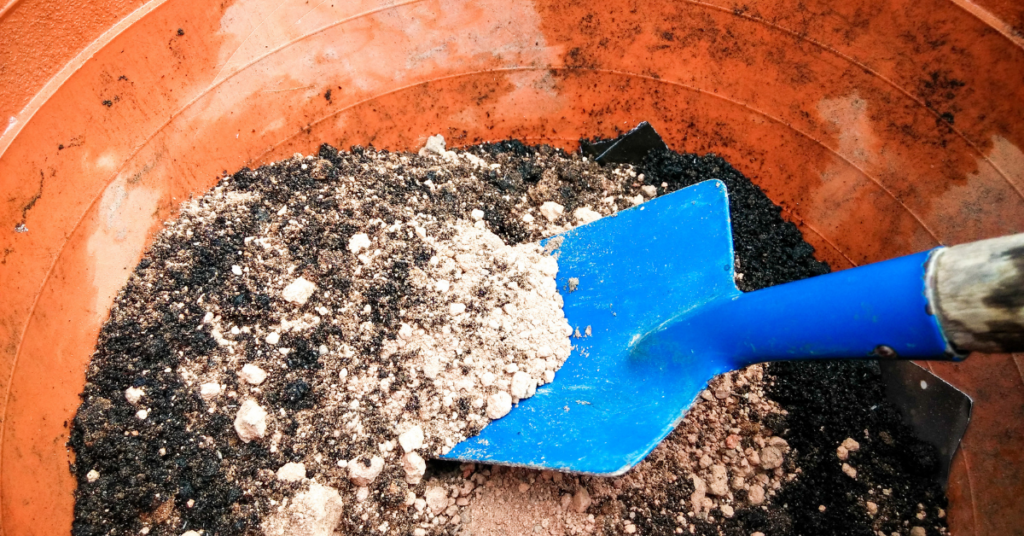
Organic sources of fertilizer such as bonemeal, composts, and manures, along with the application of lime, will improve the physical condition of the soil in terms of water and element holding ability. Unfortunately, in many cases though, manures and lime alone cannot be depended upon to provide enough available nutrients in soils with low essential element reserves.
Let’s talk about commercial fertilizers, which can help target your plant’s exact needs much like vitamins and supplements!
The Scoop on Fertilizers
Of the essential 16 elements your plant pulls from the soil, Nitrogen (N), Phosphorus (P), and Potassium (K) are the most critical for good plant growth. You’ll recognize the three numbers appearing on your commercial fertilizer labels known as the fertilizer analysis of the product, representing the percentage of each of the three "macronutrients" in the order of N, P & K.
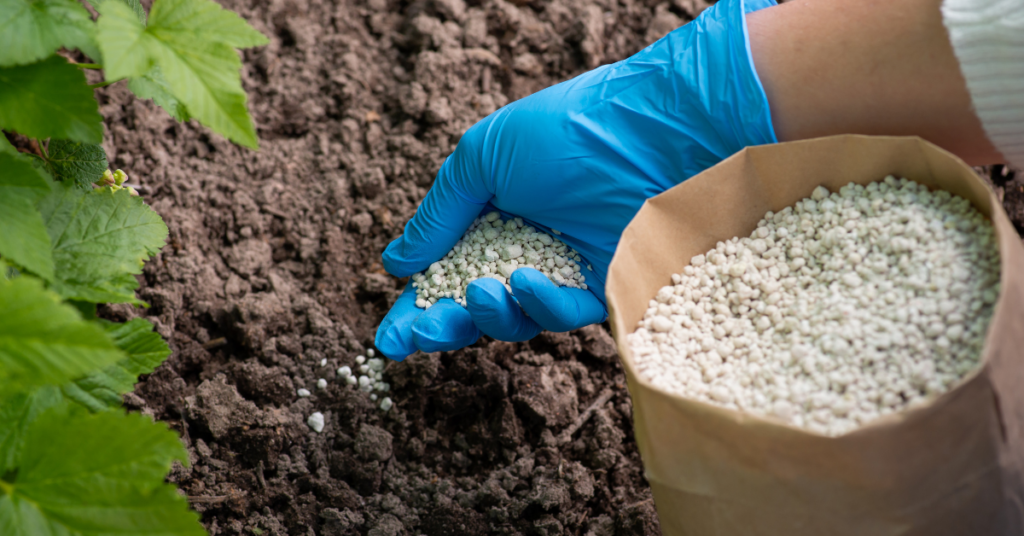
Nitrogen (N) is necessary for green leafy or vegetative growth which is important in crops like corn, cabbage, and potatoes.
☝️ It is important to remember that you should not use a fertilizer which is high in nitrogen late in the summer on your perennials, as it may cause a boost of growth which will only freeze as the cold weather sets in. Also, too much nitrogen in the analysis could cause too much lush, leafy growth thus inhibiting the desired flowering aspect of a plant species.
Phosphorus (P) promotes the development of flowers, fruit and roots. Crops like tomatoes, cauliflower and garden flowers.
Potassium (K) boosts plant hardiness, stem strength, resistance to disease and drought which is important to all crops, but especially in potatoes, celery and rhubarb.
👍 Rule of Green Thumb: For foliage plants, provide them with shade and lots of nitrogen, and for flowering and fruiting plants, provide them with lots of sun and lots of phosphorus!

Amending Clay
Hello Haldimand and Eastern Norfolk!
We’re presented with the challenge of compacted, often shallow and waterlogged clay, which proves difficult but not impossible.
Clay becomes compacted and waterlogged as it is the smallest soil particle – smaller than a grain of sand, and even smaller than silt – with rough edges that allow it to interlock and bind. In this instance, roots cannot penetrate further into the soil, are susceptible to root rot, and air pockets are slim to none.
This, however, can be fixed with the addition and renewal of the above materials.
Mindful that you don’t create a watery bowl in the ground (score the edges the area being worked), you can add organic matter (i.e., manure, compost, and potting soil) for nutrients, as well as mulch, sand and perlite for aeration and drainage. Annual soil particle aggregation in clay soils increases air porosity (air pockets) and is accomplished by the incorporation of organic matter that breaks down to form humus.
🖱️ See more here for planting trees in clay.
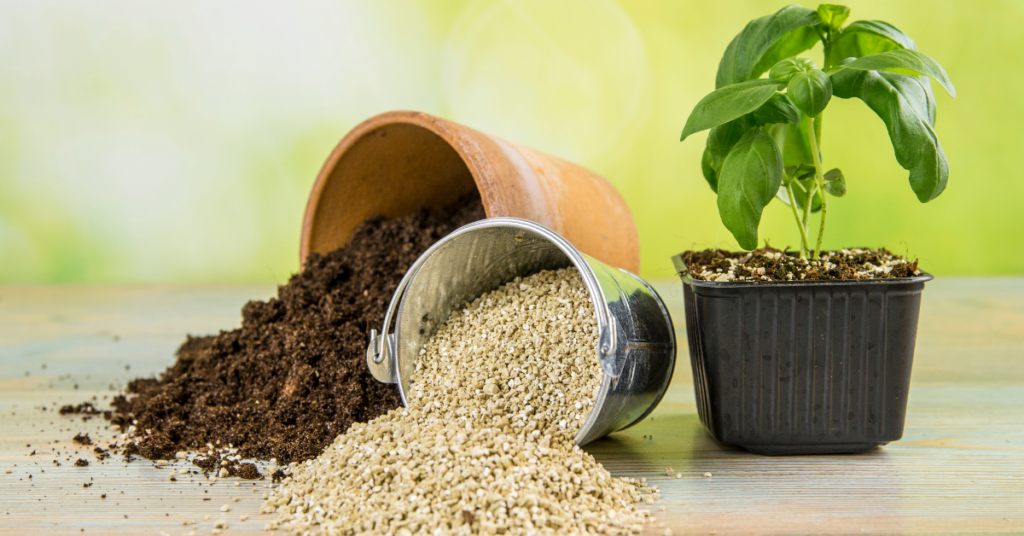
We hope this soil and fertilizer guide helps you provide all the vital nutrients to your beloved plants in ground and above ground! For more information - and soil – visit Eising Greenhouse and Garden Centre! 🌱
By: Ava Green
One of the best things about living in southern Ontario is the beautiful show our deciduous trees and shrubs put on each fall.
Autumn is also the perfect time to plant trees, shrubs, and perennials. The sun is less intense, temperatures are slightly cooler, and with regular, deep watering, the plants are less prone to transplant shock, ensuring a successful planting.
As the leaves begin to change, they mark the arrival of autumn, a season full of colour and celebration. If fall is a special time of year for you, our staff have handpicked their favourite deciduous trees and shrubs with the most stunning seasonal displays. Here are their top recommendations.
Autumn Blaze Maple
Botanical Name: Acer x freemanii 'Jeffersred'
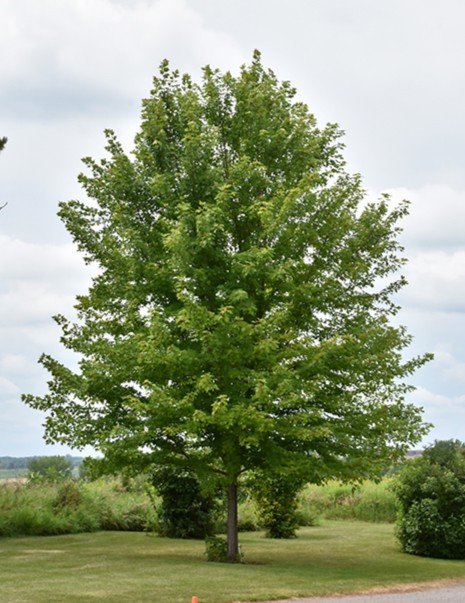
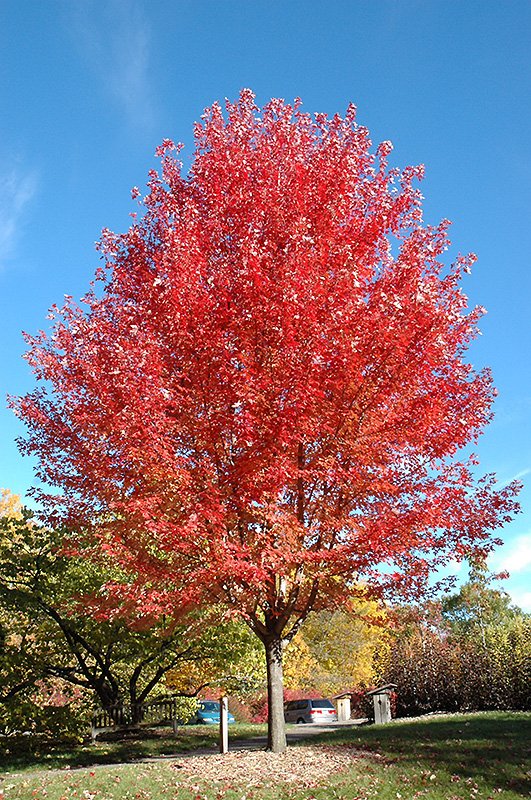
This tree is a cross between the fast-growing Silver Maple and the showy Red Maple - two very popular trees!
Autumn Blaze will provide a display of colour throughout autumn by starting earlier and lasting longer than most other trees. It’s large, with 5-inch leaves that begin by turning red at the top, then eventually shades of red and orange cascade down the length of the tree.
Even in the winter, this is a beautiful specimen because its shape is so symmetrical.
Seven-Son Flower
Botanical Name: Heptacodium miconioides
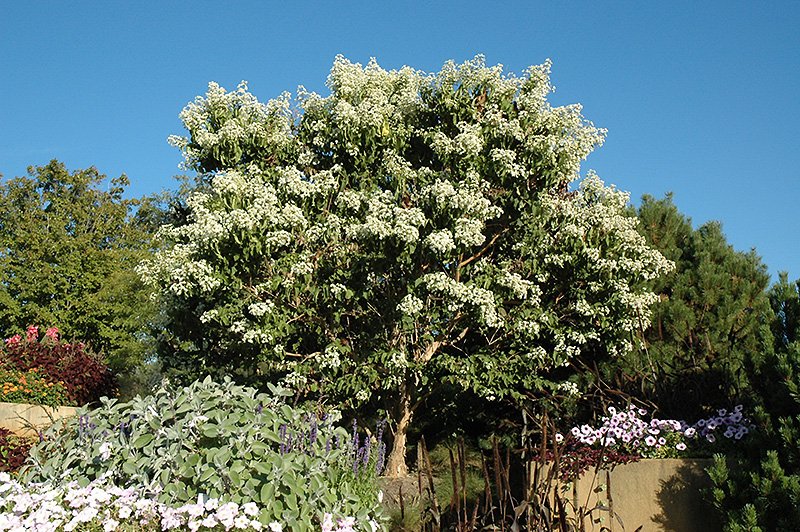
Considered a small tree or large shrub, Seven-Son Flower is popular for its year-round beauty!
Growing to a maximum of 6.1 metres (20 feet) tall and 3 metres (9.8 feet) wide, the leaves of this plant change from spring to summer, making it an interesting specimen plant in the garden.
The biggest attraction is the fragrant white blooms it produces late in summer, which are highly attractive to hummingbirds and other pollinators. As the blooms fall, they leave behind pink sepals, so it looks like it’s in bloom all over again!
Its unusual bark makes this tree beautiful year-round, but especially in the winter.
Washington Hawthorn
Botanical Name: Crataegus phaenopyrum
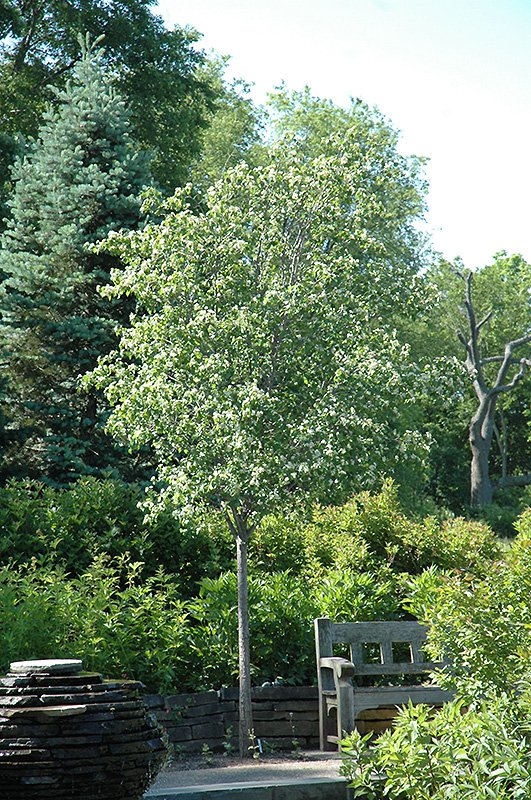

Leaves that turn vibrant shades of orange, purple or scarlet red in the fall are just part of the beauty of this small tree.
This is another specimen with year-round interest. In early spring, reddish-purple leaves emerge, which eventually turn dark green, followed by graceful white flowers. After its fall show, it produces bright red berries that last for most of the winter.
Maturing at 8 to 9 metres (25-30 feet) tall, Washington Hawthorn is also an important nectar plant for pollinators and provides food for birds in the winter.
Barberries
Botanical Name: Berberis thunbergii
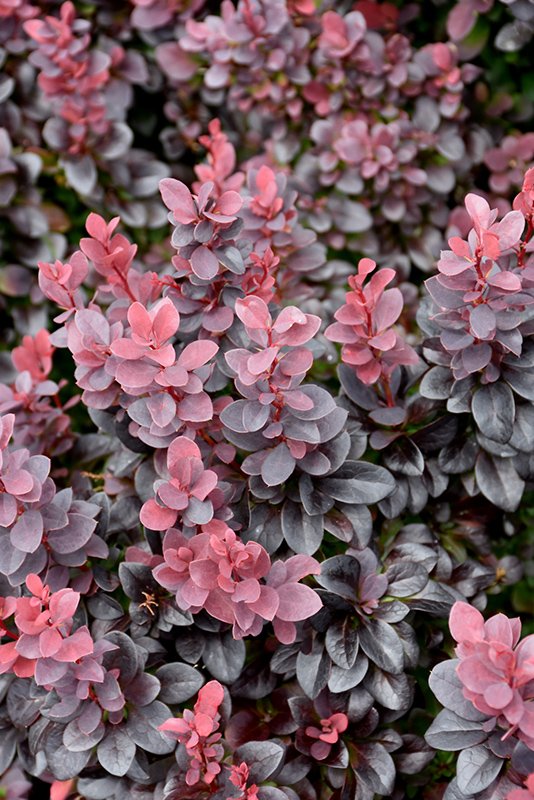
Concorde Japanese Barberry
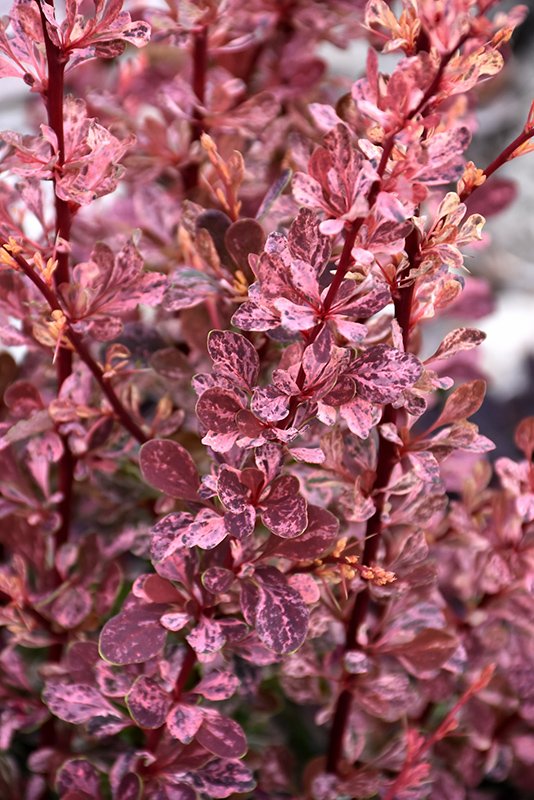
Rose Glow Japanese Barberry
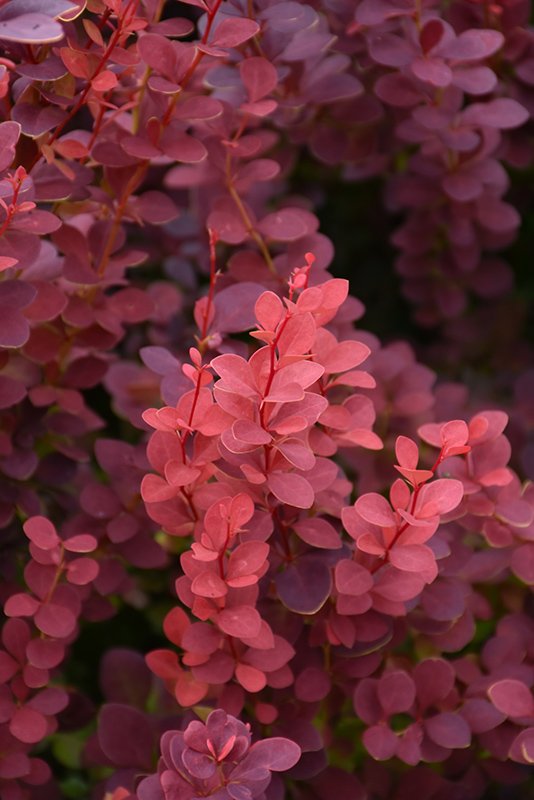
Ruby Carousel Japanese Barberry
Depending on the type of Barberry these deciduous shrubs can grow ½ to 3 metres (1-10 feet) tall and have varied shapes and features as well. For example:
- Barberry, Concorde (Berberis thunbergii 'Concorde')forms a nice globe when it's mature. Leaves start out red and gradually turn a deep, dark purple as they mature.
- Barberry, Ruby Carousel (Berberis thunbergii 'Bailone') is a compact variety with vibrant, ruby-red foliage.
- Barberry, Rose Glow (Berberis thunbergii 'Rose Glow') which matures to 1 to 1 ½ metres (3-5 feet) tall, starts out with a combination of green, white, and deep rose-red foliage in the spring. In the fall, it produces bright red berries that persist into winter.
Beautyberry, Pearl Glam
Botanical Name: Callicarpa 'NCCX2'
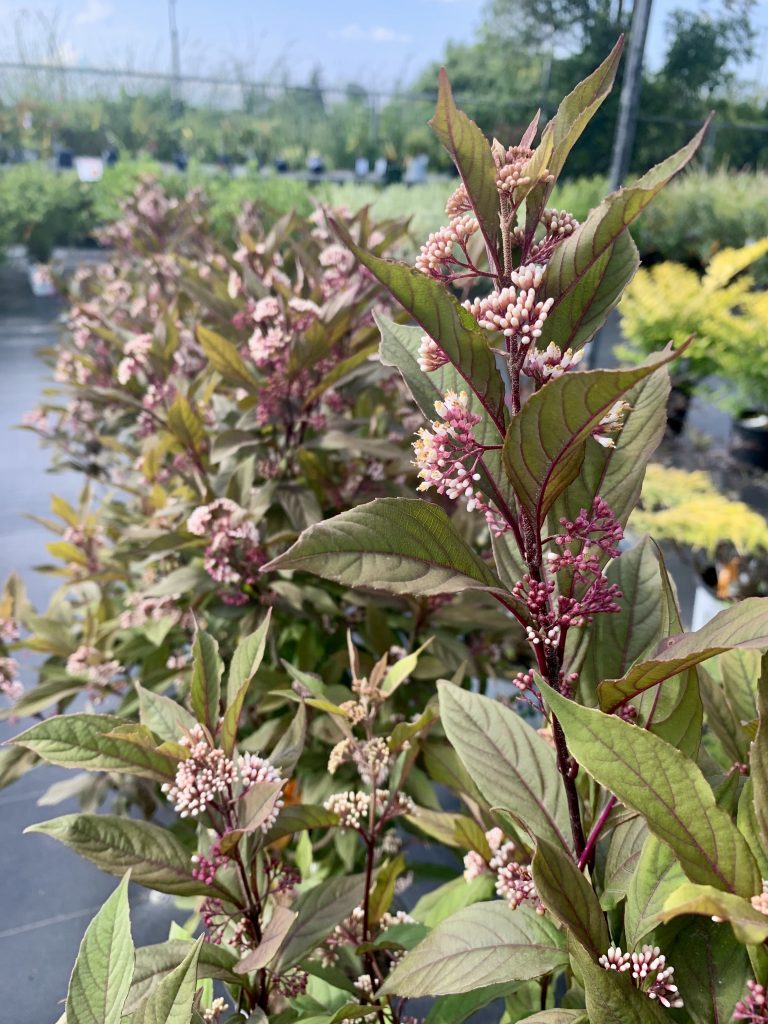
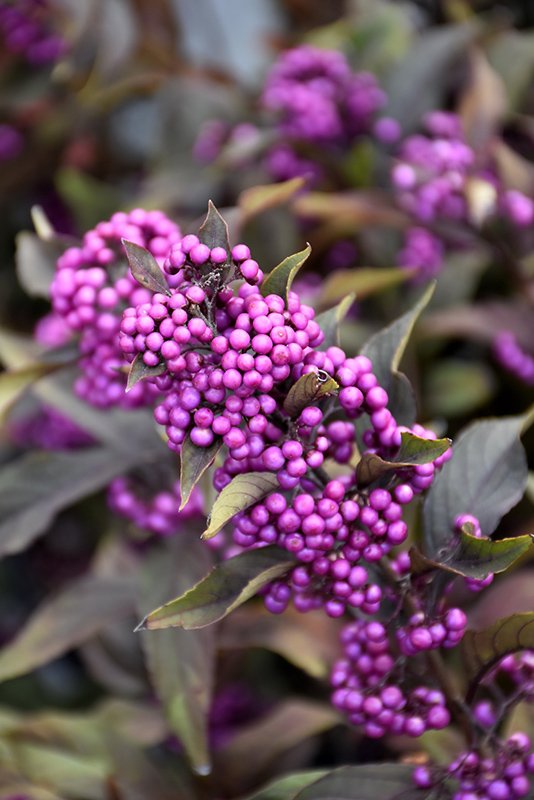
While many Beautyberry are showy in the fall, Pearl Glam is an upright, small shrub that has all-season interest. Its dark purple foliage emerges in the spring that lasts until frost.
In late summer it’s adorned with white flowers which attract butterflies and bees. After blooming it produces hundreds of beautiful violet-purple berries which last long after the leaves have fallen.
Crepe Myrtle, Cherry Mocha
Botanical Name: Lagerstroemia 'Cherry Mocha'
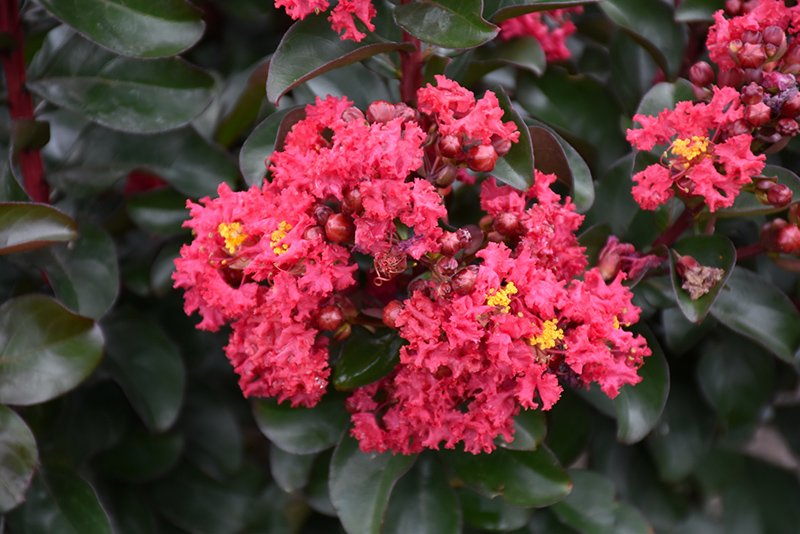
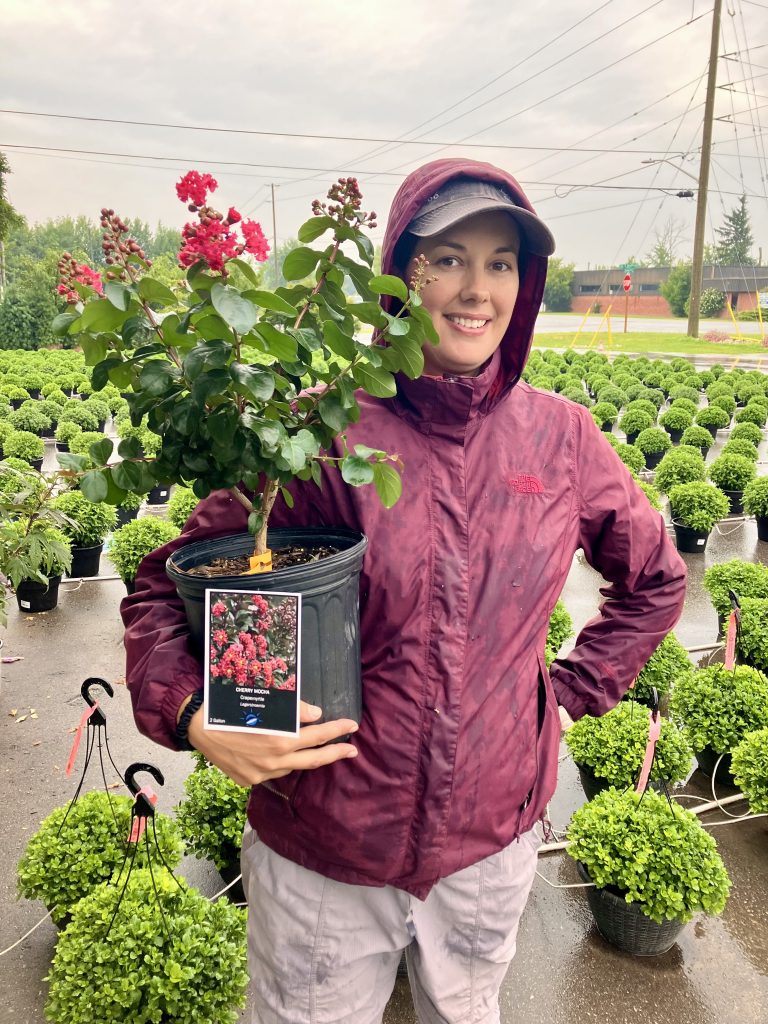
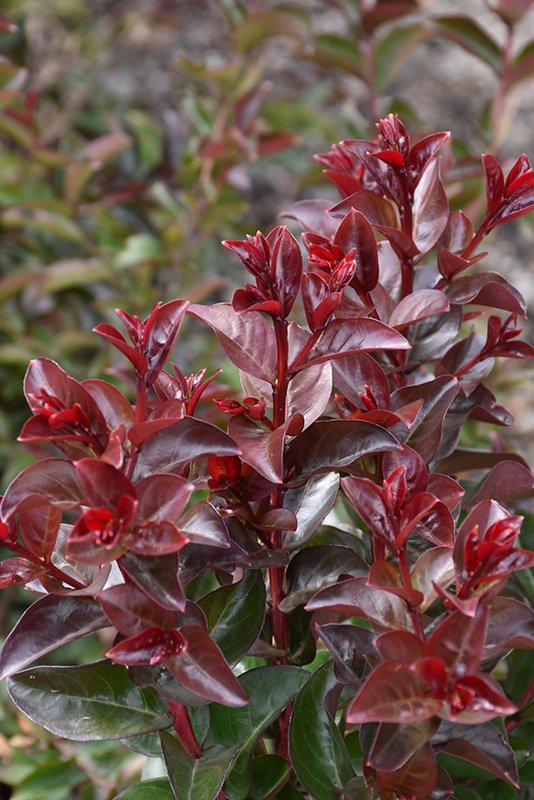
Another small ornamental deciduous shrub with an upright growing habit, Cherry Mocha Crepe Myrtle has decorative appeal in every season.
Burgundy coloured stems with semi-glossy burgundy leaves makes this plant stand out. To add to that, new growth at the tips starts out glossy, deep red. If that’s not enough, in late summer and early fall, the blooms on this cultivar are large, cherry-red flowers which stand out from the burgundy foliage. Its flowers late in the season provide important food for bees. After flowering, green seed pods provide extra interest.
Note: Have you ever wondered why leaves on trees and shrubs change each fall? Here’s a simple explanation. During the long, sunny days of summer, trees and shrubs produce plenty of chlorophyll - the food needed to keep the leaves green. In autumn, as the days grow shorter and temperatures are cooler, there is less chlorophyll produced and the plant breaks down residual chemicals on the surface of the leaves which produces shades of red, orange and yellow.
You’ll find more information in our handy Eisings online Plant Finder!
Dealing with water restrictions or choosing to conserve water? You’re not alone. Many gardeners in Norfolk County are facing the challenge of keeping gardens thriving with less water. The good news? A lush, colourful garden is still within reach—thanks to drought-tolerant perennials.
When we think of drought-tolerant plants, cacti might be the first thing that comes to mind. But there’s a surprising variety of beautiful, hardy perennials that can handle our region’s dry spells—no desert landscape required.
While these plants do need regular watering when first planted, once established, they’re low-maintenance and well-suited to Southern Ontario’s climate, including periods of limited rainfall.
Full Sun Ground Cover
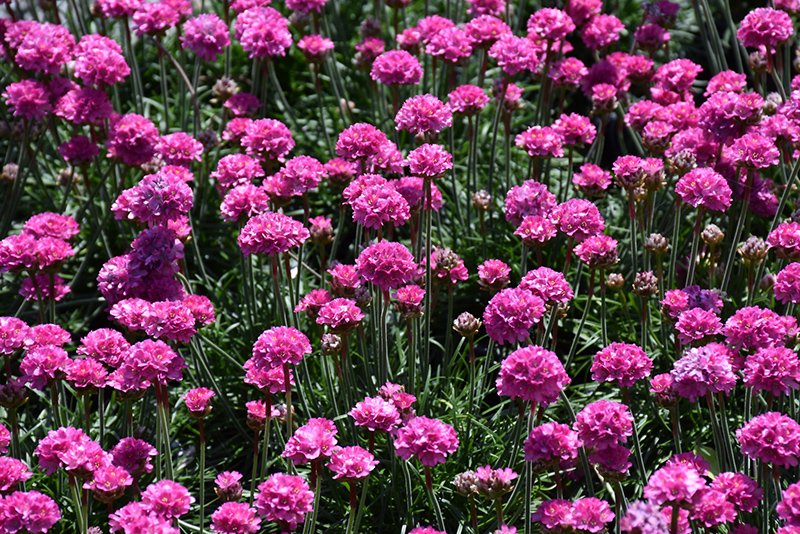
Botanical Name: Armeria maritima 'Dusseldorf Pride'
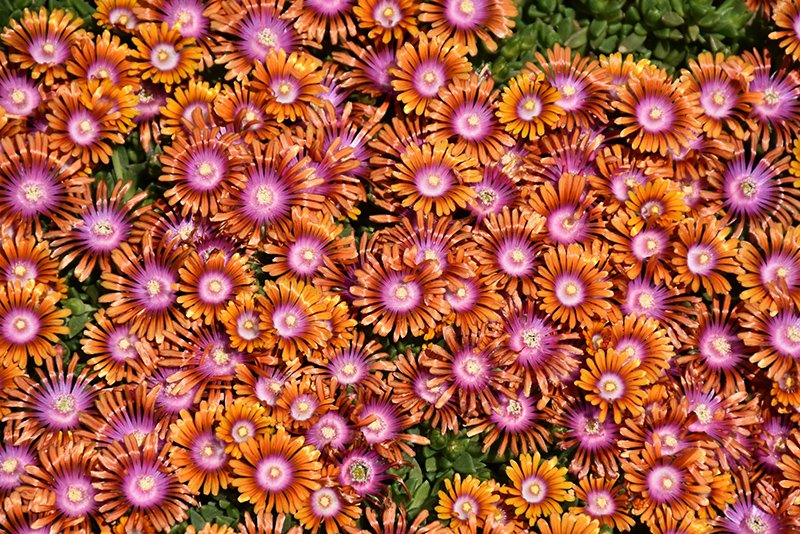
Botanical Name: Delosperma 'Fire Spinner'
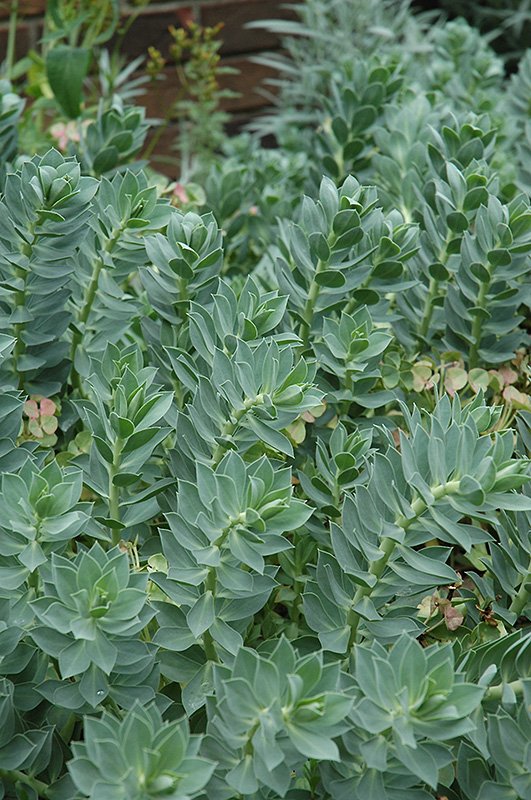
Botanical Name: Euphorbia myrsinites
- Candytuft (Iberis sempervirens)
- Catmint (Nepeta x faassenii)
- Hardy ice plant (Delosperma nubigenum)
- Hens and chicks (Sempervivum tectorum)
- Moss phlox, creeping phlox (Phlox subulata)
- Pincushion flower (Scabiosa japonica var. alpina) (S. ‘Butterfly Blue’)
- Pinks (Dianthus alpinus)
- Rock cress, wall cress (Arabis species)
- Rock rose, sun rose (Helianthemum hybrids)
- Spurge (Euphorbia myrsinites) (E. polychroma)
- Stonecrop (Sedum acre) - dwarf varieties
- Thrift, sea pink (Armeria maritima)
- Thyme (Thymus species)
Full Sun, Medium to Tall Plants
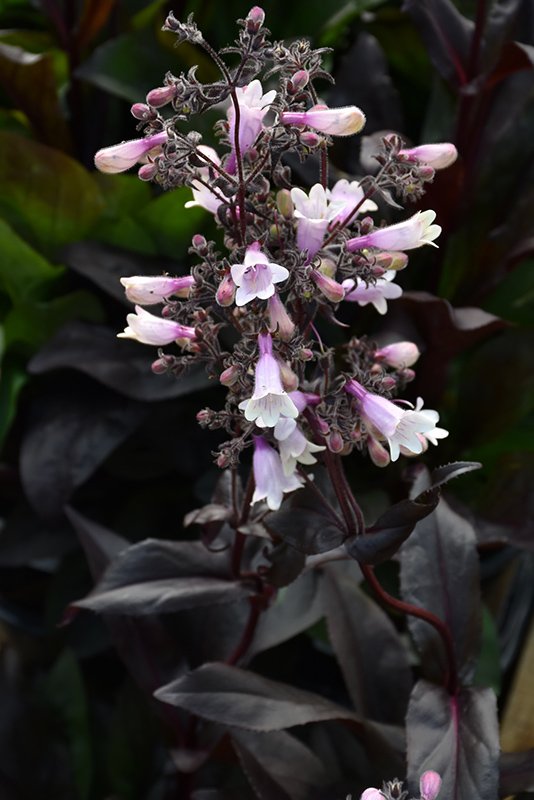
Botanical Name: Penstemon 'Dark Towers'
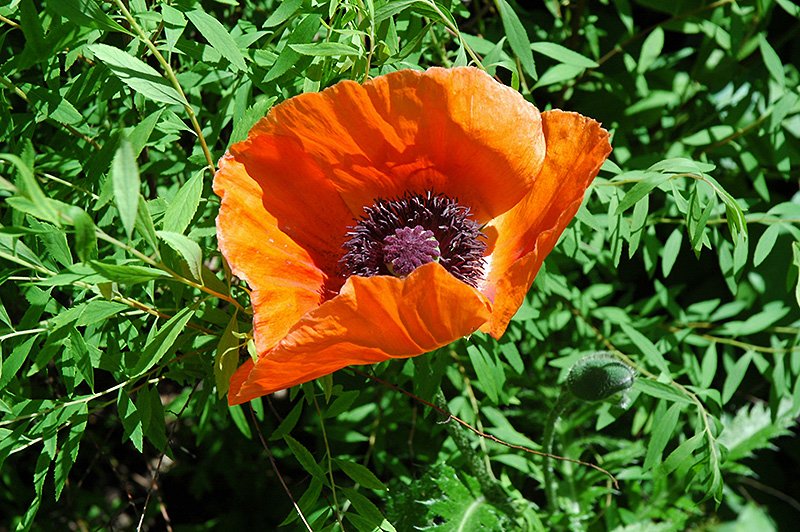
Botanical Name: Papaver orientale
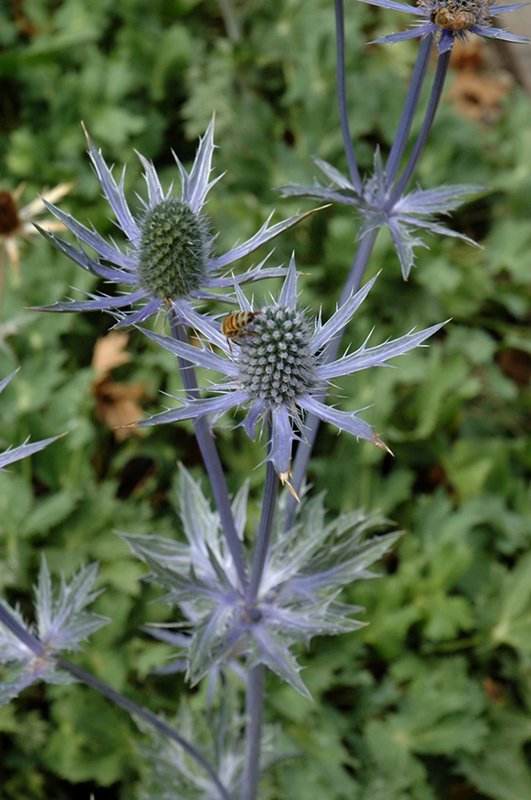
Botanical Name: Eryngium 'Big Blue'
- Beard-tongue (Penstemon digitalis) – Native
- Bergenia (Bergenia crassifolia)
- Black-eyed Susan (Rudbeckia hirta) – Native
- Blanket flower (Gaillardia x grandiflora)
- Butterflyweed (Asclepias tuberosa) – Native
- False indigo, wild indigo (Baptisia australis)
- Hairy penstemon (Penstemon hirsutus) – Native
- Lanceleaf coreopsis (Coreopsis lanceolata) – Native
- Lavender (Lavandula angustifolia)
- Orange coneflower (Rudbeckia fulgida ‘Goldsturm’)
- Perennial cornflower (Centaurea montana)
- Poppy (Papaver species)
- Purple coneflower (Echinacea purpurea)
- Prickly pear cactus (Opuntia compressa) – Native
- Russian sage (Perovskia atriplicifolia)
- Salvia (Salvia nemerosa hybrids)
- Sea Holly (Eryngium species)
- Silver sage, wormwood (Artemisia ludoviciana)
- Threadleaf coreopsis (Coreopsis verticillata) – Native
- Yarrow (Achillea millefolium)
Full Sun Grasses
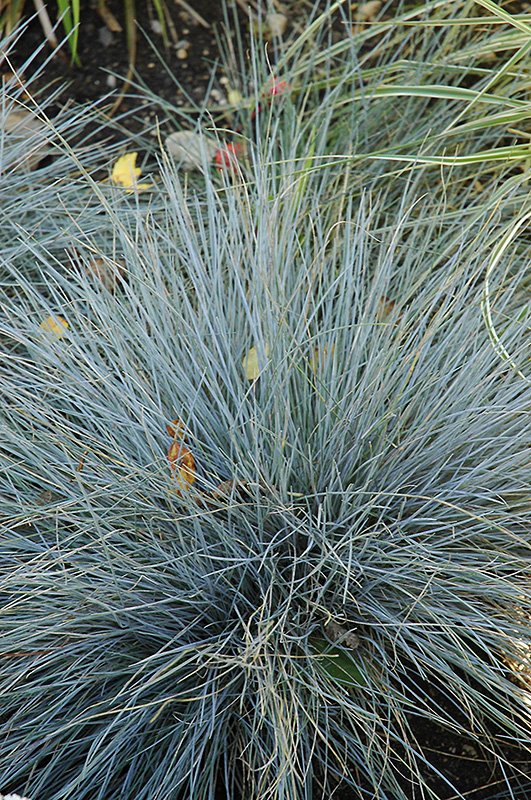
Botanical Name: Festuca glauca
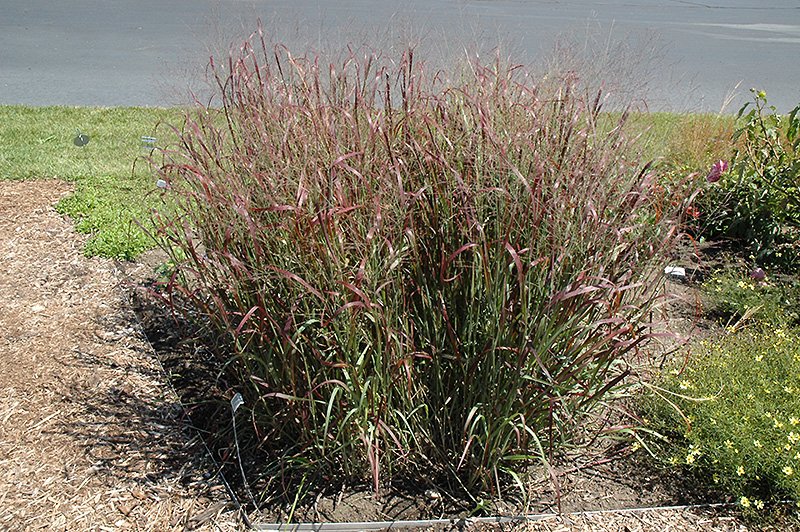
Botanical Name: Panicum virgatum 'Prairie Fire'
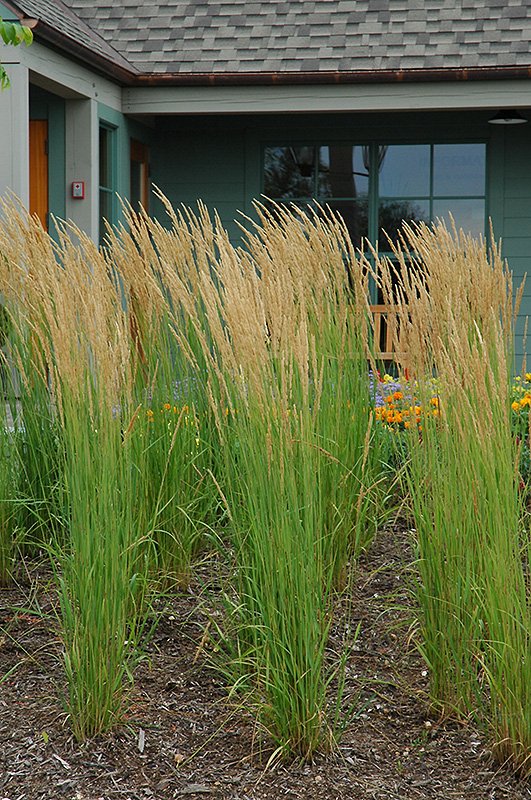
Botanical Name: Calamagrostis x acutiflora 'Karl Foerster'
- Big bluestem (Andropogon gerardii) – Native
- Blue fescue (Festuca glauca)
- Blue oat grass (Helictotrichon sempervirens)
- Feather reed grass (Calamagrostis x acutiflora ‘Karl Foerster’)
- Little blue stem (Schizachyrium scoparium) – Native
- Switch grass (Panicum virgatum) – Native
Groundcover for Shade
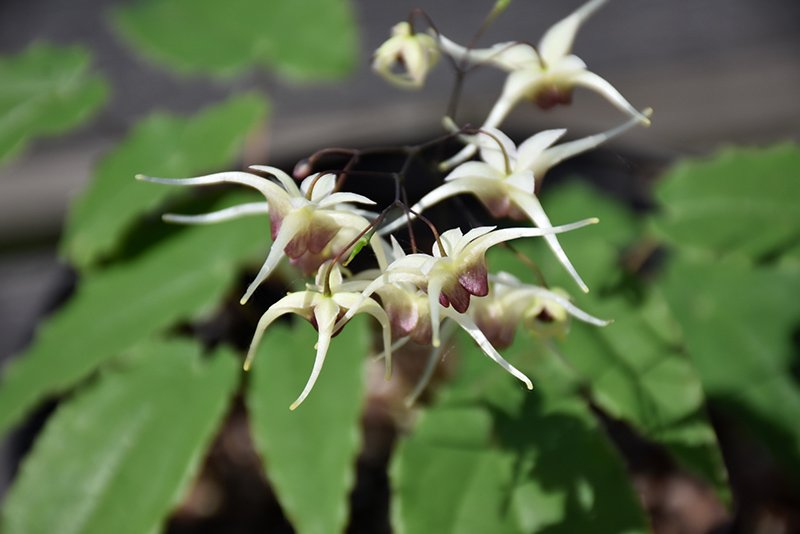
Botanical Name: Epimedium 'Domino'
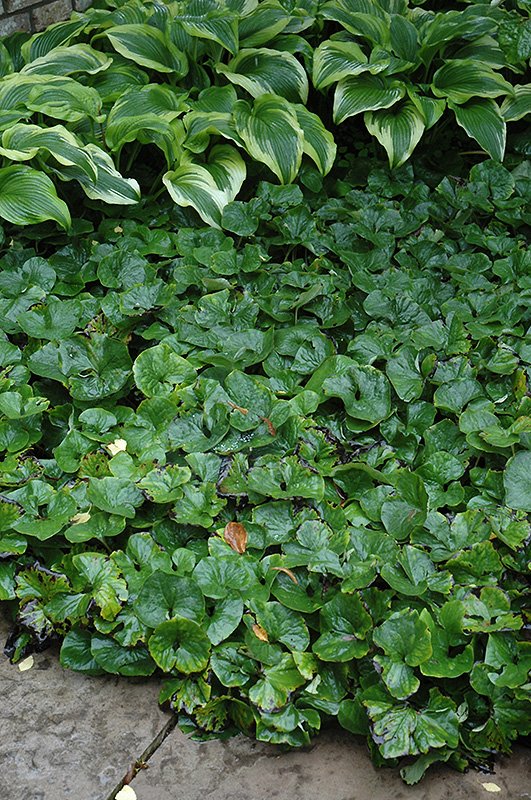
Botanical Name: Asarum canadense
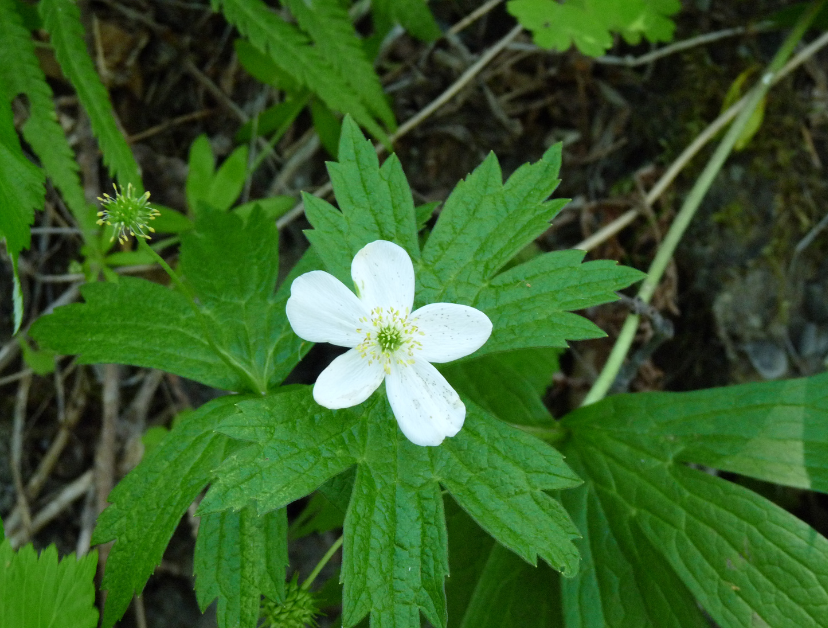
Botanical Name: Anemone canadensis
- Barrenwort (Epimedium hybrids)
- Bigroot geranium (Geranium macrorrhizum)
- Canada anemone (Anemone canadensis) – Native
- Creeping phlox (Phlox stolonifera)
- Sweet Woodruff (Galium odoratum)
- Wild ginger (Asarum canadense) – Native
- Woodland phlox (Phlox divaricata) – Native
Medium to Tall Plants for Shade
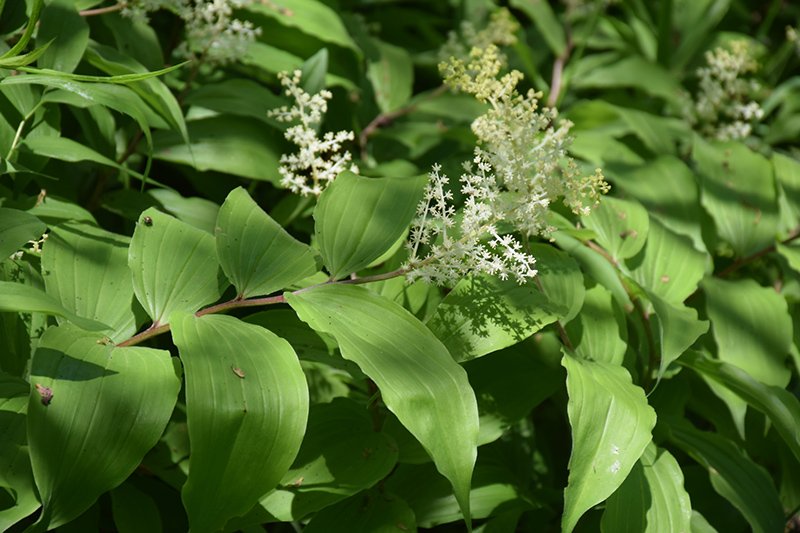
Botanical Name: Maianthemum racemosum
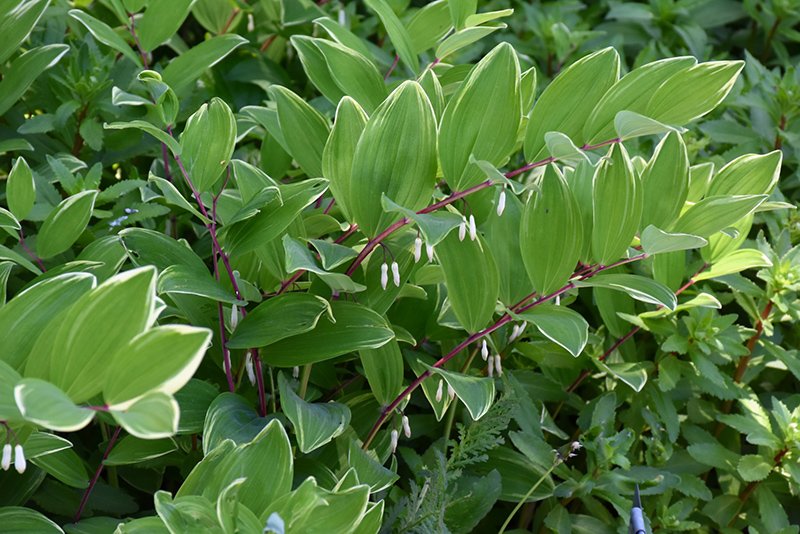
Botanical Name: Polygonatum odoratum 'Variegatum'
- False Solomon’s seal (Maianthemum racemosum) – Native
- Solomon’s seal (Polygonatum biflorum) – Native
Ferns for Dry Shade
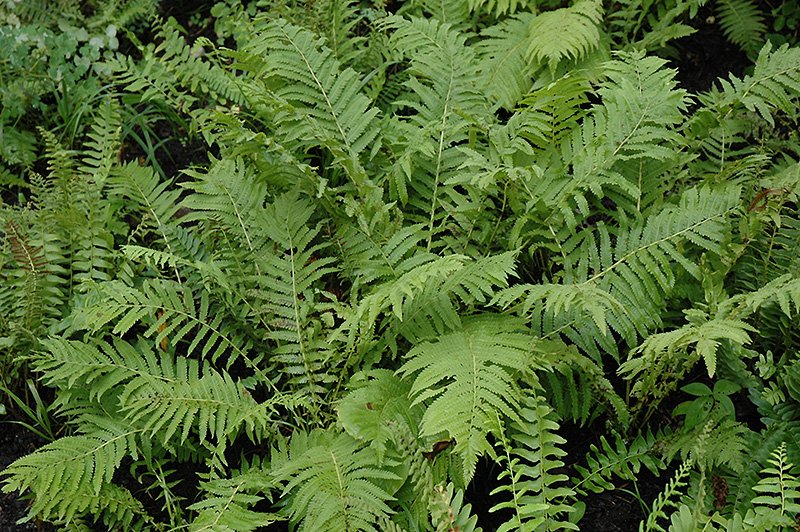
Botanical Name: Polystichum acrostichoides
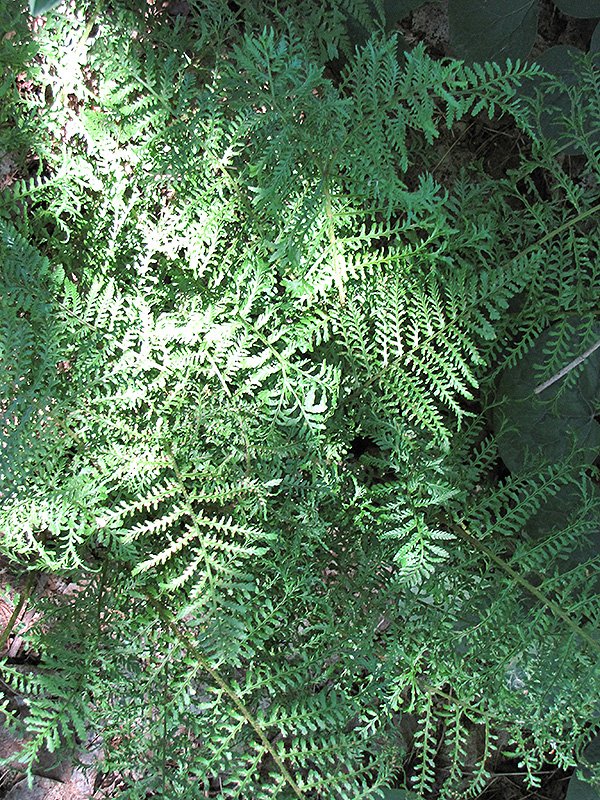
Botanical Name: Dryopteris filix-mas
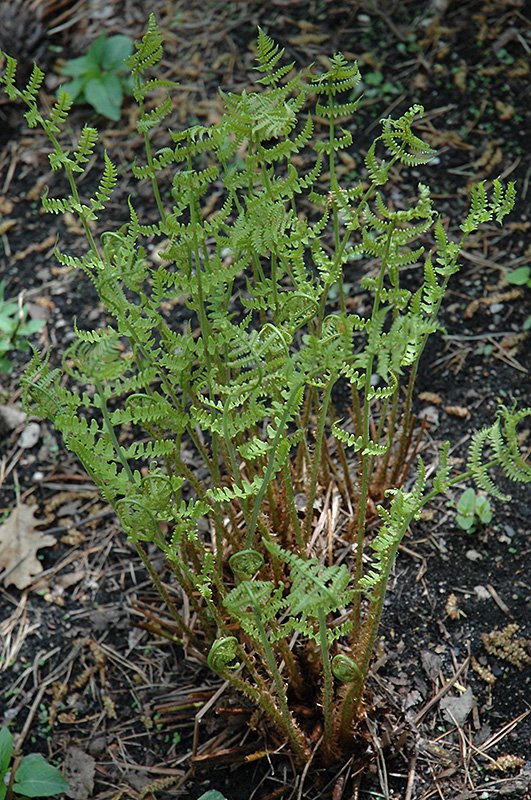
Botanical Name: Dryopteris marginalis
- Christmas fern (Polystichum acrostichoides) – Native
- Hay-scented fern (Dennstaedtia punctilobula) – Native
- Marginal wood fern (Dryopteris marginalis) – Native
- Male fern (Dryopteris filix-mas) – Native
- Rock fern (Polypodium virginianum) – Native
A Little TLC
It doesn’t take much to keep drought-tolerant plants thriving—just a little attention and some seasonal TLC. While they’re tough, even these hardy perennials appreciate an occasional deep watering during extended dry spells, especially in their first year.
For sun-loving perennials, skip the heavy fertilizers. Instead, an annual layer of compost is all they need to stay healthy and strong.
Shade-loving drought-tolerant plants, on the other hand, benefit from a layer of mulch. This helps retain moisture and reduces evaporation, especially in dry shade, which is one of the most challenging conditions for any plant to thrive in.
And don’t forget to deadhead regularly! Removing spent blooms encourages your plants to keep producing flowers instead of going to seed, meaning more colour, for longer.
With a few simple care tips, your drought-tolerant garden can remain beautiful and resilient throughout the entire season.
Other resources:
- Landscape Ontario: Eight Beautiful Drought Tolerant Plants
- Toronto Master Gardeners: Drought Tolerant Plants
- Guelph.ca: Drought Tolerant Native Plants
Growing Vegetables in Pots!
A few years ago, I was walking through town with a friend as we discussed planting vegetables in our tiny front gardens. It seemed like an unusual idea until we spotted not one but two front gardens with pumpkin vines rambling amongst the shrubbery. What a novel way to cover the ground without mulch and have the bonus of showy, bright blossoms and bold foliage! Of course, this is eventually followed by the standout feature of brightly coloured pumpkins. It’s built-in fall decorating!
Right now, everyone is looking for ways to reduce grocery bills, and growing a few vegetables amongst the flowers and shrubs can make a big difference. If your garden is on a patio or balcony, there are lots of ways to add edible plants to maximize your space and beautify it at the same time. Who says vegetables can’t be ornamental and beautiful?!

Gaps and Small Spaces
If you have a new shrub and flower garden that has gaps or there’s a space in your garden where you’re not sure what to plant, consider tucking in a potted vegetable. In a cool, shady space, try some luscious lettuce bowls. Shade allows lettuce to grow more slowly in the heat of the summer. Keeping lettuce in a cool, shady spot will prevent it from bolting and becoming bitter.
If you have a small garden, a patio or a balcony, pots with compact varieties and hanging baskets are a terrific alternative for growing vegetables, herbs, and some fruits. These are some of the options we offer at Eising Garden Centre (based on availability) that can be purchased fully planted, or you can grow your own from seed if you have time, space and lights.
Trellised Planters and Patio Pots
For patios, balconies, or even a gap in the garden, there are lots of vegetables that can be grown in a trellised planter.
Tomatoes, peppers, cucumbers and eggplant all love warm soil and growing in pots provides the heat to help them thrive. Eising trellis pots are planted with specific varieties that are smaller but pack a flavourful punch.
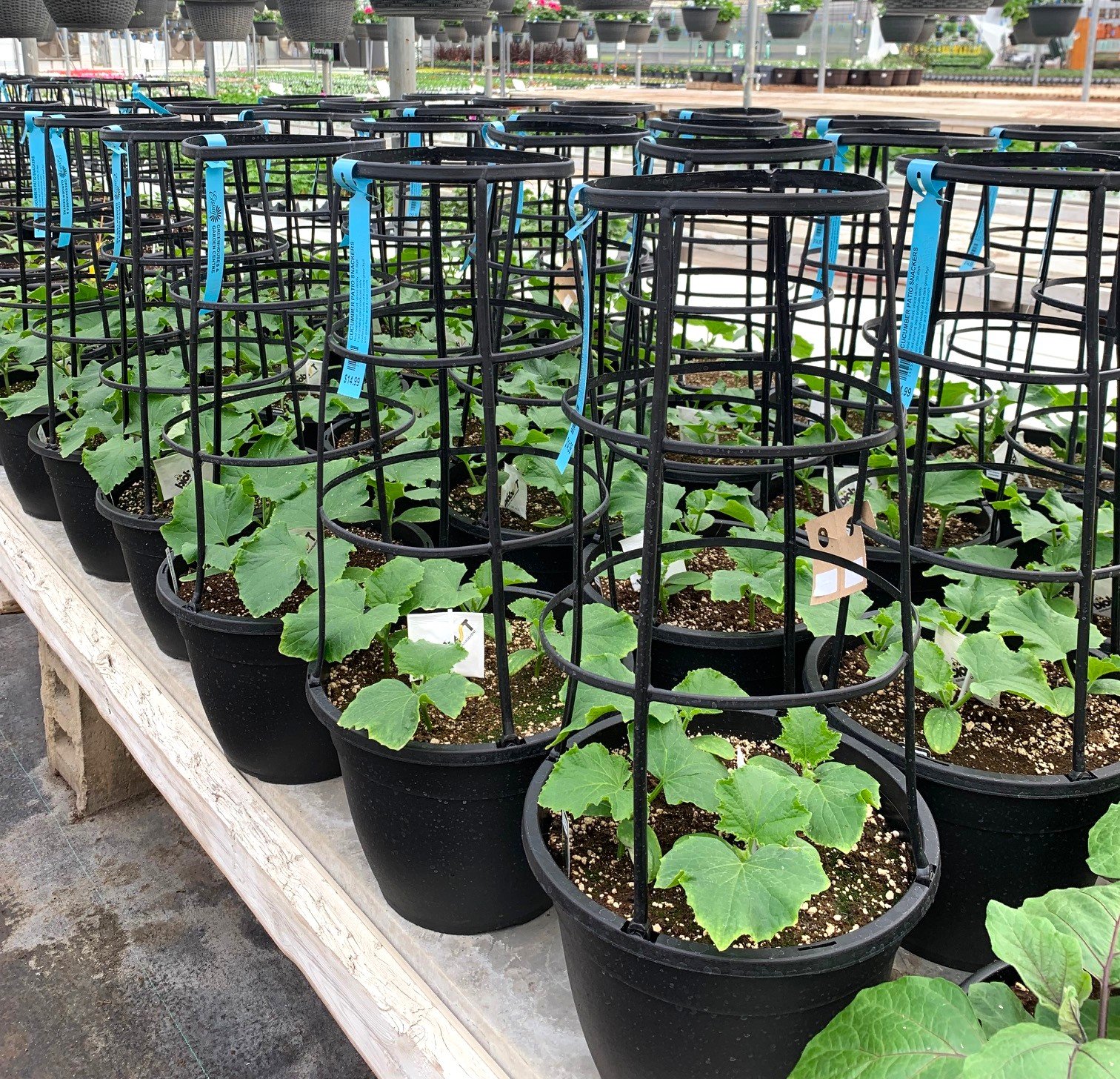
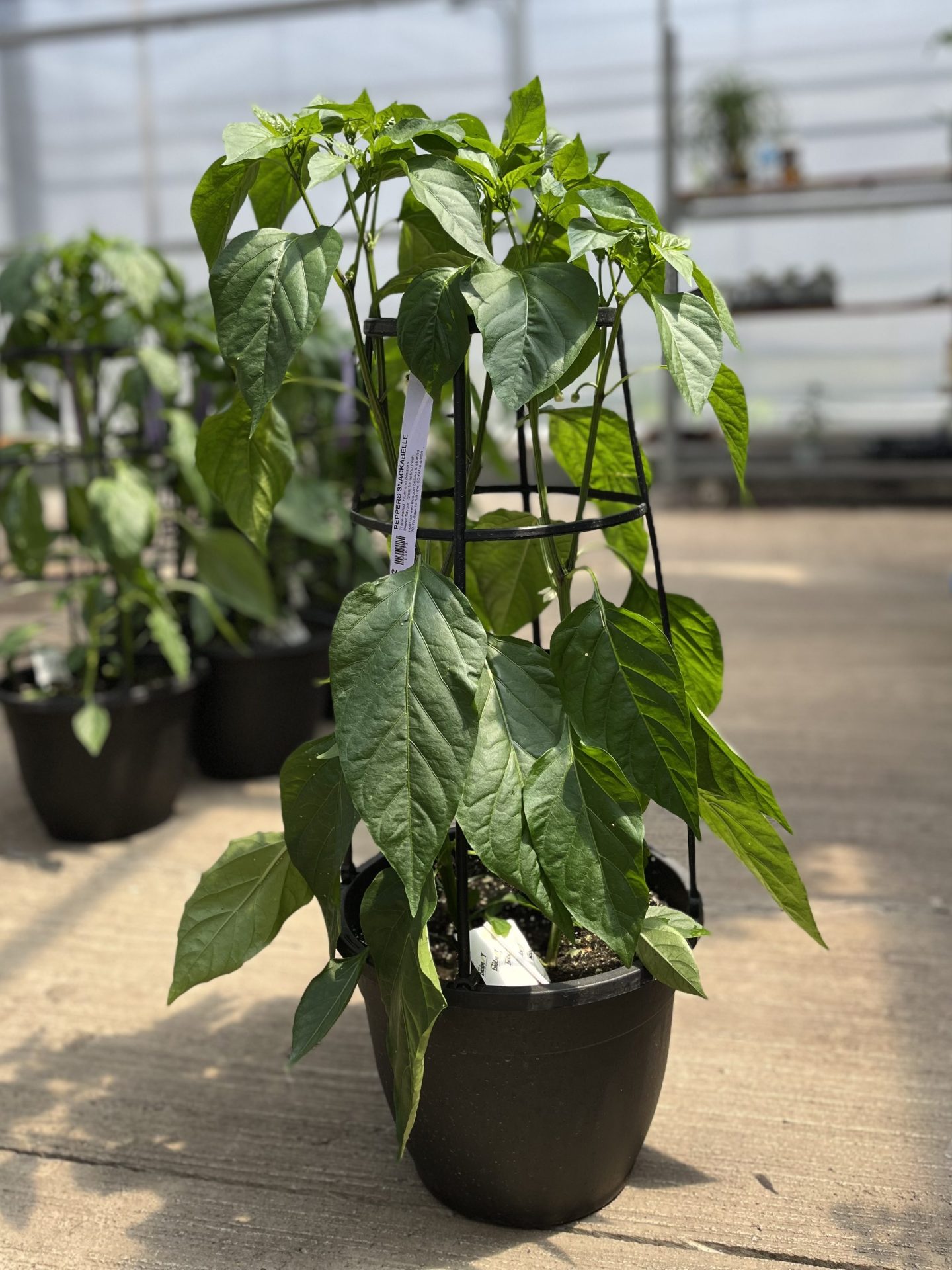
Sweet Snackabelle, Candycane Chocolate Cherry or Red, Mocha Swirl and Fresh Bites peppers.
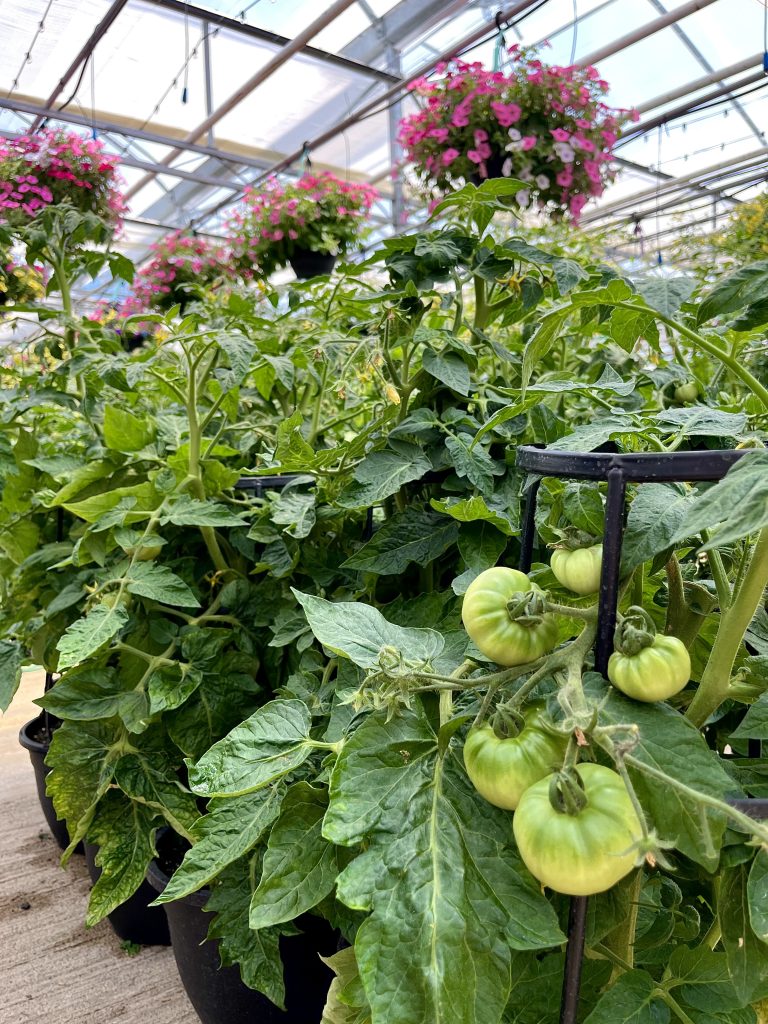
Little Sicily, Patio Hybrid, Candyland Red, Rapunzel and Tidy Treats tomatoes.
Eising Greenhouse also carries eggplants in trellised pots - a patio pot with Patio Baby eggplants is a perfect choice if ratatouille is on the menu!
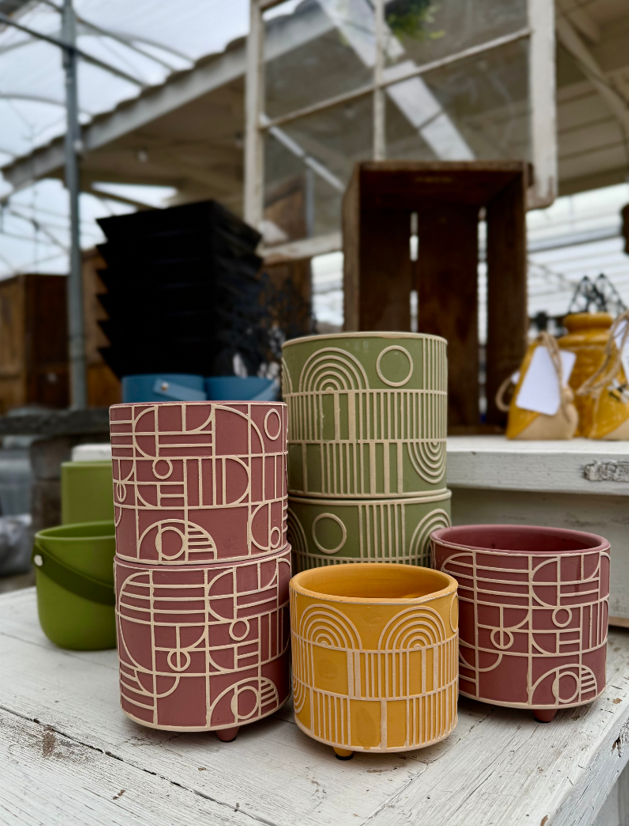
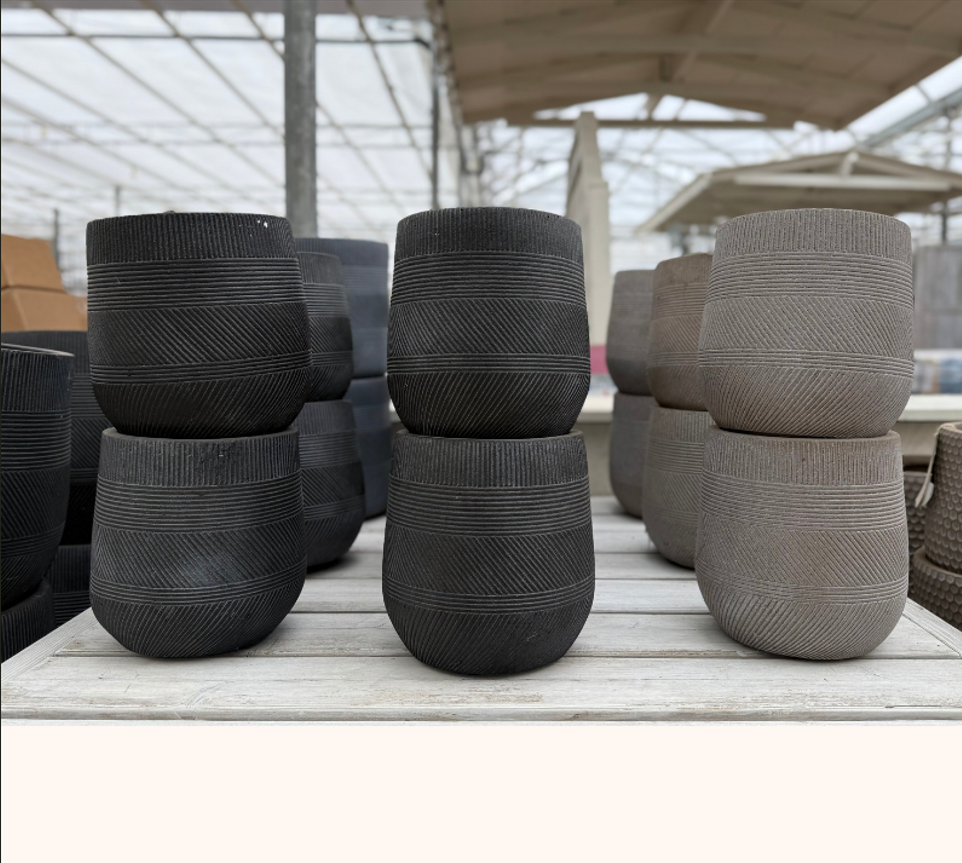
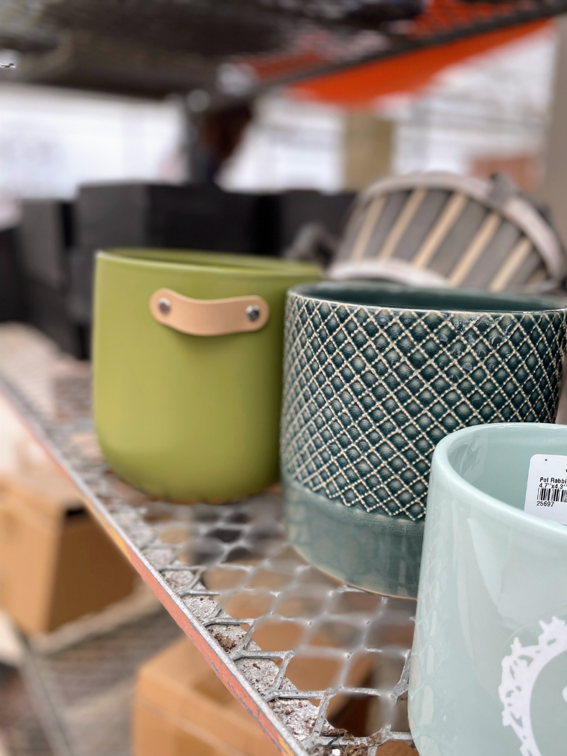
All of Eising's trellised planters would look lovely plopped into one of our decorative outdoor cover pots!
Herb Planters
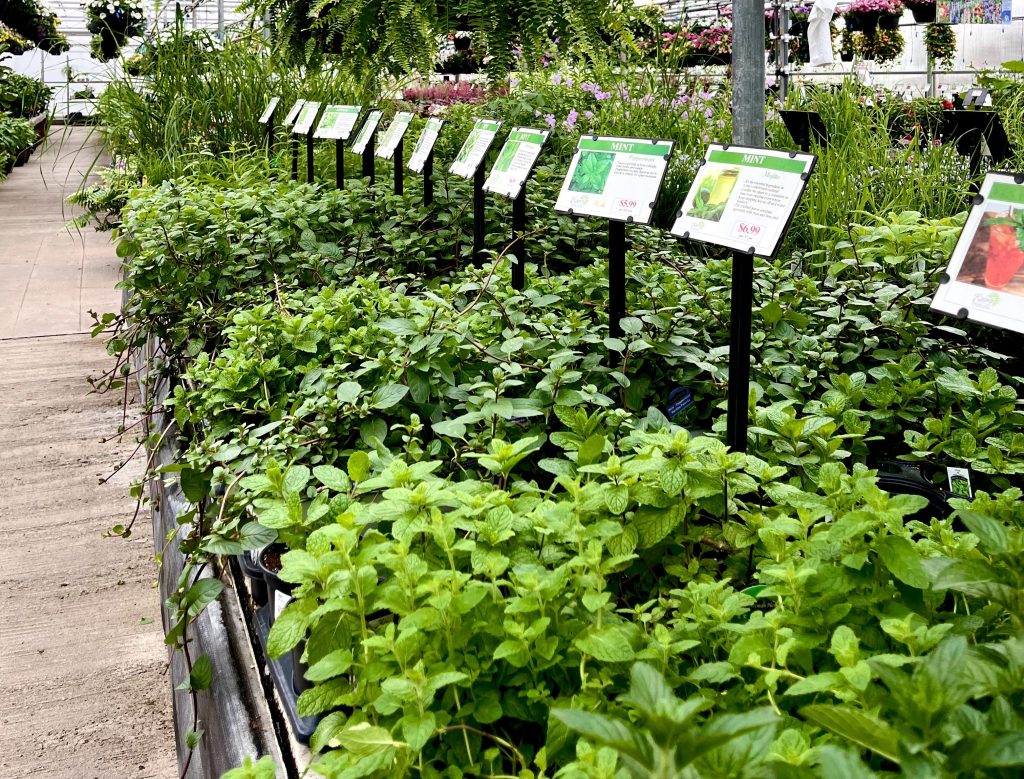
Many herbs thrive in a sunny and warm spot with well-drained soil, making a pot the perfect container for them. Herbs also make great companion plants with other vegetables and can be tucked into other pots. Most herbs also love to be harvested frequently, especially when they’re given these ideal conditions.
Lettuce Bowls
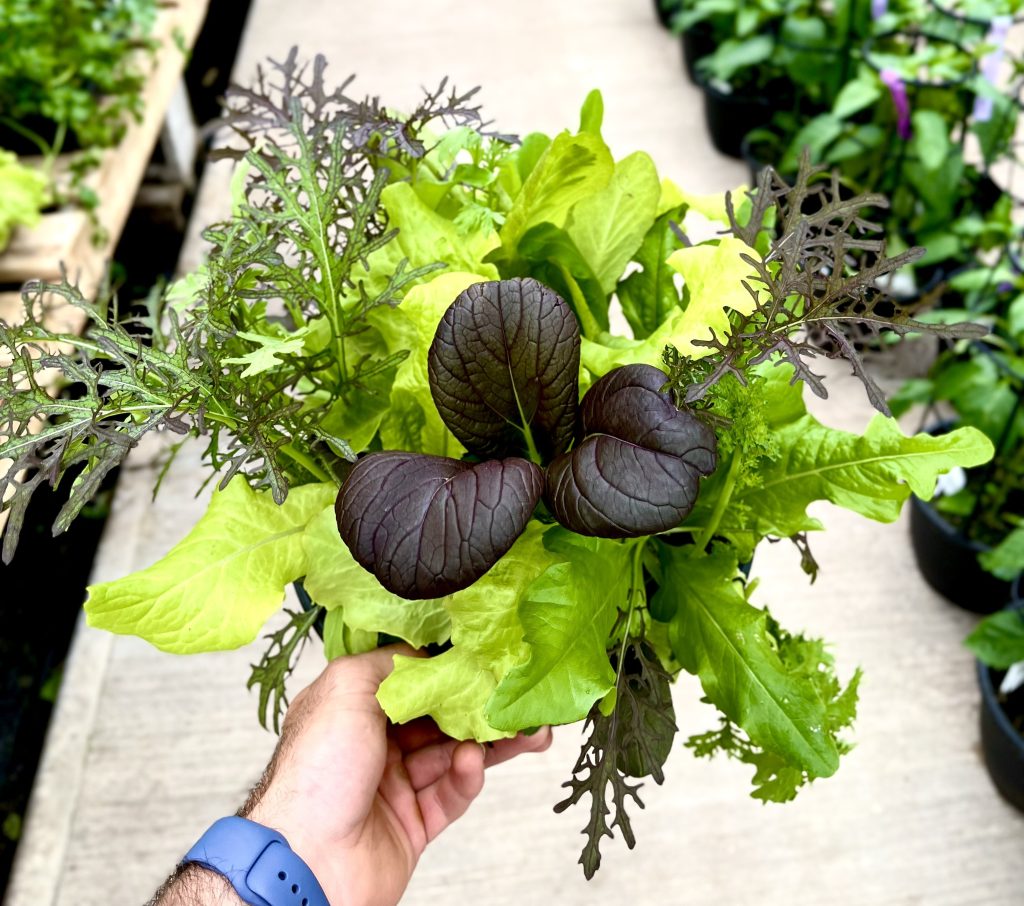
Lettuce bowls are a great way to grow greens in small spaces. Our 10” bowls are chock full of a variety of lettuces and are never boring!
👍Tip: Try the “cut and come again” method for harvesting lettuce, which prolongs the plant’s life. Simply pinch off the outer, mature leaves each time you pick the lettuce and leave the centre of the plant to keep growing.
Hanging Baskets
If there’s a spot to hang a basket or place a shepherd’s hook, you will want to grow one of the edible options we offer.
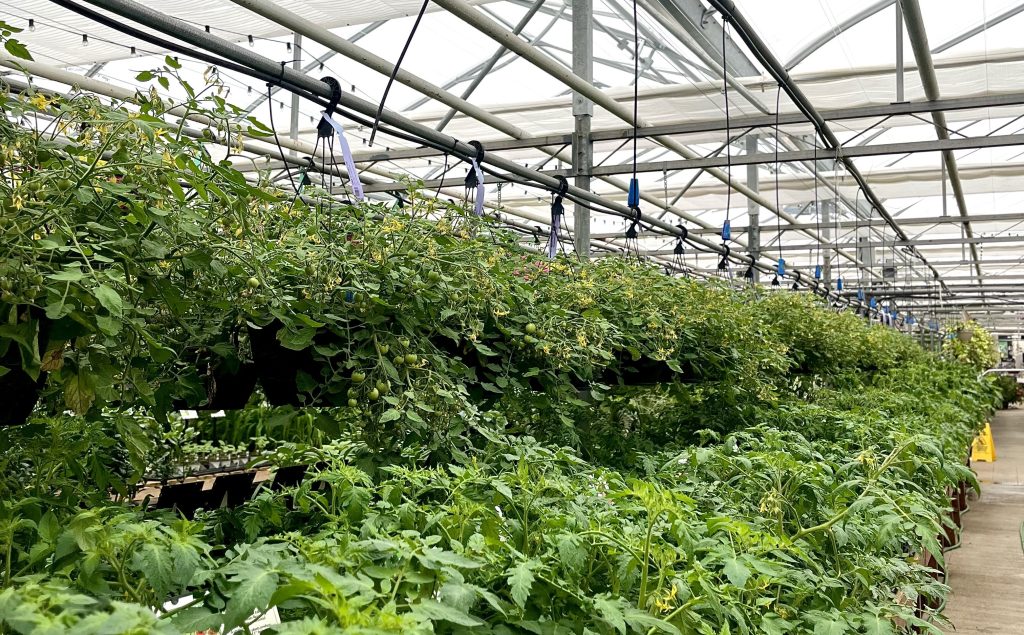
Topsy Tom tomatoes.
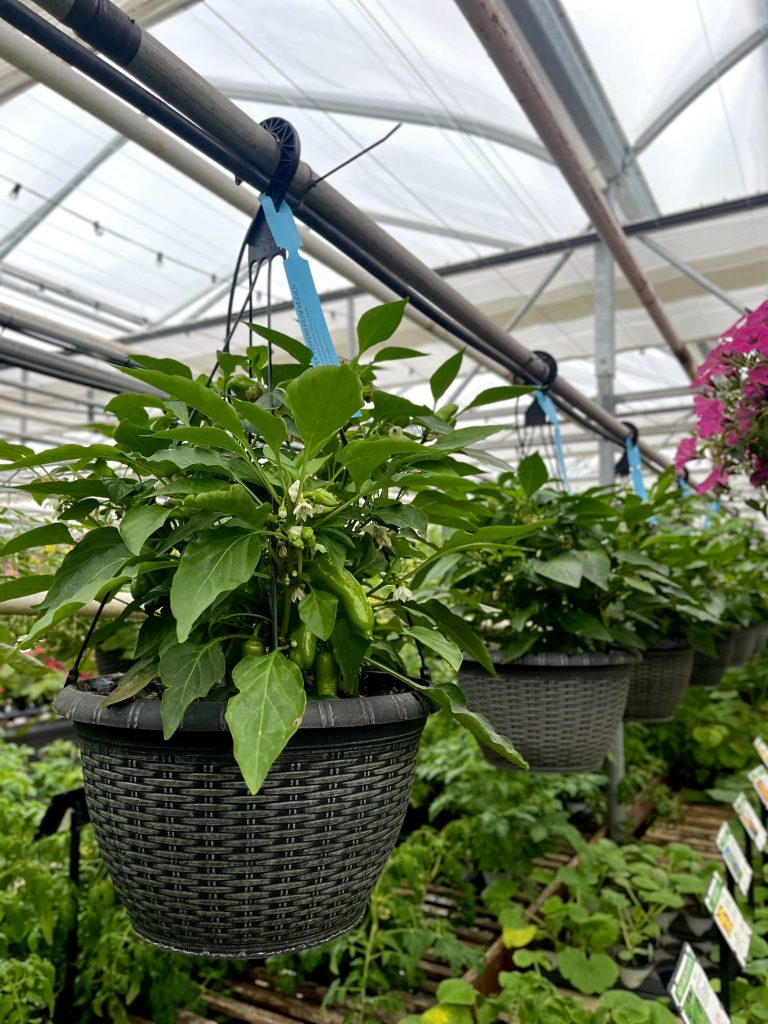
Pot-a-Peno and Peppers From Heaven peppers.
Tomatoes, peppers, and strawberries are all available in hanging baskets. Our deliciously sweet everbearing strawberries are also available in 4.5" pots and bareroot, which are great options for window boxes.
👍Tip: Pick strawberries as they ripen to encourage your plants to produce more. Also, remove runners as they grow to allow your plants to send energy into growing fruit instead of bigger plants. Painting rocks to look like strawberries is said to deter birds from feasting on ripe berries.
Citrus and Figs
Consider growing a beautiful and fragrant lemon, orange, fig or grapefruit tree in a patio pot. Just keep in mind that it will need to come indoors in the fall.
Container Plant Care
Whether you’re growing edible plants in the garden, a pot or a hanging basket, don’t forget to give them the care they need to maximize productivity:
- Water regularly, deeply and in the heat of the summer, frequently. Watering early in the morning is ideal. Pour water on the soil, not the foliage to prevent diseases like powdery mildew.
- Feed your vegetables and fruits throughout the growing season with fertilizer or compost.
- Remove dead foliage and prune plants as needed. Especially herbs.
Once you start foodscaping by including vegetables with your flowers and ornamental plants we’re sure you’ll want to keep looking for innovative ways to grow your own food! Who knows, maybe even pumpkins by the front porch!
If you’re looking for blooms that come back each Spring with a burst of colour, here are ten of our favourite flowering perennials and ground covers.
Plant These for a Spring Show!
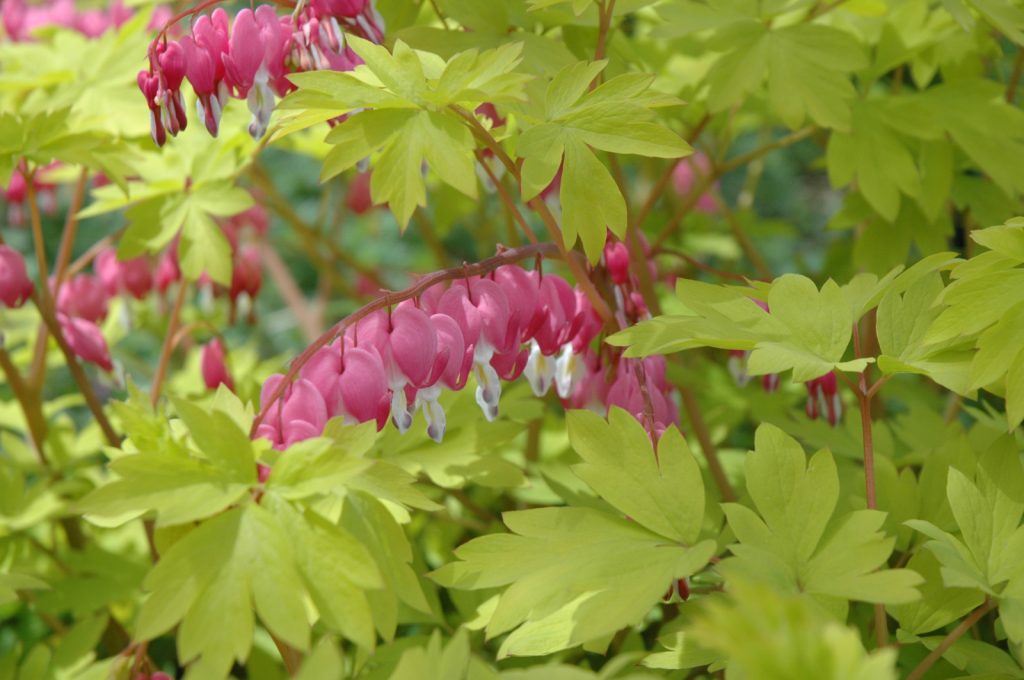
Bleeding Heart (Dicentra)
Height: 30-120 cm, Spread: 45-90 cm
Flower Colour: white, pink, red, purple
Blooms: spring, summer
Growing: While Bleeding Hearts will tolerate full sun or full shade, they prefer the protection of light shade. This perennial is fairly drought tolerant, but it will thrive in evenly moist soil, and blooms will last much longer if the soil is moist.
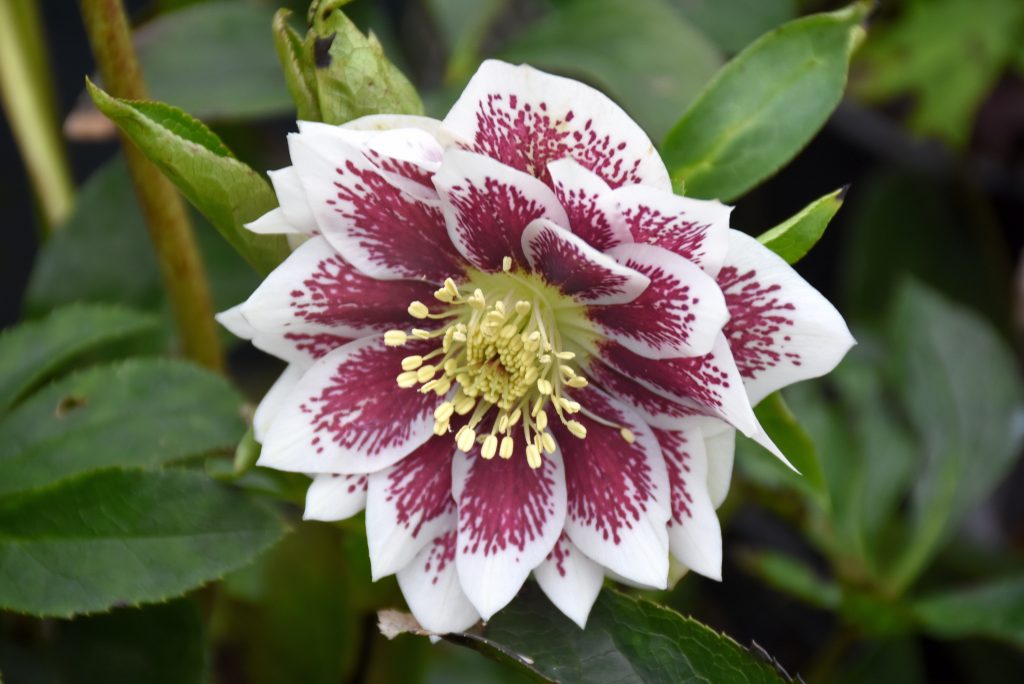
Hellebore Christmas Rose (Helleborus)
Height: 30-45 cm, Spread: 30-45 cm
Flower Colour: white, green, pink, purple, yellow
Blooms: late winter to mid-spring
Growing: Moist, humus-rich, well-drained soil in lightly dappled shade is where hellebores do best.
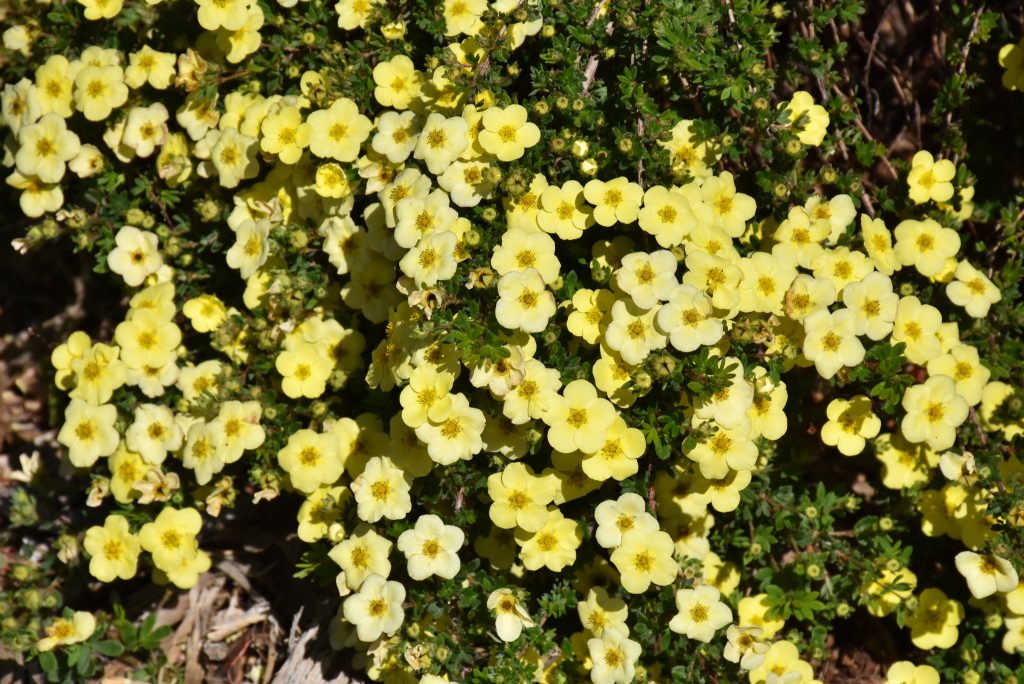
Primrose (Primula)
Height: 15-60 cm, Spread: 15-45 cm
Flower Colour: blue, red, orange, white, pink, purple, yellow
Blooms: spring, early summer
Growing: Full sun or partial shade and moist, well-drained, humus-rich soil.
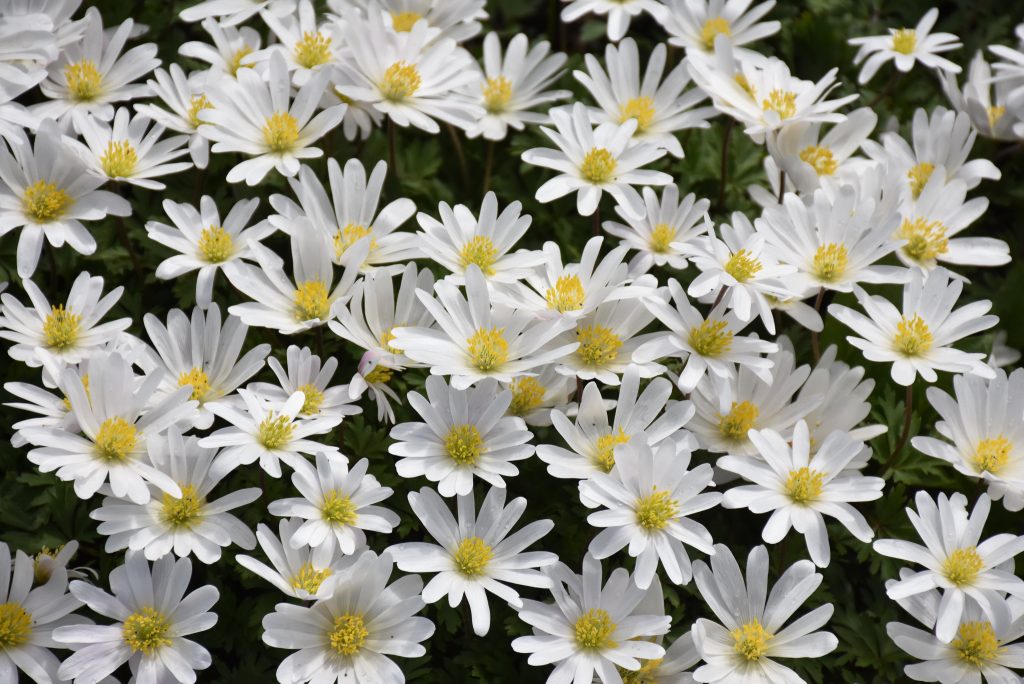
Anemone Windflower (Anemone)
Height: 8-150 cm, Spread: 15-60 cm
Flower Colour: white, yellow, pink, blue
Blooms: spring, summer or fall
Growing: Anemone does best in moist soil and partial or light shade, but they will tolerate full sun. While Anemone can take a while to become established, they’re worth the wait!
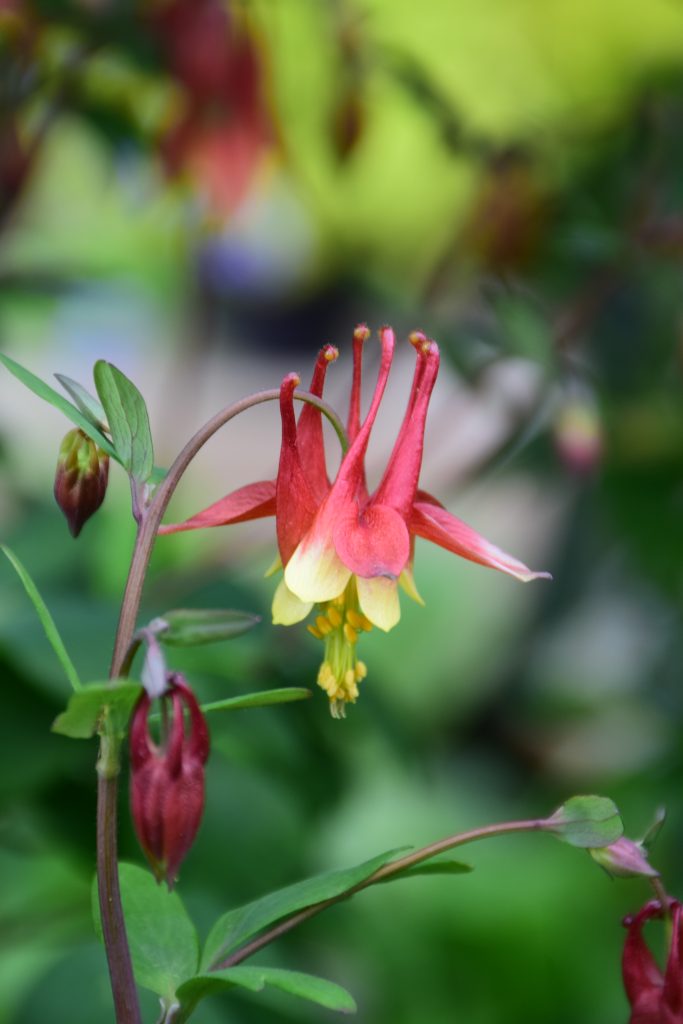
Columbine (Aquilegia canadensis)
Height: 45-90 cm, Spread: 30-60 cm
Flower Colour: white, red, yellow, pink, blue, purple (The colour of the spurs is often different than the petals)
Blooms: spring, summer
Growing: Columbines love full sun or part shade and moist, well-drained soil. This plant will self-seed and seedlings can be transplanted.
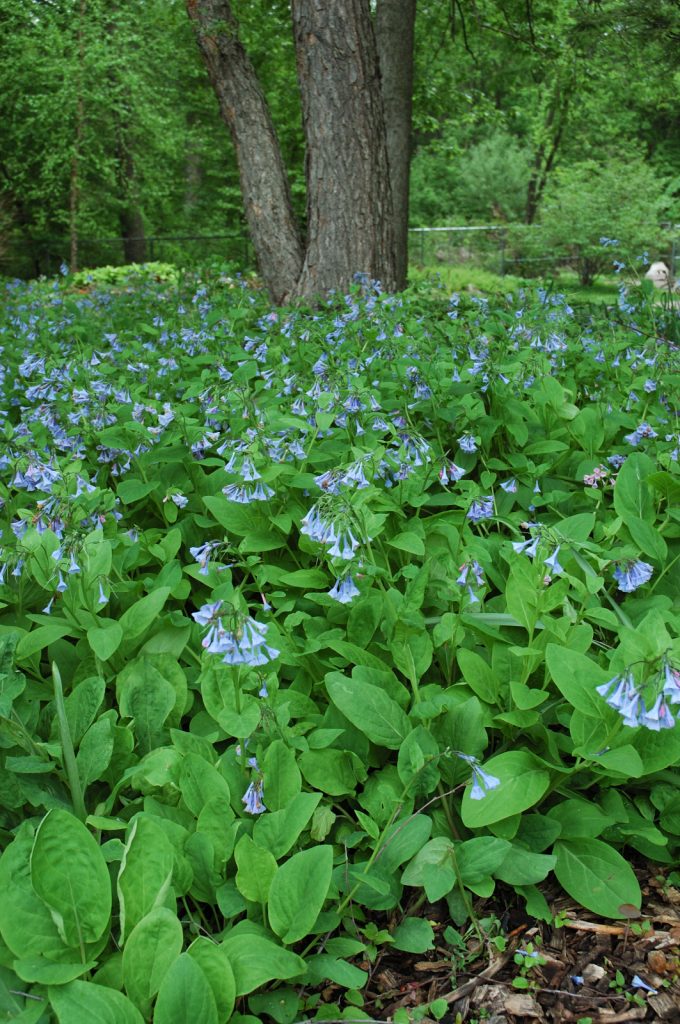
Virginia Bluebells (Mertensia virginica)
Height: 30-60 cm, Spread: forms groupings
Flower Colour: blue, pink, purple
Blooms: spring
Growing: Plant in partial to full shade with humus-rich, moist, well-drained soil. This woodland plant has blooms that are attractive to Hummingbirds and pollinators. Foliage dies back right after it blooms.
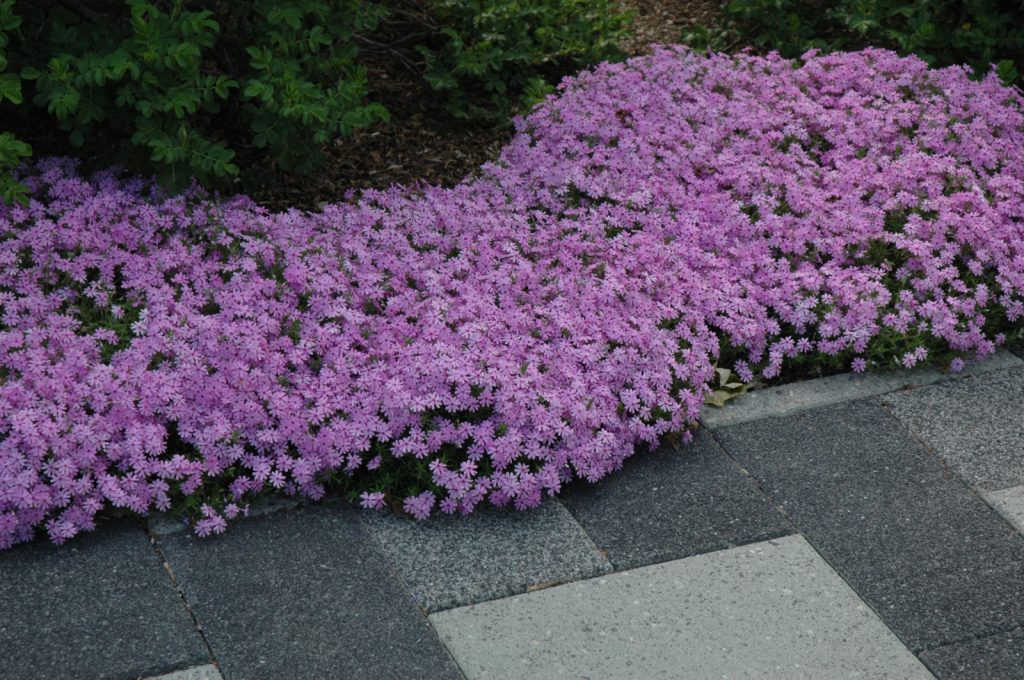
Moss Phlox or Creeping Phlox (Phlox subulata)
Height: 10-15 cm, Spread: 60 cm
Flower Colour: white, red, lavender, pink, bluish purple
Blooms: early spring
Growing: Plant in sun to partial shade with humus-rich, moist, well-drained soil. Spreads horizontally as it grows and creates new roots where the stems touch the ground. Do not prune in the fall as Spring’s flowers will already be forming on these plants.
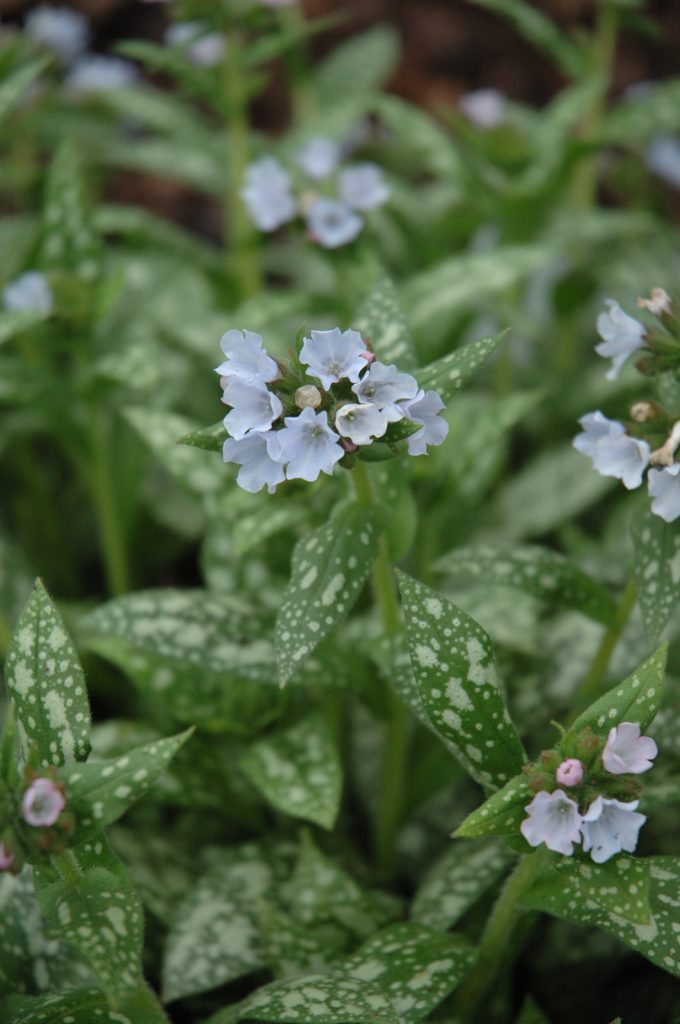
Lungwort (Pulmonaria)
Height: 20-60 cm, Spread: 20-90 cm
Flower Colour: white, red, pink, blue
Blooms: spring
Growing: To avoid root rot, grow Lungwort in moist, humus-rich soil that’s well drained. They prefer partial shade to full shade.
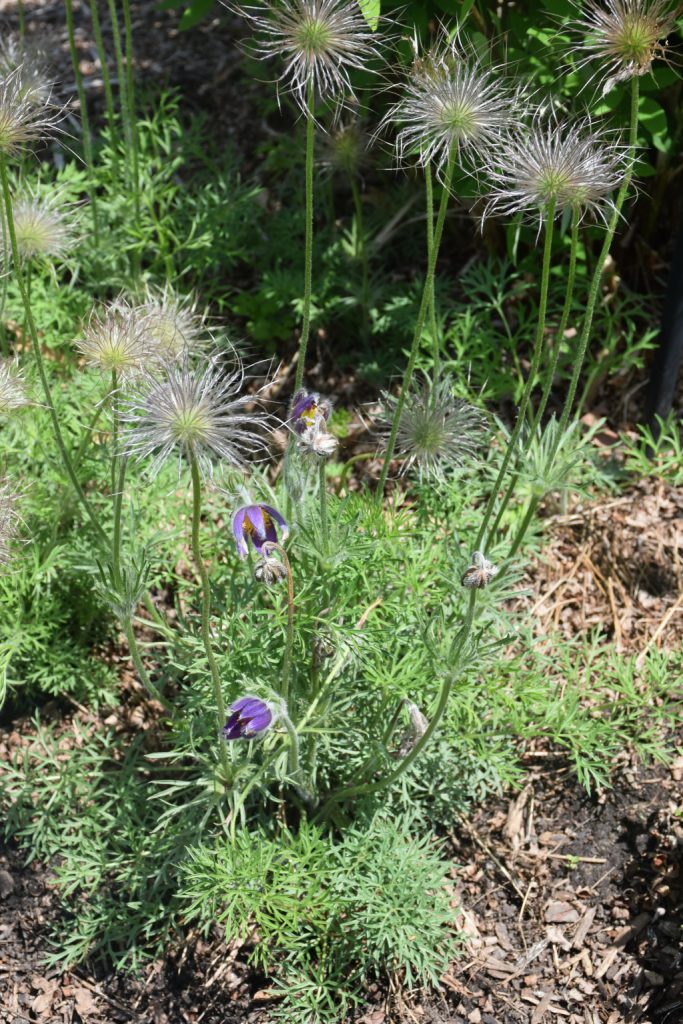
Pasque Flower (Pulsatilla)
Height: 10-30 cm, Spread: 20-30 cm
Flower Colour: white, red, purple, blue
Blooms: early to mid-spring
Growing: Very well drained soil is important for Pasque Flower, which does not like to sit in wet soil. It will grow well in full sun or partial shade.
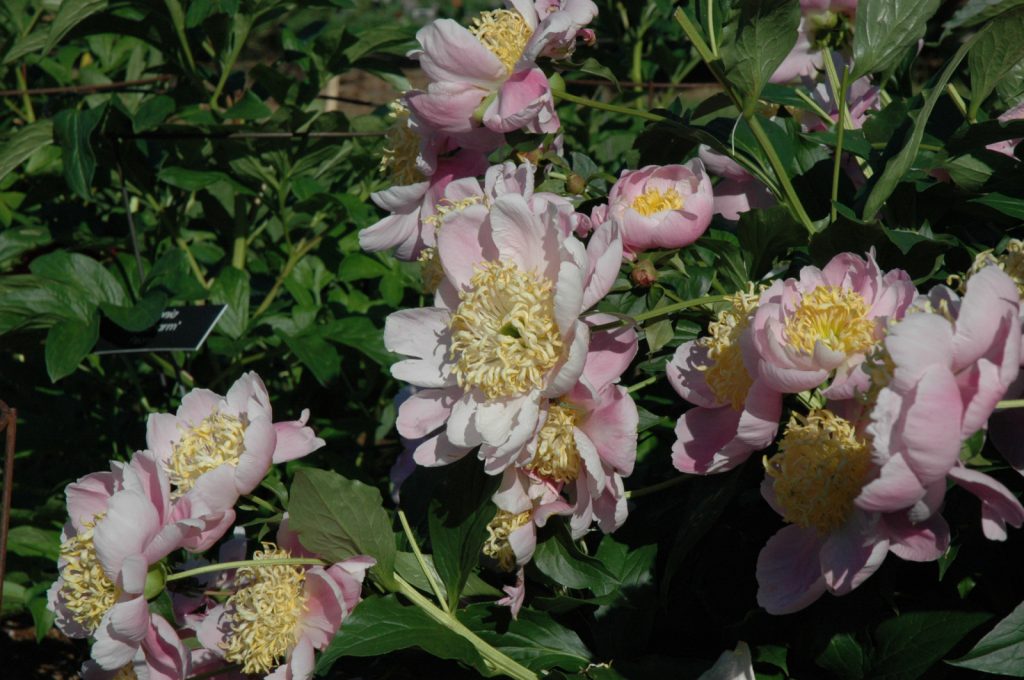
Peony (Paeonia)
Height: 60-80 cm, Spread: 60-80 cm
Flower Colour: yellow, pink, red, purple, and shades of white
Blooms: spring, early summer
Growing: Humus-rich, moist and well-drained soil in full sun or partial shade is where peonies do best. Adding lots of compost and planting at the proper depth is very important for peonies to bloom. Be sure to plant potted peonies at the same level as the soil around them, not higher.
At some point, garden life calls to many of us. Even if you’ve never nurtured a plant before, planting something and keeping it alive offers a fun, low-cost, and highly rewarding experience. Whether you opt for a few potted plants on a patio or balcony, join a community garden, dedicate part of your yard to flowers, herbs, trees, or vegetables, install raised beds, or set aside a corner of your property to attract pollinators, it’s exciting to consider the possibilities!
The Benefits of Gardening
Stress Release
Nature has a calming effect, and gardening helps you stay grounded in the present moment, freeing your mind from worries about the past or future. For example, the repetitive task of weeding allows your brain to focus, turning the activity into a form of mindful meditation. Meditation doesn’t always involve sitting in solitude on a mountain—it can be as simple as engaging in repetitive tasks like planting or weeding. This process reduces stress and anxiety, ultimately leading to greater happiness.
Boosting Happiness
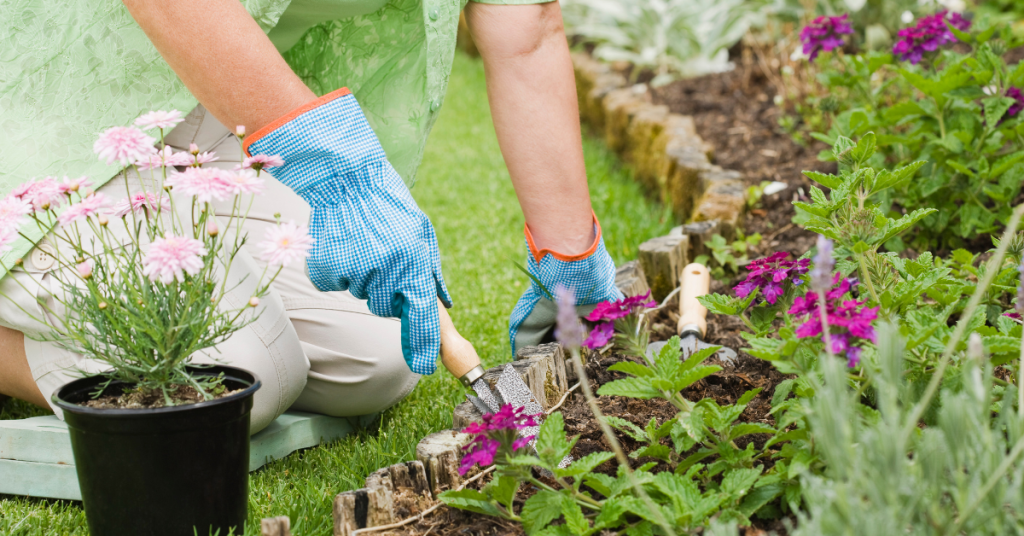
Speaking of happiness, research shows that certain bacteria in the soil get under fingernails and also get inhaled while you garden. This bacteria can boost your healthy gut flora and release happiness chemicals like serotonin. A healthy gut flora supports a strong immune system, making that dirt-under-the-nails gardener’s manicure well worth it.

Strength & Flexibility
At the start of each gardening season, you might hear from fellow gardeners about their sore muscles—backs, hands, shoulders, hips, and so on. The physical demands of gardening can be challenging at first, but over time, they help build muscle strength and improve flexibility.
If you find working in the garden too strenuous, try kneeling on a soft pad or using a small stool to sit on. Consider using a shovel or rake to assist you in moving up and down to your knees or the stool. Opt for smaller pots and smaller bags of soil and mulch - they’re easier to carry.

Growing Food & Healthy Eating
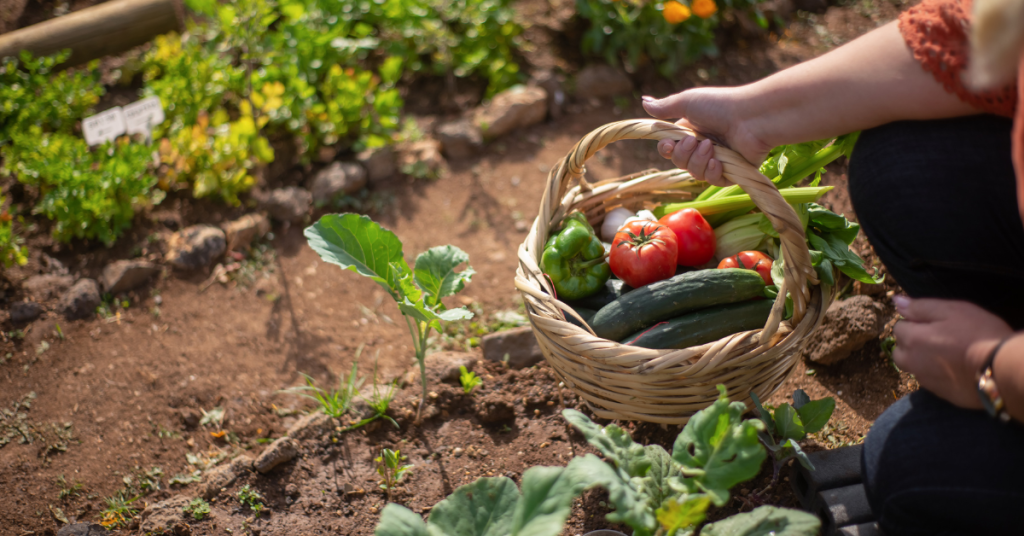
Anyone who’s tasted fresh, homegrown vegetables knows just how delicious they can be. Growing your own produce also encourages you to eat more fruits and vegetables, which naturally leads to better health. The fibre in these foods supports the healthy gut flora mentioned earlier, too!
The Perks of Being Outdoors
All the benefits of gardening—stress relief, happiness, strength, flexibility, and healthy eating contribute to your overall physical and mental well-being. But there’s more.
While outdoors, you absorb vitamin D from the sun, which boosts calcium levels in your body, promoting strong bones and a robust immune system.
Being outside and working in the garden also improves your sleep. After a day of gardening, you’re likely to feel pleasantly tired, helping you fall asleep faster and enjoy a deeper rest. Good quality sleep is essential for overall health, just as important as diet and exercise.
Finally, spending time outdoors encourages deeper breathing, which increases oxygen levels in your blood and boosts serotonin. Deep breathing also aids digestion and helps clear stagnant air from your lungs. Try stepping outside and taking a nice, deep breath. It just feels good, doesn’t it?
While your initial goals for gardening may include harvesting delicious vegetables or creating beautiful bouquets, you’ll also be improving your health in ways you might not have expected!

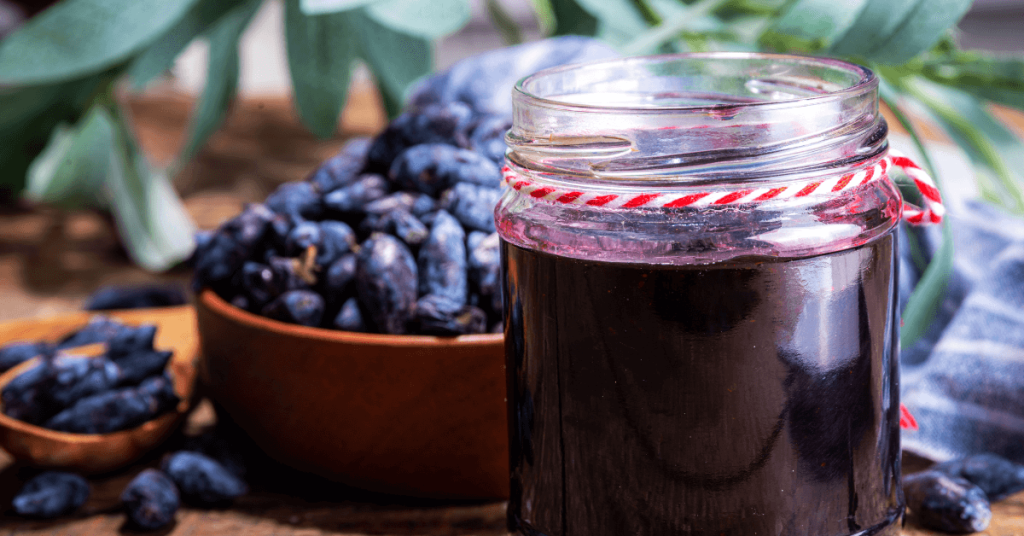
You're probably not alone if you’ve never heard of Haskap berries. Haskap, Honeyberry, Swamp Fly Honeysuckle and Edible Honeysuckle are just some of the many names for one outstanding fruit shrub! Let’s stick with one name, Haskap.
Nutritious and Delicious
Haskap fruit looks like an elongated blueberry but has a unique taste similar to that of a raspberry. It’s juicy, flavourful, and full of nutrition. This berry is high in vitamin C, A, potassium, and fibre and has triple the antioxidants found in blueberries!
Growing Haskaps
Unlike blueberries, Haskaps do not require highly acidic soil or any special soil at all.
Haskaps are drought tolerant, extremely cold tolerant, need very little pruning, have no thorns and don’t sucker. This means they are well-behaved and don’t spread beyond their globe-shaped bushes.

To produce fruit, Haskaps need:
- at least one other Haskap shrub nearby
- the shrubs must be of at least two different varieties
- the varieties must bloom at the same time for cross-pollination to take place
Haskaps do not like chemical fertilizers. Compost or composted manure near the base of the shrub will provide all the nutrients new plants need, and an application of the same each spring afterward.
For optimal fruit production, Haskaps love full sun and open space. Their shallow roots do not like to be crowded by weeds or other plants. A wide circle of mulch should be placed at its base to prevent weeds or other plants from growing around the shrub. However, be sure to keep the mulch away from the stems. That tip is important for all mulched plants, trees, and shrubs.
Harvest Time
Before the fruit on your Haskap shrub begins to form, it’s a good time to cover it with bird netting. Birds love Haskap berries as much as we do! Even if the fruit is under-ripe, birds will eat it.
Figuring out when the berries are ripe is a bit of an experiment, as they can be dark blue on the outside for several days before they are fully ripe on the inside. Because the fruit does not ripen after picking, it is best to taste a berry to see if the inside is still green. Ripe fruit will be completely purple on the inside.
Haskaps may begin producing a few berries their first year, and the amount of fruit will increase yearly. A little initial patience will pay off in spades because a mature shrub will produce 6 to 10 pounds of fruit—enough to eat, freeze, make jam, ice cream, juice, wine, or maybe even share!
More Resources
Whether you’re just starting to explore the world of unusual plants, or you’re already an avid collector, there are a wide array of weird and wonderful houseplants to satisfy your quest for something a little different.
Tropical plants and houseplants come in every shape, size, texture, and colour imaginable, plus some you would never have imagined!
Exotic houseplants often have striking appearances which make them valuable as eye-catching focal points in your decor. The range of distinctive features can also make them a natural choice to express your personality and style.
Like your more common houseplants, unusual varieties can also contribute to indoor air quality, as well as the overall benefits to your well-being that come with having living plants in the home.
The unique characteristics of rare or unusual houseplants often have interesting backgrounds. Learning about their natural habitats and origins only makes them more intriguing!
Here are some wild and wonderful houseplants that will add interesting foliage, blooms, or both to your home right now!
Pitcher Plant
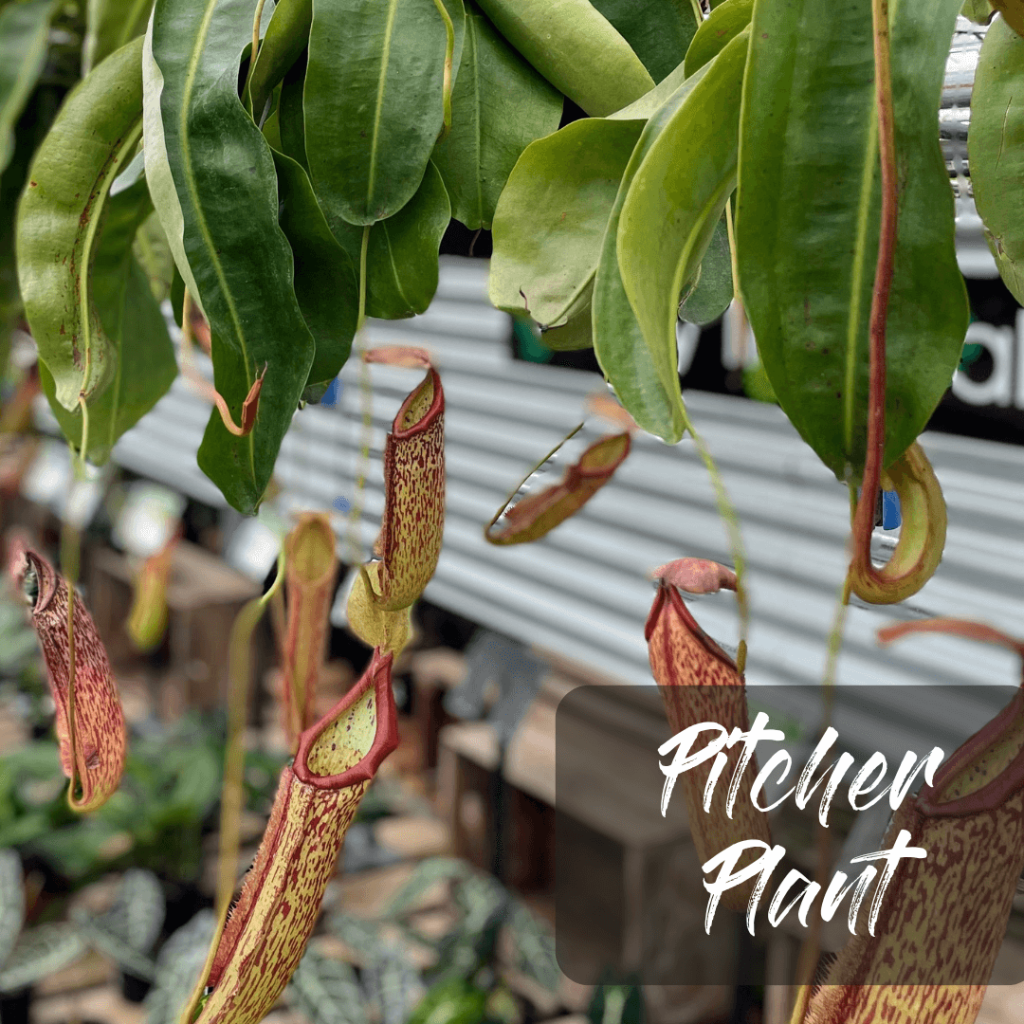
A rare and exotic group of tropical plants with pitcher-shaped leaves that are carnivorous. That’s right, they eat insects to obtain the nutrients they need! This means that with most varieties you do not have to fertilize them. Most are happy catching a bug or two for food.
Keep this plant from drying out completely between waterings by temporarily placing it in a water-filled tray to absorb moisture through the roots. Remove the pot from the tray once it’s saturated, and allow the excess water to drain away. Pitcher plants prefer pure, mineral-free water like rainwater. No tap water for these precious prima donnas!
One Pitcher Plant variety that we love is Miranda (aka Nepenthes x Miranda). From tropical Malaysia, it is a very large pitcher plant with attractive spotted pitchers that can be over 18” wide when fully mature. Because of its size, it is quite effective at catching larger insects like wasps. It’s easy to grow, either in a sunny window or outdoors (only in the summer) and is heat tolerant but not drought tolerant.
ZZ Plants
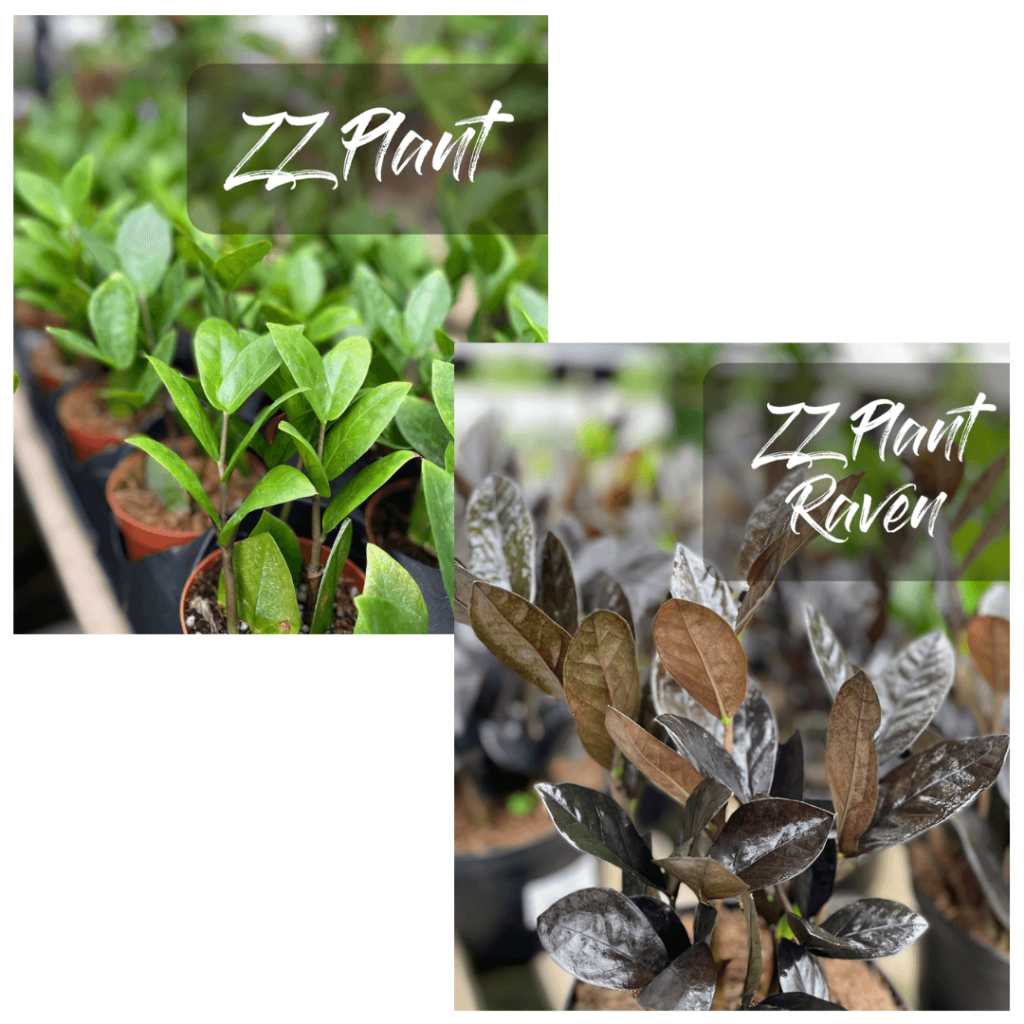
Native to East Africa, Zamioculcas zamiifolia is also known as the houseplant ZZ, or Zanzibar Gem. While the name is complicated, this plant is not fussy at all, making it great for beginners! ZZ will thrive in almost any lighting conditions except direct sunlight, plus it is drought tolerant so you can allow it to dry out between waterings.
The biggest attraction to the Zanzibar Gem though is its thick, dark green and glossy leaves that almost look fake! If that sounds intriguing, hang on. There’s more!
Black Raven ZZ is a new variation with stunningly dramatic black-toned leaves. Unique to be sure, but luckily with the same low care requirements!
Cactus
There are so many weird and wonderful varieties of cacti that come in all shapes and sizes! These sun-loving plants require little care, but here are a couple of tips that will keep them looking sharp. (Ouch!).
- Give their pot a little turn each day so that your plant is eventually exposed to light on all sides. This saves you from having a lopsided cactus.
- Water is essential but monitor how often your cacti need it. In the winter, when they’re dormant, they will need less water. Let the soil dry out completely between waterings. Using room-temperature rainwater is ideal. Tap water contains minerals which can disrupt the flow of nutrients to the cactus. Water it well, then allow the excess moisture to drain away rather than pool under the plant. Cacti don’t necessarily need fertilizer, but they do welcome a feeding during their summer growing season. We can help you choose a fertilizer that’s been specially formulated for cactus to ensure the proper nutrient ratio.

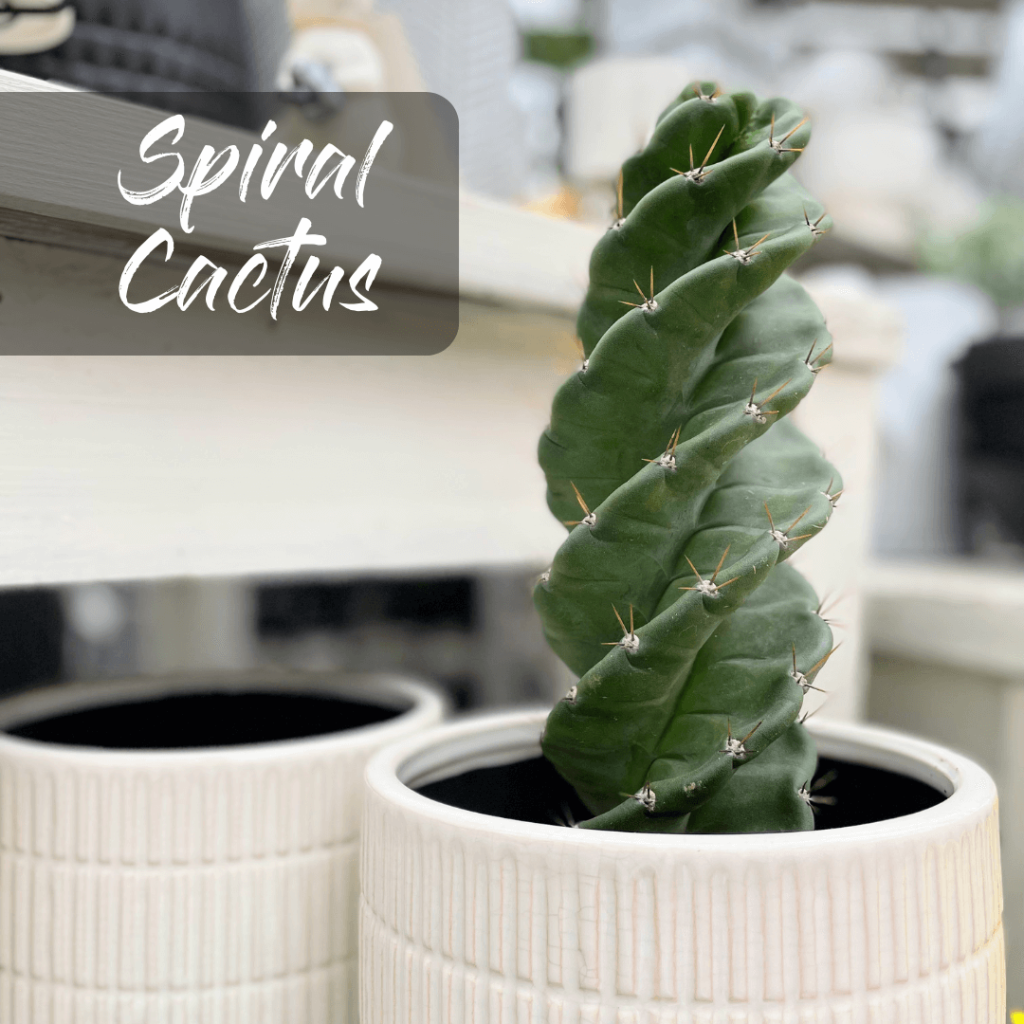
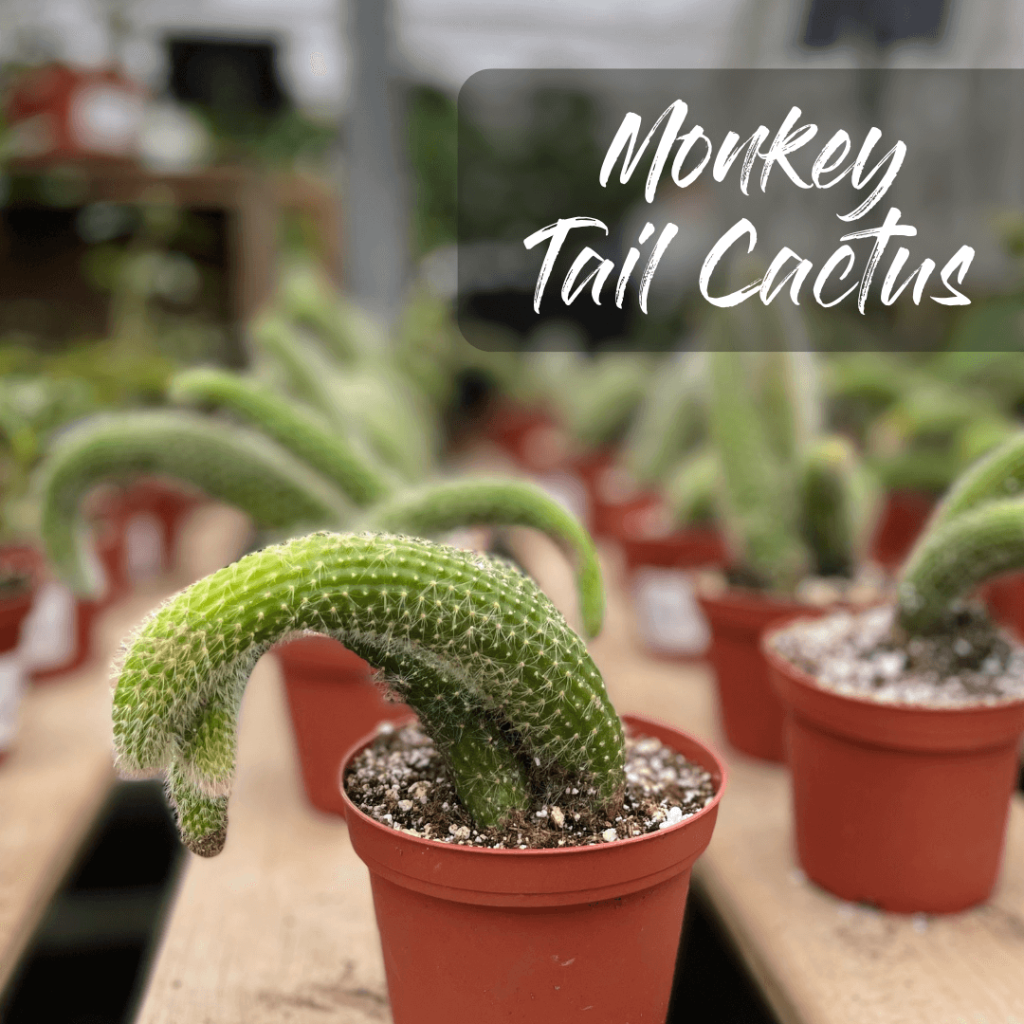
A few varieties of cacti that we love are:
- Monkey Tail (Hildewintera colademonosis)
- Boobie (Myrtillocactus Geometrizans Fukurokuryuzinboku)
- Spiral (Cereus forbesii Spiralis)
With their evocative names and exotic shapes, cacti are so much fun to grow! And don’t be surprised if the kids want to have a few to call their own.
Stop by Eising Greenhouses and see what we have in store. While you’re here, say hello to Courtney who is always happy to talk about unusual houseplants!