
By Dave Zeldon and Ely Schweyer
As plant people, we’ve all experienced that moment when we realize the novelty phase of that plant we brought home from the garden centre has worn off. The plant isn’t standing quite as tall, the flowers aren’t as bold, and the leaves are unravelling smaller or not at all. What is this magic they perform in the greenhouse? Perhaps you’ve provided sufficient lighting and adequate watering; there’s just one thing that is often overlooked because dirt is dirt, isn’t it?
97% percent of plant tissue is made up of carbon, hydrogen, and oxygen pulled from the air and water, the remaining 3% is comprised of 16 other elements taken up from the soil. The quality of soil then is crucial to your plant’s health. Whether your plants are in pots or in ground, each soil type you could provide your plant offers something unique and may lack in another.
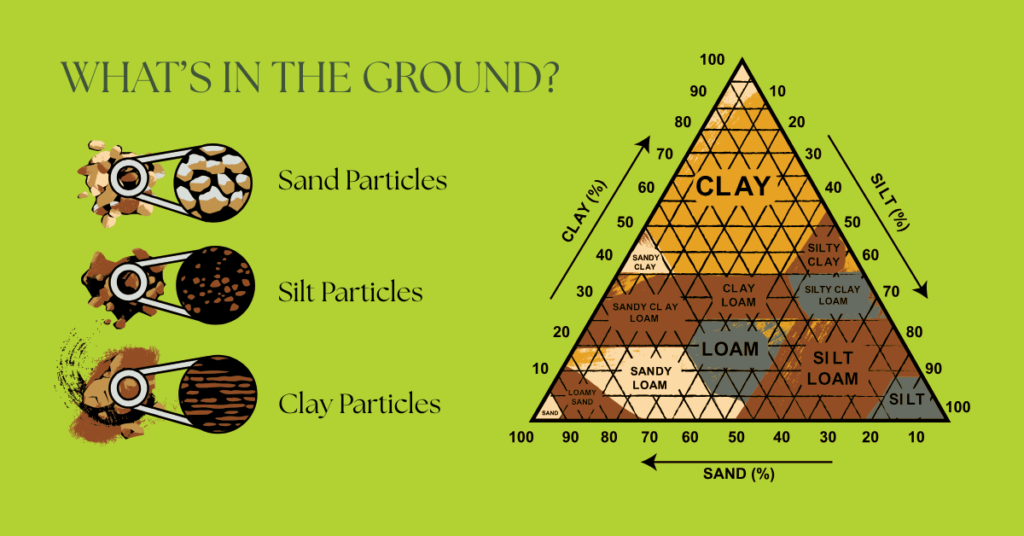
*Clay particles are even smaller than silt particles.
Resist the Urge to Slam Your Plant in Potting Soil
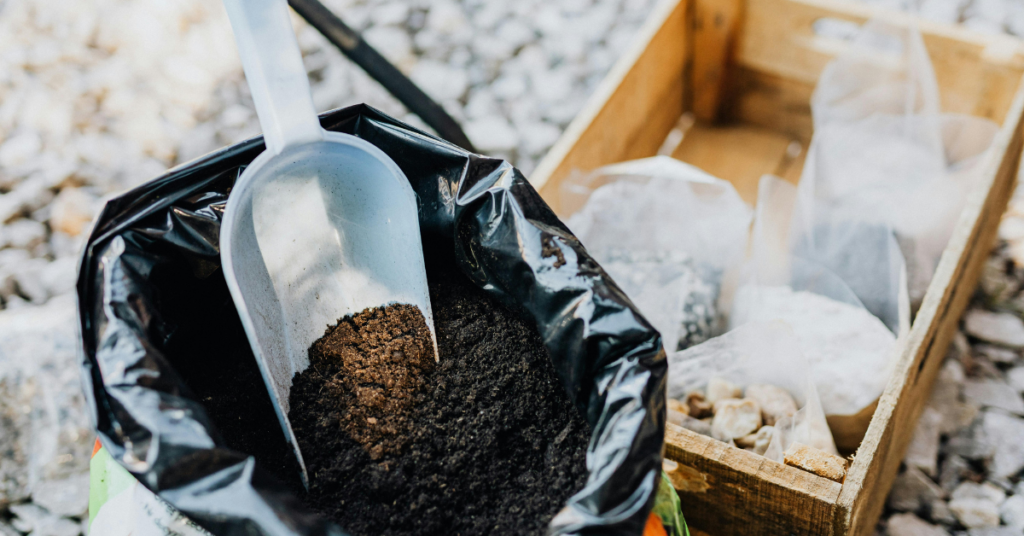
There’s bags and bags of rocks, sand, bark, manure, and moss on the shelves, yet the common buyer seems to always opt for potting mix. It’s fair; organic matter is usually great for plants and simple to use. However, most people don’t realize it’s merely an ingredient.
Strictly using potting mix is like attempting to make a loaf of bread out of only flour. All those bags of other materials on the shelves are also components for a successful plant diet!
Potting mix is a great base material, however, alone it presents risks of compacting, becoming waterlogged, can mold easily, and over time will become depleted of nutrients. Consider mixing the following ingredients into your pots, ground and raised beds to meet your plant’s required nutrients, pH level, and volume of moisture.
🖱️Use our Plant Finder to find some details on your plant! We try our best to keep this updated!
👍 Rule of Green Thumb: Plant roots can help you to determine the medium needed – thick, robust roots (i.e., yucca) typically enjoy chunkier materials, and smaller, delicate roots (i.e., begonias) enjoy finer materials.
Mulch and Bark Bites
- Mulch is the organic slow-release fertilizer, as it slowly decomposes, it lowers soil pH. However, may eventually compact soil once fully broken down.
- In the meantime, it creates shelves in the soil that create air pockets and prevent the soil from compacting. Mulch is a great short term medium for arid potted plants.
- If kept too wet, it can harbour fungus gnat larvae.
- Make sure when sourcing your mulch it doesn’t contain any black walnut.
🖱️ See more on mulching here.
Sphagnum Peat Moss
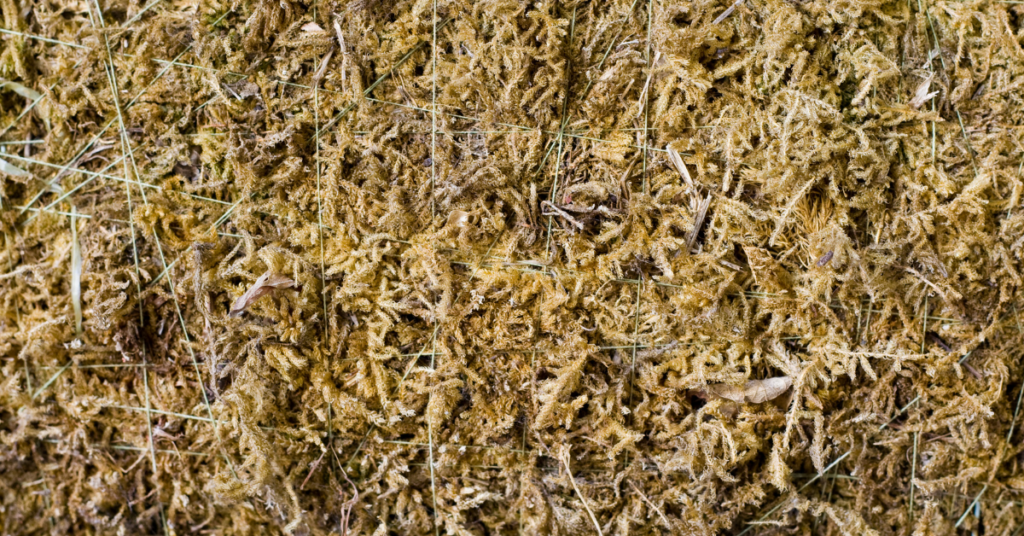
- Peat moss is used to help retain moisture and lower pH in the soil given it is harvested from bogs.
- Retains nutrients very well.
- It is difficult to rehydrate once it loses moisture.
Coconut Coir
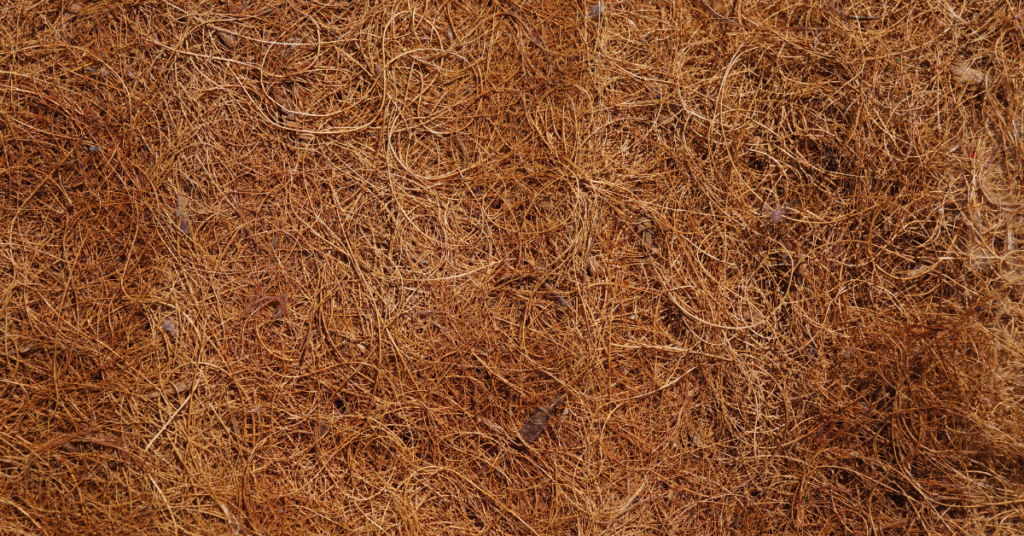
- Coco coir, much like peat moss is used to keep the soil moist and keep pH low, however it lasts longer and is possibly less invasive to harvest.
Sand
- Grains are relatively large and do not bind, allowing for excellent drainage depending on grade.
- Adds weight to top heavy plants.
- Has no ability to store minerals itself, however, pH can vary by its content of shells, minerals like silica, or fine organic matter.
Manure & Compost
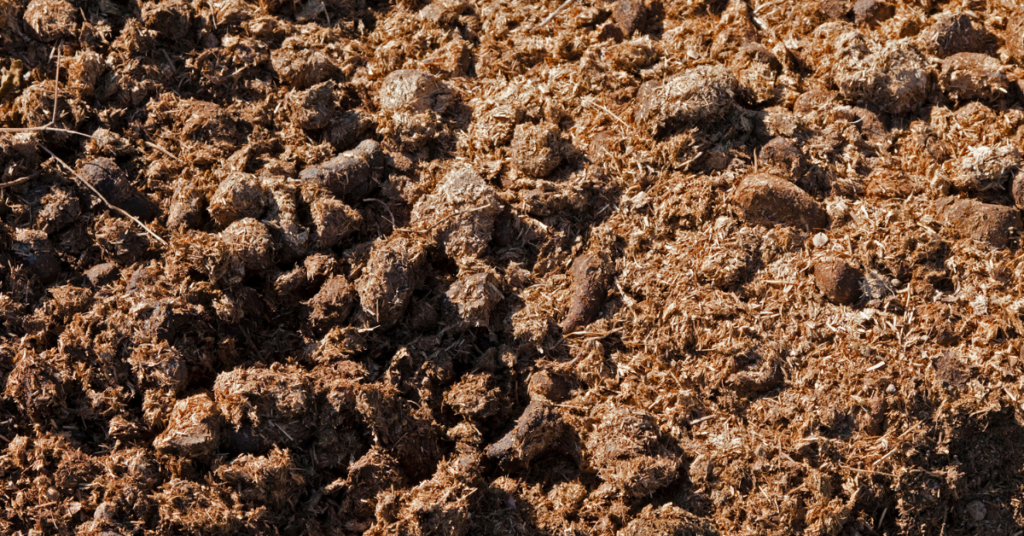
- Source these organic by products locally and ensure they’re not too hot. These additions can significantly lower pH.
- Sheep manure is usually near free of weed seeds as sheep digest seeds better than cattle and horses!
Perlite
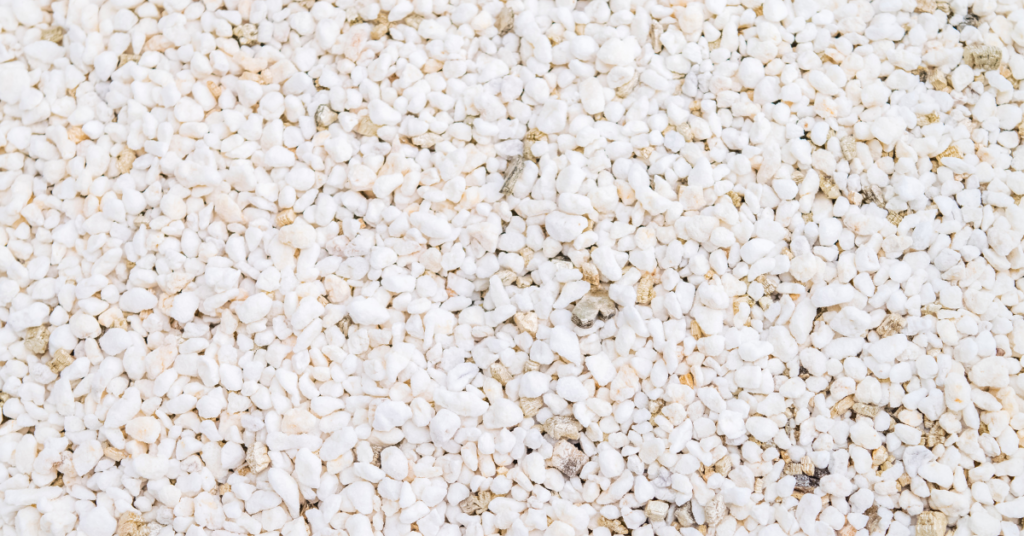
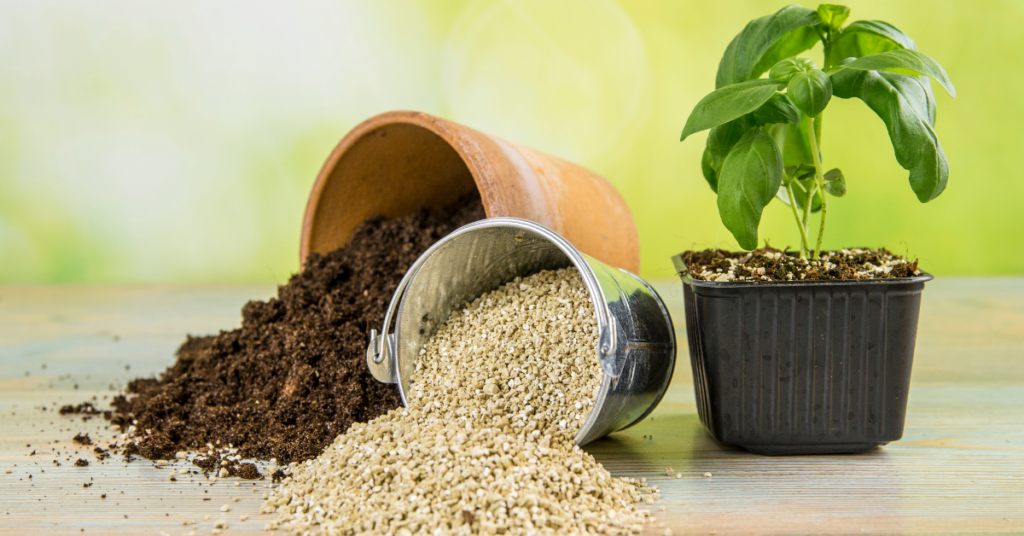
- Perlite is a volcanic byproduct (so it floats like pumice) that helps drainage in the soil and prevents compaction – vital in the case of starting seeds.
- If a rockier, well-draining medium is required for your plant, consider perlite.
- Perlite can expand holding trace amounts of water.
- Perlite has a neutral, slightly acidic pH.
- Make sure when sourcing perlite, that you are not being sold Styrofoam balls.
Vermiculite
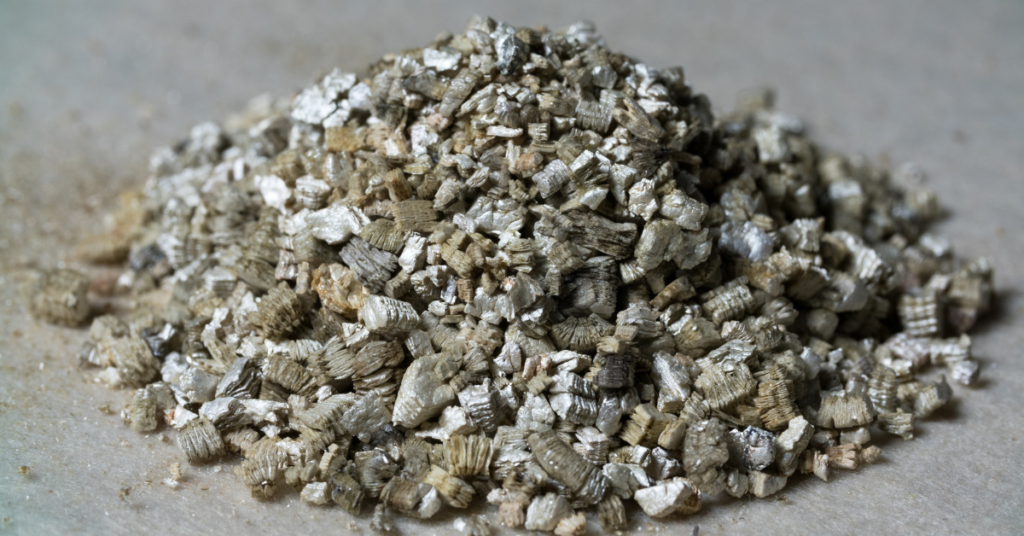
- Vermiculite is a recycled mineral used similarly to perlite, and too has a neutral, slightly acidic pH.
- Expands with water content.
- Can contain amounts of potassium and magnesium (as well as good cation exchange capacity).
- Runs the potential risk of introducing asbestos into your soil.
Calcined Clay Materials
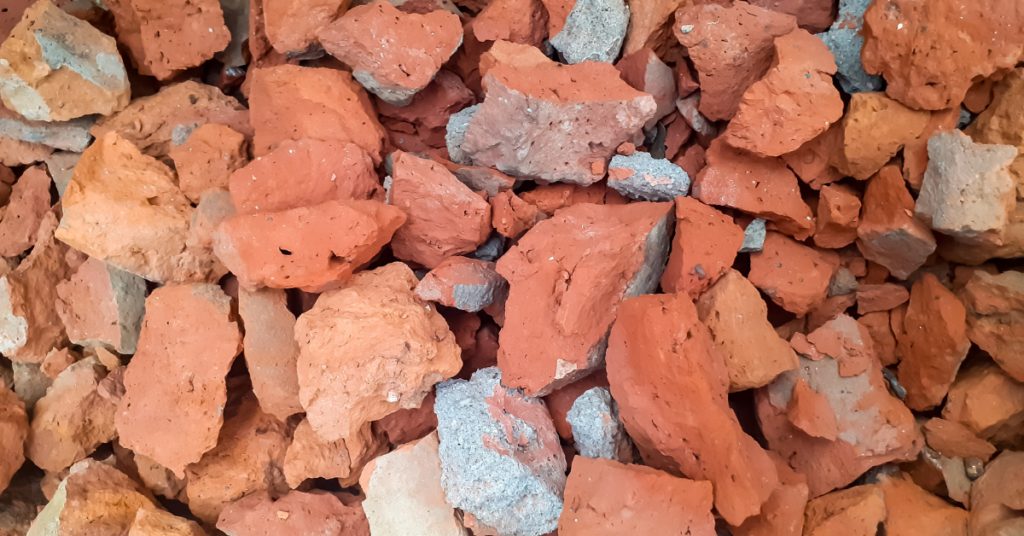
- Clay materials like recycled brick bits, pottery, or lecca are typically used for arid plants as it improves aeration and drainage.
- Can raise pH.
- Can retain some water.
- High cation exchange.
- Can also be used for starting robust cuttings when kept moist.
- Probably not ideal for inground amendments.
Maintaining Your Plant’s Dietary Needs
Perhaps we’ve crafted the perfect soil type for your plant – your plant thanks you – but over time, we will end up in the same staling predicament. Why? Because with each thorough watering, we leech the soil of the provided nutrients. Best we use the plant-specific required fertilizer for your plant to prevent nutrient loss.
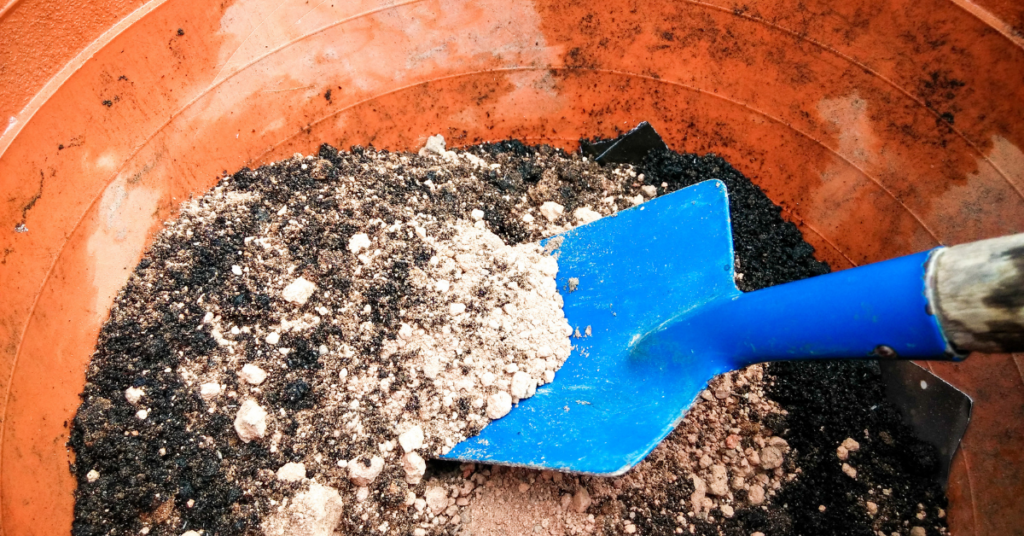
Organic sources of fertilizer such as bonemeal, composts, and manures, along with the application of lime, will improve the physical condition of the soil in terms of water and element holding ability. Unfortunately, in many cases though, manures and lime alone cannot be depended upon to provide enough available nutrients in soils with low essential element reserves.
Let’s talk about commercial fertilizers, which can help target your plant’s exact needs much like vitamins and supplements!
The Scoop on Fertilizers
Of the essential 16 elements your plant pulls from the soil, Nitrogen (N), Phosphorus (P), and Potassium (K) are the most critical for good plant growth. You’ll recognize the three numbers appearing on your commercial fertilizer labels known as the fertilizer analysis of the product, representing the percentage of each of the three "macronutrients" in the order of N, P & K.
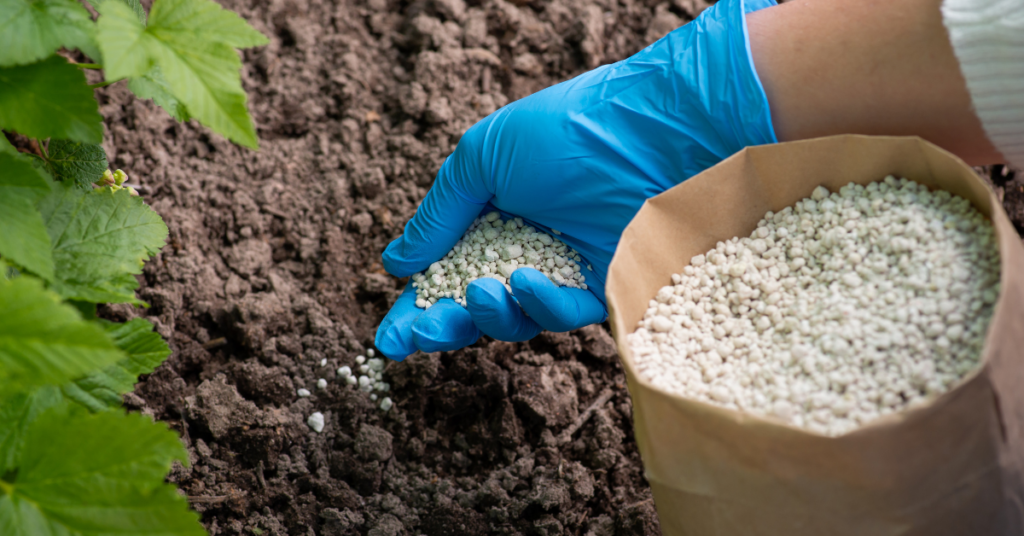
Nitrogen (N) is necessary for green leafy or vegetative growth which is important in crops like corn, cabbage, and potatoes.
☝️ It is important to remember that you should not use a fertilizer which is high in nitrogen late in the summer on your perennials, as it may cause a boost of growth which will only freeze as the cold weather sets in. Also, too much nitrogen in the analysis could cause too much lush, leafy growth thus inhibiting the desired flowering aspect of a plant species.
Phosphorus (P) promotes the development of flowers, fruit and roots. Crops like tomatoes, cauliflower and garden flowers.
Potassium (K) boosts plant hardiness, stem strength, resistance to disease and drought which is important to all crops, but especially in potatoes, celery and rhubarb.
👍 Rule of Green Thumb: For foliage plants, provide them with shade and lots of nitrogen, and for flowering and fruiting plants, provide them with lots of sun and lots of phosphorus!
Amending Clay
Hello Haldimand and Eastern Norfolk!
We’re presented with the challenge of compacted, often shallow and waterlogged clay, which proves difficult but not impossible.
Clay becomes compacted and waterlogged as it is the smallest soil particle – smaller than a grain of sand, and even smaller than silt – with rough edges that allow it to interlock and bind. In this instance, roots cannot penetrate further into the soil, are susceptible to root rot, and air pockets are slim to none.
This, however, can be fixed with the addition and renewal of the above materials.
Mindful that you don’t create a watery bowl in the ground (score the edges the area being worked), you can add organic matter (i.e., manure, compost, and potting soil) for nutrients, as well as mulch, sand and perlite for aeration and drainage. Annual soil particle aggregation in clay soils increases air porosity (air pockets) and is accomplished by the incorporation of organic matter that breaks down to form humus.
🖱️ See more here for planting trees in clay.
We hope this soil and fertilizer guide helps you provide all the vital nutrients to your beloved plants in ground and above ground! For more information - and soil – visit Eising Greenhouse and Garden Centre! 🌱
By: Dave Zeldon and Ely Schweyer with tips from Mary K, Zach C, Sandy M, and Jeanine LT!
Now is the time to prep our outdoor landscapes for the coming cold weather and the ensuing spring! Perhaps your autumn is calmer than your spring, and this is the best time to clean up and begin new projects. The following are some simple but effective tips to get your yard winter-ready - so your spring will be a little more pleasant for you!
Planting
When warm weather still allows it, plant trees, shrubs, perennials, and bulbs to allow them to establish for budding and blooming next spring.
Pond Care
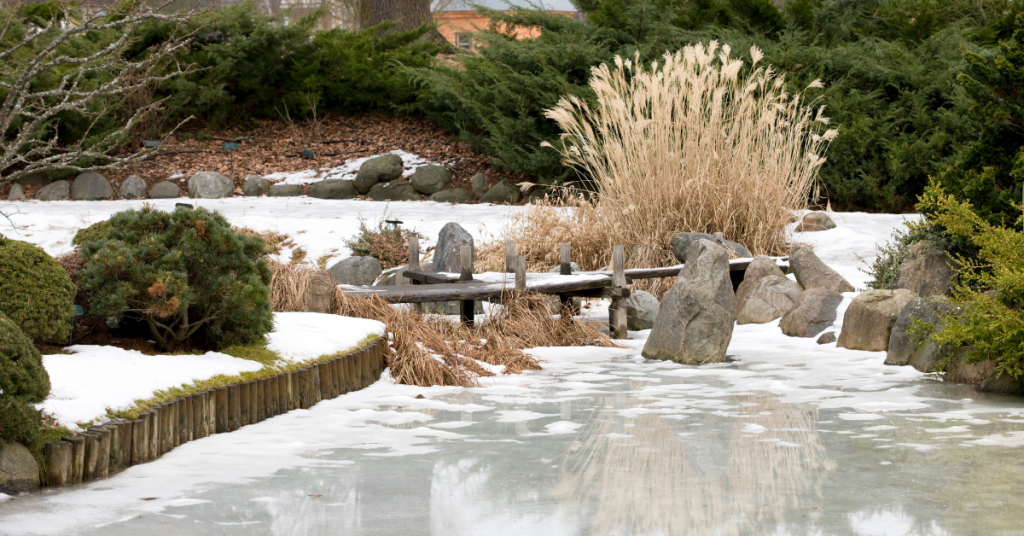
Mary, our perennials gal, suggests not removing any water from your pond but instead aerating it all winter. She skims out the leaves to maintain the balance of the nitrogen cycle in the water and suggests waiting to do a big pond clean out in the spring, as that’s when the water’s culture can bounce back easier.
Fertilizing
After top growth of your landscape plants ceases, reduce your annual fertilizer application by up to half of the requirement. Autumn is a major root growth period for woody and herbaceous perennials; roots will grow and absorb nutrients whenever soil temperatures remain above 5 °C but can be over fertilized quickly in these cooling temperatures.
Produce gardens could benefit at this time from a top layer of compost that will break down during the winter so it isn't too 'hot' for spring planting.
Leaf Litter
Here’s our pitch on the ‘leave it – don’t leave it’ debate: It DEPENDS.
Ideally, we should leave litter leaf on the ground for our pollinator friends and endangered species like fireflies to hide out in the winter. But, there are appropriate situations in which to remove leaf litter.
- When they’re covering your bulbs and tender perennials, remove SOME. Leaf litter acts as a ground insulant, which can amplify our temperamental zone 6b temperatures. This freezing and thawing can often confuse and kill early spring bulbs and tender perennials.
- Zach, our trees and shrubs guy, suggests that if a tree shedding leaves has been diagnosed with pests and fungi, remove the leaf matter to reduce the spread to other plants. Diseased matter should always be removed in a quarantined fashion and taken to a landfill or burned.
☝️Please note: Unless diseased, compost your leaves, they contain vital nutrients specific to the plants they came from!
Lawncare
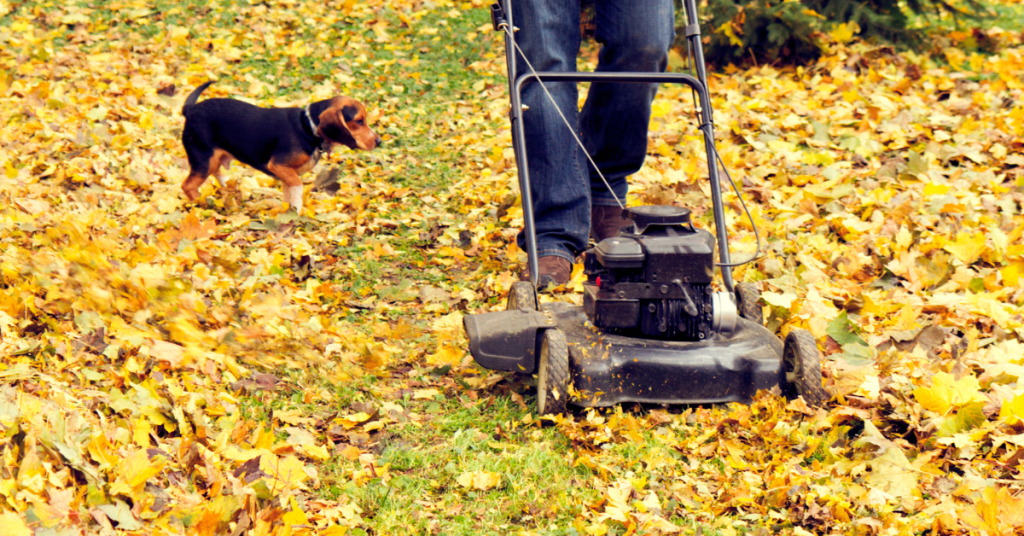
With autumn mowing practices you have the opportunity for the addition of much needed organic matter for your lawn, which is also an excellent source of slow release nutrients. Keep mower blades sharp since leaves can be tougher than grass. Raise the mower height up and mow leaves when they are lightly wet (e.g., morning dew). This will keep the leaves from blowing all over and will prevent the mower from getting bogged down in wet leaves.
See more on general lawncare in Dave's Lawncare 101 post.
Clean Up
Now is a good time to wash your tools with soap and water to prevent diseases spreading from plant to plant.
☝️Mary's tip is to spray garden tools with PAM before use, so the dirt slides right off them!
Pruning Perennials
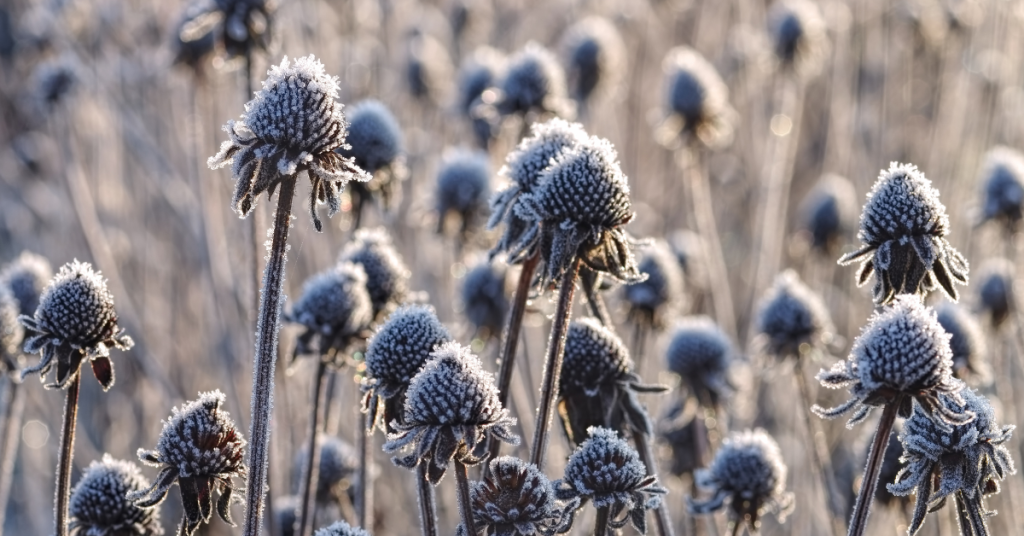
Mary, our perennials gal, suggests leaving things until frost to cut back. This way they're easier to compost. Make sure to leave seedheads (i.e., coneflowers and black-eyed Susans) for wildlife, and things like hydrangeas for winter interest.
☝️Make sure if things are cut back, to leave them sticking up enough you can still find them in the spring!
Dividing and Moving Perennials
Moving or dividing perennials in the autumn is a great way to reduce your work next spring. The cool, moist weather is an ideal time for perennial roots to become well established.
👍The rule of green thumb for moving perennials: If the plant blooms between early spring and late June, then early fall division/moving is ideal. If the plant blooms after late June, then early spring division is ideal (except for Peonies which should only moved or divided in the fall, Poppies in August, Irises in July & Lilies in the Fall).
Overwintering Trees
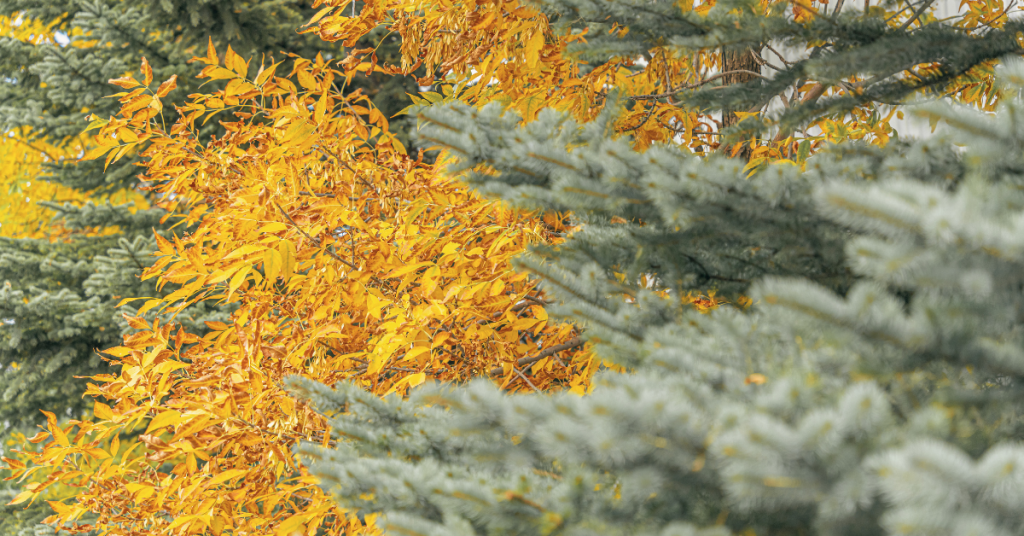
Zach and Sandy from trees and shrubs suggest a couple of things to help your favourite trees along this winter:
- To reduce winter injury in evergreens: Keep properly watered throughout the growing season and into the fall is another way to reduce winter injury. Decrease watering slightly in September to encourage hardening off, then water thoroughly in October until freeze-up.
- Cedars - Spray cedars with antidesiccant spray (available at Eising GC) or wrap in burlap (with stakes to create dead air space) so wind doesn't dry out and burn tips.
- Fruit trees - In late fall, spray fruit trees with sulfur-horticultural oil (available at Eising GC) for protection against fungi and pests overwintering in the bark.
- Ornamental trees - wrap the base of young trees to protect from chewing rodents.
- Pruning trees - trees that prefer winter pruning rather than spring pruning are maples, oaks, birches, and elms, as well as with fruiting trees such as apples and pears. This ensures blight and pests will not affect the tree's open wounds.
If you missed the frosty deadline for transplanting trees, Sandy suggests insulating unplanted potted trees to help them best survive the coming winter. Here are some methods:
- Double-pot your tree with an insulative barrier (i.e., burlap, straw, mulch, etc.) stuffed between the two pots and securely cover the top with tarp to deflect moisture.
- Bury your potted tree in the ground, level with the top of the pot (don’t forget to dig it back up!) and mulch the area.
- Huddle all of your unplanted trees and plants together when using the above methods.
Mulching
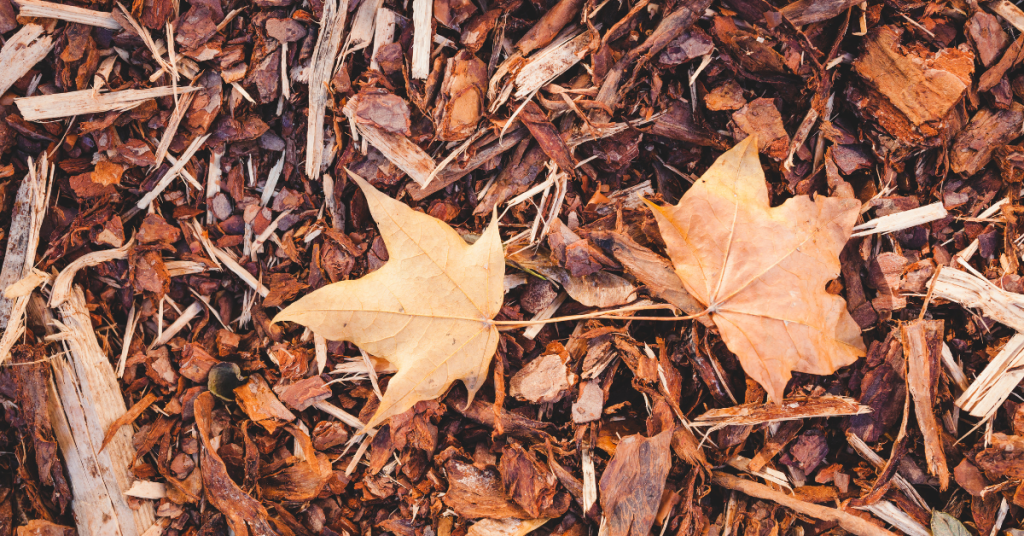
Mulching is one of the simplest and most beneficial practices you can do for your garden. Just by simply placing a protective layer of material over the bare soil will benefit the soil as it decomposes providing the much-needed organic matter which improves root growth, the infiltration of water and the nutrient-holding capacity of the soil while reducing soil erosion.
A good layer of mulch allows the soil to warm more slowly in the spring, so perennials aren't fooled into breaking dormancy too early, as you want the ground to stay cold until it really is spring!
☝️Make sure your mulch application won't stunt the growth of your plants come spring as discussed in our Transplant Troubleshooting blog post!
Japanese Beetle Prevention
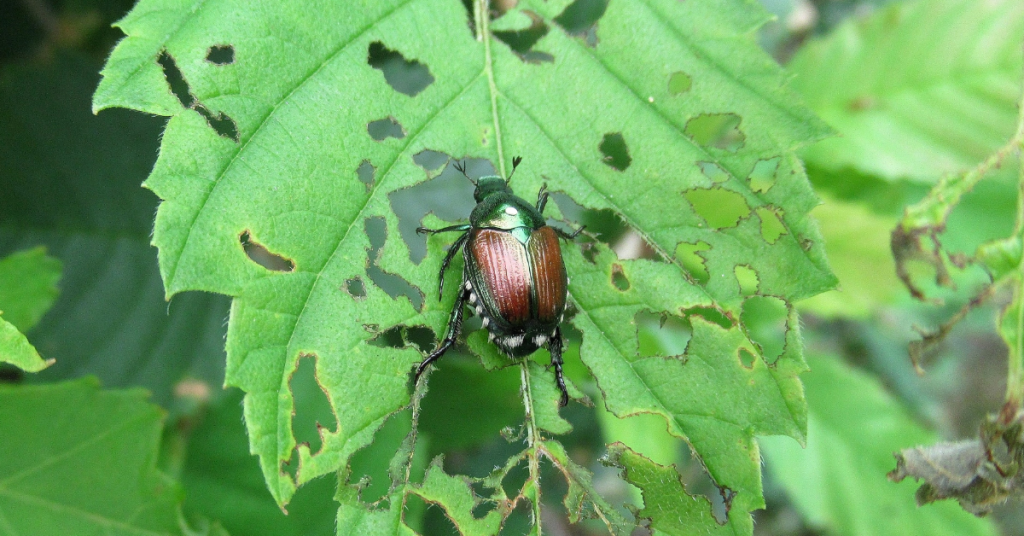
Nematodes are microscopic worms that should be applied to lawns that have been ravaged by grubs especially of the Japanese Beetle. Nematodes have a short shelf life and must be refrigerated until they are applied. Normally, they are sprayed onto the lawn from mid-May to mid-June and then again (for best practice) from mid-August to mid-September.
Pots
To prevent freezing and cracking, Mary suggests emptying and turning your pots upside down. You can disinfect at this time too.
Design Time!
Jeanine, from production, suggests writing down what worked best in your produce garden this year so you can implement it again in the spring.
With the trees and land being barren enough you can see its contour, now is a great time to plan ahead for spring landscaping! Don't forget Eising GC would love to offer help with your landscape designing!
We hope these tips help your landscape plants enjoy your winter abode as much as you do this season, for more information - and plants – visit Eising Greenhouse and Garden Centre! 🍁
Every day our understanding and awareness of the products and chemicals in our lives grows. From lotion to moisturize your skin, to chemicals to clean our homes, and to the fertilizers and pesticides applied to our lawns, chemicals are starting to be less and less invisible in our daily lives. There seem to be hidden chemicals and risks everywhere around us, and learning more about them can be important to living a healthy life and taking care of our vulnerable pets. Collectively, we’re starting to want to really understand the products we use and just how risky they actually are.
Pesticides, Herbicides, and Fertilizers
If you’ve ever had your lawn treated for weeds or have fertilized in hopes of a golf-green carpet of grass, you know just how unpleasant some of the chemicals that we use in our garden can be. Some of them have foul smells, others require precautions to keep us safe from touching them… it’s no mystery that what we use in our gardens and yards can be potent. On the other hand, most of us don’t want to have a struggling and ragged lawn and garden while our neighbours’ flourish.
There’s a middle ground between taking care of your lawn and garden to help it thrive and using harsh and scary chemicals that might be questionably unsafe for your family. There are tons of organic solutions for a thriving lawn that simply take a little work and some patience, but you can rest easy knowing you’re keeping your home safe to enjoy. Here’s how to get started:

Dethatch
This is as simple as dragging a hard rake across your lawn to clear out some of the dead old growth. These accumulated old layers can stifle your lawn and get in the way of new spring sprouts. A little elbow grease to rake the lawn will show you just how much old growth is in the way and will be the perfect way to get your lawn ready for spring.
Aerate
Your grass is a living thing and has basic needs for survival! Aerating is a great way to boost how much air, space, water, and nutrients can make their way through compacted soil to their roots.
Dethatching and aerating go hand in hand as a once-a-year chore to rejuvenate your lawn in the late fall or early spring. Your lawn might look rough after you dethatch and aerate, but it’s all a necessary to have a natural, thriving lawn when it fills in.
Seed With Good Seed
If you try to start your lawn off with poor seed, you’re setting a poor foundation for your lawn. Choose something that meets your needs, like something that is drought-resistant or perfectly suited for the conditions of your lawn. Even if your lawn was originally seeded with grass seed that is a poor match to your lawn needs, you can always interseed or overseed after you’ve thatched and aerated to re-establish your turf.
Watch Your Watering
Many lawns these days are totally dependent on regular watering to look lush. For many people, their fresh sod needs some extra pampering, and then it’s never weaned off. Ultimately, if you can try to wean your lawn off of constant watering it’ll be encouraged to develop deeper roots that will make it hardier and better able to tolerate dry conditions. A bit of thought into your watering schedule can make the difference between a nice lawn, and a gorgeous one that has the depth to be tough, too.
Working By Hand to Treat Weeds
The dream of a beautiful lawn that is thriving is always compromised by weeds. Thankfully, the healthier your turf is, the more it’ll take up room that opportunistic weeds might have sprouted in the past. All of this work to make a gorgeous lawn isn’t just about getting your greens greener, but about getting rid of opportunities for weeds to take over.

Of course, weeds are stubborn enough that even the healthiest lawns are bound to have a few. If you’re trying to stay away from chemical solutions so your space is always safe for everyone to use, a bit of elbow grease is the solution. Grab a trowel and some gloves and pick away at whatever weeds make it through your defences. It’s actually therapeutic once you aren’t fighting overwhelming numbers of them. The more consistent you are with your weeding, the easier it gets.
Saying goodbye to chemicals in your yard doesn’t mean that you have to say goodbye to a beautiful lawn! A little bit of strategically timed work is exactly what you need to encourage your grass to thrive while keeping your landscape accessible to everyone — you, your kids, your pets, your guests, and your local beneficial critters — to enjoy.
Mulching is a common gardening technique that protects your plant and gives your garden a little more vibrancy with less work! Sprinkling a simple insulating layer of mulch material around your plants will help to maintain moisture levels, prevent weeds, insulate your plants, and clean up the appearance of your garden. The benefits are clear and there are lots of materials to choose from to meet your needs. Here’s how mulching can help your garden’s aesthetic and more:
The Importance of Mulching
Summers can get hot, leaving us with thirsty plants that need water seemingly constantly. Using hundreds of litres to keep our plants hydrated is not only a waste of resources and money, but of our time, too. Mulching will help to lock moisture in by cracking down on evaporation so that the water that you do give to your plants actually gets used at the roots rather than (literally) disappearing into thin air.
Mulching is also super effective in our wild temperature swings from summer to winter and back. For those perennials in your garden that are left out shivering through the coldest of our winter days, mulch can provide a much-needed insulative layer that blocks out the worst of the cold and freeze-thaw cycle, keeping our plants safe until temperatures are mild again. Mulching will give your plants a better success rate with surviving the winter, and you’ll have happier plants in the spring that are ready to thrive, instead of battling winter damage.
Finally, mulch does wonders to clean up the look of your garden. Mulch is a great buffer layer between our soil - where weed seeds lie in wait - and the sun that they need to thrive, effectively stifling most weed growth. You’ll save time and appreciate a cleaner looking garden where all of your soil’s resources can be spent on the plants that you want. Not only does mulch prevent unwanted weed growth, but it simply cleans up the aesthetic of your garden, providing an upgrade from the look of normally exposed dirt. There are lots of styles and materials to choose from so you can choose an effective mulch material for your home that also adds to the style and look of your landscape.

Mulching or Stone?
While some people might like the look of decorative stone to shade their soil, it simply doesn’t provide all of the benefits that most natural options offer. In addition to their lacklustre performance in all areas other than style, they can also end up being quite an expensive addition to your landscape. While stone might offer a clean look that provides a slight barrier to evaporation, biodegradable options do a better job of the health of your soil and plants while offering a similar look at a better price point.
Options for Mulching Your Garden
There are tons of materials and methods for mulching your garden, so the main questions that you should ask yourself are: What do I want to get out of my mulch? What kind of look am I going for in my garden? Do I want to use synthetic materials or natural materials?
Once you have an idea of what you want, consider these great mulch options:
Bark Mulch consists of shredded bark, creating a fantastic all-natural mulch material that will provide all of the moisture-locking and weed-blocking benefits of mulch, while also slowly boosting the health of your garden as the organic material decomposes. Bark mulches come in a variety of colours depending on the type of tree they are sourced from.
Wood Chips provide a look that is similar to bark chips, but a little more robust. Again, colours depend on the type of wood they are sourced from, but there is the additional option of treated chips that have a more uniform colour. These chips will also break down slowly to supplement your soil, so opting for an all-natural dye on the treated chips is a good idea to prevent chemicals leaching into the soil.
Straw is a good option for those that want cost-effective and all-natural mulch solutions, but are also okay with a more rustic look in the garden. We love the country aesthetic that it gives our flower beds! Keep in mind that some straw varieties might have weeds and seeds of their own that pop up when applied, so they may not be the ideal choice for those looking to cut down on weed pressure.
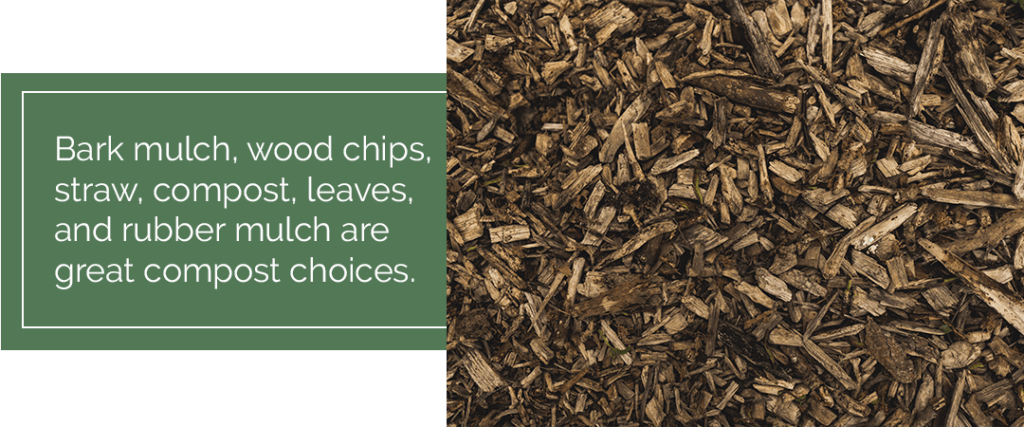
Compost or Manure, when applied in a thick layer will deliver a massive nutritional boost to your soil and plants, resulting in lush and beautiful growth that can’t be matched with synthetic fertilizers. If you’re looking to mulch with compost or manure, you’ll need to provide a generous coat of 2-4 inches of material to effectively insulate the soil.
Leaves and Grass Clippings are another great natural option that is very easy to source from your own yard! The clippings straight from your lawn mower bag and the leaves you collect in the fall are more welcome in your garden than the garbage. While this might not be the cleanest look in your mulching options, it’s incredibly effective and very straightforward - and the freshly clipped grass smells great.
Rubber Mulch is another option, though it is not natural and won’t contribute to the nutritional health of your soil as the other mulches do. However, it is still very effective at locking in moisture, choking out weeds, and keeping the soil insulated, all while looking clean and uniform. As it doesn’t break down like the other options, this is certainly a mulch choice that is more permanent - you won’t have to replace it, but moving it might become difficult.
Mulch is the secret weapon that goes unappreciated in many gardens, stepping up the performance and look of your landscape in one simple application. With so many options, there’s bound to be something that is the perfect fit for you and your garden’s goals.