
Thursday, November 26th | 10:00am - 12:00pm | $65
Learn to create a custom fresh greenery wreath in our holiday wreath workshop! Starting with a 10" frame, you’ll layer in fresh winter greenery and personalize your design with accents and ribbons in your choice of natural, gold, silver, or red. Leave with a stunning piece to welcome guests at your front door all season long.
Registration
Saturday, December 5th | 10:00am - 12:00pm | $60
Craft a custom holiday centerpiece to serve as the perfect focal point for your holiday decorating! Led by Kirsten, merchandiser and designer at Eising Garden Centre, this session guides you in designing a beautiful arrangement tailored for your dining table, mantel, or entryway. Each centerpiece features a central pillar candle surrounded by fresh winter greenery and accent pieces in your choice of natural, red, gold, or silver.
Registration
Saturday, November 28th | 10:00am - 12:00pm | $75
Learn to design and build your own custom holiday hanging orb in this creative session led by Christa, merchandiser and designer for Eising Garden Centre! You’ll work with a rustic iron orb frame, layering in fresh greenery and decorative accent details in your choice of natural, gold, silver or red - to create a stunning piece of holiday decor for your home.
Registration
Thursday, November 12th | 10:00am - 12:00pm | $75
Design and build your custom holiday urn in this hands-on, two-hour session led by Sandy Pop! You’ll work with fresh, natural greenery and choose your preferred accent color - natural, red, or silver - complete with coordinating ribbons and ornaments. Leave with a stunning outdoor urn tailored to your personal style.
Registration
We are thrilled to be hosting the Eising Annual Craft Show, November 16 – 21, 2026
If you’re joining us as a vendor, you’ve come to the right place - this page is your central hub for all event information and guidelines.
Looking to attend as a guest? Stay tuned! We’ll be sharing full event details as we get closer to the event right here on our Blog & Events page and across our social channels.

Important Dates and Details
1. Setup Window: November 13 – 14, 2026
2. Show Dates: November 16 – 21, 2026
3. Tear Down Day/Payment Pick-Up: November 24, 2026

Craft Requirements
To maintain the high quality our customers expect, please adhere to the following:
- Handmade Authenticity: All crafts must have a handmade component. The resale of strictly purchased items is not permitted
- Pricing: All prices must be round numbers (e.g., $2, $5, $10) to facilitate smoother transactions
- Tagging: Each item must be tagged with your three unique initials and the price
- Stickers: We will provide printed stickers with your initials. Please ensure these are securely fastened. Items with missing or loose stickers cannot be processed at checkout and will be placed in a "Return to Vendor" bin
Booth Size + Information
- Booths are a 8' by 4' table top - about the size of a sheet of plywood. Half sized booths are also available
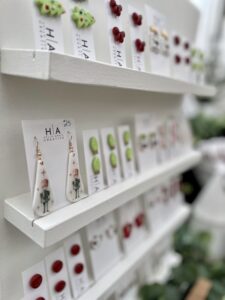
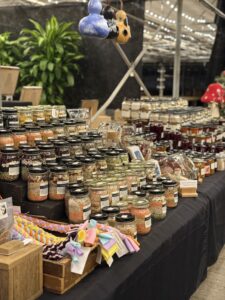
- Booths are simply our greenhouse benches covered in cardboard. Vendors typically bring tablecloths or a type of fabric, for example burlap (whatever suits your aesthetic) to cover the booth. From there, how you present your products is up to you! You are welcome to bring small risers, boxes, racks, etc. We have included a photo album below if you would like some inspiration
- We do ask that you keep the floor area in front of your booth free from obstacles. This ensures the safety of both our shoppers and staff
- Please note that the greenhouse is heated during the winter. When the sun is shining it can get very warm and items like chocolate and soap may melt. Eising Garden Centre is not responsible for damaged products.
Stocking + Restocking
You are welcome to set up your booth between November 13 – 14, 2026. There will be room underneath your booth to store overflow items (we encourage the use of plastic totes as the floor of the greenhouse can be dirty!) Due to the size of our show we cannot contact vendors when they run out of items. Eising staff may have the opportunity to restock for you, but that is not guaranteed. With that in mind, we encourage you to check in on your booth(s) to ensure adequate stock.
Promotion
We encourage you to provide contact cards/business cards at your booth as shoppers are often inspired to connect with our vendors for further purchases following the event. If you are active on social media, we also encourage you to follow us on Instagram and Facebook and to tag us in your posts so that we may share your posts with our audience!







By Dave Zeldon and Ely Schweyer
In late June and early July we will be witnessing the annual invasion of the Japanese Beetle on many of our favourite landscape plantings including Hollyhocks, Dahlias, Hibiscus, Roses, Grapes, and Raspberries.
Adult beetles skeletonize foliage.
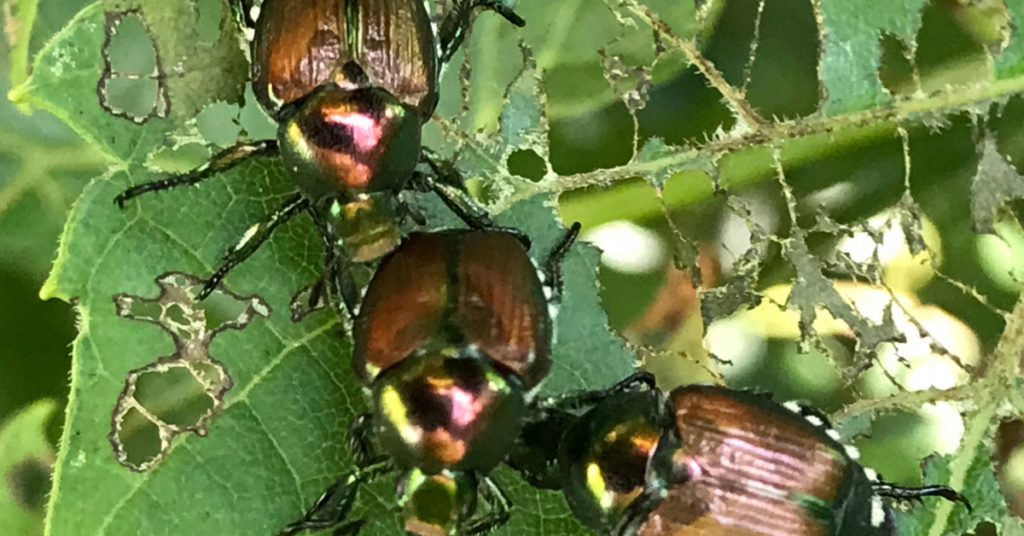
Many of us have tried the various means available to curb this yearly destruction like pheromone traps, Nematode lawn inoculation, hand picking, and concoctive sprays. But still, we get substantive damage.
Interestingly enough, some plants such as Geranium, Castor Bean, and the flowers of Bottlebrush Buckeye, will cause paralysis and death of these beetles when eaten.

Maybe it’s Time We Look at Whole New Approach
Why not slowly invest in a landscape makeover? One with Japanese Beetle resistant plants!
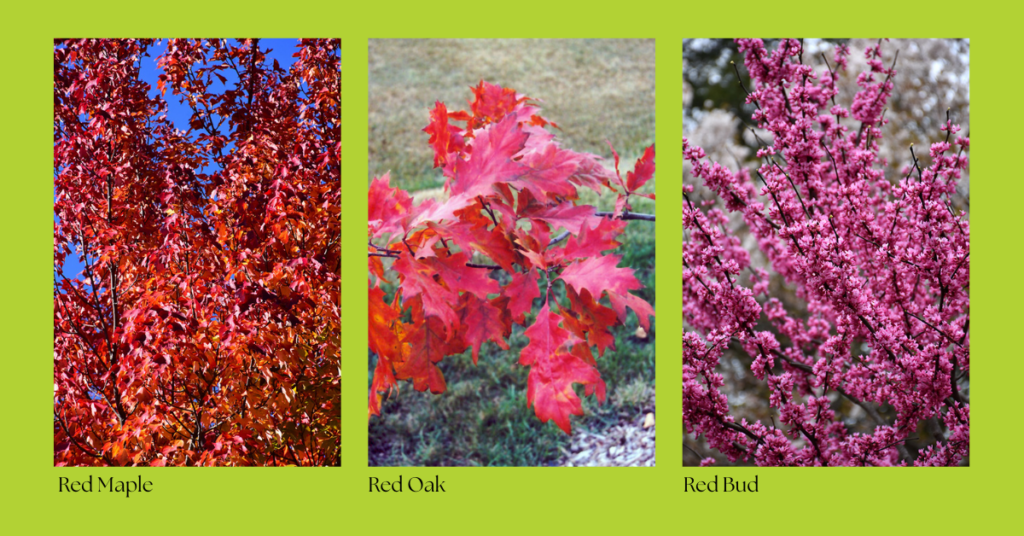
Trees such as Red Maple, Red Oak, Hickory, and Redbud could replace the susceptible Japanese Maple, Norway Maple, Pin Oak, Linden, and Mountain Ash.
Why not consider growing more Evergreens such as Holly, Yew, Boxwood, and Aborvitae instead of the prone Virginia Creeper, Apple and Plum family of trees, and Birches.
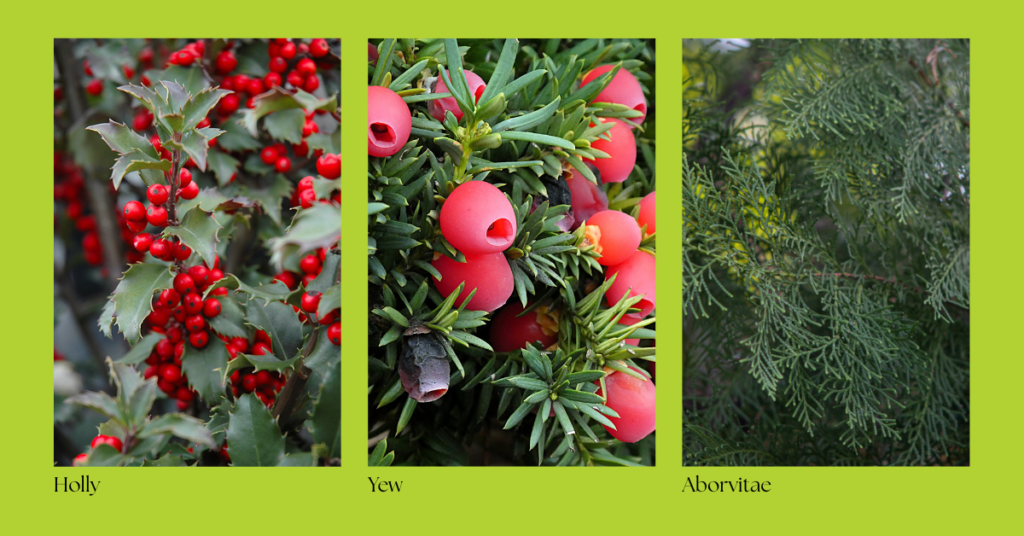
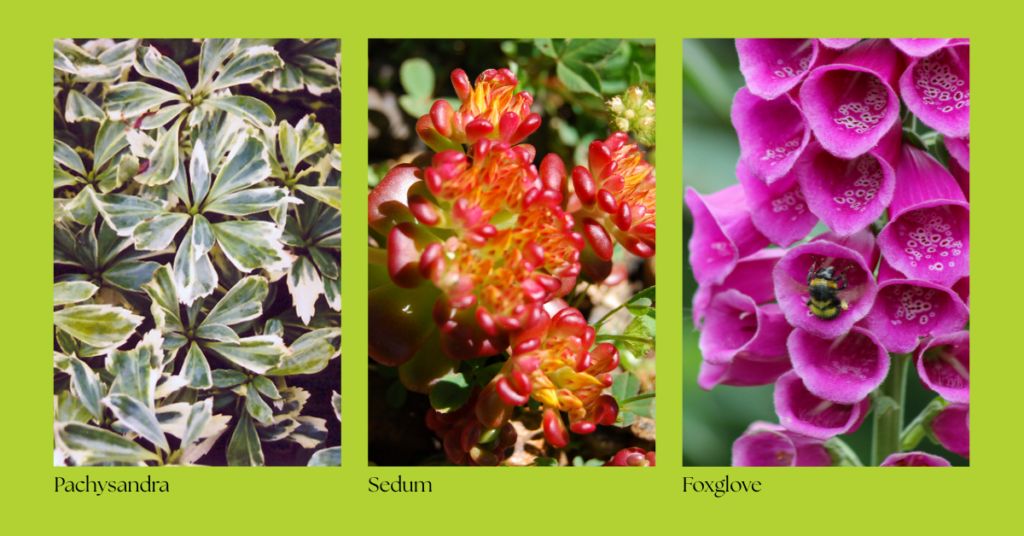
You also may want to contemplate planting perennials such as Coral-Bells, Hostas, Pachysandra, Sedum and Foxglove as opposed to the Japanese Beetle standard menu fare of Evening Primrose, Hydrangea, Clematis, Potentilla, and Zinnia.
Yes, we do have some preventative measures at our disposal to battle the Japanese Beetle (find how to use beneficial nematodes in our fall chore blog) but due to the nature of this pest, it will inevitably win the war. If we continue to grow the some 400+ preferred host plants in our landscape, providing an adequate food source for this invasive pest rather than replacing them with resistant species, surely this pest will make gardening a chore instead of the pleasure it should be.
We hope this article will aid in the prevention of Japanese Beetles in your garden space! For more information – and Japanese Beetle resistant plants – visit Eising Greenhouse and Garden Centre! 🪲
Eising Garden Centre is turning 60, and we want to celebrate this incredible milestone with the community that helped us grow!
Saturday, April 25th
10am to 2pm
Right here at the Garden Centre!
Fun for the Whole Family
We’re pulling out all the stops to make sure this is a day to remember. Bring the kids, grab a friend, and enjoy a full afternoon of festivities:
- Live Entertainment: Set the mood with great music while you explore the greenhouse.
- Kids’ Zone: We’ll have face painting and a variety of kids’ activities, like tallest sunflower growing competition (with a cash prize at the end of the season!), flower pot planting, and a colouring competition to keep the little gardeners busy.
- Free Treats: Enjoy complimentary coffee and cupcakes on us while you browse!
- Special Sales: Held across each department of the garden centre.
Food Trucks
Come hungry! We’ve invited some local favorites to keep you fueled up:
Grand Prize Draw: $600 Gift Card!
To celebrate 60 years, we’re giving away a $600 Eising Gift Card to one lucky winner! Just imagine the garden transformation you could pull off with that.
How to Enter: Fill out a ballot at the event on April 25th. The Draw: We will be drawing the winner at 12:30 PM. Important Note: You must be present at the time of the draw to win, so make sure you’re nearby when the clock strikes 12:30!
The Celebration Doesn't Stop There!
Can’t make it on the 25th? Don't worry—we’re spreading the love all spring long. From April 6th to June 8th, we are giving away 60 gift cards worth $60 each! Every week, we will be drawing 6 winners. To get your name in the hat, simply make a purchase at the garden centre. Your name will be entered into that specific week’s draw, and we’ll contact the winners directly.
Thank you for sixty wonderful years of gardening, community, and growth. We can't wait to see you on April 25th!

Adding Year-Round Interest to Your Garden
By Ava Green
Spring brings excitement and the hope of fresh beginnings, but also the harsh reality that our gardens can look a little…well…blah, in between seasons. Even when you have evergreens, well shaped trees, shrubs or perennials with “good bones” (strong framework or structure) a garden can look bare off season. This is when garden features and ornaments can really make a dramatic difference!

Create Year-Round Interest In Your Garden
Do you have a spot in the garden where plants struggle to grow? Or an area where you feel like your garden is missing something?
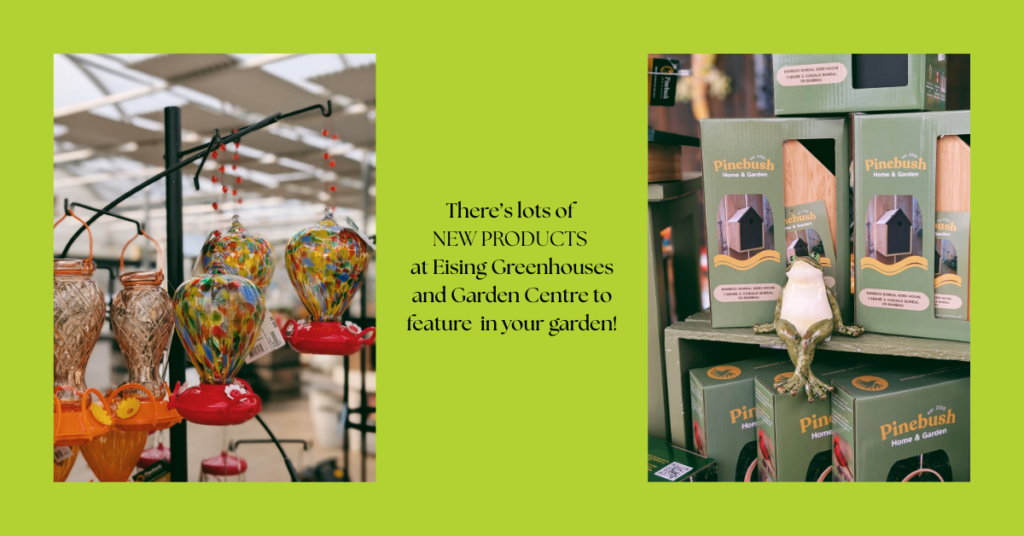
Items like benches, patios, ornamental urns, decorative fencing, statues, a pond, gazing balls, birdhouses and birdbaths add beauty and function in every season. In Southern Ontario’s long shoulder seasons (early spring, late fall, and the longest of all - winter) these permanent elements help to make your garden look inviting all year.

Why Every Garden Benefits from a Focal Point
A garden filled with colourful annuals and perennials can be stunning, but without a focal point, it can feel visually overwhelming. A garden focal point like a bench, statement urn, a piece of statuary, or a water feature draws your attention, and creates a sense of purpose.
Focal points guide movement through the garden and help tell a story, leading visitors toward a destination. While naturalized gardens and wildflower areas don’t always require structure, for gardeners who prefer a more organized look, incorporating a focal point can create a sense of order and transform your space.

Add Contrast With Texture and Shape
Many gardeners naturally gravitate toward favourite plant forms. Tall, spiky perennials like coneflowers, salvia, and Black-eyed Susan are popular in Ontario gardens but they can feel repetitive when planted together.
Introducing contrast changes everything. A round birdbath nestled among upright perennials adds softness and contrast making it more visually interesting. In shady gardens dominated by hostas, a tall iron obelisk or trellis creates height and drama. Mixing plant textures with garden features like lighting instantly elevates beds and borders.

Express Your Personality!
Gardening is a creative process, and experimentation is part of the joy. Moving plants to find the right light or shelter often leads to surprising combinations and successes. Garden features allow you to express that creativity even further.
Statuary, ornaments, and structures, whether handcrafted or purchased, add personality and meaning. From whimsical accents to bold architectural elements, these features bring height, structure, and style to your garden in ways plants alone can’t.
More Than Just Flowers
Flowers bloom and fade with the seasons here in Southern Ontario. Garden features provide continuity, offering year-round interest, structure, and charm. With just a few additional elements, your garden can look beautiful in every season, not just when it’s in bloom.
By Dave Zeldon and Ely Schweyer
Starting the first week of January, seed packets of many vegetable garden delicacies began arriving at your local garden centres. It’s a great time to plan your gardens and purchase your seeds while the selection is good but don't sow your seeds too early!

If started too soon, your plants will be leggy and overgrown long before you can transplant them into the garden. The general rule of thumb (even if yours isn't green), is if the seed packet recommends sowing four to six weeks before the last frost date, it's better to pick the four - rather than the six-week date (to calculate the sowing date, count back from the third week of May).
In this blog post, we’ll discuss the proper timing of the beneficial companion planting practice, to ensure an organic triple-play of pesticide reduction, nutrient sharing, and the fruits of your labour actually tasting better!
What is Companion Planting?
The use of companion plants is an organic approach embracing plant diversity that involves growing certain different types of plants near each other. By mixing a variety of plants together you confuse harmful insects (i.e., the ‘Three Sisters,’ corn, beans, and squash). When you plant certain vegetables together or alongside flowers or herbs, you can often camouflage the scent of a given plant so that its potential enemies can't find it. For example, if you plant onions and carrots together, the Carrot Rust Fly can no longer detect the scent of its "prey," the carrot.
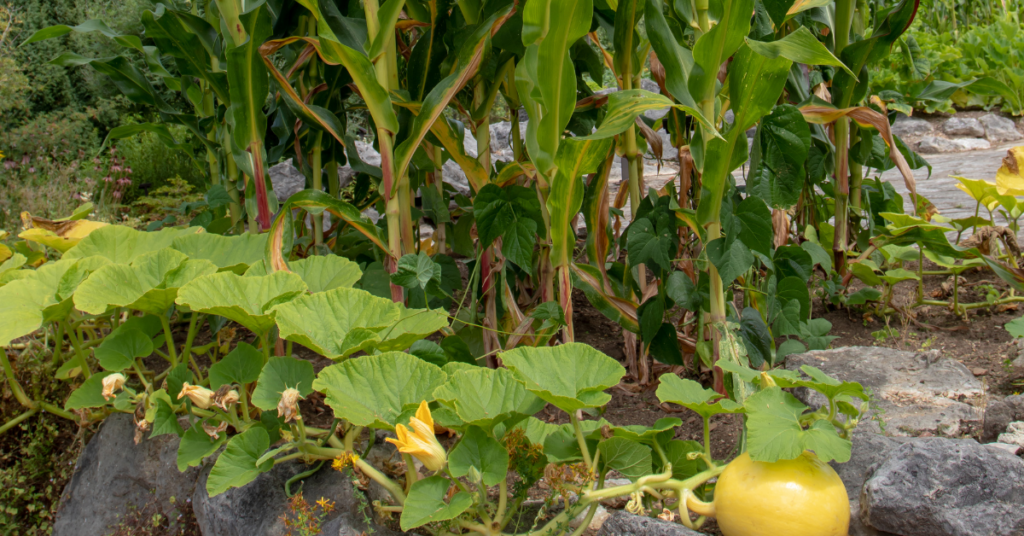
☝️ Plants also share nutrients and amend the soil below ground – in the instance of the Three Sisters, beans fix the nitrogen content of the soil for corn, who has long lost its ability to produce its own nitrogen.
What to Plant?
Herbs Make Excellent Companion Plants
Instead of grouping them all together in a corner, plant them in among your vegetables. Tarragon and marjoram give off a scent that repels most insects. Sage, rosemary, and thyme repel insects that feed on the different plants of the cabbage family. Plant these herbs near your cabbage, cauliflower, and brussels sprouts. Coriander attracts parasitic wasps that are very useful in controlling all sorts of pests.
🖱️ See more on companion planting with herbs here.

Why Not Try Flowers in the Vegetable Patch?
Nothing will make your vegetables happier! Plant borders of alyssum and cosmos; these attract beneficial insects and repel certain harmful ones. Marigolds protect tomatoes from threadworms, and nasturtiums and petunias attract aphids. If you plant them near your tomatoes, the aphids will choose the flowers instead of your tomatoes.
Meet My Plant Friends!
Plant friends are plants that can be grouped together because they mutually help each other grow. Basil stimulates the growth of Tomatoes and enhances the quality of the yield. Chamomile improves the growth and taste of cabbage and onions. It has been found that peas and beans enhance the growth of cucumbers and potatoes. Peas and beans also repel the Colorado Potato Beetle that commonly attacks potatoes and eggplant.
Once you’ve decided who is going where, it’s time to focus on when who is going where.
When To Plant?
It is important to know when the last spring frost date is for your area. Many plants need to be planted after the last frost, so that they don't freeze their little buds off! Follow this guide so that you can have healthy, sturdy little plants that will become good friends in your garden this summer.
| Ten Weeks Before Last Frost Sow indoors: broccoli, brussels sprouts, cabbage, cauliflower, eggplant, lettuce, peppers, and onion |
| Eight Weeks Before Last Frost Sow indoors: tomatoes Sow outdoors: spinach |
| Five Weeks Before Last Frost Sow indoors: marigolds (do not transplant until after last frost) Sow outdoors: peas Transplant: broccoli, cabbage, cauliflower, onion |
| Four Weeks Before Last Frost Sow indoors: cantaloupe, cucumbers, okra, pumpkins, squash, and watermelon |
| Three Weeks Before Last Frost Sow outdoors: carrots Transplant: brussels sprouts, hardened off frost-hardy herbs like chives and oregano |
| Week of Last Frost Sow outdoors: pole beans Transplant: cantaloupe, eggplant, lettuce, okra, peppers, pumpkins, squash, tomatoes, and watermelon |
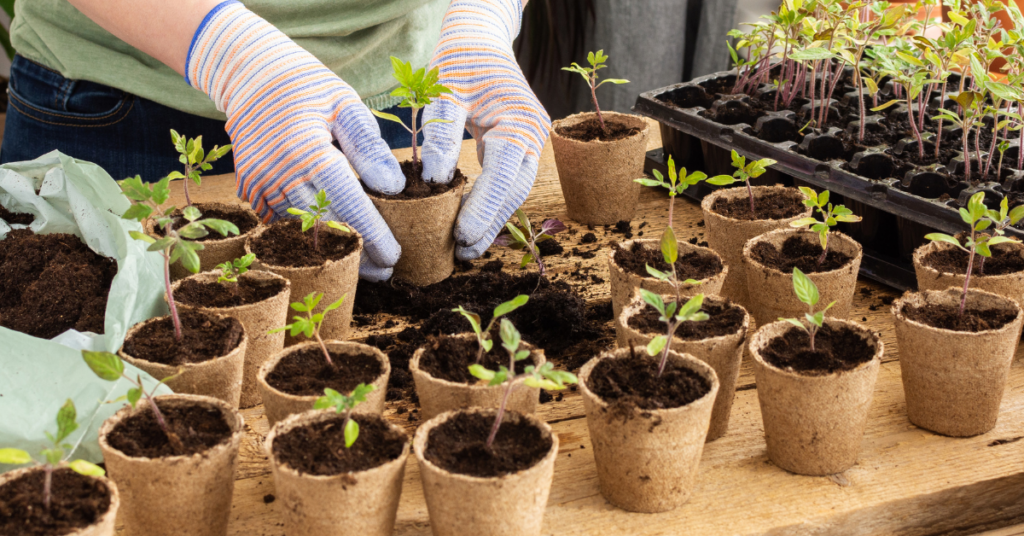
BONUS: Tips on Ensuring Your Seeds Have the Best Start!
🌱 To ensure success it is always best to use fresh, sterile seed-starting mixture (available from garden centres). Moisten mixture about an hour before sowing; it shouldn't be soggy, just as damp as a wrung-out sponge.
🌱 Follow the information contained on seed packets in terms of timing, lighting requirements, sowing depth, and optimal germination and growing temperatures.
🌱 Lightly water freshly sown flats, then cover with plastic dome lid, or if reusing containers try placing them inside a plastic zip-lock bag. At the first signs of germination, uncover or remove from plastic bag.
🌱 As the seedlings develop, wait until the top of the soil looks dry, water carefully using a small watering can with a fine spray. Avoid over watering: soggy soil and poor air circulation can lead to damping off, a fungal disease that can kill seedlings.
🌱 Locate your seeding flat in a bright window but grow lights or cool fluorescent tubes are better. Keep seedlings about eight to 10 centimetres from light source to prevent plants from becoming too spindly. Plug lights into an automatic timer set for 16 hours on, eight hours off. Be careful if you’re using the windowsill method though, as extremes in temperature may occur from hot drying sunny days to frigid evenings.
🌱 When seedlings have two sets of true leaves (the first leaves are called cotyledons — or seed leaves — so wait for the true ones, start feeding once a week with a balanced (20-20-20), water-soluble fertilizer at half-strength, working up to full strength after a few weeks.
🌱 Finally, the plants which have been raised under sheltered conditions must now be hardened off (see more here) before planting out. Gradually lower the temperature and reduce the watering while exposing the plants to brighter light for seven days prior moving them out to a cold frame. Keep an eye on the weather as sudden changes, as it often happens in spring, could spell disaster to your young plants.
We hope your garden is biodiverse and fruitful this year! For more information – and companion plants – visit Eising Greenhouse and Garden Centre this spring! 🌿
By: Ava Green
Spring is the time of year known for new beginnings, and it’s also a very busy season in the garden as we hurry to get everything planted for the summer growing season here in Southern Ontario. But, did you know that fall is also an ideal time to get planting?
Similar to spring conditions, the cooler temperatures and more frequent rainfall make it easier for new plants to transition. This also decreases transplant stress. There’s time for roots to become established, and by springtime, you’ll be enjoying your plants instead of being busy planting them!
Don’t wait too long, though! At Eising Greenhouses, we recommend planting perennials, trees and shrubs before Thanksgiving weekend to give your new plants a little time to settle in before a hard frost arrives. A hard frost, or freeze, is when the temperature dips below zero for an extended period of time, killing tender plants.
What to Plant in Fall
Spring-Flowering Bulbs
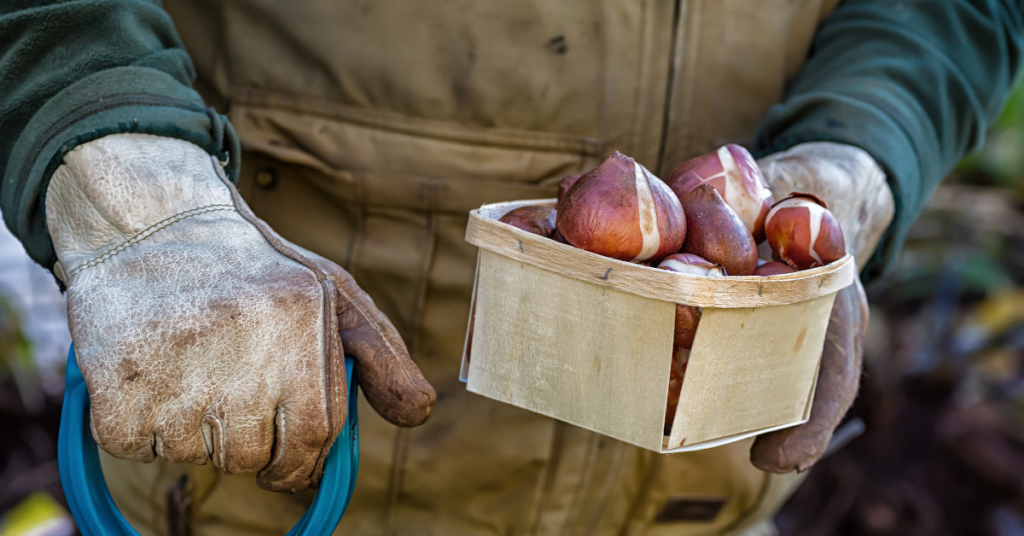
Tulips, Daffodils, Hyacinths, Crocus, Fritillaria and Alliums are just some of the bulbs that need to be planted in the fall in order to enjoy their flowers in the spring. Tulips especially appreciate being planted in cooler weather, but all of these bulbs require a cold period of about 12 weeks in order to grow in the spring. Many bulbs can be planted right up until the ground freezes. But why wait?!
👉 TIPS: While Tulips can be tasty and tempting for squirrels, rabbits and deer, many bulbs like Alliums, Frittilaria and Daffodils are not so delectable. Tamping down the soil after planting your bulbs makes it more difficult for critters to sniff them out. Laying some chicken wire over the area can also help deter from your bulbs becoming a meal for a critter.
Be sure to choose an area to plant your bulbs in that does not stay wet so the bulbs don’t rot.
Garlic
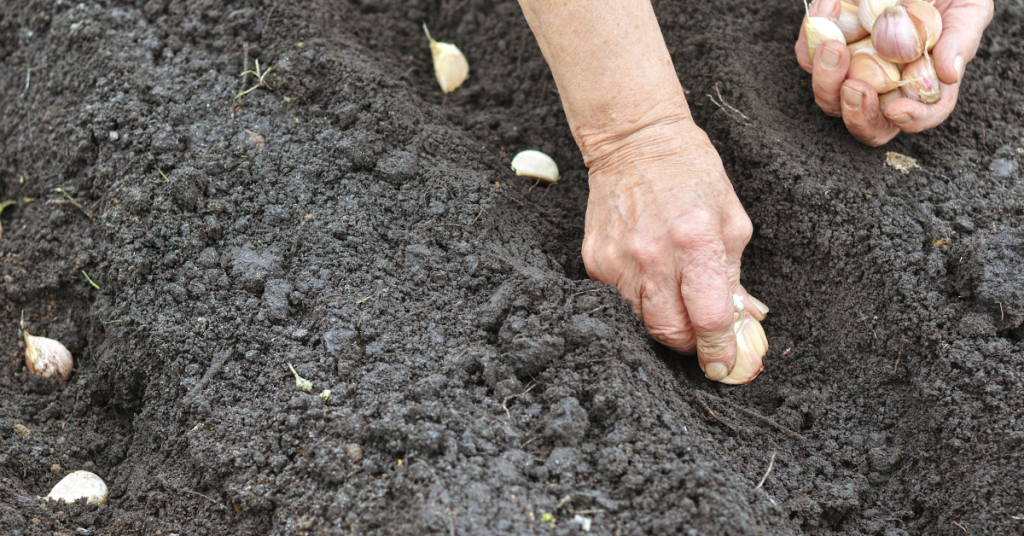
While some folks choose to plant garlic in the early spring, many people choose to plant it in the fall. Why not get started now? When you plant your garlic in autumn, you will have a crop that’s ready for harvest next summer.
Plant, Divide, and Transplant Perennials
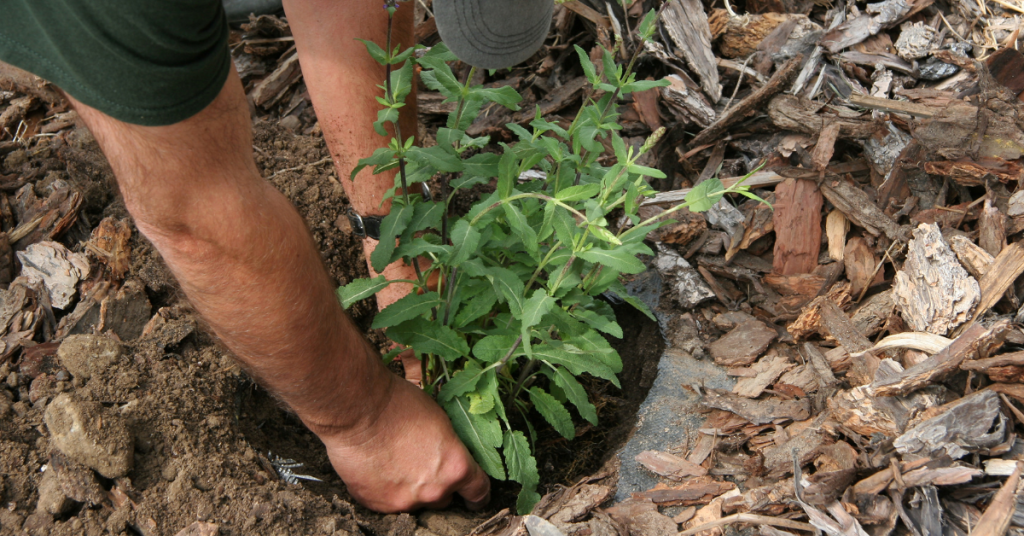
Yes, you can still plant perennial flowers in the fall! Whether you’re purchasing new plants or moving plants around, autumn is a great time of year to do it.
It’s also a great time to divide and transplant spring and summer blooming perennials. Why divide your plants? It’s a great way to revitalize the plant and also to create new plants.
Whether you’re planting, dividing or transplanting perennials, it’s best to do it 4-6 weeks before the first hard frost so that they have time to become established in the soil. Perennial plants will be available for sale at Eising Greenhouses until Thanksgiving weekend, so don’t delay too much!
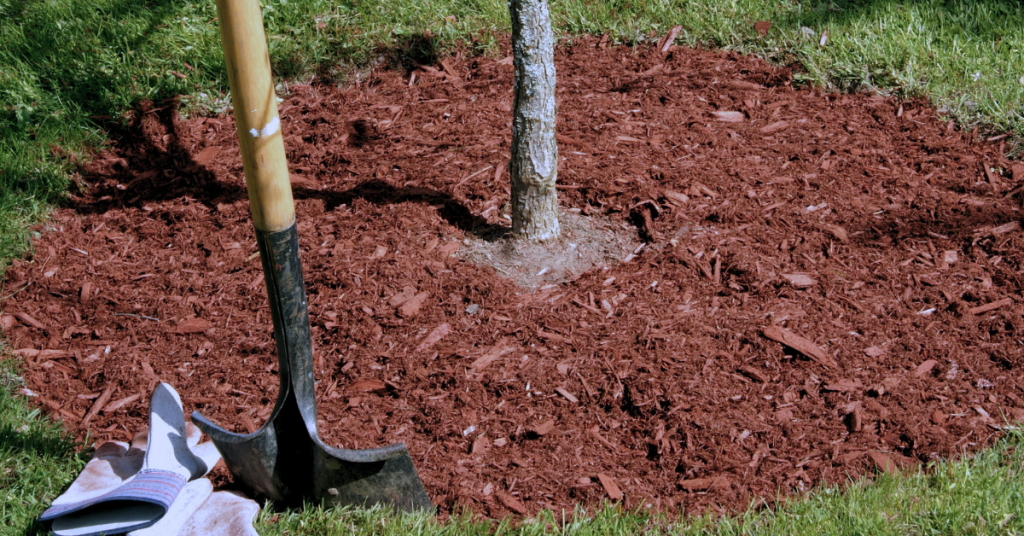
Trees and Shrubs
Container-grown or burlap-wrapped trees and shrubs can be planted as long as you can get a shovel in the ground! However, it’s a good idea to give them a few weeks in your garden before it freezes if you can.
It’s especially nice to see what a tree or shrub will look like in the fall before you plant it.

Peonies
Autumn is the best time to plant and establish roots so your peony is ready to bloom in spring! Planting them 4-6 weeks before the first hard frost will help your plant become established before cold weather descends.
👉 TIP: Be sure to add mulch to trees, shrubs and perennials after planting. But keep the mulch away from the trunks or stems. It’s never a good idea to put decaying plant material right up against a living plant!
Come in and take a look at what’s available, then enjoy the cool fall weather for planting!
Resources: If you’re new to dividing perennials, here’s a handy helper - A Guide to Dividing Perennials by the Toronto Master Gardeners