
Sunny, fresh fashion trends are brightening the 2024 wardrobe landscape right now, and it is inspiring! Dreamy colours and bold florals are blooming inside Sassyfras Boutique at Eising Garden Centre. Take a look at what’s new for May and June 2024!
Bloom Boom
While there are plenty of natural colours and fabulous flowers in the greenhouses, the bold flower and foliage patterns in intense shades in Sassyfras are blooming gorgeous. Sassy floral patterns and colours are hot, hot, hot!


Flattering Frocks
Looking for a dress that you’ll want to wear all summer long? Let’s face it, nothing is cooler or more carefree on a hot day than a great dress. Check out the cheerful patterns, and a range of fabrics and fits for every occasion.
Harmonious Hues
If you've been wearing monochromatic outfits in black-on-black, try switching to pastels or the very popular primary blues available now. Pick a tone or two you love and wear it from head to toe.


Sandy Shades
For a more classic look, choose staples in neutral shades like sand, white, caramel and coffee. Layer similar colours for a polished and subdued palette that conjures images of the beach…and the coffee shop!
Keep Your Cool
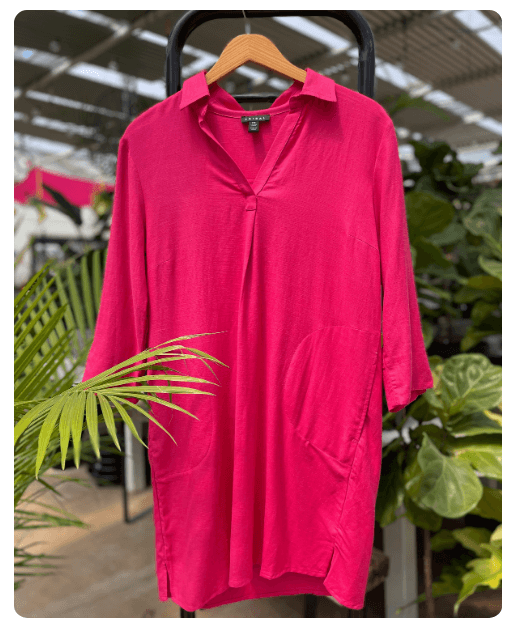
Comfortable, casual and timeless, linen fabric is a popular choice for warm weather clothing. A natural fibre that’s derived from the flax plant, it’s been manufactured for thousands of years. Come in and check out the effortlessly chic brand new linen styles in store. These durable, breathable and lightweight linen creations will soon become your favourites on the hottest days of the summer.
You read that right. Easy houseplants exist, and there are some very cool varieties too. Easy does not mean boring!
Plenty of tropical plants are forgiving and require little fussing—you just need to know which ones and how to care for them.
These plants are generally resilient and forgiving of occasional neglect, making them perfect choices for new growers. When choosing any houseplant, consider your home's lighting conditions and the care you can provide.

Pothos
Pothos vine is one of the easiest houseplants to grow and is perfect for beginners.
Bright and indirect light is what this plant loves, but it will also grow in low light - just not no light.
Allow the soil to dry out between waterings. Too much moisture will cause the roots to rot. The plant’s leaves will droop and let you know when it needs a drink!
Feed Pothos with a balanced fertilizer monthly in Spring and Summer only to keep it thriving.
Ponytail Palm
Give this plant the brightest location in the house. It loves full sun or bright, indirect light. They will survive to 10 Celsius, but this plant loves warmer temperatures.
Be careful not to overwater Ponytail Palms. Because water is stored in the bulbous stem, they only need a drink every 7 to 10 days during the summer. In the winter, cut back to monthly watering.
Use a slow-release pellet fertilizer in the Spring for carefree maintenance.
Trimming the tips off damaged leaves will keep them healthy.


Peace Lily
This plant loves filtered or indirect sun (place it a few feet away from a sunny window or in an east-facing window) and moderately moist soil.
While Peace Lilies love moist and warm conditions, keeping them under-watered is best. Use your finger to check the soil’s moisture. Water this plant when the top inch of soil has dried out.
Use slow-release fertilizer pellets in the Spring or feed the soil weekly during the summer with liquid fertilizer. This plant enjoys frequent feeding during the growing season.
Spider Plant
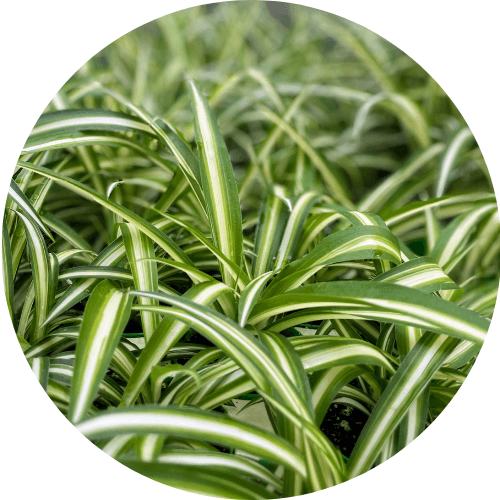
Spider plants are straightforward to grow. They prefer an area with partial sun or semi-shade that is warm.
Keep the soil lightly moist, not soggy!
Use an all-purpose fertilizer during the summer months. Trim off any brown leaves as needed.
Snake Plant
Indirect sun (a few feet away from a sunny window) or a couple hours of early morning sun will keep this plant happy. These tropicals thrive in warm temperatures with no cold drafts.
Do not allow your Snake plant to sit in water! Water deeply, then let it drain only when the soil is dry.
A 10-10-10 balanced fertilizer at half strength once in the spring and again in mid-summer is all the plant food it needs!

One Final Tip
Most houseplants do not like chlorinated or treated tap water. If possible, water your plants with filtered, distilled, or rainwater. If you only have access to tap water, allow it to sit in an open container for several days until the chlorine evaporates.
Following these simple guidelines will keep your plants healthy, and in return, they will provide natural beauty to your home.
There is something about a beautiful cozy sweater that makes cooler weather way more bearable! Layering a new sweater with clothing staples already in the closet can also breathe new life into your wardrobe, and elevate it for the changing season. It can make everything you’re wearing feel fresh again!
Year Round Sweaters
Sweaters are a great way to stay warm and fashionable all year round, especially when you invest in one made from the right stuff. At Sassyfras in Eising Garden Centre, we have Men’s and Women’s sweaters in natural fabrics like cotton, and bamboo which are great choices for several reasons:
- Natural fibres allow your skin to breathe and are less likely to cause overheating. If you’re part of the Hot Stuff club, aka menopausal, that kind of comfort is a definite plus!
- They can be warm without being too bulky.
- These materials tend to be more durable and long-lasting. They are biodegradable and more sustainable than synthetic alternatives.


Sweater Pairings
From a chunky knit to a lightweight turtleneck, there’s a sweater to go with every style and shape.
With flowy pants, a more fitted sweater that’s tucked in or cropped can balance out the silhouette of wide-leg trousers or palazzo pants.
Form-fitting slacks like leggings look great with chunky, or slightly oversized longer sweaters, tunics or cardigans.
For men, choose a casual sweater to wear with jeans or cotton pants. If you’re dressing up, try a fine-knit sweater with dress pants for a more formal outfit.
Overall, sweaters are a great way to add interest with some pattern or texture!
Layering Made Easy
If there’s a perfect outfit for days that start out cold and get warmer, or vice versa, it’s one that’s layered. While it’s easy to grab a coat and head out the door, taking a few minutes to consider the layers you’re using can make all the difference!
- Start with a simple cotton or viscose top, a long-sleeved t-shirt, or a collared shirt. This provides some insulation and is great for moisture-wicking.
- Add a beautiful sweater. A chunky knit, a cardigan, or a pullover. If it’s made from natural fibres, this will provide excellent warmth while still being breathable!
- On cooler days, add a stylish outer layer like a puffy vest, a coat or a jacket. This layer can provide more warmth or water protection plus add an extra element to your outfit.


Accessories Bring It All Together
While you’re in Sassyfras doing your sweater shopping, it’s the perfect time to look for an accessory to bring your look together and make a statement! Here are some ideas to make the most of your outfit:
- For added warmth or a pop of colour or pattern, scarves make excellent accessories for sweaters.
- A stylish bag that matches the overall look and colours can bring together the theme of your sweater outfit.
- Adding a necklace can make a bold statement or instantly dress up a plain sweater.
- Earrings can add a touch of glamour, colour or fun to your sweater ensemble.
- Consider the often-forgotten hat! They can make your outfit more chic, and also keep you warm.
- Mittens or gloves can be both cozy and stylish.
- Colour-coordinated, patterned or contrasting tights are the perfect match with a sweater dress.
- Add a belt to a tunic, sweater dress or cardigan to change the silhouette or shape of your outfit.
Most importantly, experiment and try new things, have fun and find a look that is right for you!
Fall, also known as Pumpkin Spice Season, is well underway. The leaves are changing colour and we’re saying so long to another garden season. But wait! There’s still plenty of enjoyment to be had from your hard-working garden. Temperatures may be falling, but Autumn is the perfect time to squeeze in a few more plants, and to slow down and connect with family, friends, and neighbours by hosting a backyard party.
Autumn Entertaining Ideas
This is a list of our favourite ideas to inspire your outdoor party plans and keep us in mind if you’re looking for decorations like pumpkins, gourds and flowers for your next event. Eising Porch Packages make decorating fun and easy!
Outdoor Movie or Game Night
Bring the patio furniture close to the house to protect everyone from a fall breeze, grab the basket of blankets or throws, warm some cider, and pop the popcorn. There’s nothing like a beautiful Autumn evening, now that the bugs are gone, to enjoy a night under the stars watching a great movie, your favourite team sport, or cracking open a fun board game.

Candy Apples Extravaganza
Create a self-serve candy apple bar with slices of apples on wooden skewers, bowls of dips like caramel, chocolate, hazelnut spread, and almond butter, and small bowls of toppings like mini marshmallows, sprinkles, and chocolate chips.
Harvest Abundance
Fall is the perfect time to enjoy a potluck featuring everything in season, or preserved from the garden. Sweet potatoes, squash, and yes, even Pumpkin Spice. Decorate the table with seasonal fruit, flowers, potted fall plants from Eising Greenhouses and fairy lights to add to the ambience. Maybe even a grazing board packed with favourite snacks.

Wreath or Garland Making Party
Looking to layer your Fall décor on the front door or a fireplace but don’t have a wreath or garland? Pick out a design with friends, and have everyone contribute one item for everyone to use. Forage for items in your yard, or buy them, then get together and create!
Backyard Bonfire
If you’re lucky enough to have a fire pit, or chiminea, Fall is the perfect time to host a backyard bonfire on a cool night. Marshmallows and hot chocolate will make it super cozy!

Oktoberfest Party
You may not want to hire the polka band, but soft pretzels, sausage, and local apple cider should definitely be on the menu. Fill a galvanized tub with ice, and add mason jars with premade drinks to make hosting a breeze.
Pumpkin Painting Party
All you’ll need is a pile of pumpkins and gourds, an inexpensive tablecloth, paint supplies, and some inspiration. It’s a canvas that can be painted over and over, so don’t be afraid to get creative. Kids love this, but so do adults!
Whatever you’re planning, we hope that you enjoy the season. You know where to find us: 814 Cockshutt Road in Simcoe, ON
P.S. Autumn is also the perfect time to plant perennials, shrubs and trees - stop by and peruse the garden centre to find some great last minute garden additions!

As Summer winds down, you may find the plants that have been producing blooms for months are now slowing down, and it’s time to add a touch of fall to your gardens and décor.
Wondering where to begin? We’re looking to nature for inspiration, and sharing our favourite ideas and tips to create your own cozy sanctuary, inside or outside.
4 Easy Steps for Fall Decorating
1) Switch It Up
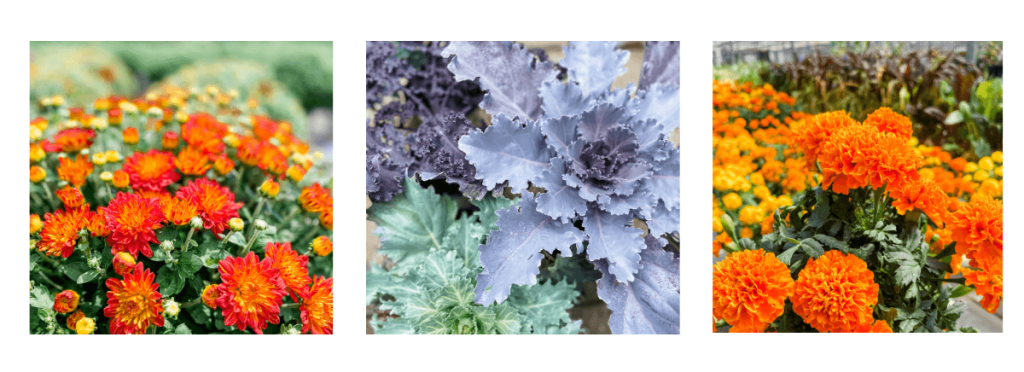
Remove summer annuals and planters that are looking tired in the garden, and replace them with plants that will carry you through the fall, and cooler weather. At Eising Garden Centre you’ll find ornamental peppers and kale, amaranth, and of course, chrysanthemums. Or, try out our very popular Porch Packages which will be available beginning September 9, 2023. Choose all the plants and pumpkins you love from the Porch Package list and create a fall mood anywhere in one swoop! Just pick it, drop it, and you’re done. How’s that for making decorating fun, fast, and easy?
2) Mimic Nature's Colours
Take your cue from what’s in the garden now. Warming colours found in nature are a sure sign of Autumn and can warm an indoor space too. Try popular muted shades of orange, moss green, coffee, turmeric, and rust. If your style is monochromatic, and you have a display of white flowers, try adding one bright orange chrysanthemum.
3) Layer Textures - Here's How
Is there anything more inviting than a chunky knit throw on a cool autumn day? Adding throws that are knit, or made of rich fabrics is the first step in creating a cozy sanctuary. If you’re heading to the backyard for a gathering, bring along a basket of throws for guests. Along with a throw, add some pillows in seasonal colours and prints, like a bold plaid. If your sitting area is neutral, or muted shades, try adding a pop of colour with a pillow to brighten things up.
Last but not least - flowers and plants bring an indoor space to life! Buy a wreath or garland, or make one, using dried hydrangea, boxwood, cedar, or any garden material that looks good right now. Adding a vase or container with dried pampas grass, and dried hydrangea or fresh flowers will enhance the natural theme and layers that you’re creating.
Layering also works for fall fashion. It’s practical, with daytime temperatures fluctuating, but layering is what creates a great fall look. Jeans and a cozy top, layered with a shacket is perfect for Fall weather.

4) Light and Scent
Two essential and often overlooked aspects when decorating are embellished lighting, and warm, inviting scents. Fairy lights, a glass lantern and votive candle, paper lanterns, a string of bulbs, and a really beautiful candle all go a long way to adding that final bit of magic to your sanctuary. Stick with warming, woodsy scents in your dried arrangement by adding a drop of essential oil, or when using candles.
Another great way to add beautiful scents is to make, or warm up a delicious baked treat! Family and friends are sure to gather when the smell of an apple pie wafts from the kitchen. Now that everything is looking so festive, why not have a party? Coming up soon, we’ll share some fun fall activities to enjoy in the backyard or the living room.

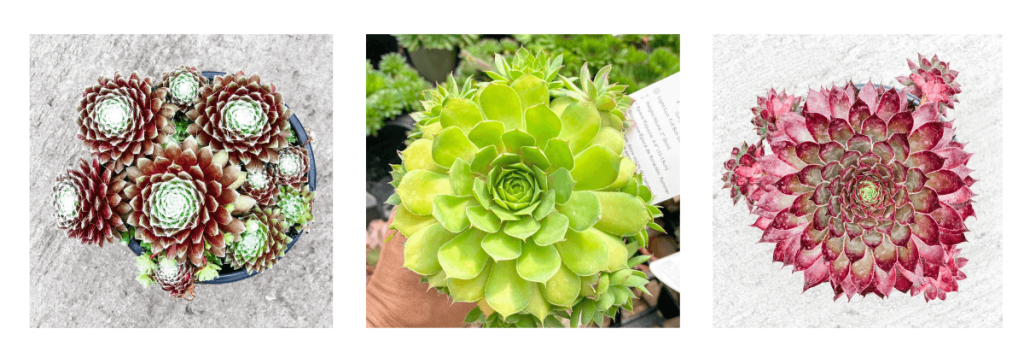
In this case, the plants Hens and Chicks, not the feathery friends.
Sempervivum, also known as Hens and Chicks or Houseleek, are a group of succulents that are becoming very popular in Southern Ontario. Here’s why these cold hardy perennial plants are gaining attention.
Low-maintenance
Low-maintenance is the item on everyone’s checklist, right? Hens and Chicks are known for being no-fuss. Sempervivum require very little soil, fertilizer or water. They’re sun-loving, hardy, resilient, and drought-tolerant. When you don’t have a lot of time to garden, you’ll be grateful that your Hens and Chicks need minimal care once they become established.
Versatile, and Did We Mention Low-maintenance?
Sempervivum will grow in full sun to partial shade, and average to poor soil as long as they have good drainage. They will manage just fine in poor soil and harsh conditions like heat and cold! This makes Hens and Chicks the perfect candidate for that spot in the garden where nothing else wants to grow. The spot that’s too hot, or too windy, the soil is rocky or gritty and not ideal or it’s eroding, like on a slope.
These rugged warriors can be grown on rooftops, ledges, walls, in rock gardens, hanging baskets, troughs and containers. Just make sure there are drainage holes. Too much water is their only enemy and will result in their roots rotting.
Chick Charms
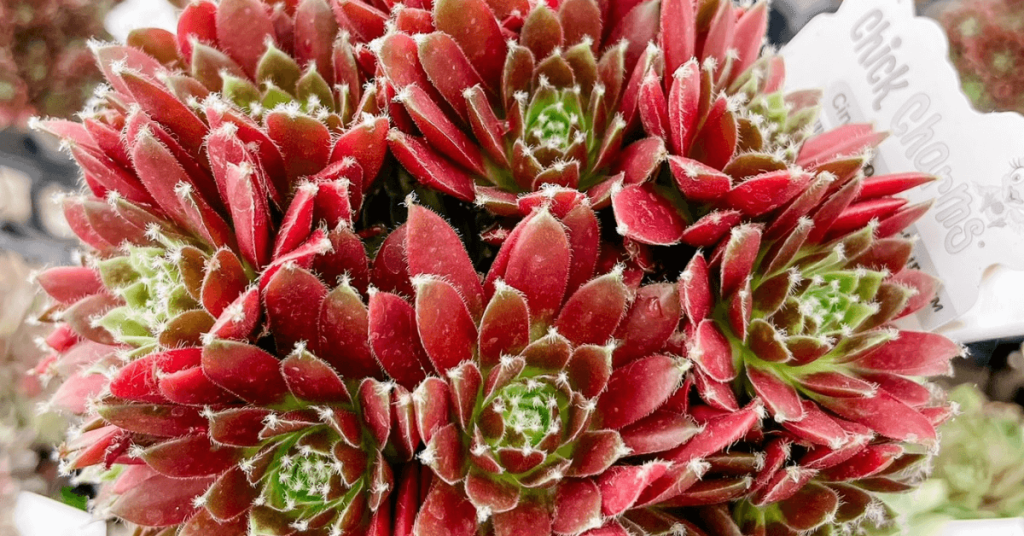
While most Hens and Chicks are low-growing, 8-15 cm tall, they will all spread 30 cm and more - as much as you like, really. This is because they produce small plants, known as “chicks” or offsets around the main plant. The “Chick Charms”. Chicks can also be transplanted to start a whole new plant.
Tough and Beautiful
As a ground cover, Sempervivum can add visual interest and contrast to a border of annuals or perennials.
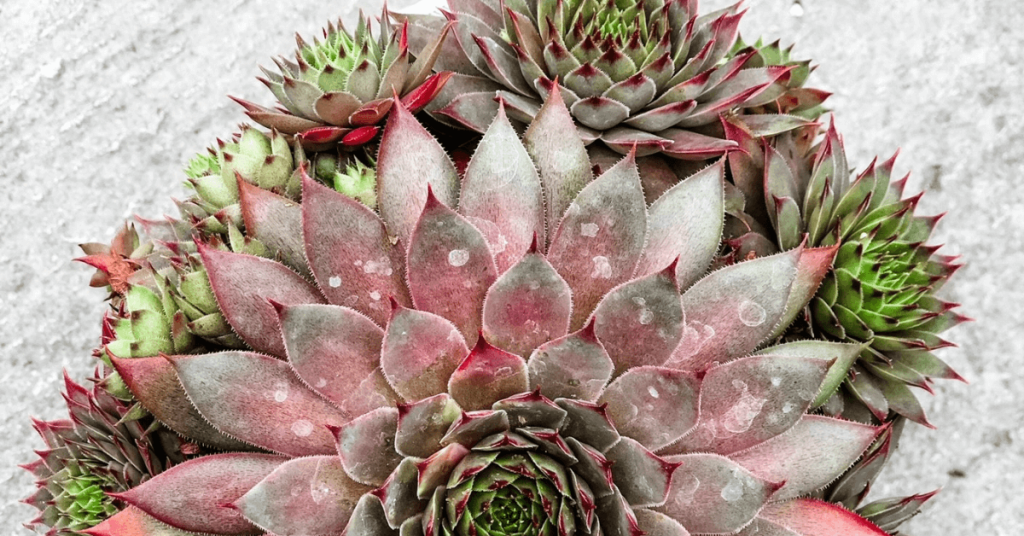
While they’re known for their pretty rosette-shaped clusters of foliage, you may not realize that Hens and Chicks also come in a variety of colours, and produce stunning blooms in summer.
Once a plant blooms, deadhead the flower and pull up the soft parent plant with it. The plant dies when it blooms, but new chicks will grow and replace it.
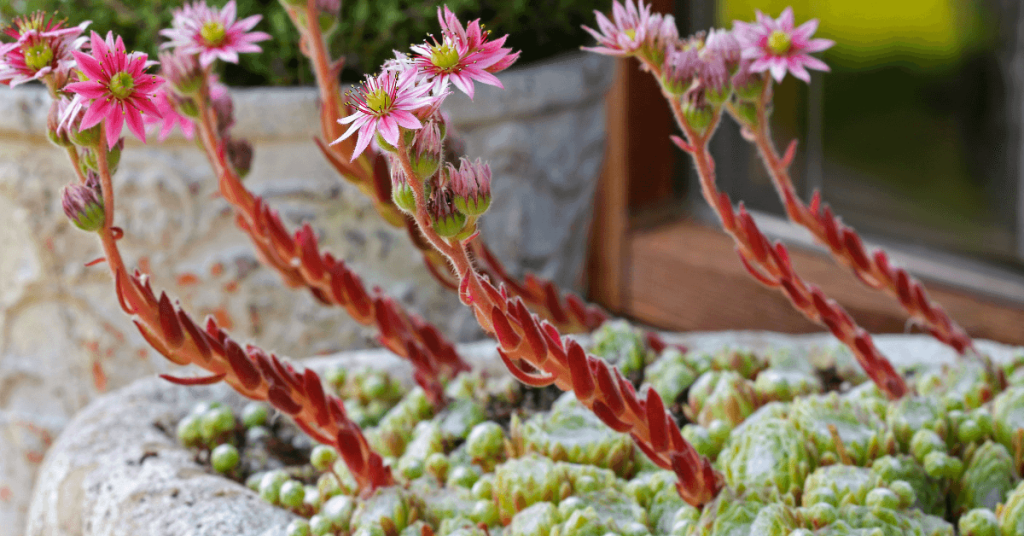
Hens and Chicks fleshy leaves make them less attractive to many garden pests and they are generally resistant to diseases. Tough plants for sure, and worthy of a spot in the garden. The next time you’re in Eising Garden Centre, we recommend that you peruse the Sempervivum section here in Simcoe and give these outstanding succulents a try!
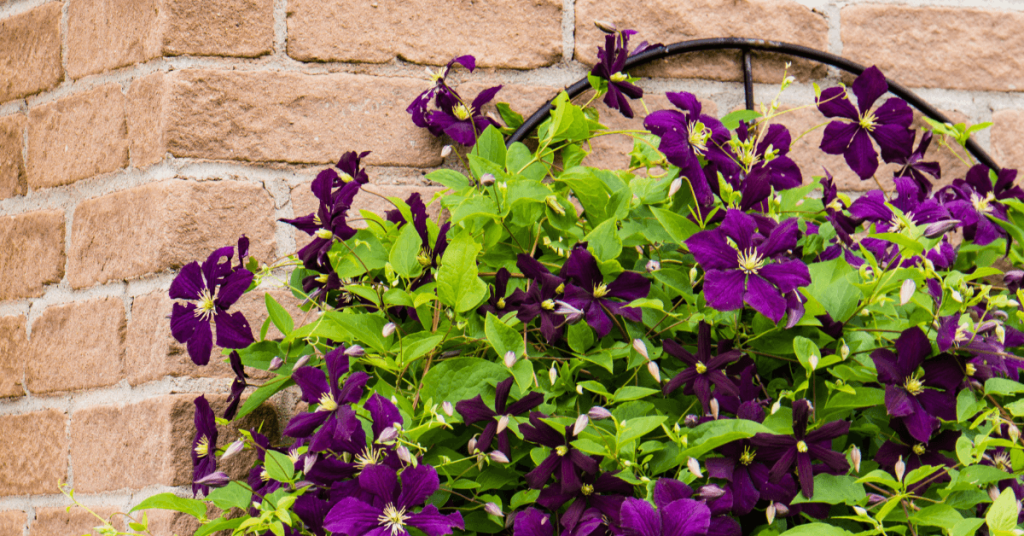
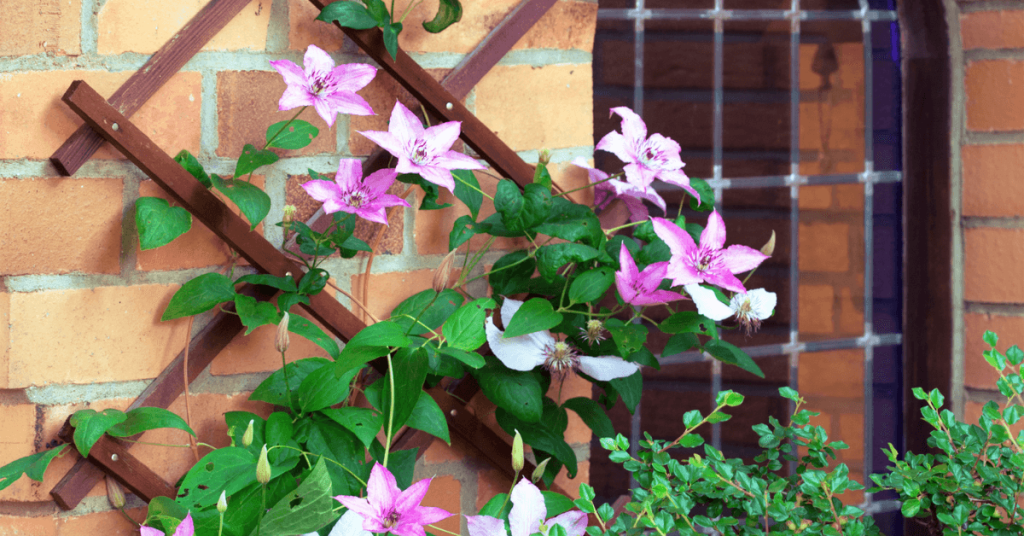
Clematis, the climbing plant that looks far too elegant and exotic to be growing in Ontario! Not only beautiful, Clematis gets along well with climbing roses (this is a gorgeous combination), trees, shrubs, and perennials. Different varieties of Clematis can also be grown together and provide a succession of blooms!
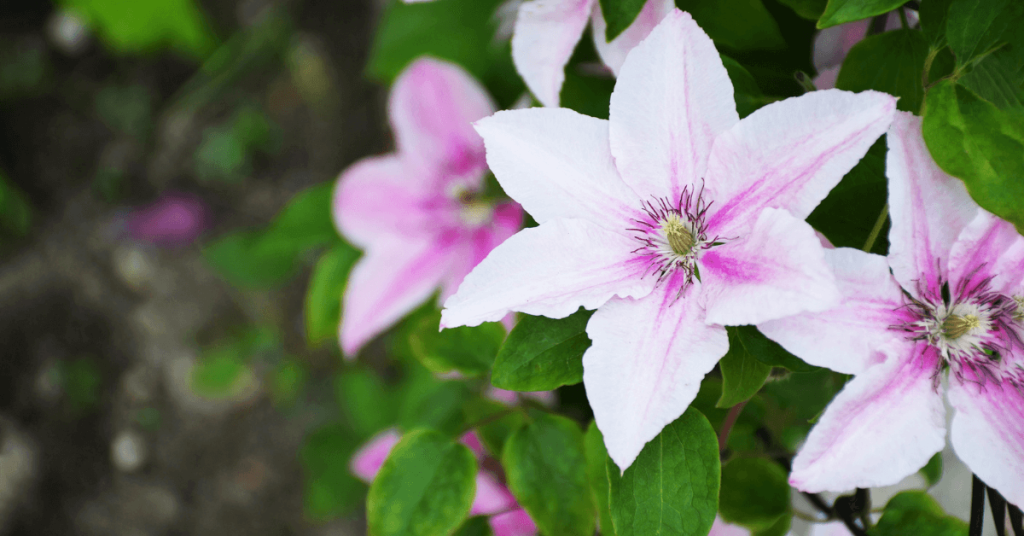
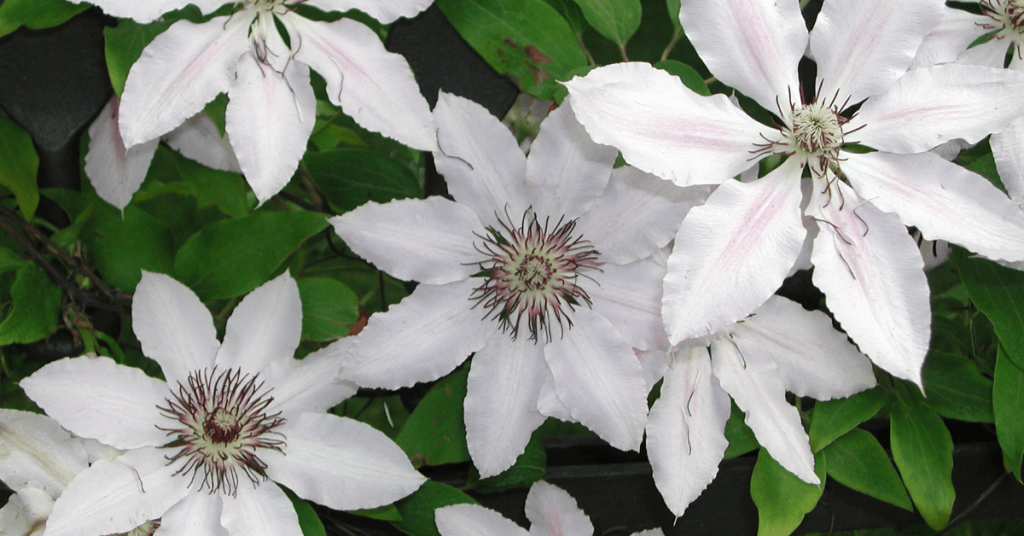
The variety of shapes, sizes, and colours available make Clematis a very desirable plant. Ranging from delicate, white, bell-shaped blossoms to dreamy, pastel rosettes, or sumptuous, deep purple double-flowers, and everything in between.
A stroll through the garden centre is a must to peruse Clematis labels and choose the ones that are most appealing to you. The varieties that we have will all suit our southern Ontario climate.
While the blooms vary widely, planting Clematis is straightforward. A few simple considerations when planting will help avoid root stress or Clematis Wilt, which are common problems when the location is wrong and the soil isn’t enriched. Here are some simple steps to ensure success!
Location, location, location!
Clematis like at least 6 hours of sunlight a day, but not an excessively hot location. Some shade in the late afternoon will extend the length of time that a bloom looks good.
Provide Support
A trellis, archway, arbor, or even a shrub or tree, all make excellent supports for your clematis. Install a well-secured support system first, to avoid damaging your clematis roots.
Soil is the Key
Fertile, well-drained soil is essential to successfully growing Clematis. These vines are heavy feeders and require nutrients to produce their show-stopping flowers. Prepare your soil by mixing in plenty of compost or well-rotted manure.
Prepare the Planting Site
Dig a hole that’s as deep as it is wide. Use the plant as your guide and dig approximately 13 cm or 5 inches deeper than the root ball. Add some of the soil that’s been amended with compost, then check to see that your plant is sitting at the right height - the top of the root ball should be even with the soil around it. Once the root ball is sitting at the right height, backfill the rest of the hole with more amended soil and gently firm the soil around the plant with your hands.
Watering
Water deeply after planting, and keep the soil and root ball moist, not water-logged, throughout the season. Be sure to water at soil level, not with an overhead sprinkler which can scorch leaves and flowers.
Mulch
Mulch the soil around your plant to help suppress weeds and maintain moisture. Compost, organic shredded bark, or straw works well.
Fertilizer
Fertilize regularly throughout the season, or apply a slow-release fertilizer at the beginning of the season to maximize the blooming potential of your Clematis. For more information about fertilizer, see this article about caring for annuals and perennials.
Pruning
Pruning instructions are often included on your plant label as requirements vary from variety to variety. If in doubt, there are many growers who recommend pruning early blooming Clematis a little, after they bloom, to maintain the desired shape of the plant. For later blooming types, cut the vines right back to 45-60 cm in early spring.
Following these steps will provide a healthy environment for your Clematis to thrive. But be careful, Clematis are like potato chips - bet you can’t have just one!
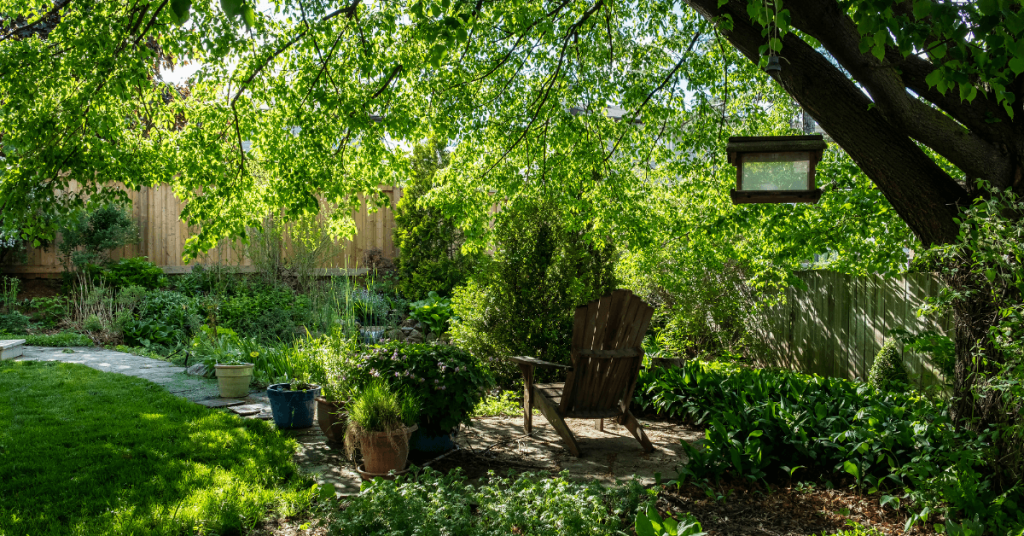
Ah, the sanctuary of a nice, cool shade garden on a hot summer day. Lush foliage comes to mind, and maybe a nap in a hammock. But what do you do when you have a shady spot in the garden that isn’t so lush and could use a boost? A planted container or two can be just the thing!
Here’s a scenario that can happen to any of us. A plant isn’t doing well and needs to be moved. Or maybe something just didn’t survive. Now what to do with that gap? The beauty of planting in pots is that you can move them around, but also create conditions for plants that you might not have in the garden. For example, one of the toughest places to grow anything is in dry shade - tree roots can compete for space and for moisture. That’s when planting in a container, or several is the way to go.
What is a Shade Garden?
In general, a shade garden is an area that gets less than six hours of sunlight in a day. When choosing plants, remember that some will tolerate shade better than others. When it comes to plants, shady areas are divided into three categories:
- Full shade - no direct sunlight, only reflected sunlight from surrounding areas
- Partial or Semi shade - in the sun for part of the day and shade for the rest
- Light shade - sunlight that is filtered, like under a tree with smaller leaves

Choosing Containers and Pots
While containers can be made out of a variety of materials like plastic, concrete, wood or fiberglass, the key is using a pot with at least one drainage hole.
Keep in mind that smaller pots will dry out more quickly. Larger pots retain moisture longer, but when they’re full of soil and plants they get heavy. Look for a Goldilocks pot that’s “just right”, or splurge on a Schwarzenegger-sized pot if you’re looking to build up those biceps!
Whatever pot size you choose, always use a growing medium that’s designed especially for containers. At Eising Garden Centre you’ll find potting mix which is light and airy, unlike garden soil, which will compact and retain too much moisture. If you’re using a big container, you may want to use a smaller, more shallow pot as an insert, or put natural mulch in the bottom before you add potting soil. Doing this will reduce the amount of soil used, and keep the container lighter as well.
Plant Selection
This is the fun part! While many plants do well in pots, here are just some of our favourite shade plants for containers:
Coleus
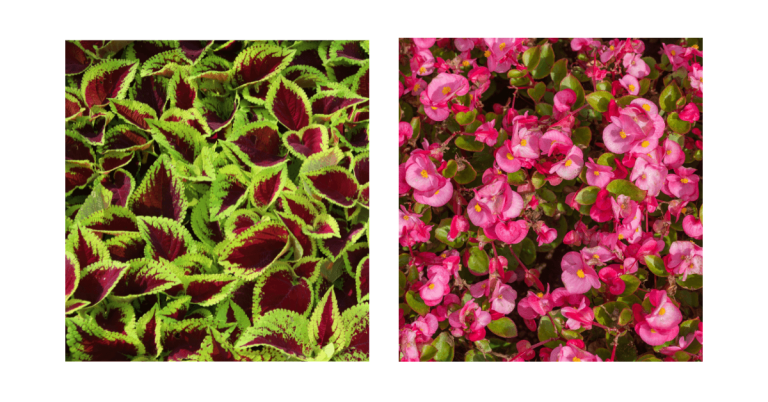
Coleus is an annual that will grow in full shade and comes in a variety of very interesting leaf colours. This plant is known for its vibrant leaf colours, not its blooms.
Begonia
Begonias come in a wide variety of shapes and colours, making them a versatile annual for containers. Some varieties are happy in full shade, while others like light, or filtered shade. Most begonias like good drainage so their roots are not too wet.
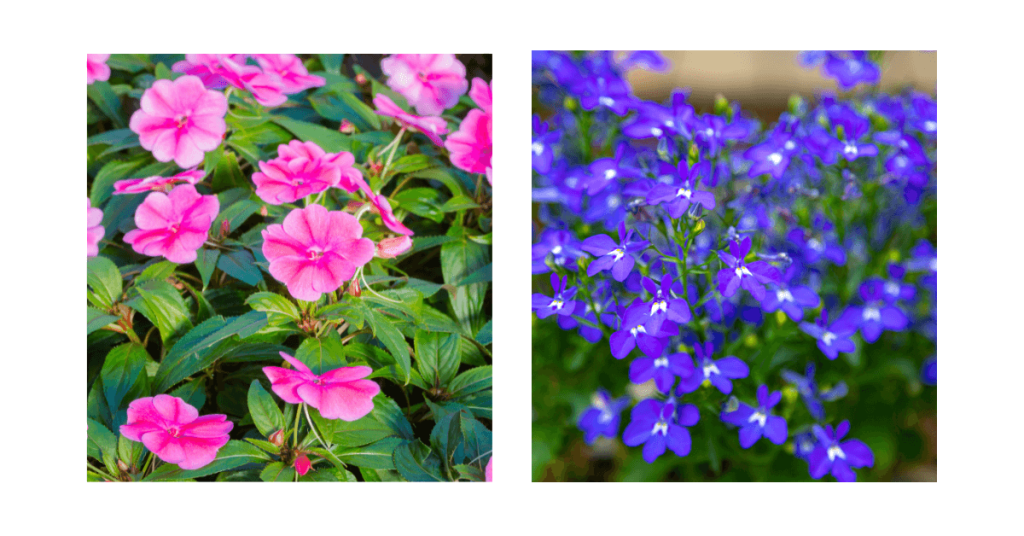
Impatiens
These annuals are popular for a reason! They come in a wide range of very brightly coloured flowers that do well in full shade.
Trailing Lobelia
The trailing type of Lobelia is an annual that grows well in shade. The masses of prolific blooms come in many pretty colours to mix and match with other plants.
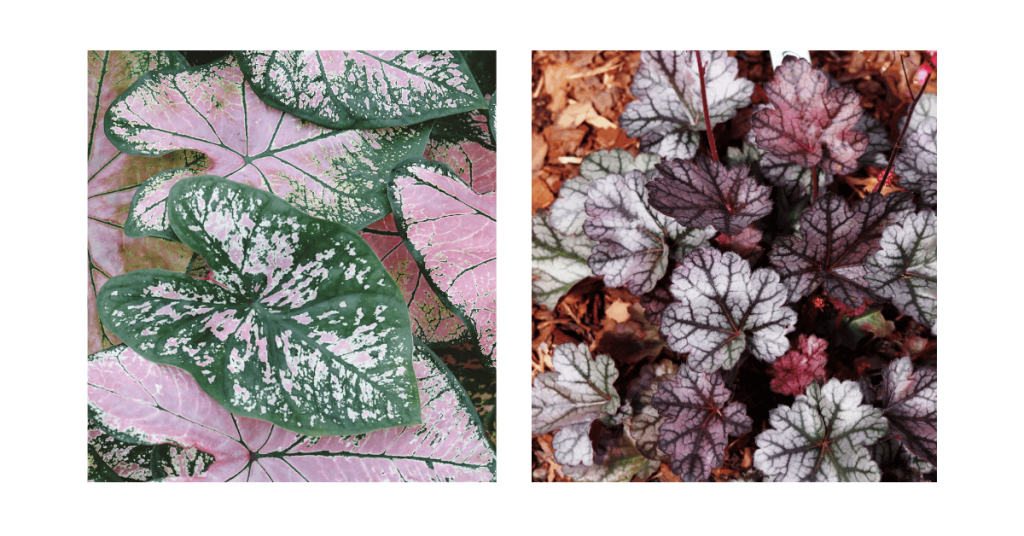
Caladium
A showy annual with vibrantly coloured leaves that will illuminate any shady area. Caladiums like partial to full shade but if you’re a pet owner be careful - this plant is toxic to cats and dogs.
Heuchera or Coral Bells
Coral Bells are perennials that also come in a wide variety of beautiful leaf colours. This plant will thrive in shade, but can also tolerate some sun and they are drought tolerant.
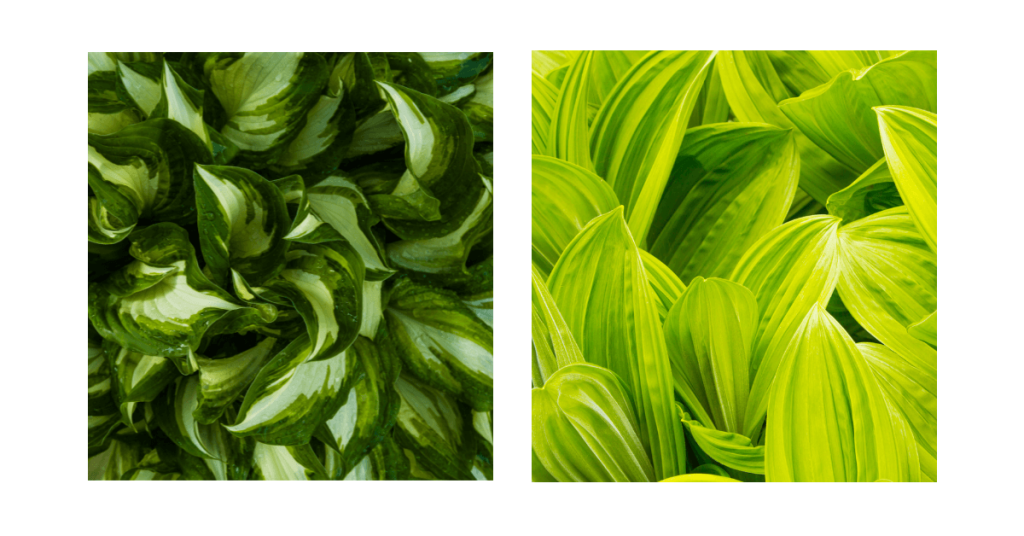
Hosta
Known for its lush foliage, this perennial comes in such a wide variety of sizes, colours, and sun tolerance, and is by far a favourite. Many people don’t think of it as a container plant but for all of the features mentioned, it makes a great choice as a potted plant.
Fertilizer
Like all plants in containers, check the moisture levels often and provide water and fertilizer throughout the growing season. This article contains more information on caring for annuals and perennials.
Design
While you can mix and match any plants for shade containers, this article about container design ideas for sun-loving annuals may inspire you!
As mentioned above, many plants will do very well in containers. It’s also fun to experiment with annuals and perennials you can’t necessarily grow in the garden, or for anyone with a patio or balcony. Don’t be afraid to mix annuals and perennials together in a container, or to use one statement plant. Some potted plants will need extra protection in the winter like perennials, small trees, and shrubs, but growing plants in containers is a great way to add a splash of colour, or include some bold foliage in tough-to-grow areas.
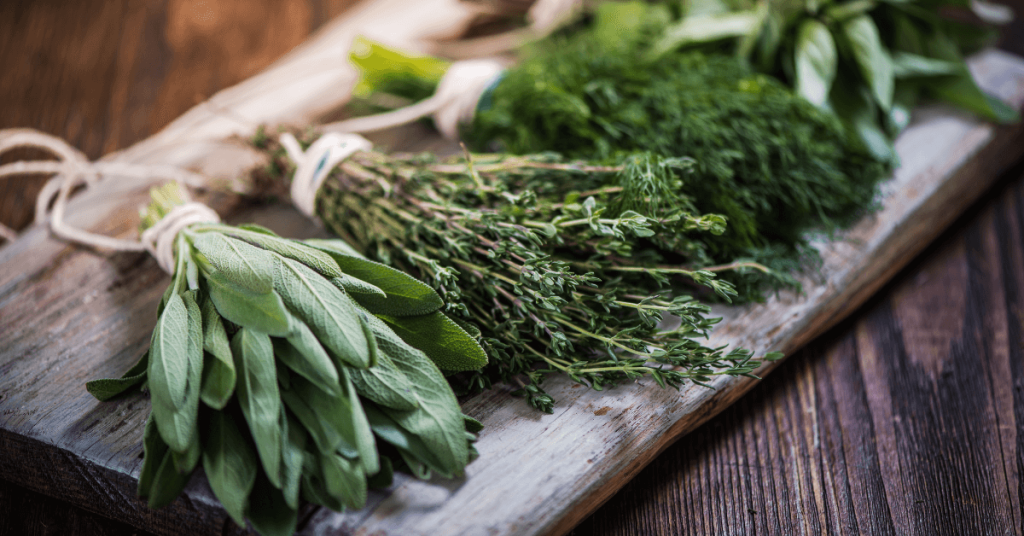
If you have some space in your flower or vegetable garden, growing herbs is definitely worth it! Many are drought tolerant, do well in containers, require very little care, and can provide a bountiful harvest all summer long.
Buying herbs at the grocery store is often pricey. Growing them at home, using the tips below, helps to ensure a steady supply for a fraction of the price.
If you’re not accustomed to adding herbs to meals at home, buying a plant is a great way to experiment and see which ones you like. If you try Cilantro, for example, and don’t like it, place it in a nice pot and take it as a hostess gift the next time someone invites you to a barbeque. Especially if you’re coming over to our house, we love it!
Herb Growing Tips
- Like many other plants, there are perennial and annual herbs (annuals don’t survive an Ontario winter and need to be planted each year). Perennial or annual may determine where you plant your herbs in the garden.
- Most herbs are drought tolerant and enjoy full sun. The amount of water and sun can vary slightly, so it’s good to note watering and light needs for the herbs you’re growing.
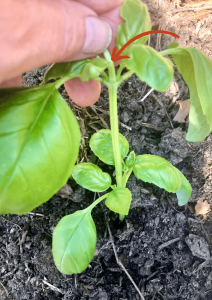
- The more you trim herbs, or “give them a haircut”, the more your plant will thrive. Start trimming them early - when they’re about 4 inches tall, and do it often! This will make your plants more sturdy and bushy.
- Regular pruning ensures that your herbs don’t flower! While this is the goal with many other plants, it’s not what you want with herbs. A plant will focus on producing flowers and seeds, and stop producing the leaves that you want to harvest for herbs!
Here’s a list of our favourite herbs to grow in Southern Ontario, and how to care for them.
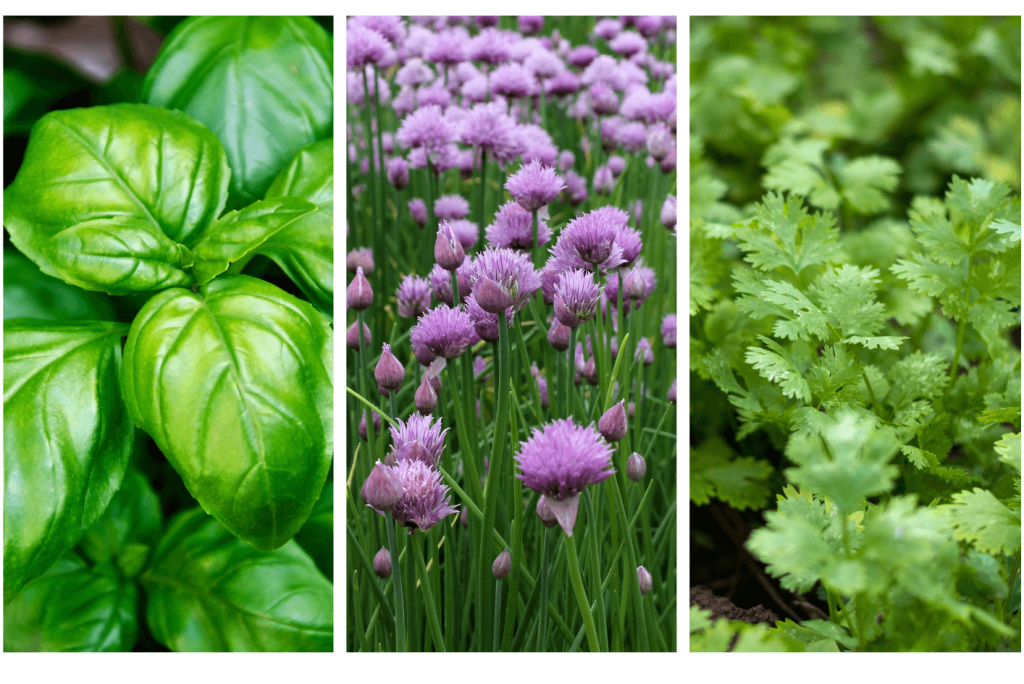
Basil - Annual
If you’ve planted tomatoes, it just makes sense to add a few basil plants! The tomatoes will love them, and so will you on your toasted tomato sandwiches. Basil loves full sun, and evenly moist soil.
Chives - Perennial
Chives are one herb that you may want to allow to flower. Its blossoms are great for flavouring vinegar, and the plant will still produce mildly onion-flavoured stems. Chives like full sun but will still grow in partial shade, and once established they only need watering during dry spells.
Cilantro - Annual
To some people with a very specific gene Cilantro tastes like soap! For everyone else, it’s one of the most delicious herbs and a taco wouldn’t be the same without it. Cilantro prefers part shade, but will tolerate full sun. It can be allowed to dry out, but it may flower prematurely if it gets too dry.
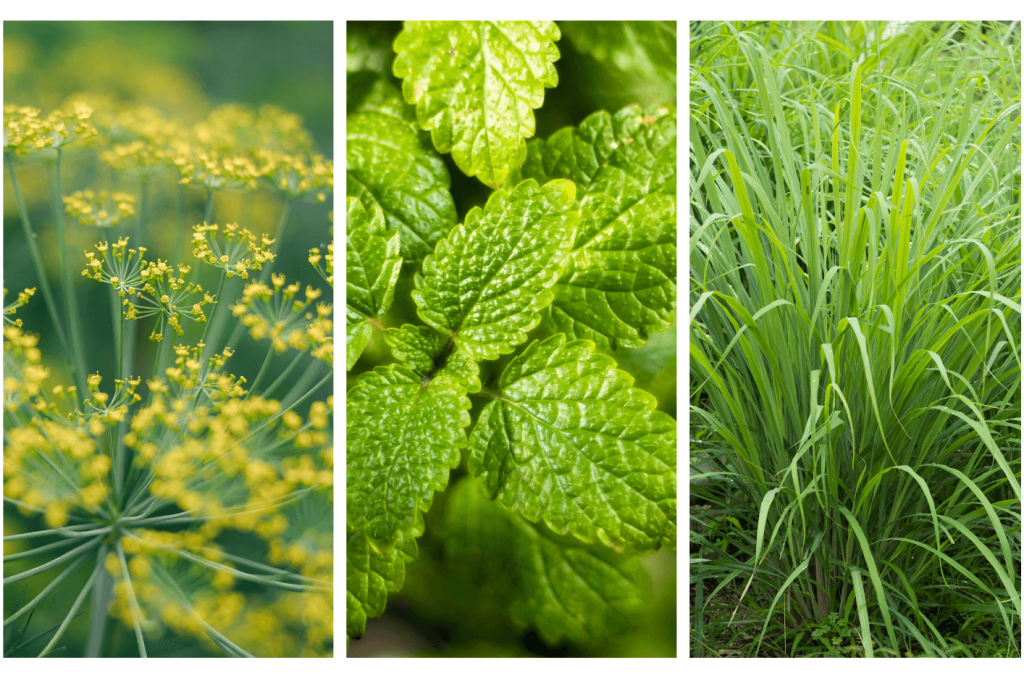
Dill - Annual
While Dill is considered an annual, many people in Ontario find that if you allow it to eventually go to seed, it will reseed and grow again the following season. No guarantees. But worth a try, right? Dill plants love full sun, and their roots just slightly moist.
Lemon Balm - Perennial
Fresh leaves can be used to make tea all summer long, or can be dried for winter use. But this versatile herb can be used for many things from pesto to cookies! Grow Lemon Balm in full sun to partial shade, and keep the soil moist for optimal growth.
Lemongrass - Annual
A staple in Thai cooking, Lemongrass is a great addition if you love to cook. Full sun and moist soil will keep this herb happy and producing lots of lemony stalks. You might want to try bringing it indoors for the winter as well.
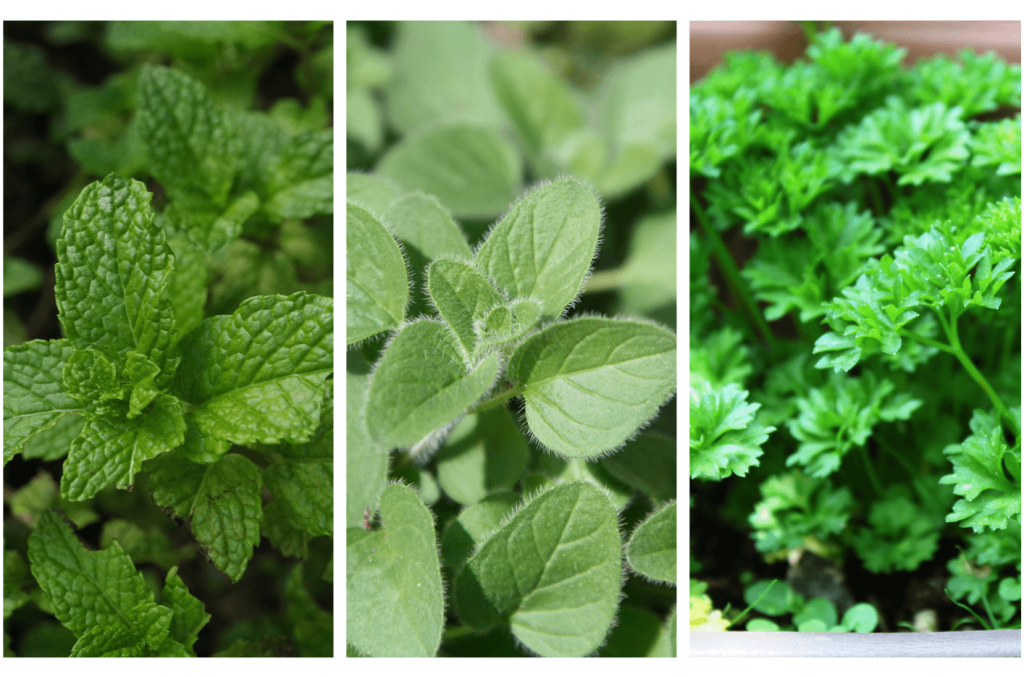
Mint - Perennial
This herb comes in so many variations that are just simply delicious - spearmint, peppermint, apple mint, chocolate mint, and more! But this is one plant you’ll want to keep in a pot, well away from garden soil. It’s also one to trim before it sets seeds or you will have a garden that’s full of mint! It can be invasive. It will thrive in full sun but will stand some shade, and it likes moist soil.
Oregano - Perennial
For obvious reasons, (tomato sauce) Oregano is a great addition to the garden. It will spread and reseed throughout the garden if you let it go to seed, but some people like this feature and use it as a groundcover or border for a perennial bed. Oregano likes full sun to partial shade and once it’s established it is very drought tolerant.
Parsley (flat and curly) - Annual
There was a time when every restaurant meal was adorned with a sprig of Parsley. It’s pretty. But it’s also an underrated culinary herb and can add wonderful flavour to soups and stews as well as other savoury dishes. Keep this plant moist and in full sun to part shade.

Rosemary - Annual
Is anyone else addicted to bread with olive oil, salt and Rosemary? It can’t just be us! This is another garden staple that loves full sun and slightly moist soil. It can also be brought indoors for the winter, but be sure to keep the soil from drying out completely.
Sage - Perennial
Perennial, with a caveat. In Ontario, it’s best to provide some winter protection for this plant if you want it to survive the winter. I’ve had reasonable success with bringing it indoors for the winter, or it can be treated as an annual. Sage likes full sun and moist soil but don’t overwater this one! It does love the heat of summer and will produce a nice big plant once temperatures heat up.
Thyme - Perennial
Thyme is just so good in so many things - vegetables, meats, soups, and of course stuffing! It’s easy to grow if it has well-drained soil and full sun. Once it’s established it is moderately drought tolerant and can be harvested from early Spring until Winter.
Like all herbs - don’t forget to give it frequent haircuts!
At Eising Garden Centre you’ll also find many more herbs to grow and enjoy. Do stop by and give them a try!
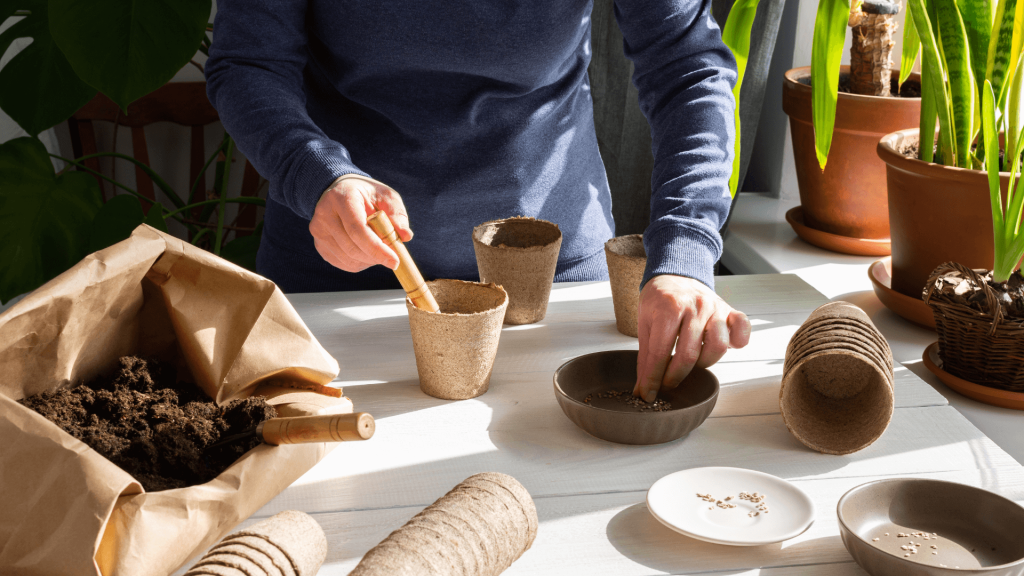
March is the month that many of us have waited for all winter. It’s seed-starting time for lots of heat loving vegetables, herbs and flowers that will be transplanted outside in May or June.
It’s also time to plan for cool weather crops. Cool weather crops?! This can be a revelation to many of us who are new to growing vegetables. There are two kinds of vegetable plants; heat loving and cold hardy. On average, most cold hardy veggies can withstand temperatures of -4 celsius and can be planted out weeks before the last frost date, especially if they are covered. We’ve listed some covering ideas at the end of this article.
So where do you begin? If it’s your first time starting heat loving vegetable seeds indoors, try beginning with one or two vegetable varieties that you love. How about an heirloom tomato that you just can’t find grown anywhere else, or some super hot peppers to spice things up? The seed carousels at Eising Garden Centre are fully stocked with vegetables and flowers right now so it’s the best time to come in and find something exciting to grow! Check the back of each seed packet, it will tell you how many weeks before the last frost date (around May 24th here in southern Ontario) to start your seeds indoors. There are also a few supplies you’ll need to get started - instructions and the essentials are listed in this blog post. It takes a little more work to start seeds indoors, but it can be very fulfilling and it does allow you to grow things that are unusual.
If starting seeds indoors sounds like too much work, we’ve got you covered - visit Eising Garden Centre in May to shop our wide selection of vegetables, herbs and flowers that you can easily transplant and enjoy!
If you’re eager to get gardening, why not try some cold hardy veggies? In Southern Ontario, cool weather vegetables can be planted early in Spring. This allows you to grow and harvest a whole crop before the heat loving veggies like tomatoes and peppers, and most annual flowers get transplanted around May 24th (hardiness zone 6b), or when overnight temperatures are regularly a minimum of 10 celsius.
Here are some cool weather vegetables to consider planting as soon as the soil in your garden is workable (not frozen solid):
Lettuce is a crop that you can direct seed or transplant early, and it can be seeded every two weeks throughout the spring and fall for continuous crops. Lettuce seeds will germinate in about 7 days at a soil temperature of only 10º celsius but the optimal soil temperature is between 16-24 degrees. Do not worry about running out to buy a soil thermometer, or waiting until the soil temperatures are exact - all of the cool weather crops will germinate at slightly lower temperatures, they’ll just take a little longer. We also offer lettuce plants in the garden centre in early May if you would like to transplant established greens. Starting with a few plants, and some seeds will ensure a continuous crop of lettuces for several weeks.
Lettuce can be grown in the shade in early summer. It will last longer in the shade as temperatures climb, and not bolt (plant begins growing seeds instead of leaves, making leaves on the plant bitter) as quickly.
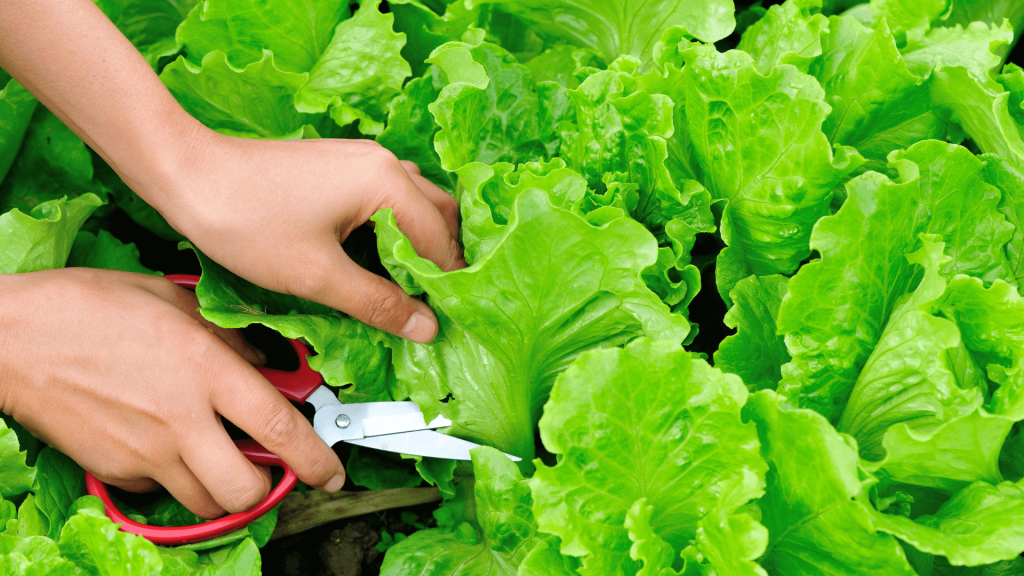
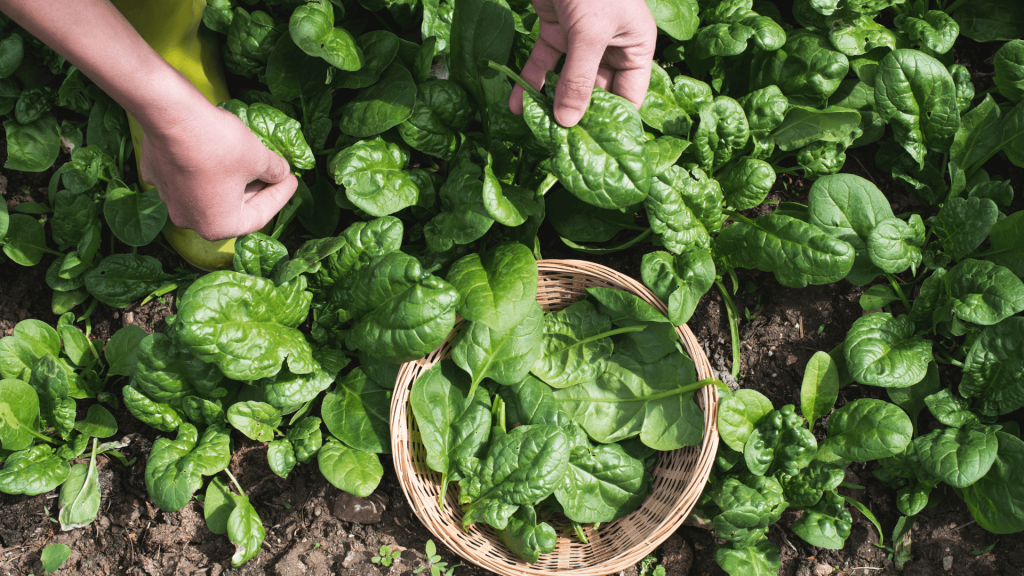
Spinach and Arugula like lettuce, are very well suited to germinating early in spring or in the fall. The optimal soil temperature range for germination is 18º-24º C and will take about 12 days.
Lettuce, Spinach and Arugula grow best in cool temperatures and tend to bolt as soon as temperatures warm up in late spring and early summer. Look for “bolt-resistant” varieties if you want to extend your late spring harvests.

Radishes can be planted throughout the early spring if you’d like a continual harvest of tender, young radishes. It takes about 30 days from germination to harvest, sometimes less for smaller varieties. Seeds will germinate at soil temperatures anywhere between 4º-35ºC which makes them easy to start!
Peas love early spring and cool fall temperatures! They will germinate quickly when the soil is between 18º- 24ºC and will be ready to harvest in late spring or early summer. This is another vegetable that you can start again as autumn sets in.
Carrots grown in the spring can be harvested early in the summer making way for heat loving crops like peppers and tomatoes. Carrots will germinate in a wide range of soil temperatures, and can be planted outdoors about 4 weeks before the last frost date. Late in summer, as you remove the heat loving crops, you can seed more carrots for harvest in late fall or early winter.
Beets are another vegetable that can be sown in a wide range of soil temperatures. Because of this, you can start planting beet seeds as soon as the soil can be worked in the spring, and you can continue seeding beets every 2-3 weeks for a continuous harvest.
Green Onions (aka Scallions or Spring Onions), Kale, Chard, Collard Greens, Mustard Greens, Swiss Chard, Brussel Sprouts, Cabbage, Radicchio, Fennel and Cilantro are also seeds that can be planted in hardiness zone 6b in early spring when the soil can be worked.

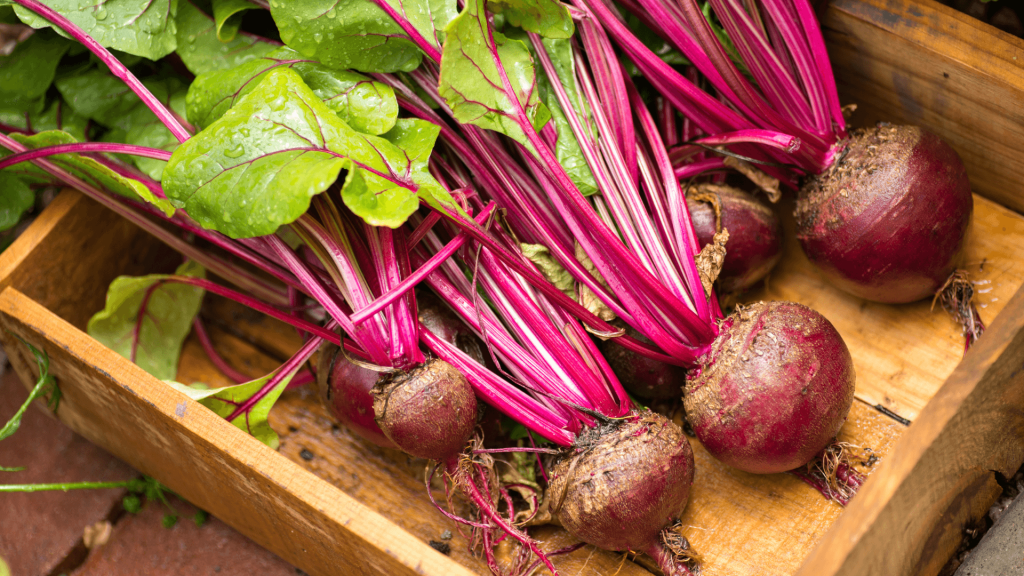
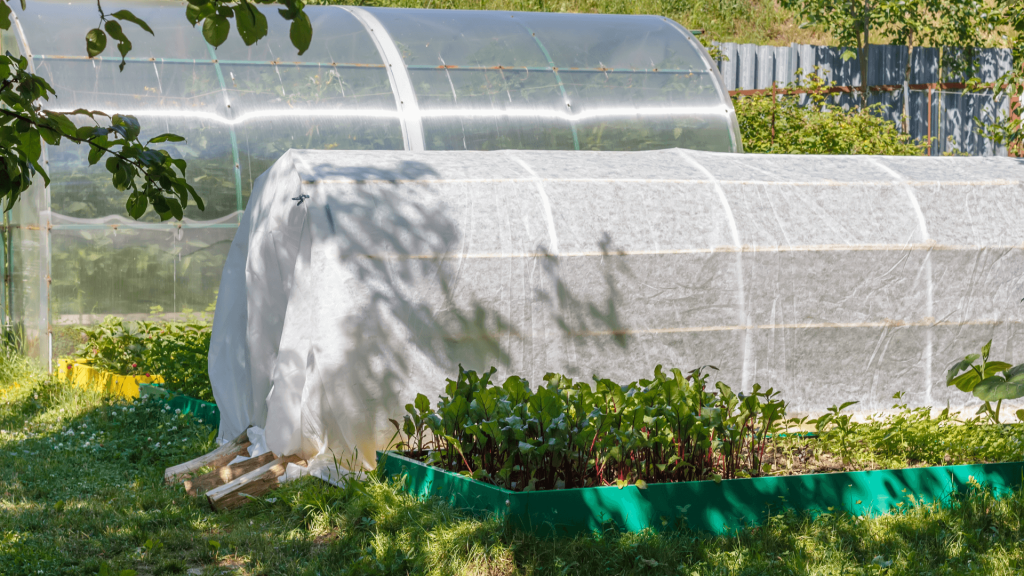
Keep in mind that while these vegetables grow in cool weather, they may still be slow to grow or even damaged if the temperatures dip too low. If this happens, you may want to provide some protection like row cover cloth, a blanket, plastic, a cold frame, or a cloche (this can simply be a large plastic jug or containers).

If this article has piqued your interest, here are some great resources to help with seed starting and transplanting timing:
West Coast Seeds Vegetable Planting Guide
Heeman Ontario Seed Starting Guide
Reference for soil temperatures: