
Earthy Autumn Tones and Textures
By Ava Green
Taking our cues from Mother Nature, this season's fall clothing leans into all the colours and textures we love to celebrate each autumn.
Brown Is Back!
Dare we say that brown is the new black?! Take a look at our newest shades, including gorgeous maroon undertones. Rich, deep and bold, brown is a colour that feels as cozy as the season itself.
If you’ve already built a capsule wardrobe, brown is one of the easiest colours to fold in for an instant, seasonally chic refresh.

The Autumn Palette
Our staff favourites this season are tops in a full palette of autumn shades. They’re the kind of pieces that make mixing and matching with what’s already in your closet effortless.


Sweater Weather
One of the best things about fall? Wearing a nice cozy sweater. As temperatures drop, a chunky knit wraps you up and keeps you warm, while looking fabulous, of course!
Fall Wardrobe Styling Tip
Do you love autumn shades but aren’t sure they suit your complexion? Wear them on the bottom instead of the top. You’ll still get the payoff of autumn colours while complementing your skin tone.
Not sure how to bring fall colours to your wardrobe? Come on in! Sassyfras is just inside the Eising Garden Centre entrance, on your right, and we’re always happy to help you find pieces that flatter and bring you joy.

Planting, Pruning, Pairing
By Ava Green
From its graceful, arching branches to the fragrant, lilac-shaped flower clusters that draw in a kaleidoscope of butterflies, bees and hummingbirds, Butterfly Bush (Buddleia davidii), also known as Summer Lilac, is a shrub worth including in your garden.
Landscape Value
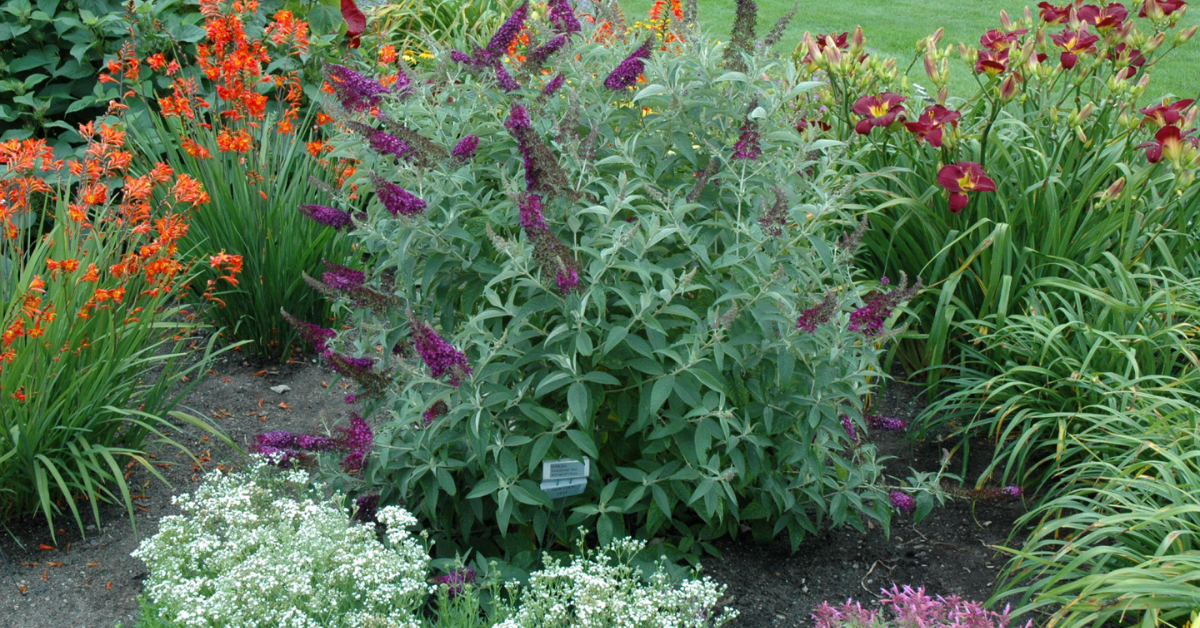
Butterfly bushes bloom throughout the summer, with some varieties flowering into the fall, and offer a wide range of colours and intensities.
They look best planted en masse or as part of a tiered garden, paired with smaller perennials or shrubs in front of them. Evergreens make a great backdrop for perennials, and this is a plant that would be perfect punctuation in front of a cedar or yew. Since butterfly bushes are slow to get going in spring, tucking shorter, early-blooming plants in front of them helps hide that lag while everything else fills in.
As a bonus, Buddleia are deer and rabbit-resistant, making them a solid choice if critters are an ongoing issue in your garden.
Caring for Your Butterfly Bushes
Plant your Buddleia in full sun and well-drained soil. These shrubs want 8 hours of sun a day and don’t tolerate “wet feet”.
Here in Southern Ontario (hardiness Zone 6), the butterfly bush is a deciduous shrub that’s best treated like an herbaceous perennial: cut it back each spring, never in the fall, to keep it happy and blooming well.
Be patient in the spring, and wait for buds to start forming before you prune, then cut each stem back just above a big, healthy leaf bud. Since butterfly bushes flower on new growth, this yearly cutback is what drives a full season of blooms. In fall, deadhead spent blooms to remove seed heads (on varieties that produce them) and help keep the plant from spreading.
Plant in the spring or summer rather than fall, so your butterfly bush has as much time as possible to get established before cold weather arrives.
Great Variety!
Butterfly Bushes come in a range of heights and colours, so there’s likely a fit for almost any spot in your garden. A few examples:
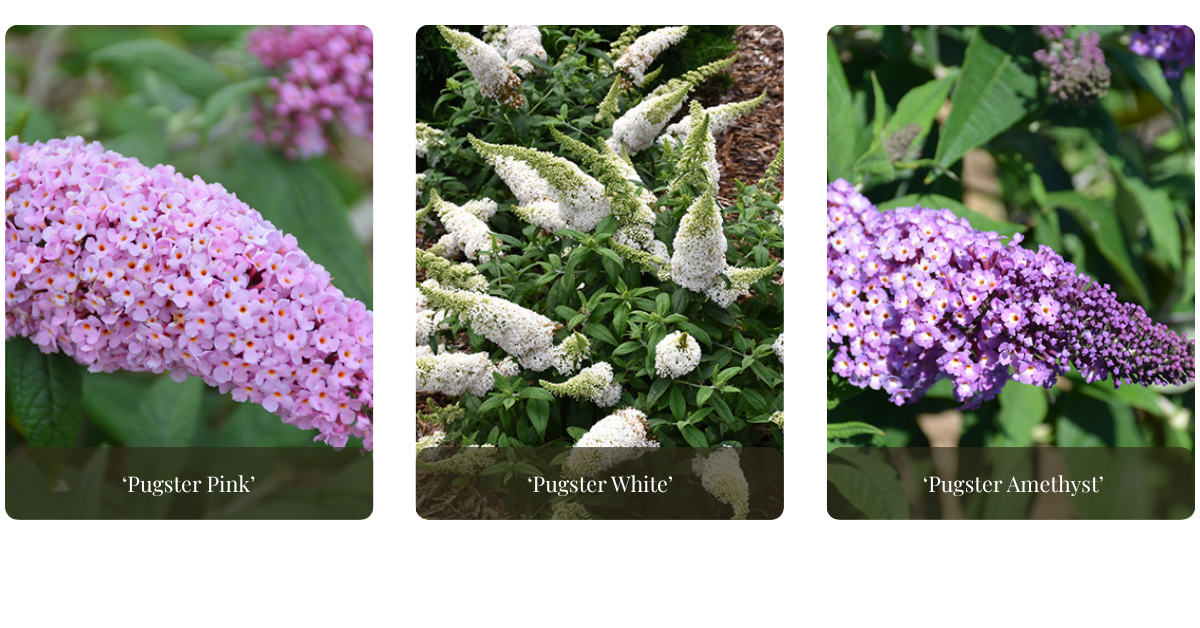
Dwarf: "Pugster" Series
A shorter, stalkier variety that still produces full-sized flowers in rich, saturated tones on new wood. Long-blooming plants; summer into fall.
Best for: Grouping behind spring-blooming ground covers and shorter perennials | Sun: Full sun | Mature size: 24 in. tall × 24 in. wide
Medium Height: “Miss” Series
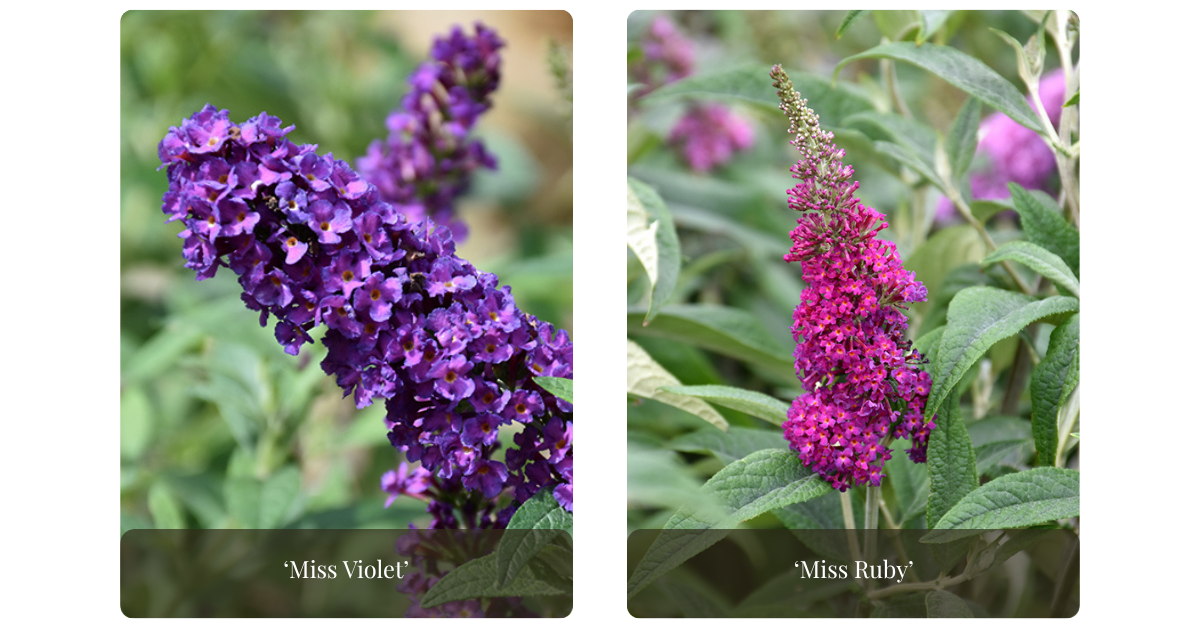
The “Miss” series offers medium-height varieties with a graceful habit and intensely coloured, fragrant, heat-tolerant blooms on new wood.
Best for: The middle of beds and borders, planted in groupings | Sun: Full sun | Mature size: 48-60 in. tall × 48-60 in. wide
Tall Varieties
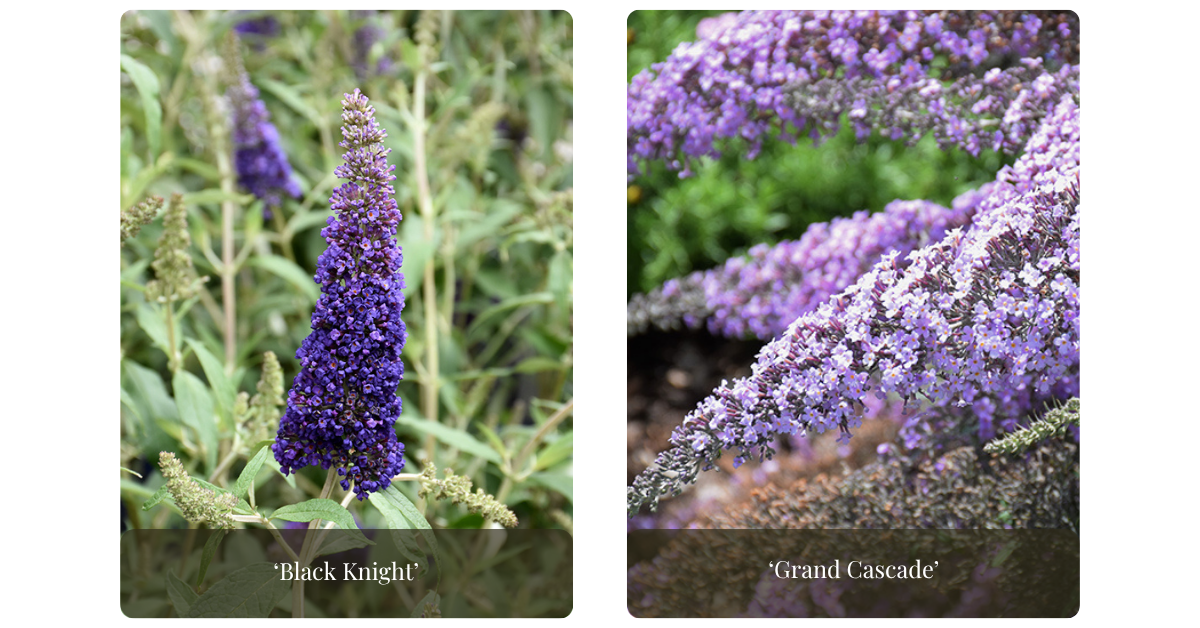
Vase-shaped and vigorous, with large, fragrant blooms, taller varieties of Buddleja davidii, such as ‘Black Knight’ or ‘Grand Cascade’, are absolute showstoppers in any garden.
Best for: Foundation plantings or the back of borders and beds | Sun: Full sun | Mature size: 6- 8 ft. tall × 4-8 ft. wide, depending on the variety
Hosts With The Most
Butterfly bushes will draw in bees, butterflies and hummingbirds; but every pollinator ultimately needs more than nectar. They also need places to lay eggs and support their young.
That's where host plants come in. Pairing your butterfly bush with plants like cherries, spicebush, Coneflower, Joe Pye Weed, Black-Eyed Susan, and New Jersey Tea provides pollinators with nectar diversity and places to reproduce. Some butterflies and moths will lay their eggs on a wide range of plants while others are far more particular. The Monarch butterfly is the best example: milkweed is the only plant that supports a Monarch caterpillar’s life cycle, so planting milkweed near your butterfly bush is essential if you want to support Monarchs specifically.
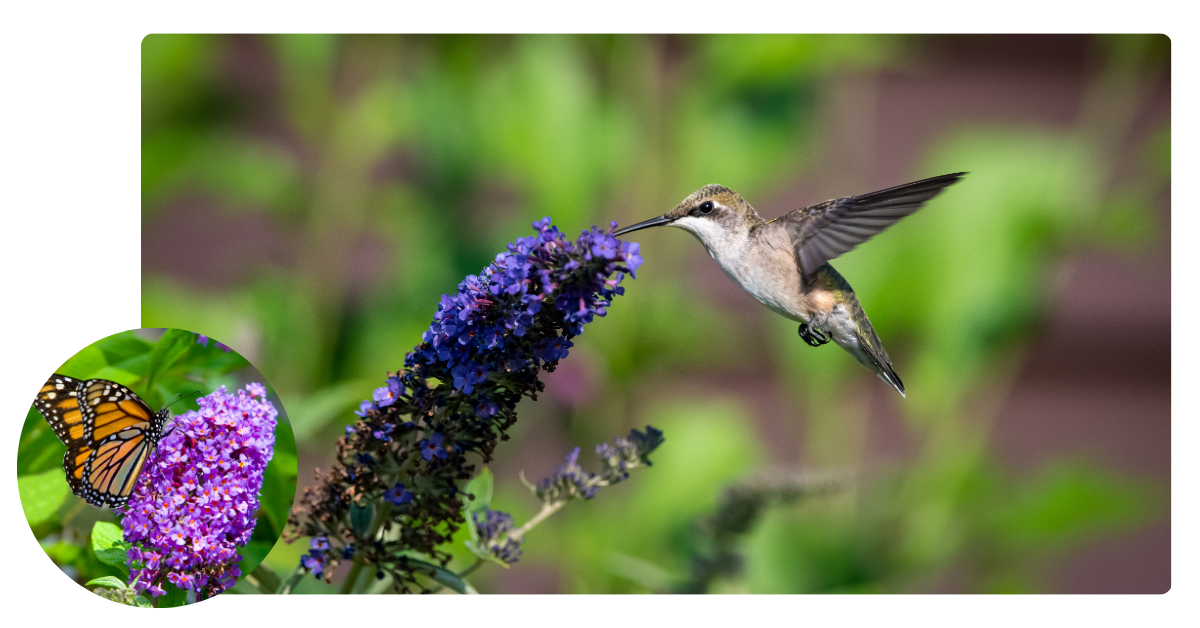
Figuring out which host plants suit which butterflies and moths takes a bit of research, but as with most things in the garden, diversity wins.
Come on in to Eising Garden Centre and look at the butterfly bushes in person; we’re here to help you find the right ones for your garden!
Other resources:
How to Keep Your Butterfly Bush Blooming: https://eising.ca/how-to-keep-your-butterfly-bush-blooming
5 Ontario native host plants for butterflies and moths:
Plants that support a butterfly lifecycle:
Host plants for butterflies:
By Ava Green
Is there anything sweeter than the scent of Lilacs in the spring? These beloved shrubs are remarkably easy to grow and will reward you with weeks of fragrant blooms for little or no effort. But a bit of attention can make a big difference, especially if you’ve noticed your blooms getting smaller or fewer with each passing year.
To help your lilac put on its best show, keep these steps in mind:
- Plant in full sun, at least 6 hours of direct sunlight a day, in well-draining soil
- Water newer plants during prolonged periods of drought until established (the first 3 years)
- Feed your lilacs annually with a balanced fertilizer (10-10-10, for example)
- Follow spacing instructions and prune yearly. Pruning is a very important step, and it’s well worth it.
Knowing When to Prune is Key
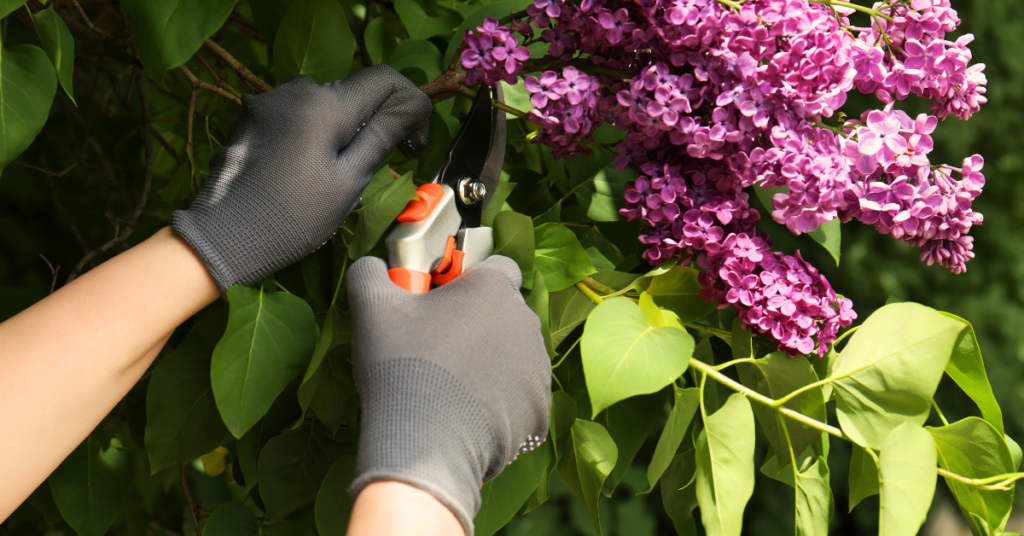
Timing is everything when it comes to pruning your lilacs. After the blooms fade, you have a two-week window to prune before the shrub sets its buds for next year's flowers. Yes, they set buds this year that will bloom next year! Pruning lilacs in the fall or the early spring risks cutting off all of the flower buds for the following year. Mark your calendar and prune promptly after flowering.
It also helps to understand how lilacs grow: Younger, thinner lilac stems produce more flowers. Older, thicker stems are more prone to disease and pests. Keeping this in mind will help with pruning decisions.
How To Prune Young Lilacs
If your lilac has been in the ground for less than three years, leave it alone; it doesn’t need pruning yet. Many young lilacs won’t bloom during those first few years.
After three years, once your shrub is established, begin by removing just one of the thickest, oldest stems down to the ground every 2 years. This gentle approach prevents the shrub from becoming overgrown while encouraging newer, flower-producing growth.
How To Prune Older, Overgrown Lilacs
If your lilac has been neglected or grown out of control, you have two options:
Option 1: Gradual Rejuvenation
Begin by removing any damaged stems, as these invite pests that can harm the entire shrub. Next, remove only the largest, oldest stems by cutting them right down to the ground. The key is to remove no more than one-third of the living wood (dead stems don’t count toward that total). Leave the younger, thinner stems intact so your shrub can still bloom the following year. Repeat this process each spring for three years, and you’ll gradually restore the shrub to its full, flowering potential without sacrificing a single bloom season.
Option 2: Full Cutback
For a severely overgrown lilac that has been largely ignored, a complete cutback is often the most practical solution. Cut the entire shrub as close to the ground as possible, either in early spring or immediately after blooming. Yes, this breaks the general rule of never removing more than one-third of live wood, but lilacs are remarkably resilient and respond well to this kind of hard reset. By the end of summer, you will have healthy new stems of three to five feet tall. While the shrub won’t bloom for approximately three years after a full cutback, the long-term results are well worth the wait.

Deadheading Your Lilacs
Deadheading, or removing spent flower clusters after the blooms fade, is a simple task that’s separate from pruning, and can be done during that same two-week post-bloom window. When you trim off faded blooms, the plant redirects its energy from seed production toward building bigger, healthier buds for the next year. It takes only minutes and can make a meaningful difference in the size and abundance of next year’s flowers.
A Note on Lawns and Lilacs
If your lilac grows near a lawn, be mindful of how much fertilizer you’re applying to the surrounding grass. Lawn fertilizers are typically high in nitrogen, which encourages lush leaf growth, but too much nitrogen reaching your lilac’s roots will suppress flower production.
Worthy Rewards
Lilacs are remarkably long-lived, often outlasting the gardens and even the homes they were planted beside. So whether you’re nursing a young shrub through its first few years or breathing new life into an old, overgrown beauty, the effort you put in now is an investment that will keep rewarding you, and perhaps generations after you. Every single spring!