
Earthy Autumn Tones and Textures
By Ava Green
Taking our cues from Mother Nature, this season's fall clothing leans into all the colours and textures we love to celebrate each autumn.
Brown Is Back!
Dare we say that brown is the new black?! Take a look at our newest shades, including gorgeous maroon undertones. Rich, deep and bold, brown is a colour that feels as cozy as the season itself.
If you’ve already built a capsule wardrobe, brown is one of the easiest colours to fold in for an instant, seasonally chic refresh.

The Autumn Palette
Our staff favourites this season are tops in a full palette of autumn shades. They’re the kind of pieces that make mixing and matching with what’s already in your closet effortless.


Sweater Weather
One of the best things about fall? Wearing a nice cozy sweater. As temperatures drop, a chunky knit wraps you up and keeps you warm, while looking fabulous, of course!
Fall Wardrobe Styling Tip
Do you love autumn shades but aren’t sure they suit your complexion? Wear them on the bottom instead of the top. You’ll still get the payoff of autumn colours while complementing your skin tone.
Not sure how to bring fall colours to your wardrobe? Come on in! Sassyfras is just inside the Eising Garden Centre entrance, on your right, and we’re always happy to help you find pieces that flatter and bring you joy.

Planting, Pruning, Pairing
By Ava Green
From its graceful, arching branches to the fragrant, lilac-shaped flower clusters that draw in a kaleidoscope of butterflies, bees and hummingbirds, Butterfly Bush (Buddleia davidii), also known as Summer Lilac, is a shrub worth including in your garden.
Landscape Value
Butterfly bushes bloom throughout the summer, with some varieties flowering into the fall, and offer a wide range of colours and intensities.
They look best planted en masse or as part of a tiered garden, paired with smaller perennials or shrubs in front of them. Evergreens make a great backdrop for perennials, and this is a plant that would be perfect punctuation in front of a cedar or yew. Since butterfly bushes are slow to get going in spring, tucking shorter, early-blooming plants in front of them helps hide that lag while everything else fills in.
As a bonus, Buddleia are deer and rabbit-resistant, making them a solid choice if critters are an ongoing issue in your garden.
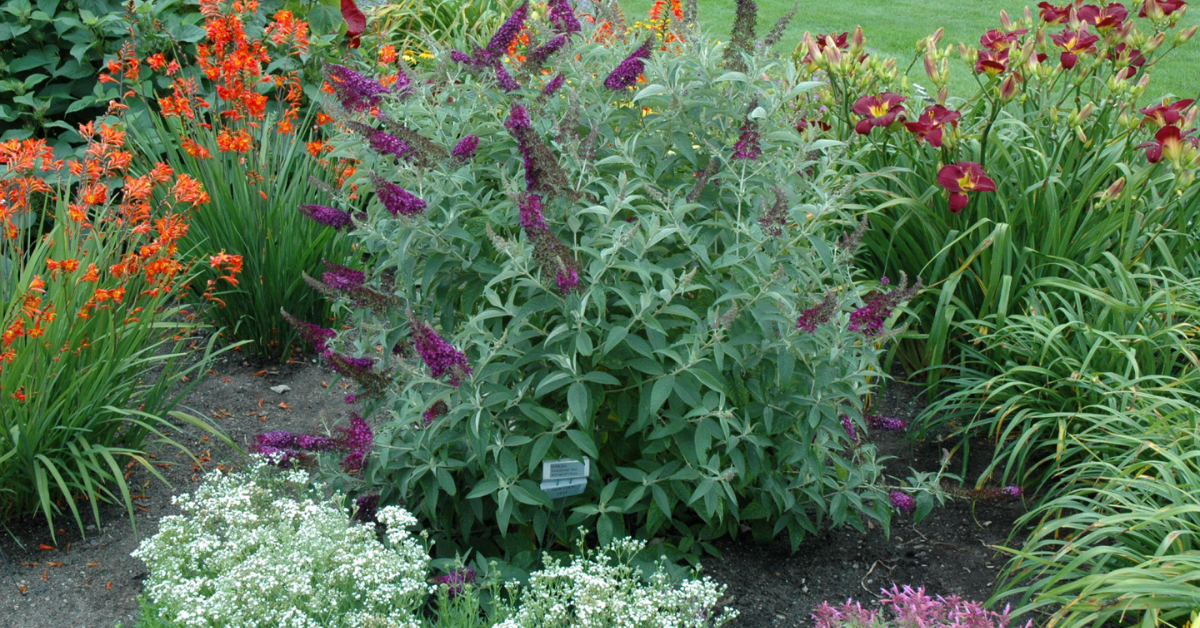
Caring for Your Butterfly Bushes
Plant your Buddleia in full sun and well-drained soil. These shrubs want 8 hours of sun a day and don’t tolerate “wet feet”.
Here in Southern Ontario (hardiness Zone 6), the butterfly bush is a deciduous shrub that’s best treated like an herbaceous perennial: cut it back each spring, never in the fall, to keep it happy and blooming well.
Be patient in the spring, and wait for buds to start forming before you prune, then cut each stem back just above a big, healthy leaf bud. Since butterfly bushes flower on new growth, this yearly cutback is what drives a full season of blooms. In fall, deadhead spent blooms to remove seed heads (on varieties that produce them) and help keep the plant from spreading.
Plant in the spring or summer rather than fall, so your butterfly bush has as much time as possible to get established before cold weather arrives.
Great Variety!
Butterfly Bushes come in a range of heights and colours, so there’s likely a fit for almost any spot in your garden. A few examples:
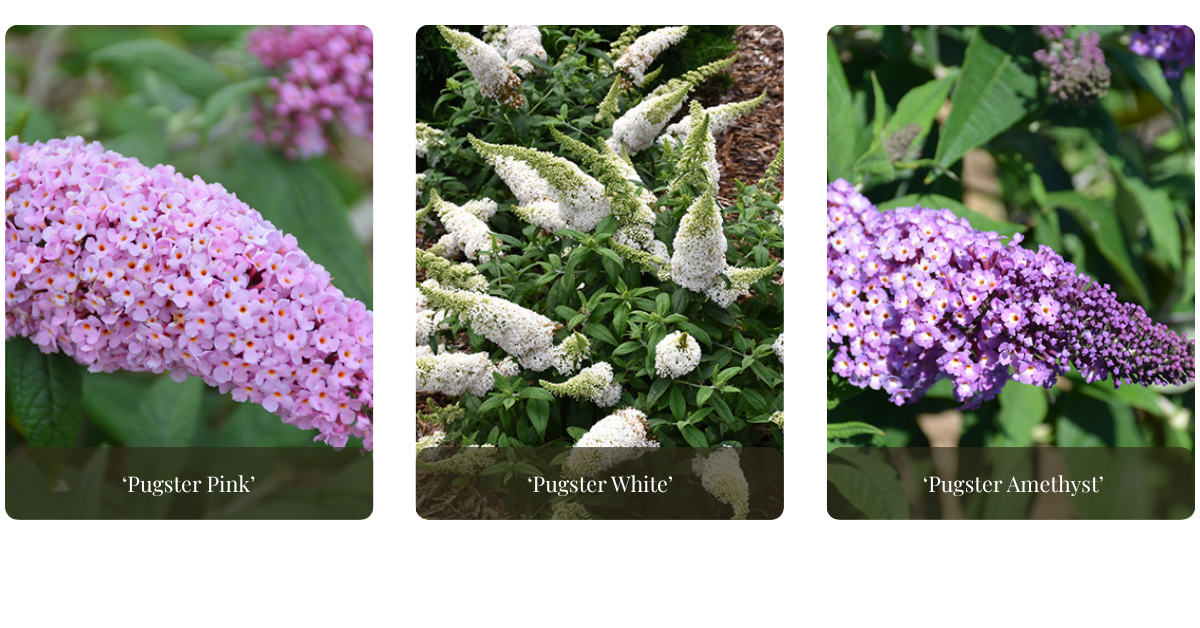
Dwarf: "Pugster" Series
A shorter, stalkier variety that still produces full-sized flowers in rich, saturated tones on new wood. Long-blooming plants; summer into fall.
Best for: Grouping behind spring-blooming ground covers and shorter perennials | Sun: Full sun | Mature size: 24 in. tall × 24 in. wide
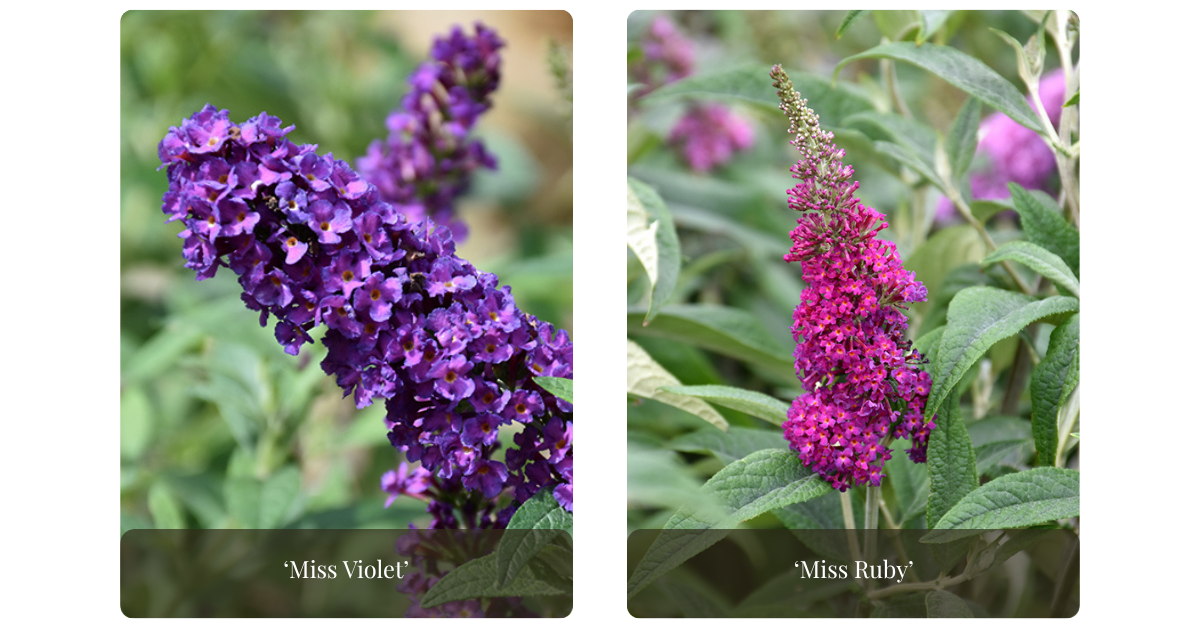
Medium Height: “Miss” Series
The “Miss” series offers medium-height varieties with a graceful habit and intensely coloured, fragrant, heat-tolerant blooms on new wood.
Best for: The middle of beds and borders, planted in groupings | Sun: Full sun | Mature size: 48-60 in. tall × 48-60 in. wide
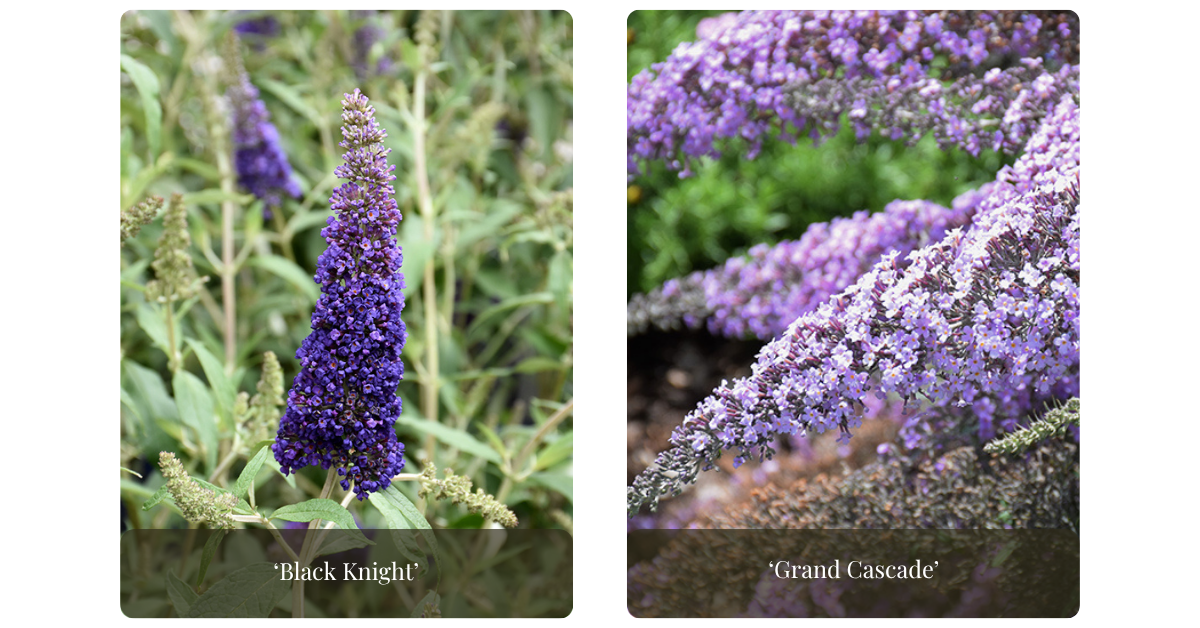
Tall Varieties
Vase-shaped and vigorous, with large, fragrant blooms, taller varieties of Buddleja davidii, such as ‘Black Knight’ or ‘Grand Cascade’, are absolute showstoppers in any garden.
Best for: Foundation plantings or the back of borders and beds | Sun: Full sun | Mature size: 6- 8 ft. tall × 4-8 ft. wide, depending on the variety
Hosts With The Most
Butterfly bushes will draw in bees, butterflies and hummingbirds; but every pollinator ultimately needs more than nectar. They also need places to lay eggs and support their young.
That's where host plants come in. Pairing your butterfly bush with plants like cherries, spicebush, Coneflower, Joe Pye Weed, Black-Eyed Susan, and New Jersey Tea provides pollinators with nectar diversity and places to reproduce. Some butterflies and moths will lay their eggs on a wide range of plants while others are far more particular. The Monarch butterfly is the best example: milkweed is the only plant that supports a Monarch caterpillar’s life cycle, so planting milkweed near your butterfly bush is essential if you want to support Monarchs specifically.
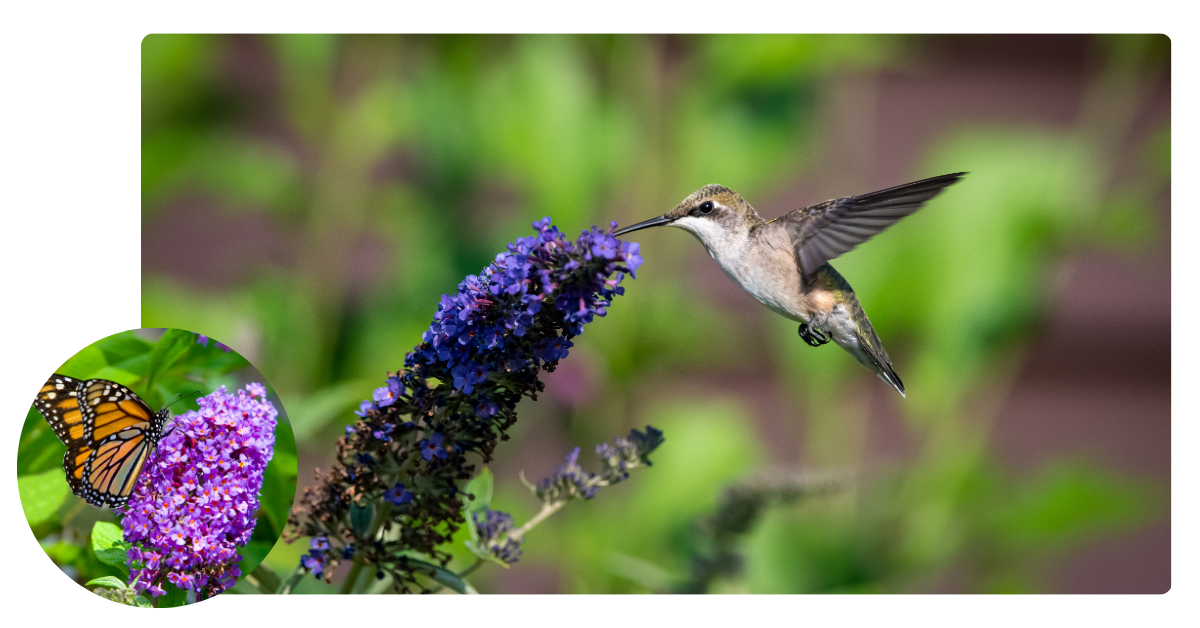
Figuring out which host plants suit which butterflies and moths takes a bit of research, but as with most things in the garden, diversity wins.
Come on in to Eising Garden Centre and look at the butterfly bushes in person; we’re here to help you find the right ones for your garden!
Other resources:
How to Keep Your Butterfly Bush Blooming: https://eising.ca/how-to-keep-your-butterfly-bush-blooming
5 Ontario native host plants for butterflies and moths:
Plants that support a butterfly lifecycle:
Host plants for butterflies:
The Queen of the Classic Garden Border
By Ava Green
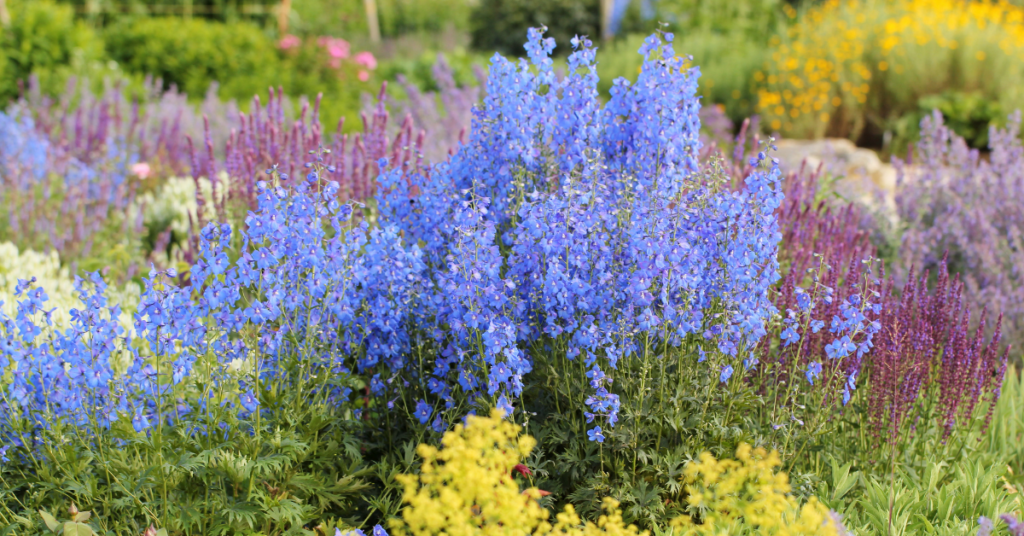
Tall, stately, and undeniably dramatic, the Delphinium or Larkspur is one of those perennial plants that stops people in their tracks. When given the right conditions, its towering floral spikes are magnificent. For gardeners who love a classic English border, nothing else compares. Yes, Delphiniums have lots of preferences, but tend to them, and they will reward you with a floral display that makes every bit of effort worthwhile.
Choosing Your Delphiniums
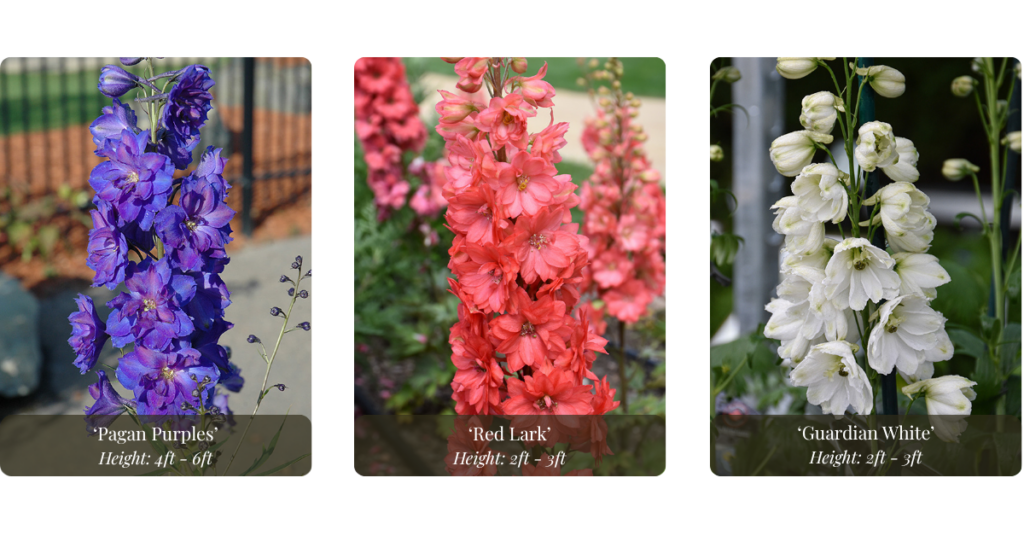
With a wide number of varieties to choose from, there’s one that’s sure to fit every garden. Heights range from a modest 36 inches to an impressive 72 inches tall (Yes, 6 feet!), with a spread of 24 to 36 inches depending on the variety. So whether you have a compact border or a large sweeping bed, there’s a Delphinium to suit your space.
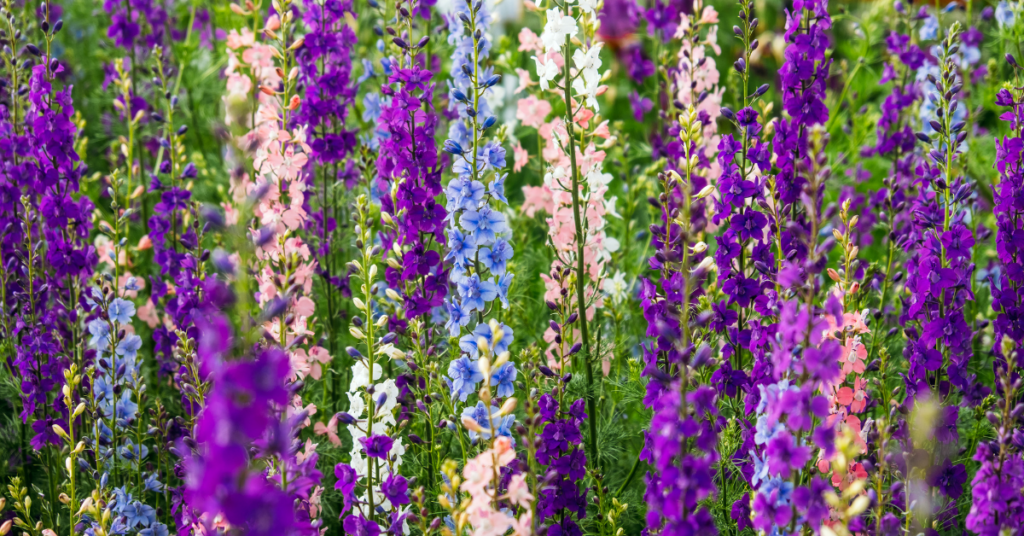
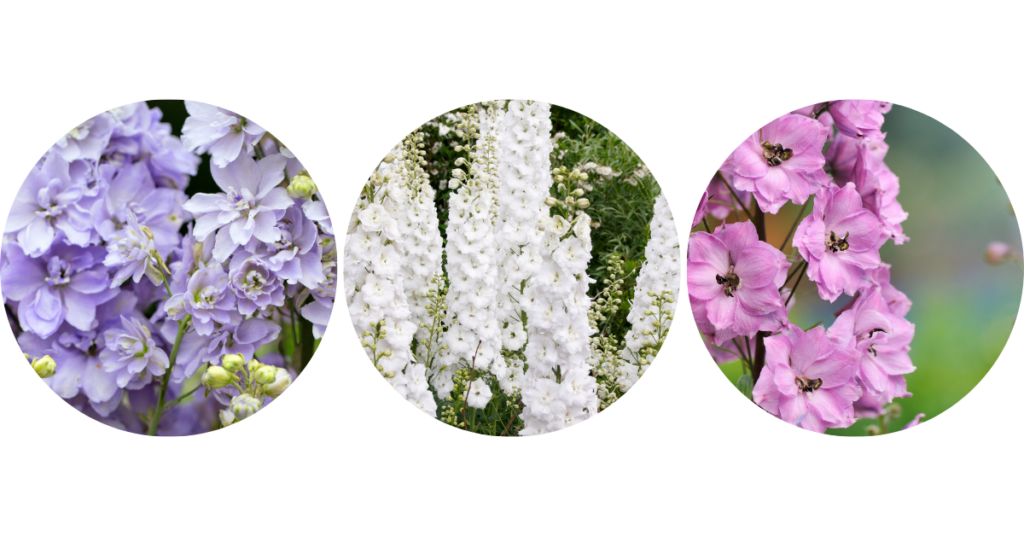
Their colour palette is equally diverse: rich blues and purples, soft pinks, crisp whites, and beautiful bicolours. Few flowers offer such a wide range.
Planting
While Delphiniums prefer abundant moisture, be sure to plant the crown of the plant (where the stems meet the root ball) at soil level to avoid crown rot. Planting them too deeply is the most common way to lose these plants.
Spring and Fall are the ideal times to plant, giving roots a chance to establish themselves in cooler, more forgiving conditions. That said, a cool, overcast summer day works well too, just avoid planting during hot or humid spells. Spacing will depend on the variety you choose, so check the tag and give each plant the room it needs to breathe.
Growing
Delphiniums are what gardeners affectionately call “Goldilocks plants”, they like things just right. Full sun, protection from strong winds, and fertile, humus-rich soil with excellent drainage are keys to success. They also love manure mixed into the soil to enrich their growing conditions.
Their height is both their greatest asset and vulnerability. Because Delphinium flower stalks have hollow centres, they break easily if they’re exposed to the wind. Planting them in a sheltered spot is genuinely important. Once plants reach about 12 inches tall, stake each flower spike individually, or place a tomato cage around a clump early in the season before it’s needed. It’s much easier to stake proactively than to rescue a snapped stem after the fact.
Delphiniums are hungry plants and will perform best when fed generously. A dose of fertilizer, compost, or well-rotted manure in both spring and summer keeps them healthy and productive throughout the season.
Finally, don’t overlook dividing. Each spring, simply dig up the plant and cut the root ball in half. Now you have two plants for your border, or one to keep and one to share!
The Show
All that care pays off in late spring and early summer, when Delphiniums put on one of the most spectacular displays in the garden. Tall, densely packed spikes covered in richly coloured blooms rise above the border like beacons. Bold, beautiful, and completely unforgettable.
Once the first flush of flowers begins to fade, and before the blooms turn to seed pods, cut the spent spikes back to just above the foliage. This encourages the plant to produce a second, smaller flush of blooms later in the season and extends the show! As the old foliage fades, trim it away to allow the fresh new growth to replace it.
Inspiration
There are plants you fit into a garden, and then there are plants you plan a garden around. Delphiniums belong firmly in the second category. Their height, colour, and presence make them one of the most inspiring and rewarding perennials a gardener can grow.
Stop by Eising Garden Centre to see what Delphinium varieties we have available this season. Our team is always happy to help you find the right fit for your garden and set you up for success.
Coneflowers (Echinacea) have earned their place in perennial borders, pollinator gardens, and meadow-style landscapes—and for good reason. These hardy, vibrant perennials reliably return each spring in our Ontario Zone 6 climate, adding long-lasting colour and texture to any garden.
The classic Purple Coneflower (Echinacea purpurea) begins with soft, pink-tinged petals that deepen into rich purple hues as the season progresses. At its peak, the familiar domed centre cone emerges—an eye-catching structure that dries beautifully and provides winter interest in the garden.
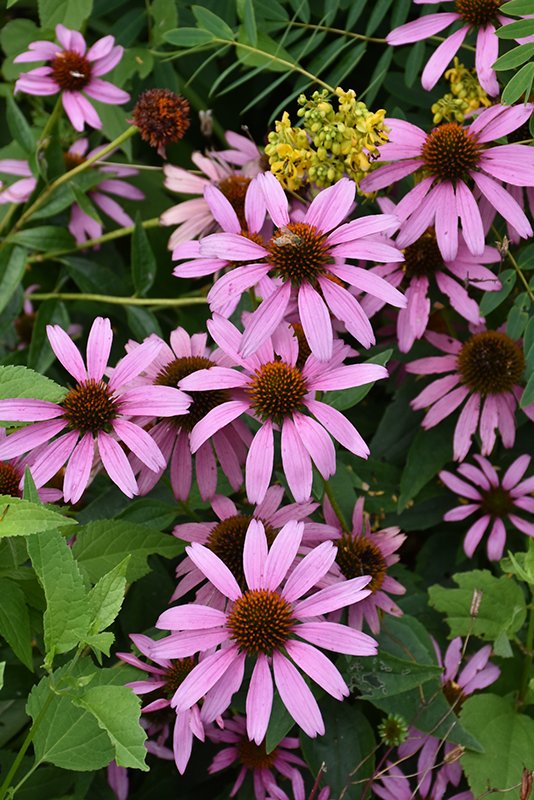
Purple Coneflower (Echinacea purpurea)
Choose From The Rainbow
While the purple coneflower is the most iconic, hybrids now come in nearly every colour of the rainbow. You'll find stunning varieties in pink, white, green, orange, and fiery reds.
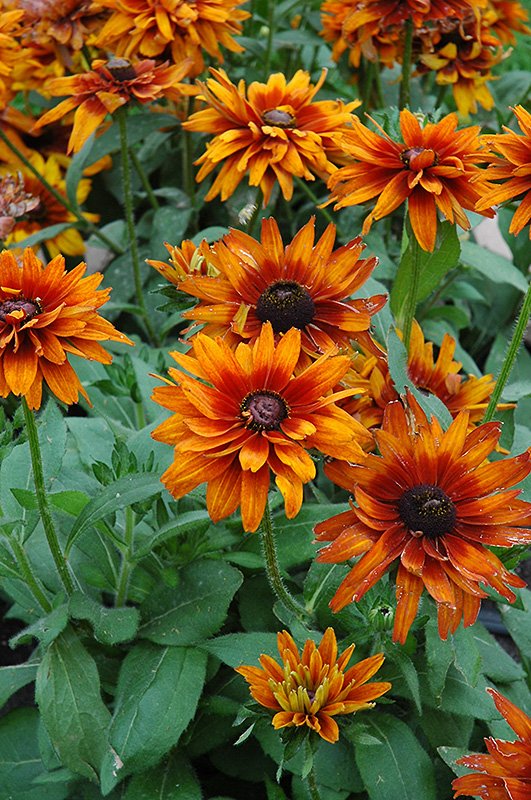
Rudbeckia hirta 'Cherokee Sunset'
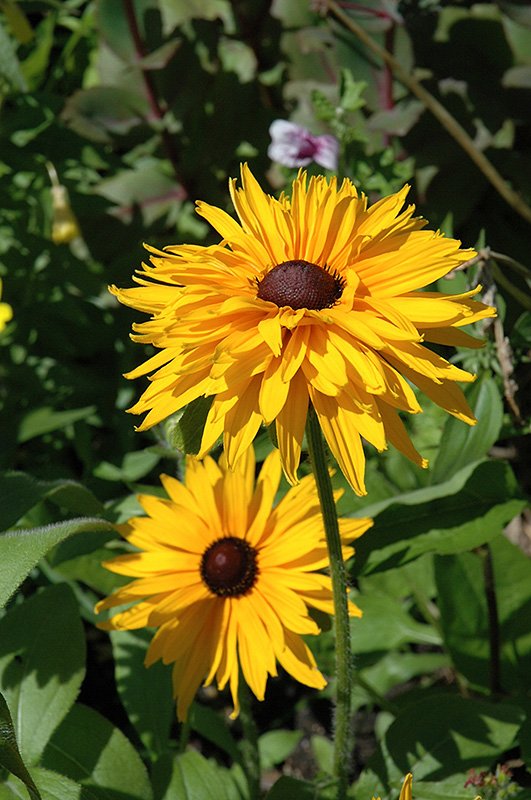
Rudbeckia hirta 'Double Gold'
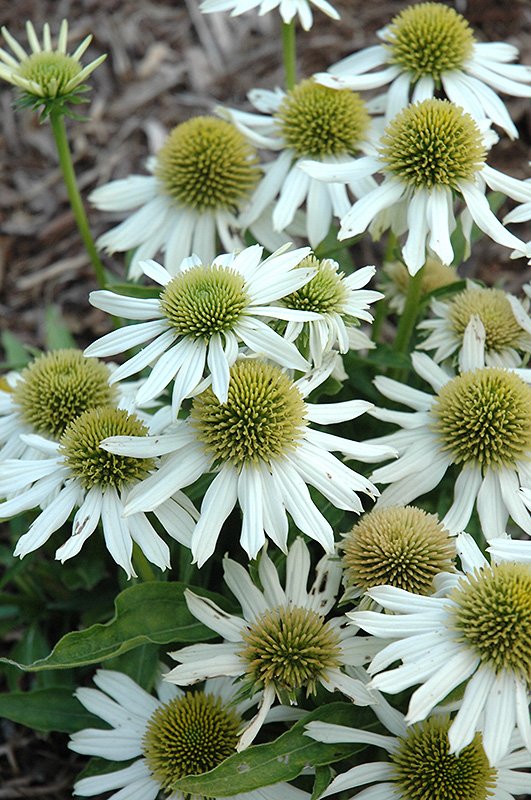
Echinacea 'Snow Cone'
No matter your garden’s colour scheme, there’s likely a coneflower to match. Even better, their bold blooms attract pollinators like bees and butterflies, while the seed heads feed songbirds in fall and winter.
Low Maintenance, Long-Blooming Beauty
Coneflowers are both showy and easy to care for—ideal for beginners and seasoned gardeners alike. Here’s what you need to know:
Growth habit:
- Height: 24–60 inches, depending on the variety
- Spread: 12–24 inches
- Bloom time: Mid-summer to fall
Growing conditions:
- Sun: Full sun is best, though light shade is tolerated
- Soil: Well-drained soil is key
- Water: Drought-tolerant once established, but thrives with consistent watering
- Fertilizer: Not necessary
Pro tips for success:
- Pinch back in early summer to encourage bushier, sturdier plants and decrease the chance of powdery mildew forming
- Deadhead spent blooms early in the season to prolong flowering
- Leave seed heads in late summer and fall for winter beauty and bird food
- Optional self-seeding: Let them go to seed for a naturalized look, or remove blooms to prevent self-seeding
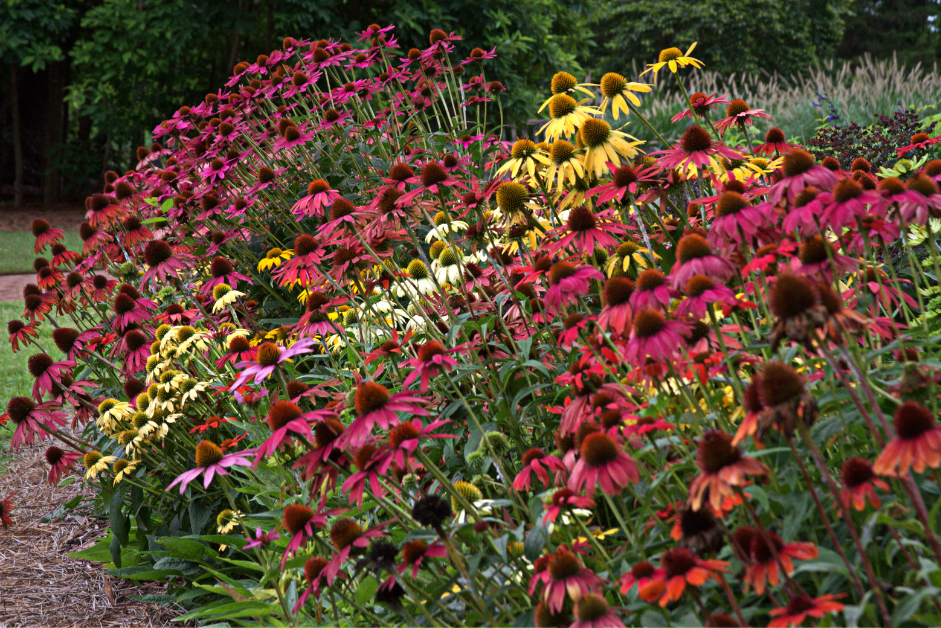
Coneflower Companions
Coneflowers mix beautifully with a variety of other perennials. For vibrant, complementary plantings, try pairing them with:
- Hyssop (Agastache)
- Catmint (Nepeta)
These companions share similar growing requirements and will enhance the colour and texture of your garden throughout the growing season.
Visit Us for More Ideas
Want help choosing the perfect Coneflower variety or finding the right garden companions? Stop by Eising Garden Centre and chat with our perennial expert, Mary. She’ll help you create stunning combinations that bloom beautifully from summer into fall.
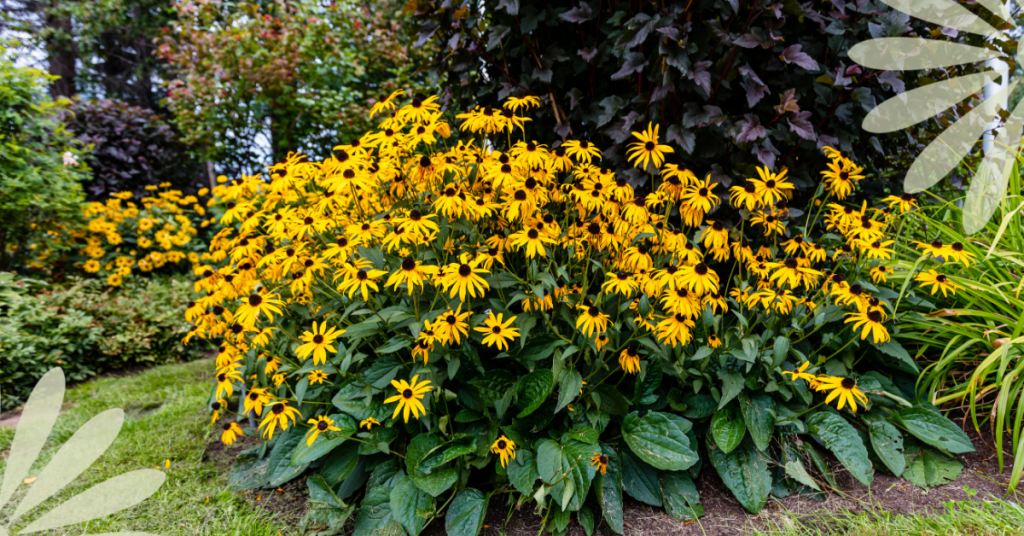
During the dog days of summer, having a resilient, dependable, and beautiful perennial flower in your garden is terrific. Meet the Black-Eyed Susan. They are quick to establish and mature, and perfect for a perennial border, cutting garden, or naturalized garden. Depending on the variety, they will grow 1-3 feet tall and spread about 2 feet wide, making them a show-stopping spectacle!
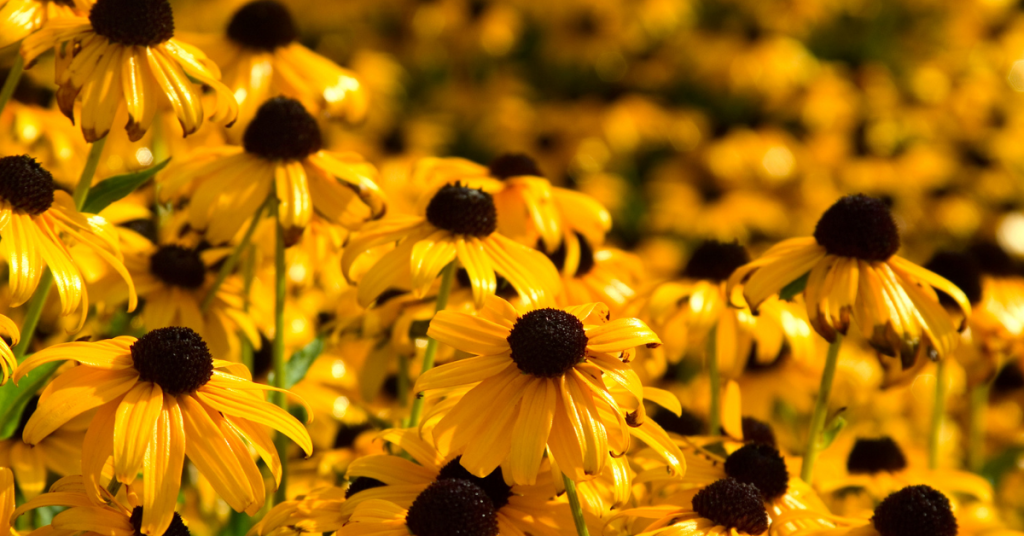
If that and the cheerful, dark-centred, golden-yellow, daisy-shaped flowers aren’t enough to draw you in, here are more reasons we love these plants!
Long Blooming
Black-Eyed Susan (Latin name: Rudbeckia) is a prolific bloomer whose flowers can last from July to October. At a time in the season when many other flowers can look weary, Rudbeckia is a shining star. Its flowers grow on sturdy stems, which adds to their resilience.
Easy to Grow
Rudbeckia are robust! They are drought—and heat-tolerant and generally do well in hard-to-grow locations. Once established, they do not require frequent watering. Rudbeckia hirta is an Ontario native plant, and exceptionally hardy.
Plant Black-Eyed Susan in full sun to partial shade and almost any type of soil. They are adaptable, generally trouble-free and do not require any extra care.
Pollinator-friendly
We aren’t the only ones who love Rudbeckia; butterflies, birds and bees do, too. This makes Black-Eyed Susan a perfect partner for other pollinator-friendly plants like Monarda (aka Wild Bergamot and Bee Balm), Gaillardia (Blanket flower), Yarrow and Echinacea (aka Coneflower).
Who doesn’t love Black-Eyed Susans? Because of the course hairs on the stems, this is a plant that rabbits and deer don’t care for.
Black-Eyed Susan is perfect to grow in a border, bed, planter, or in a field as a mass planting. It’s resilient, attractive, low maintenance and a beneficial addition to any garden!
Let’s face it, summers are short and when we invest in plants we all want annuals and perennials that are long blooming. Flowers that last the duration of the summer are ideal! To achieve this, there are a few things to consider like: the plants you choose, good soil, and the amount of sun the flowers will get. When you come into Eising Garden Centre we can help you find sun or shade loving plants, and soil for your hanging pots, planters or garden beds, but to get started you’ll find some of our favourite plants listed below. First, a little plant primer that will help you make decisions.
Annual? Perennial? What’s the Difference?
Annuals and perennials are in separate areas of the greenhouse because they are plants that we will treat differently in the garden.
Here is the best way to remember the difference:
- Annual plants are planted every year, annually, as they will not survive the winter
- Perennial plant’s roots survive the winter and the plant will regrow each Spring
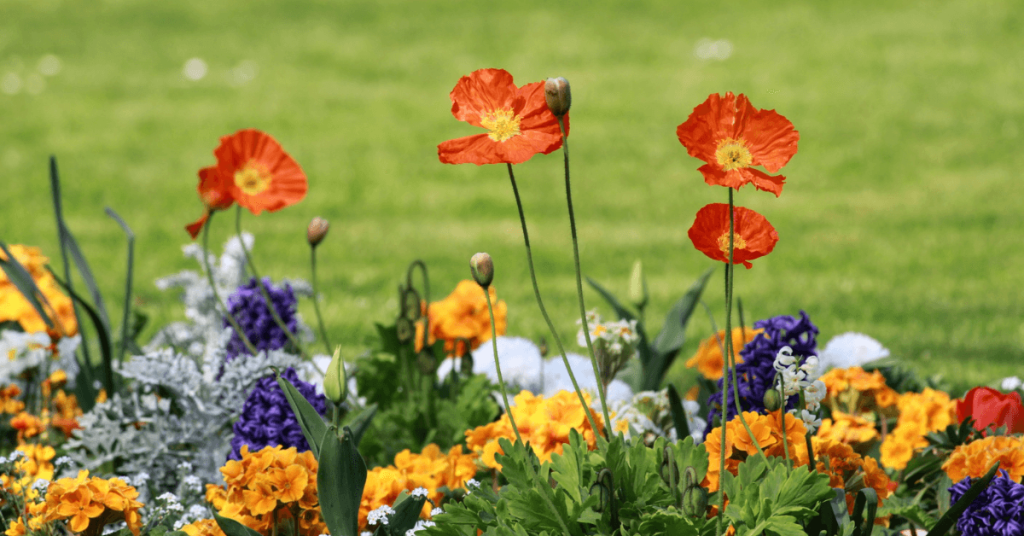
It’s good to know the difference, right? Now you know what to expect from the plants you buy!
Because Annuals and Perennials are in separate areas of the greenhouse, you might think that the two don’t mix in the garden, but they absolutely do. For example, Perennials can make a great backdrop for Annuals. Or, a well placed pot of Annuals amongst Perennials or shrubs can fill in a gap, or bring a pop of colour once other blooms have faded. Using Annuals, Perennials and Shrubs together can really maximize the beauty in your space!
If you’re not sure where to start, here are some of our favourite sun loving flowering plants that are easy to grow and long blooming!
Annual Flowers
- Petunias are one of the most popular blooming annuals for many reasons - there are a wide variety to choose from, they have a wonderful scent, they’re easy to grow and they bloom from Spring until frost.
- Zinnia flowers are low maintenance, fairly drought tolerant, come in many bright colours, will also bloom continuously from Spring until frost, and will attract butterflies to your garden! All things considered, they are one of the best annuals to grow.
- Geraniums are great for containers, hanging baskets, or as bedding plants and come in a variety of leaf shapes and bloom colours. Another reason why these Annuals are so popular is that they are easy to grow and will keep producing flowers late into the Fall.
- Marigolds come in vibrant colours and are another no-fuss Annual that’s tried and true. These long lasting flowers will also attract butterflies, bees, lady bugs, and other beneficial insects making them very good companion plants in any garden but especially your vegetable garden.
- Cosmos will bloom from late Spring into Fall especially if you remove dead flowers. In return, these colourful, daisy-like flowers will attract pollinating insects as well as birds. Cosmos are also fairly drought tolerant making it a delightful and easy to grow Annual.

Perennial Flowers
- Salvia have spikes of flowers that are long blooming, on plants that are easy to grow, and drought tolerant once they are established. These low maintenance plants will attract butterflies, bees and hummingbirds, and are deer and rabbit-resistant.
- Coreopsis is another drought tolerant perennial that will bloom summer through fall. Flowers are daisy-like and come in vibrant shades of yellow or red.
- Coneflower or Echinacea is a daisy-like flower that is drought-tolerant and long blooming. These sturdy plants have flowers in a wide range of colours from chartreuse to pink, orange, red, and yellow. They come in a range of blossom shapes which make them even more intriguing. If that wasn’t enough, they are also loved by birds and pollinators!
- Rudbeckia, or Black-Eyed Susan are classic perennials that liven up any garden with their sunny colours ranging from yellow to bronzy orange. This durable plant is popular because it is drought-tolerant, pollinators love it, and it’s long blooming.


While most annuals provide a continuous succession of flowers, perennials tend to bloom for two to six weeks. Many perennials will bloom, rest, and then rebloom if you cut off, or deadhead, any spent flowers. A little tender loving care for your annuals and perennials throughout the summer will help blooms last as long as possible. We’ll cover that in our next blog!