Perennial Climbers to Start Growing Now
By Ava Green
Great garden design plays with height, and vines are among nature’s most elegant solutions. They transform a bare wall, a plain fence or an open pergola into something that feels alive and intentional. And because these are perennial climbers, they come back every year, a little fuller and more beautiful than the season before.
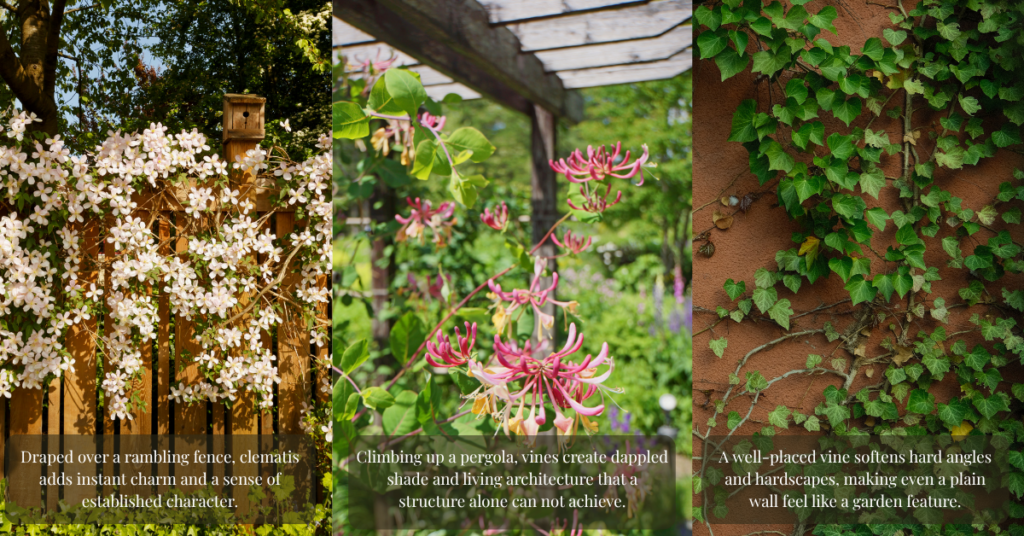
Start growing one of these beauties now, and you’ll be enjoying them for years to come!
Clematis
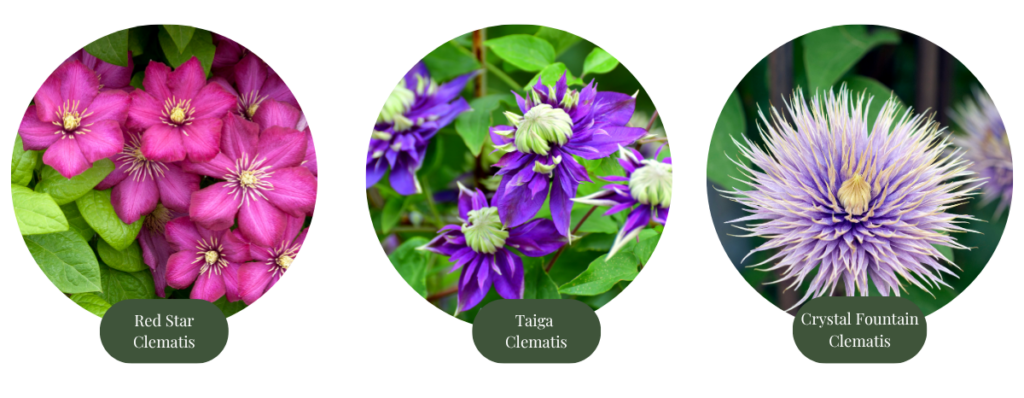
Clematis has earned its place as one of the most loved climbers in the garden, and once you discover the extraordinary range of flower shapes, sizes and colours available, you will understand why.
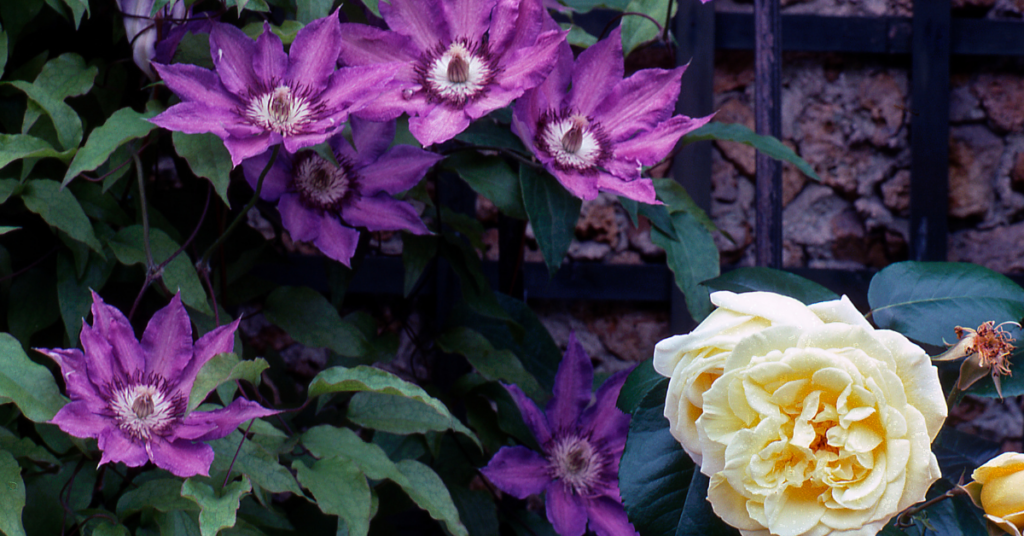
For a look that feels straight out of an English cottage garden, pair a Clematis with a climbing rose. The two intertwine beautifully, flowering together in a spectacular combination.
Honeysuckle
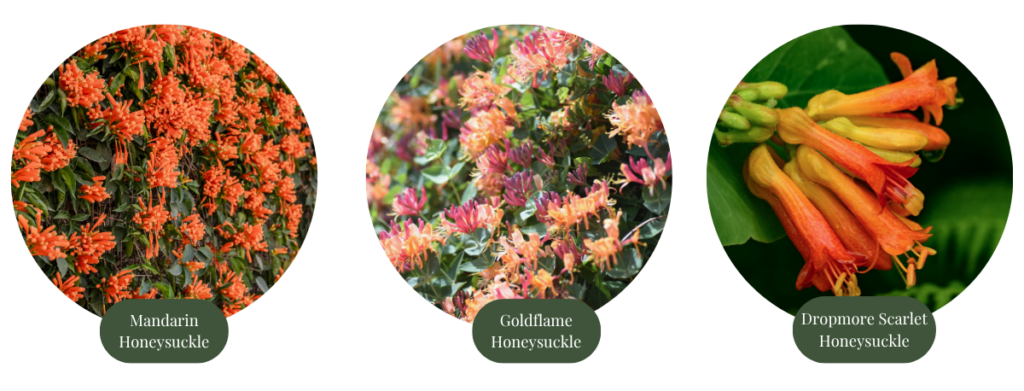
The sweet, heady scent of Honeysuckle wafting through the air on a warm summer evening is a good reason to include this climber in your garden. But its tubular or trumpet-shaped blossoms are also irresistible to hummingbirds, bees and butterflies, making it valuable to your local ecosystem too. Few vines reward you quite so generously for so little effort.
Climbing Hydrangea
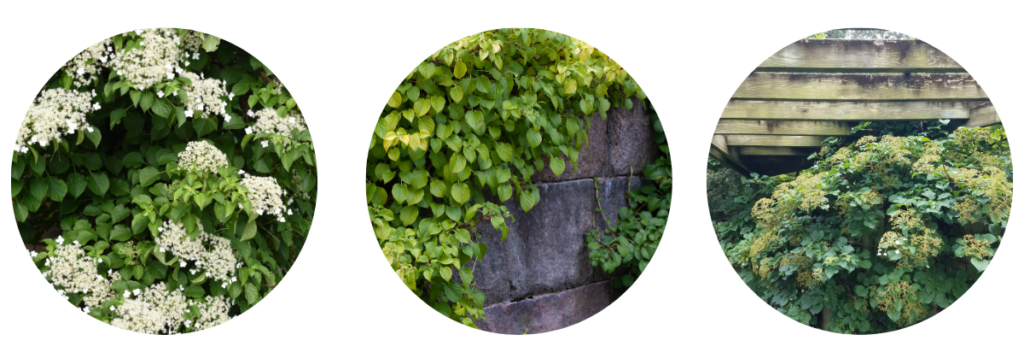
It may be slow to start, but once it’s established, Climbing Hydrangea grows with remarkable vigour, covering walls, fences and structures in lush, deep green foliage. No trellis is needed; it produces its own aerial rootlets that allow it to cling independently to almost any hard surface. In summer, the entire plant is blanketed in elegant white lacecap flowers! It tolerates shade better than most climbers, making it an exceptional choice for a north-facing wall or a shady spot in the garden.
Porcelain Vine
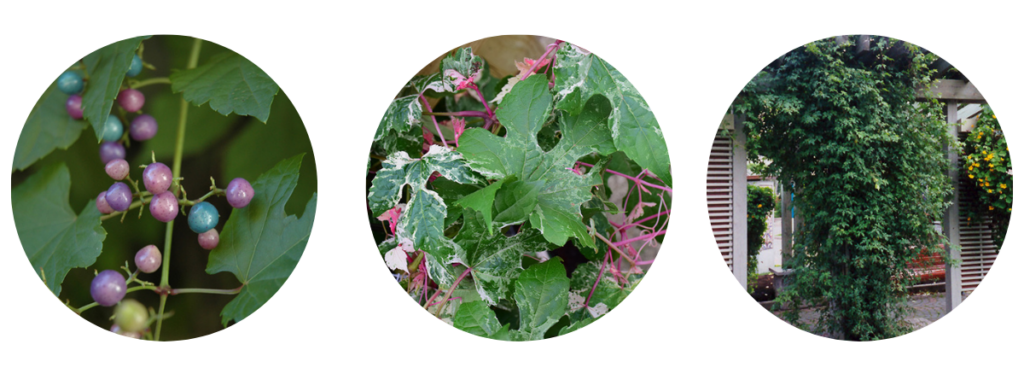
This fast-growing climber is a treasure for its extraordinary ornamental berries. Clusters of small, jewel-like fruits that ripen through a stunning progression of colours, from pale pink and lilac to a rich purple and a remarkable, almost iridescent turquoise blue, all appearing at the same time in fall. Train it up a fence, trellis or structure to let it climb, or allow it to trail gracefully down a slope or over a retaining wall for beautiful low-maintenance ground coverage. Please note: the berries are strictly ornamental, and not for eating.
Graceful, Useful and Very Worthwhile
Vines provide something that few other plants can; they add height, softness, privacy, and beauty all at once. They can disguise an unsightly fence, cool a sun-baked wall with natural shade, frame a garden entrance, or simply bring a sense of lushness to a space that feels too bare or flat.
Find Your Perfect Vine at Eising Garden Centre
Not sure which vine is right for your space? Bring us your questions and, if you have them, a photo of your wall, fence, or structure. Our team will help you find the perfect climber for your light conditions, your soil, and your vision. We’d love to help you get growing your perfect vine!
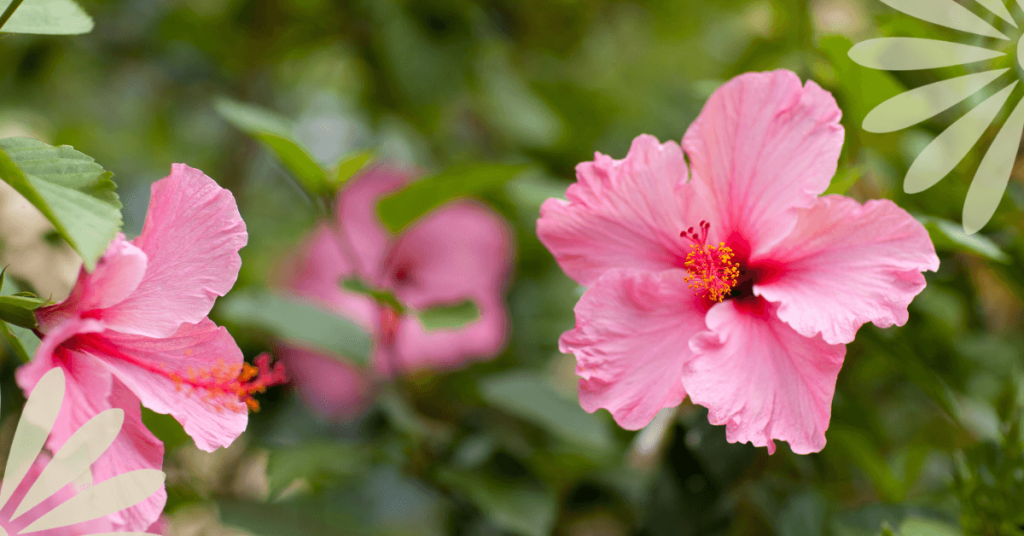
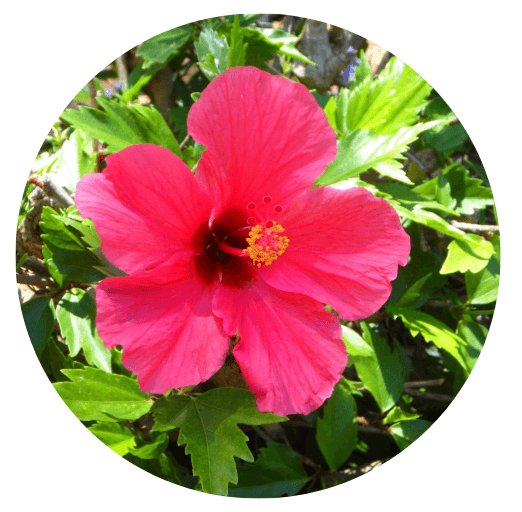
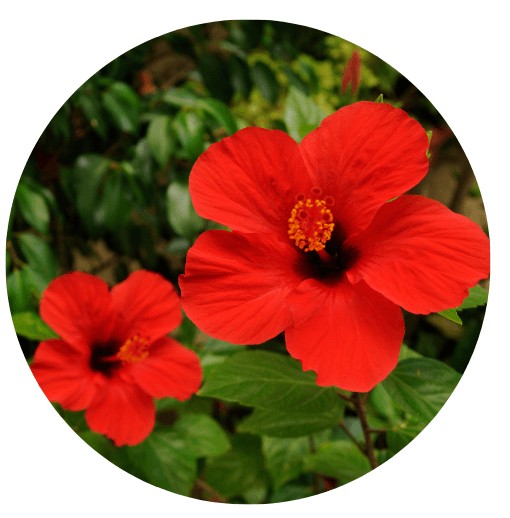
Tropical Hibiscus evokes all of the best descriptions imaginable when you see one. Showy, stunning, exotic, vibrant, impressive, large, lush, colourful and flamboyant flowers grace branches of dark, glossy, green leaves. It just seems unreal! This plant conjures up images of the tropics, but it will grow in a pot on your sunny patio or inside your home!
Tropical Paradise
If you’re looking to create your own tropical paradise, this surprisingly low-maintenance plant is a great addition. Its showy trumpet-shaped blooms make it a great focal plant and the wide variety of shapes and colours available is astounding!
Tropical Hibiscus flowers are rich in nectar, attracting hummingbirds, bees, butterflies and other beneficial pollinators to your garden.
Planting tropical Hibiscus in a pot makes it easier to move the plant to a sunny, warm location, which provides the conditions for it to thrive. Be sure to ease your plant outside by hardening it off though. If it’s been indoors or in a greenhouse, give it time to acclimate, or it will become scorched or worse, die. Hardening off is a simple process of slowly easing your plants into life outdoors.
Blooming Good
Tropical Hibiscus will bloom all summer long here in southern Ontario when provided with sun, warmth, ample water and nutrients. During the growing season, water the soil regularly to keep it evenly moist. While it loves full sun, the sun’s rays can be dehydrating. Hibiscus is a thirsty plant when it’s in bloom so don’t let the soil completely dry out. Of course, there’s a limit to how much water you use. Too much water will cause the roots to rot. The key word is “moist” - not monsoon wet! Using mulch will help to retain moisture in the pot.
To provide your plant with proper nutrition, use a time-release fertilizer in May or a balanced, diluted water-soluble fertilizer like fish emulsion about once a week over the summer months.
Each blossom lasts one day. They are short-lived, but don’t worry - Tropical Hibiscus will produce a succession of flowers during the growing season with ample light, water, and fertilizer. Once a faded bloom wilts, remove it from the plant to make way for the next one.
Looking Ahead
If you’re planning to keep your Hibiscus over the winter, here are a few tips to help.
Before the first frost, inspect the plant thoroughly for any bug hitchhikers or pests like aphids or spider mites. Give the entire plant a thorough shower and then bring it indoors. If you’ve found that your plant needs constant watering and has outgrown its pot, this is a great time for repotting before it comes indoors. Find a pot that is only 1-2” bigger than the pot it’s currently in and transplant it with some fresh, tropical potting mix.
This is another big transition for your plant, and you may find it loses some leaves unless you slowly migrate it from outdoor to indoor conditions. Place your Tropical Hibiscus in a warm, sunny window. Don’t move it to a cold basement right away, even if that will ultimately be its winter home. Just as you hardened it off in the Spring, slowly move it to a cooler location for winter storage if you don’t have a sunny, warm location. Be sure though that it ends up in an area where it’s getting at least 3 hours of direct sun each day.
At this point, stop fertilizing your tropical Hibiscus and reduce the amount of water used. Allowing the soil to dry out between waterings while the plant is dormant and not blooming is okay.
Enough talk of winter! While the weather is warm, pop an umbrella into a fruity summer drink and enjoy your beautiful tropical Hibiscus oasis!