By: Dave Zeldon and Ely Schweyer
Spring and early fall are generally the best times for planting trees. It has been found that newly planted trees thrive when exposed to moderate temperatures and rainfall, as they need time to root and acclimatize before the onset of intense heat and dryness of summer or the freezing temperatures of winter.
Now whilst planting different types of trees differ in detail, all trees eventually end up in a hole. But remember not just any old hole will do.
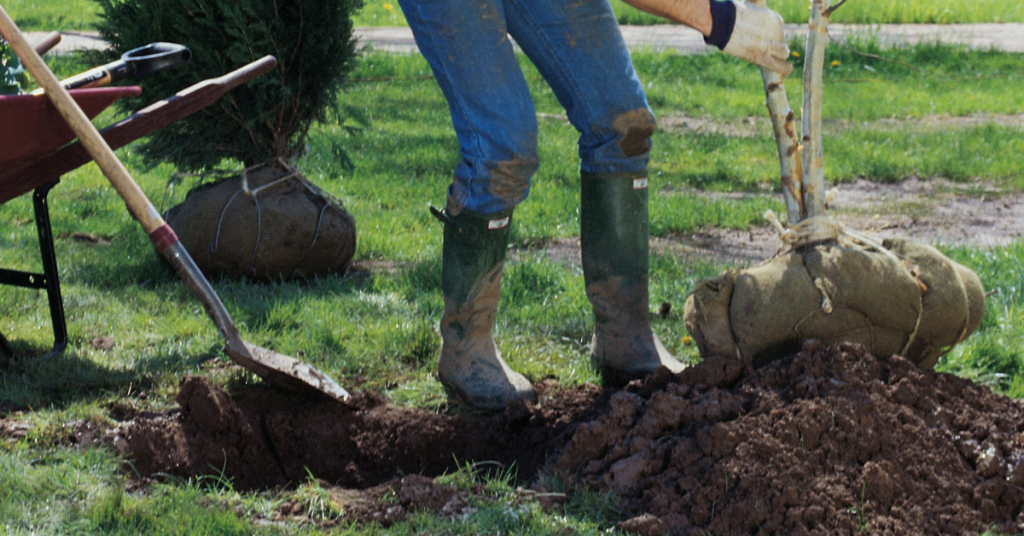
Let’s Get Digging!
1. Some trees are buried too deeply, causing the tree roots to decline in health and condition. We have a whole other article dedicated to transplanting depth if you wish to read more, but here’s the just of it: Poor tree health results in reduced growth rate, atypical leaf size and colour, increased disease susceptibility, and reduced cold hardiness. Always make sure that the root collar flare is visible after planting; if settling occurs, reset the tree to the proper depth.
👉 Note: Many times, homeowners build a raised bed garden around an existing tree in the yard (thus burying the root collar flare) only to find within a year or two their favourite tree now is in decline. Don’t bury that root collar flare!
2. As a general rule, trees should be transplanted no deeper than the soil in which they were originally grown. The width of the hole should be at least three times the diameter of the root ball or container or the spread of the roots in the case of bareroot trees. This will provide the tree with enough worked earth for its root structure to establish itself.
3. When digging in poorly drained clay soil, it is important to avoid 'glazing'. Glazing occurs when the sides and bottom of a hole become smoothed forming a barrier, through which water has difficulty passing. To break up the glaze, use a fork to work the bottom and drag the points along the sides of the completed hole. Also, raising the centre bottom of the hole slightly higher than the surrounding area. This allows water to disperse, reducing the possibility of water pooling in the planting zone.
4. The backfill soil should be a mixture of composted manure and topsoil. The mixture should then be placed in the hole surrounding the tree just to the height of the ball or slightly lower to allow for some settling. Be careful not to compress the backfill soil as this may prevent water from reaching the roots and the roots from expanding beyond the ball.
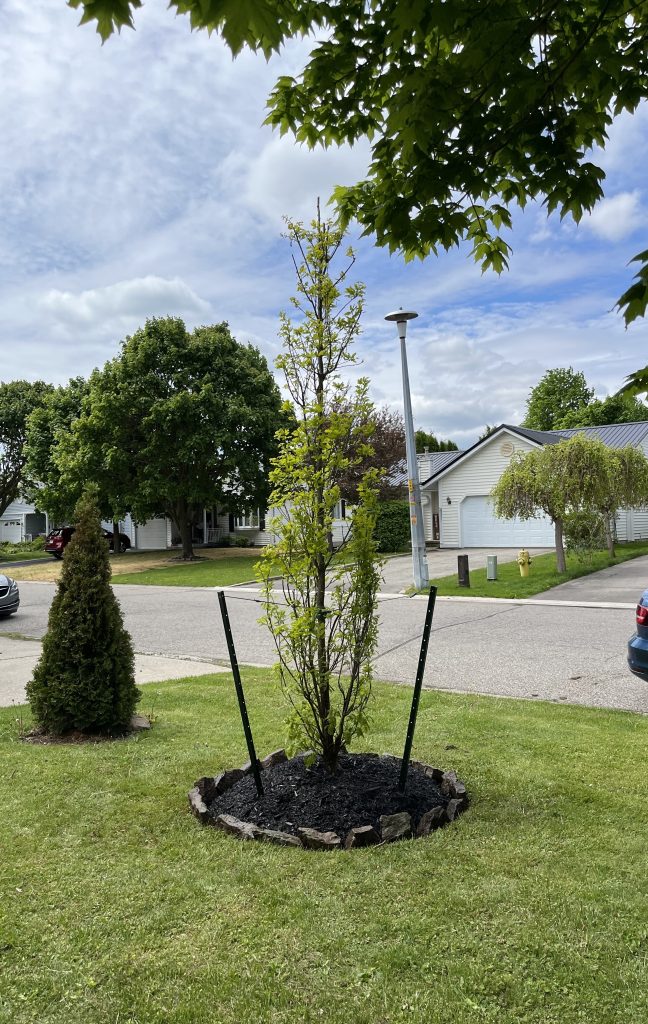

Jobs well done by the Eising landscaping team!
Standing On Its Own Roots
Young trees should be able to support their own weight when they are transplanted. If the tree is unable to do so, try thinning out the upper branches to reduce wind resistance. If that is not enough, you may have to stake a tree.
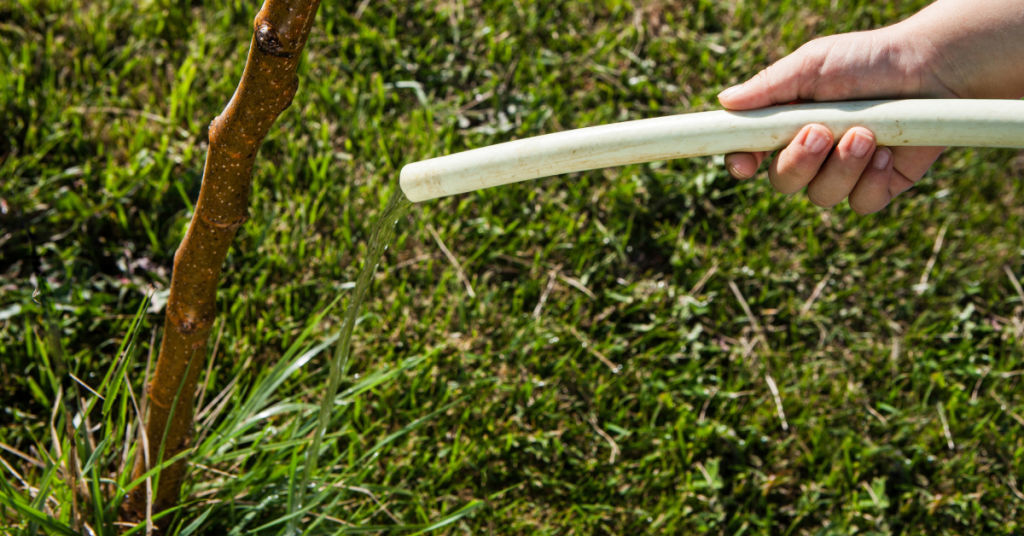
Watering Your New Tree
Newly planted trees should be watered at the time of planting. In addition, during the first growing season, they should be watered at least once a week in the absence of a good rain.
👉 Remember: Regular deep soakings are better than frequent light wettings.
We hope these tips can help you encourage the longevity of your new tree! For more information - and trees - visit our Trees & Shrubs section at Eising Greenhouse and Garden Centre. We hope to see you soon!
By: Ava Green
As temperatures begin to cool down, autumn colours set in and surround us with the beauty that is fall in southern Ontario. Suddenly summer is gone and it’s time to think about creating a cozy atmosphere inside and outside that is inspired by the world around us.
Autumn Outside
Whether you gather items from the garden or from the garden centre for a display, there are lots of natural materials all around us to draw from. Take some plumes from ornamental grasses and put them in decorative buckets. Add branches with colourful leaves or dried seed pods, and pumpkins or mums for a pop of colour. A bland background becomes the perfect backdrop.
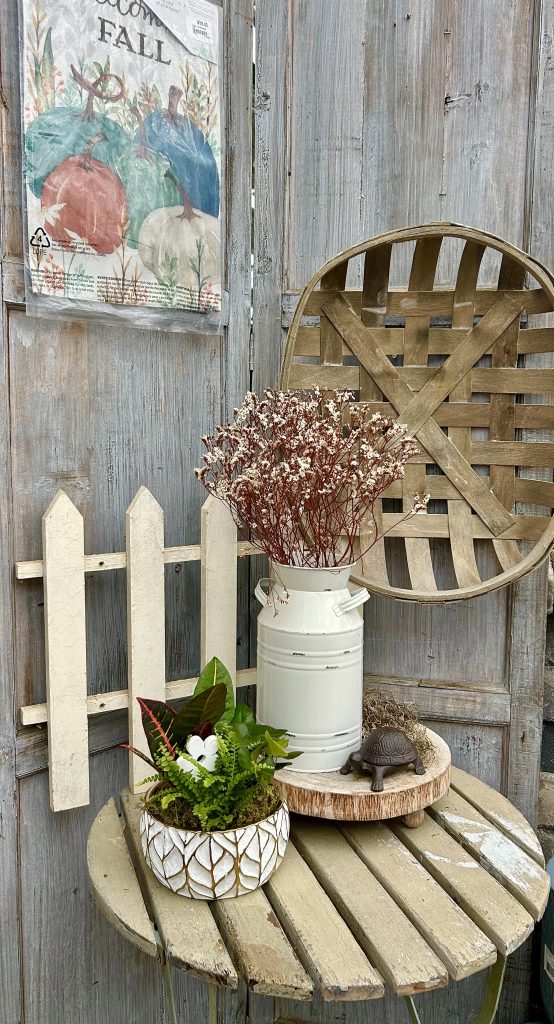
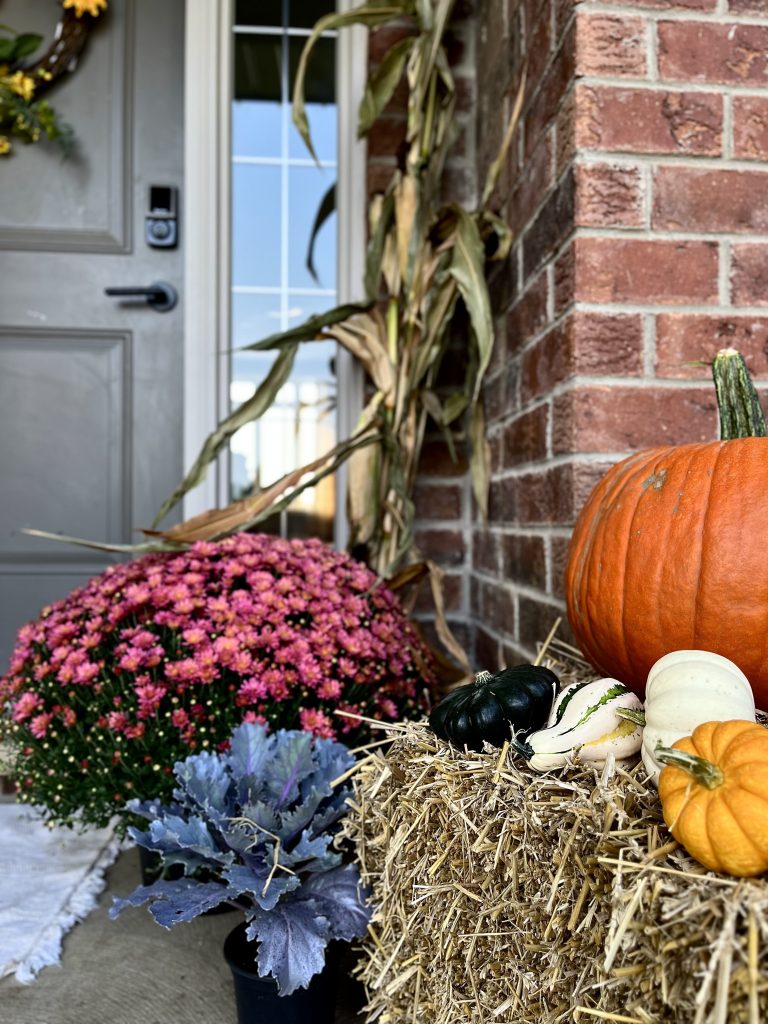
Looking for something to grow? Create fall planters with sunflowers, ornamental kale, ornamental peppers, live grasses, and, of course, fall mums.
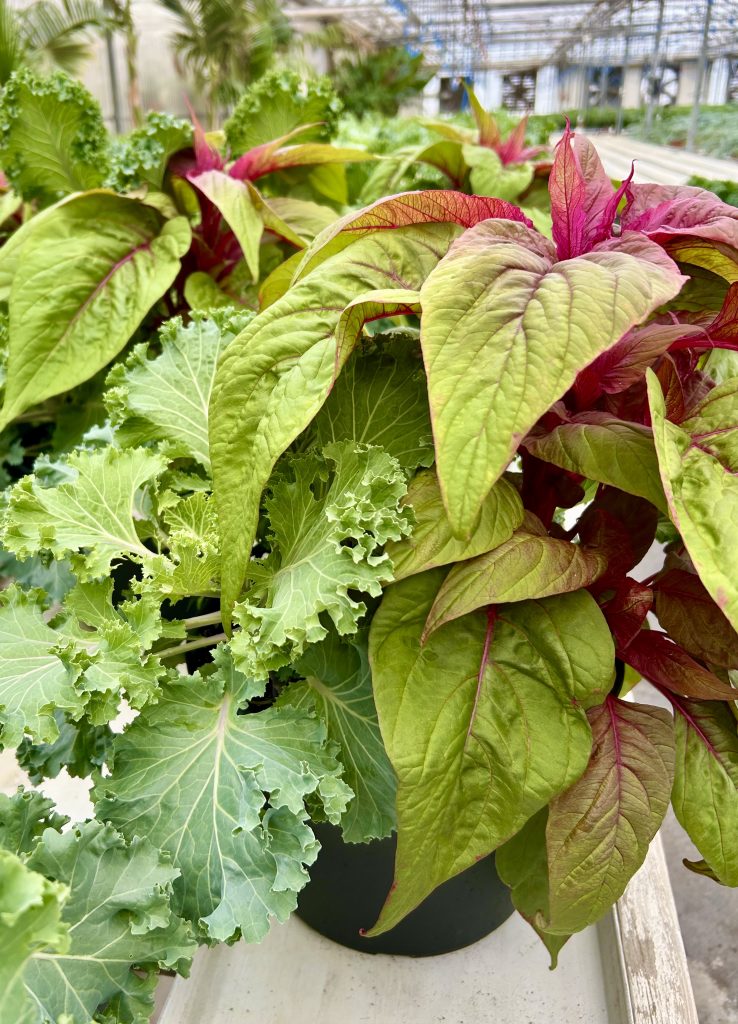
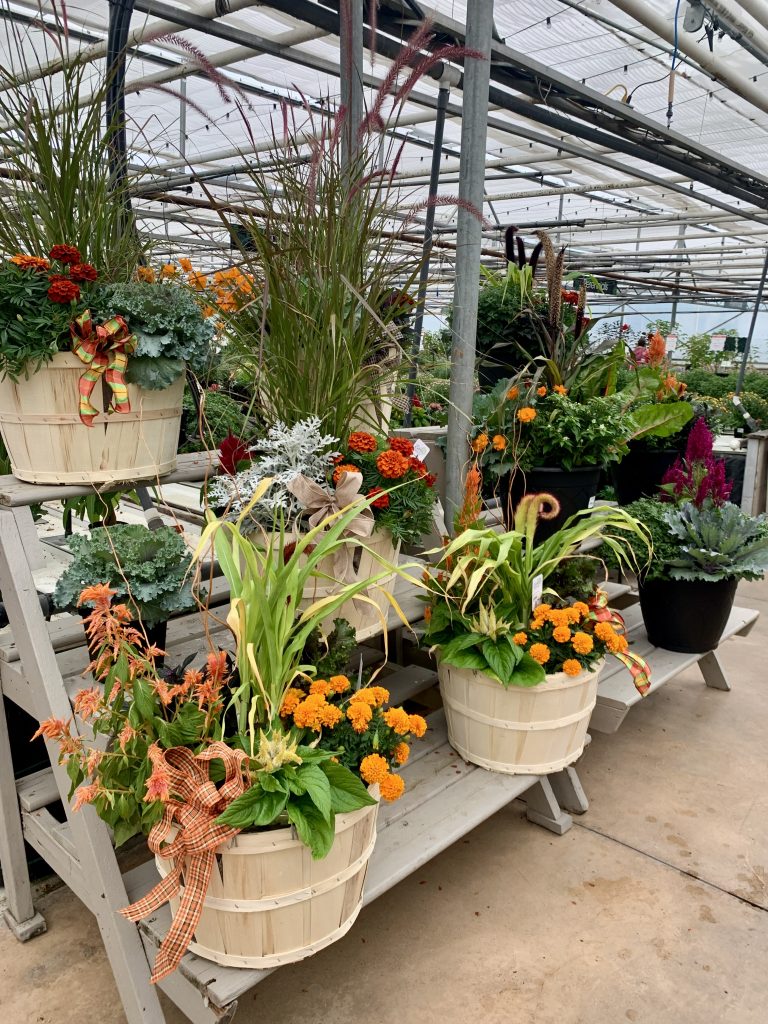
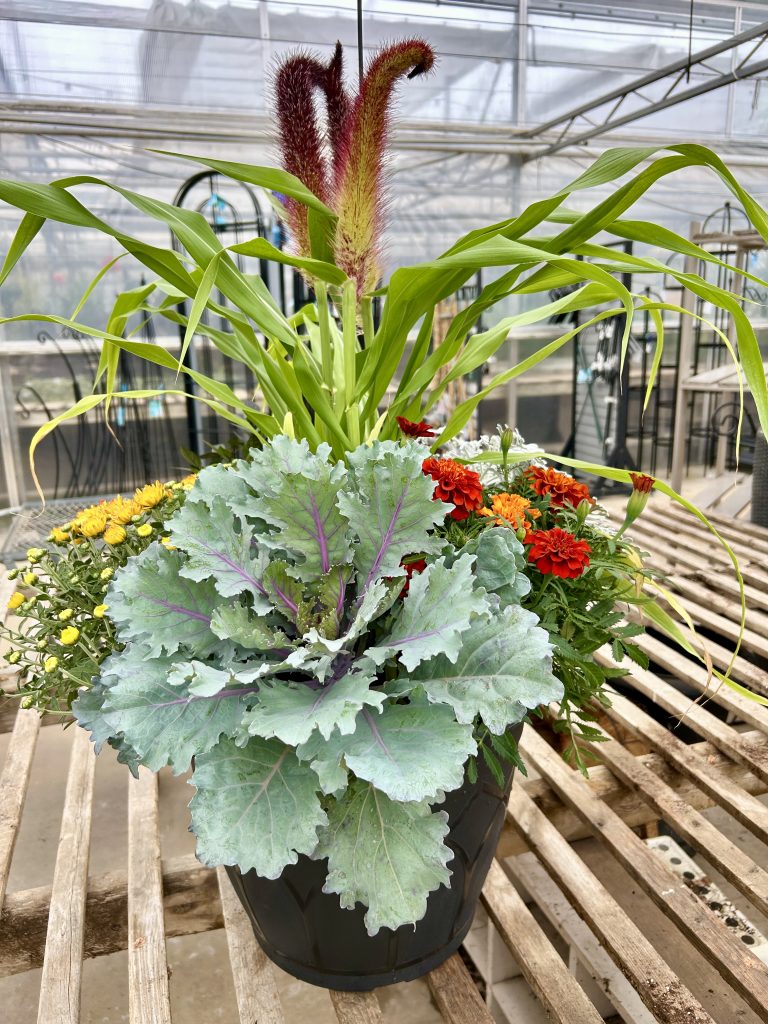
We offer beautifully festive arrangements with a variety of ornamental fall plants, as well as individual plants to decorate an outdoor table, or as a planter creating a warm welcome on your front porch (watch here: Jeanine create a fall planter on our IG).
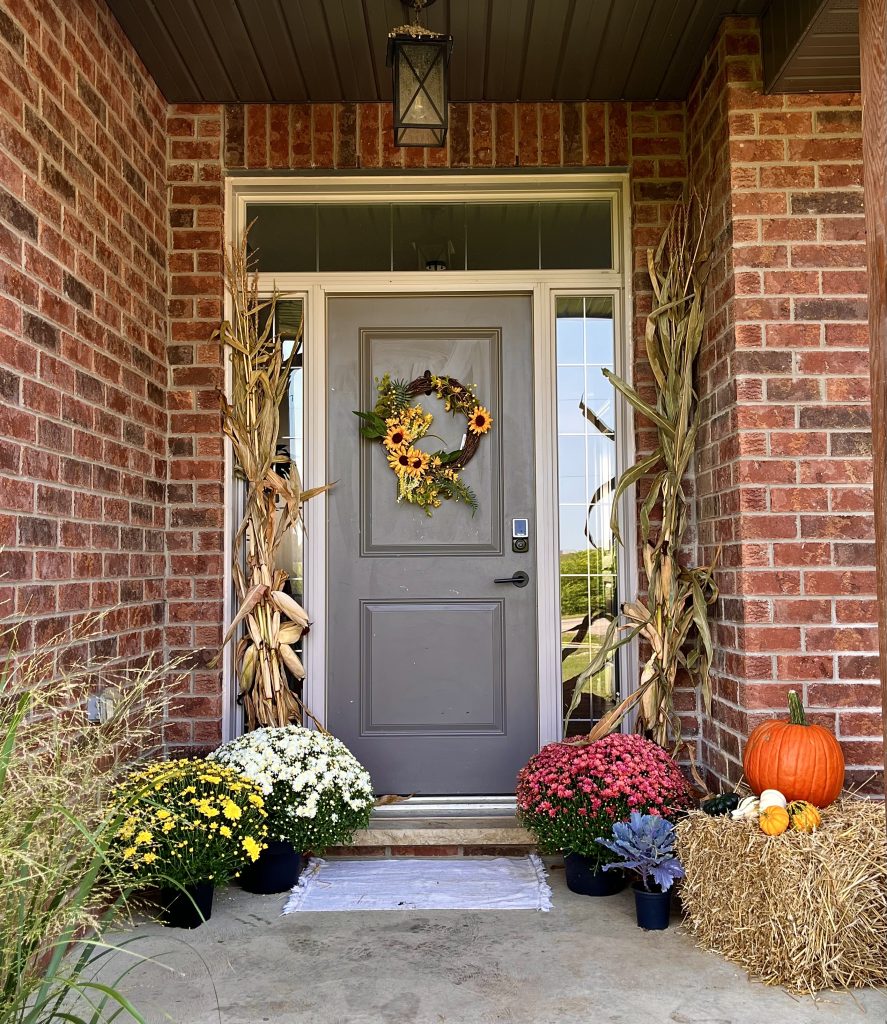
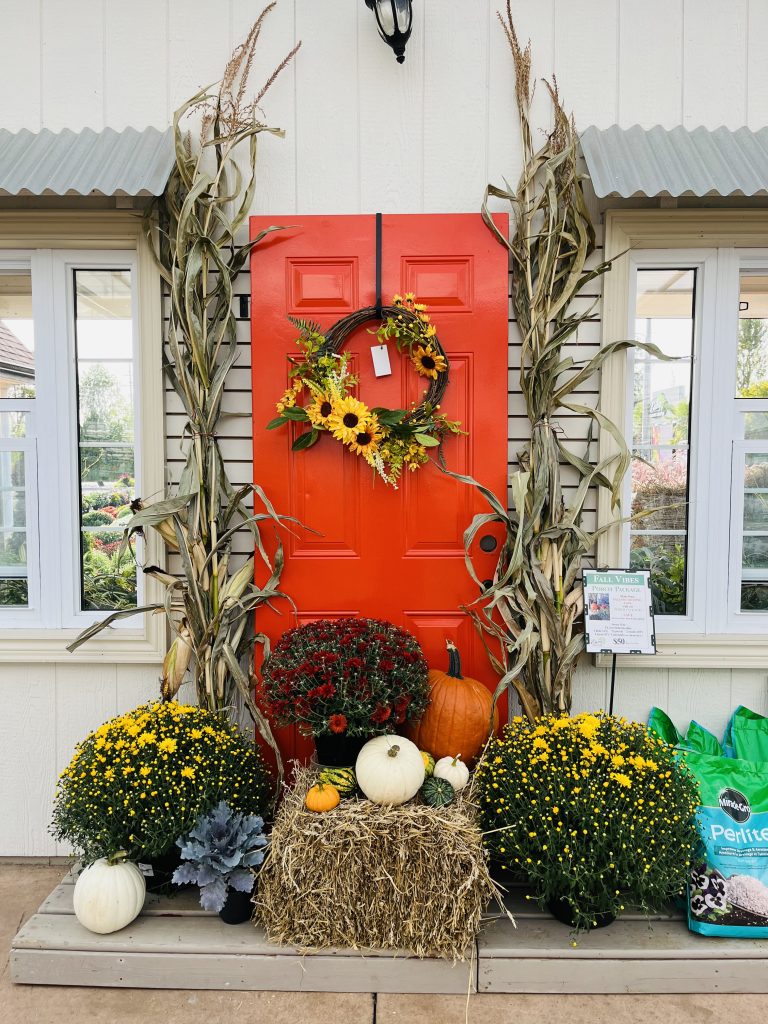
Eising’s popular Porch Packages make it easy to decorate the entryway to your home. But don’t wait, they sell out quickly!
Autumn Inside
When there are fall colours outside, autumn displays inside create continuity that will carry your indoor decorating right into the holiday season in December.
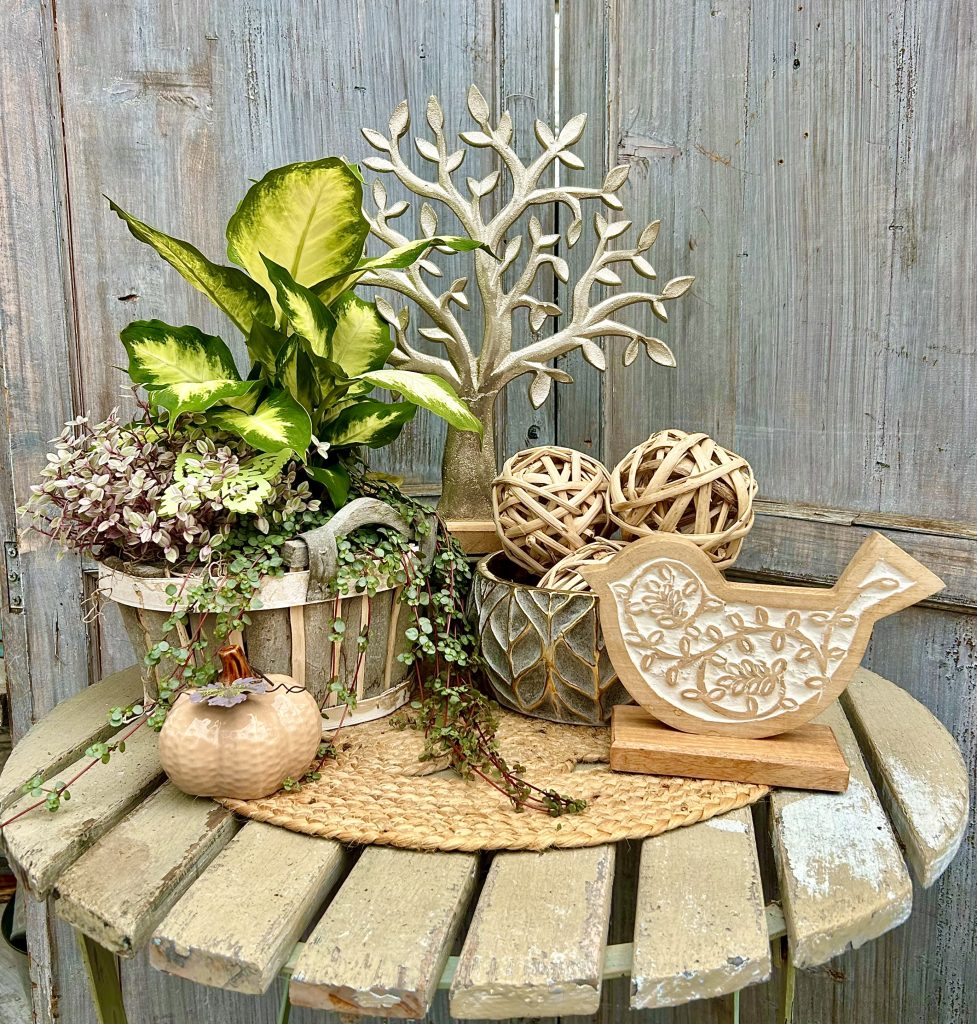
Displays that are vibrant, warm, rustic or whimsical are fun and easy to make. Here are some basic design principles that will help you get started, along with examples we’ve created using items in the Eisng shop.
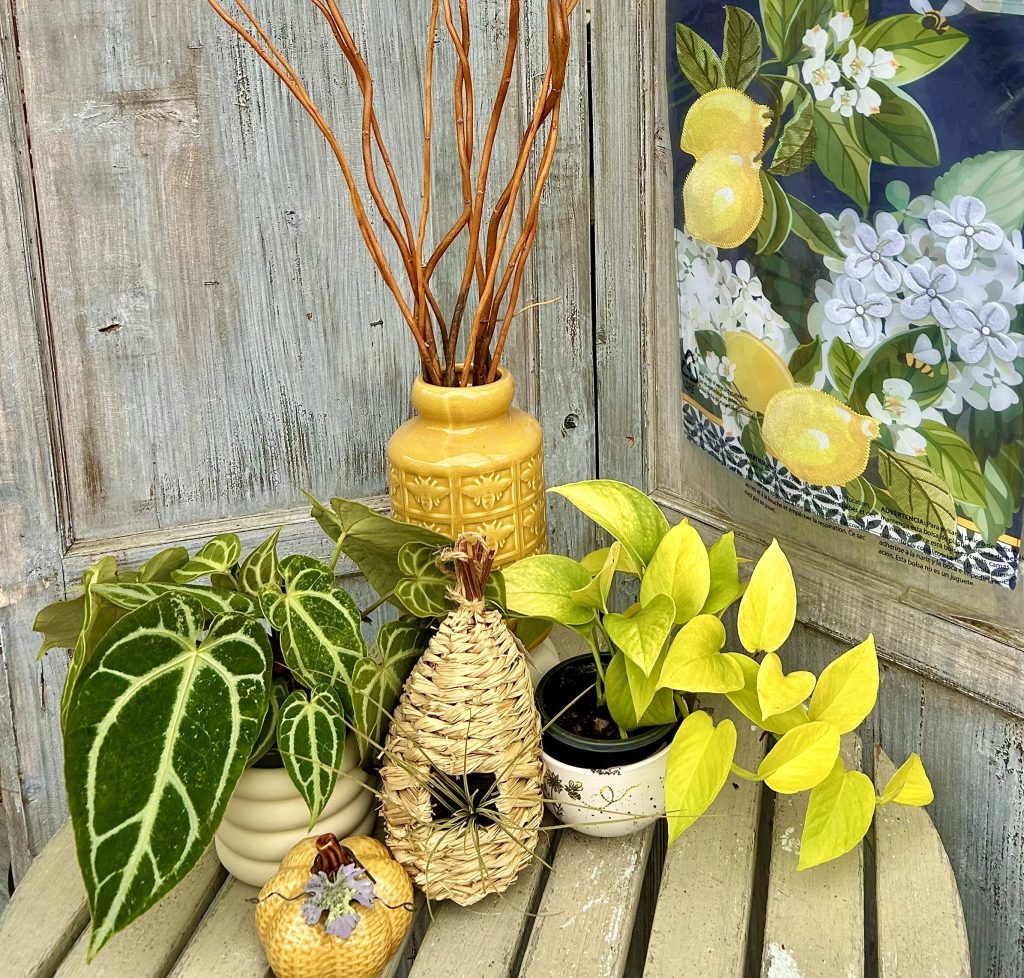
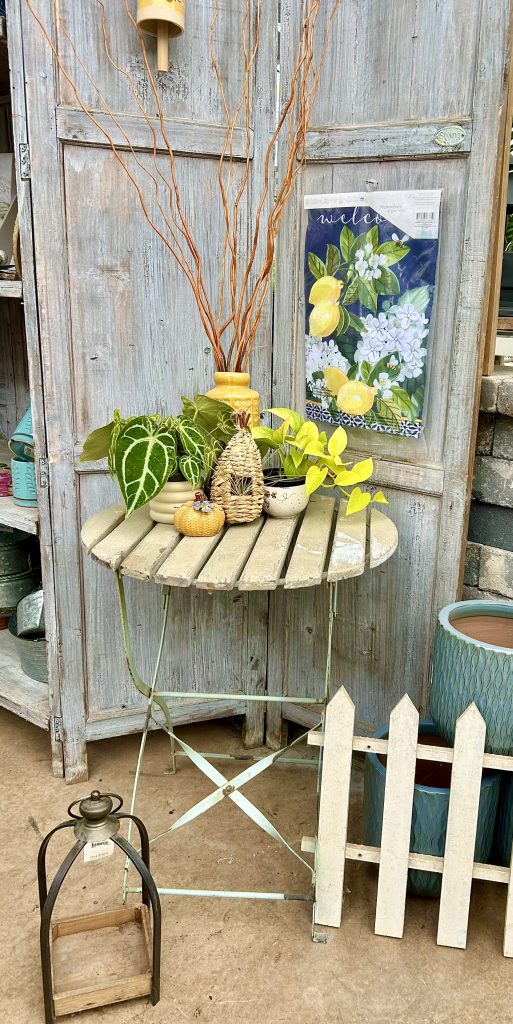
The Rule of Odds
Using an odd number of items (3, 5 or 7) is always more appealing. Why? For some reason, odd numbers are just more harmonious for us to take in. Designers and photographers call it the rule of odds.
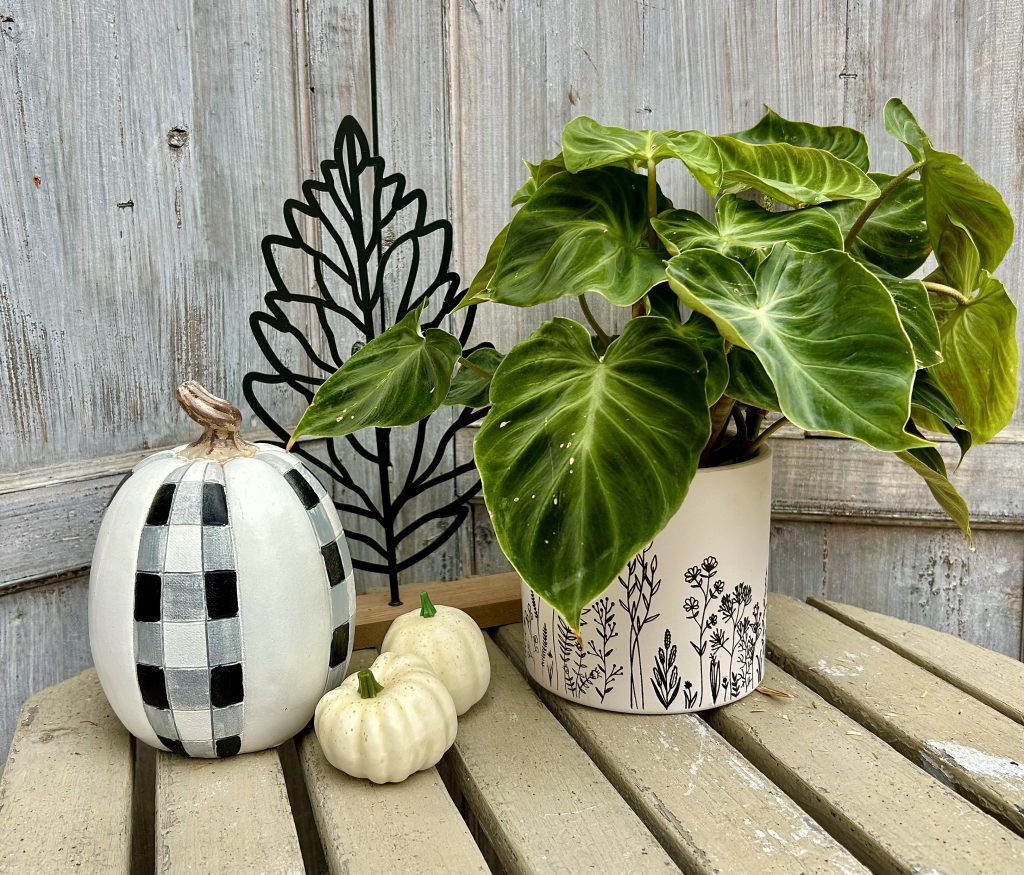
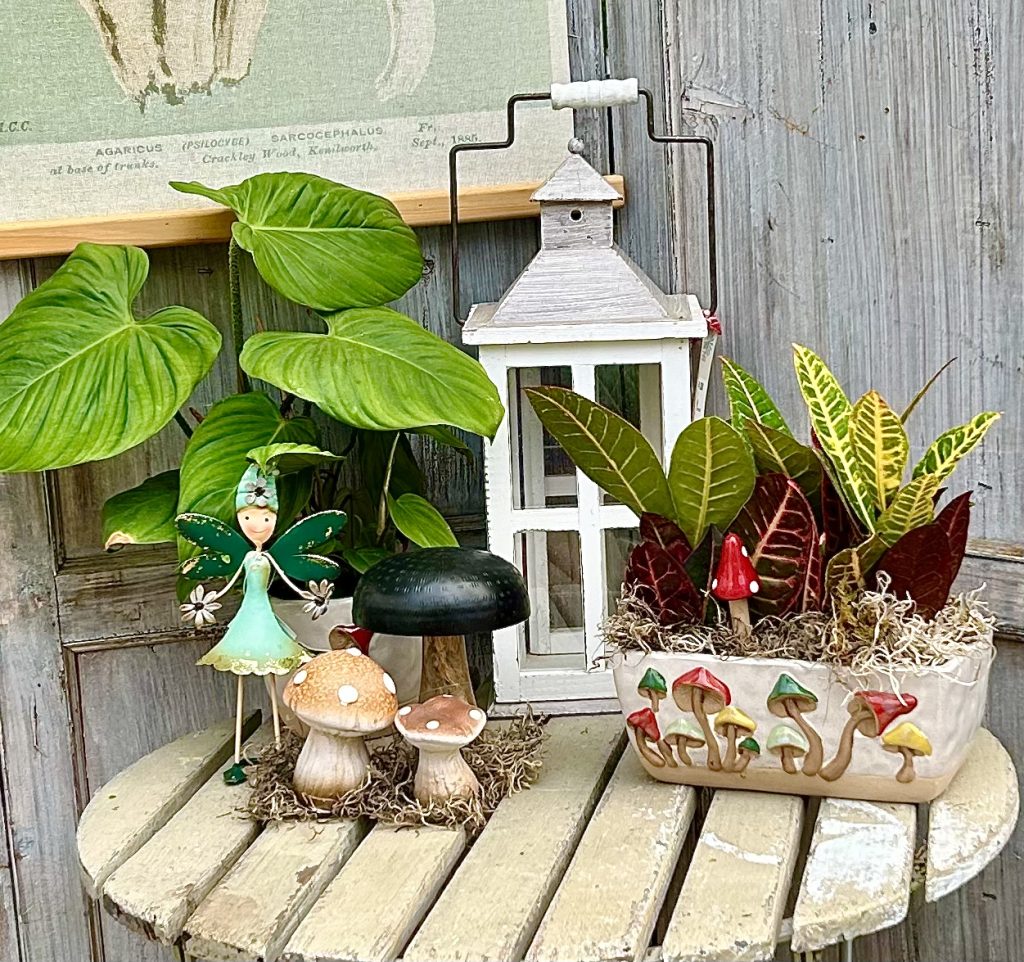
Pick a Theme
Pick a theme like a common colour, a shape, a design or motif. Look for containers or items you can include that fit in with your theme.
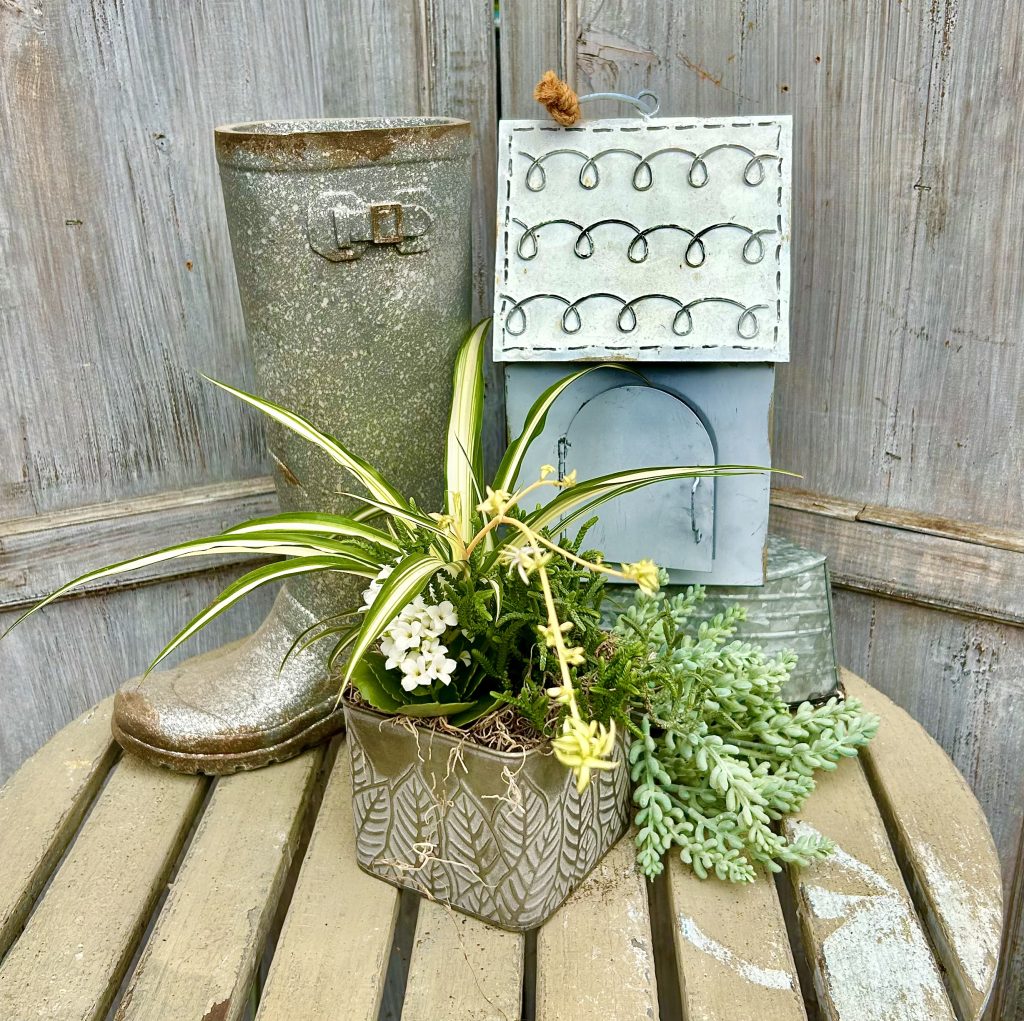
Like the arrangements we offer at Eising Garden Centre, include the following in your designs:
- a thriller like a beautiful vase or container, a tropical plant, or fresh or dried flowers
- a spiller like a plant, dried or silk leaves or moss around the base of containers
- and a filler like foliage plants, fruit, candy, mini pumpkins and gourds, or moss
Size and Scale
Scale is important! Keep the display short if it’s for the centre of a dining table so that guests can see each other across the table! Create taller displays if you’re decorating a corner table or a mantlepiece.
Light it Up
Adding light, including flameless candles or fairy lights, instantly brings warmth to any display.
Aromatics
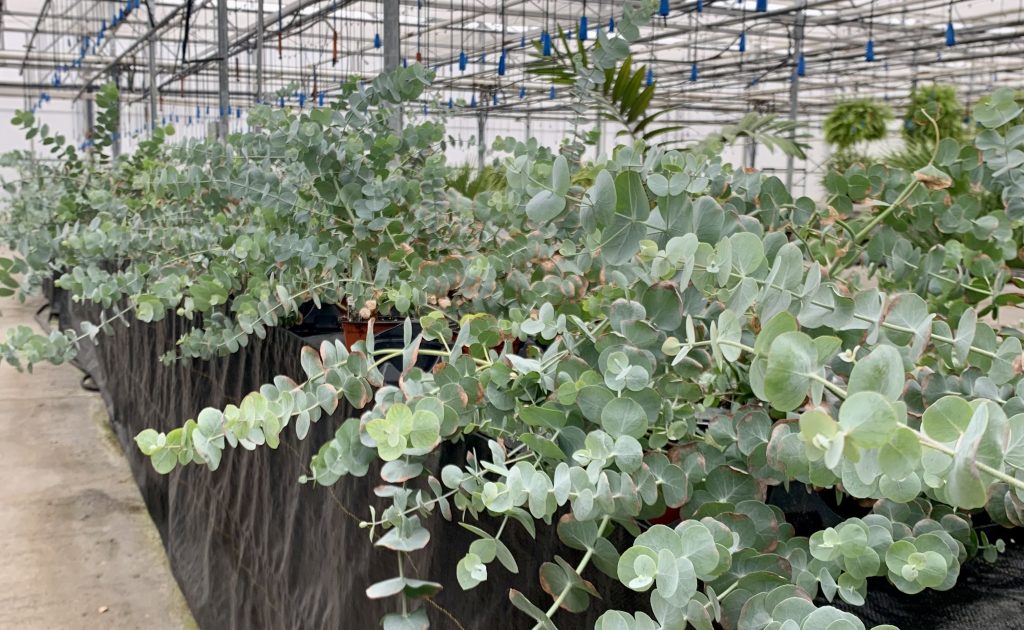
Include scent: using plants like eucalyptus, or fruit like apples or oranges, and spices like whole cloves and cinnamon sticks all add a homey touch.
We would love to see what you create and hope this has sparked your creativity. Don’t forget to tag @Eising Greenhouses & Garden Centre on your Instagram and Facebook posts when you share your decorations online - we would love to see them!
If you bought a live tree for Christmas, maybe from your friends at Eising, and you’re wondering what to do with it after the holidays, we have 7 ways to recycle or upcycle it. The needles and tinsel may be falling off, and you’re probably ready to give it the “Heave Ho!”, but wait! Check out these ideas first:
1. Create a wildlife shelter and winter interest
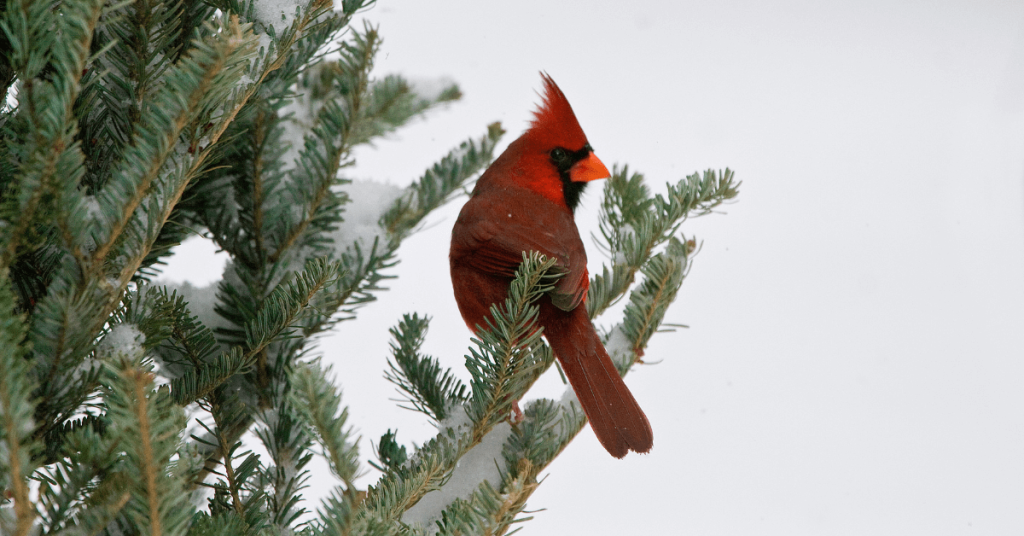
Let's put our Christmas trees to work in our gardens! If you have a bare spot in the yard, moving your Christmas tree outside is a great way to instantly “spruce” it up! You can leave the tree right in the stand, or prop it up on a fence, maybe even add a string of outdoor lights to enjoy on the dark winter nights coming our way. Doing this will give you something pretty to look at for sure, but more importantly, it provides additional shelter for birds and wildlife.
2. Enhance your garden soil
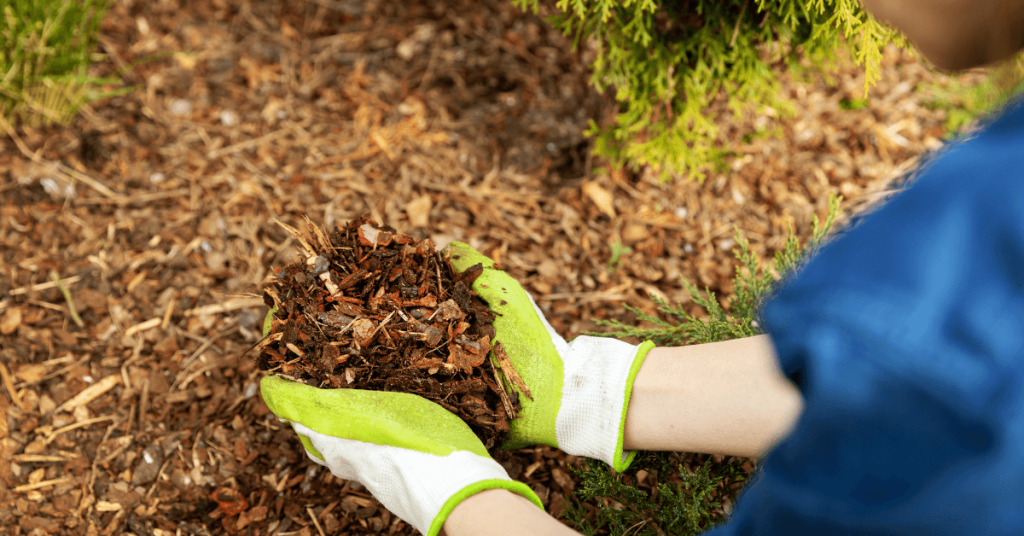
A live Christmas tree is 100% biodegradable. By turning it into mulch or compost it will break down and return stored nutrients back to the soil. Now that’s a win-win! And it’s easier than you may think. If you don’t have a shredder, branches can be chopped up by using good ‘ol pruning shears. Needles are full of nutrients and will also help soil from becoming dense and compacted. Using wood chips, chopped branches, and needles as a mulch is also a great way to help your garden trees stay moist and healthy during the winter. If you’re adding the needles and branches to your compost pile, be sure to add some water and mix it well with the rest of the compost. Another option is to add the chopped branches and needles to a garden path.
3. Protect your plants
There’s still a lot of winter weather ahead of us, and your tree can help protect perennials that are marginally hardy. Simply cut long branches from your Christmas tree using loppers, pruners, or a saw, and lay them over perennial plants to add insulation. The boughs will protect your plants from winter freezes and spring thaws, which could be the difference between losing a plant and seeing it grow again next year.
4. Keep the fresh pine scent
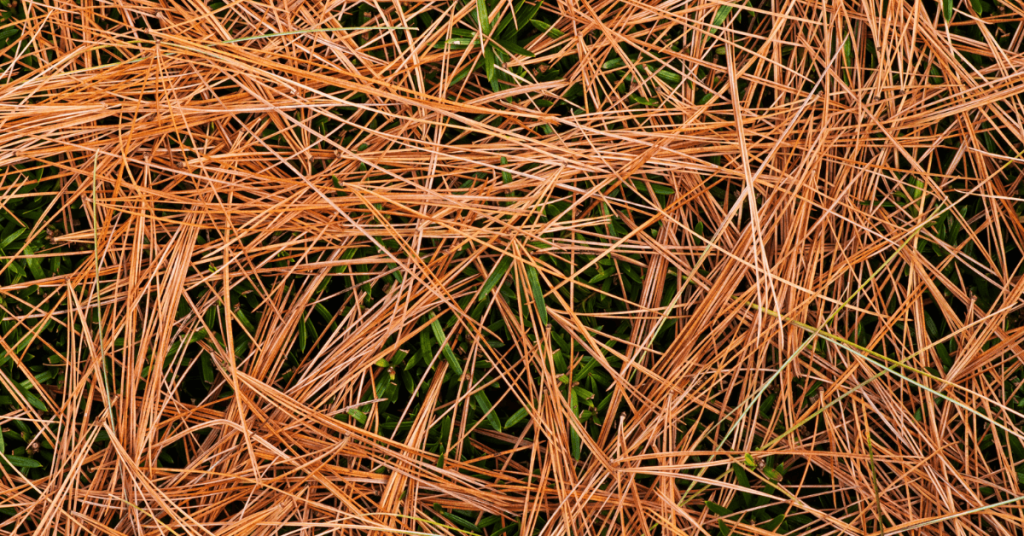
Are the needles on your tree still green? Use gloves or scissors to strip them from the tree, then store the needles in paper bags to use as room fresheners. The needles can retain their scent for months to come.
5. Support for Spring
Branches make lovely natural supports for any plants that need a little propping up - like peonies for example. Once the branches are trimmed off, the trunk can be used to support vines like Morning Glories or pole beans, or by laying it on it’s side as an edge for a garden.
6. Get creative
Crafts like ornaments and coasters are a great way to upcycle a tree trunk. Be sure to let the tree completely dry first or the wood will split when you cut it into 6 to 10 millimeter thick rounds. Then get creative by painting or varnishing and drilling holes in them if you’re making ornaments. They’re attractive, practical, and make great gifts.

7. Donate it, or take it to a recycling centre
If you have no need for recycling your living tree for home use, then look for a local program to donate your tree to. For over a decade, the Royal Botanical Gardens in Hamilton has used donated Christmas trees for various stream restoration projects. More information about their programs can be found on the RBG site. Or, skip the drive to Hamilton and check for your county recycling program. In Norfolk County for example, you must drop your tree off.
What’s not on our list? Burning your tree. You definitely do not want to burn it in your fireplace as it’s creosote content makes for a sticky, sooty fireplace. It’s not recommend that you burn it outdoors either. Coniferous needles contain nitrogen and substances called terpenes which are very toxic when burned, making the smoke unsafe for anyone around your fire pit to breathe. It’s much better to do any of the things listed above, or, if you have your own wooded area or pond, you can also put your tree in either of those places to enhance the natural habitat for woodland animals or fish.