
Five Favourite Purple Perennials
Staff Picks We Love
By Ava Green
When colour coordination is your favourite way to build a garden, we’ve got a lineup of purple and purple-ish perennials that come back reliably every year, look gorgeous, and earn our staff-pick stamp of approval.
Many of these plants come in other colours too, but today we’re keeping it purple.
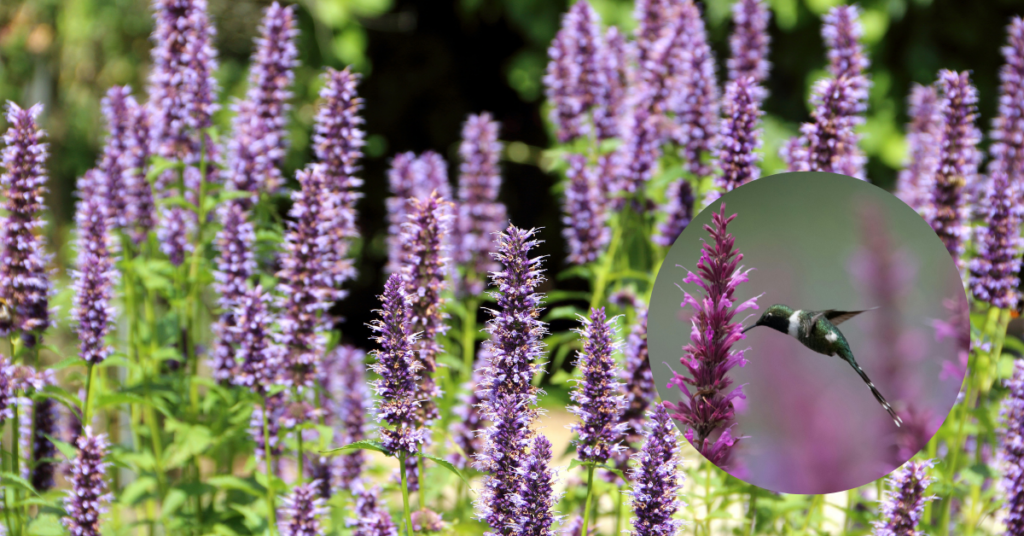
Anise Hyssop, Agastache
Also known as hummingbird mint, this prolific bloomer is deer and rabbit resistant while being an absolute magnet for butterflies, bees, and, of course, hummingbirds! It’s a long-bloomer by nature, but cutting back spent blooms will encourage a second flush and keep it from self-seeding.
Best for: The hottest, sunniest spot, where other plants wilt. It appreciates a deep watering now and then, but also well-drained soil that isn’t consistently wet | Sun: Full sun to partial shade | Mature size: Typically 2-5 ft. tall × 1-3 ft. wide
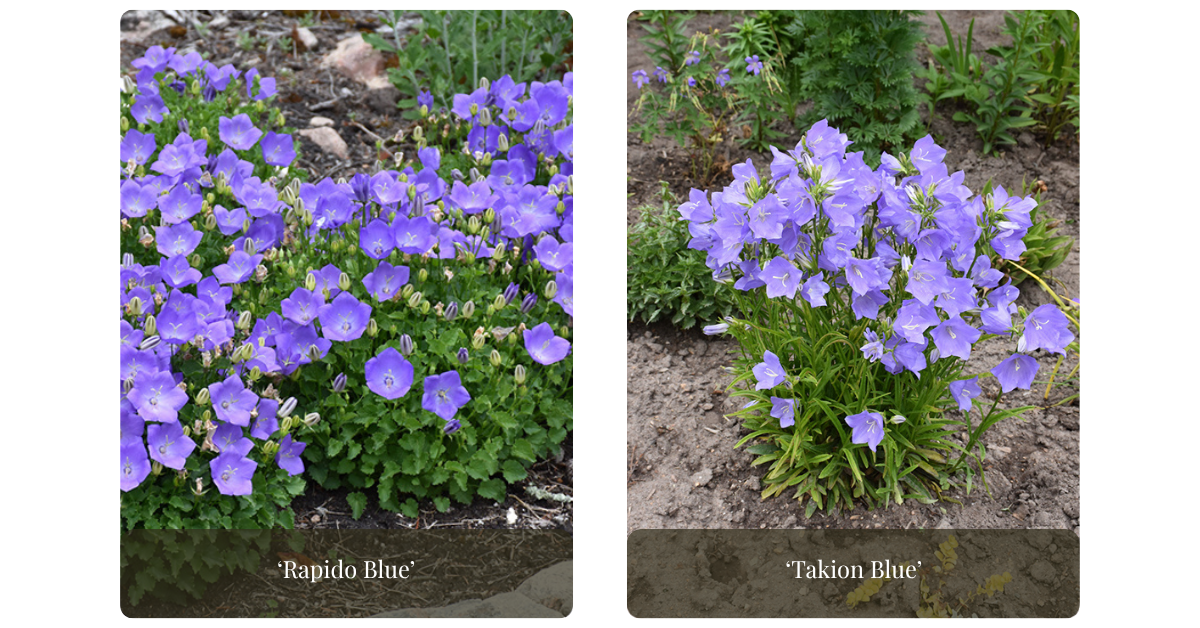
Bellflower, Campanula
With over 300 species across the Northern hemisphere, bellflowers range from the tiniest creeping groundcover to the stateliest back-of-the-border showpiece. “Diverse” is an understatement. Campanula carpatica blooms abundantly and faithfully, and it loves a trim to encourage reblooming; just never cut back more than 30% of the plant at once.
Best for: Cottage gardens, borders and rock gardens. Keep consistently moist until established. A layer of mulch is appreciated | Sun: Full sun to part shade | Mature size: 3 in. to 3-6 ft tall × 8 in. to 1-2 ft wide, depending on the type
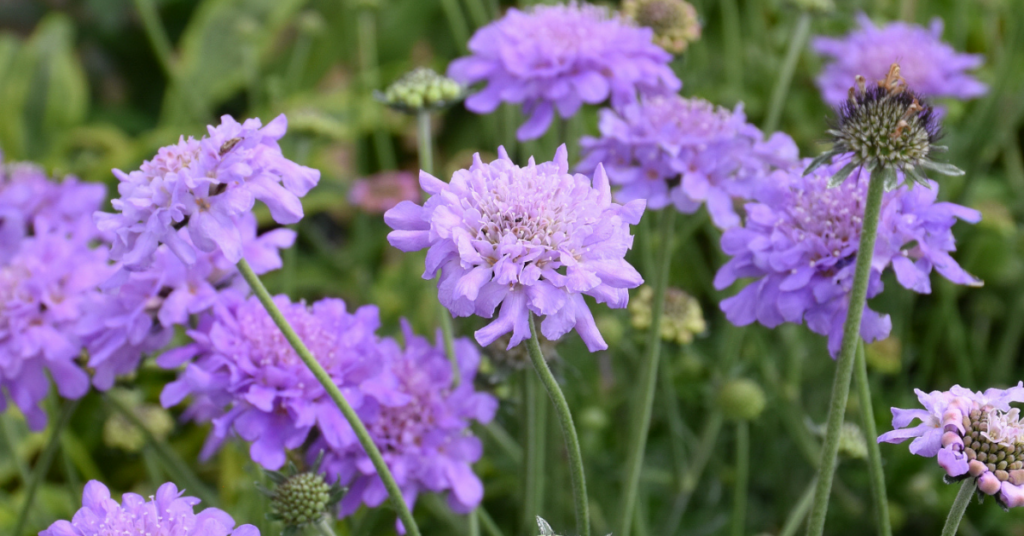
Pincusion Flower, Scabiosa
A long-blooming, wispy, romantic plant that doesn’t always turn heads sitting in a pot at the garden centre, but take it home and give it a chance! Its lacy flowers rise above tidy, mounding foliage and planted en masse, they create a beautifully soft, drifting scene. Deadhead regularly to keep the blooms coming. Cut a few at their peak every few days for flower arrangements; it makes the whole task more enjoyable.
Best for: The front or middle of beds and borders, planted in groupings | Sun: Prefers full sun, tolerates part shade | Mature size: 12-24 in. tall × 12-24 in. wide
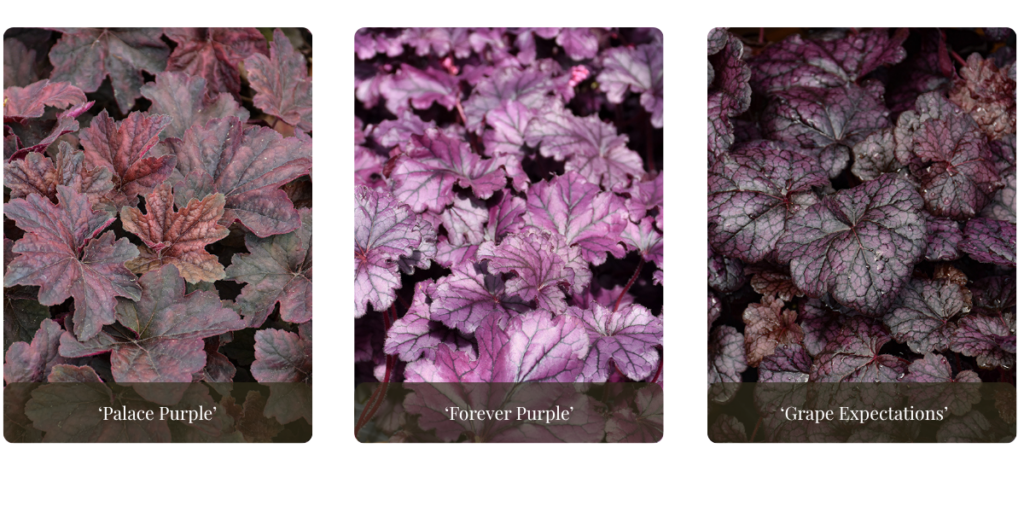
Coral Bells, Heuchera
The flower stems of Heuchera come in red, pink, white, yellow, or purple, but we’re including it here for varieties with bold purple foliage! Gardeners often overlook foliage in favour of flowers, but this one demands attention all season long. Remove spent flowers to prolong blooming, mulch in the fall, and divide every two or three years to keep plants robust and full.
Best for: Edging a bed or border, groundcover, or clustered together in a woodland garden | Sun: Light or partial shade | Mature size: 12-32 in. tall (including flower spikes) × 20-24 in. wide
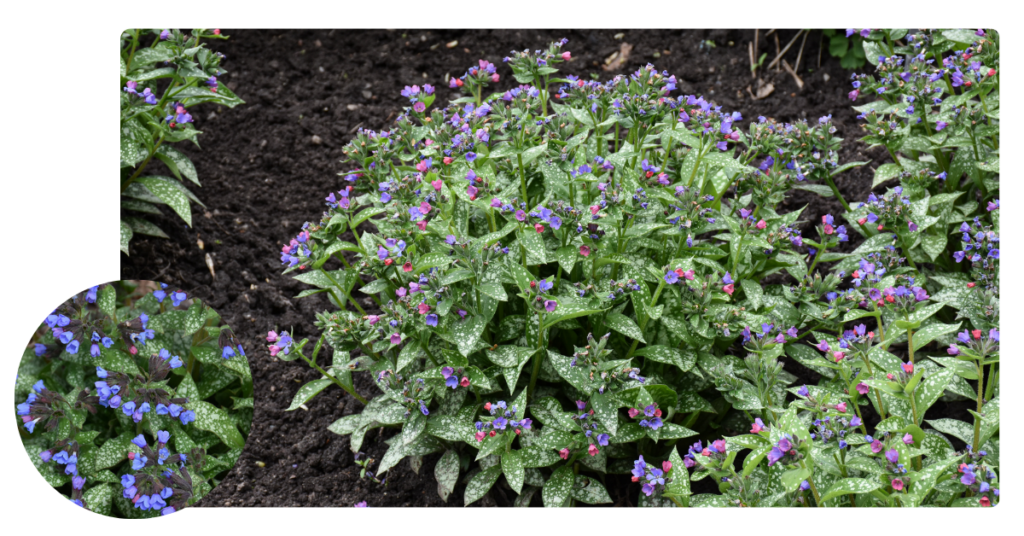
Lungwort, Pulmonaria
This plant really deserves a better name because “lungwort” doesn't capture how pretty it is. Well-behaved mounds of mottled dark green and soft white leaves send up stems bearing clusters of bell-shaped flowers that start out pink and mature into a gorgeous purplish-blue.
Best for: Ground cover in a woodland garden, edge of a pond or stream, or a shady border | Sun: Partial to full shade | Mature size: 16 in. tall × 2 ft. wide
More Purple Perennials Worth Considering
Looking to load up on purple? Keep an eye out for: Russian Sage (Perovskia), Beard Tongue (Penstemon), Primrose (Primula), Dianthus (aka Pinks), Garden Phlox, Pasque Flower (Pulsatilla), Hummelo Betony (Stachys), Monkshood (Aconitum), Lupine (Lupinus), Jacob’s Ladder (Polemonium), Iris, Cranesbill (Hardy Geranium), Bee Balm (Monarda), Columbine (Aquilegia), Catmint (Nepeta), Cardinal Flower (Lobelia), Balloon Flower (Platycodon), Blazing Star (Liatris), Lavender (Lavandula), and Verbena.
Stop by Eising Garden Centre and chat with Mary or Donna; they’re always happy to help you find your favourite purple plant…or any other colour that catches your eye!
Articles you might like

